


Summer brings warm days, bright sunshine, and the perfect conditions for a colorful garden. The right summer flowers can transform your yard, patio, or balcony into a lively space filled with color and fragrance. Some blooms love intense sunlight, while others prefer partial shade and cooler spots. You can also choose annuals for quick seasonal color or perennials that return year after year. From cheerful zinnias and golden sunflowers to fragrant lavender and tropical hibiscus, there’s a bloom for almost every garden.
In this guide, you’ll discover beautiful long-blooming flowers, heat-tolerant plants, and container-friendly flowers for different spaces. You’ll also learn about colors, bloom times, growing conditions, and simple summer care.
What Are Summer Flowers?
Summer flowers are plants that bloom during the warmest part of the growing season. Some begin flowering in late spring and continue into summer. Others start when temperatures rise and keep producing blooms until early fall.
The best choices depend on your climate, soil, sunlight, and planting space. Heat-tolerant flowers can handle hot weather better, while shade-loving plants need protection from intense afternoon sun.
When Do Summer Flowers Bloom?
Many plants begin blooming between late spring and early summer. Others reach their peak during July and August. Some long-blooming flowers can continue until the first frost when you remove faded blooms and provide suitable growing conditions.
Why Do Some Flowers Thrive in Summer?
Plants suited to summer often tolerate heat, strong sunlight, or dry conditions. Their roots, foliage, and growth habits help them cope with warmer weather. Drought-tolerant plants can be especially useful in gardens where soil dries quickly.
30 Summer Flowers for a Colorful Garden
The following table gives you a quick comparison of popular choices. Bloom timing can vary with climate, cultivar, and growing conditions.
| No. | Flower | Main Colors | Type | Typical Summer Bloom |
| 1 | Zinnia | Pink, red, orange, yellow | Annual | Summer to fall |
| 2 | Marigold | Yellow, orange | Annual | Summer to fall |
| 3 | Sunflower | Yellow, gold | Annual | Summer |
| 4 | Petunia | Pink, purple, white, red | Annual | Summer to fall |
| 5 | Cosmos | Pink, white, red | Annual | Summer to fall |
| 6 | Celosia | Red, orange, yellow, pink | Annual | Summer to fall |
| 7 | Geranium | Red, pink, white | Annual/perennial | Summer |
| 8 | Begonia | Pink, red, white, orange | Annual/perennial | Summer |
| 9 | Lantana | Yellow, orange, pink, purple | Perennial/annual | Summer to fall |
| 10 | Portulaca | Pink, red, yellow, orange | Annual | Summer |
| 11 | Coneflower | Purple, pink, white | Perennial | Summer |
| 12 | Black-Eyed Susan | Yellow, gold | Perennial/annual | Summer to fall |
| 13 | Salvia | Blue, purple, red, pink | Annual/perennial | Summer |
| 14 | Coreopsis | Yellow, red, orange | Perennial/annual | Summer |
| 15 | Lavender | Purple, blue | Perennial | Summer |
| 16 | Daylily | Orange, yellow, red, pink | Perennial | Summer |
| 17 | Hibiscus | Pink, red, yellow, white | Perennial/tropical | Summer |
| 18 | Dahlia | Many colors | Tender perennial | Summer to fall |
| 19 | Phlox | Pink, purple, white | Perennial | Summer |
| 20 | Bee Balm | Red, pink, purple | Perennial | Summer |
| 21 | Gardenia | White | Shrub | Summer |
| 22 | Bougainvillea | Pink, purple, red | Shrub/vine | Summer |
| 23 | Angelonia | Purple, pink, white | Annual/perennial | Summer |
| 24 | Impatiens | Pink, red, white, orange | Annual/perennial | Summer |
| 25 | Sweet Alyssum | White, pink, purple | Annual/perennial | Summer |
| 26 | Verbena | Purple, pink, red, white | Annual/perennial | Summer |
| 27 | Four O’Clock | Pink, red, yellow, white | Perennial/annual | Summer |
| 28 | Cleome | Pink, white, purple | Annual | Summer |
| 29 | Nicotiana | White, pink, green | Annual | Summer |
| 30 | Gaillardia | Red, orange, yellow | Perennial/annual | Summer to fall |
1. Zinnia
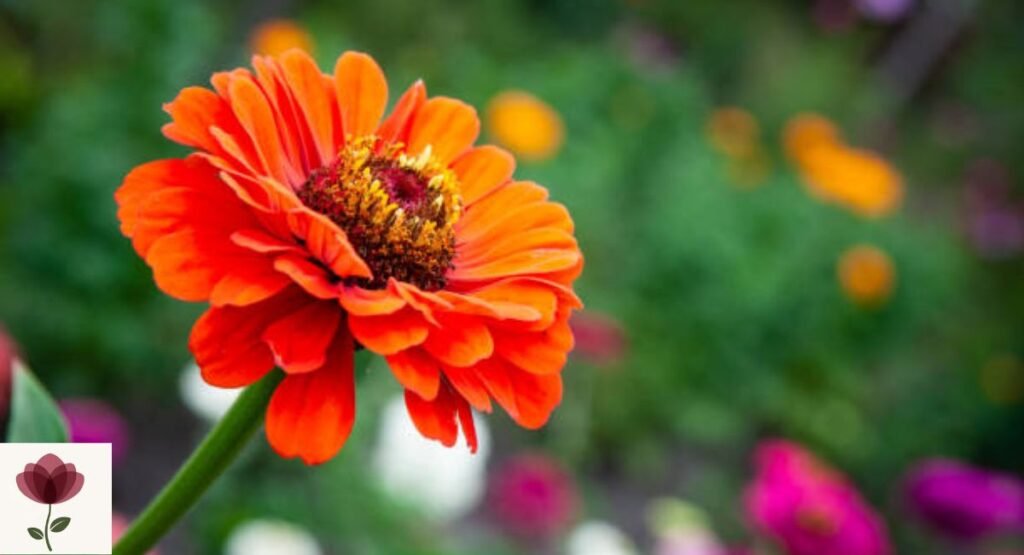
Zinnias are classic summer annual flowers for sunny gardens. Their bright blooms come in many colors and sizes. They work well in borders, containers, and cutting gardens. Regular harvesting or deadheading can encourage continued flowering throughout the warm season.
2. Marigold

Marigolds bring strong yellow and orange color to beds and containers. They enjoy full sun and generally prefer well-drained soil. French and African marigolds offer different plant sizes, making them useful for both borders and larger displays.
3. Sunflower
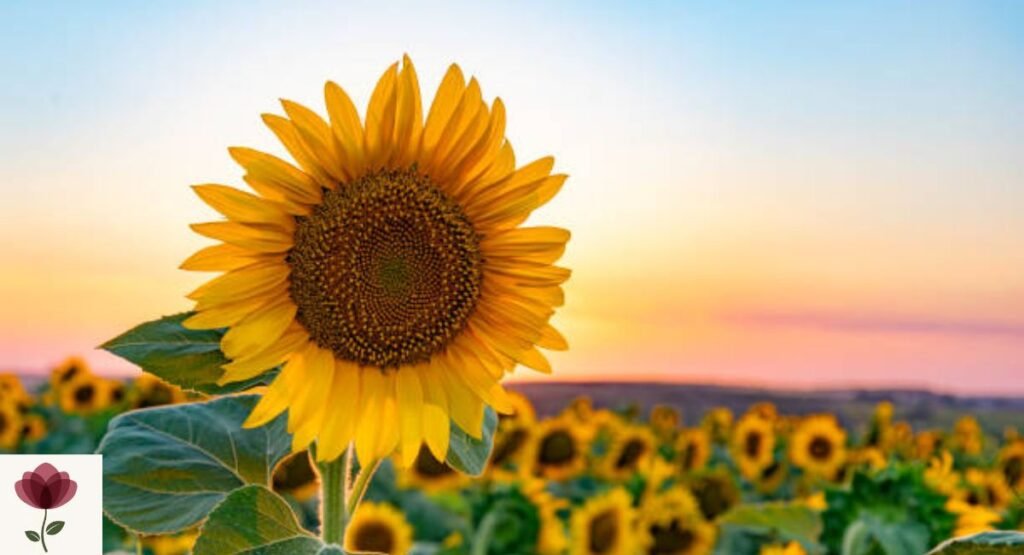
Sunflowers create instant drama with their tall stems and large golden faces. Most varieties prefer direct sunlight and fertile, well-drained soil. Dwarf cultivars can also grow successfully in containers, patios, and smaller garden spaces.
4. Petunia
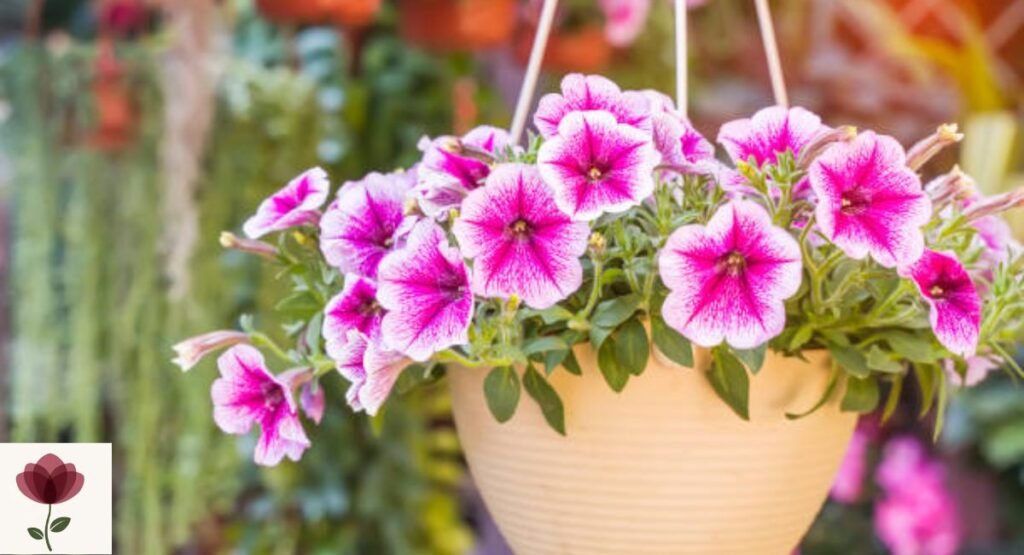
Petunias are among the most flexible choices for summer displays. They work in beds, pots, window boxes, and hanging baskets. Modern cultivars can flower for long periods with relatively little maintenance. Penn State trials have also highlighted heat-tolerant petunia selections for containers and landscape use.
5. Cosmos
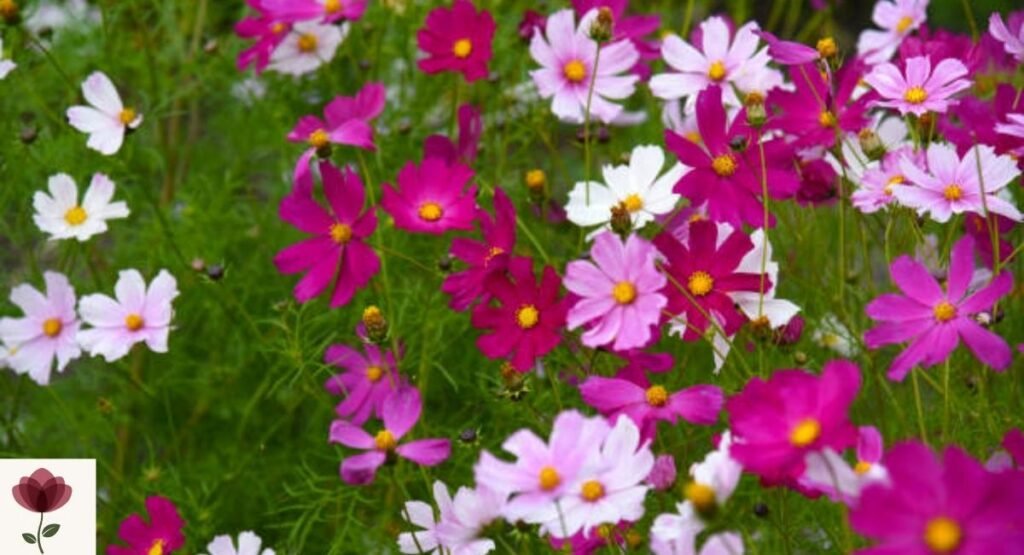
Cosmos produces delicate flowers on airy stems. Pink, white, and reddish blooms attract butterflies and add movement to borders. They tolerate warm conditions and can work well in cottage gardens, pollinator spaces, and informal planting schemes.
6. Celosia
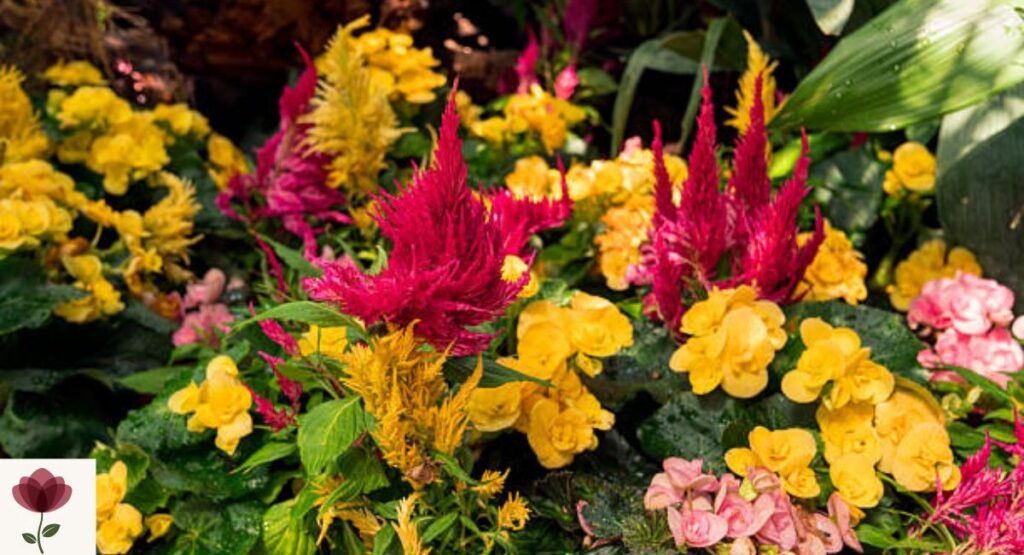
Celosia stands out because of its unusual flower shapes. Some varieties resemble flames, while others form velvety crests. It loves warmth and performs well in sunny locations. Its strong colors also make it useful for containers and cutting gardens.
7. Geranium

Geraniums are popular container plants because they combine colorful flowers with attractive foliage. Depending on the type and climate, they can behave as annuals or perennials. Give them good light, moderate moisture, and soil with reliable drainage.
8. Begonia

Begonias are useful when you want summer color without exposing every plant to intense afternoon sun. Many types prefer partial shade or filtered light. They perform especially well in containers, shaded borders, patios, and porch planters.
9. Lantana

Lantana is a tough choice for hot gardens. Its small flowers often appear in several colors on the same cluster. It can tolerate heat and dry conditions once established. Penn State includes lantana among annual plants suited to long, hot summers.
10. Portulaca
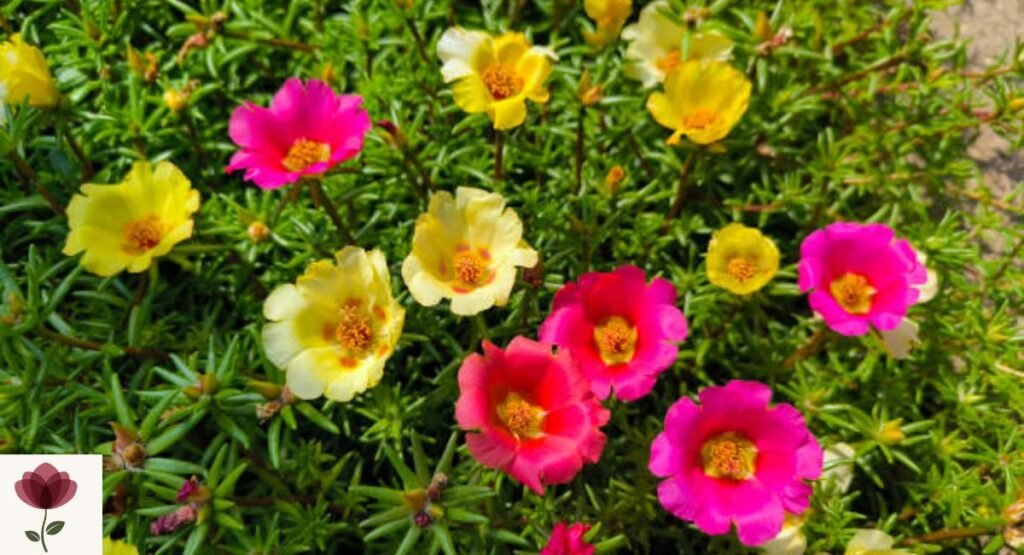
Portulaca, also called moss rose, thrives where many delicate plants struggle. It loves intense sunlight and relatively dry soil. Its low, spreading habit makes it excellent for rock gardens, containers, borders, and hot patio areas.
11. Coneflower
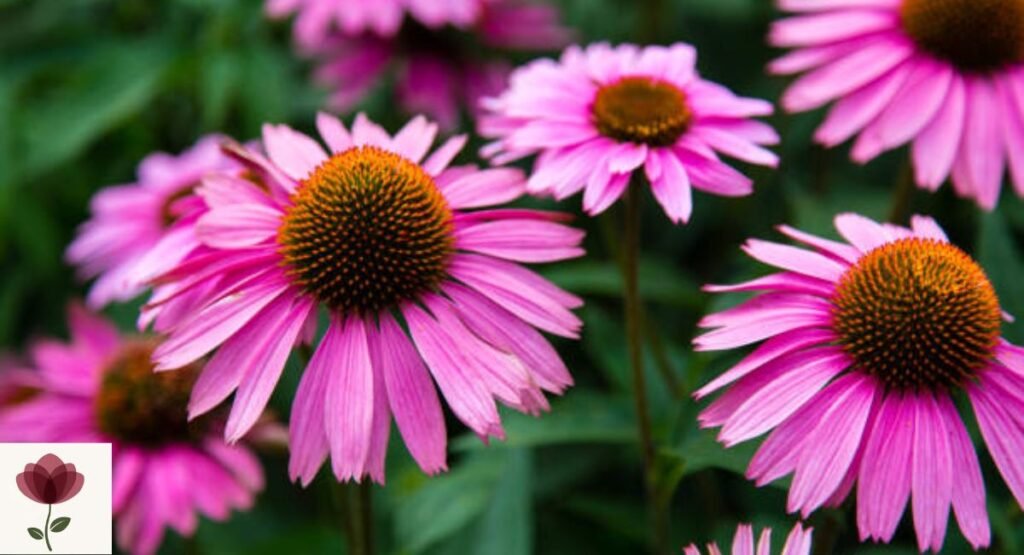
Coneflowers offer daisy-like blooms with raised centers. Purple is the classic color, although modern cultivars provide more options. They are valuable pollinator garden plants and can tolerate a range of soil moisture conditions when established.
12. Black-Eyed Susan

Black-eyed Susan adds cheerful yellow color with a dark central cone. It works beautifully in naturalistic gardens and mixed borders. Some species can bloom from summer into fall, giving you extended seasonal color with relatively simple care.
13. Salvia
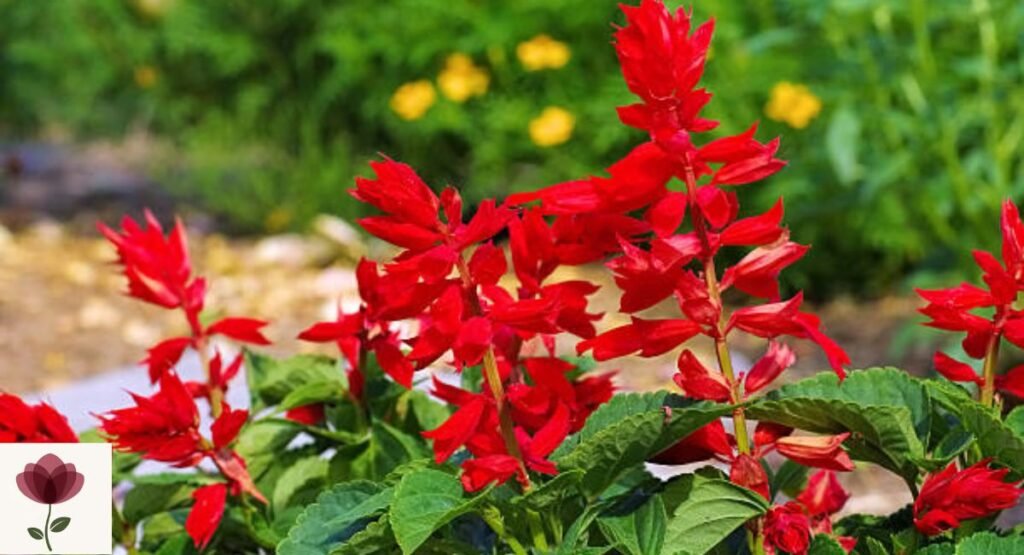
Salvia includes many annual and perennial forms. Their flower spikes can be blue, purple, red, or pink. Many varieties perform well in sunny beds and containers. Some also provide valuable nectar for bees, butterflies, and hummingbirds.
14. Coreopsis
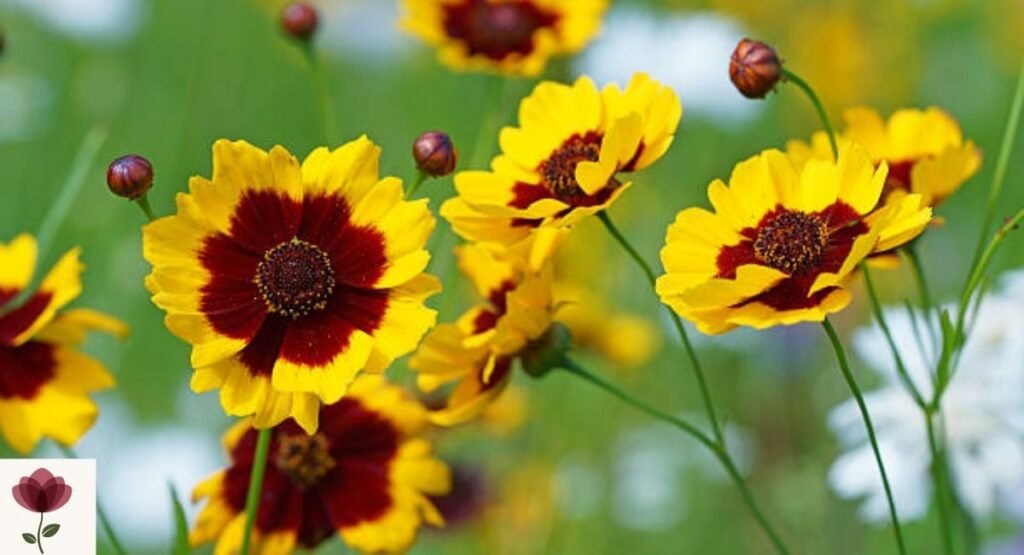
Coreopsis produces sunny yellow or multicolored blooms on graceful stems. It is a useful choice for heat-tolerant gardens and pollinator-friendly planting. Several species prefer full sun and well-drained soil and can continue flowering through much of summer.
15. Lavender

Lavender combines flowers, fragrance, and silvery foliage. It prefers strong sunlight and excellent drainage. Avoid constantly wet soil because poor drainage can damage its roots. Lavender also fits beautifully into herb gardens, borders, pathways, and cutting gardens.
16. Daylily

Daylilies are dependable perennials with trumpet-shaped blooms. Individual flowers may last only a day, but established plants can produce many buds. Colors range from yellow and orange to pink, red, and purple. They work well in borders and landscape beds.
17. Hibiscus
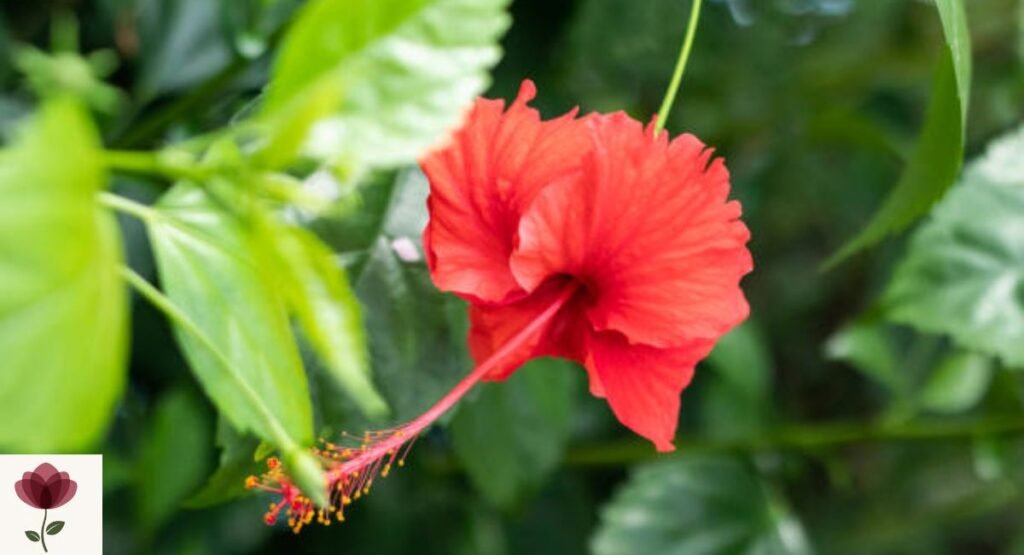
Hibiscus brings a tropical appearance to warm-season gardens. Its large flowers can become a major focal point. Tropical types need warmth, while hardy varieties can survive colder winters. Choose the species according to your USDA hardiness zone and local climate.
18. Dahlia

Dahlias offer extraordinary flower diversity. You can find small pom-pom forms and huge dinner-plate blooms. They are grown from tubers and generally prefer sunny locations. Their long stems also make them valuable for bouquets and cutting gardens.
19. Phlox
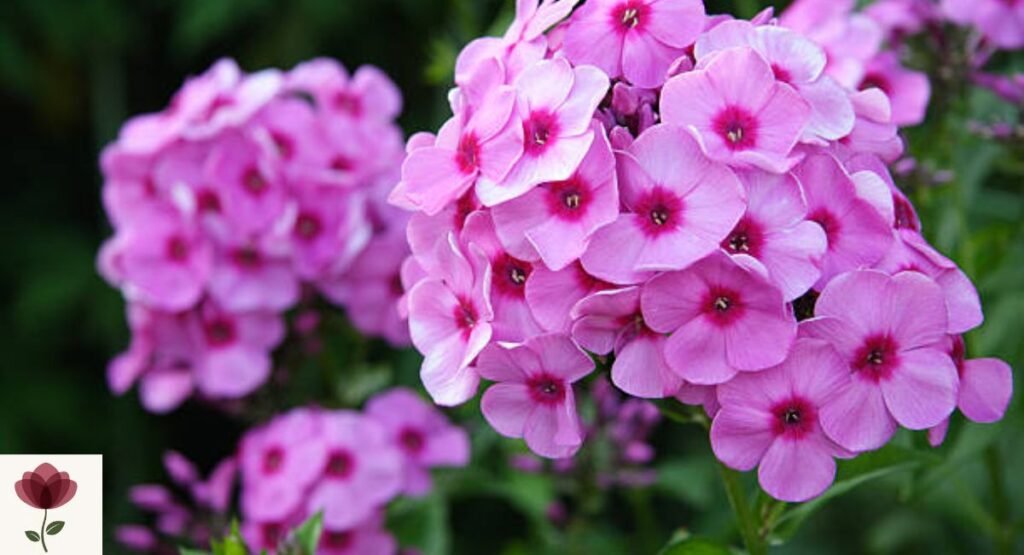
Garden phlox produces clusters of fragrant flowers above upright stems. Pink, white, purple, and lavender shades are common. Good air circulation helps reduce disease pressure. It works especially well toward the middle or back of a perennial border.
20. Bee Balm

Bee balm has unusual flowers that attract pollinators. Red, pink, and purple forms can brighten summer borders. It prefers sunlight to partial shade and reasonably moist soil. Good spacing can improve airflow around the foliage.
21. Gardenia

Gardenia is prized for glossy evergreen foliage and intensely fragrant white flowers. It prefers warm conditions, acidic soil, and good drainage. In suitable climates, it can become a beautiful landscape shrub rather than simply a seasonal bedding plant.
22. Bougainvillea

Bougainvillea delivers vivid color in hot climates. What look like flowers are actually colorful bracts surrounding small true flowers. It performs best with strong sunlight and excellent drainage. It can be trained along walls, fences, patios, and trellises.
23. Angelonia

Angelonia produces upright flower spikes and handles summer warmth well. Purple, pink, and white varieties work in containers or landscape beds. Its upright shape creates useful vertical interest when planted beside lower-growing flowers.
24. Impatiens

Impatiens are popular for shady and partly shaded locations. Their colorful blooms can brighten spaces where sun-loving plants struggle. Modern types vary considerably in their light tolerance, so check the cultivar label before planting.
25. Sweet Alyssum
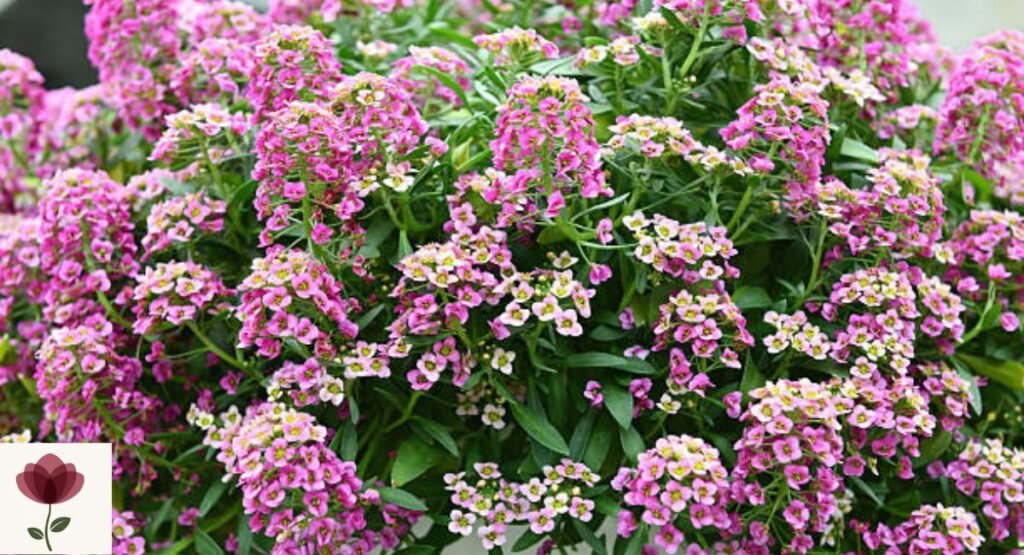
Sweet alyssum forms low mounds covered with small flowers. White is especially common, although pink and purple forms are available. Its delicate appearance makes a useful contrast beside larger summer blooms and taller border plants.
26. Verbena
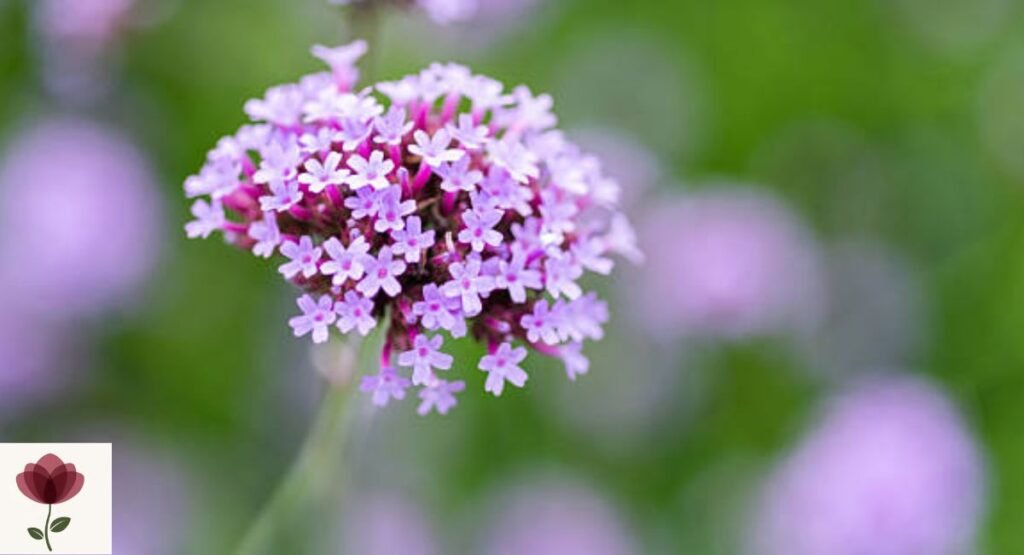
Verbena produces clusters of small flowers over a long season. Many types handle heat and dry conditions once established. Trailing varieties are especially useful in containers, hanging baskets, window boxes, and patio planters.
27. Four O’Clock
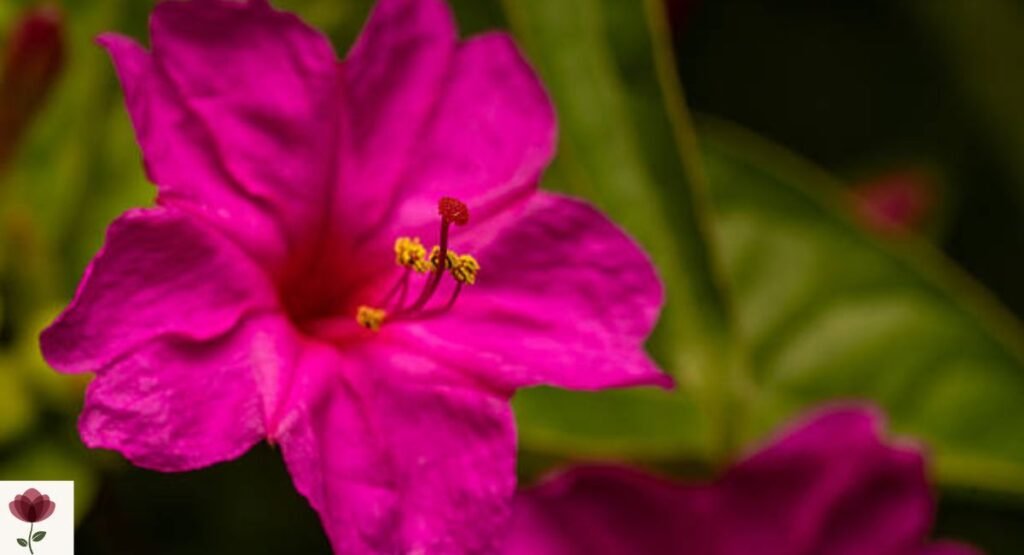
Four o’clock gets its name from its flowers often opening later in the day. The blooms may appear pink, red, yellow, or white. Its branching growth can create a generous summer display in warm climates.
28. Cleome
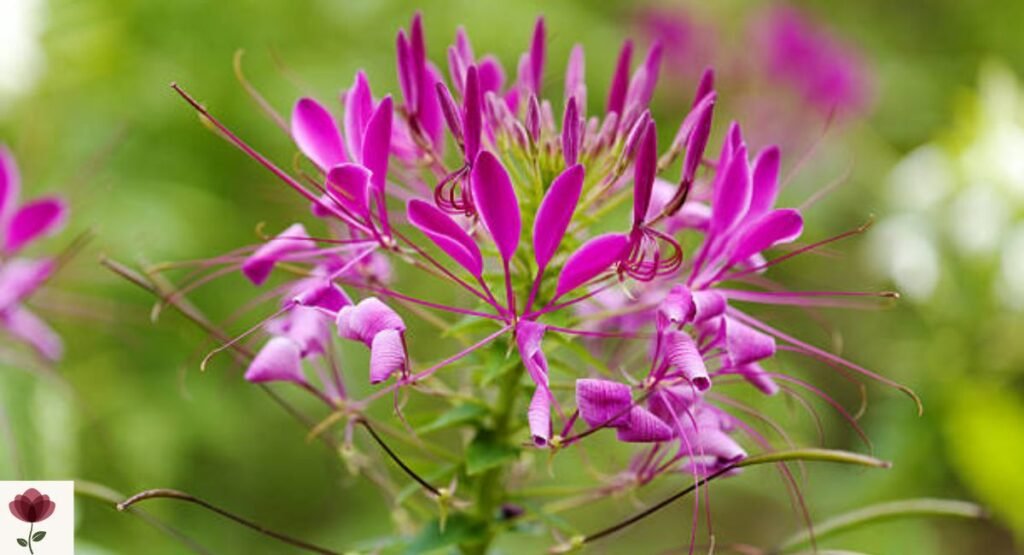
Cleome has tall stems and distinctive spider-like flowers. It adds height without needing a bulky plant. The airy appearance works especially well in cottage gardens and mixed borders. Penn State lists cleome among annuals suited to hot summer conditions.
29. Nicotiana

Nicotiana produces tubular flowers that can release fragrance in the evening. White varieties are particularly striking after sunset. Plant it where you can enjoy both its flowers and scent, especially near patios or outdoor seating areas.
30. Gaillardia

Gaillardia, often called blanket flower, produces warm red, orange, and yellow blooms. It is well suited to sunny, dry conditions. Extension guidance lists blanketflower among perennials and annuals that can perform well in heat and drought.
Summer Flowers by Color
Color can completely change how your garden feels. Cool blue and purple blooms create a calm effect, while yellow, orange, and red flowers feel warmer and more energetic.
You can also combine contrasting shades. For example, purple salvia beside yellow coreopsis creates strong visual contrast without requiring a complicated design.
| Color | Examples | Best Garden Use |
| Blue | Salvia, lobelia | Borders and containers |
| White | Gardenia, alyssum, nicotiana | Moon gardens and bouquets |
| Yellow | Sunflower, coreopsis, marigold | Sunny borders |
| Pink | Zinnia, hibiscus, verbena | Beds and containers |
| Purple | Lavender, phlox, salvia | Cottage gardens |
| Red | Bee balm, geranium, celosia | Bold focal areas |
| Orange | Marigold, gaillardia, daylily | Warm-color borders |
Blue Summer Flowers
Blue blooms can be harder to find than yellow or pink ones. Salvia, some petunias, lobelia, and blue-toned cultivars can add blue summer blooms without overwhelming the garden.
White Summer Flowers
White flowers brighten darker corners and look especially elegant at dusk. Gardenia, sweet alyssum, nicotiana, petunia, and some phlox cultivars can create a clean white planting scheme.
Yellow Summer Flowers
Yellow flowers create an immediate sense of sunshine. Sunflowers, coreopsis, marigolds, and yellow daylilies work well in sunny beds. Pair them with purple flowers for a stronger contrast.
Pink Summer Flowers
Pink flowers range from soft blush shades to intense hot pink. Zinnias, hibiscus, verbena, geraniums, and petunias give you many options for pink summer flowers.
Purple Summer Flowers
Lavender, salvia, verbena, phlox, and some petunias provide purple color. Purple works particularly well beside white, yellow, or silver foliage.
Red and Orange Summer Flowers
Red and orange blooms make a garden feel energetic. Marigolds, celosia, gaillardia, hibiscus, geraniums, and bee balm can create strong warm-color combinations.
Annual and Perennial Summer Flowers
Annuals complete their life cycle within one growing season. Perennials return for multiple seasons when their climate and growing conditions suit them. However, a plant can behave as an annual in a colder region even when it grows as a perennial somewhere warmer.
This difference matters when planning your garden. Annuals often give you fast and extended color, while perennials can become the long-term structure of your planting design.
Annual Flowers That Bloom All Summer
Zinnias, petunias, marigolds, cosmos, celosia, cleome, and some salvias can provide extended summer color. Many annuals are especially useful in cutting gardens because they can produce flowers throughout the growing season.
Perennial Flowers That Bloom All Summer
Daylilies, coneflowers, black-eyed Susans, coreopsis, bee balm, phlox, and lavender can provide reliable perennial color. Their exact bloom periods vary with species, cultivar, and climate.
How Annuals and Perennials Differ
| Feature | Annuals | Perennials |
| Life cycle | Usually one season | Multiple seasons |
| Quick color | Excellent | Moderate |
| Long-term structure | Limited | Strong |
| Replanting | Usually required | Usually not |
| Cutting gardens | Excellent | Useful |
| Winter survival | Depends on type and climate | Depends on hardiness |
Flowers That Bloom All Summer
The phrase “bloom all summer” does not always mean one plant produces flowers continuously every day. Blooming can depend on weather, sunlight, moisture, nutrients, and cultivar.
For example, annuals often provide long displays, while many perennials flower for shorter windows. Penn State notes that very few perennials provide season-long flowers, which is why combining annuals and perennials can create more consistent color.
Long-Lasting Summer Blooms
Zinnias, petunias, lantana, verbena, marigolds, gaillardia, and some salvias can provide extended color. Removing faded blooms can help certain plants redirect energy toward new flowers.
Flowers That Keep Producing New Blooms
Plants with branching growth and many flower buds can keep producing blooms over a long period. Good sunlight, suitable moisture, and regular maintenance are more important than simply choosing a plant labeled “long blooming.”
Summer Flowers for Full Sun
Full sun usually means a location receives strong direct sunlight for much of the day. Many warm-season annuals thrive under these conditions.
Sunflowers, zinnias, marigolds, lantana, portulaca, gaillardia, coreopsis, and many salvias are useful choices. Still, always check the needs of the exact cultivar because heat tolerance can differ within the same plant group.
Heat-Tolerant Flowers for Sunny Gardens
Heat-tolerant plants are useful in areas where summer temperatures stay high. Penn State’s heat and drought guidance includes plants such as lantana, portulaca, zinnia, gaillardia, verbena, yarrow, coreopsis, daylily, and lavender.
Flowers for Hot and Dry Conditions
For dry gardens, focus on plants that naturally tolerate lower soil moisture. Portulaca, lavender, gaillardia, coreopsis, yarrow, and some salvias can fit this style. Soil drainage is crucial because drought tolerance does not mean a plant wants permanently dry roots.
Summer Flowers for Pots
Containers let you grow colorful plants even when you have limited garden space. Patios, balconies, decks, porches, and window boxes can all support flowering plants.
However, containers dry faster than garden beds. The smaller the pot, the more closely you may need to monitor moisture during extreme heat.
Best Flowers for Containers
Petunias, geraniums, begonias, zinnias, marigolds, verbena, angelonia, and portulaca are useful container choices. Their growth habits range from upright to trailing, so you can build more interesting combinations.
Trailing and Compact Choices
Trailing petunias, verbena, sweet alyssum, and portulaca can spill over container edges. Compact zinnias, marigolds, begonias, and angelonia work well when you want a more upright display.
How to Keep Potted Flowers Blooming
Use containers with drainage holes and a suitable potting mix. Check the soil regularly because surface appearance can be misleading. Penn State recommends checking soil moisture and directing water toward the soil rather than wetting foliage unnecessarily.
Summer Flowering Plants, Shrubs and Bulbs
Not every summer display needs to come from small bedding plants. Shrubs, bulbs, vines, and larger perennials can provide height and structure.
A layered garden often looks more natural. Use low flowers at the front, medium plants in the center, and taller plants or shrubs toward the back.
Summer Flowering Shrubs
Gardenia, hibiscus, bougainvillea, lantana, and some hydrangeas can provide strong summer interest. Choose shrubs according to climate, soil, mature size, and sunlight rather than flower color alone.
Summer Flowering Bulbs
Dahlias, lilies, gladiolus, and crocosmia can provide summer color from bulbs, tubers, or corms. These plants offer a useful way to add height and dramatic blooms to borders.
Plants for Garden Borders and Landscapes
Borders benefit from a mixture of plant heights and bloom periods. Daylilies, coneflowers, salvia, coreopsis, phlox, bee balm, and zinnias can create layers while supporting pollinators and seasonal color.
Summer Flowers to Plant
Planting time depends heavily on local frost dates and climate. A warm region may plant much earlier than a cold northern garden.
If you are starting from seed, follow the packet’s temperature and spacing instructions. Proper spacing improves airflow and reduces overcrowding. Penn State also recommends following seed-packet spacing guidance when sowing annuals.
Flowers to Plant in Early Summer
Early summer can be suitable for warm-season annuals once local frost danger has passed. Zinnias, marigolds, cosmos, sunflowers, and celosia can provide quick seasonal color.
Flowers for Mid-Summer Color
Mid-summer is ideal for plants that enjoy warmth. Lantana, portulaca, angelonia, verbena, gaillardia, and many salvias can perform well when established properly.
Late Summer Flowers
Late summer can still provide plenty of color. Black-eyed Susans, coneflowers, dahlias, zinnias, gaillardia, and some asters can extend the display toward fall.
Summer Flowers for Different Regions
Climate changes what works. A flower that behaves as a perennial in Florida may act as an annual in a colder northern state.
This is why regional information matters. USDA hardiness zones, frost dates, rainfall, humidity, and summer heat should all influence your plant choices.
Summer Flowers in India
Hot regions of India can support many heat-loving plants. Zinnia, marigold, celosia, portulaca, vinca, hibiscus, and bougainvillea are examples often associated with warm-climate gardening. Local rainfall and regional temperatures still matter.
Summer Flowers in the UK
UK summers can be milder and wetter than those in many parts of the United States. Gardeners often need to pay close attention to drainage, cool spells, and sunlight. Cosmos, geraniums, petunias, dahlias, and lavender can provide summer interest under suitable conditions.
Summer Flowers in Australia
Australia covers several climate zones, so plant choices vary widely. Hot and dry regions need plants adapted to heat and limited moisture, while cooler areas offer different possibilities. Always match the plant to your local conditions.
Choosing Flowers for Your Climate
Think about temperature, rainfall, soil, sunlight, and frost before buying plants. The right plant in the wrong location can struggle even when the species itself is considered easy to grow.
Summer Flowers for Weddings and Bouquets
Summer gardens can double as cutting gardens. Zinnias, dahlias, sunflowers, cosmos, lisianthus, lavender, sweet peas, and celosia can provide useful stems for arrangements.
Cut flowers are usually best harvested with clean, sharp shears. Cutting early in the morning can help reduce heat stress on freshly harvested stems.
Popular Summer Wedding Flowers
Dahlias, roses, zinnias, gardenias, hydrangeas, lisianthus, sunflowers, and sweet peas can all suit summer arrangements. Your final choice should consider flower availability, temperature, vase life, and wedding style.
Flowers for Summer Bouquets
For a cheerful bouquet, combine large focal blooms with smaller filler flowers. Sunflowers and dahlias can provide structure, while sweet alyssum, lavender, and smaller blooms add texture.
Best Blooms for Fresh Arrangements
Flowers with sturdy stems are particularly useful for cutting. Zinnias, dahlias, sunflowers, cosmos, and celosia can all contribute strong shapes and colors to arrangements.
How to Care for Summer Flowers
Good summer care begins with the basics. Give each plant suitable sunlight, appropriate soil, enough water, and enough room to grow.
Avoid treating every plant exactly the same. A lavender plant and an impatiens plant have very different moisture preferences.
Sunlight Requirements
Read the plant label before choosing a location. Full-sun plants generally need strong direct light, while shade plants can suffer under intense afternoon heat. Morning sun with afternoon protection can help some sensitive flowers.
Watering During Hot Weather
Water deeply at the soil level rather than lightly wetting the leaves. Newly planted flowers need closer monitoring because their root systems are still developing. Penn State recommends deep watering and watching plants for heat and moisture stress.
Best Time to Water Flowers in Summer
Morning is generally a useful time to water because plants can access moisture during the day’s heat. Watering at the soil level also keeps foliage drier. Avoid creating constantly wet soil because poor drainage can damage roots.
How to Encourage More Blooms
Remove faded flowers when the plant responds well to deadheading. Keep plants watered according to their needs and avoid excessive fertilizer. Good sunlight and adequate airflow also support healthier growth.
Conclusion
Choosing the right summer flowers can make your garden bright, fresh, and full of life. From cheerful zinnias and sunflowers to fragrant lavender and colorful dahlias, there’s something for every space. You can grow annuals for quick color or perennials for lasting beauty.
Before planting, consider sunlight, soil, watering needs, and your local climate. Choose heat-tolerant plants for sunny areas and container-friendly flowers for patios or balconies. With regular watering, good drainage, and simple care, your garden can stay colorful throughout the warm season.
FAQs
What flowers bloom in summer?
Many plants bloom during summer, including zinnias, marigolds, sunflowers, petunias, cosmos, coneflowers, daylilies, black-eyed Susans, lavender, dahlias, and bee balm.
Which flowers bloom all summer?
Zinnias, petunias, marigolds, lantana, verbena, some salvias, and several other annuals can provide long-lasting summer color. Bloom duration depends on climate and cultivar.
What are the best flowers to grow in summer?
The right choice depends on your growing conditions. For sunny, warm gardens, zinnias, marigolds, lantana, portulaca, gaillardia, and coreopsis are useful options.
Which summer flowers grow well in pots?
Petunias, geraniums, begonias, marigolds, zinnias, verbena, angelonia, and portulaca can work well in containers. Choose a pot with good drainage.
Which summer flowers tolerate full sun?
Sunflowers, zinnias, marigolds, portulaca, lantana, gaillardia, coreopsis, lavender, and many salvias can tolerate full sun when their other growing needs are met.

Welcome to PetalNexa! I’m Anam Sattar, an AI-powered SEO Specialist and Content Writer with over 4 years of experience in creating high-quality, search-optimized content. I help businesses improve their search engine rankings, increase organic traffic, and build beautiful, user-friendly websites. My mission is to make SEO, content creation, and web design simple, effective, and accessible for everyone. Let’s grow your online presence and achieve success together!
1 thought on “30 Summer Flowers: Names, Colors, Annuals, Perennials & More”