

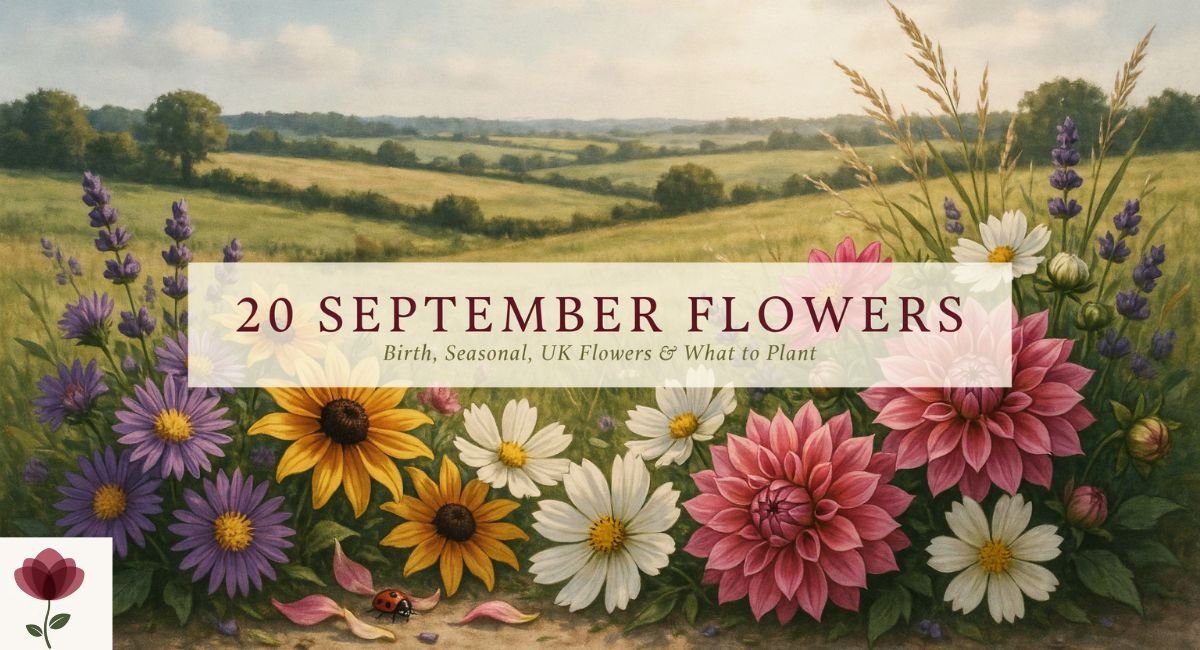
September brings a beautiful shift from summer heat to the softer colors of early fall. September Flowers include cheerful blooms that brighten gardens, bouquets, weddings, and outdoor spaces during this seasonal transition. From colorful asters and golden marigolds to elegant dahlias and sunny zinnias, there’s no shortage of fall blooming flowers to enjoy. September also has special birth flowers for September, each carrying its own meaning and charm.
Whether you’re planning a garden, choosing seasonal wedding blooms, or simply wondering what flowers bloom in September, this guide has you covered. You’ll discover 20 beautiful September blooms, their colors, growing needs, symbolism, UK favorites, wedding ideas, and the best flowers to plant as autumn approaches.
What Are the September Birth Flowers?
The traditional September birth flowers are Aster and Morning Glory. They look completely different, which makes the pairing especially interesting. Aster grows as a flowering plant with daisy-like blooms, while Morning Glory is a climbing vine with trumpet-shaped flowers. Both have strong links with love, affection, and the changing season.
These flowers also have distinctive growing habits. Asters are valued for their late-season color and pollinator appeal. Morning Glories are known for opening their flowers in the morning and closing them later in the day. Together, they represent two very different ways to enjoy the beauty of early fall.
September Birth Flower Meanings and Symbolism
Aster is commonly linked with love, patience, wisdom, faith, and friendship. Its star-like flower also gives it a natural connection with hope and beauty. Morning Glory, meanwhile, has traditionally been associated with undying love and affection. Some flower-language traditions also connect its different colors with ideas such as hope, passion, gratitude, purity, and devotion.
The symbolism becomes even more useful when you’re choosing a gift. An Aster bouquet can suggest lasting affection or friendship. Morning Glory can express a deeper feeling of devotion. Meanings are not universal, though. Flower symbolism changes across cultures and historical periods, so it’s best to treat these meanings as traditions rather than fixed rules.
20 September Flowers: Complete List
The following list brings together 20 popular September Flowers that can bloom during the month or remain attractive as summer changes into fall. Exact bloom dates depend on the cultivar, planting time, weather, and location. A flower blooming in September in Georgia may finish earlier in Minnesota or continue later in a mild coastal climate.
The table gives you a quick comparison before the detailed descriptions. USDA zones are broad guides rather than guarantees because individual cultivars can have different hardiness ranges. Always check the plant label for the specific variety you plan to grow.
| No. | September Flower | Scientific Name | Main Color | Bloom Time | Sunlight | USDA Zones |
| 1 | Aster | Symphyotrichum spp. | Purple, pink, white | Late summer–fall | Full sun–part shade | 3–8 |
| 2 | Morning Glory | Ipomoea spp. | Blue, purple, pink, white | Summer–first frost | Full sun | 3–10* |
| 3 | Chrysanthemum | Chrysanthemum spp. | Yellow, white, red, pink | Late summer–fall | Full sun | 5–9 |
| 4 | Dahlia | Dahlia spp. | Many colors | Summer–fall | Full sun | 8–11* |
| 5 | Goldenrod | Solidago spp. | Yellow | Late summer–fall | Full sun | 3–9 |
| 6 | Marigold | Tagetes spp. | Yellow, orange, red | Spring–frost | Full sun | 2–11* |
| 7 | Zinnia | Zinnia spp. | Pink, red, orange, yellow | Summer–frost | Full sun | 3–10* |
| 8 | Coneflower | Echinacea spp. | Purple, pink, white | Summer–fall | Full sun | 3–9 |
| 9 | Japanese Anemone | Anemone spp. | Pink, white | Late summer–fall | Part shade–sun | 4–8 |
| 10 | Sedum | Hylotelephium spp. | Pink, red, white | Late summer–fall | Full sun | 3–9 |
| 11 | Black-Eyed Susan | Rudbeckia spp. | Yellow | Summer–fall | Full sun | 3–9 |
| 12 | Cosmos | Cosmos spp. | Pink, white, red | Summer–fall | Full sun | 2–11* |
| 13 | Sunflower | Helianthus spp. | Yellow, orange | Summer–fall | Full sun | 2–11* |
| 14 | Crocosmia | Crocosmia spp. | Orange, red, yellow | Summer–early fall | Full sun | 6–9 |
| 15 | Hydrangea | Hydrangea spp. | White, pink, blue | Summer–fall | Part shade–sun | 3–9 |
| 16 | Salvia | Salvia spp. | Purple, blue, red | Summer–fall | Full sun | 4–10 |
| 17 | Russian Sage | Salvia yangii | Blue-purple | Summer–fall | Full sun | 4–9 |
| 18 | Coreopsis | Coreopsis spp. | Yellow, pink, red | Summer–fall | Full sun | 3–9 |
| 19 | Celosia | Celosia spp. | Red, orange, yellow, pink | Summer–fall | Full sun | 2–11* |
| 20 | Tithonia | Tithonia spp. | Orange | Summer–fall | Full sun | 9–11* |
*Annuals or tender plants may be grown outside their listed perennial hardiness range during warm weather.
1. Aster

Aster brings a classic late-season bloom to the garden. Its daisy-like flowers come in several colors, with purple, pink, blue, and white among the most familiar. Asters are especially useful when you want color after many summer flowers begin fading. Their nectar-rich blooms can also support butterflies and bees. Plant them in well-draining soil with good sunlight for strong growth.
2. Morning Glory

Morning Glory adds vertical interest with its fast-growing vines and colorful trumpet-shaped flowers. Blue and purple varieties are especially popular, although pink, red, and white forms are also available. Give the vine something sturdy to climb. Because some species spread aggressively, choose the variety carefully and check whether it is suitable for your area.
3. Chrysanthemum

Chrysanthemums are among the most recognizable fall blooming flowers. Their dense flower heads come in many forms, from simple daisy-like blooms to tightly packed decorative flowers. Garden centers often sell them in autumn because they provide instant seasonal color. Mums work well in beds, containers, entryways, and porch displays.
4. Dahlia

Dahlias produce some of the most dramatic flowers of the season. Their blooms range from small pom-pom forms to enormous decorative flowers. Colors include white, pink, red, yellow, orange, purple, and blends. Dahlias prefer plenty of sunlight and well-drained soil. In suitable climates, they can continue flowering through September and sometimes October.
5. Goldenrod

Goldenrod lights up late-summer and fall gardens with clusters of bright yellow flowers. It is especially valuable for late-season pollinators, including bees and butterflies. Many people mistakenly blame Goldenrod for seasonal allergies, although ragweed is a much more common source of fall pollen allergies. Native Goldenrod species can also provide excellent wildlife value.
6. Marigold

Marigolds bring warm yellow and orange tones to September gardens. They are easy to grow and work well in borders, containers, beds, and mixed plantings. Their compact growth makes them especially useful around garden edges. Regularly removing faded flowers can help keep the plants looking fresh and flowering for longer.
7. Zinnia
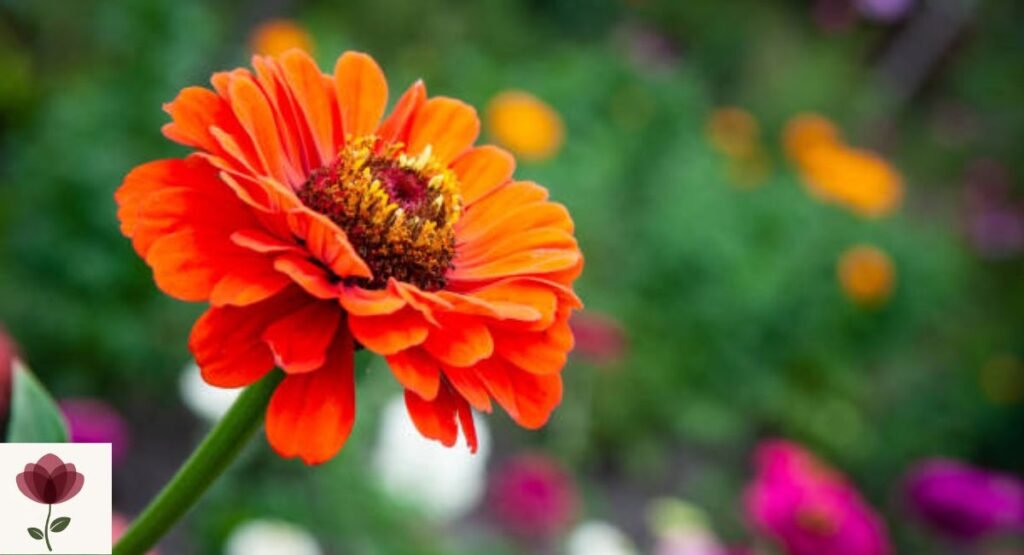
Zinnias are dependable September blooming flowers because they can keep producing flowers until frost in many climates. Their bright colors make them excellent for cutting gardens. They also attract butterflies and other pollinators. Give Zinnias full sun, good airflow, and reasonably fertile soil. Removing spent flowers can encourage more blooms.
8. Coneflower
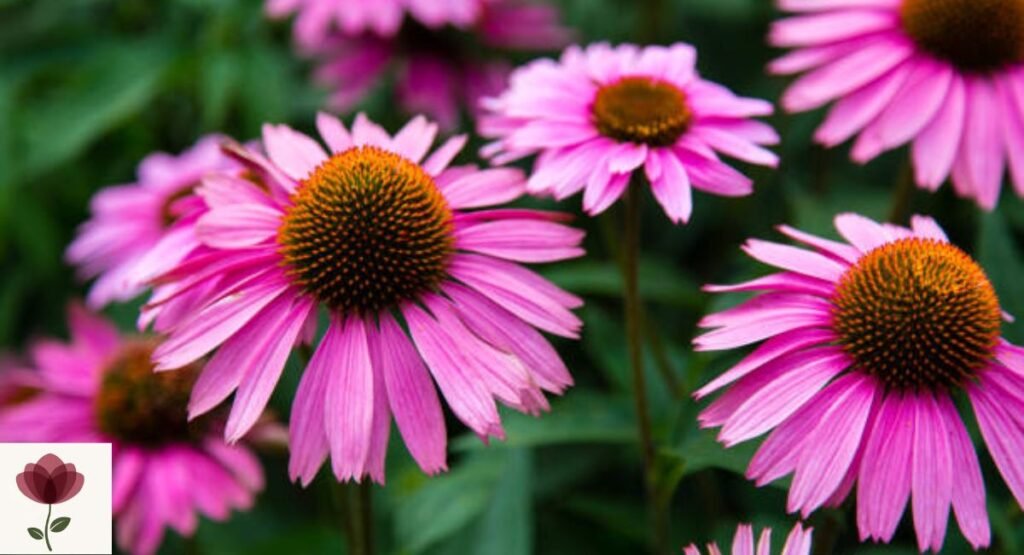
Coneflower, especially Purple Coneflower, is a strong perennial for sunny gardens. Its petals surround a raised central cone that gives the plant its familiar shape. Modern cultivars offer colors beyond classic purple. Coneflowers tolerate periods of dry weather once established and provide useful late-season food for pollinators.
9. Japanese Anemone
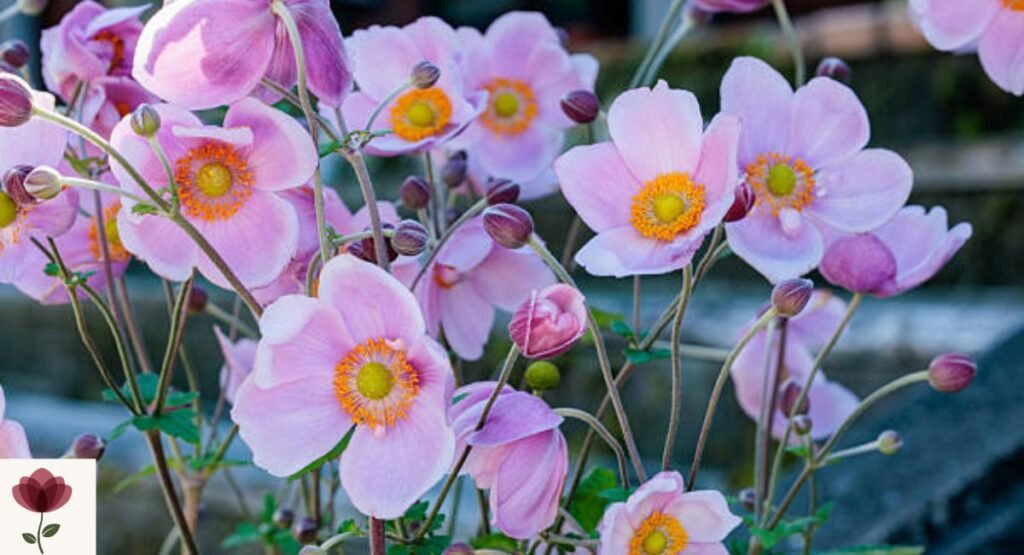
Japanese Anemones bring a softer look to the fall garden. Their flowers rise above branching stems and commonly appear in pink or white. They work beautifully toward the back of borders because they add height without looking heavy. They generally prefer evenly moist soil and can handle some afternoon shade.
10. Sedum
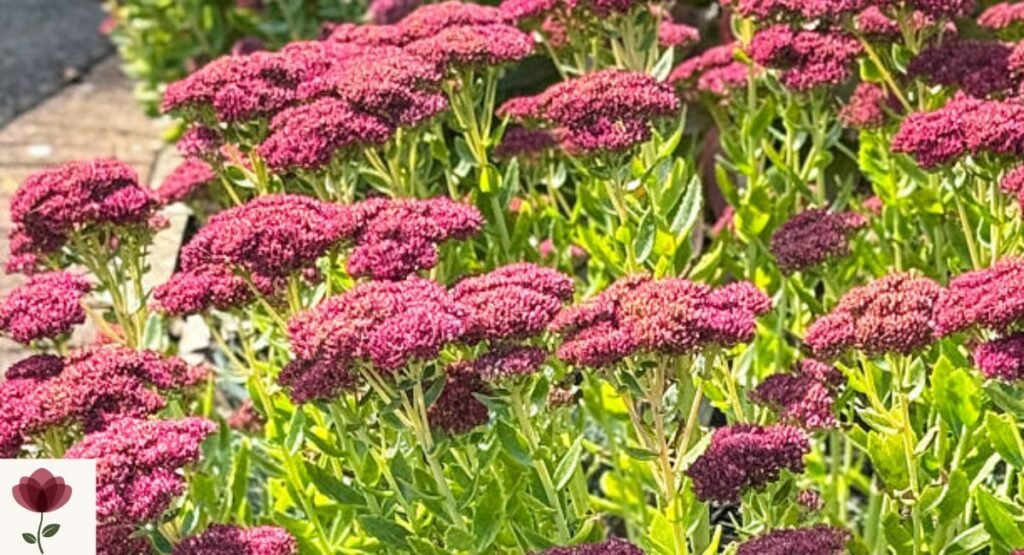
Tall Sedums develop large clusters of tiny flowers that change as the season progresses. Their succulent leaves help them tolerate relatively dry conditions after establishment. Pink and reddish flower heads can create a strong fall effect. Sedum is also a useful choice for pollinator gardens, containers, rock gardens, and low-maintenance borders.
11. Black-Eyed Susan

Black-Eyed Susan produces cheerful yellow flowers with dark central cones. It is one of the easiest ways to add strong yellow color to a sunny garden. The plant can flower for a long period and supports bees and butterflies. Its seed heads may also provide food for birds after flowering.
12. Cosmos
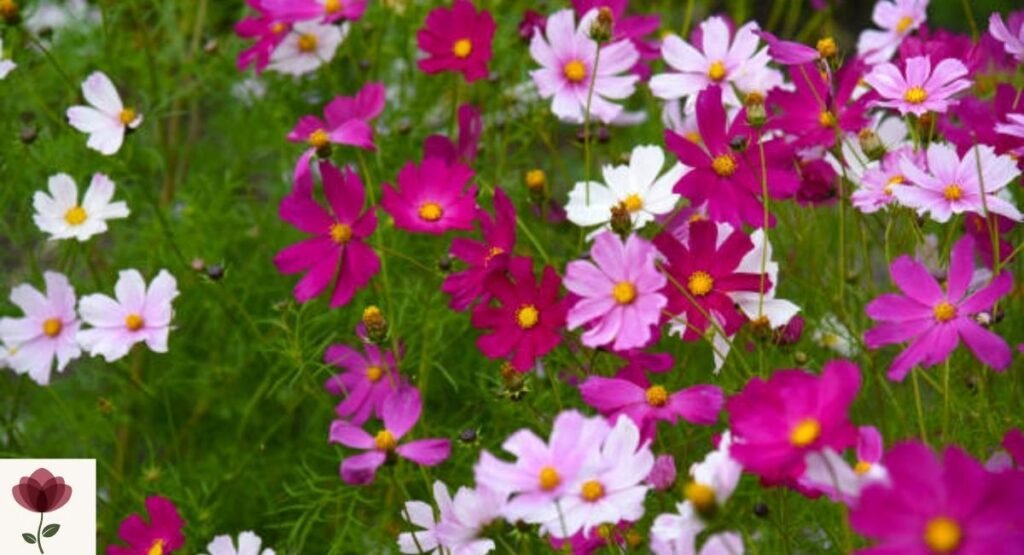
Cosmos has delicate flowers and fine, airy foliage. Pink, white, and reddish flowers create a relaxed cottage-garden appearance. Cosmos grows well in sunny areas and can flower for months when conditions are favorable. It is also a popular choice for informal bouquets and pollinator-friendly gardens.
13. Sunflower
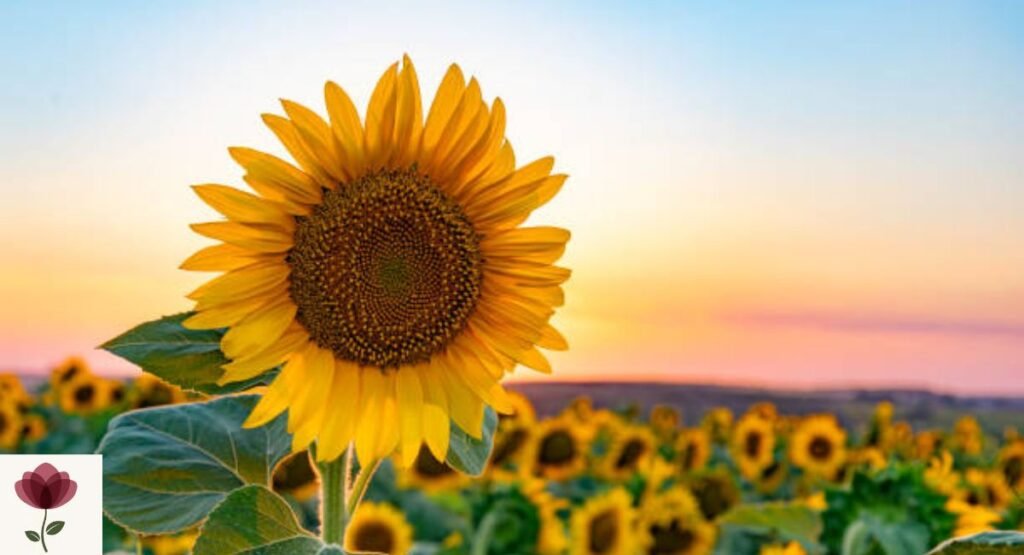
Sunflowers remain powerful focal points in September. Their tall stems and large yellow flower heads can dominate a border in the best possible way. Shorter cultivars are easier to grow in containers or smaller gardens. Besides attracting bees, mature sunflower heads can provide valuable seeds for birds.
14. Crocosmia
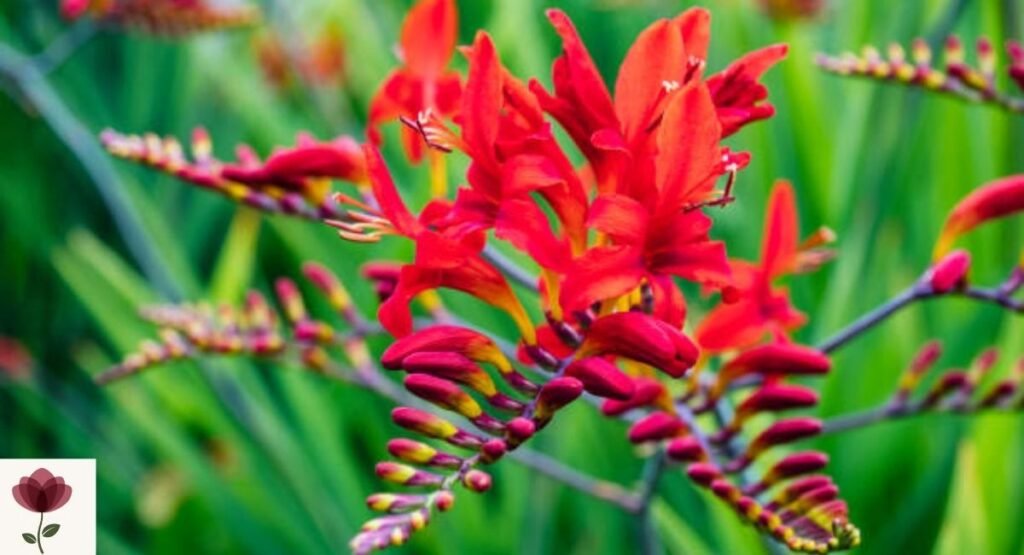
Crocosmia produces arching stems lined with vivid orange, red, or yellow flowers. Its strong color makes it excellent for late-summer borders. Depending on the cultivar and local weather, flowering can continue into September. It also adds a useful vertical shape among lower-growing flowers.
15. Hydrangea

Hydrangeas can keep their large flower heads looking attractive well into September. Some varieties develop softer green, pink, burgundy, or antique tones as flowers age. They are especially useful in partly shaded gardens. Soil moisture matters, particularly during hot weather, because Hydrangeas generally perform best when they do not suffer repeated drought stress.
16. Salvia
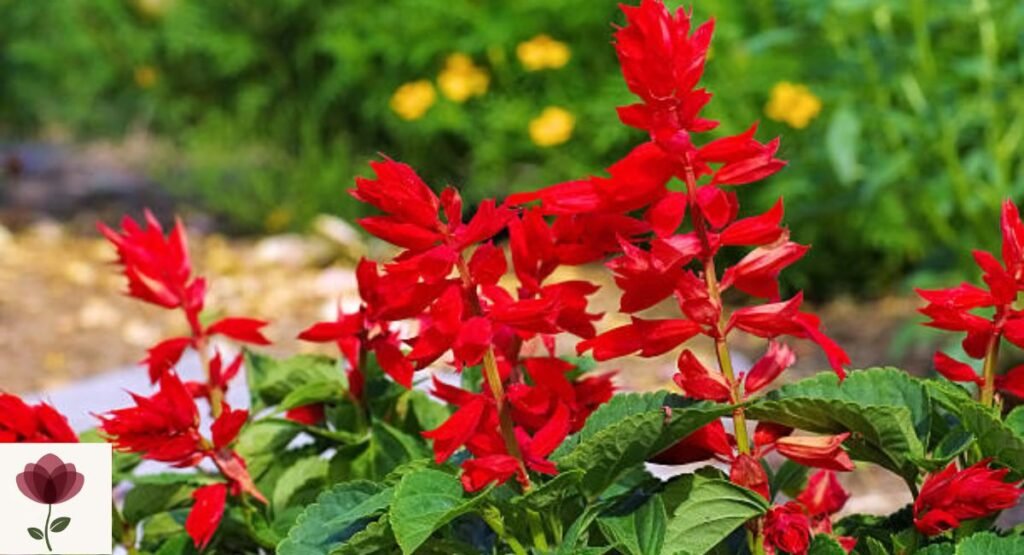
Salvia produces flower spikes that can add purple, blue, red, or pink color to a September garden. Many types are excellent for bees and hummingbirds. Most flowering Salvias prefer plenty of sun and well-drained soil. Some varieties can continue flowering for a surprisingly long period when spent blooms are removed.
17. Russian Sage
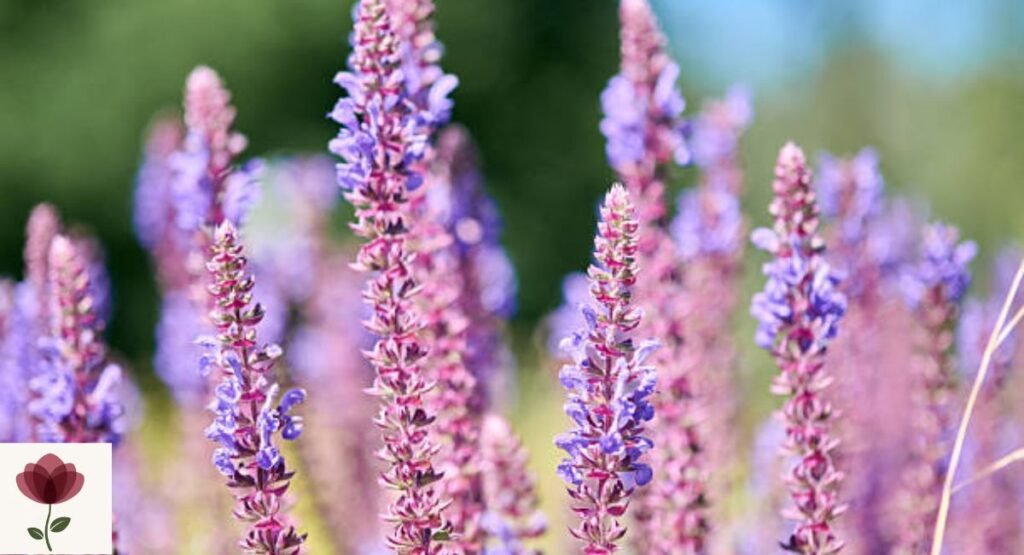
Russian Sage is known for its silvery foliage and clouds of small blue-purple flowers. It brings a cooler color to gardens filled with yellow, orange, and red fall tones. The plant prefers sun and well-drained soil. Once established, it can handle dry conditions better than many moisture-loving garden plants.
18. Coreopsis
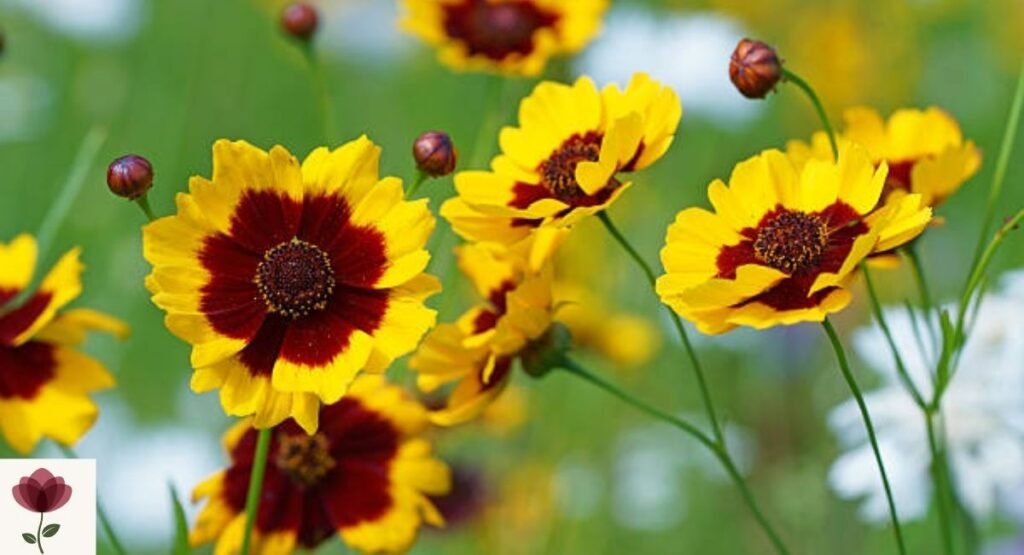
Coreopsis offers cheerful flowers and a long flowering season. Yellow varieties are especially common, although modern cultivars offer additional colors. It suits sunny borders and pollinator gardens. Coreopsis is also relatively beginner-friendly, making it a good choice when you want reliable seasonal color without complicated care.
19. Celosia
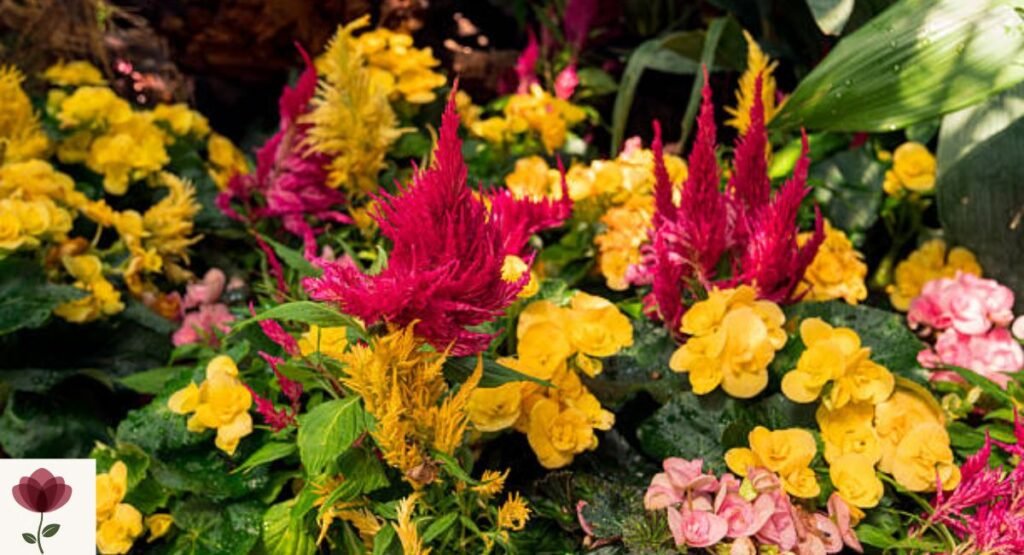
Celosia stands out because its flowers have unusual shapes. Some varieties form soft plumes, while others produce crested blooms that resemble colorful coral. Red, orange, yellow, and pink shades can create a strong tropical feel. Celosia enjoys warmth and sunlight, making it particularly useful in southern gardens and containers.
20. Tithonia
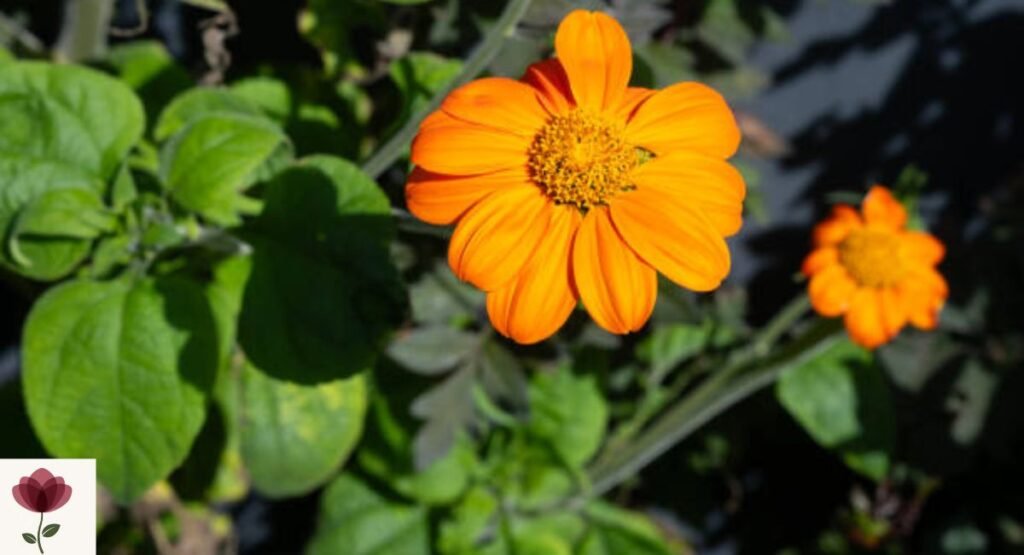
Tithonia, often called Mexican Sunflower, produces bright orange flowers on tall plants. It loves heat and sunlight, so it can be especially impressive in warm regions. Its flowers attract butterflies and other pollinators. Give it enough space because mature plants can become quite large.
Most Popular September Flowers
Some September Flowers are popular because they are easy to find. Others earn attention because they flower when the garden begins changing color. Dahlias, Chrysanthemums, Asters, Zinnias, Sunflowers, and Black-Eyed Susans are among the most recognizable choices for early fall gardens.
Popularity also depends on purpose. A florist may favor Dahlias and Chrysanthemums, while a gardener may prefer Asters or Coneflowers for pollinator value. A homeowner with containers might choose Mums or Zinnias. There is no single best September flower for every garden.
Best-Known Flowers That Bloom in September
Asters, Dahlias, Chrysanthemums, Zinnias, Sunflowers, Marigolds, Coneflowers, and Black-Eyed Susans are strong examples of what flowers bloom in September. Many of these plants begin flowering before September and continue as temperatures slowly fall. That overlap gives the garden a fuller look during the seasonal transition.
Colorful September Flowers for Gardens
For bold color, try Dahlias, Zinnias, Marigolds, Celosia, Tithonia, and Sunflowers. For cooler shades, use Asters, Salvia, Coneflowers, and Russian Sage. Combining warm and cool colors creates stronger contrast. For example, purple Asters beside yellow Goldenrod can look striking without requiring complicated garden design.
Long-Blooming Flowers for Early Fall
Zinnias, Dahlias, Cosmos, Coreopsis, Salvia, and Black-Eyed Susans can provide extended color. Their exact flowering period depends on climate and care. Removing spent flowers can help several of these plants produce additional blooms. In areas with mild autumn weather, some may remain attractive until the first frost.
What Flowers Are in Season in September?
September sits between two floral seasons. Many summer flowers are still producing blooms, while fall favorites begin reaching their peak. That makes flowers in season in September unusually diverse. Your local climate matters, though. A September garden in Florida can look very different from one in Minnesota.
Garden availability and florist availability are also different. A flower may bloom outdoors in one region but remain unavailable from local florists. Greenhouses and flower farms can also extend commercial availability beyond a plant’s normal outdoor season.
September Flowers in Season for Gardens
Asters, Goldenrod, Sedum, Chrysanthemums, Dahlias, Zinnias, Sunflowers, and Black-Eyed Susans can all contribute to a September garden. In warmer regions, summer annuals may continue flowering strongly. In cooler regions, some plants may already be slowing down. Your USDA zone and first frost date provide useful clues.
September Flowers in Season for Bouquets
Dahlias are especially popular for September bouquets because their large flowers provide strong focal points. Chrysanthemums offer many shapes and colors, while Zinnias and Sunflowers add cheerful seasonal character. Asters can provide smaller blooms and softer texture. Florists may also combine these flowers with Roses, greenery, and other commercially available stems.
Seasonal Flowers for September Weddings
September weddings benefit from a broad mix of summer and early-fall flowers. Dahlias can create luxury, while Zinnias offer a relaxed garden feel. Sunflowers suit rustic designs, and Chrysanthemums can add fullness without always carrying the price of specialty flowers. Choosing flowers that are naturally available locally can make planning easier and may help control costs.
Flowers That Bloom in September and October
The best late-season gardens often use plants that overlap two seasons. Instead of planting flowers that all peak at exactly the same time, combine early, middle, and late bloomers. This approach helps maintain color from August into October.
Weather remains the biggest variable. A warm fall can extend flowering considerably. An early frost can end tender annuals quickly. Perennials generally offer more predictable seasonal structure, but even they respond to local temperatures and daylight.
Flowers That Bloom in August and September
Zinnias, Dahlias, Cosmos, Sunflowers, Marigolds, Salvia, Coneflowers, and Black-Eyed Susans commonly bridge August and September. These plants are useful when you want to keep a summer garden looking lively while the first signs of fall appear.
Flowers That Bloom in September and October
Asters, Chrysanthemums, Sedum, Japanese Anemones, Goldenrod, and some Salvias can carry color deeper into fall. Their late timing makes them especially useful after many traditional summer annuals begin declining.
Best Late-Summer to Fall Blooms
For maximum impact, combine a strong focal flower with smaller supporting blooms. A tall Sunflower can rise above Cosmos, while Asters and Sedum fill lower spaces. Dahlias can provide rich focal color beside airy Salvia. The trick is to mix different heights, textures, and flowering periods.
September Wedding Flowers
September is a wonderful wedding month because the flower palette can still feel summery while taking on richer fall tones. Couples can choose soft whites and blushes or move toward orange, burgundy, purple, and golden yellow. The result can feel romantic without becoming overly seasonal.
Flower choice should also match the venue. Outdoor weddings may need flowers that handle heat and sun. Indoor events provide more flexibility. Availability, transportation, vase life, and budget matter just as much as color.
Best September Flowers for Wedding Bouquets
Dahlias, Roses, Chrysanthemums, Zinnias, Asters, Cosmos, and Sunflowers can all work beautifully in September bouquets. Dahlias create a bold focal point, while Cosmos and Asters add movement. Zinnias create a garden-picked appearance. Roses remain useful when you want a more classic bridal style.
Best September Flowers for Wedding Centerpieces
For centerpieces, choose flowers that provide volume and hold their shape well. Dahlias and Chrysanthemums can create fullness, while Sunflowers provide a strong focal point. Zinnias can soften the arrangement with a more casual garden look. Seasonal foliage can then connect the flowers with the surrounding décor.
Affordable September Wedding Flowers
Seasonal flowers can often be practical choices because local availability may be better. Chrysanthemums, Zinnias, Sunflowers, Cosmos, and some varieties of Marigold can create abundant arrangements without relying entirely on expensive specialty blooms. Your florist can also suggest substitutions when a preferred flower is unavailable or over budget.
September Wedding Flowers by Color
White arrangements can use white Chrysanthemums and Japanese Anemones with suitable greenery. Blush designs work well with pink Dahlias, Cosmos, and Zinnias. Yellow palettes can feature Sunflowers and Goldenrod. Orange arrangements can use Marigolds and Crocosmia. Purple themes pair naturally with Asters, Salvia, and Coneflowers. Burgundy designs can use darker Dahlias, Chrysanthemums, and foliage accents.
September Flowers UK: Flowers in Season and Garden Favorites
The UK has its own September rhythm. Cooler temperatures and shorter days begin pushing gardens toward autumn. Yet many summer flowers continue to bloom. September flowers UK gardeners often enjoy include Dahlias, Crocosmia, Asters, Japanese Anemones, Sedum, Rudbeckia, and Chrysanthemums.
The exact display varies across the country. Southern areas may enjoy longer flowering periods than colder northern locations. Sheltered gardens can also stay productive longer. For UK gardeners, local conditions are just as important as the plant’s general flowering calendar.
Popular September Flowers in the UK
Dahlias are excellent September performers in many UK gardens. Crocosmia can still provide strong orange and red color. Japanese Anemones bring soft pink and white blooms, while Asters provide late-season purple and blue shades. Sedum adds useful structure and often becomes more attractive as autumn approaches.
Seasonal Flowers in September UK
September gardens in the UK often contain a mixture of lingering summer flowers and emerging autumn performers. Dahlias, Crocosmia, Rudbeckia, Asters, Sedum, and Chrysanthemums can all contribute. Gardeners should expect flowering times to vary according to location, cultivar, weather, and exposure.
What Flowers Are in Season in September UK?
If you’re looking for flowers in season in September UK, consider Dahlias, Crocosmia, Asters, Japanese Anemones, Sedum, Rudbeckia, and Chrysanthemums. These flowers provide different shapes and colors, which makes them useful for borders, containers, and cutting gardens.
Best September Flowers for UK Gardens
For a colorful UK border, combine Dahlias with Crocosmia and Asters. Add Sedum for late-season texture and Japanese Anemones for softer height. Choose plants according to your soil and sunlight. A sunny, well-drained border will support different choices from a damp, shaded garden.
Crocosmia Flowering Time UK: July, August and September
Crocosmia is one of the most useful plants for understanding seasonal flowering. Its arching leaves and bright flowers can bring a strong splash of color during late summer. The exact flowering period depends on cultivar, weather, location, and growing conditions.
This is why searches for Crocosmia flowering time UK July August September can have slightly different answers. One garden may see peak flowers in July, while another enjoys them into August or September. Local conditions make a real difference.
When Does Crocosmia Flower in the UK?
Crocosmia generally flowers during the summer and can continue toward early autumn. In many UK gardens, July and August are important flowering months. Some cultivars and favorable locations can continue into September, particularly when weather remains mild.
Is Crocosmia Still Flowering in September?
Yes, Crocosmia can still flower in September. However, the amount of flowering depends on the cultivar and growing conditions. A plant in a sunny, sheltered position may keep producing flowers later than one exposed to cold or poor conditions.
How to Keep Crocosmia Blooming Longer
Give Crocosmia plenty of sunlight and avoid planting it where the soil remains constantly waterlogged. Water during prolonged dry periods, especially while plants are actively growing. Removing fading flower stems can improve the plant’s appearance. Good general care also helps the corms build strength for future seasons.
What Flowers to Plant in September?
September can be a useful planting month in many parts of the United States. Fall planting gives some perennials time to establish roots before winter. It can also be the right season for spring-flowering bulbs in cooler regions. However, planting dates should always match your local climate.
Before deciding what flowers to plant in September, check your USDA hardiness zone and average first frost date. A plant that works well in September in Georgia may be too late to establish in Minnesota. Local extension recommendations are especially useful.
What Flowers Can I Plant in September?
You can plant cool-season annuals, suitable perennials, and spring-flowering bulbs in many regions. Pansies, Violas, Snapdragons, Calendula, and some perennials can provide fall or winter color in suitable climates. Spring bulbs such as Daffodils, Tulips, Crocuses, and Hyacinths can also be planted during the fall window where conditions are appropriate.
Best Flowers to Plant in September
For immediate fall color, consider Pansies, Violas, Snapdragons, Calendula, and suitable Chrysanthemums. In warmer areas, summer flowers may still have time to perform. In cooler areas, focus more on hardy fall bedding plants and spring bulbs. Extension guidance for Georgia, for example, recommends several cool-season bedding plants for fall planting.
Flowers to Plant in September for Spring Color
Fall is an important season for planning spring flowers. Tulips, Daffodils, Crocuses, and other spring bulbs need time to develop roots before winter. Illinois Extension recommends planting spring bulbs in late September through October in suitable areas so they can establish before winter.
Flowering Bulbs to Plant in September
Choose firm, healthy bulbs without soft spots or signs of rot. Plant them in well-drained soil at the depth recommended for each species. In colder regions, September can be part of the ideal planting window. The exact date depends on when the ground freezes and the bulb’s requirements.
What Flowers to Plant in September in Different Regions?
There is no universal September planting list for the United States. The country covers many climates, from humid Florida to cold northern states. Heat, frost, rainfall, soil, and daylight all influence what will succeed.
A useful rule is to work backward from your local weather. If you’re planting perennials, give them enough time to establish roots before hard frost. UGA Extension guidance recommends finishing many fall perennial plantings several weeks before the first hard frost.
Flowers to Plant in September in Florida
Florida gardeners often have a different September experience from gardeners farther north. Heat and humidity can remain intense, especially in southern parts of the state. Choose plants suited to warm conditions and use local planting calendars. Fall can also begin opening opportunities for cool-season flowers as temperatures slowly become more comfortable.
Flowers to Plant in September in Warm Climates
Warm climates can often support flowers for much longer. Depending on the region, Marigolds, Zinnias, Celosia, Salvia, and other heat-tolerant plants may still perform well. However, avoid planting cool-season flowers while extreme heat remains. Wait for conditions that match the plant’s preferred temperature range.
Flowers to Plant in September in Cooler Northern States
Northern gardeners should pay close attention to frost dates. September may be ideal for planting spring bulbs and establishing hardy perennials. Cool-season annuals can also provide short-term color. Don’t wait too long with plants that need several weeks to develop roots before winter.
September Planting for Southern Gardens
Southern gardens often have a longer fall growing season. Pansies, Violas, Snapdragons, Calendula, and other cool-season plants can become useful as summer heat fades. UGA Extension notes that planting dates for pansies vary across northern, middle, and southern Georgia because temperatures differ across the state.
September 21 Yellow Flowers: Meaning and Tradition
The tradition of giving yellow flowers on September 21 has become especially visible in Mexico and other parts of Latin America. It is important to understand that this is not a universal official holiday. The tradition has grown through popular culture, social media, and seasonal symbolism.
September 21 also falls near the beginning of spring in the Southern Hemisphere. Yellow flowers can therefore represent sunlight, happiness, renewal, and new beginnings. In Mexico, the tradition became strongly connected with the Argentine television series Floricienta and its song about yellow flowers.
What Do Yellow Flowers Mean on September 21?
Yellow flowers commonly express joy, friendship, optimism, warmth, and affection. On September 21, they can also represent renewal and the start of something positive. The exact meaning depends on the person giving the flowers and the cultural context.
Why Are Yellow Flowers Associated With September 21?
The tradition has several cultural influences rather than one official origin. In Latin America, September 21 coincides with spring beginning in the Southern Hemisphere. Popular culture and social media then helped turn yellow flowers into a recognizable seasonal tradition.
September 21 Yellow Flowers Meaning in Mexico
In Mexico, the tradition became strongly associated with Floricienta, an Argentine series that became popular with younger audiences. The show’s story and its yellow-flower song helped turn the idea into a recognizable cultural trend. Social media later expanded the tradition and gave it new life.
Popular Yellow Flowers for September 21
Sunflowers are among the most recognizable choices because of their large, bright heads. Yellow Roses can express affection, while yellow Daisies offer a lighter and more cheerful look. Marigolds and yellow Chrysanthemums can also work well when you want a fuller seasonal bouquet.
September Flowers by Color
Color is one of the easiest ways to organize September Flowers. Warm shades such as yellow, orange, and red create a classic fall feeling. Purple, pink, and white provide softer contrast. You can also mix warm and cool colors for a garden that feels lively rather than overly autumnal.
| Color | Popular Flowers |
| Yellow | Sunflower, Goldenrod, Marigold |
| Purple | Aster, Salvia, Coneflower |
| Pink | Dahlia, Cosmos, Zinnia |
| White | Chrysanthemum, Japanese Anemone |
| Orange | Marigold, Crocosmia, Tithonia |
| Red | Celosia, Dahlia, Zinnia |
For example, purple Asters beside yellow Goldenrod create strong natural contrast. Pink Dahlias with white Chrysanthemums feel softer and more romantic. Orange Crocosmia with purple Salvia can create a bolder late-summer display.
September Flowers by Purpose
The best flower depends on what you want the plant to do. A bouquet needs different qualities from a pollinator garden. A container needs different growth habits from a large border. Thinking about purpose first makes choosing plants much easier.
Best September Flowers for Gardens
Asters, Coneflowers, Black-Eyed Susans, Dahlias, Zinnias, Sedum, and Salvia are strong garden choices. They provide different heights, colors, and flowering habits. Choose perennial options when you want flowers to return, and annuals when you want quick seasonal color.
Best September Flowers for Weddings
Dahlias, Chrysanthemums, Zinnias, Asters, Sunflowers, Cosmos, and Roses offer plenty of wedding possibilities. The best choice depends on your style. Dahlias suit elegant arrangements, while Sunflowers and Zinnias create a more relaxed garden appearance.
Best September Flowers for Bouquets
Dahlias work well as focal flowers. Asters and Cosmos add lighter shapes. Chrysanthemums provide volume, while Zinnias bring bright color. For a more traditional bouquet, combine seasonal flowers with Roses and suitable foliage.
Best September Flowers for Pollinators
Asters, Goldenrod, Coneflowers, Salvia, Sedum, Sunflowers, and Tithonia can support bees, butterflies, and other pollinators. Late-season flowers are especially valuable because food sources can become less abundant as summer ends. UGA Extension also highlights Asters, Goldenrod, and Sedum as useful late-season pollinator plants.
Best September Flowers for Containers
Chrysanthemums, Marigolds, Zinnias, Celosia, compact Dahlias, and Salvias can work well in containers. Use a pot with drainage holes and choose a size that supports the mature plant. Containers dry out faster than garden beds, so monitor moisture during warm weather.
September Flowers by Growing Conditions
Choosing flowers according to growing conditions prevents many common gardening problems. A beautiful plant will struggle if it receives the wrong amount of sunlight or sits in poorly drained soil. Start with the conditions you already have instead of fighting your garden.
September Flowers for Full Sun
Sunflowers, Zinnias, Marigolds, Dahlias, Salvia, Coreopsis, Tithonia, and many Coneflowers prefer sunny positions. Aim for several hours of direct sunlight. Good airflow also helps reduce disease problems in crowded flower beds.
September Flowers for Partial Shade
Japanese Anemones, Hydrangeas, some Asters, and suitable Chrysanthemums can handle partial shade. Morning sun with afternoon protection can be especially useful in hot climates. Always check the requirements of the exact cultivar.
September Flowers for Containers
Mums, Marigolds, Zinnias, Celosia, Salvia, and smaller Dahlias can create attractive container displays. Choose plants with similar water and sunlight needs. A container that drains well is just as important as the flower itself.
September Flowers for Beginner Gardeners
Marigolds, Zinnias, Sunflowers, Black-Eyed Susans, Coneflowers, and Coreopsis are good starting points. They offer strong color and relatively straightforward care. Begin with a few reliable plants rather than filling the entire garden with unfamiliar varieties.
How to Care for September Flowers
September care is about two things at once. You want to enjoy the flowers you have now while preparing the garden for cooler weather. That means watering wisely, removing unhealthy growth, monitoring frost, and planning your next season.
Don’t assume every plant needs the same treatment. Some flowers appreciate regular moisture, while others dislike wet soil. Some annuals should be removed after frost, while perennial seed heads can provide winter food and habitat for wildlife.
Watering September Flowers
Water newly planted flowers deeply enough to settle their roots. Established plants may need less water as temperatures fall, but containers can still dry quickly. Check the soil before watering. Avoid keeping soil constantly saturated because poor drainage can damage roots.
Deadheading and Pruning
Remove faded flowers when you want plants to produce more blooms or look tidier. Zinnias, Dahlias, and many other flowering plants respond well to regular deadheading. However, don’t automatically cut everything back. Some seed heads provide food for birds and shelter for beneficial insects.
Preparing Flowers for Cooler Weather
Watch nighttime temperatures as September progresses. Tender annuals can be damaged by frost even when the afternoon still feels warm. Move container plants into shelter when appropriate. For perennials, focus on healthy roots, good drainage, and avoiding unnecessary late-season stress.
Protecting Late-Season Blooms
Frost cloth can protect some plants during brief cold events. Containers can often be moved to a sheltered location. Avoid piling heavy mulch directly over plant crowns because excessive moisture can encourage rot. Good preparation is usually better than emergency rescue.
Preparing the Garden for October
Remove diseased plant material and keep beds reasonably tidy. Leave healthy stems or seed heads where they benefit wildlife. Fall is also a useful time to establish suitable perennials and spring-flowering bulbs. In many regions, planting in fall allows roots to develop before winter.
September Flower Garden Ideas
A great September garden does not need dozens of different plants. The secret is combining flowers with different heights, shapes, textures, and flowering periods. This creates a garden that feels full without becoming visually chaotic.
Think of the garden like a painting. Tall Sunflowers can act as the background. Dahlias and Zinnias become the main colors. Asters, Salvia, and Sedum can fill gaps and add texture. A little planning goes a long way.
Best September Flower Combinations
Try purple Asters with yellow Goldenrod for a strong contrast. Pair Dahlias with Zinnias for a colorful cutting garden. Sunflowers look beautiful with Cosmos because the tall stems rise above the airy flowers. Sedum and Salvia can also create an interesting mix of warm and cool colors.
Fall Color Combinations for Flower Beds
For a classic fall look, combine yellow, orange, red, and burgundy flowers. Sunflowers, Marigolds, Dahlias, and Celosia can create this warm palette. For something softer, combine blush pink, white, lavender, and muted green foliage.
September Flowers for Cottage Gardens
Cottage gardens benefit from flowers that look natural rather than perfectly arranged. Cosmos, Asters, Dahlias, Salvia, Coneflowers, and Zinnias can create this relaxed effect. Mix heights rather than planting every flower in identical rows.
September Flowers for Pollinator Gardens
Choose flowers with different shapes and flowering periods. Asters and Goldenrod are valuable late-season choices. Coneflowers and Sunflowers add strong visual structure. Salvia and Tithonia can bring in additional pollinator activity. Avoid relying on a single flower type because diversity creates a more useful habitat.
Conclusion
September is far more than a month between summer and fall. It is a season filled with color, symbolism, pollinator activity, weddings, bouquets, and fresh gardening opportunities. From Aster and Morning Glory to Dahlias, Zinnias, Sunflowers, Sedum, and Crocosmia, there are plenty of flowers to enjoy.
The best September Flowers for your garden will depend on your climate, sunlight, soil, and purpose. If you’re celebrating a birthday, Aster and Morning Glory carry special meaning. If you’re planning a wedding, Dahlias and Chrysanthemums offer rich seasonal beauty. And if you’re thinking ahead, September can be the perfect time to prepare your garden for spring. The season may be changing, but your garden doesn’t have to lose its sparkle.
FAQs
What Is the Official September Birth Flower?
Aster is commonly listed as the primary September birth flower, while Morning Glory is widely recognized as the secondary flower. Both have traditional meanings linked with love and affection.
What Flowers Are in Season in September?
Popular choices include Asters, Dahlias, Chrysanthemums, Zinnias, Sunflowers, Marigolds, Coneflowers, Sedum, and Goldenrod. Availability varies by climate and location.
What Flowers Bloom in September?
Many summer flowers continue blooming in September, including Zinnias, Dahlias, Cosmos, Sunflowers, and Black-Eyed Susans. Asters, Sedum, Chrysanthemums, and other fall flowers also become prominent.
What Flowers Should I Plant in September?
In many regions, you can plant cool-season annuals, suitable perennials, and spring-flowering bulbs. Your USDA zone and first frost date should guide the exact choice.
Does Crocosmia Flower in September?
Yes. Some Crocosmia can continue flowering into September, especially in suitable locations and with favorable weather. The exact flowering period depends on cultivar and growing conditions.

Welcome to PetalNexa! I’m Anam Sattar, an AI-powered SEO Specialist and Content Writer with over 4 years of experience in creating high-quality, search-optimized content. I help businesses improve their search engine rankings, increase organic traffic, and build beautiful, user-friendly websites. My mission is to make SEO, content creation, and web design simple, effective, and accessible for everyone. Let’s grow your online presence and achieve success together!
1 thought on “20 September Flowers: Birth , Seasonal, UK Flowers & What to Plant”