


October brings cooler days, golden leaves, and a beautiful mix of late-season blooms. From birthday bouquets to autumn gardens, October flowers offer plenty of color and charm. The month is especially known for its traditional October birth flowers, Marigold and Cosmos, which carry rich meanings of joy, love, harmony, and remembrance. But these aren’t the only blooms worth growing or enjoying. Chrysanthemums, Dahlias, Asters, Roses, Sunflowers, Pansies, and other fall garden flowers can brighten outdoor spaces well into autumn.
Whether you’re searching for flowers in season in October, planning an autumn celebration, or choosing October wedding flowers, this guide covers beautiful options, growing tips, seasonal availability, colors, and the best blooms for your needs.
What Are the October Birth Flowers?
October has two widely recognized birth flowers: Marigold and Cosmos. Both flowers have colorful blooms and rich symbolism. They also grow well in many American gardens when given suitable sunlight, soil, and water.
The October birth flowers are especially interesting because their meanings differ. Marigold can represent joy, passion, remembrance, grief, or prosperity. Cosmos is often connected with harmony, balance, peace, love, and innocence.
What Do October Birth Flowers Symbolize?
The symbolism of October birth flowers is wonderfully varied. Marigold can express joy and prosperity, yet it can also represent remembrance and grief. Cosmos usually carries gentler meanings such as harmony, peace, innocence, friendship, and love.
| October Flower | Main Symbolism | Common Colors |
| Marigold | Joy, passion, remembrance, prosperity | Orange, yellow, red |
| Cosmos | Harmony, peace, balance, love | Pink, white, red, purple |
Meanings can change between cultures and flower-language traditions. That makes these flowers more personal than a simple dictionary definition.
What Are the October Flowers of the Month?
The phrase October flowers of the month can refer to the traditional flowers connected with October. In common birth-flower guides, Marigold is the primary October flower while Cosmos is often listed as the secondary flower.
However, people also use “October flowers” to mean flowers naturally blooming or available during the month. That wider group includes many seasonal flowers that are not official birth flowers. This difference matters when you’re choosing garden plants or wedding flowers.
Why October Is a Great Month for Flowers
October offers a fascinating mix of warm and cool conditions. Many summer flowers can continue blooming early in the month. Meanwhile, cool-season plants begin becoming more comfortable as temperatures drop.
This creates a useful overlap. You may still see Dahlias, Roses, Zinnias, and Marigolds while adding Pansies, Violas, and Chrysanthemums for later color. The result can feel like summer slowly handing the garden its autumn coat.
Flowers in Season in October
October is not a flower-free month. In many parts of the USA, gardens can remain colorful well into fall. The exact list depends on local temperatures, planting dates, elevation, and the first frost.
Warm regions can maintain summer flowers longer. Cooler northern areas may already experience frost. Therefore, always consider your local USDA hardiness zone and average frost timing when planning October flowers.
What Flowers Are in Season in October?
Popular flowers in season in October include Chrysanthemums, Dahlias, Roses, Asters, Sunflowers, Marigolds, Cosmos, Zinnias, Sedum, and Celosia. Cool-weather choices such as Pansies and Violas can also become excellent October additions.
| Flower | October Appeal | Best Use |
| Chrysanthemum | Classic fall color | Pots and beds |
| Dahlia | Large dramatic blooms | Gardens and bouquets |
| Rose | Elegant repeat blooms | Weddings and cutting |
| Aster | Late-season color | Pollinator gardens |
| Sunflower | Bold autumn color | Gardens and décor |
| Pansy | Cool-weather color | Containers |
| Viola | Compact and hardy | Borders and pots |
What Flowers Are in Bloom in October?
The flowers that bloom in October depend strongly on climate. In warmer states, Dahlias, Marigolds, Cosmos, Roses, and Zinnias may continue flowering. In cooler regions, Chrysanthemums, Asters, Sedum, Pansies, and Violas can provide more reliable late-season color.
October bloom also depends on what happened earlier in the season. A plant stressed by drought, excessive heat, poor soil, or pests may bloom less than a healthy plant.
Flowers That Bloom in September and October
Some flowers bridge summer and autumn beautifully. Marigolds, Cosmos, Zinnias, Roses, Dahlias, Asters, and Salvia can overlap September and October in many areas.
These long-season performers are useful when you want continuous garden color. Instead of replacing the entire garden when summer ends, you can allow reliable plants to carry the display forward.
Flowers That Bloom in October and November
Late fall can still support attractive flowers. Chrysanthemums, Pansies, Violas, Sedum, Camellias, and some Asters may continue flowering into November where temperatures remain suitable.
This transition is especially useful in the southern USA. Gardeners in colder areas may need containers, frost protection, or cold-hardy cultivars to extend the display.
20 Best October Flowers to Know
These 20 October flowers cover several gardening needs. Some are traditional birth flowers. Others are seasonal stars, pollinator plants, cut flowers, or cool-weather choices.
| No. | Flower | Main Colors | Best Feature |
| 1 | Marigold | Orange, yellow, red | Easy growing |
| 2 | Cosmos | Pink, white, red | Long flowering |
| 3 | Chrysanthemum | Many colors | Fall favorite |
| 4 | Rose | Many colors | Wedding classic |
| 5 | Dahlia | Many colors | Large blooms |
| 6 | Zinnia | Many colors | Long season |
| 7 | Aster | Purple, pink, blue, white | Pollinators |
| 8 | Sunflower | Yellow, red | Bold color |
| 9 | Japanese Anemone | Pink, white | Fall elegance |
| 10 | Sedum | Pink, red, white | Drought tolerance |
| 11 | Celosia | Red, orange, yellow | Unique texture |
| 12 | Calendula | Orange, yellow | Cool-season color |
| 13 | Salvia | Purple, blue, red | Pollinator appeal |
| 14 | Pansy | Many colors | Cool weather |
| 15 | Viola | Many colors | Compact growth |
| 16 | Toad Lily | Purple, white | Shade interest |
| 17 | Camellia | Pink, red, white | Evergreen foliage |
| 18 | Sweet Alyssum | White, pink, purple | Fragrance |
| 19 | Mexican Sage | Purple | Fall pollinators |
| 20 | Goldenrod | Yellow | Native wildlife value |
1. Marigold

Marigolds are among the most recognizable October flowers. Their orange and yellow blooms suit autumn gardens naturally. They prefer full sun, well-draining soil, and moderate watering. Their long flowering season can extend toward the first frost in suitable climates.
2. Cosmos
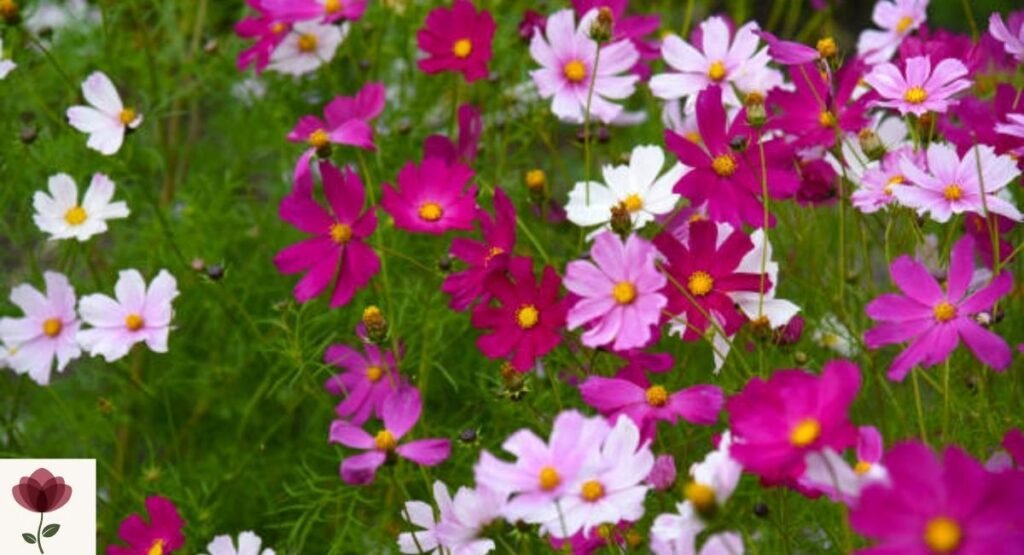
Cosmos bring a lighter, airy look to the fall garden. Their thin stems and open flowers move easily in the breeze. They prefer plenty of sunlight and can tolerate hot, dry conditions once established. Deadheading can help maintain flowering.
3. Chrysanthemum

Chrysanthemums are classic fall flowers because shorter days and cooler nights naturally encourage many varieties to form flower buds. Hardy selections can return for several years, while many florist mums sold in stores are better treated as seasonal container plants.
4. Rose
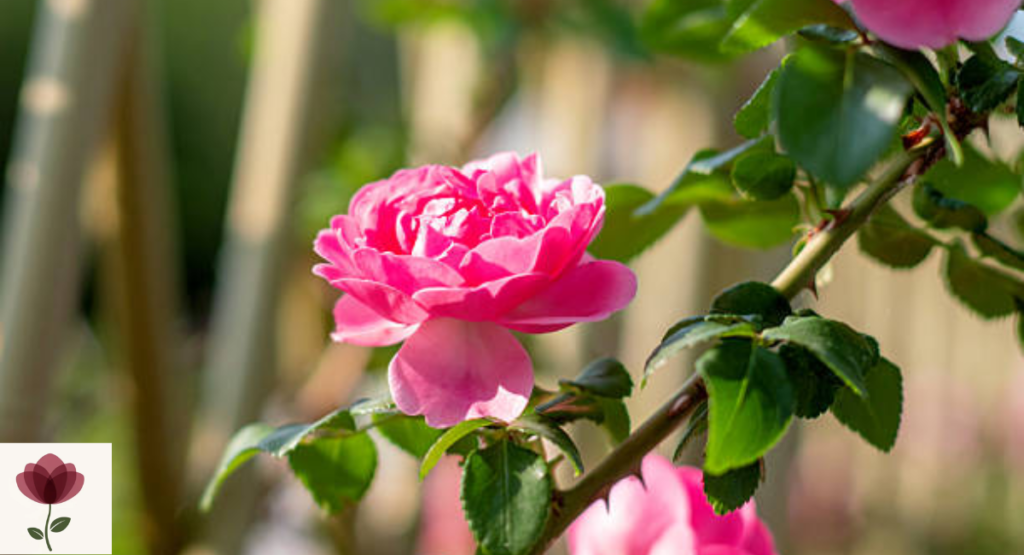
Roses can continue producing flowers during October in many parts of the USA. Their wide color range makes them useful for October wedding flowers, bouquets, and garden beds. Good sunlight, air circulation, and consistent care help maintain healthy plants.
5. Dahlia

Dahlias are spectacular October blooming flowers when frost has not yet ended their season. Their flowers range from small pompons to huge decorative forms. Their dramatic appearance makes them especially valuable for fall bouquets and wedding arrangements.
6. Zinnia
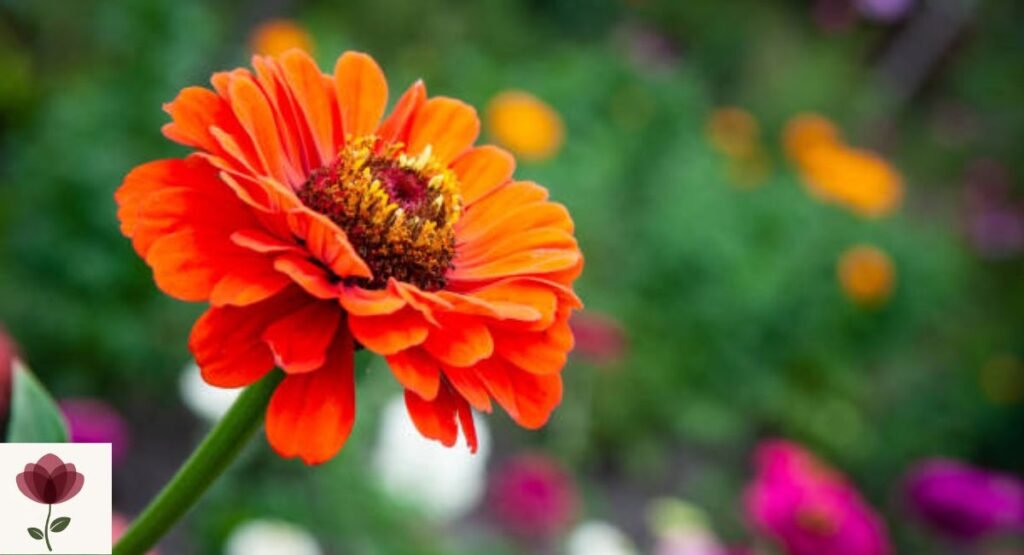
Zinnias are famous for bright flowers and a long growing season. They attract butterflies and work well in cutting gardens. In warmer areas, healthy plants can continue flowering through October, especially when gardeners remove spent blooms regularly.
7. Aster

Asters are classic late-season flowers. Their star-like blooms often appear in purple, pink, blue, or white. They are valuable pollinator flowers because they provide nectar when many summer blooms are fading.
8. Sunflower
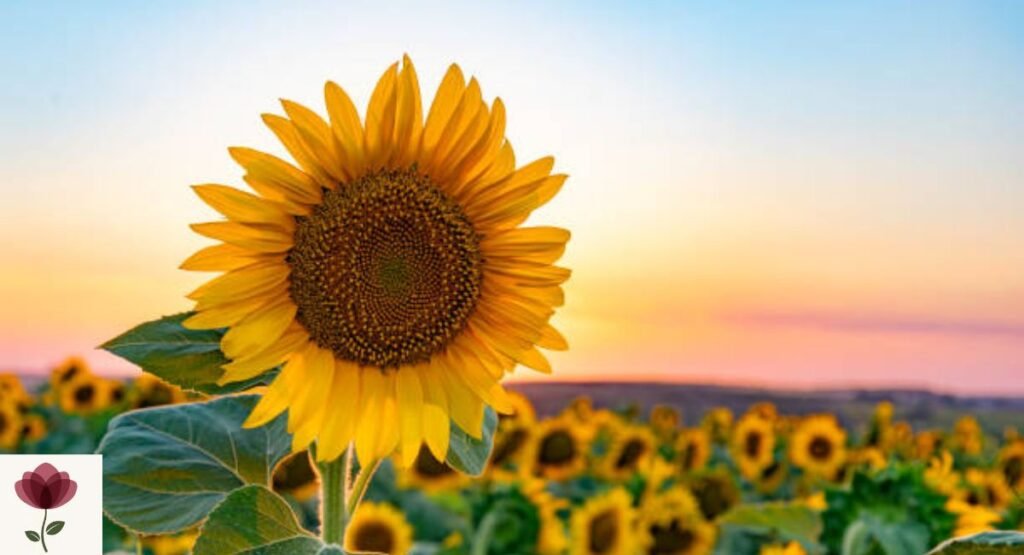
Sunflowers bring instant autumn energy to a garden. Traditional yellow varieties create a strong seasonal statement. Branching or later-blooming types can also provide flowers for cutting. Their height makes them especially effective at the back of garden borders.
9. Japanese Anemone
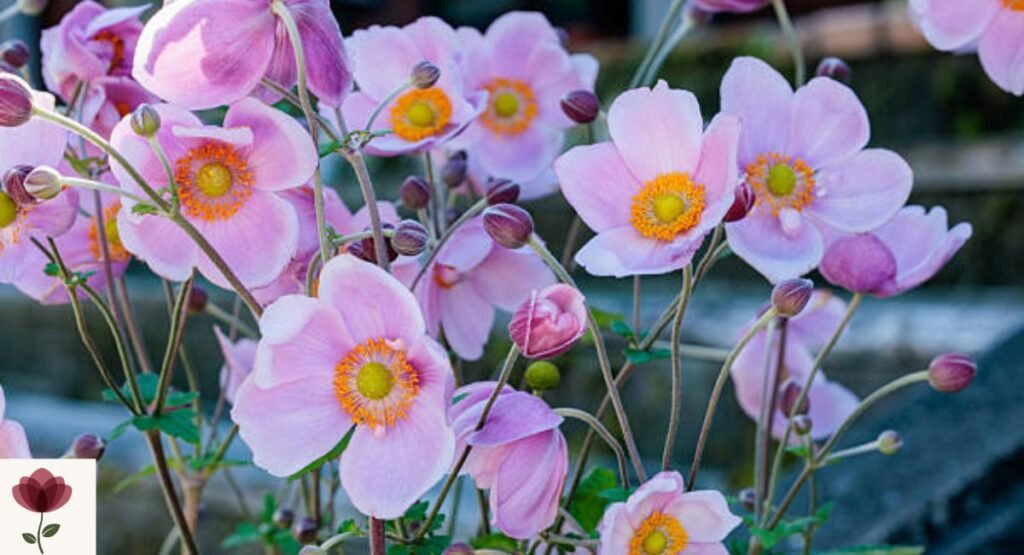
Japanese Anemone adds a softer look to fall gardens. Its delicate flowers rise above attractive foliage. Pink and white cultivars work well in borders and woodland-inspired spaces. They can be especially useful where afternoon shade protects plants from intense heat.
10. Sedum
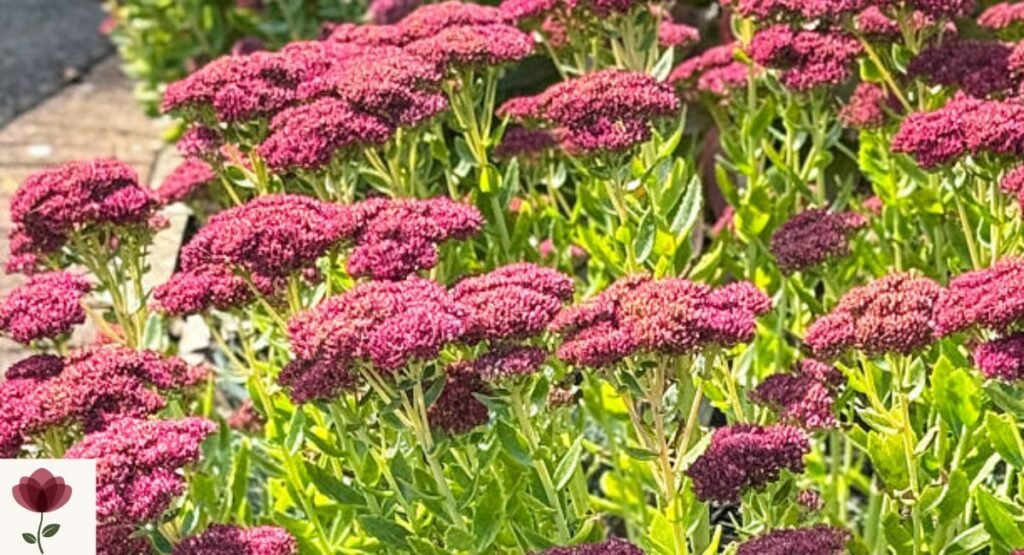
Sedum is a practical choice for gardeners who want late-season flowers with sturdy foliage. Many varieties tolerate dry conditions once established. Their flower clusters can attract pollinators while adding texture to low-maintenance gardens.
11. Celosia
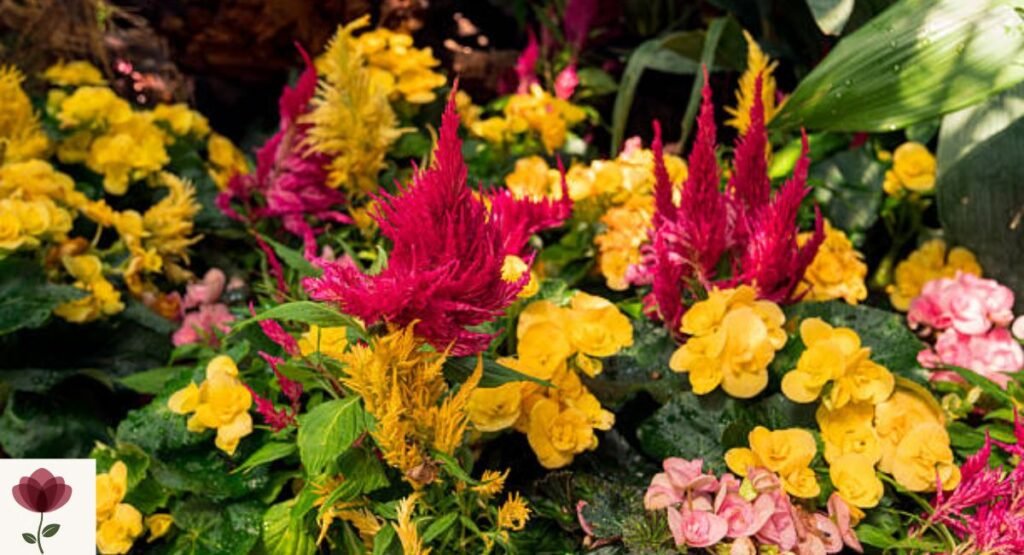
Celosia stands out because its flowers have unusual shapes. Some resemble flames, while others look like soft crests. Red, orange, yellow, and pink forms suit autumn displays. Celosia is also useful in containers and cut-flower gardens.
12. Calendula
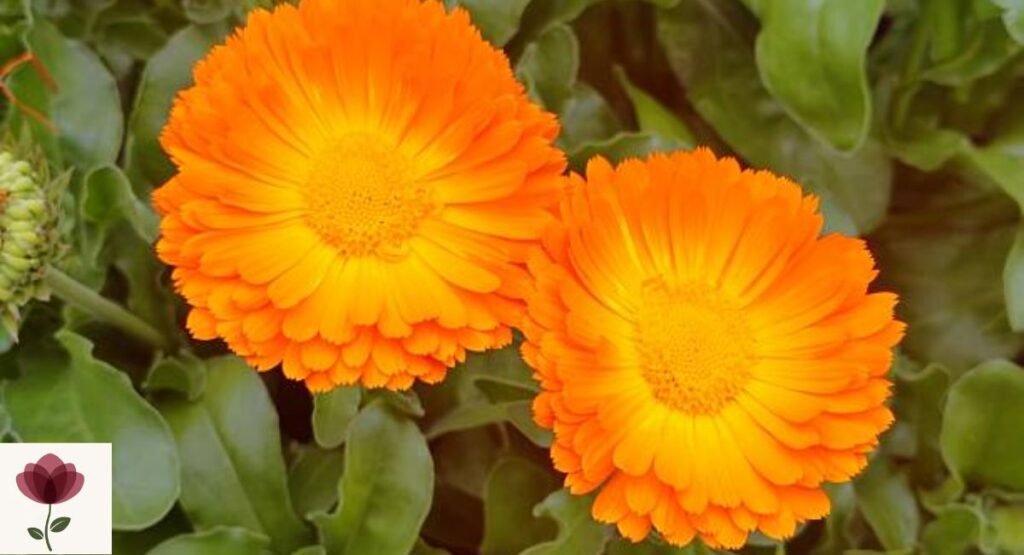
Calendula is often called pot marigold, but it is not a true Marigold. True Marigolds belong to Tagetes, while Calendula belongs to a different genus. Calendula prefers cooler conditions and can provide useful color during fall and early spring.
13. Salvia
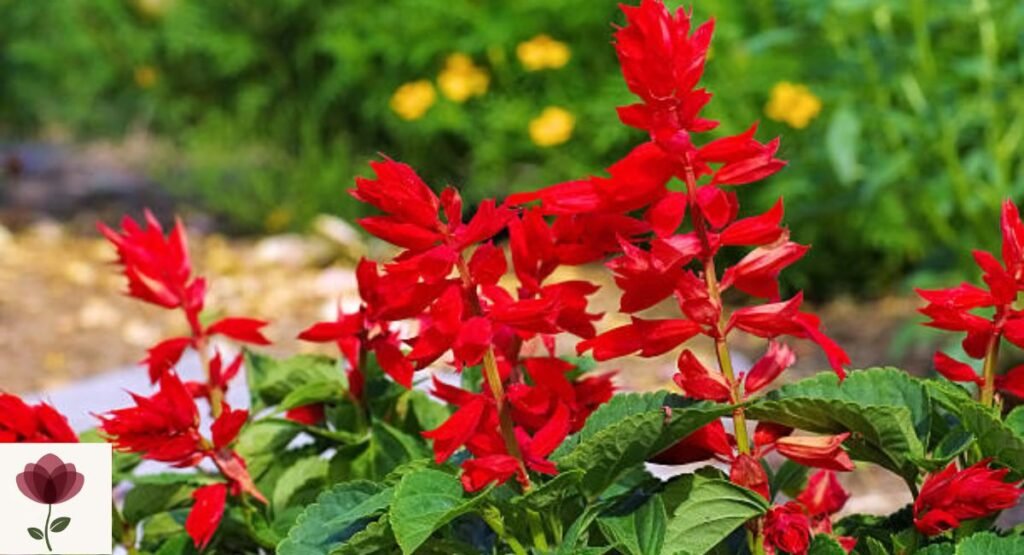
Salvia includes many species with very different growth habits. Some produce colorful flower spikes that attract hummingbirds, bees, and butterflies. In warm areas, certain Salvias can remain attractive deep into autumn.
14. Pansy
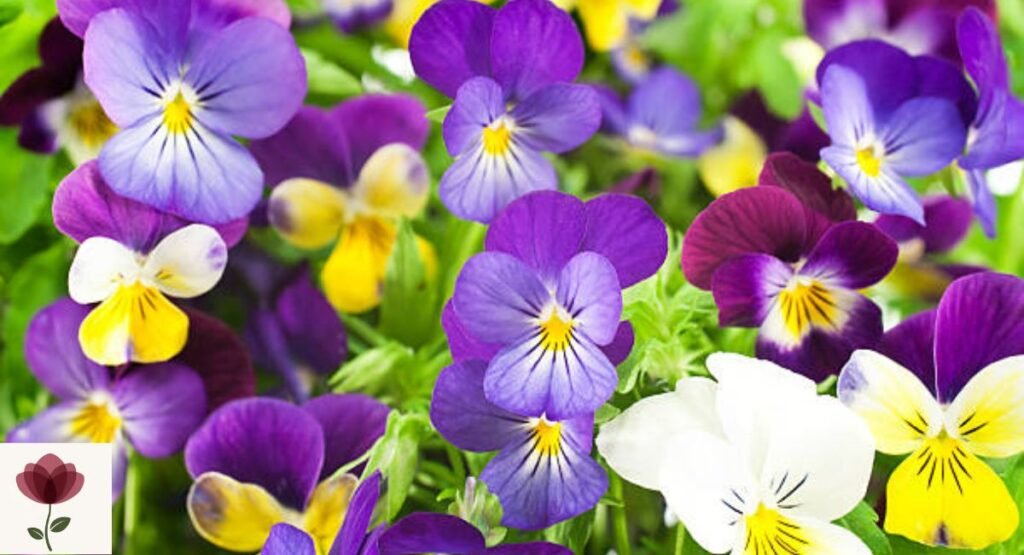
Pansies are excellent cool-season flowers. Their cheerful faces can brighten containers, borders, and window boxes after summer annuals decline. They tolerate cool weather better than many heat-loving flowers.
15. Viola
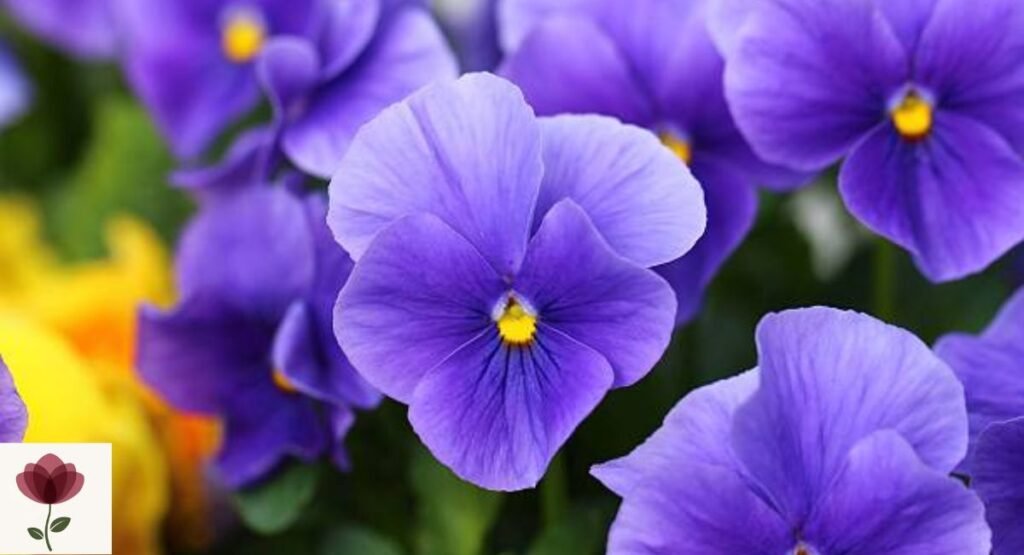
Violas resemble smaller Pansies and offer excellent cool-season color. They work beautifully in containers and garden edges. Their compact habit also makes them easy to combine with taller fall plants.
16. Toad Lily
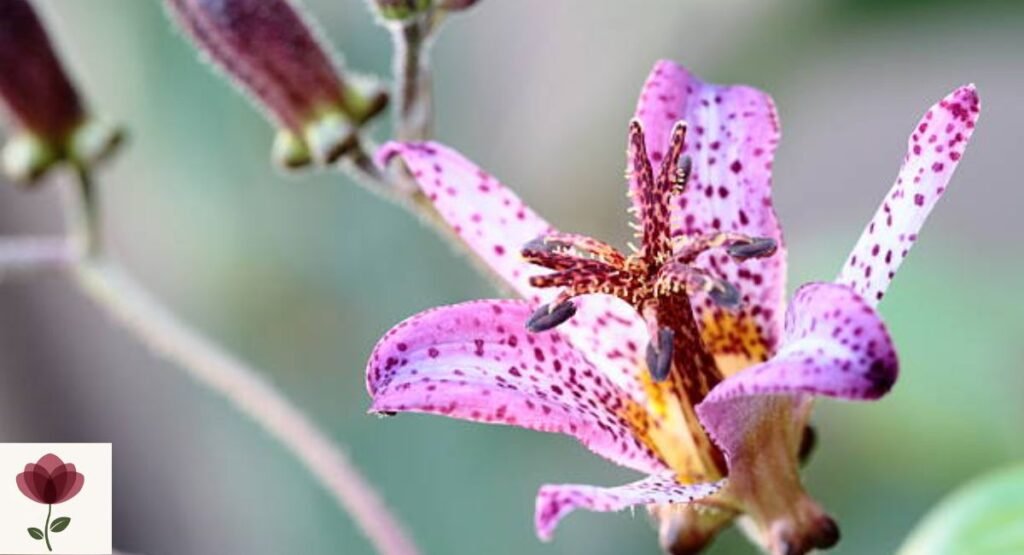
Toad Lily is an unusual choice for October gardens. Its spotted flowers have an orchid-like appearance. It prefers partial to full shade and can bring unexpected color to woodland gardens when many sun-loving flowers have faded.
17. Camellia

Camellias provide glossy evergreen foliage along with beautiful flowers. Some species and cultivars bloom during fall or winter. They generally prefer acidic, well-drained soil and protection from harsh afternoon sun.
18. Sweet Alyssum
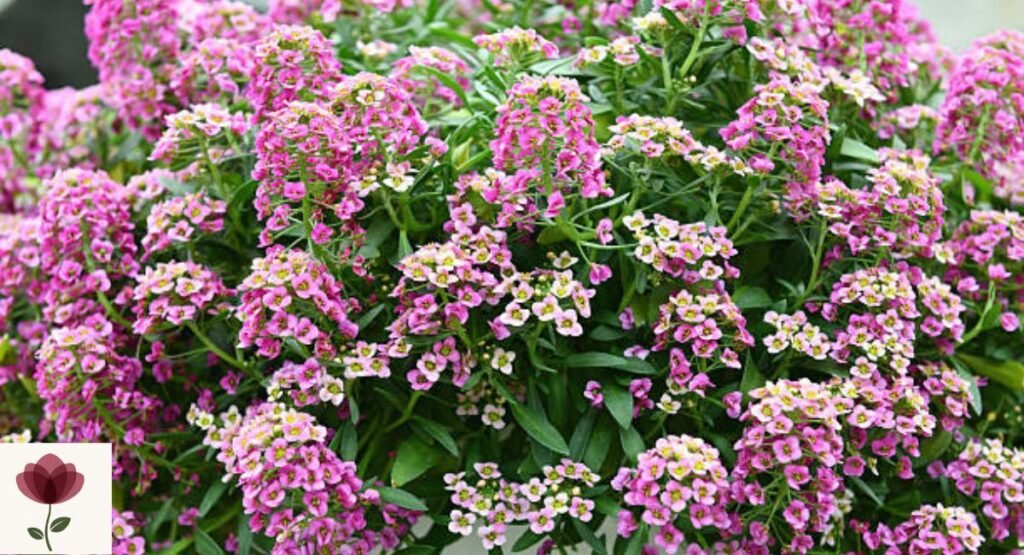
Sweet Alyssum produces small clusters of fragrant flowers. White is especially common, although pink and purple forms are available. It works well along borders, in containers, and around taller fall flowers.
19. Mexican Sage

Mexican Sage is valued for its purple flower spikes and strong appeal to pollinators. It performs particularly well in warmer parts of the USA. Its soft, arching growth also adds movement to autumn gardens.
20. Goldenrod

Goldenrod creates bright yellow autumn color. Contrary to a common misconception, Goldenrod is not usually the main cause of seasonal hay fever. Its pollen is relatively heavy, while wind-pollinated ragweed releases lighter pollen. Goldenrod also supports late-season pollinators.
Flowers That Bloom in October
October can offer a surprisingly broad flowering window. Some plants continue from summer. Others naturally begin flowering as temperatures cool.
The strongest choices depend on your region. A flower that blooms beautifully in October in Georgia may finish much earlier in Minnesota. This is why local frost dates matter as much as the plant’s general bloom calendar.
Best October Blooming Flowers
The best October blooming flowers combine reliable flowering with useful garden traits. Chrysanthemums, Asters, Dahlias, Roses, Marigolds, Sedum, and Pansies each fill a different role.
For maximum variety, combine tall flowers with low borders. This creates layers instead of a flat garden display.
Long-Lasting Flowers in October
Long-lasting October flowers are valuable because autumn weather can change quickly. Marigolds, Cosmos, Zinnias, Roses, and some Salvias may continue flowering through changing temperatures.
Deadheading spent flowers can also encourage certain plants to keep producing new blooms. However, not every plant benefits from aggressive deadheading, so learn the habit of each species.
Colorful Flowers That Bloom in Early Fall
Early fall is perfect for combining warm and cool colors. Orange Marigolds can sit beside purple Asters. Pink Dahlias can contrast with yellow Sunflowers. White Cosmos can soften darker autumn tones.
This approach creates a richer display than using one color family alone. Think of your garden like a painting that changes with the season.
Flowers to Plant in October
October planting can be excellent, but it depends on where you live. In colder areas, the planting window becomes shorter. In warmer regions, gardeners may still have plenty of time to establish cool-season plants.
Fall planting can also be useful for certain bulbs and perennials. The key is understanding your local climate rather than following a single national calendar.
What Flowers Can You Plant in October?
You can plant several cool-season flowers in October. Pansies, Violas, Calendula, Snapdragons, and certain perennials can work well when temperatures remain suitable.
Bulbs are another major category. Many spring-flowering bulbs are planted in autumn so they can establish roots before winter.
Best Flowers to Plant in October
The best flowers depend on your USDA zone and planting goal. For immediate color, Pansies and Violas are practical choices. For future spring color, autumn-planted bulbs can be more useful.
| Plant Type | October Purpose | Typical Benefit |
| Pansy | Immediate color | Cool-weather blooms |
| Viola | Immediate color | Compact growth |
| Calendula | Fall color | Cool-season flowering |
| Spring bulbs | Future color | Spring blooms |
| Perennials | Long-term garden | Return yearly |
Fall Flowers to Plant in October
Fall flowers to plant in October should tolerate cooler nights. Pansies, Violas, Calendula, and some Snapdragons can provide seasonal interest.
In warmer states, gardeners may have a longer planting window. In northern states, however, the goal may be establishing roots before the ground freezes rather than creating a long flowering display.
Can You Plant Flowers in October?
Yes, you can plant flowers in October. The bigger question is what you should plant. Your USDA hardiness zone, soil temperature, local frost date, and plant type all matter.
For example, a gardener in a warm Southern climate may still plant actively growing flowers. A gardener in a cold northern climate may focus on hardy plants or spring-flowering bulbs.
October Flowers Available for Cutting
October is an excellent month for cutting gardens. Dahlias, Chrysanthemums, Roses, Sunflowers, Zinnias, Celosia, and Asters can all contribute useful seasonal stems.
Local availability varies, especially for florists. Garden-grown flowers may also differ from commercially grown flowers because growers select cultivars based on stem length, timing, and vase performance.
What Flowers Are Available in October?
Common flowers available in October can include Roses, Dahlias, Chrysanthemums, Sunflowers, Asters, Zinnias, Celosia, and seasonal foliage.
Availability can change by region and supplier. A flower may be blooming locally yet remain difficult to purchase commercially.
Best Cut Flowers Available in October
Dahlias offer dramatic forms. Roses provide classic elegance. Chrysanthemums give excellent seasonal texture. Sunflowers create instant autumn warmth. Zinnias and Celosia can add playful color and unusual shapes.
For a natural bouquet, mix different flower sizes. Pair large focal blooms with smaller flowers and airy fillers.
Long-Lasting October Cut Flowers
Chrysanthemums are particularly useful when you want strong seasonal structure. Roses also remain a dependable floral staple. Sunflowers provide bold focal points, while Asters can add delicate texture.
Cut stems during the cooler part of the day. Place them into clean water quickly. Remove leaves that would sit below the waterline.
Best October Wedding Flowers
October weddings naturally lend themselves to rich seasonal flowers. Warm colors work beautifully with autumn foliage. Soft pinks, whites, purples, burgundy shades, and deep reds can also create an elegant look.
The best October wedding flowers do not need to look traditionally “fall.” A white-and-green wedding can feel just as seasonal when paired with October-grown foliage and flowers.
What Flowers Are in Season for an October Wedding?
Dahlias, Roses, Chrysanthemums, Asters, Sunflowers, Celosia, and some local seasonal flowers can work well for an October wedding.
Local sourcing is especially useful. Flowers grown near your venue may offer fresher stems and better seasonal authenticity.
Best Flowers for an October Wedding
Dahlias are excellent for dramatic bouquets. Roses create timeless romance. Chrysanthemums offer remarkable variety. Asters provide delicate texture. Sunflowers create a cheerful rustic mood.
Your choice should match the wedding style. Elegant does not always mean expensive. Sometimes the simplest seasonal combination looks the most intentional.
October Autumn Wedding Flowers
Autumn weddings often use orange, burgundy, rust, blush, cream, purple, and deep red. These colors pair naturally with changing leaves and warm décor.
You can also add dried grasses, berries, branches, and autumn foliage. These elements create texture without forcing every flower to look traditionally autumnal.
October Wedding Bouquet Ideas
A romantic bouquet can combine blush Roses with burgundy Dahlias. A rustic design can pair Sunflowers with Asters and seasonal foliage. A modern bouquet might use white Chrysanthemums with dark greenery.
The trick is contrast. Combine different flower shapes, sizes, and textures to prevent the bouquet from looking flat.
October Flowers for Wedding Centerpieces
Centerpieces can use the same flowers as bouquets, but their arrangement should suit the table. Tall designs work well for large spaces. Low arrangements make conversation easier at dinner tables.
For a relaxed wedding, combine seasonal blooms in loose vessels. For a formal wedding, repeat a limited color palette across every table.
Flowers in Season for October Weddings
The best flowers in season for October weddings vary by location. A florist can help confirm what is locally available on your wedding date.
| Flower | Wedding Style | Color Range |
| Dahlia | Romantic, garden | Wide |
| Rose | Classic, elegant | Wide |
| Chrysanthemum | Modern, rustic | Wide |
| Aster | Garden, soft | Purple, pink, white |
| Sunflower | Rustic, cheerful | Yellow |
| Cosmos | Natural, romantic | Pink, white |
October Flowers by Color
Color can transform the entire mood of an October garden or wedding. Autumn does not have to mean orange alone.
You can create a sophisticated display by mixing warm shades with cool colors. Purple, pink, white, and burgundy flowers can look stunning against autumn foliage.
Blue Flowers in October
True blue October flowers are relatively uncommon. Blue-purple Asters, Salvias, and similar flowers can provide a cooler alternative.
They work especially well beside orange or yellow flowers. The contrast creates visual energy without becoming overwhelming.
Pink Flowers in October
Pink Dahlias, Roses, Cosmos, Asters, and Chrysanthemums can all contribute to a romantic October palette.
Pink is especially useful for weddings because it softens traditional autumn colors. Pairing blush pink with burgundy creates a refined seasonal look.
Purple Flowers in October
Purple Asters, Salvia, Mexican Sage, and some Chrysanthemums can add depth to an autumn garden.
Purple also pairs beautifully with yellow and orange. This combination creates contrast while keeping the garden visually balanced.
White Flowers in October
White Roses, Cosmos, Chrysanthemums, and Japanese Anemones can brighten darker autumn landscapes.
White is particularly useful for October wedding flowers. It creates an elegant appearance when combined with greenery, burgundy blooms, or warm-colored foliage.
Burgundy Flowers in October
Burgundy flowers create a rich autumn mood. Dark Dahlias, Chrysanthemums, Roses, and other deep-toned cultivars can contribute to this palette.
Because burgundy is visually strong, use it as an accent rather than covering every surface. A few dramatic blooms can make a bigger impact.
Orange and Yellow October Flowers
Orange and yellow are classic October colors. Marigolds, Sunflowers, Calendula, Goldenrod, and orange Dahlias can create a bright seasonal display.
These shades work especially well around Halloween décor and autumn gatherings. Purple flowers can add contrast without competing with the warm palette.
October Flowers by Growing Conditions
Growing conditions often determine whether an October flower succeeds. Sunlight, drainage, temperature, and soil all influence flowering.
Instead of choosing a flower because it looks beautiful, choose one that fits your garden. The right plant in the right location usually needs less intervention.
October Flowers for Full Sun
Full-sun areas can support Marigolds, Sunflowers, Zinnias, Dahlias, Asters, and many Salvias.
Aim for a location with adequate direct sunlight and good drainage. Avoid planting moisture-sensitive flowers in places where autumn rain leaves the soil constantly saturated.
October Flowers for Partial Shade
Partial shade expands your choices. Japanese Anemone, Toad Lily, Pansies, Violas, and suitable Camellias can work well.
Morning sun with afternoon protection can be especially useful in warmer climates. In northern areas, however, too much shade may reduce flowering.
October Flowers for Containers
Containers are ideal when you want portable October flowers. Pansies, Violas, Chrysanthemums, Calendula, and compact Marigolds can work beautifully.
Containers also offer a major advantage. You can move plants into protected locations when a sudden cold snap threatens.
October Flowers for Garden Beds
Garden beds provide more room for larger plants. Dahlias, Sunflowers, Asters, Roses, Chrysanthemums, and Goldenrod can create strong vertical layers.
Place taller flowers toward the back. Medium plants should fill the middle. Use compact flowers around edges for a more natural transition.
October Flowers for Different Regions
There is no single October garden across the USA. October arrives differently in Florida, Texas, California, Minnesota, New York, and Washington.
That regional difference is one of the most important facts to understand when growing October flowers. Always consider local weather rather than relying only on a national bloom calendar.
October Flowers in the USA
In warm Southern states, many summer flowers can remain active through October. In northern states, frost may already have ended some tender annuals.
The Pacific Northwest can have a different pattern again, with cool temperatures and autumn moisture affecting plant performance. Local extension services and frost-date information are valuable planning tools.
October Flowers in the UK
October is autumn in the UK, just as it is in the USA. However, the climate differs by region, so flower availability can change.
Cooler temperatures can favor Chrysanthemums, Pansies, Violas, and other autumn plants. UK gardeners should use local planting guidance rather than directly copying U.S. recommendations.
October Flowers in Australia
Australia has the opposite seasonal pattern. October is spring rather than autumn.
Therefore, searches for October flowers in Australia can produce very different results from American searches. This is an important distinction when comparing seasonal flower information internationally.
How Climate Changes October Flower Availability
Temperature is one of the biggest factors affecting flower availability. Frost can quickly end tender annuals. Warm weather can extend flowering far beyond expected dates.
| U.S. Climate | October Flower Pattern |
| Northern states | Earlier frost and shorter bloom window |
| Midwest | Strong transition into cool-season flowers |
| Northeast | Fall flowers plus increasing frost risk |
| Southern states | Longer summer-flower season |
| Southwest | Warm conditions can extend flowering |
| Pacific Northwest | Cool temperatures and seasonal moisture |
October Flowers for Gardens
A good October garden should offer more than color. It should also support pollinators, provide texture, and remain attractive as summer plants disappear.
Mixing different growth habits creates a garden that feels alive. Use upright flowers, rounded plants, spreading ground covers, and grasses to add structure.
Best October Flowers for a Cottage Garden
Cottage gardens benefit from informal combinations. Cosmos, Roses, Asters, Dahlias, Marigolds, and Salvias can create a relaxed appearance.
Allow some flowers to grow naturally instead of arranging every plant in perfect rows. The slightly untamed look is part of the cottage-garden charm.
Best October Flowers for Pollinators
Late-season pollinator plants are especially valuable. Asters, Goldenrod, Sedum, Salvia, Cosmos, and some Chrysanthemums can provide useful floral resources.
A garden that keeps flowering into autumn can help pollinators when fewer summer flowers remain. This makes seasonal planting valuable beyond simple decoration.
Best October Flowers for Fall Color
For classic fall color, choose Marigolds, Sunflowers, Goldenrod, orange Dahlias, and warm-toned Chrysanthemums.
For a cooler palette, use purple Asters, pink Cosmos, white flowers, and burgundy Dahlias. The second approach feels more sophisticated and less predictable.
Best Low-Maintenance October Flowers
Marigolds, Sedum, Pansies, Violas, and certain hardy Chrysanthemums can be useful for lower-maintenance gardens.
The exact care level still depends on the cultivar and climate. Low-maintenance flowers are not maintenance-free. Good drainage, suitable light, and occasional watering remain important.
October Flower Care Tips
October care is mostly about helping plants handle changing weather. Days may remain warm while nights become surprisingly cold.
This is also the month when gardeners should think ahead. Plants that survive October may need different care as November approaches.
How to Keep October Flowers Blooming
Remove spent flowers when appropriate. Keep plants watered during dry periods. Avoid excessive fertilizer late in the season because some plants are naturally preparing for dormancy.
Healthy plants usually handle autumn changes better. Good sunlight and drainage are often more valuable than constant feeding.
Watering October Flowers
Cooler temperatures usually reduce water loss. Therefore, October plants may need less frequent watering than they did during summer.
Check the soil before watering. Overwatering can cause root problems, especially when drainage is poor. Cosmos, for example, can produce fewer flowers when overwatered.
Protecting Flowers From Cold Weather
Frost is one of the biggest threats to tender October flowers. Containers are easier to protect because you can move them to sheltered spaces.
For garden plants, frost cloth can provide temporary protection during cold nights. Do not confuse a light frost with a prolonged hard freeze. Tender annuals may not recover from severe cold.
Preparing October Flowers for November
November preparation depends on the plant. Some annuals can be removed after frost. Some perennials should be left standing because their seed heads provide winter interest and wildlife food.
October is also a good time to collect seeds, clean certain beds, plant appropriate bulbs, and assess which plants performed well. Good autumn notes can make next year’s garden much easier.
Conclusion
October is a wonderful month for enjoying colorful, seasonal blooms. Marigold and Cosmos are the traditional October birth flowers, but many other flowers can brighten your garden, bouquet, or wedding. Dahlias, Chrysanthemums, Asters, Roses, Sunflowers, Pansies, and Violas offer plenty of choices. Your local climate, USDA hardiness zone, sunlight, and first frost date can affect what blooms in October.
Whether you’re planting flowers, planning an autumn wedding, or creating a fall garden, the right October flowers can keep your outdoor space beautiful well into the cooler months.
FAQs
What is the birth flower for October?
The traditional October birth flowers are Marigold and Cosmos. Some sources also distinguish Calendula or pot marigold in broader October references.
What flowers are in season in October?
Chrysanthemums, Dahlias, Roses, Asters, Marigolds, Cosmos, Sunflowers, Zinnias, Sedum, Pansies, and Violas can be in season, depending on location.
What flowers bloom in October?
Many October blooming flowers include Asters, Chrysanthemums, Dahlias, Roses, Marigolds, Cosmos, Sunflowers, Zinnias, and Sedum. Climate changes the exact bloom period.
What flowers can I plant in October?
Pansies, Violas, Calendula, some perennials, and many spring-flowering bulbs can be planted in October. Your local climate and soil conditions should guide the final choice.
What flowers are best for an October wedding?
Dahlias, Roses, Chrysanthemums, Asters, Sunflowers, Cosmos, and Celosia are excellent choices. Local availability should be checked before finalizing a wedding flower plan.

Welcome to PetalNexa! I’m Anam Sattar, an AI-powered SEO Specialist and Content Writer with over 4 years of experience in creating high-quality, search-optimized content. I help businesses improve their search engine rankings, increase organic traffic, and build beautiful, user-friendly websites. My mission is to make SEO, content creation, and web design simple, effective, and accessible for everyone. Let’s grow your online presence and achieve success together!
1 thought on “20 October Flowers: Birth, Seasonal, Wedding & What to Plant”