

Finding Flowers that start with Y can feel like searching for hidden gems in a garden. The letter Y has surprisingly few familiar flower names, which makes this collection especially interesting for gardeners, students, and flower lovers. In this guide, you’ll discover 70 beautiful choices, including flower names, colorful blooms, flowering plants, and unusual varieties worth knowing.
Each entry highlights useful details such as color, type, bloom season, sunlight, and growing habits. You’ll also learn how to identify Y flowers, choose the right varieties for your garden, and understand their unique features. From yarrow and yucca to yellow-named blooms, this guide makes exploring these uncommon flowers simple, practical, and enjoyable for curious gardeners everywhere.
What Flowers Start With Y?
Flowers that start with Y include yarrow, yucca flower, yellow bells, yellow archangel, yellow jessamine, yellow wild indigo, yellow waxbells, yellow trillium, yellow flag, and yellow pitcher plant. The list becomes much larger when commonly used yellow-named flowers are included. That distinction matters when building a reliable alphabetical flower guide.
Y is unusually difficult because English flower names rarely begin with this letter. Many useful entries actually begin with yellow, while others use a plant name such as yucca or yarrow. Major gardening references also show that the direct Y group is relatively small.
Why Are Flower Names Starting With Y So Rare?
Flowers that starts with Y are scarce partly because common plant names develop through everyday language rather than a fixed alphabetic system. English also borrows many plant names from Latin, Greek, Indigenous languages, and other cultures. As a result, some letters naturally collect far fewer familiar flower names than others.
There’s another wrinkle. A plant can have a common name beginning with Y while its scientific name begins with an entirely different letter. Yellow bells, for example, belongs to the genus Tecoma.
70 Flowers That Start With Y: Complete List
Flowers that start with Y cover a curious mixture of direct names, yellow-named flowers, regional names, and broader flowering plants. The table below gives you a useful working collection while keeping the naming categories transparent. Some entries represent flower groups or cultivar categories rather than one single botanical species.
| # | Flower Name | Scientific Name | Color | Type | Bloom Season | Sunlight |
| 1 | Yarrow | Achillea millefolium | White, pink, red, yellow | Perennial | Summer–fall | Full sun |
| 2 | Yucca Flower | Yucca spp. | White, cream | Perennial | Spring–summer | Full sun |
| 3 | Yellow Bells | Tecoma stans | Yellow | Shrub | Spring–fall | Full sun |
| 4 | Yellow Archangel | Lamium galeobdolon | Yellow | Perennial | Spring | Part shade |
| 5 | Yellow Jessamine | Gelsemium sempervirens | Yellow | Vine | Late winter–spring | Sun–part shade |
| 6 | Yellow Wild Indigo | Baptisia tinctoria | Yellow | Perennial | Late spring–summer | Full sun |
| 7 | Yellow Waxbells | Kirengeshoma palmata | Soft yellow | Perennial | Summer–fall | Part shade |
| 8 | Yellow Trillium | Trillium luteum | Yellow | Woodland perennial | Spring | Part shade |
| 9 | Yellow Flag | Iris pseudacorus | Yellow | Wetland perennial | Spring–summer | Full sun |
| 10 | Yellow Pitcher Plant | Sarracenia flava | Yellow | Carnivorous perennial | Spring | Full sun |
| 11 | Yellow Coneflower | Echinacea paradoxa | Yellow | Perennial | Summer | Full sun |
| 12 | Yellow-Eyed Grass | Sisyrinchium spp. | Yellow | Perennial | Spring–summer | Sun–part shade |
| 13 | Yellow Cosmos | Cosmos sulphureus | Yellow-orange | Annual | Summer–fall | Full sun |
| 14 | Yellow Ginger | Hedychium flavescens | Yellow | Perennial | Summer–fall | Sun–part shade |
| 15 | Yellow Poppy | Glaucium flavum | Yellow | Biennial/perennial | Summer | Full sun |
| 16 | Yellow Foxglove | Digitalis grandiflora | Yellow | Perennial | Summer | Sun–part shade |
| 17 | Yellow Flame | Peltophorum pterocarpum | Yellow | Flowering tree | Summer | Full sun |
| 18 | Yama-Shakuyaku | Paeonia japonica | White | Perennial | Spring | Sun–part shade |
| 19 | Young’s Helleborine | Epipactis spp. | Greenish | Orchid | Summer | Part shade |
| 20 | Yellow Wood Sorrel | Oxalis stricta | Yellow | Herbaceous perennial | Spring–fall | Sun–part shade |
| 21 | Yellow Daylily | Hemerocallis spp. | Yellow | Perennial | Summer | Full sun |
| 22 | Yellow Rose | Rosa spp. | Yellow | Shrub | Spring–fall | Full sun |
| 23 | Yellow Daffodil | Narcissus spp. | Yellow | Bulb | Spring | Full sun |
| 24 | Yellow Tulip | Tulipa spp. | Yellow | Bulb | Spring | Full sun |
| 25 | Yellow Marigold | Tagetes spp. | Yellow | Annual | Summer–fall | Full sun |
| 26 | Yellow Petunia | Petunia spp. | Yellow | Annual | Summer–fall | Full sun |
| 27 | Yellow Sunflower | Helianthus spp. | Yellow | Annual/perennial | Summer–fall | Full sun |
| 28 | Yellow Zinnia | Zinnia spp. | Yellow | Annual | Summer–fall | Full sun |
| 29 | Yellow Freesia | Freesia spp. | Yellow | Cormous perennial | Spring | Full sun |
| 30 | Yellow Hyacinth | Hyacinthus orientalis | Yellow | Bulb | Spring | Full sun |
| 31 | Yellow Water Lily | Nymphaea spp. | Yellow | Aquatic perennial | Summer | Full sun |
| 32 | Yellow Orchid | Orchidaceae | Yellow | Orchid | Varies | Bright light |
| 33 | Yellow Hibiscus | Hibiscus spp. | Yellow | Shrub/perennial | Summer–fall | Full sun |
| 34 | Yellow Iris | Iris spp. | Yellow | Perennial | Spring–summer | Sun |
| 35 | Yellow Columbine | Aquilegia spp. | Yellow | Perennial | Spring | Sun–part shade |
| 36 | Yellow Coreopsis | Coreopsis spp. | Yellow | Perennial | Summer–fall | Full sun |
| 37 | Yellow Primrose | Primula spp. | Yellow | Perennial | Spring | Part shade |
| 38 | Yellow Evening Primrose | Oenothera spp. | Yellow | Perennial/biennial | Summer | Full sun |
| 39 | Yellow Lupine | Lupinus spp. | Yellow | Annual/perennial | Spring–summer | Full sun |
| 40 | Yellow Crocus | Crocus spp. | Yellow | Bulb | Spring | Full sun |
| 41 | Yellow Ranunculus | Ranunculus asiaticus | Yellow | Cormous perennial | Spring | Full sun |
| 42 | Yellow Nasturtium | Tropaeolum majus | Yellow | Annual | Summer–fall | Full sun |
| 43 | Yellow Viola | Viola spp. | Yellow | Annual/perennial | Spring–fall | Sun–part shade |
| 44 | Yellow Wallflower | Erysimum spp. | Yellow | Biennial/perennial | Spring | Full sun |
| 45 | Yellow Hollyhock | Alcea rosea | Yellow | Biennial/perennial | Summer | Full sun |
| 46 | Yellow Gerbera | Gerbera spp. | Yellow | Perennial/annual | Summer | Full sun |
| 47 | Yellow Dahlia | Dahlia spp. | Yellow | Tuberous perennial | Summer–fall | Full sun |
| 48 | Yellow Aster | Symphyotrichum spp. | Yellow-centered | Perennial | Fall | Full sun |
| 49 | Yellow Alyssum | Aurinia saxatilis | Yellow | Perennial | Spring | Full sun |
| 50 | Yellow Anemone | Anemone spp. | Yellow | Perennial | Spring–fall | Sun–part shade |
| 51 | Yellow Canna | Canna spp. | Yellow | Perennial | Summer–fall | Full sun |
| 52 | Yellow Clematis | Clematis spp. | Yellow/cream | Vine | Spring–summer | Sun |
| 53 | Yellow Ginger Lily | Hedychium spp. | Yellow | Perennial | Summer–fall | Sun–part shade |
| 54 | Yellow Lady’s-Slipper | Cypripedium spp. | Yellow | Orchid | Spring–summer | Part shade |
| 55 | Yellow Loosestrife | Lysimachia spp. | Yellow | Perennial | Summer | Sun–part shade |
| 56 | Yellow Monkeyflower | Erythranthe spp. | Yellow | Perennial/annual | Summer | Sun–part shade |
| 57 | Yellow Oxeye Daisy | Heliopsis spp. | Yellow | Perennial | Summer–fall | Full sun |
| 58 | Yellow Rocket | Barbarea vulgaris | Yellow | Biennial/perennial | Spring | Full sun |
| 59 | Yellow Starthistle | Centaurea solstitialis | Yellow | Annual/biennial | Summer | Full sun |
| 60 | Yellow Hawkweed | Hieracium spp. | Yellow | Perennial | Summer | Full sun |
| 61 | Yellow Azalea | Rhododendron spp. | Yellow | Shrub | Spring | Part shade |
| 62 | Yellow Gentian | Gentiana spp. | Yellow | Perennial | Summer–fall | Sun–part shade |
| 63 | Yellow Corydalis | Corydalis lutea | Yellow | Perennial | Spring–fall | Part shade |
| 64 | Yellow Star-of-Bethlehem | Gagea spp. | Yellow | Bulb | Spring | Sun |
| 65 | Yellow Flax | Linum flavum | Yellow | Perennial | Summer | Full sun |
| 66 | Yellow Mallow | Abutilon spp. | Yellow | Shrub/perennial | Summer | Full sun |
| 67 | Yulan Magnolia | Magnolia denudata | White/cream | Flowering tree | Spring | Full sun |
| 68 | Ylang-Ylang | Cananga odorata | Yellow-green | Tropical tree | Year-round | Full sun |
| 69 | Yerba Santa Flower | Eriodictyon spp. | White/purple | Shrub | Summer | Full sun |
| 70 | Yerba Mansa Flower | Anemopsis californica | White/pinkish | Wetland perennial | Summer | Sun–part shade |
The strongest direct names in this table include yarrow, yucca flower, yellow bells, yellow archangel, yellow jessamine, yellow wild indigo, and several established yellow-prefixed plant names. Some broader entries are best understood as flowering plants rather than conventional garden flowers. That distinction keeps the list useful without overstating botanical certainty.Most Popular Flowers That Start With Y
Most Popular Flowers That Start With Y
Among Flowers that start with Y, a few names have much stronger recognition than the rest. Yarrow, yucca, yellow bells, yellow jessamine, and yellow wild indigo are especially useful starting points. Broader yellow-named flowers such as daffodils, roses, tulips, and marigolds add familiar garden choices.
The popularity of these flowers comes from more than their names. Some tolerate heat or drought. Others provide fragrance, long bloom seasons, striking shapes, or reliable container performance. Yarrow, for instance, grows across a wide range of U.S. climates and attracts pollinators.
Yarrow
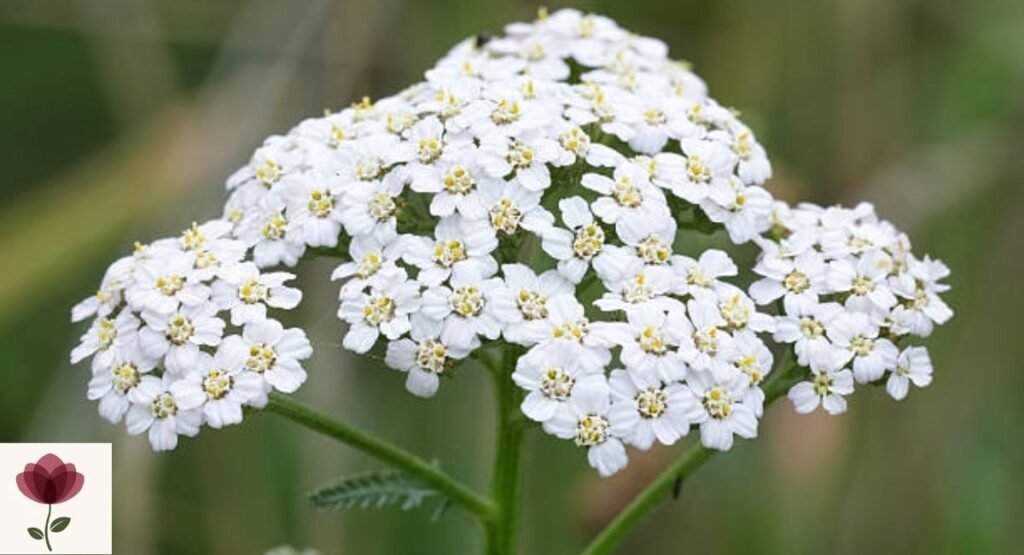
Yarrow, Achillea millefolium, forms flat flower clusters above finely divided foliage. Blooms can appear white, yellow, pink, or red from summer into fall. It grows as a hardy perennial and handles poor, dry soil well. Interestingly, the genus name honors the Greek hero Achilles.
Yucca Flower
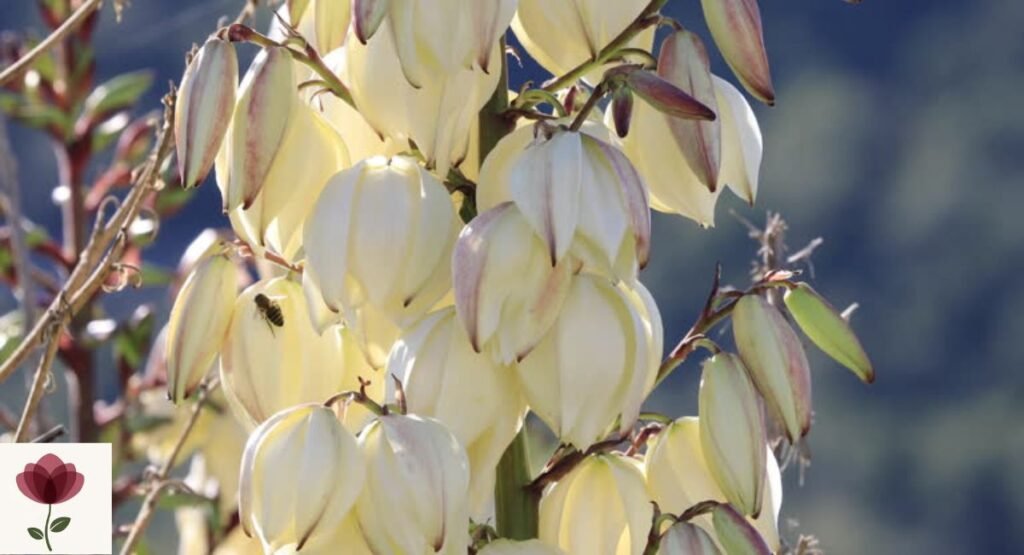
Yucca flowers rise dramatically above stiff, sword-like leaves. The creamy-white bell-shaped blooms usually appear on tall stalks during the warmer growing season. Yucca works beautifully in dry landscapes because its rosette form adds structure even when flowers aren’t present.
Yellow Bells
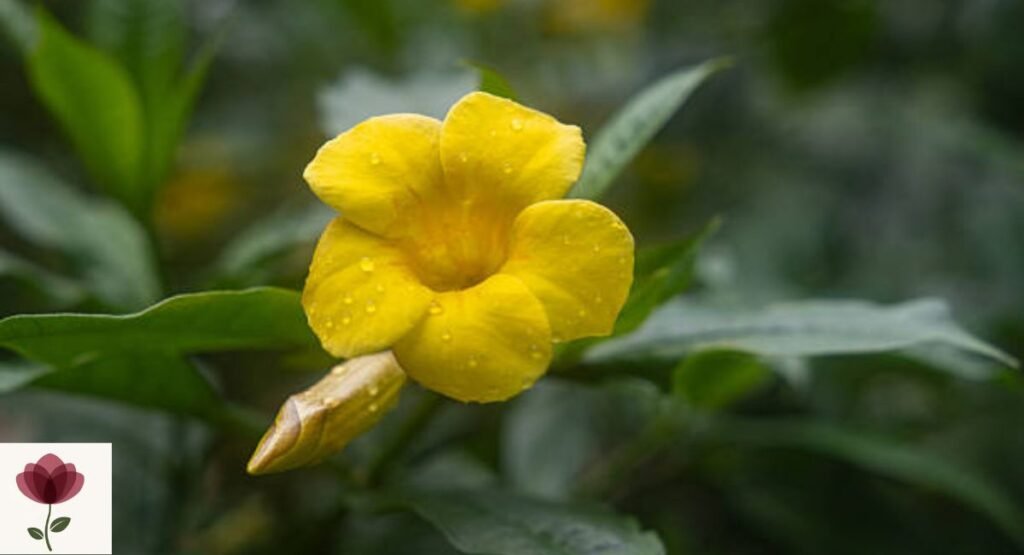
Yellow bells, Tecoma stans, produces bright trumpet-shaped flowers on an evergreen shrub in warm climates. It can bloom from spring toward frost and may flower almost year-round in tropical areas. Hummingbirds and butterflies visit its nectar-rich flowers.
Yellow Jessamine
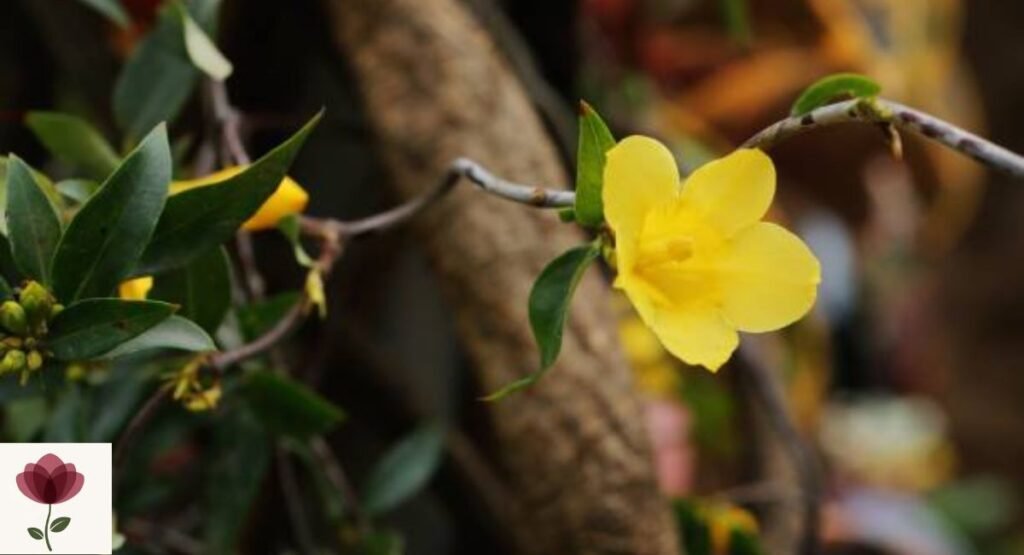
Yellow jessamine, Gelsemium sempervirens, is a twining Southern vine with glossy leaves and fragrant golden flowers. It usually blooms from late winter through spring. The vine climbs fences and trellises beautifully, although every part deserves careful handling because the plant is poisonous.
Yellow Wild Indigo
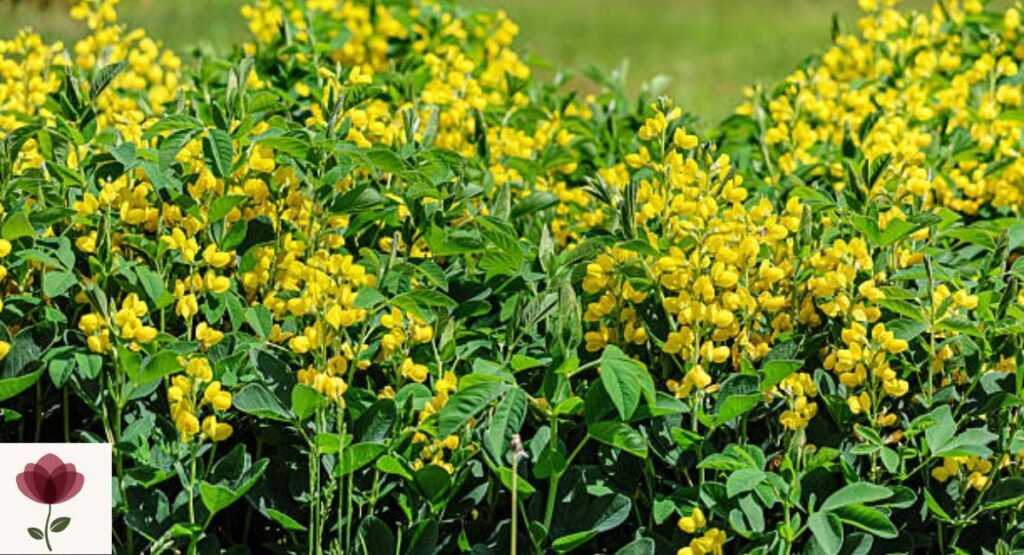
Yellow wild indigo, Baptisia tinctoria, produces pea-like yellow flowers above blue-green foliage. This eastern North American perennial blooms in late spring or early summer. Its deep taproot helps it tolerate drought, although that same root makes mature plants difficult to move.
Yellow Archangel
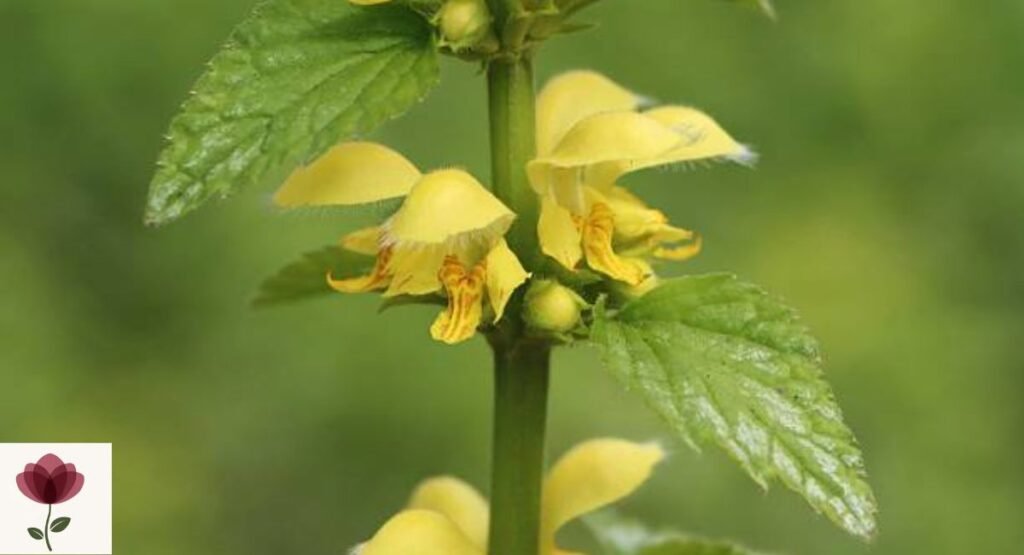
Yellow archangel, Lamium galeobdolon, forms spreading groundcover with attractive foliage and small yellow flowers. It prefers softer light rather than harsh afternoon sun. In suitable woodland-style gardens, its low growth can create a lush carpet beneath taller plants.
Yellow Waxbells
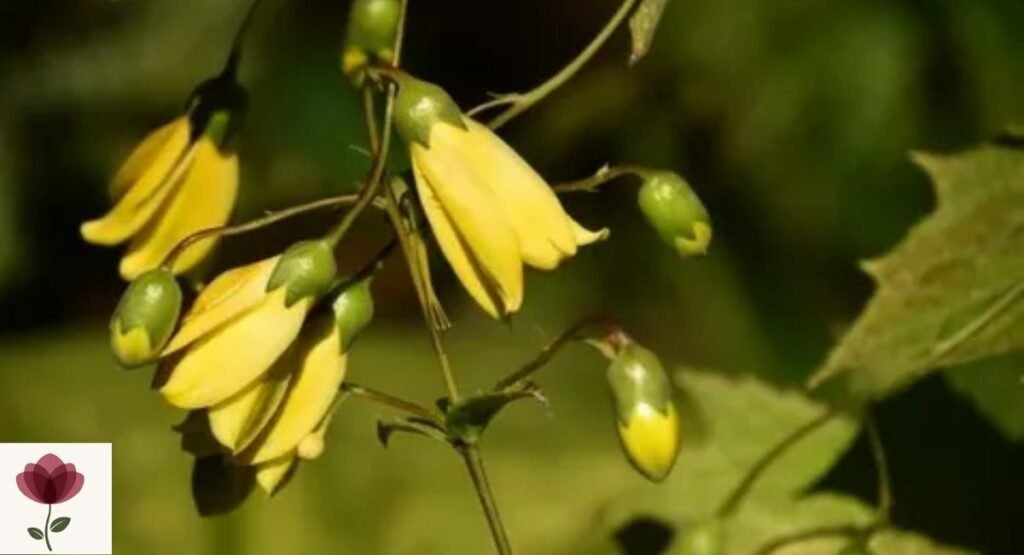
Yellow waxbells, Kirengeshoma palmata, brings a graceful woodland character to shady gardens. Its soft yellow flowers hang from leafy stems during late summer and fall. Unlike many bright sun-loving Y flowers, this one feels cool, quiet, and almost woodland-like.
Yellow Trillium
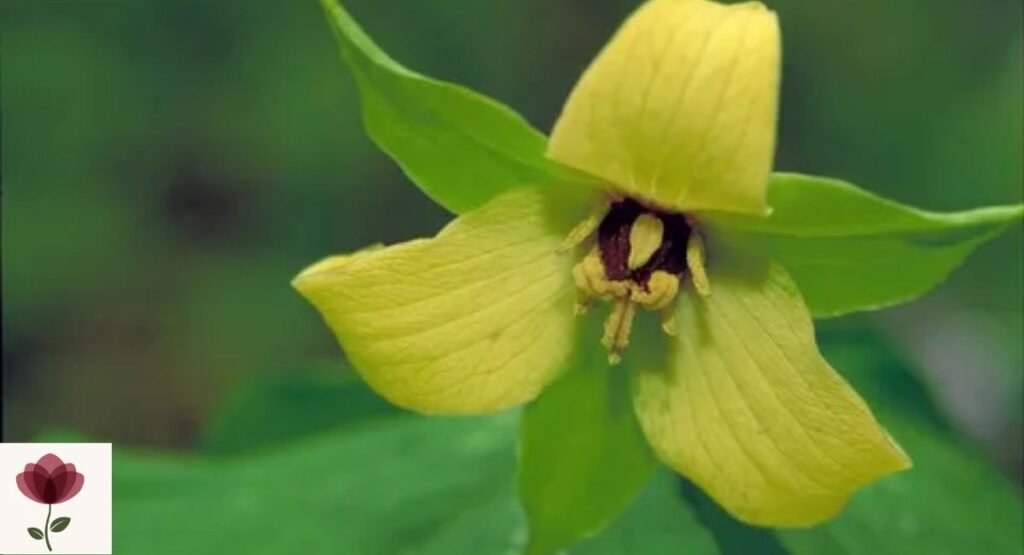
Yellow trillium, Trillium luteum, produces a distinctive three-petaled bloom above mottled foliage. It flowers in spring and prefers woodland conditions. Its unusual symmetry makes it especially attractive to gardeners who enjoy native-style or specialist shade gardens.
Yellow Flag
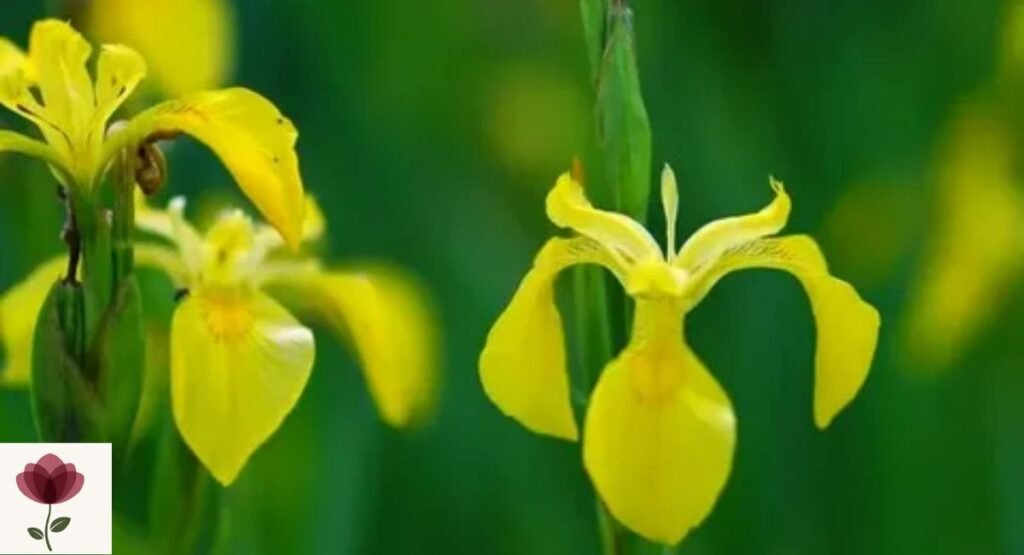
Yellow flag, Iris pseudacorus, carries large yellow iris flowers above long sword-shaped leaves. It prefers wet soil and pond margins. However, gardeners should check local regulations because this European plant has invasive tendencies in several U.S. regions.
Yellow Pitcher Plant
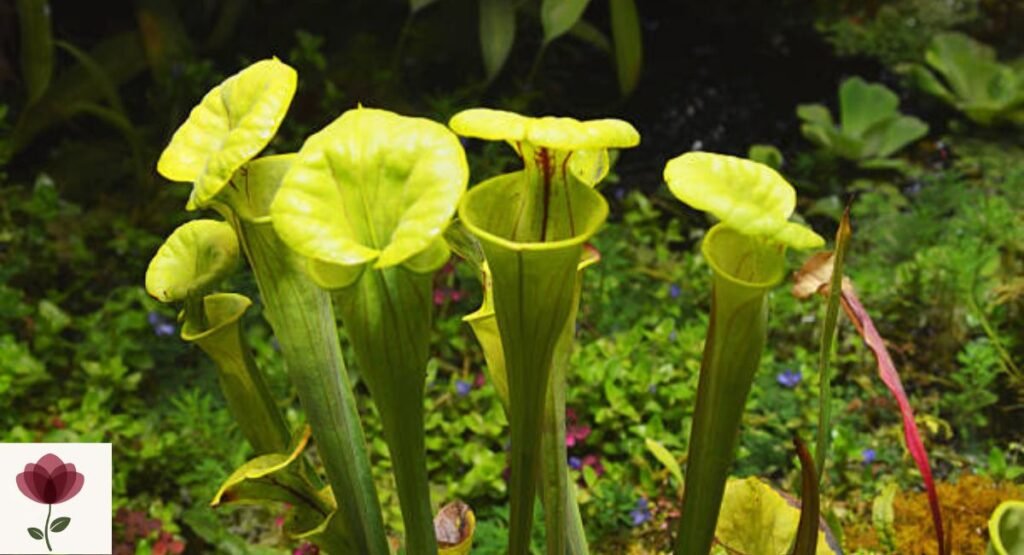
Yellow pitcher plant, Sarracenia flava, is a carnivorous perennial with tall tubular pitchers and unusual flowers. Its blooms appear around spring. Instead of relying only on ordinary soil nutrients, the plant supplements its nutrition by trapping insects.
Yellow Coneflower
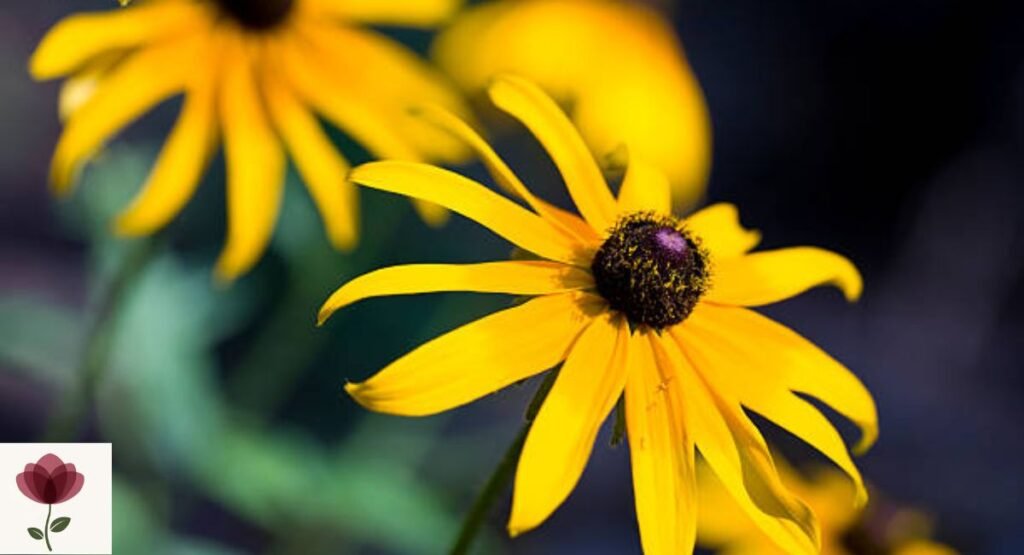
Yellow coneflower, Echinacea paradoxa, stands out because coneflowers are more often associated with pink or purple petals. Its bright yellow rays surround a dark central cone. The perennial prefers full sun and creates a bold prairie-style display.
Yellow-Eyed Grass
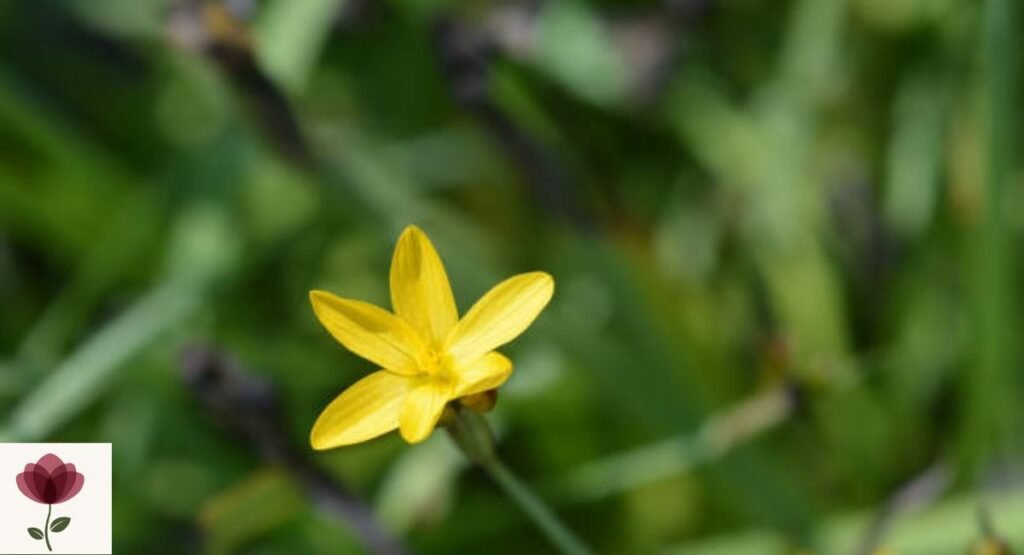
Yellow-eyed grass belongs to the Sisyrinchium group and has narrow, grass-like leaves. Its small star-shaped flowers usually open in sunny conditions. Despite its grassy appearance, it belongs to the iris family. That surprising connection makes it a fun identification plant.
Yellow Cosmos
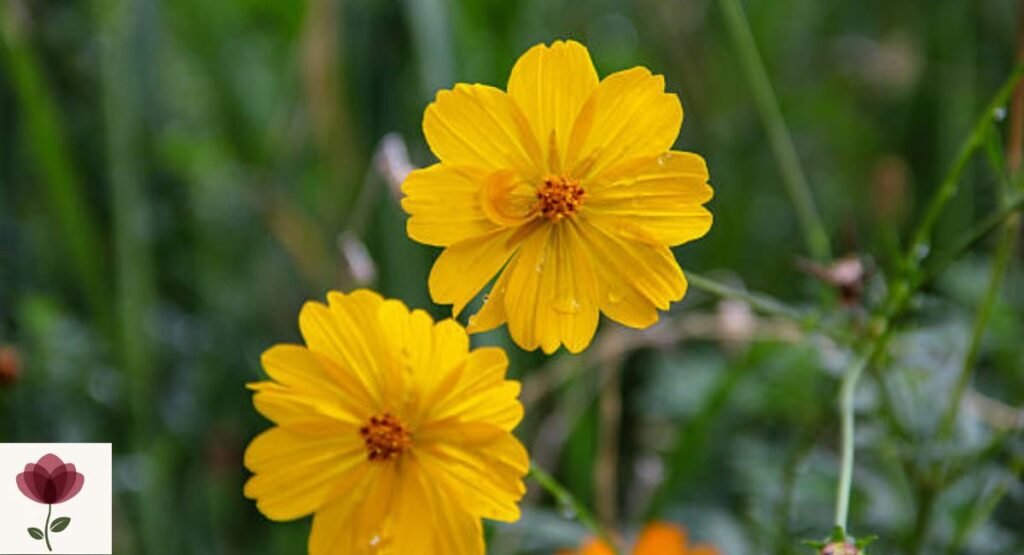
Yellow cosmos, Cosmos sulphureus, is an airy annual with yellow to orange flowers. It blooms heavily through summer and often continues into fall. Its fine foliage gives borders a light texture, while the flowers provide an easy splash of warm color.
Yellow Ginger
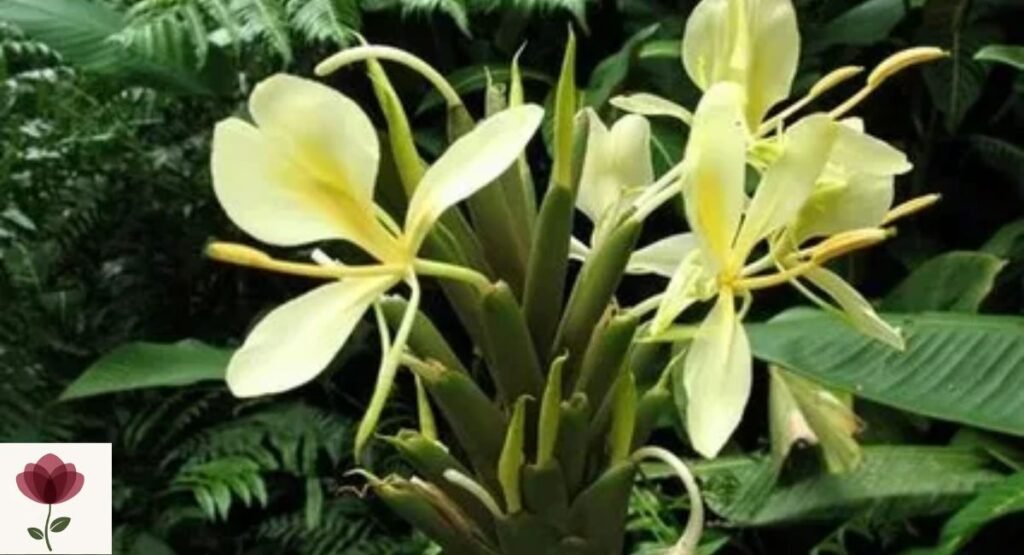
Yellow ginger, including Hedychium species, produces tropical-looking flower clusters above lush foliage. Blooming usually occurs during warm weather. It performs best where summers are long and mild, although gardeners in colder regions can grow suitable forms as container plants.
Yellow Poppy
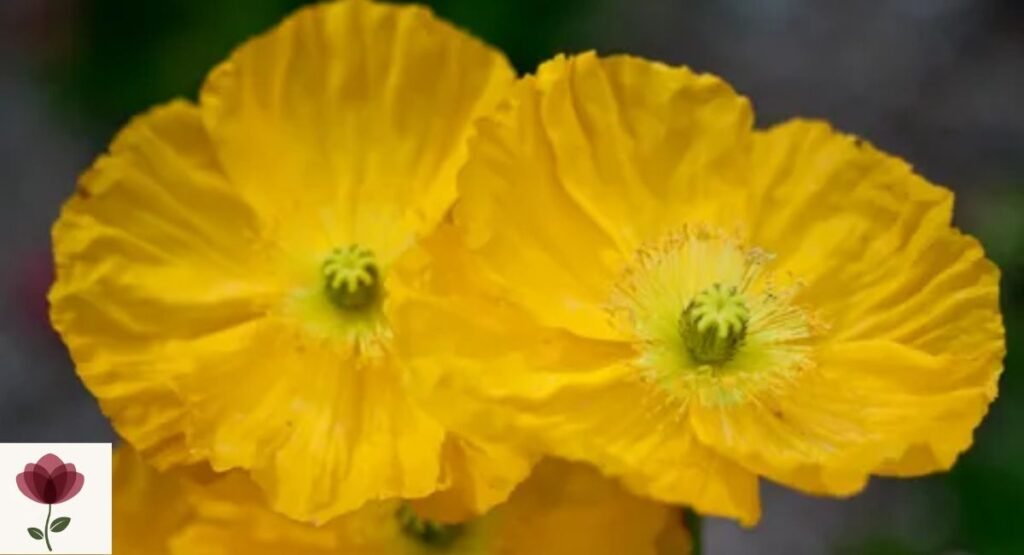
Yellow poppy names cover several plants, including Glaucium flavum. This species produces bright yellow flowers above gray-green foliage. It has a coastal character and tolerates exposed conditions better than many delicate garden flowers. Its unusual seed capsules also add visual interest.
Yellow Foxglove
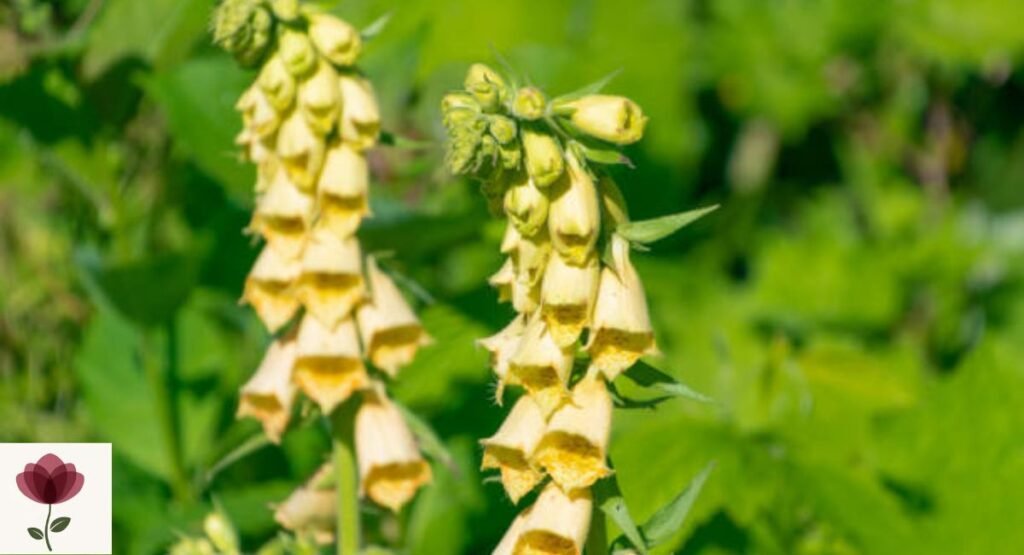
Yellow foxglove, Digitalis grandiflora, produces tall spikes decorated with pale yellow tubular flowers. It brings vertical interest to borders and cottage-style plantings. The bell-shaped blooms attract attention from a distance, while the foliage creates a strong base beneath the flower stalks.
Yellow Flame
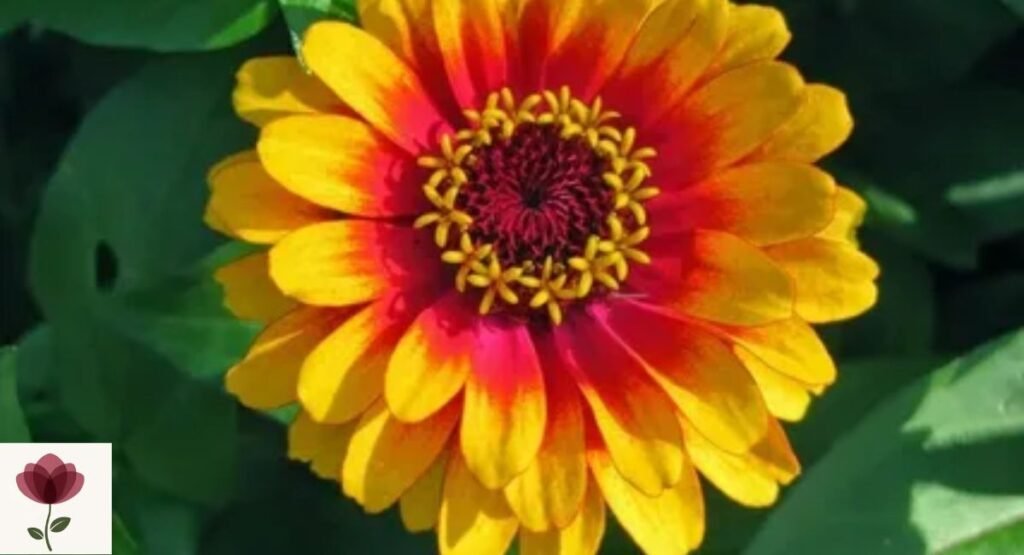
Yellow flame, Peltophorum pterocarpum, is a flowering tree rather than a small bedding plant. Its yellow clusters can create a dramatic canopy in tropical and subtropical climates. Because of its size, it belongs in spacious landscapes rather than ordinary patio beds.
Yama-Shakuyaku
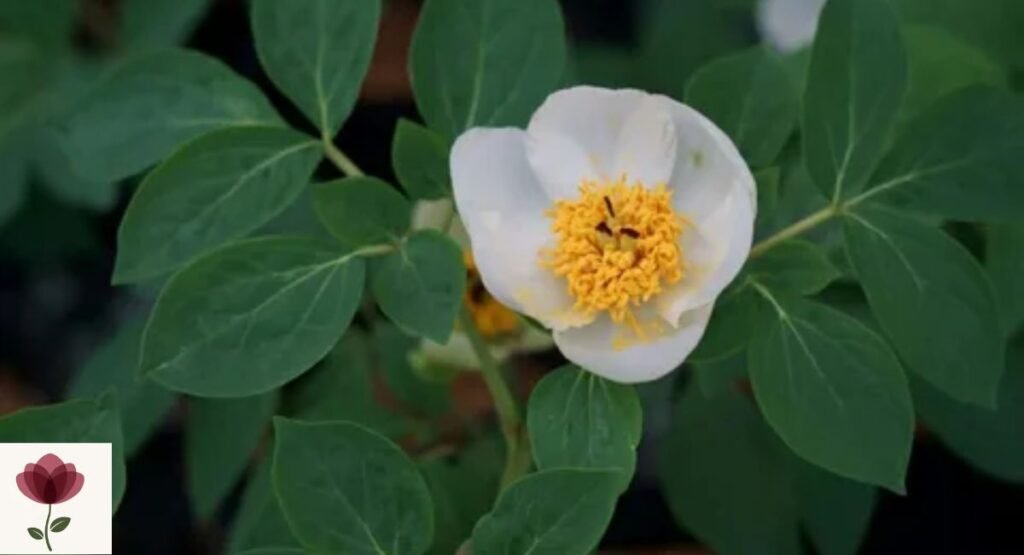
Yama-shakuyaku is associated with Paeonia japonica and represents a Japanese peony type. Its pale flowers appear above divided foliage during spring. This plant appeals more to collectors and woodland-garden enthusiasts than gardeners seeking a quick, low-maintenance annual.
Young’s Helleborine
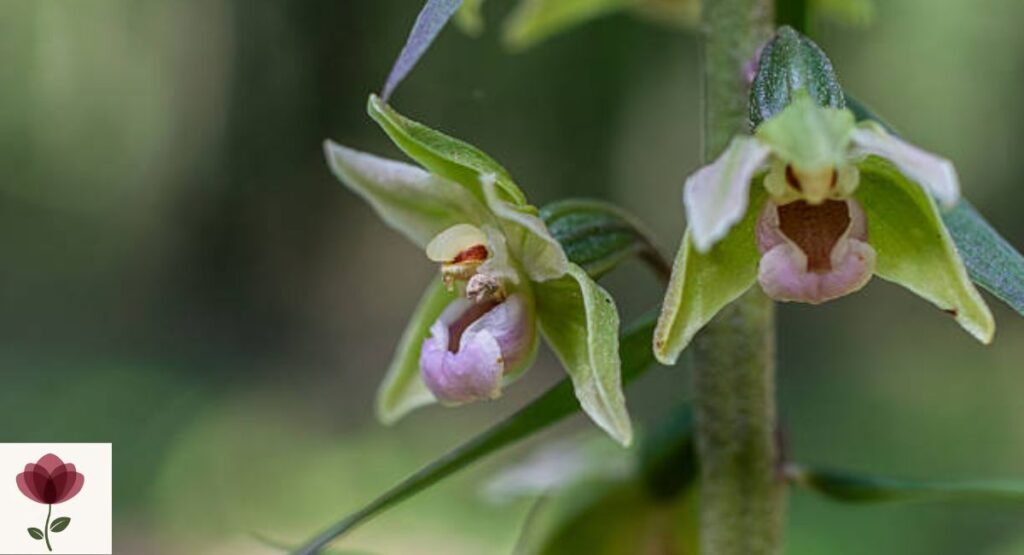
Young’s helleborine belongs to the orchid group and represents one of the more unusual Y entries. Its subdued flowers lack the flashy appearance of many garden orchids. That subtle character is exactly what makes it interesting to plant collectors and orchid enthusiasts.
Yellow Daylily
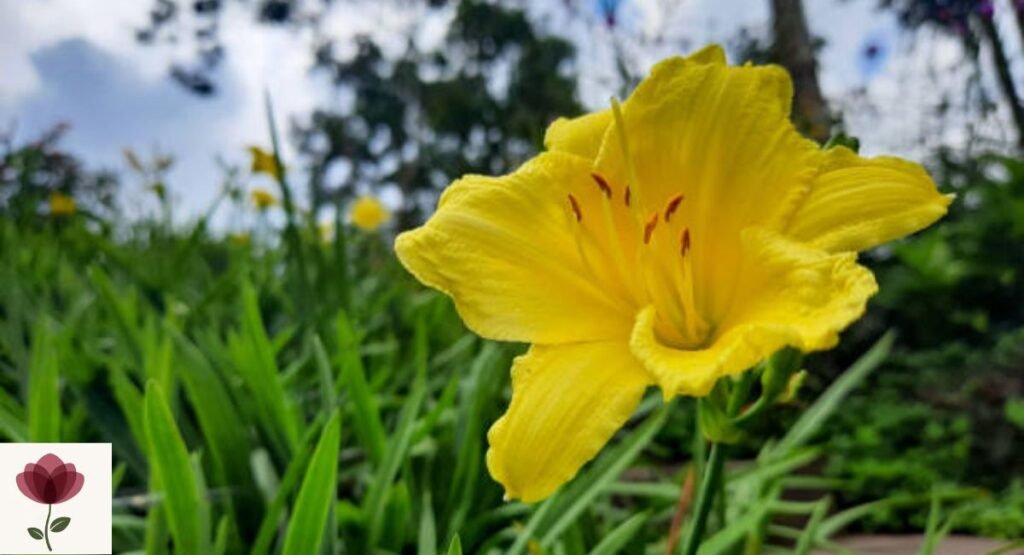
Yellow daylilies produce trumpet-shaped flowers above clumps of narrow leaves. Many forms flower during summer and return year after year. Their toughness makes them popular across American landscapes. The flowers may last only a day individually, but new buds keep the display moving.
Yellow Rose
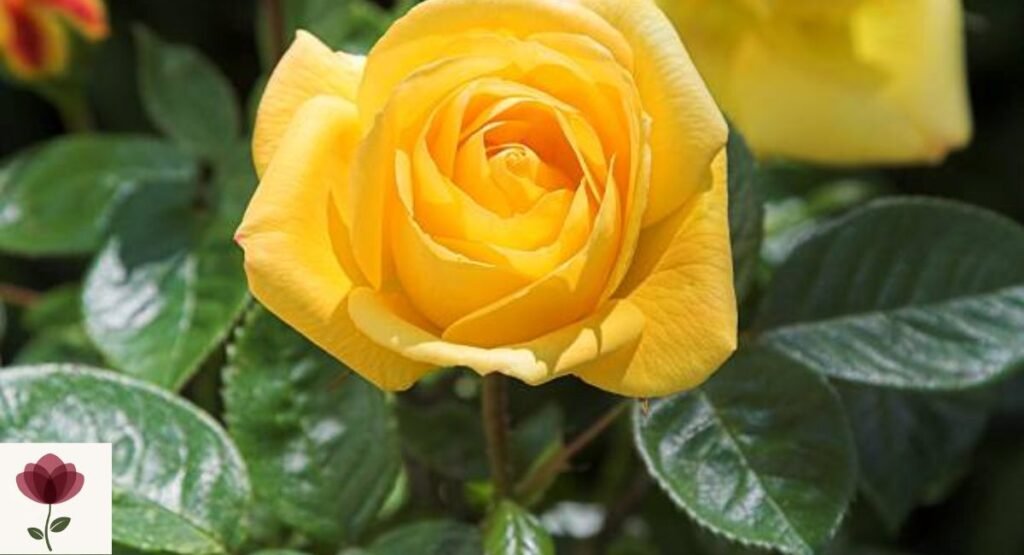
Yellow roses belong to Rosa cultivars rather than one single species. Their flowers range from pale lemon to deep gold. Depending on cultivar, they can bloom repeatedly through the growing season. Their cheerful color also gives them strong value in cutting gardens.
Yellow Daffodil
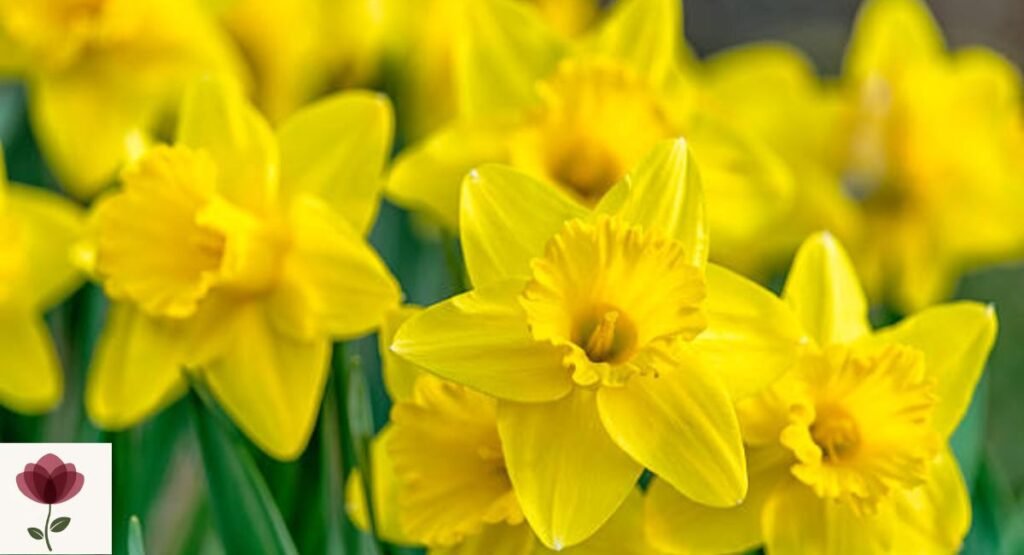
Yellow daffodils are spring bulbs with trumpet or cup-shaped flowers. They emerge from dormant bulbs and often return annually under suitable conditions. Their early bloom makes them useful for waking up a garden after winter, especially when planted in groups.
Yellow Tulip
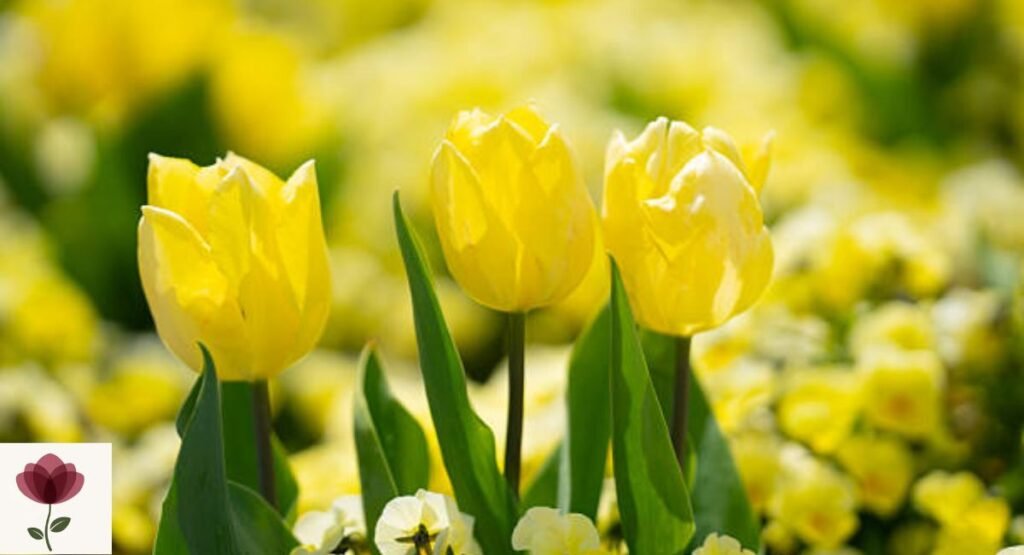
Yellow tulips provide clean, upright spring color. Their flowers can be cup-shaped, fringed, double, or lily-like depending on cultivar. Plant bulbs in autumn in most U.S. climates. Good drainage matters because soggy soil can damage the bulbs.
Yellow Marigold
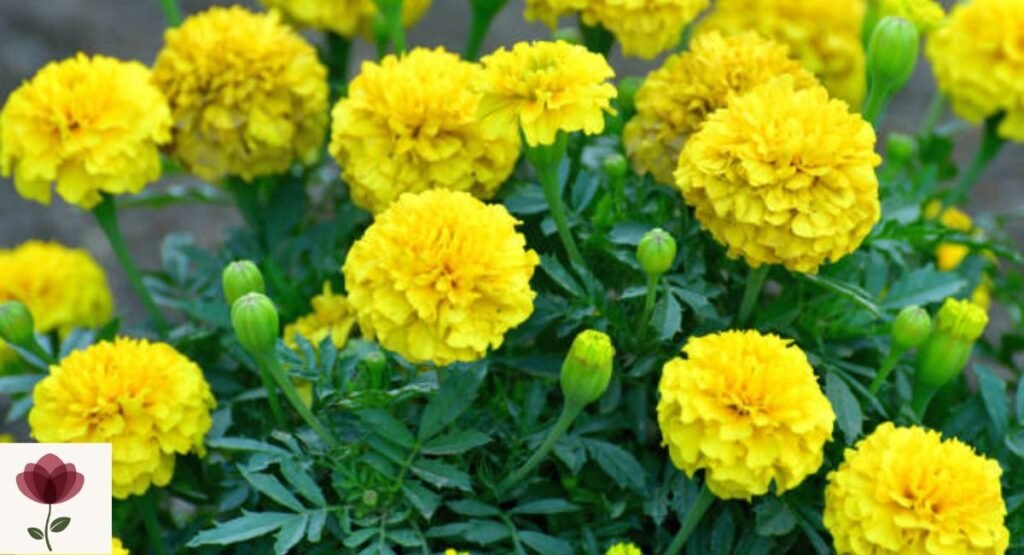
Yellow marigolds from the Tagetes group produce compact flower heads in warm shades. They thrive in full sun and bloom through much of the warm season. Their manageable size makes them useful in borders, vegetable gardens, containers, and sunny patio displays.
Yellow Petunia
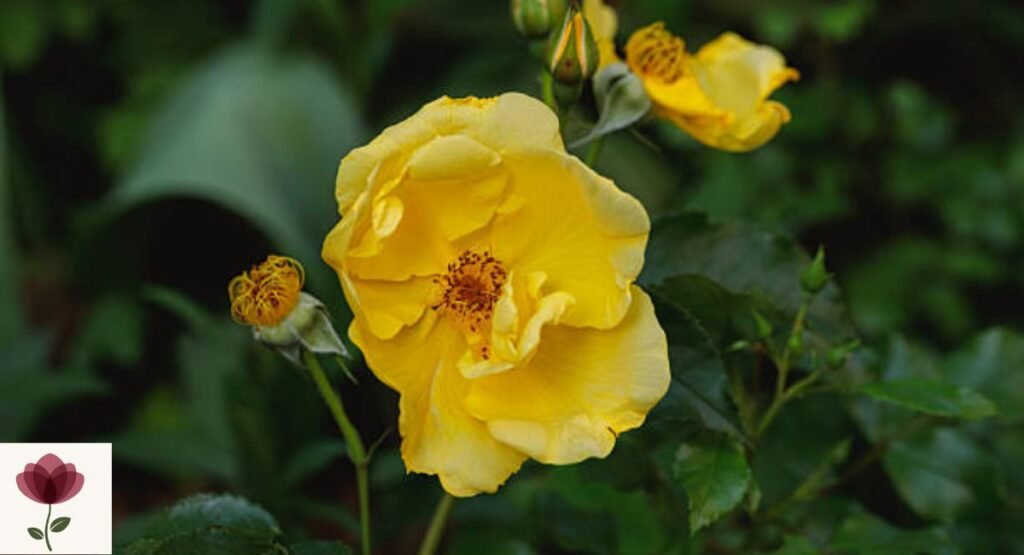
Yellow petunias bring trumpet-shaped flowers to containers, hanging baskets, and borders. They can bloom for months with adequate sunlight and regular care. Their spreading habit makes them especially useful when you want flowers to spill softly over the edge of a pot.
Yellow Sunflower
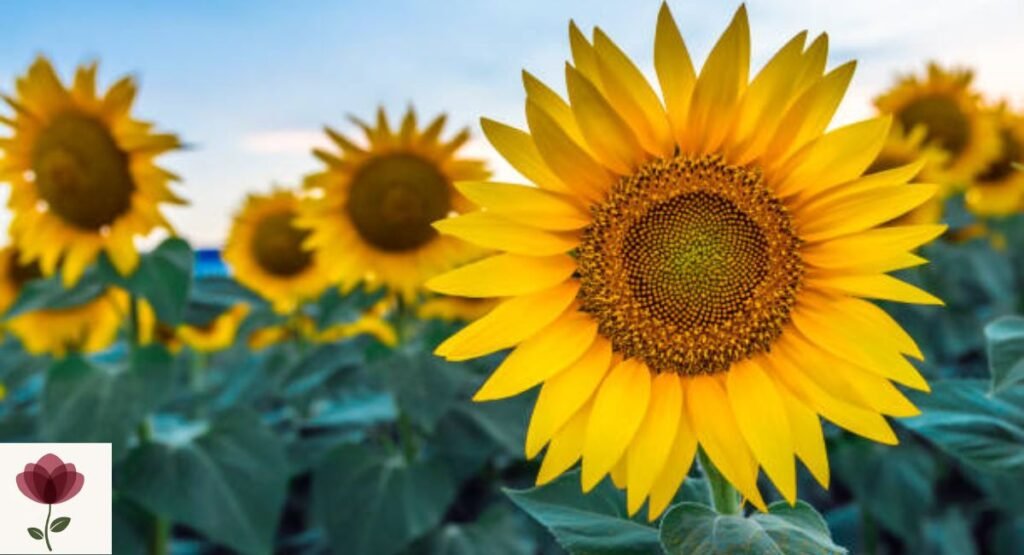
Yellow sunflowers create some of the boldest flowers in the Y group. Helianthus species range from compact garden forms to towering plants. Their large flower heads provide strong visual impact and can also supply seeds for birds when allowed to mature.
Yellow Zinnia
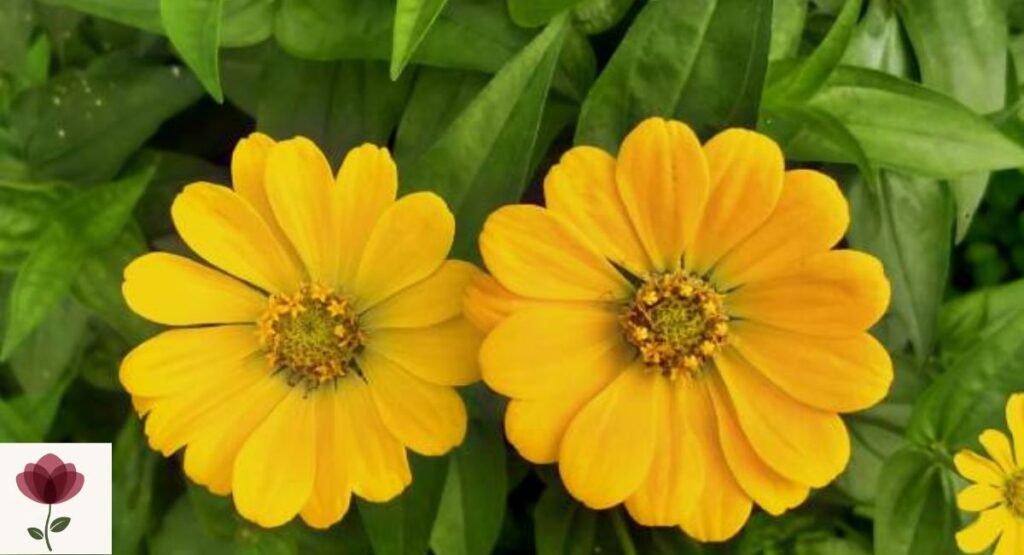
Yellow zinnias are heat-loving annuals with bright, long-lasting flowers. They prefer full sun and well-drained soil. Their sturdy stems make them useful as cut flowers, while their repeated summer blooms make them a dependable choice for beginner gardeners.
How to Identify Flowers That Start With Y
Identifying Flowers that start with Y becomes easier when you stop relying on color alone. Look at the whole plant. Flower shape, leaf arrangement, stem height, habitat, bloom season, and growth habit often reveal more than a bright yellow petal.
For example, yellow flag has long sword-like leaves and wetland preferences. Yellow jessamine climbs as a vine. Yarrow has finely divided foliage and flat flower clusters. Those clues work like pieces of a botanical puzzle.
Identifying Y Flowers by Flower Shape
Start with the bloom itself. Trumpet-shaped flowers suggest yellow bells or yellow jessamine. Daisy-like heads point toward yarrow or yellow coneflower. Bell-shaped blooms can indicate yucca, while three-petaled flowers can point toward trillium.
Identifying Y Flowers by Color and Petal Structure
Color helps narrow the search, but petal arrangement gives stronger clues. Count the petals when practical. Then inspect the center, markings, veins, and symmetry. A yellow flower with a dark central cone looks very different from a yellow trumpet bloom.
Identifying Y Flowers by Leaves and Growth Habit
Leaves can solve a mystery when flowers look similar. Fern-like yarrow foliage differs sharply from yucca’s rigid blades. Vines such as yellow jessamine climb, while yellow wild indigo forms an upright clump. Habitat adds another useful clue.
Most Popular and Rare Flowers That Start With Y
The world of Flowers that starts with Y contains both familiar garden plants and obscure botanical treasures. Popularity usually follows availability, adaptability, appearance, or cultural familiarity. Rarity often reflects specialized habitats, limited nursery production, regional distribution, or conservation concerns.
A rare plant isn’t automatically a better plant. A woodland species may be spectacular in the right habitat yet struggle in a hot, dry yard. Meanwhile, yarrow may look simple, but its toughness makes it far more useful for many American gardens.
Common Y Flower Names
Yarrow, yucca, yellow bells, yellow jessamine, yellow wild indigo, yellow daffodil, and yellow marigold are among the easier names to recognize. They cover very different garden roles, from drought-tolerant perennials to bright seasonal bedding plants.
Rare Y Flower Names
Yellow waxbells, yellow trillium, Young’s helleborine, and Yama-shakuyaku are less familiar. These plants tend to interest collectors because their forms, habitats, or names aren’t as common in ordinary garden centers.
Regional and Unusual Y Flowers
Climate strongly influences which Y flowers you encounter. Yellow bells suits warm regions, while woodland plants such as yellow trillium prefer very different conditions. Regional availability can therefore make one flower common in one state and almost unknown elsewhere.
Collector-Friendly Y Plants
Specialist gardeners may enjoy orchids, carnivorous plants, woodland perennials, and unusual peonies. These plants often require more specific conditions. Their appeal comes from distinctive biology rather than simple mass-market popularity.
Y Flowers by Color: From White to Purple
Color gives Flowers that start with Y another useful dimension. Yellow naturally dominates this category because so many names begin with “yellow.” Still, yarrow, yucca, Yama-shakuyaku, and several cultivars provide softer alternatives for gardeners who want more than sunny gold.
When planning a garden, think about color as part of a larger composition. Flower height, foliage texture, bloom timing, and background color can change how a bloom actually looks. A pale flower can disappear against a light wall, while the same flower may glow against dark foliage.
White Flowers That Start With Y
Yucca produces creamy white bell-like flowers on tall stalks. Yama-shakuyaku also offers pale blooms. White yarrow cultivars provide another option, especially for borders and pollinator-friendly planting. These flowers work well when you want a calmer garden palette.
Yellow Flowers That Start With Y
Yellow is easily the strongest color family. Yellow bells, yellow jessamine, yellow wild indigo, yellow cosmos, yellow daffodils, yellow tulips, and yellow marigolds all create warm visual energy. Their shades range from soft lemon to deep golden yellow.
Pink and Soft-Toned Y Flowers
Pink choices are more limited under Y. Yarrow is especially useful because cultivated forms can move beyond white and yellow into pink, apricot, red, and deeper tones. This flexibility makes yarrow a valuable bridge between yellow-heavy Y collections and softer garden palettes.
Red and Warm-Toned Y Flowers
True red Y flowers are uncommon. Warm shades are easier to find through yarrow cultivars and flowers that move toward orange or copper. This category works best when treated as a cultivar-based color group rather than a long list of separate species.
Purple Flowers That Start With Y
Purple is another limited category. Certain yarrow cultivars provide lavender and purple-leaning flowers, but strong direct Y examples remain uncommon. That scarcity is worth stating clearly instead of filling the section with unrelated purple flowers.
Y Flowers by Type, Season, and Growing Habit
Looking at Flowers that start with Y by life cycle makes the list far more useful for gardeners. Some are long-lived perennials. Others provide one season of color. A few are shrubs, vines, trees, aquatic plants, or specialized carnivorous plants.
Season matters just as much. A spring bulb and a summer annual can share the same yellow color yet fill completely different garden roles. Grouping flowers by bloom timing helps you create a display that changes rather than fades all at once.
Perennial Flowers That Start With Y
Yarrow, yucca, yellow wild indigo, yellow waxbells, yellow trillium, and many daylilies are perennial choices. Their ability to return each year makes them useful for permanent beds. However, perennial does not mean maintenance-free. Location still matters.
Annual Flowers That Start With Y
Yellow cosmos, yellow marigolds, yellow petunias, and yellow zinnias offer quick seasonal color. They suit gardeners who enjoy changing their displays each year. Annuals can also fill gaps while slower-growing perennials become established.
Spring-Blooming Y Flowers
Yellow daffodils, yellow tulips, yellow crocuses, yellow hyacinths, and yellow trillium bring early-season interest. Bulbs generally need good drainage and the correct planting depth. Woodland species have different requirements from sun-loving spring bulbs.
Summer-Blooming Y Flowers
Summer opens the door to yellow cosmos, yellow sunflowers, yellow zinnias, yellow daylilies, and yellow coneflowers. These flowers generally appreciate warmth and sunlight. They also create excellent opportunities for bees and butterflies when the plants provide accessible nectar or pollen.
Fall-Blooming and Long-Season Y Flowers
Yarrow can extend its flowering from summer into fall, while yellow bells may continue blooming toward frost in suitable climates. Long-season plants are valuable because they bridge the gap between peak summer and autumn displays.
Best Y Flowers for Gardens, Containers, and Pollinators
Choosing Flowers that start with Y becomes much easier when you match the plant to your garden conditions. A sunny dry yard needs a different flower from a shaded woodland corner. Likewise, a balcony container can’t support a giant flowering tree.
For beginners, forgiving plants usually make the best first choices. Yarrow tolerates poor soil and drought once established. Yellow bells handles heat well in suitable climates. Yellow petunias and marigolds offer simple seasonal color.
Best Y Flowers for Beginner Gardeners
Yarrow, yellow cosmos, yellow marigold, yellow zinnia, and suitable yellow petunias are approachable choices. They respond well to basic care and provide visible results. Beginners should still match the plant with sunlight, drainage, and local climate before planting.
Y Flowers for Containers and Patio Pots
Yellow petunia, yellow marigold, yellow viola, and yellow begonia can work well in containers. Choose a pot with drainage and enough root space. A larger yucca can also become a dramatic container focal point in a sunny patio.
Y Flowers for Sunny Gardens
Yarrow, yucca, yellow bells, yellow wild indigo, yellow cosmos, and sunflowers generally favor bright conditions. Yellow bells performs particularly well in full sun and warm climates. Its flowers may continue from spring until frost under suitable conditions.
Y Flowers for Shade or Partial Shade
Yellow archangel, yellow waxbells, and yellow trillium are better suited to softer light. These plants help create a woodland mood rather than a hot prairie effect. Soil moisture and organic matter become especially important for many shade-loving plants.
Y Flowers That Attract Bees and Butterflies
Yarrow supports bees, butterflies, and other insects. Baptisia also provides wildlife value and works well in pollinator gardens. Yellow bells attract hummingbirds and butterflies. Always consider local ecology before choosing plants for wildlife habitat.
Fragrance, Symbolism, and Interesting Facts About Y Flowers
Beyond gardening, Flowers that start with Y have stories worth exploring. Some are fragrant. Others carry cultural meaning or unusual adaptations. Yellow jessamine, for example, is South Carolina’s state flower and has fragrant spring blooms.
One fascinating detail is that yellow bells isn’t simply a pretty shrub. Its flowers support hummingbirds and butterflies, while its seeds can feed small mammals. Yarrow has another interesting history, with its genus name linked to Achilles in Greek mythology.
Which Y Flowers Have the Strongest Fragrance?
Yellow jessamine is one of the strongest fragrant choices, with sweet yellow flowers appearing in late winter and spring. Yellow freesia and yellow hyacinth also offer a noticeable scent. Place fragrant flowers near paths or seating where you can enjoy them.
Y Flower Meanings and Symbolism
Flower symbolism varies by culture and context. Yellow flowers often suggest warmth, friendship, optimism, or happiness in modern floral traditions. Avoid treating symbolism as universal. A flower’s meaning can change dramatically across cultures and historical periods.
Unusual Facts About Y Flowers
Yarrow has fern-like foliage and can spread through rhizomes and seed. Yellow wild indigo develops inflated seed pods that can rattle when mature. Yellow pitcher plants take insects, while yellow flag can spread aggressively in wet habitats.
Y Flowers Used in Traditional Gardens and Landscapes
Yarrow fits cottage, meadow, and pollinator gardens. Yucca suits dry landscapes. Yellow bells works as a warm-climate accent. Yellow trillium and waxbells suit woodland settings. Yellow flag has historically appeared near ponds, although its invasive potential now deserves serious consideration.
How to Choose and Grow the Right Y Flower
The best flowers that start with Y choice begin with your growing conditions rather than the flower’s name. Check your USDA hardiness zone, available sunlight, soil drainage, water supply, mature size, and expected bloom period before buying a plant.
Think of your garden like a neighborhood. Every plant needs enough room, suitable resources, and the right environment. A moisture-loving iris won’t appreciate a dry rock garden, while yucca may struggle in constantly wet soil.
Choosing a Y Flower Based on Climate
U.S. gardeners should check their USDA hardiness zone before planting. Warm-climate plants such as yellow bells need more heat, while hardy perennials such as yarrow tolerate a much broader range. Local extension guidance is especially useful for borderline climates.
Soil and Water Requirements
Drainage is crucial for many Y flowers. Yarrow prefers well-drained soil, while yellow flag tolerates wet ground. Yellow wild indigo handles poor and dry soil once established. Matching moisture needs prevents many common gardening failures.
Sunlight and Temperature Needs
Full sun generally means at least six hours of direct light daily. Yarrow, yellow bells, and yellow wild indigo thrive in bright conditions. Woodland plants need gentler light. Always consider summer heat, winter cold, and afternoon exposure before choosing a site.
Indoor vs. Outdoor Growing
Most Y flowers belong outdoors because they need stronger light, seasonal temperature changes, or considerable space. Some orchids and container plants can work indoors under bright conditions. Yucca can also be grown indoors as a foliage plant, although flowering indoors isn’t guaranteed.
Pet Safety and Toxicity Considerations
Plant safety deserves careful attention. ASPCA lists yucca as toxic to dogs, cats, and horses because of saponins. Yellow jessamine also has high-severity poisonous characteristics. Yellow flag carries toxicity concerns as well. Verify the exact species before planting around pets or children.
Conclusion
The world of Flowers that starts with Y may be smaller than lists for easier letters, but it isn’t boring. Yarrow offers toughness and pollinator value. Yucca supplies architectural drama. Yellow bells brings tropical color, while yellow jessamine adds fragrance and vertical growth. Together, they create a surprisingly varied group.
The smartest way to use this list is to look beyond the alphabet. Consider bloom season, flower color, mature size, sunlight, soil, water, wildlife value, and local climate. Most importantly, treat direct Y names and broader yellow-named entries differently. That small distinction makes your flower search more accurate and your garden choices more useful.
FAQs
What Is the Most Popular Flower That Starts With Y?
Yarrow is one of the strongest recognizable answers. It is widely grown, adaptable, attractive to pollinators, and available in several flower colors.
How Many Flowers Start With the Letter Y?
There isn’t one universal number. A strict list is short, while broader lists include yellow-named flowers, regional names, cultivars, and flowering plants.
Are There Purple Flowers That Start With Y?
Yes, but purple choices are limited. Yarrow cultivars provide some of the clearest purple and lavender-leaning options.
Which Y Flowers Are Best for Beginners?
Yarrow, yellow cosmos, yellow marigold, and yellow zinnia are approachable choices. Your local climate and soil should still guide the final selection.
Are Any Flowers That Start With Y Toxic to Pets?
Yes. Yucca and yellow jessamine have documented toxicity concerns. Yellow flag also has toxicity issues, so identify plants carefully before adding them to a pet-accessible garden.

Welcome to PetalNexa! I’m Anam Sattar, an AI-powered SEO Specialist and Content Writer with over 4 years of experience in creating high-quality, search-optimized content. I help businesses improve their search engine rankings, increase organic traffic, and build beautiful, user-friendly websites. My mission is to make SEO, content creation, and web design simple, effective, and accessible for everyone. Let’s grow your online presence and achieve success together!