

Flowers that start with X may sound rare, but they open the door to a fascinating world of unusual plants. From colorful strawflowers to delicate orchids, wetland blooms, and hardy wildflowers, these plants offer remarkable variety. This guide explores X flower names, their scientific identities, colors, blooming seasons, and growing habits. You’ll discover which varieties suit sunny gardens, containers, bouquets, dry landscapes, or specialized indoor spaces.
We’ll also look at their natural habitats, care needs, and interesting botanical traits. Whether you’re a gardener, flower enthusiast, student, or simply curious about uncommon blooms, this collection makes rare flowers easier to understand. Get ready to discover 60 beautiful X flowers you may never have encountered before.
Quick Answer: What Are the Best-Known Flowers That Start With X?
Flowers that start with X include recognizable names such as Xeranthemum, Xerochrysum, Xylobium, Xyris, Xerophyllum, Yellowhorn, and species such as Iris xiphium. These flowers span several plant families and habitats. Iris xiphium, for example, is an accepted bulbous species native to the western and central Mediterranean.
Among the most useful garden examples, strawflower stands out for colorful dried arrangements. Xeranthemum offers another papery everlasting bloom. Xyris brings yellow flowers to wet sites, while Xylobium introduces a more exotic orchid character. The unusual mix makes this letter surprisingly rich.
Why Are Flower Names Starting With X So Rare?
Flowers that start with X are uncommon largely because X rarely begins familiar English plant names. However, scientific nomenclature opens a different door. Botanical names often preserve Greek or Latin roots, which creates legitimate X-starting genera and species even when gardeners rarely use those names conversationally.
Why the Letter X Is Uncommon in Botanical Names
The letter X often appears in botanical words connected with shape, color, or structure. For example, xiphium relates to a sword-like form, while xer- often connects with dryness. This explains why names such as Iris xiphium and Xeranthemum appear in botanical records.
How Botanical Names Create More X Flower Entries
A scientific name can begin with X even when the plant has a completely different common name. Xerochrysum bracteatum, for instance, is accepted by Kew and has the common English name strawflower. Kew also records numerous historical synonyms for the species.
Common Names vs. Scientific Names Starting With X
A common name describes what people call a plant, while a scientific name follows botanical naming rules. That difference matters here. Some flower names starting with X are familiar garden names, while others are genera or species names used mainly by botanists and specialist growers.
60 Flowers That Start With X: Complete List and Quick Identification Guide
Flowers that start with X cover far more ground than a simple alphabetical list suggests. The table below combines common names, botanical entries, flowering genera, and species while identifying their general color, growth style, and habitat. This organization also prevents the reader from confusing a wetland plant with a dry-garden flower.
| # | Flower or Botanical Name | Scientific Name | Main Color | Type | Typical Setting |
| 1 | Strawflower | Xerochrysum bracteatum | Yellow, pink, orange, red, white | Annual/biennial | Sunny beds |
| 2 | Xerochrysum | Xerochrysum | Yellow, pink, white | Genus | Dry borders |
| 3 | Xeranthemum | Xeranthemum | Purple, pink, white | Genus | Dry gardens |
| 4 | Annual Xeranthemum | Xeranthemum annuum | Purple, pink, white | Annual | Sunny beds |
| 5 | Cylindrical Xeranthemum | Xeranthemum cylindraceum | Pink, purple | Annual | Dry sites |
| 6 | Closed Xeranthemum | Xeranthemum inapertum | Pink, white | Annual | Mediterranean-type sites |
| 7 | Long-pappus Xeranthemum | Xeranthemum longepapposum | Pinkish, pale tones | Annual | Dry temperate sites |
| 8 | Yellowhorn | Xanthoceras sorbifolium | White with colored centers | Tree/shrub | Specimen planting |
| 9 | Xyris | Xyris | Yellow | Genus | Wetlands |
| 10 | Yellow-Eyed Grass | Xyris difformis | Yellow | Perennial | Bogs and wet ground |
| 11 | Two-Edged Yellow-Eyed Grass | Xyris anceps | Yellow | Flowering plant | Wet meadows |
| 12 | Short-Leaf Yellow-Eyed Grass | Xyris brevifolia | Yellow | Wetland plant | Moist ground |
| 13 | Carolina Yellow-Eyed Grass | Xyris caroliniana | Yellow | Perennial | Marshes |
| 14 | Flatstem Yellow-Eyed Grass | Xyris complanata | Yellow | Flowering plant | Wet sites |
| 15 | Jupicai Yellow-Eyed Grass | Xyris jupicai | Yellow | Annual/biennial | Warm wetlands |
| 16 | Drummond’s Yellow-Eyed Grass | Xyris drummondii | Yellow | Wetland flower | Marshes |
| 17 | Twisted Yellow-Eyed Grass | Xyris torta | Yellow | Perennial | Moist sandy soil |
| 18 | Cape Yellow-Eyed Grass | Xyris capensis | Yellow | Flowering plant | Wet habitats |
| 19 | Indian Yellow-Eyed Grass | Xyris indica | Yellow | Annual | Tropical wetlands |
| 20 | Mountain Yellow-Eyed Grass | Xyris montana | Yellow | Perennial | Cool bogs |
| 21 | Xylobium | Xylobium | Cream, yellow, green | Orchid genus | Greenhouses |
| 22 | Xylobium bractescens | Xylobium bractescens | Pale tones | Orchid | Tropical culture |
| 23 | Xylobium coelia | Xylobium coelia | Cream/yellow | Orchid | Humid conditions |
| 24 | Xylobium colleyi | Xylobium colleyi | Pale tones | Orchid | Greenhouse |
| 25 | Xylobium corrugatum | Xylobium corrugatum | Cream/yellow | Orchid | Orchid collections |
| 26 | Xylobium elatum | Xylobium elatum | Pale tones | Orchid | Tropical culture |
| 27 | Xylobium elongatum | Xylobium elongatum | Cream/green | Orchid | Filtered light |
| 28 | Xylobium foveatum | Xylobium foveatum | Pale tones | Orchid | Greenhouse |
| 29 | Xylobium leontoglossum | Xylobium leontoglossum | Cream/yellow | Orchid | Collector growing |
| 30 | Xylobium miliaceum | Xylobium miliaceum | Pale yellow/green | Orchid | Tropical greenhouse |
| 31 | Xylobium pallidiflorum | Xylobium pallidiflorum | Pale flowers | Orchid | Humid culture |
| 32 | Xylobium undulatum | Xylobium undulatum | Variable | Epiphytic orchid | Wet tropics |
| 33 | Xerophyllum | Xerophyllum | Creamy white | Perennial | Woodland/open sites |
| 34 | Eastern Turkeybeard | Xerophyllum asphodeloides | White | Perennial | Meadows |
| 35 | Bear Grass | Xerophyllum tenax | White | Perennial | Mountain landscapes |
| 36 | Xerochrysum bicolor | Xerochrysum bicolor | White/yellow | Flowering plant | Temperate gardens |
| 37 | Xerochrysum hispidum | Xerochrysum hispidum | Yellow/gold | Flowering plant | Sunny sites |
| 38 | Xerochrysum macranthum | Xerochrysum macranthum | Yellow | Flowering plant | Dry borders |
| 39 | Xerochrysum neoanglicum | Xerochrysum neoanglicum | Yellow | Perennial | Garden borders |
| 40 | Xerochrysum papillosum | Xerochrysum papillosum | Yellow | Flowering plant | Sunny ground |
| 41 | Xerochrysum palustre | Xerochrysum palustre | Yellow | Flowering plant | Moist sites |
| 42 | Xerochrysum subundulatum | Xerochrysum subundulatum | Yellow | Flowering plant | Upland areas |
| 43 | Xerochrysum viscosum | Xerochrysum viscosum | Yellow | Flowering plant | Open sites |
| 44 | Xanthisma | Xanthisma | Yellow/purple tones | Wildflower group | Native gardens |
| 45 | Colorado Xanthisma | Xanthisma coloradoense | Yellow/purple | Wildflower | Rocky sites |
| 46 | Xanthisma wigginsii | Xanthisma wigginsii | Yellow tones | Wildflower | Dry regional habitats |
| 47 | Sandy Xanthisma | Xanthisma arenarium | Yellow | Wildflower | Dry ground |
| 48 | Tufted Xanthisma | Xanthisma blephariphyllum | Yellow | Wildflower | Open ground |
| 49 | Slender Xanthisma | Xanthisma gracile | Yellow | Wildflower | Sunny sites |
| 50 | Gumweed Xanthisma | Xanthisma grindelioides | Yellow | Wildflower | Dry native beds |
| 51 | Barehead Xanthisma | Xanthisma gymnocephalum | Yellow | Wildflower | Open habitats |
| 52 | Iris xiphium | Iris xiphium | Blue, violet, white | Bulbous perennial | Temperate gardens |
| 53 | Xerochrysum alpinum | Xerochrysum alpinum | Yellow | Flowering plant | Alpine areas |
| 54 | Xerochrysum banksii | Xerochrysum banksii | Yellow | Flowering plant | Australian habitats |
| 55 | Xerochrysum frutescens | Xerochrysum frutescens | Yellow | Flowering shrub-like plant | Temperate settings |
| 56 | Xerochrysum milliganii | Xerochrysum milliganii | Yellow | Flowering plant | Upland habitat |
| 57 | Xerochrysum boreale | Xerochrysum boreale | Yellow | Flowering plant | Australian habitat |
| 58 | Xerochrysum collierianum | Xerochrysum collierianum | Yellow | Flowering plant | Native planting |
| 59 | Xerochrysum interiore | Xerochrysum interiore | Yellow | Flowering plant | Australian habitat |
| 60 | Xerochrysum murapan | Xerochrysum murapan | Yellow | Flowering plant | Australian habitat |
Taxonomic caution matters here. Kew currently recognizes Xerochrysum as an accepted genus with 25 accepted species, Xerophyllum with two accepted species, and Xyris with hundreds of accepted species. Meanwhile, Xanthisma has a more complicated taxonomic history, with Kew treating the genus name as a synonym under its current backbone.
Most Popular and Common Flowers That Start With X
Flowers that start with X aren’t equally familiar to American gardeners. Some are genuine garden favorites, while others mainly interest botanists and collectors. The following profiles therefore focus on the entries with the strongest combination of recognizability, ornamental value, or practical growing interest.
Xerochrysum bracteatum
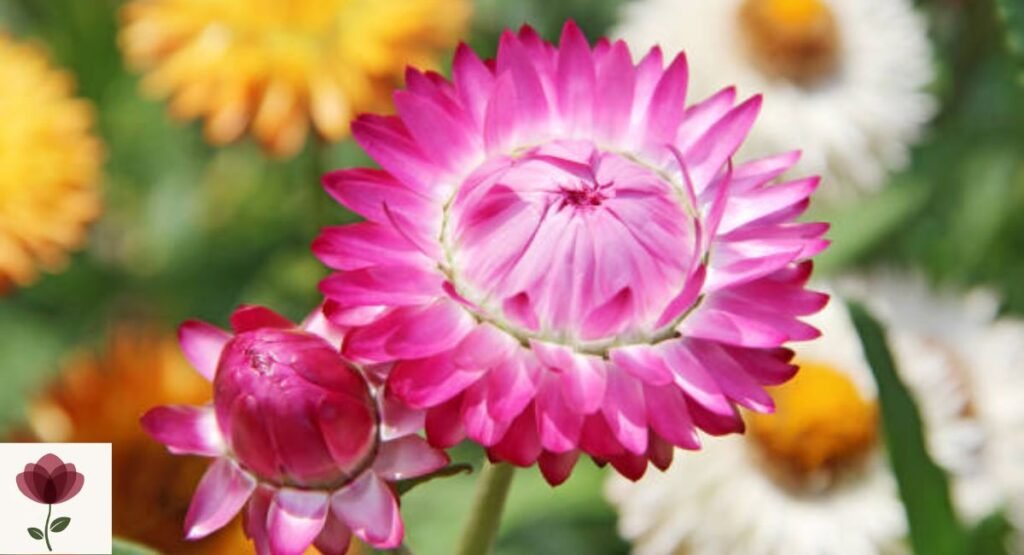
Xerochrysum bracteatum produces papery flower heads in yellow, orange, pink, red, and white shades. It generally grows as an annual or biennial and naturally occurs in southeastern Australia. Its remarkable dried-flower quality makes it especially useful for bouquets.
Xeranthemum
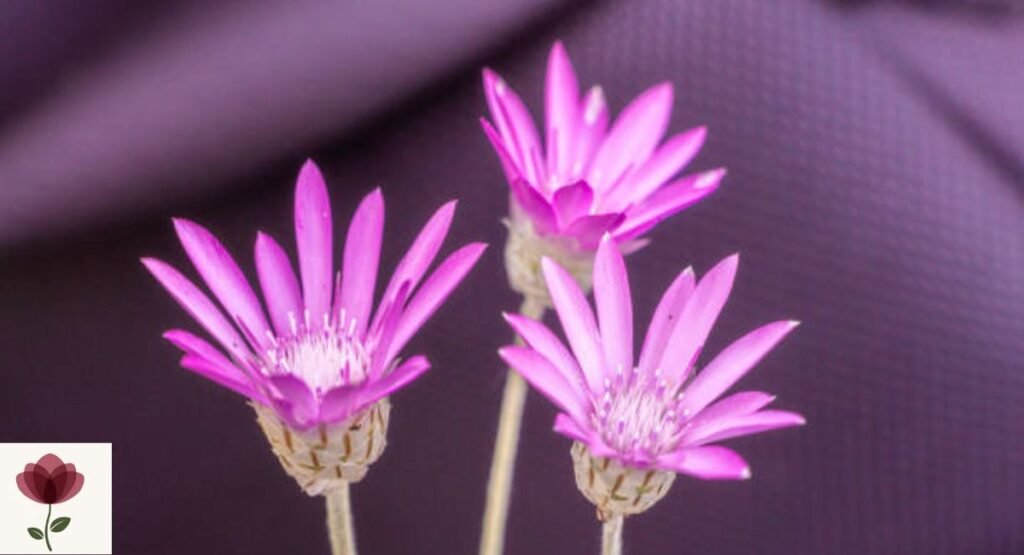
Xeranthemum is a small accepted genus of annual everlasting flowers. Its papery outer structures create a dry, crisp appearance that works beautifully in dried arrangements. Kew currently recognizes four accepted species, including X. annuum and X. cylindraceum.
Xeranthemum annuum
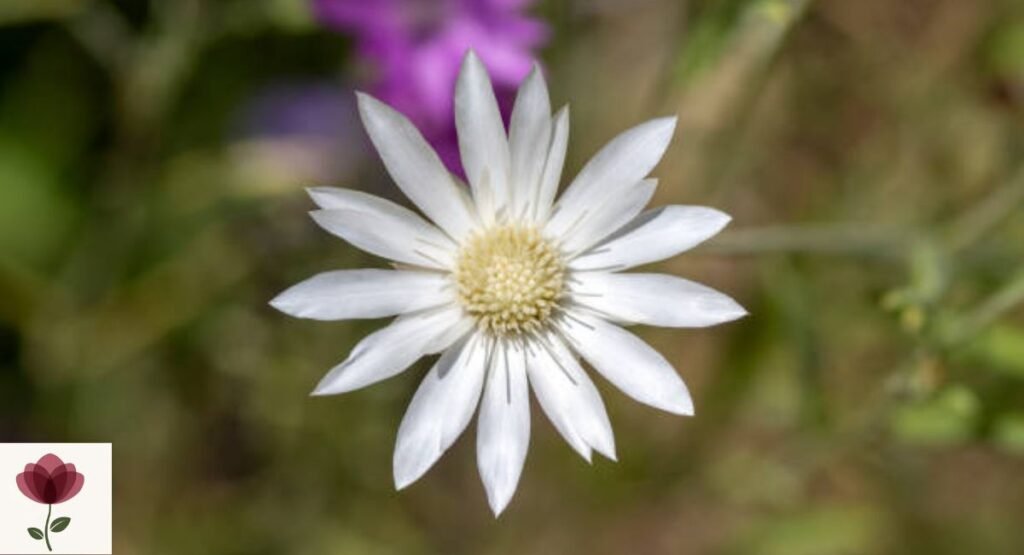
This annual species produces upright stems with dry-looking flower heads and pinkish or white tones. It naturally occurs from central and southeastern Europe toward Central Asia and Iran. In suitable conditions, its lean-growing habit makes it attractive for dry-style gardens.
Xeranthemum cylindraceum
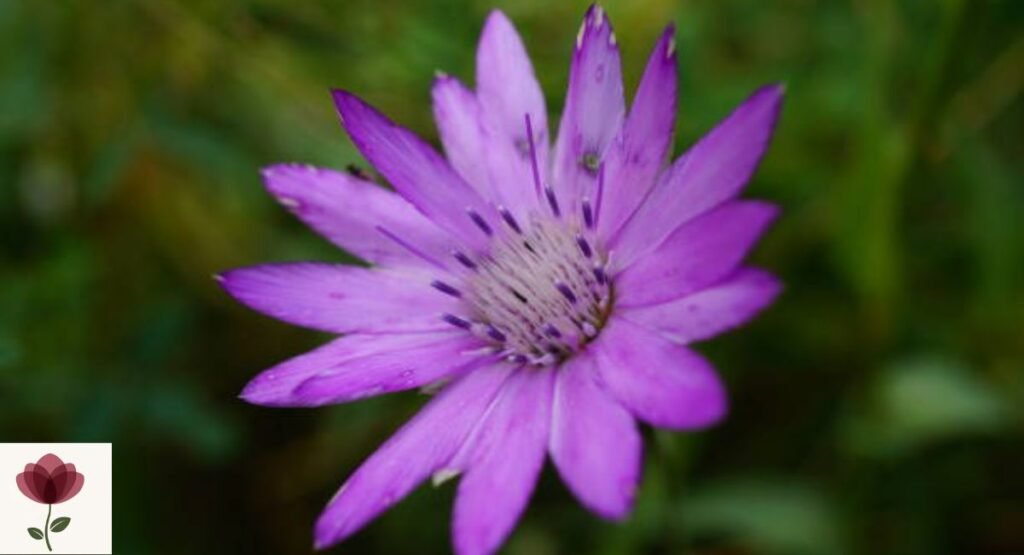
Xeranthemum cylindraceum is an annual species from Mediterranean regions toward Iran. Its branching stems and papery floral structures give it the classic everlasting character. It suits warm, sunny conditions better than damp garden beds.
Xeranthemum inapertum
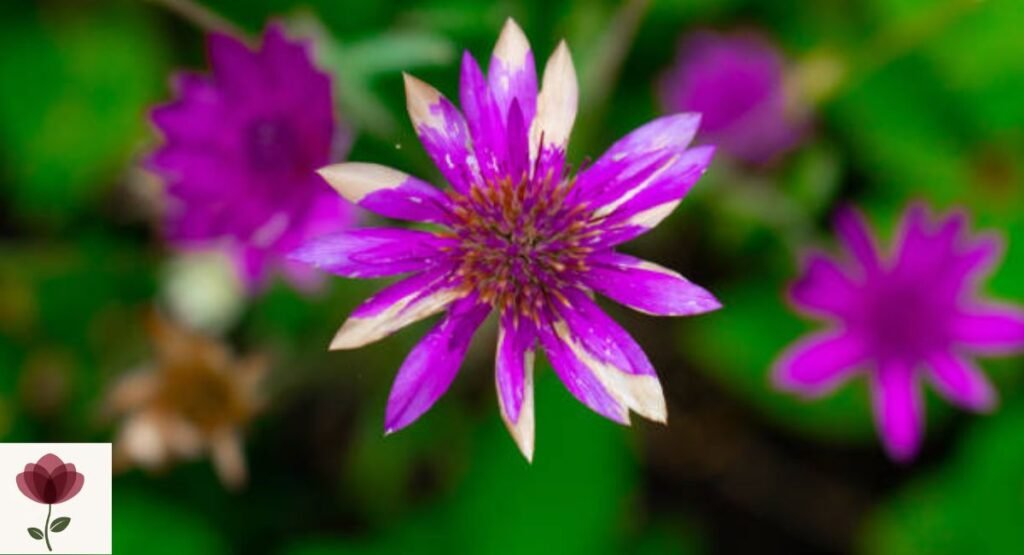
This species has a Mediterranean-to-Iranian native range and belongs to the same fascinating everlasting group. Its dry-looking flower structures help it stand out among ordinary summer flowers. Good drainage remains important for successful cultivation.
Xeranthemum longepapposum
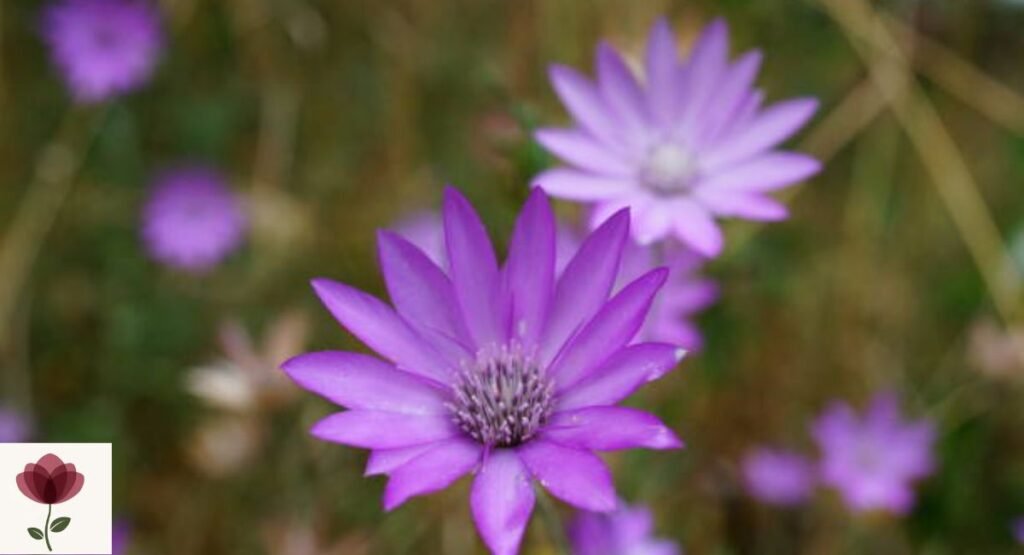
This lesser-known annual comes from Lebanon, Türkiye, Central Asia, and Afghanistan. It belongs to a group adapted to temperate and relatively dry regions. Its main appeal lies in botanical rarity rather than widespread American garden availability.
Yellowhorn
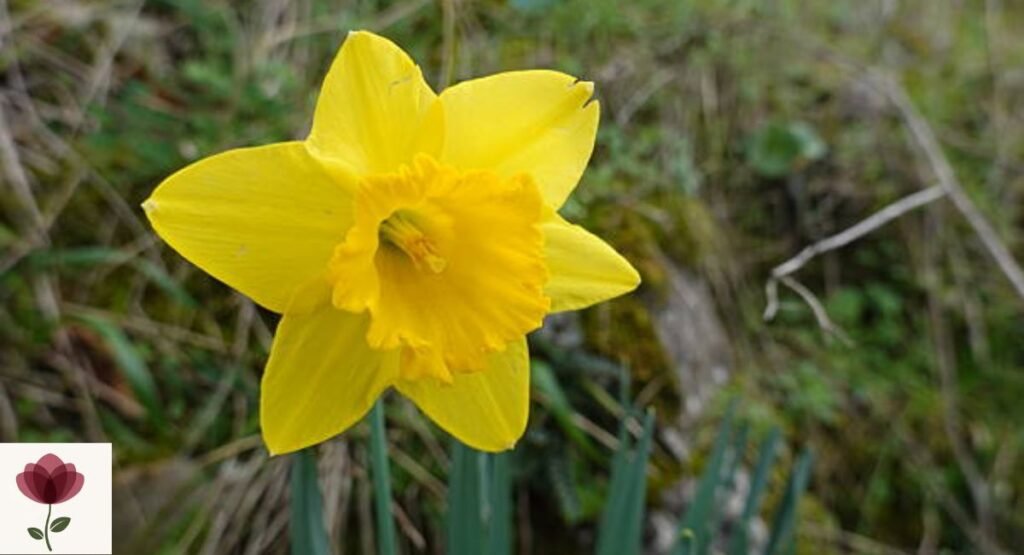
Yellowhorn, scientifically Xanthoceras sorbifolium, is a flowering woody plant rather than a small bedding flower. It produces attractive spring blossoms and can become a striking specimen. Its tree-like form adds height and structure to landscapes.
Xyris difformis
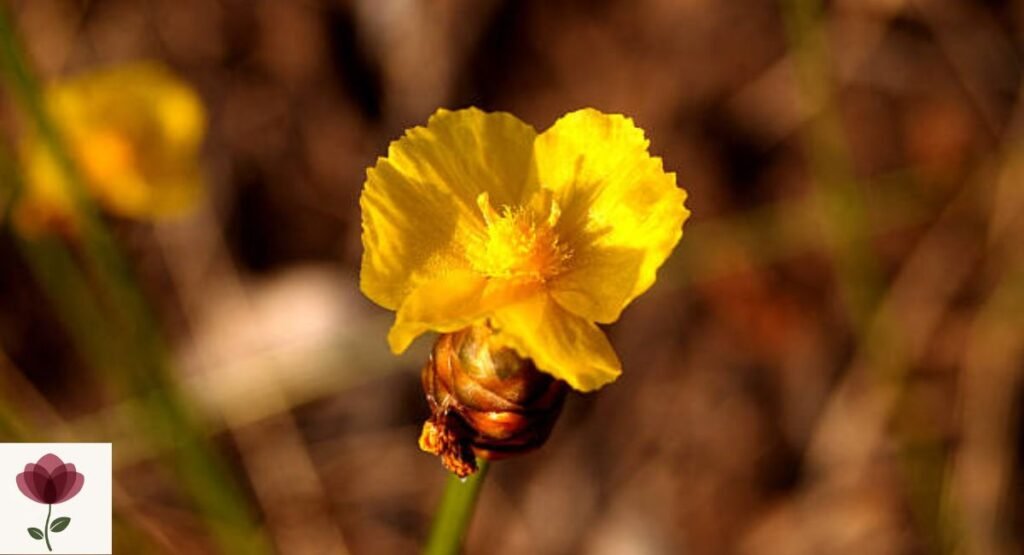
Known as yellow-eyed grass, Xyris difformis belongs to the large Xyris genus. Its yellow flowers appear above grass-like foliage. Unlike xeric X plants, this group prefers moist ground, making it useful around bogs, ponds, and rain gardens.
Xyris caroliniana
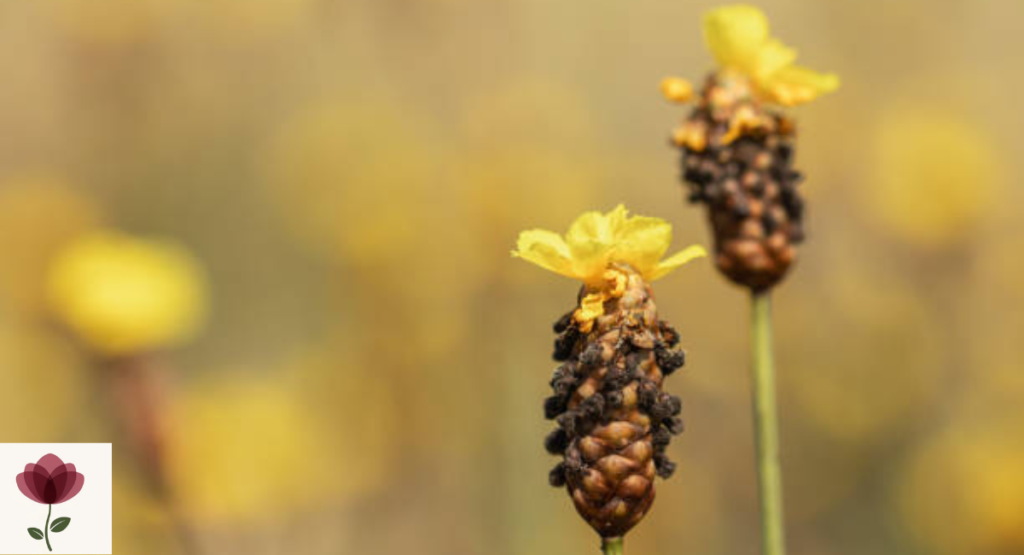
Carolina yellow-eyed grass is a wetland-oriented flowering plant with neat yellow blooms. Its grass-like foliage creates a tidy texture. It works best where soil stays naturally moist rather than in a conventional dry flower border.
Xyris anceps
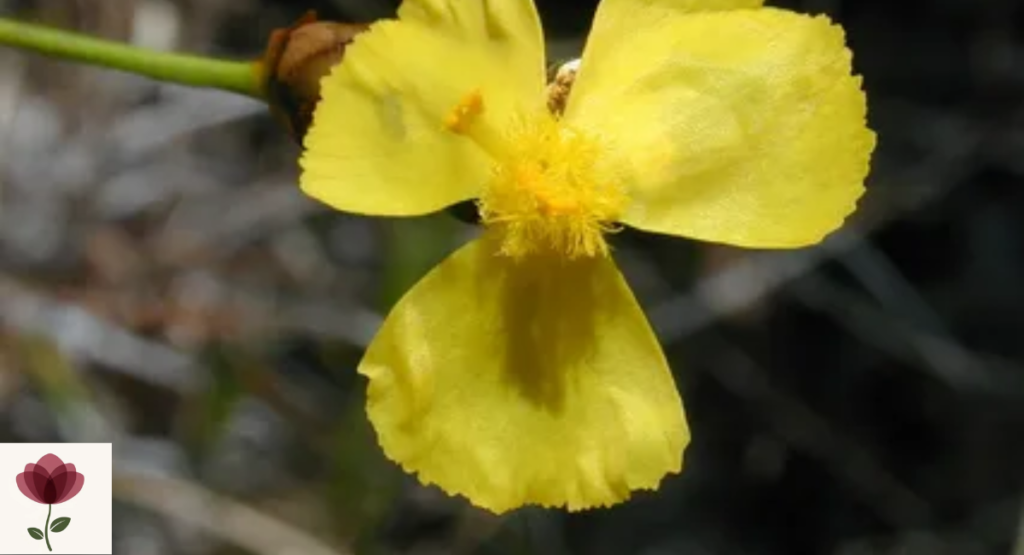
This yellow-eyed grass species adds another wet-habitat option to the X flower family. Its narrow leaves contrast nicely with its small yellow blooms. Habitat suitability matters more than decorative flower size when choosing this type.
Xyris brevifolia
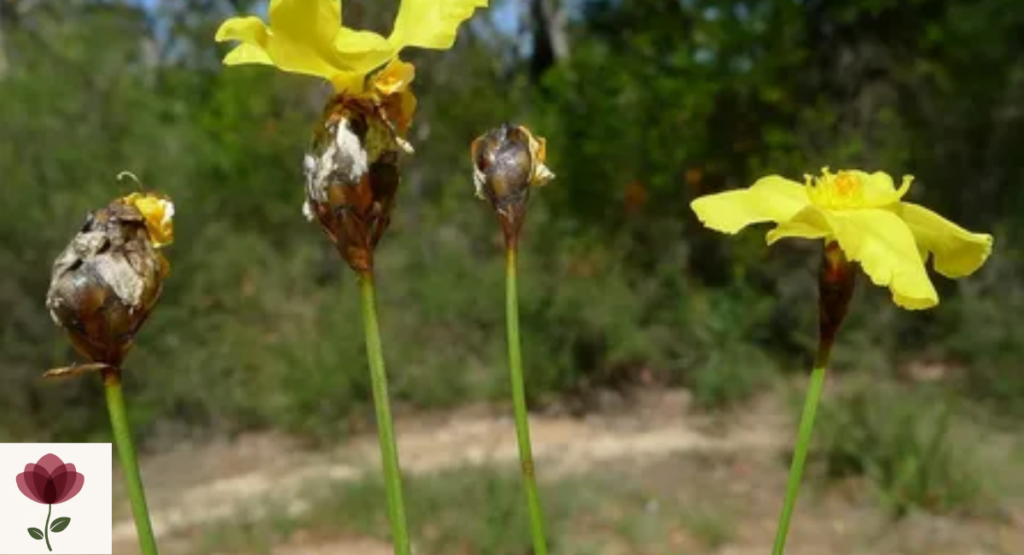
Short-leaf yellow-eyed grass has a compact foliage character and prefers moist conditions. Its flowers are modest rather than showy. Still, it can contribute valuable seasonal color where ordinary bedding plants struggle with persistent moisture.
Xyris torta
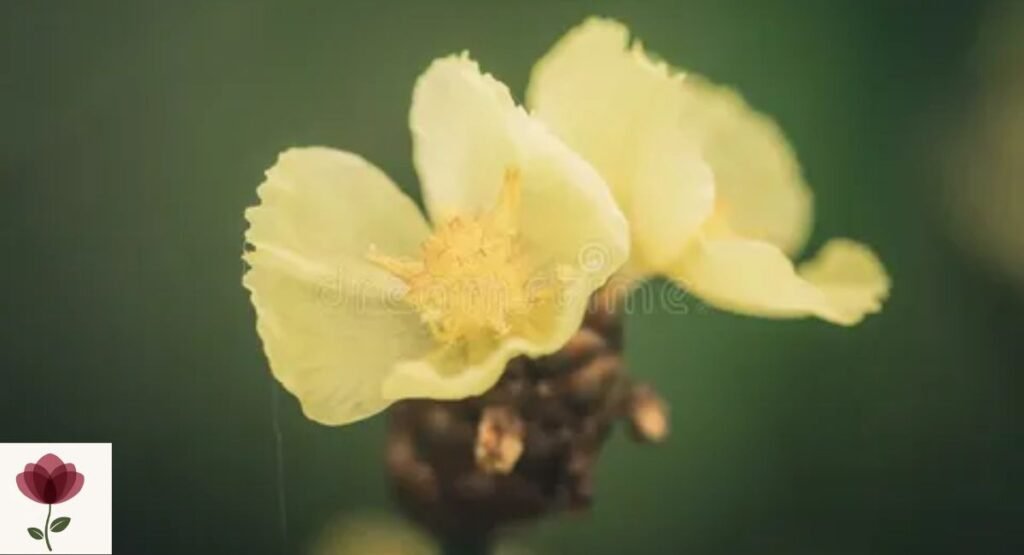
Twisted yellow-eyed grass is another wetland species with yellow flowers. It favors moist sandy habitats and can suit specialized native or bog-style plantings. Its unusual name also makes it a memorable botanical entry.
Xyris indica
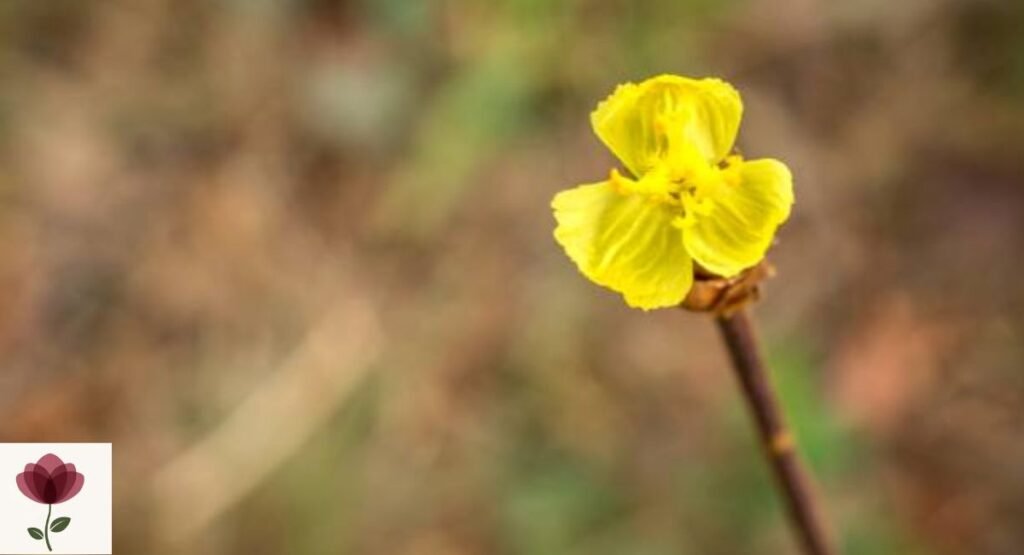
This species extends the Xyris group into tropical regions. It prefers warm, wet environments and therefore isn’t a typical outdoor choice across much of the continental United States. Greenhouse or specialized habitat culture may be more realistic.
Xerophyllum asphodeloides
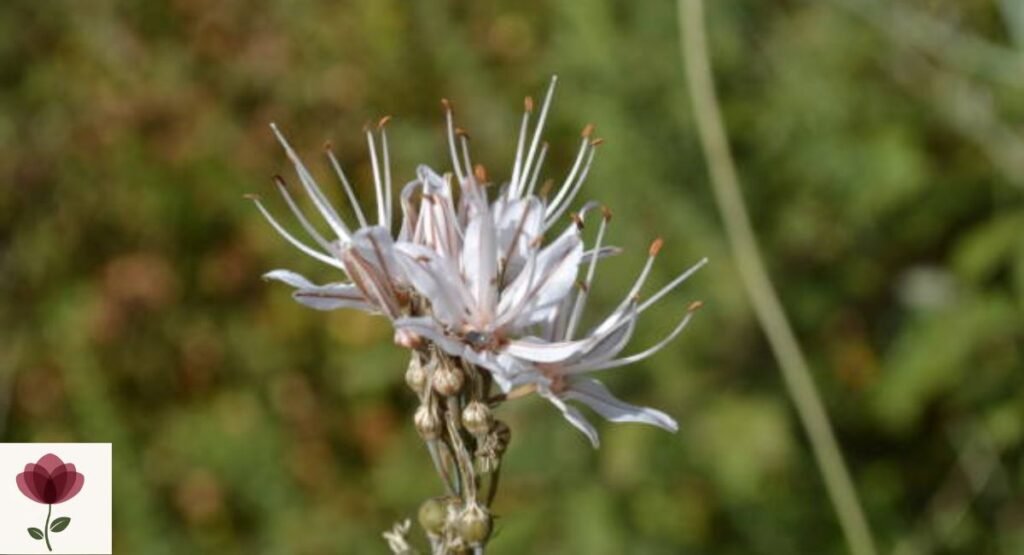
Eastern turkeybeard is a North American perennial with narrow, grass-like foliage and white flowers. It gives native-style plantings a strong architectural texture. Its North American origin also makes it particularly interesting for gardeners exploring regional flora.
Xerophyllum tenax
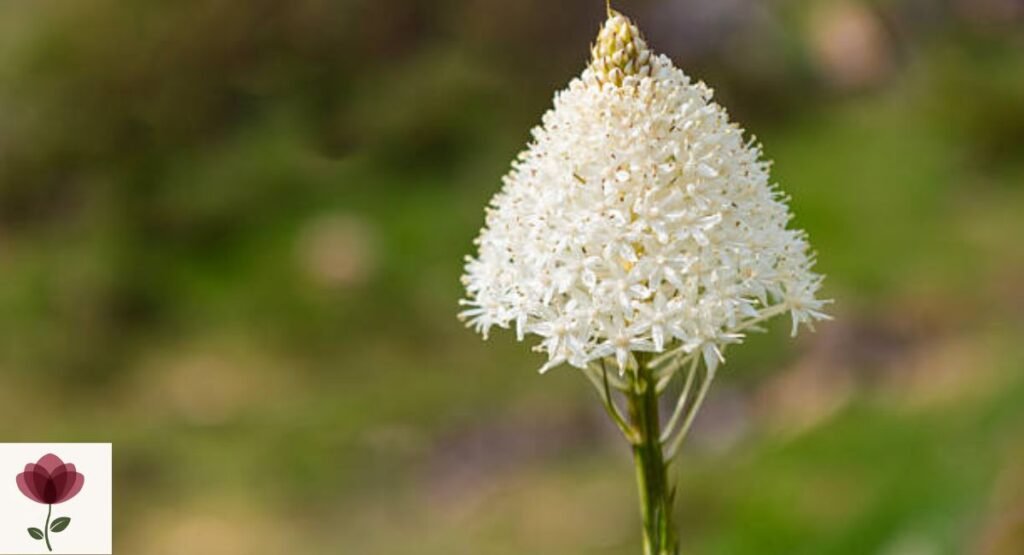
Bear grass is a distinctive perennial native to parts of western North America. Its stiff, narrow leaves create a fountain-like structure. White flowers rise above the foliage, creating an attractive contrast in naturalistic landscapes.
Xylobium
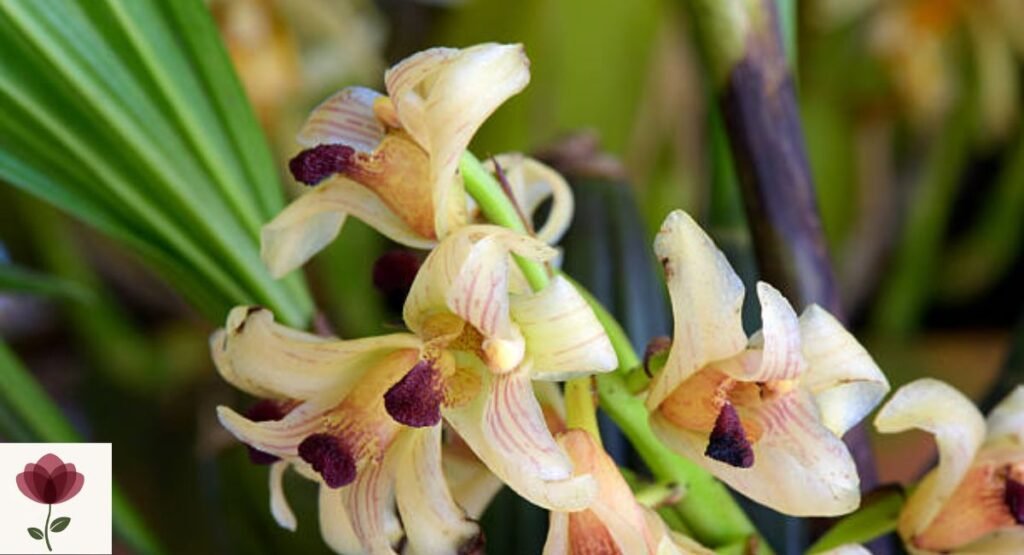
Xylobium is an accepted orchid genus. Unlike ordinary border flowers, these orchids are mainly suited to specialist cultivation. Several species are pseudobulbous epiphytes from tropical America, including Xylobium undulatum.
Xylobium miliaceum
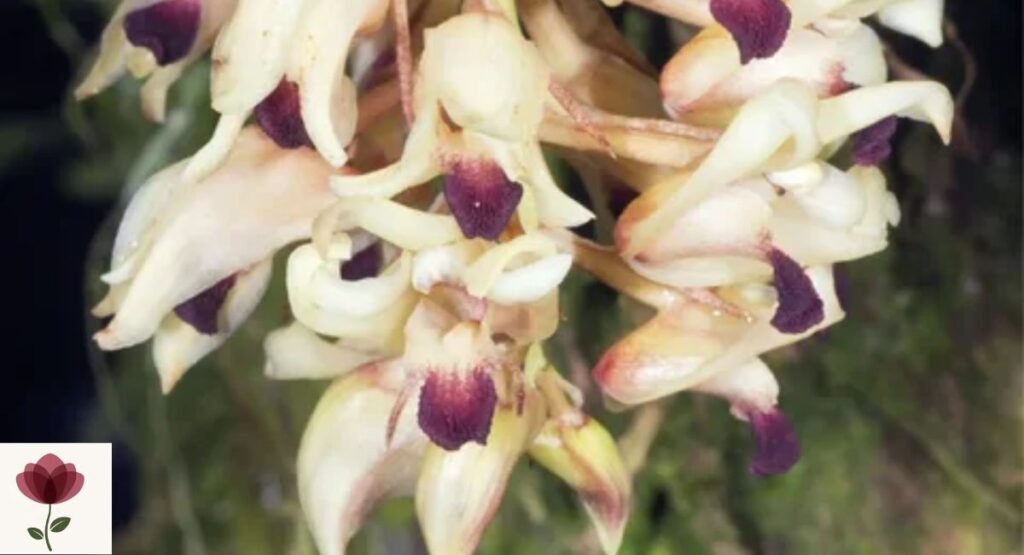
This orchid is a pseudobulbous epiphyte native from western South America toward northwestern Venezuela. It grows primarily in wet tropical conditions. Warmth, humidity, airflow, and suitable orchid media are therefore more important than ordinary garden soil.
Xylobium undulatum
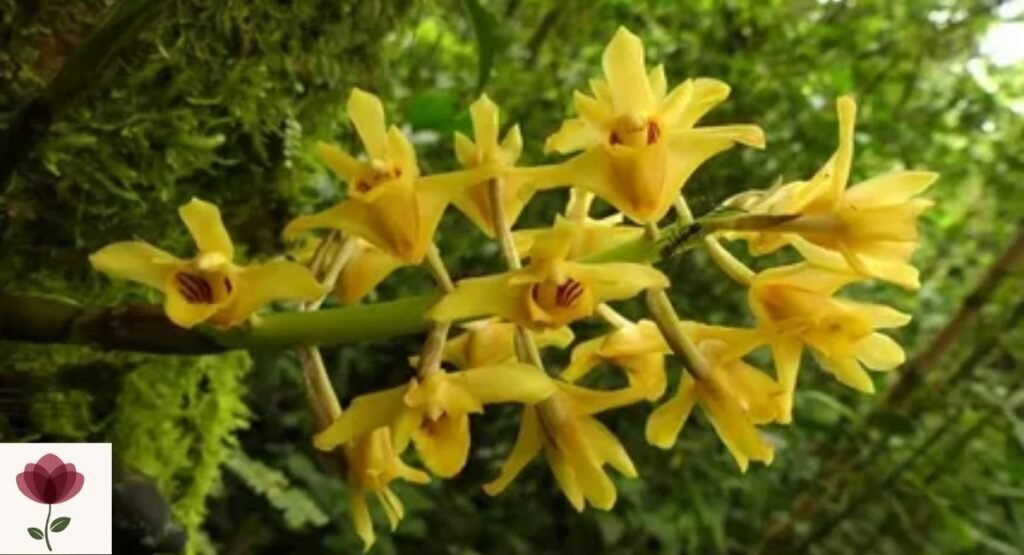
Xylobium undulatum is another accepted tropical orchid species. Its native range extends from Costa Rica into tropical South America. Because it grows as an epiphyte, it differs sharply from soil-rooted annual flowers.
Xerochrysum bicolor
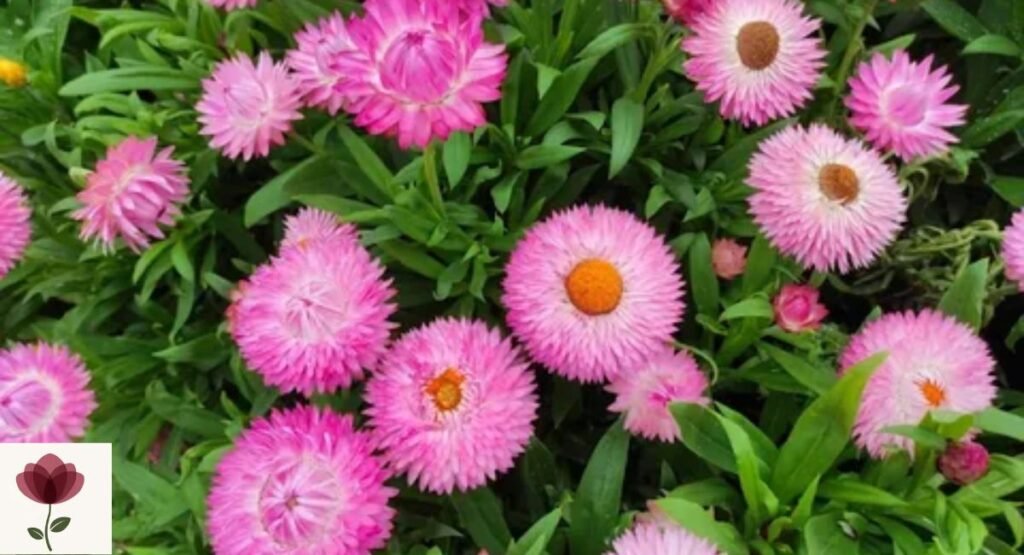
This accepted species is native to Tasmania and belongs to the Australian Xerochrysum group. Its flowers fit the everlasting-flower character associated with the genus. It is more of a botanical or specialty gardening interest than a routine American bedding choice.
Xerochrysum viscosum
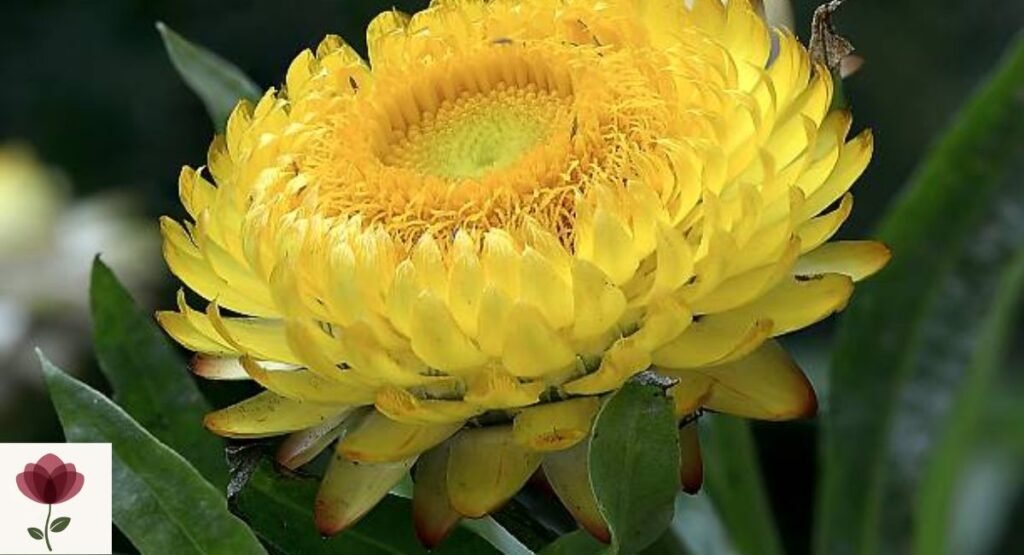
Xerochrysum viscosum is native to New South Wales, Queensland, and Victoria. It belongs to the temperate Australian flora and carries the characteristic connection with everlasting-type flowering plants.
Xerochrysum macranthum
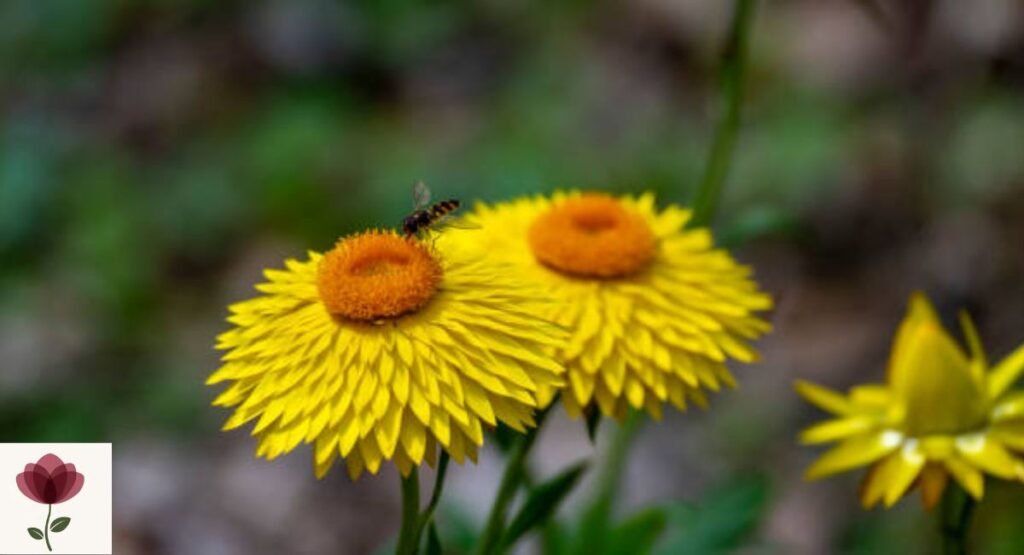
This Australian species belongs to the same genus as strawflower. Its value comes from its floral structure and relationship to the broader paper-daisy group. Availability can be limited compared with commercial strawflower varieties.
Xerochrysum neoanglicum
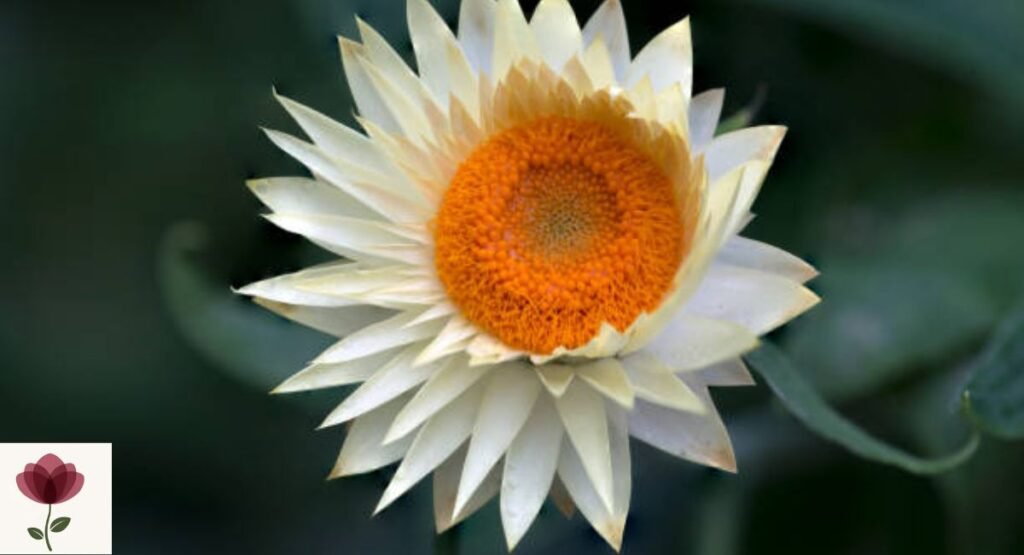
This name represents another Australian everlasting-flower species. It suits readers interested in botanical diversity more than casual garden shopping. Its genus association makes it useful when comparing different Xerochrysum forms.
Xerochrysum papillosum
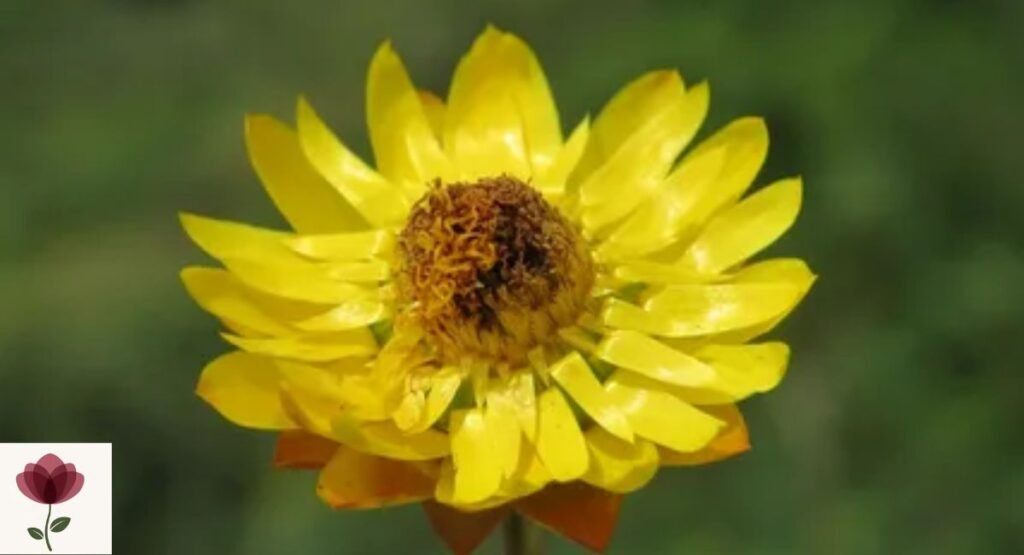
This uncommon species expands the list beyond familiar cultivated strawflower. It demonstrates how large the Australian everlasting-flower group becomes once botanical species are considered separately.
Iris xiphium
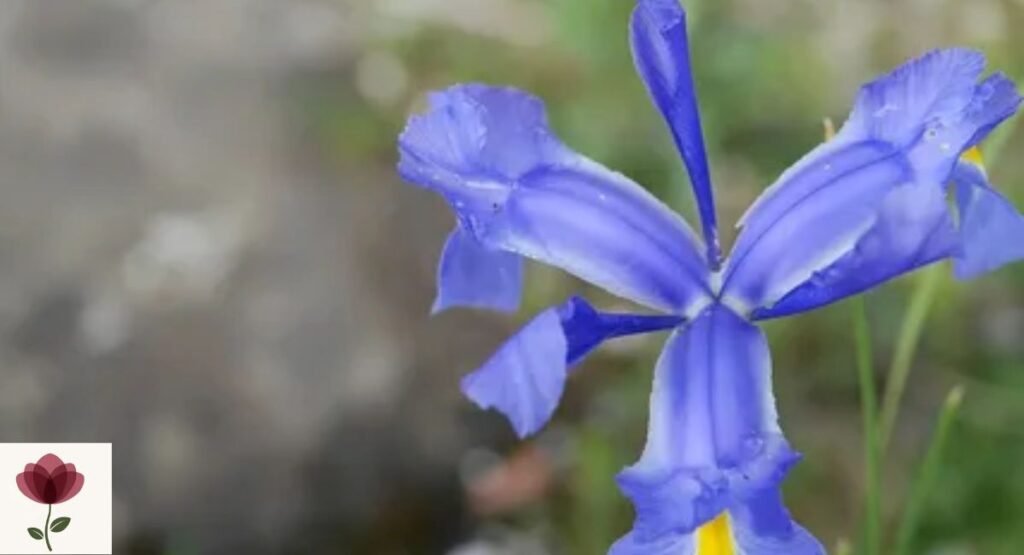
Iris xiphium is one of the strongest examples of an X-starting species name. It is a bulbous geophyte native to western and central Mediterranean regions. Its iris-like flowers can bring blue, violet, or related tones to temperate plantings.
How to Identify X Flowers by Their Appearance
X Flowers With Distinctive Petal Shapes
Papery bracts immediately suggest everlasting flowers that start with X such as Xerochrysum or Xeranthemum. Meanwhile, Iris xiphium has the unmistakable architecture of an iris. Learning these structural clues makes flower identification far easier than relying on color alone.
X Flowers With Unusual Leaves or Growth Forms
Grass-like foliage points toward groups such as Xyris and Xerophyllum. Orchid pseudobulbs suggest Xylobium. These growth habits act like botanical fingerprints, especially when flowers aren’t blooming.
X Flowers With Showy or Fragrant Blooms
Some X plants impress through structure rather than perfume. Strawflowers rely on durable texture, while orchids provide more intricate floral forms. Fragrance should therefore remain a secondary identification clue.
How to Tell Similar X Flowers Apart
Compare the flower head, foliage, habitat, bloom season, and growth habit together. A yellow flower alone isn’t enough. For example, Xyris may have yellow flowers yet prefers wet ground, while Xeranthemum favors much drier conditions.
X Flowers by Color, Bloom Season, and Flower Type
Flowers that start with X offer more color variety than their scarcity suggests. Purple and pink tones appear among everlasting flowers and iris-related entries, while yellow dominates many Xyris and Xerochrysum species. The growing season varies widely because these plants come from very different climates.
Purple Flowers That Start With X
Xeranthemum species can provide purple, lilac, or pinkish tones. Iris xiphium also brings blue-violet color to the group. Color can vary among cultivated forms, so don’t treat every shade as a separate species.
White Flowers That Start With X
Yellowhorn and Xerophyllum provide notable white-flowering examples. Some Xylobium orchids can also show pale cream or white tones. These choices work well when you want contrast against darker foliage.
Yellow Flowers That Start With X
Yellow is perhaps the dominant color among X flowers. Xyris species frequently produce yellow blooms, while many Xerochrysum species carry warm golden tones. Their visual effect ranges from delicate wetland accents to bold dried-flower color.
Pink Flowers That Start With X
Pink appears most naturally within the Xeranthemum and cultivated everlasting-flower groups. Strawflower cultivars can also offer pink shades. These options add softness to an otherwise yellow-heavy X flower collection.
X Flowers With Other Beautiful Colors
Blue-violet iris tones, orange strawflowers, red strawflowers, and cream orchid flowers broaden the palette. Cultivated forms can expand color options even further, although cultivars shouldn’t be confused with separate species.
X Flowers That Bloom in Spring, Summer, or Fall
Bloom timing depends strongly on species and climate. Mediterranean irises can flower during spring, while Xeranthemum commonly flowers in summer. Many Xyris species also bloom during warm seasons when wetland conditions remain favorable.
Annual, Perennial, and Short-Lived X Flowers
X flowers include annuals, perennials, bulbous geophytes, woody plants, and epiphytic orchids. Kew classifies Xeranthemum annuum as an annual, while Iris xiphium is a bulbous geophyte.
Best X Flowers for Gardens, Containers, Bouquets, and Indoor Spaces
Flowers that start with X aren’t all suited to the same garden. Strawflower fits sunny cutting gardens, Xyris belongs in wet areas, and Xylobium needs specialist conditions. Matching the plant to its natural lifestyle is the simplest way to avoid disappointing results.
X Flowers for Beginner Gardeners
Xeranthemum and strawflower are more approachable than tropical orchids. Beginners should prioritize plants that tolerate their local sunlight, soil, and watering pattern. A plant that matches your garden naturally requires less fuss.
X Flowers for Containers and Small Gardens
Container culture works best for compact annuals and specialty plants with manageable roots. Use containers with drainage holes and choose a growing medium suited to the species. Orchids need very different media from ordinary annual flowers.
Indoor and Greenhouse-Friendly X Flowers
Xylobium is the standout specialist group. These tropical orchids prefer warm, humid conditions with filtered light and airflow. They are better candidates for greenhouse culture than ordinary household windowsills.
X Flowers for Cottage and Pollinator Gardens
Xanthisma-type wildflowers can complement relaxed native-style planting. However, gardeners should verify regional suitability before introducing unfamiliar species. Native status and pollinator value depend on the exact plant and location.
X Flowers for Bouquets and Floral Arrangements
Strawflower is especially valuable for cutting and drying because its flower structures retain their visual character. Xeranthemum offers a similar everlasting appeal. Their papery texture gives arrangements a long-lasting, almost preserved appearance.
X Flowers Suitable for Dried Arrangements
Few X flowers compete with strawflower for dried use. Its durable floral structures make it a natural choice for wreaths, bouquets, crafts, and long-lasting decorations. Xeranthemum adds a more muted, vintage-style texture.
Rare X Flowers for Collectors and Plant Enthusiasts
Xylobium orchids and uncommon Xerochrysum species appeal strongly to collectors. These plants offer botanical novelty rather than easy availability. Their rarity often comes from limited cultivation, specialized habitat, or unfamiliarity.
Where X Flowers Grow Best and What They Need
Sunlight Requirements
Dry-climate X flowers generally prefer strong sunlight and open exposure. Tropical orchids differ dramatically. They usually perform better under bright filtered light. Always match the light requirement to the species rather than the letter.
Soil and Drainage Preferences
Good drainage benefits many Xeranthemum and Xerochrysum plants. Xyris is the opposite story. Many species prefer wet or consistently moist ground. Xylobium requires an airy orchid medium rather than dense garden soil.
Watering and Humidity Needs
Water requirements range from drought-adapted plants to wetland species and humid tropical orchids. That’s why a single watering schedule won’t work for all X flowers. Check the soil and natural habitat before deciding how often to water.
Temperature and Climate Requirements
USA gardeners should consider USDA hardiness zones, frost dates, summer heat, and winter protection. Mediterranean bulbs and tropical orchids respond very differently to cold. Local climate often matters more than the flower’s appearance.
Tropical vs. Temperate X Flowers
Xylobium species illustrate tropical growing conditions, while Iris xiphium represents a temperate bulbous plant. Kew describes Xylobium undulatum as a wet-tropical epiphyte, while Iris xiphium grows primarily in a temperate biome.
Xeric X Flowers for Hot and Dry Gardens
Xeranthemum is the natural star of this category. Its name itself reflects a connection with dry conditions. Kew’s botanical description notes the genus’s papery outer structures and dry-flower character.
Interesting Facts About X Flowers You May Not Know
The Rarest X Flower Names
Rarity doesn’t always mean biological rarity. Sometimes a flower is simply obscure in horticulture. Xylobium orchids and lesser-known Xerochrysum species are good examples of plants that most casual gardeners rarely encounter.
The Most Unusual X Flower Shapes
Everlasting flowers use papery structures, orchids create intricate floral architecture, and Xyris pairs yellow flowers with grass-like leaves. This variety makes the letter X surprisingly interesting from a botanical perspective.
X Flowers With Interesting Botanical Histories
Taxonomy can change over time. Kew lists numerous synonyms for strawflower, including older names involving Helichrysum and Xeranthemum. Such changes explain why different gardening books may appear to use different names for the same plant.
X Flowers That Attract Pollinators
Pollinator value varies by species, location, and flowering season. Native wildflowers can support local insects, while ornamental flowers may provide nectar or pollen. Always evaluate the exact species rather than assuming every X flower has equal ecological value.
X Flowers With Fragrance or Special Features
The standout features in this group aren’t always fragrance. Strawflower has remarkable dried durability, Xyris has wetland adaptation, Xerophyllum has architectural foliage, and Xylobium has specialized orchid growth.
Meaning, Symbolism, and Uses of X Flowers
X Flowers With Traditional Symbolism
Symbolism is less standardized for X flowers than for roses, lilies, or violets. Strawflower naturally suggests endurance because its dried blooms retain their form. However, that interpretation should not be confused with a universal historical flower meaning.
X Flowers Used in Landscaping
Yellowhorn can work as a specimen plant, Xerophyllum can add structure, and Xyris can occupy wet areas. Xeranthemum and Xerochrysum suit sunny borders. The best landscape choice depends on space, soil, and climate.
X Flowers Used in Bouquets and Decoration
Strawflower and Xeranthemum have strong decorative value because their structures remain visually interesting after drying. Their unusual textures can add depth to bouquets that would otherwise rely only on fresh petals.
X Flowers and Their Importance to Pollinators
Wildflower and wetland species can contribute to habitat gardens when they suit local ecosystems. However, ecological value should always be considered alongside native status, regional suitability, and responsible planting practices.
Are Any X Flowers Edible, Medicinal, or Toxic?
Some species may have documented traditional or practical uses, but that doesn’t make every plant safe to consume. Never eat an unidentified flower. For edible or medicinal claims, verify the exact species through authoritative botanical and safety references.
How to Grow X Flowers Successfully in the USA
Choosing the Right USDA Hardiness Zone
Start by checking your local USDA zone and comparing it with the species’ climate needs. This step is especially important for tropical orchids, Mediterranean bulbs, and plants that dislike freezing temperatures.
Planting X Flowers at the Right Time
Annuals usually benefit from planting after frost in colder regions. Bulbs may follow different seasonal schedules. Tropical orchids should instead be planted or repotted according to indoor temperature and active growth.
Feeding and Fertilizing X Flowers
Avoid treating every X flower as a heavy feeder. Dry-garden plants often perform well without rich soil, while orchids may need specialized feeding. Excess fertilizer can create lush foliage without improving flowering.
Pruning, Deadheading, and Seasonal Maintenance
Deadheading can keep beds tidy and may encourage additional flowering in some plants. However, don’t prune every X flower automatically. Some species need their foliage to mature naturally before dormancy.
Common Pests and Problems
Poor drainage, excessive moisture, low humidity, temperature stress, and unsuitable light cause more trouble than many gardeners expect. Orchids can be especially sensitive to growing-medium problems, while wetland plants may suffer when soil dries too much.
How We Selected and Verified These 60 X Flower Names
Botanical Names and Common Names
A trustworthy flower that starts with X article must distinguish common names from scientific names. Kew currently accepts Xerochrysum, Xeranthemum, Xerophyllum, and Xyris as botanical groups, although their species counts and taxonomic histories differ.
Synonyms, Cultivars, and Regional Names
Synonyms can make one plant look like several different flowers. Strawflower provides a clear example because Kew records numerous historical synonyms. This is why botanical verification matters before counting names separately.
How We Avoided Duplicate or Misleading Entries
The safest approach is to label genus, species, common name, and synonym clearly. A genus should not quietly become several species, while an old synonym shouldn’t inflate the final count.
Why Some X Plants Are Included Even When Their Common Names Differ
Scientific names can legitimately begin with X even when the familiar English name doesn’t. Iris xiphium demonstrates this perfectly. Its accepted scientific name begins with X although people know it primarily as an iris.
Conclusion: Discovering the Hidden Diversity of X Flowers
Flowers that start with X prove that an unusual alphabet letter can still lead to a surprisingly varied botanical journey. From papery strawflowers and Xeranthemum to wetland Xyris, North American Xerophyllum, Mediterranean Iris xiphium, and tropical Xylobium orchids, the group crosses gardens, habitats, and climates.
The biggest lesson is simple: don’t judge a flower list by its first letter. X may look sparse at first, yet its scientific vocabulary reveals fascinating plants with different shapes, colors, uses, and growing needs. For USA gardeners, the best choice is always the one that matches local climate, soil, light, and moisture.
FAQs
What Are Flowers That Start With X?
Flowers beginning with X include names such as Xeranthemum, Xerochrysum, Xyris, Xylobium, Xerophyllum, and Iris xiphium.
How Many Flowers Start With the Letter X?
There isn’t one fixed number because lists may count common names, genera, species, and scientific names differently.
What Are the Most Common Flowers That Start With X?
Strawflower is among the most recognizable, while Xeranthemum, Xyris, Yellowhorn, and Iris xiphium are other notable examples.
Are There Any Purple Flowers That Start With X?
Yes. Xeranthemum can produce purple or lilac tones, while Iris xiphium can provide blue-violet flowers.
Which X Flowers Are Best for Beginners?
Strawflower and Xeranthemum are generally more approachable than specialized Xylobium orchids or wetland species.

Welcome to PetalNexa! I’m Anam Sattar, an AI-powered SEO Specialist and Content Writer with over 4 years of experience in creating high-quality, search-optimized content. I help businesses improve their search engine rankings, increase organic traffic, and build beautiful, user-friendly websites. My mission is to make SEO, content creation, and web design simple, effective, and accessible for everyone. Let’s grow your online presence and achieve success together!