

Flowers bring color, fragrance, and life to every garden, but some names are more fascinating than others. Flowers That Start With T include familiar favorites like tulips, tiger lilies, and tuberose, along with rare blooms that many gardeners have never seen. You’ll find annual flowers, colorful purple flowers, fragrant varieties, woodland plants, and tropical beauties in this diverse group. Some T flowers thrive under bright summer sun, while others prefer cool shade and moist soil.
Whether you’re planning a cottage garden, filling containers, or creating a pollinator-friendly space, there’s a T flower for you. This guide explores popular names, colors, growing habits, bloom seasons, and practical tips for USA gardeners.
Complete List of 100 Flowers That Start With T
A long flower list becomes much easier when useful details sit side by side. The table below gives you a quick way to compare T flower names, colors, seasons, plant types, and light requirements. USDA zones provide a helpful starting point for American gardeners. However, local soil, rainfall, and winter conditions can still change how a plant performs.
The list includes familiar garden stars alongside less common flowering plants. Some names represent broader ornamental groups rather than one single species. That distinction matters when you shop for seeds or nursery plants. Always check the botanical name before buying.
| No. | Flower Name | Scientific Name | Plant Type | Flower Color | Bloom Season | USDA Zones | Sun Needs |
| 1 | Tagetes | Tagetes spp. | Annual | Yellow, orange | Summer–fall | 2–11 | Full sun |
| 2 | Tahitian Gardenia | Gardenia taitensis | Tropical shrub | White | Summer | 10–11 | Sun–part shade |
| 3 | Tansy | Tanacetum vulgare | Perennial | Yellow | Summer | 3–8 | Full sun |
| 4 | Tassel Flower | Emilia sonchifolia | Annual | Red, orange | Summer | 9–11 | Full sun |
| 5 | Tea Rose | Rosa tea group | Shrub | Pink, white, yellow | Spring–fall | 5–9 | Full sun |
| 6 | Teasel | Dipsacus fullonum | Biennial | Pink, purple | Summer | 3–9 | Full sun |
| 7 | Tecophilaea | Tecophilaea cyanocrocus | Bulb | Blue | Spring | 8–10 | Full sun |
| 8 | Telipogon | Telipogon spp. | Orchid | Variable | Variable | Varies | Filtered light |
| 9 | Telopea | Telopea speciosissima | Shrub | Crimson | Spring | 8–10 | Full sun |
| 10 | Tennessee Coneflower | Echinacea tennesseensis | Perennial | Pink | Summer | 5–9 | Full sun |
| 11 | Tephroseris | Tephroseris spp. | Perennial | Yellow | Spring–summer | Varies | Sun |
| 12 | Texas Bluebell | Eustoma exaltatum | Wildflower | Blue, lavender, pink | Summer | 7–10 | Full sun |
| 13 | Texas Bluebonnet | Lupinus texensis | Annual | Blue | Spring | 4–8 | Full sun |
| 14 | Texas Lantana | Lantana urticoides | Shrub | Orange, yellow | Spring–fall | 8–11 | Full sun |
| 15 | Texas Mountain Laurel | Dermatophyllum secundiflorum | Shrub | Purple | Spring | 8–11 | Full sun |
| 16 | Texas Paintbrush | Castilleja indivisa | Annual | Red-orange | Spring | 6–10 | Full sun |
| 17 | Texas Plume | Eupatorium greggii | Perennial | Pale pink, white | Summer–fall | 7–10 | Full sun |
| 18 | Texas Primrose | Oenothera speciosa | Perennial | Pink | Spring–summer | 5–9 | Full sun |
| 19 | Texas Sage | Leucophyllum frutescens | Shrub | Purple | Summer–fall | 8–11 | Full sun |
| 20 | Texas Star Hibiscus | Hibiscus coccineus | Perennial | Red | Summer | 7–10 | Full sun |
| 21 | Thalia | Thalia dealbata | Aquatic perennial | Violet | Summer | 6–10 | Full sun |
| 22 | Thalictrum | Thalictrum spp. | Perennial | Lilac, cream, yellow | Summer | 4–9 | Part shade |
| 23 | Thevetia | Thevetia peruviana | Tropical shrub | Yellow | Summer–fall | 9–11 | Full sun |
| 24 | Thermopsis | Thermopsis spp. | Perennial | Yellow | Spring–summer | 3–8 | Full sun |
| 25 | Thespesia | Thespesia spp. | Shrub/tree | Yellow, pink | Summer | 9–11 | Full sun |
| 26 | Thimbleweed | Anemone virginiana | Perennial | White | Summer | 3–8 | Sun–part shade |
| 27 | Thistle | Cirsium spp. | Perennial | Purple, pink | Summer | Varies | Full sun |
| 28 | Thrift | Armeria maritima | Perennial | Pink, white | Spring | 3–9 | Full sun |
| 29 | Thunbergia | Thunbergia spp. | Vine | Yellow, orange, white | Summer–fall | 9–11 | Sun–part shade |
| 30 | Thyme | Thymus spp. | Herb | Pink, white, lavender | Summer | 4–9 | Full sun |
| 31 | Tiarella | Tiarella spp. | Perennial | White, pink | Spring | 4–9 | Part shade |
| 32 | Tidy Tips | Layia platyglossa | Annual | Yellow, white | Spring–summer | 3–10 | Full sun |
| 33 | Tickseed | Coreopsis spp. | Perennial | Yellow, pink, red | Summer–fall | 3–9 | Full sun |
| 34 | Tick Trefoil | Desmodium spp. | Perennial | Pink, purple | Summer | 3–9 | Sun–part shade |
| 35 | Tiger Flower | Tigridia pavonia | Corm | Orange, red, pink | Summer | 8–10 | Full sun |
| 36 | Tiger Lily | Lilium lancifolium | Bulb perennial | Orange | Summer | 3–9 | Full sun |
| 37 | Tithonia | Tithonia rotundifolia | Annual | Orange, red | Summer–fall | 9–11 | Full sun |
| 38 | Tibetan Blue Poppy | Meconopsis betonicifolia | Perennial | Blue | Summer | 7–8 | Part shade |
| 39 | Tibouchina | Tibouchina urvilleana | Shrub | Purple | Summer–fall | 9–11 | Sun–part shade |
| 40 | Toad Lily | Tricyrtis spp. | Perennial | Purple, white | Late summer–fall | 4–9 | Part shade |
| 41 | Toadflax | Linaria spp. | Perennial/annual | Yellow, purple | Summer | 3–9 | Full sun |
| 42 | Tobacco Flower | Nicotiana alata | Annual | White, pink, green | Summer–fall | 10–11 | Sun–part shade |
| 43 | Toothwort | Cardamine concatenata | Woodland perennial | White | Spring | 4–8 | Shade |
| 44 | Torch Ginger | Etlingera elatior | Tropical perennial | Pink, red | Summer | 10–11 | Part shade |
| 45 | Torch Lily | Kniphofia uvaria | Perennial | Red, orange, yellow | Summer | 5–9 | Full sun |
| 46 | Torenia | Torenia fournieri | Annual | Blue, purple, pink, white | Summer–fall | 10–11 | Part shade |
| 47 | Touch-Me-Not | Impatiens balsamina | Annual | Pink, red, white, purple | Summer | 2–11 | Part shade |
| 48 | Townsend Daisy | Townsendia spp. | Perennial | White, pink, lavender | Spring–summer | Varies | Full sun |
| 49 | Tower of Jewels | Echium wildpretii | Biennial | Pink, red | Spring–summer | 9–10 | Full sun |
| 50 | Trachelium | Trachelium caeruleum | Perennial | Blue, violet, white | Summer | 8–11 | Full sun |
| 51 | Tradescantia | Tradescantia spp. | Perennial | Blue, purple, pink | Summer | 4–9 | Sun–part shade |
| 52 | Trailing Abutilon | Abutilon megapotamicum | Shrub | Red, yellow | Summer | 8–11 | Part shade |
| 53 | Trailing Lobelia | Lobelia erinus | Annual | Blue, purple, white | Spring–fall | 2–11 | Part shade |
| 54 | Trailing Verbena | Verbena spp. | Annual/perennial | Red, pink, purple | Summer–fall | Varies | Full sun |
| 55 | Transvaal Daisy | Gerbera jamesonii | Perennial | Many colors | Spring–fall | 8–11 | Full sun |
| 56 | Traveller’s Joy | Clematis vitalba | Vine | White | Summer | 4–9 | Sun |
| 57 | Trautvetteria | Trautvetteria caroliniensis | Woodland perennial | White | Summer | 4–8 | Shade |
| 58 | Treasure Flower | Gazania rigens | Perennial/annual | Orange, yellow, pink | Spring–fall | 9–11 | Full sun |
| 59 | Tree Dahlia | Dahlia imperialis | Perennial | Pink, lilac | Fall | 8–10 | Full sun |
| 60 | Tree Lupin | Lupinus arboreus | Shrub | Yellow | Spring–summer | 8–10 | Full sun |
| 61 | Tree Mallow | Lavatera arborea | Shrub | Pink, purple | Summer | 7–10 | Full sun |
| 62 | Tree Peony | Paeonia suffruticosa | Shrub | Pink, white, red | Spring | 4–8 | Full sun |
| 63 | Tree Tobacco | Nicotiana glauca | Shrub | Yellow | Spring–fall | 8–11 | Full sun |
| 64 | Trientalis | Lysimachia europaea | Woodland perennial | White | Spring | 3–8 | Shade |
| 65 | Trifolium | Trifolium spp. | Herb/perennial | White, pink, red | Spring–summer | Varies | Full sun |
| 66 | Trillium | Trillium spp. | Woodland perennial | White, red, pink | Spring | 4–9 | Part shade |
| 67 | Trimezia | Trimezia spp. | Bulb/corm perennial | Yellow | Spring–summer | 8–11 | Full sun |
| 68 | Triteleia | Triteleia laxa | Corm | Blue, purple | Spring–summer | 5–9 | Full sun |
| 69 | Tritonia | Tritonia spp. | Corm | Orange, red, yellow | Summer | 8–10 | Full sun |
| 70 | Triodanis | Triodanis perfoliata | Annual | Violet-blue | Spring–summer | 4–9 | Full sun |
| 71 | Trollius | Trollius spp. | Perennial | Yellow, orange | Spring–summer | 3–8 | Sun–part shade |
| 72 | Tropaeolum | Tropaeolum majus | Annual | Orange, yellow, red | Summer–fall | 8–11 | Full sun |
| 73 | Trumpet Honeysuckle | Lonicera sempervirens | Vine | Red, coral | Spring–summer | 4–9 | Full sun |
| 74 | Trumpet Lily | Lilium regale | Bulb perennial | White, pink | Summer | 4–9 | Full sun |
| 75 | Trumpet Vine | Campsis spp. | Vine | Orange, red, yellow | Summer–fall | 4–9 | Full sun |
| 76 | Tuberaria | Tuberaria guttata | Annual | Yellow | Spring–summer | 7–10 | Full sun |
| 77 | Tuberose | Agave amica | Tuberous perennial | White | Summer–fall | 8–11 | Full sun |
| 78 | Tuberose Geranium | Pelargonium triste | Perennial | Cream, green | Spring–summer | 9–11 | Full sun |
| 79 | Tuberous Begonia | Begonia tuberhybrida | Tuberous perennial | Many colors | Summer–fall | 9–11 | Part shade |
| 80 | Tulbaghia | Tulbaghia violacea | Perennial | Lilac | Summer–fall | 7–10 | Full sun |
| 81 | Tulip | Tulipa spp. | Bulb | Many colors | Spring | 3–8 | Full sun |
| 82 | Tulip Poppy | Papaver glaucum | Annual | Scarlet | Spring–summer | 3–10 | Full sun |
| 83 | Tufted Pansy | Viola cornuta | Perennial/annual | Purple, yellow, white | Spring–fall | 4–9 | Sun–part shade |
| 84 | Tundra Aster | Aster sibiricus | Perennial | Purple, blue | Summer–fall | Varies | Full sun |
| 85 | Turkish Sage | Phlomis russeliana | Perennial | Yellow | Summer | 5–9 | Full sun |
| 86 | Turk’s Cap | Malvaviscus arboreus | Shrub | Red | Summer–fall | 8–10 | Sun–part shade |
| 87 | Turk’s Cap Lily | Lilium superbum | Bulb perennial | Orange | Summer | 4–9 | Full sun |
| 88 | Turk’s Cap Mallow | Malvaviscus penduliflorus | Shrub | Red | Summer–fall | 9–11 | Sun–part shade |
| 89 | Turnera | Turnera ulmifolia | Shrub/perennial | Yellow | Summer–fall | 9–11 | Full sun |
| 90 | Turtlehead | Chelone spp. | Perennial | Pink, white | Summer–fall | 3–8 | Part shade |
| 91 | Twinflower | Linnaea borealis | Woodland perennial | Pink, white | Summer | 2–7 | Part shade |
| 92 | Twinspur | Diascia spp. | Annual/perennial | Pink, coral | Spring–fall | 9–11 | Sun–part shade |
| 93 | Twayblade | Neottia spp. | Orchid | Green, brown | Spring–summer | Varies | Shade |
| 94 | Tweedia | Oxypetalum coeruleum | Perennial | Sky blue | Summer | 8–11 | Full sun |
| 95 | Throatwort | Campanula trachelium | Perennial | Violet-blue | Summer | 4–9 | Sun–part shade |
| 96 | Tecomaria | Tecomaria capensis | Vine/shrub | Orange-red | Fall–winter | 8–11 | Full sun |
| 97 | Titan Arum | Amorphophallus titanum | Tuberous plant | Burgundy, cream | Rarely blooms | 10–12 | Filtered light |
| 98 | Trachelospermum | Trachelospermum jasminoides | Vine | White | Summer | 8–10 | Sun–part shade |
| 99 | Tamarisk Flower | Tamarix spp. | Shrub | Pink, white | Spring–summer | 4–9 | Full sun |
| 100 | Thunbergia Grandiflora | Thunbergia grandiflora | Vine | Blue, lavender | Summer–fall | 9–11 | Sun–part shade |
25 Popular Flowers That Start With T Explained
The most familiar T flowers combine strong garden value with memorable shapes and colors. Tulips dominate spring displays, while tiger lilies add summer drama. Tuberose brings perfume, and trillium adds woodland charm. Together, these popular T flowers show how broad this letter really is.
Tulip
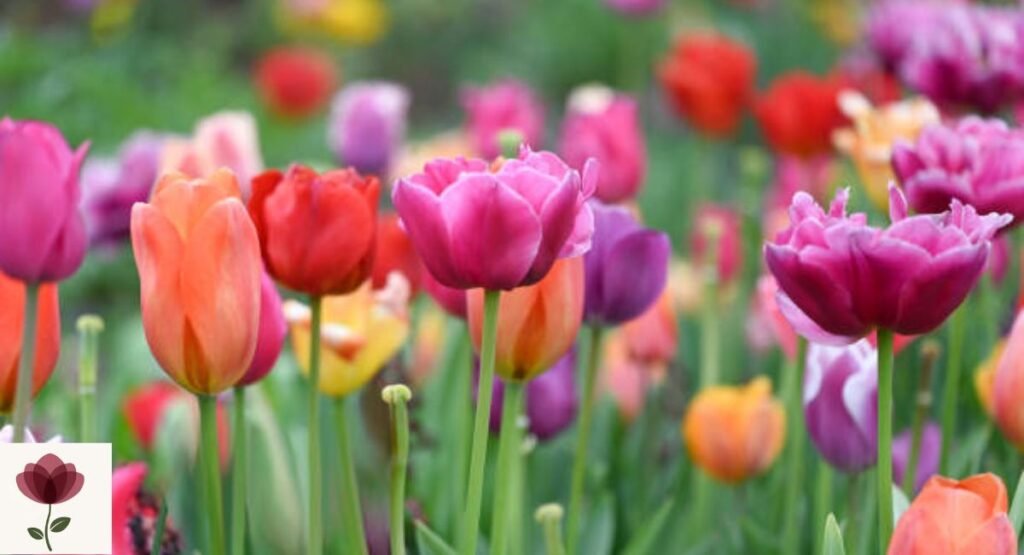
Tulip, Tulipa spp., belongs to the Liliaceae family and grows from bulbs. It produces flowers in nearly every garden color, including red, yellow, pink, white, purple, and bicolors. Most tulips bloom in spring and perform best in USDA Zones 3–8 with full sun. Native species originated across parts of Eurasia. In flower symbolism, tulips often represent perfect or deep love. Plant bulbs in autumn in well-drained soil. Give them enough winter chill and sunlight for strong spring growth.
Tuberose
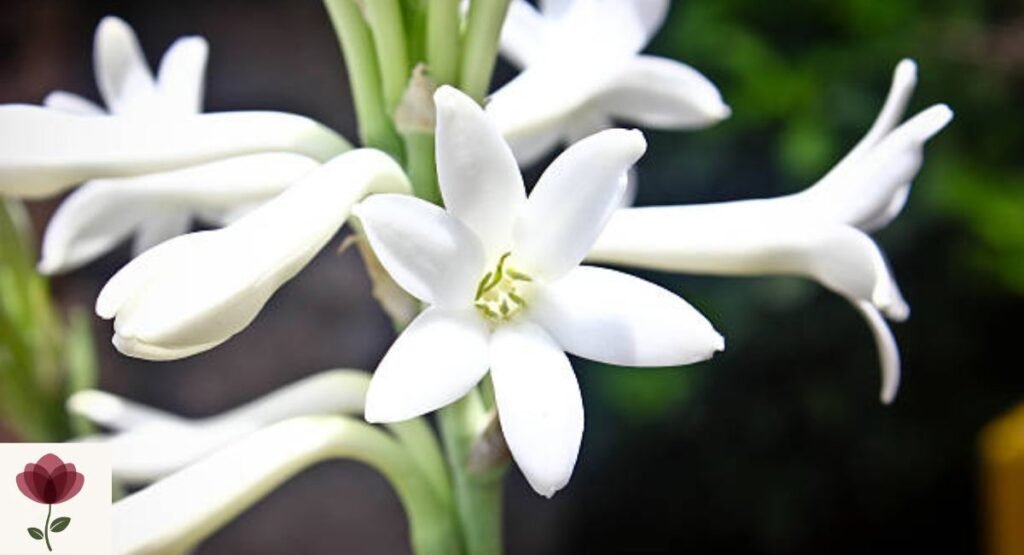
Tuberose, Agave amica, is a fragrant perennial related to agaves. It produces tall spikes of waxy white flowers during summer and early fall. The plant prefers warm conditions and full sun. In cooler parts of the USA, gardeners often grow it as a seasonal plant. Its creamy fragrance becomes especially noticeable in the evening. Because of that trait, tuberose works beautifully near patios, entrances, and outdoor seating areas. It also makes an excellent cut flower when stems are harvested as buds begin opening.
Tiger Lily
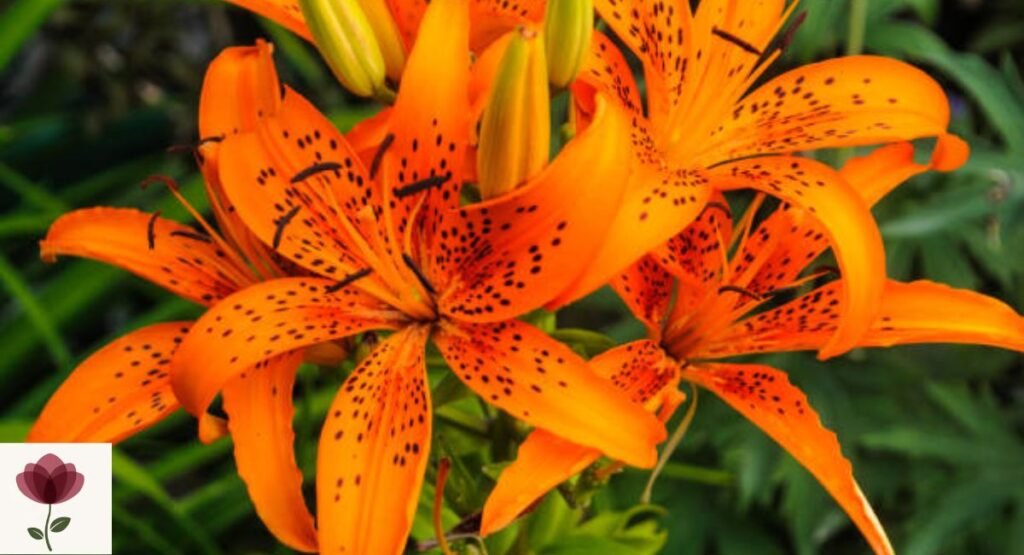
Tiger lily, Lilium lancifolium, is a bulbous perennial from the lily family. Its orange flowers carry dark spots and strongly recurved petals. Summer brings its main floral display. The plant generally suits USDA Zones 3–9 and prefers full sun with well-drained soil. Tiger lilies create instant visual drama in borders. Their unusual flower shape also makes them memorable in bouquets. Keep soil moderately moist while the plant actively grows. Avoid soggy conditions around the bulb.
Trillium
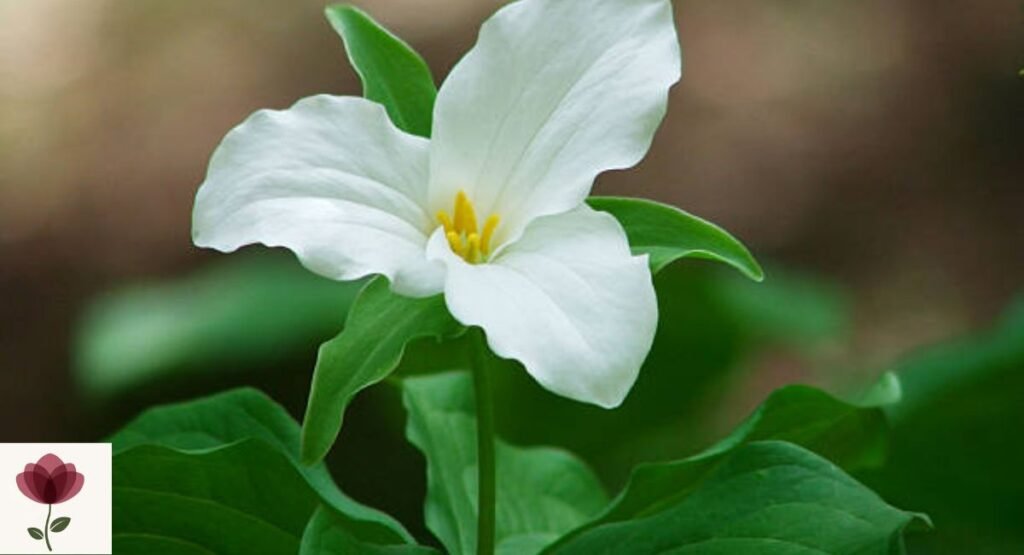
Trillium refers to a group of woodland perennials known for three-part leaves and three-petaled flowers. White, red, and pink forms occur across different species. Most bloom in spring and prefer dappled shade. They suit woodland gardens especially well because their growth cycle follows spring forest conditions. Rich, humus-filled soil helps them establish. Trilliums can be slow to develop from seed. Therefore, patient gardeners often appreciate them most.
Toad Lily
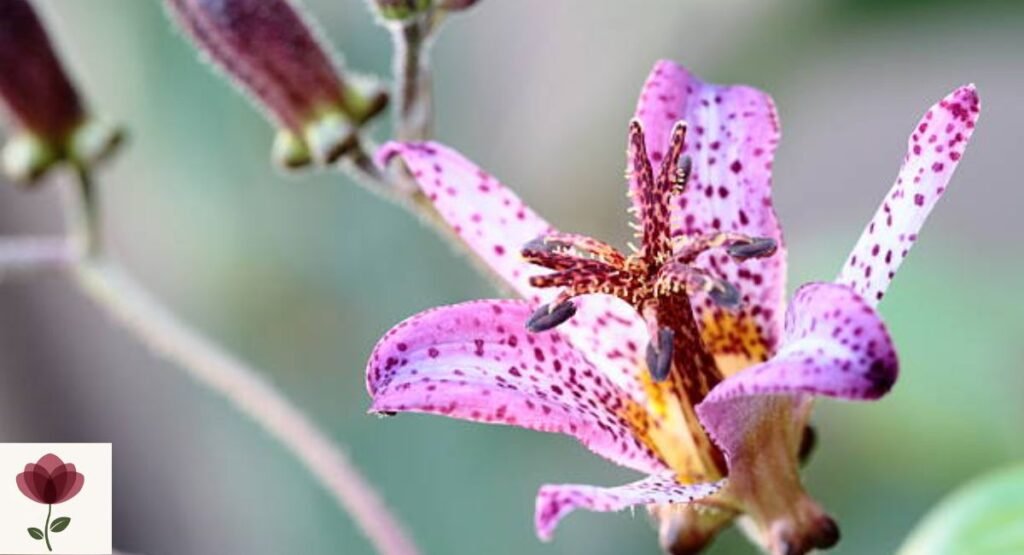
Toad lily, Tricyrtis spp., offers spotted flowers that appear surprisingly late in the season. Purple, white, and pink markings give the blooms an orchid-like appearance. These perennials prefer partial shade and moist, well-drained soil. Many varieties grow well in USDA Zones 4–9. They’re particularly useful when summer flowers begin fading. Place them along woodland paths or shaded borders. Their delicate appearance adds detail where many plants struggle to bloom.
Torenia
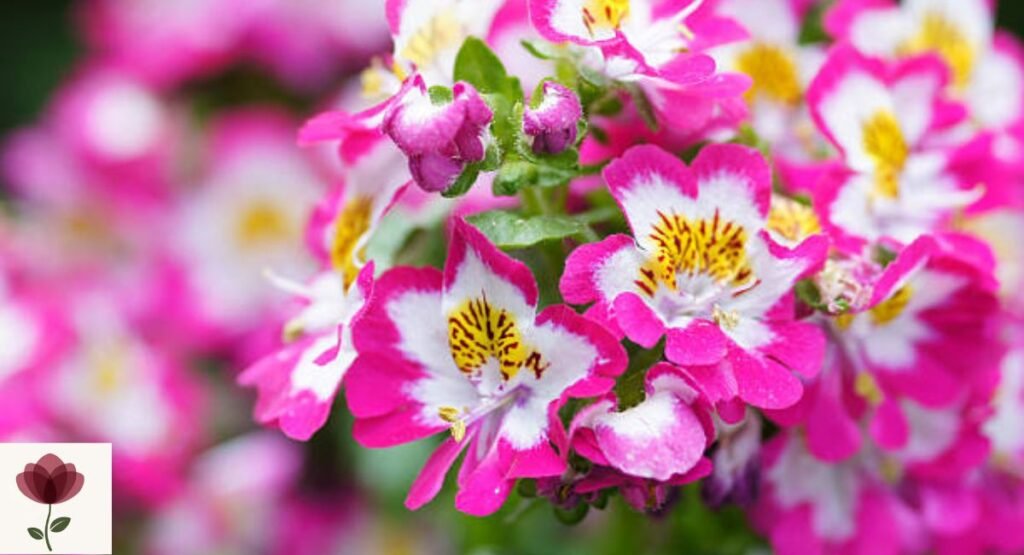
Torenia, Torenia fournieri, is a compact bedding plant with snapdragon-like flowers. Purple, blue, pink, and white shades are common. It performs well in containers and partial shade. In warm regions, torenia can bloom for a long season. Gardeners often use it to brighten patios, window boxes, and front borders. Keep the soil evenly moist. Afternoon shade can also protect plants from intense summer heat.
Tithonia
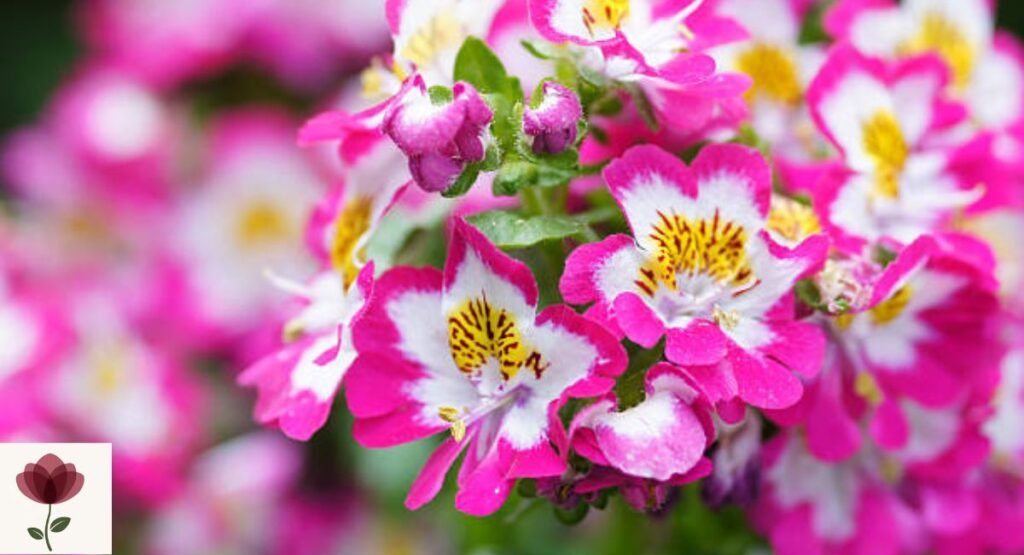
Tithonia, Tithonia rotundifolia, is often called Mexican sunflower. It produces vivid orange or red-orange flowers during summer and fall. The tall annual enjoys full sun and warm weather. Its flowers can attract butterflies and other beneficial insects. Tithonia also grows quickly from seed. Give it plenty of room because mature plants can become substantial. For a sunny wildlife garden, this plant can become a real showstopper.
Torch Lily
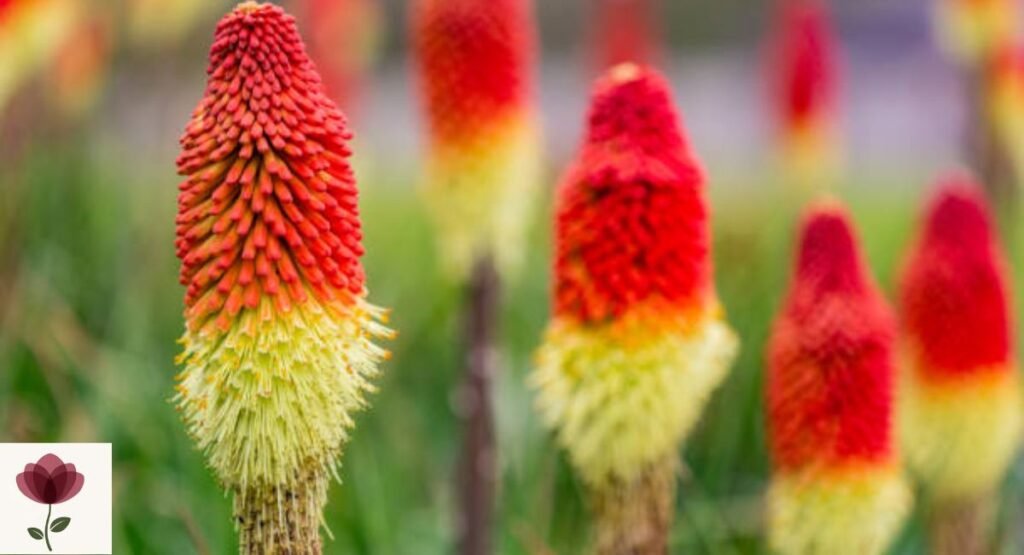
Torch lily, Kniphofia uvaria, produces upright spikes filled with red, orange, and yellow flowers. The blooms resemble glowing torches above narrow foliage. This perennial generally enjoys full sun and well-drained soil. It works well as a vertical accent in borders. Unlike low-growing bedding plants, torch lily gives the garden height. Mulch can protect roots during colder winters outside its preferred climate range.
Treasure Flower
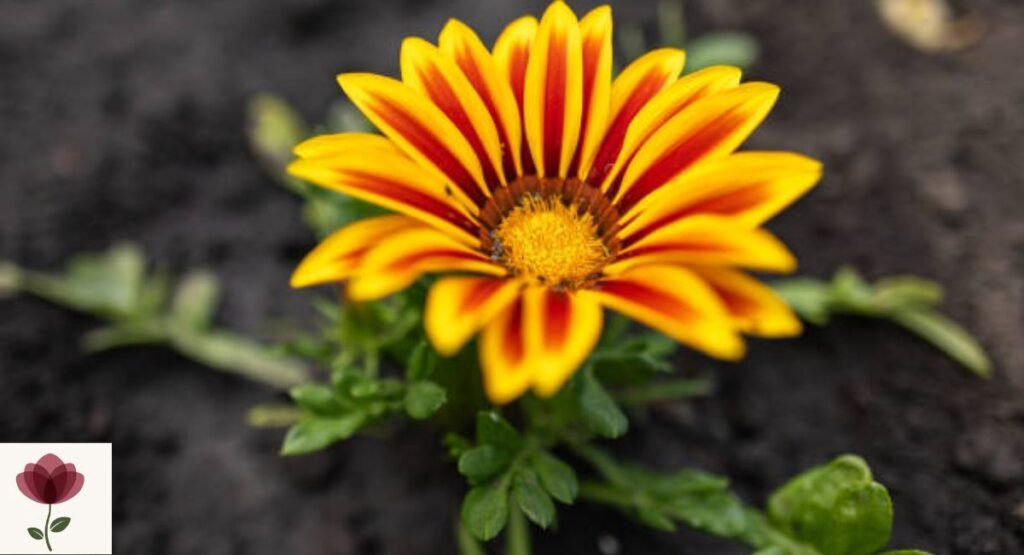
Treasure flower, Gazania rigens, produces brilliant flowers that open widely in strong sunlight. Orange, yellow, pink, and mixed forms are common. It prefers bright conditions and relatively dry soil. This makes it useful for sunny borders, rock gardens, and containers. Flowers may close during cloudy weather or at night. That behavior is normal. Good drainage matters more than rich soil.
Thrift
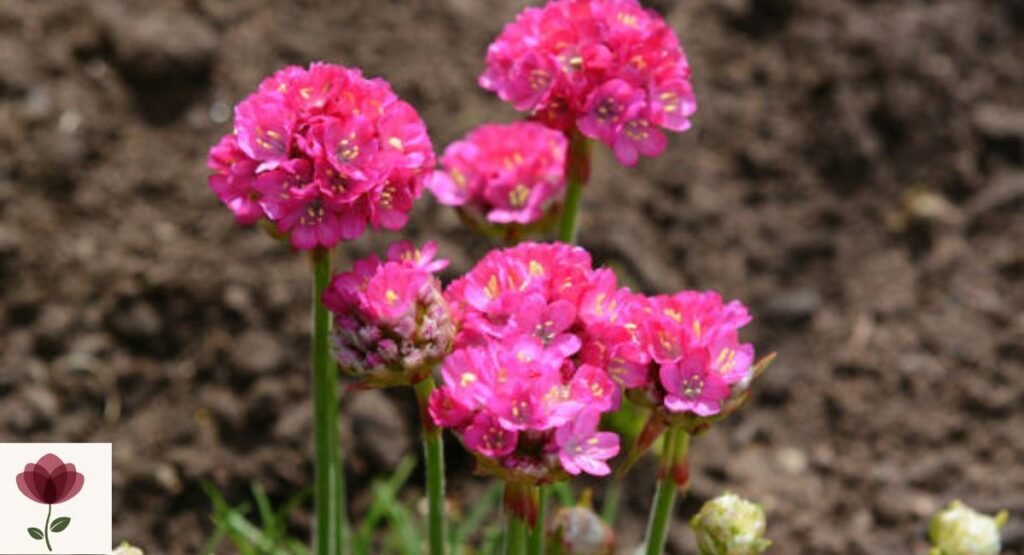
Thrift, Armeria maritima, forms compact cushions of narrow foliage. Rounded flower heads appear above the foliage in pink or white. This perennial works especially well in rock gardens and edging. It tolerates wind and relatively poor soils once established. Full sun encourages compact growth and better flowering. Overwatering can cause trouble. Therefore, choose a site with excellent drainage.
Texas Bluebonnet
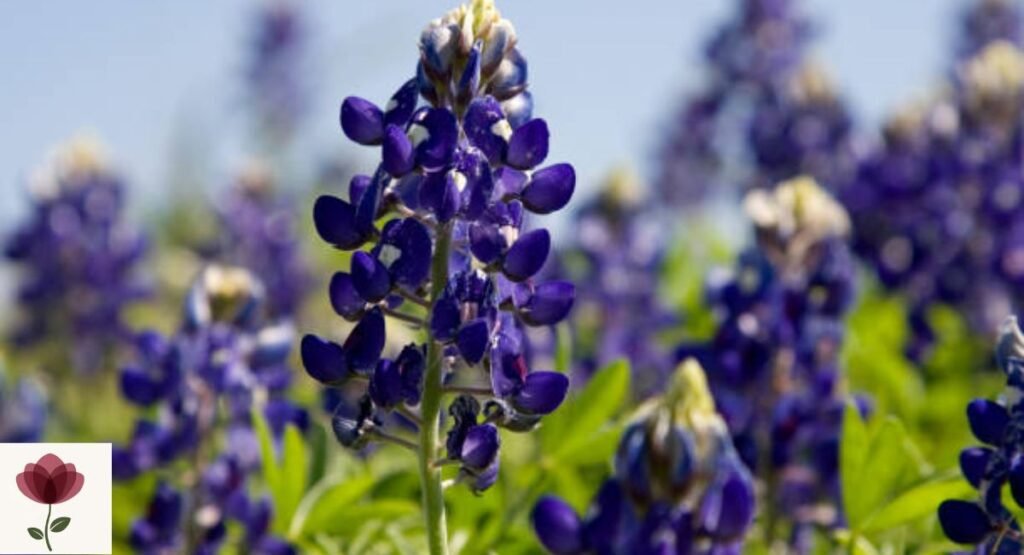
Texas bluebonnet, Lupinus texensis, is one of the most recognizable wildflowers associated with Texas. Its blue flower spikes appear mainly in spring. The annual or short-lived plant prefers sunny, open conditions. It works beautifully in naturalized landscapes and wildflower areas. Well-drained soil helps prevent root problems. Its bold blue color also creates strong contrast beside yellow or white spring flowers.
Texas Lantana
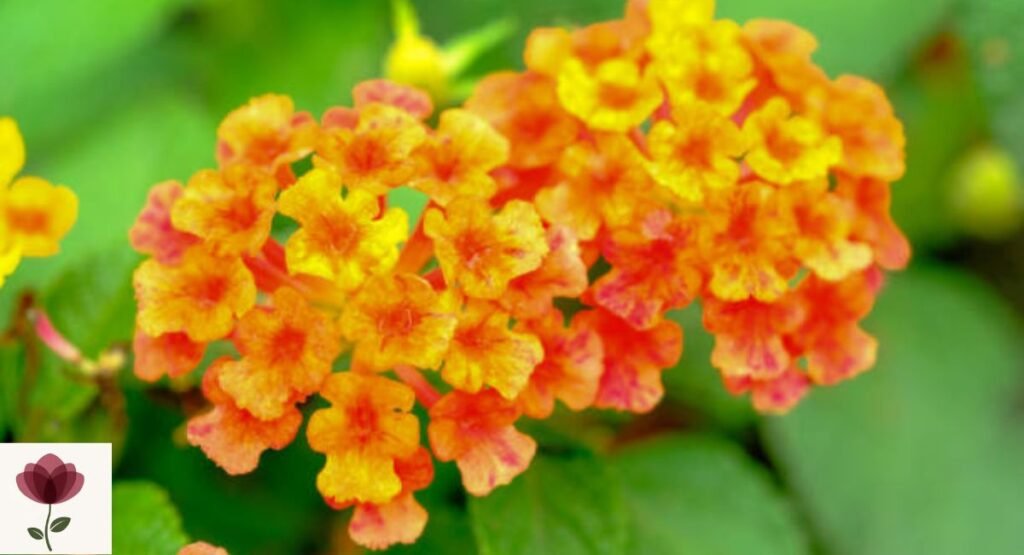
Texas lantana, Lantana urticoides, is a warm-climate shrub with clusters of orange and yellow flowers. It thrives in full sun and handles heat well. Butterflies often visit its blooms. The plant works particularly well in dry, sunny landscapes across suitable USDA Zones. Once established, it can tolerate periods of limited rainfall. Avoid planting it in poorly drained soil.
Tibouchina
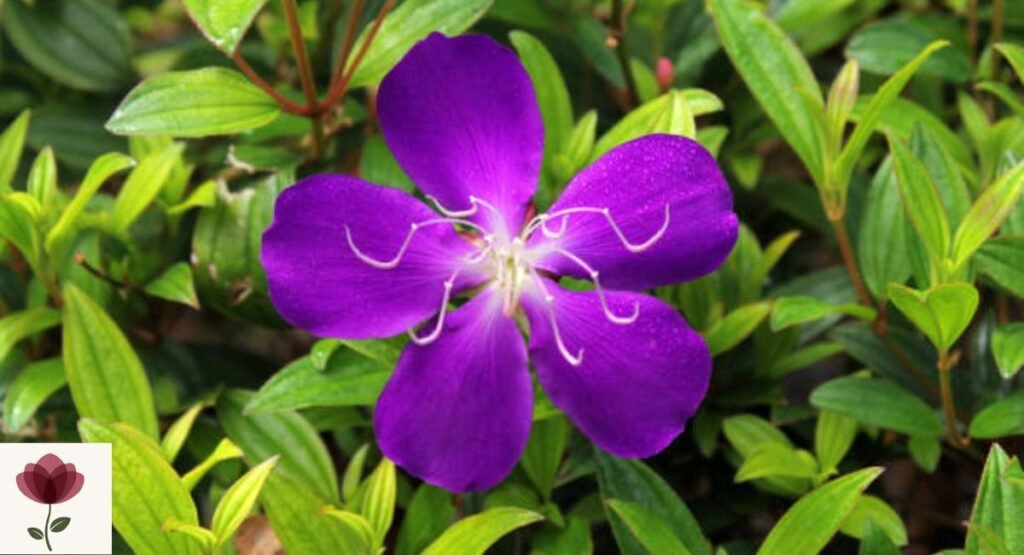
Tibouchina, Tibouchina urvilleana, is famous for rich purple flowers and velvety foliage. It prefers warm climates and performs best in USDA Zones 9–11. In cooler regions, gardeners can grow it in large containers. Bright light encourages flowering, although harsh afternoon conditions can stress plants. Its bold color makes it a strong focal plant. Few T flowers create quite the same tropical impression.
Tuberous Begonia
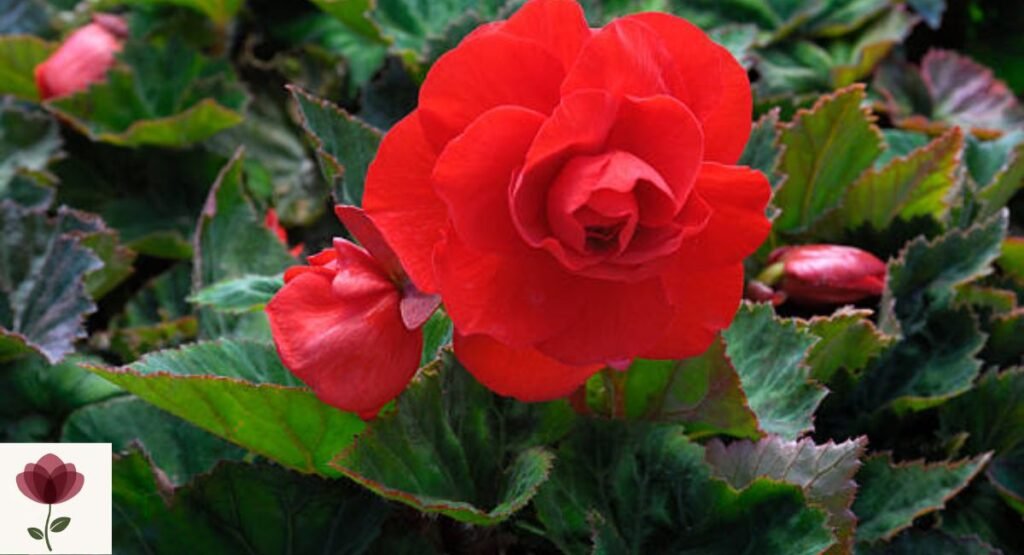
Tuberous begonia, Begonia tuberhybrida, produces large flowers in many colors. It prefers bright filtered light rather than intense afternoon sun. This makes it an excellent container plant for patios and shaded porches. In warm climates, it can remain outdoors for much of the growing season. Good drainage is essential. Avoid soaking the foliage repeatedly because wet conditions can encourage disease.
Twinspur
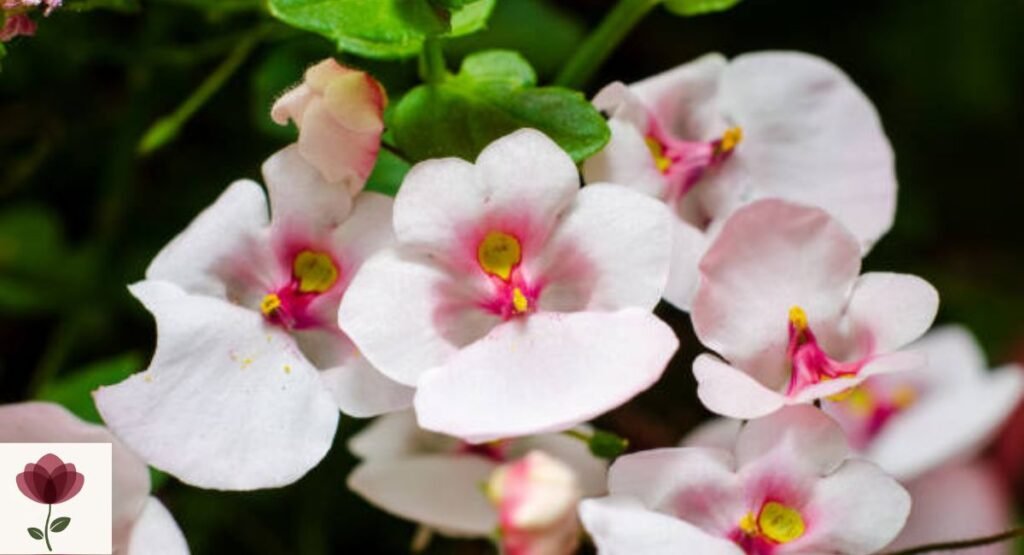
Twinspur, Diascia spp., produces small flowers with paired spurs. Pink, coral, apricot, and soft red shades are common. It works particularly well in containers, window boxes, and front borders. Depending on climate, it can behave as an annual or perennial. Regular moisture supports better flowering. Removing faded blooms can also keep plants looking tidy.
Thalictrum
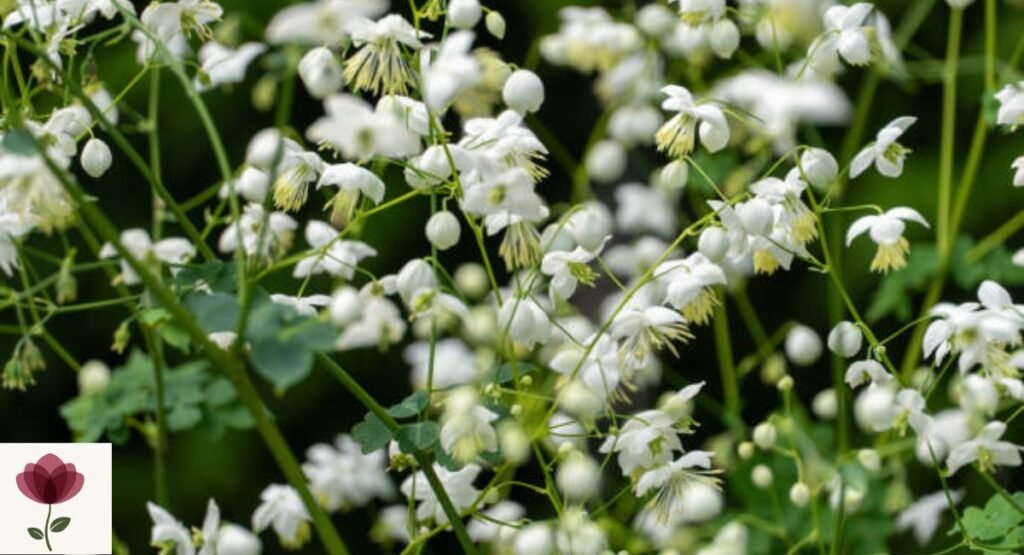
Thalictrum, commonly called meadow rue, produces airy sprays of tiny flowers. Depending on species, flowers may appear lilac, cream, yellow, or pink. The plant suits woodland borders and partial shade. Its fine texture creates a soft contrast beside broad-leaved plants. Some species can become tall. Therefore, place them toward the middle or back of a border.
Thunbergia
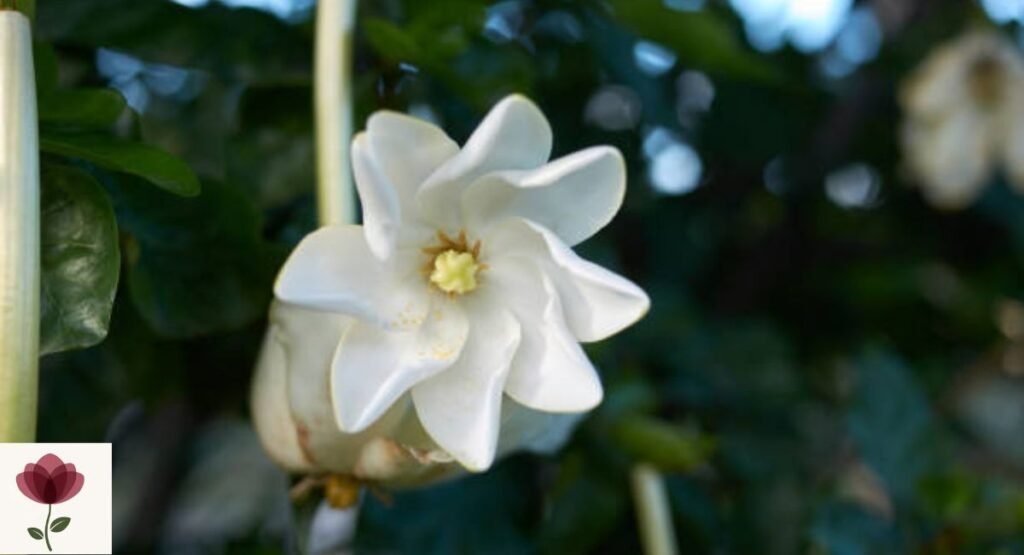
Thunbergia includes several climbing and trailing flowering plants. Many produce colorful blooms that work well on trellises and hanging baskets. Black-eyed Susan vine is one familiar example. Most types prefer warmth and bright light. In colder USA zones, gardeners often grow them as seasonal plants. Provide support early. Vines can become difficult to manage once they mature.
Turtlehead
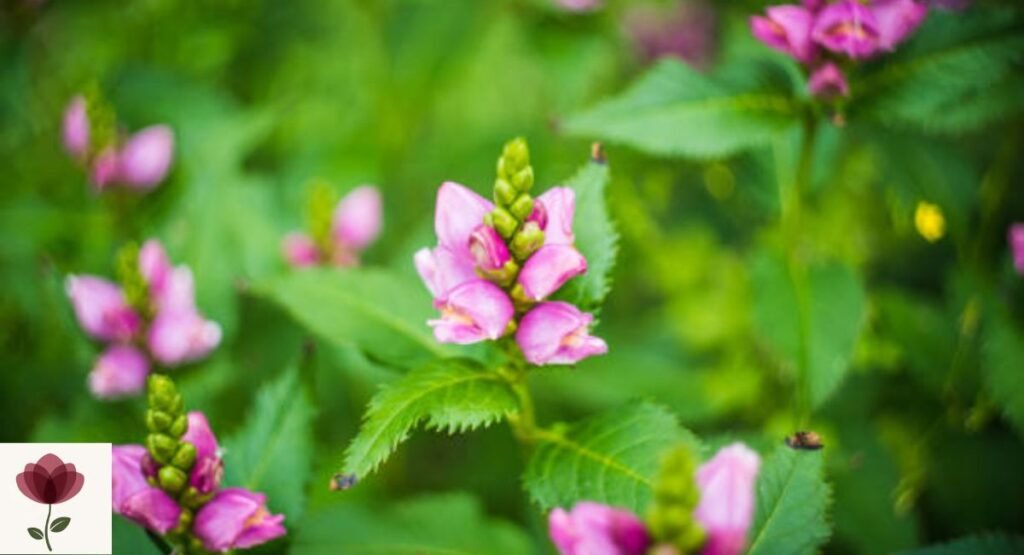
Turtlehead, Chelone spp., receives its common name from flowers that resemble the head of a turtle. Pink and white blooms appear in late summer or fall. These perennials prefer moist soil and partial shade. They work well beside streams, ponds, and rain gardens. Unlike many dry-garden plants, turtlehead appreciates consistent moisture. Good air circulation still helps prevent foliage problems.
Trumpet Lily
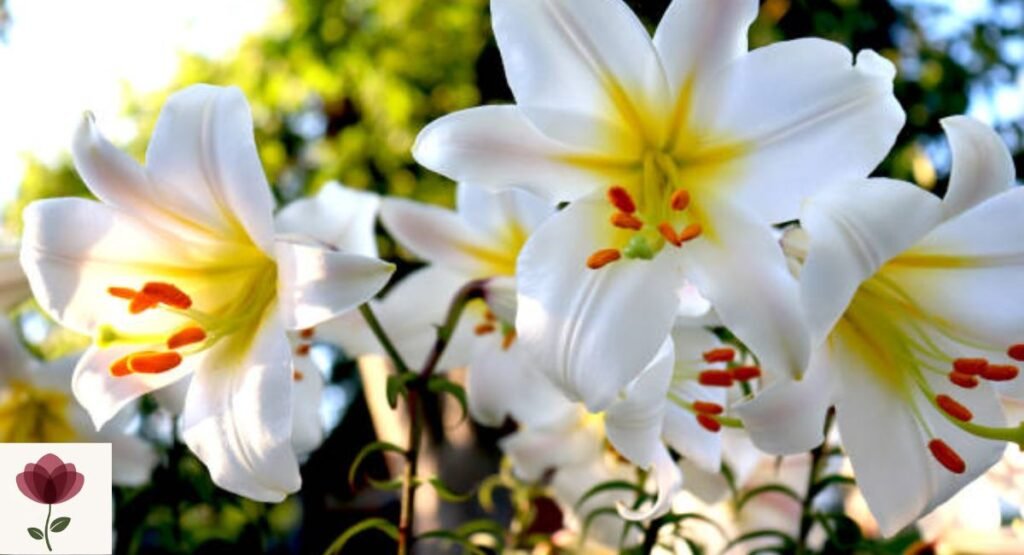
Trumpet lily, Lilium regale, produces large, flared flowers with a noticeable fragrance. White petals often show pink or purple tones outside. Summer is its main flowering period. It prefers full sun and well-drained soil. Trumpet lily can become a dramatic centerpiece in a perennial border. Its tall stems also make it useful for cutting.
Trumpet Honeysuckle
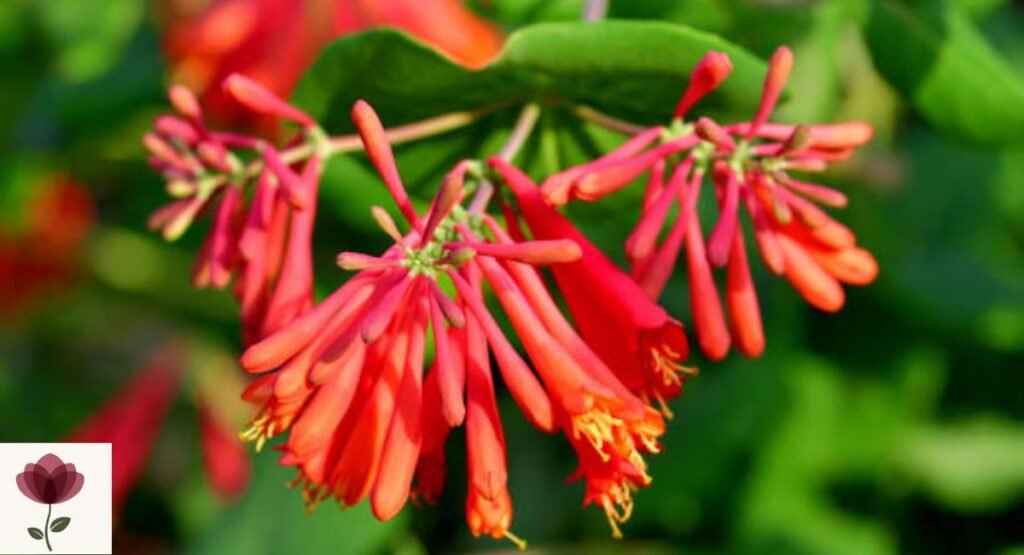
Trumpet honeysuckle, Lonicera sempervirens, is a native-style flowering vine with slender red or coral blooms. It suits trellises, fences, and wildlife gardens. Hummingbirds often visit its tubular flowers. Full sun usually encourages stronger flowering. The vine also tolerates some shade. Give it sturdy support and enough room to climb.
Tickseed
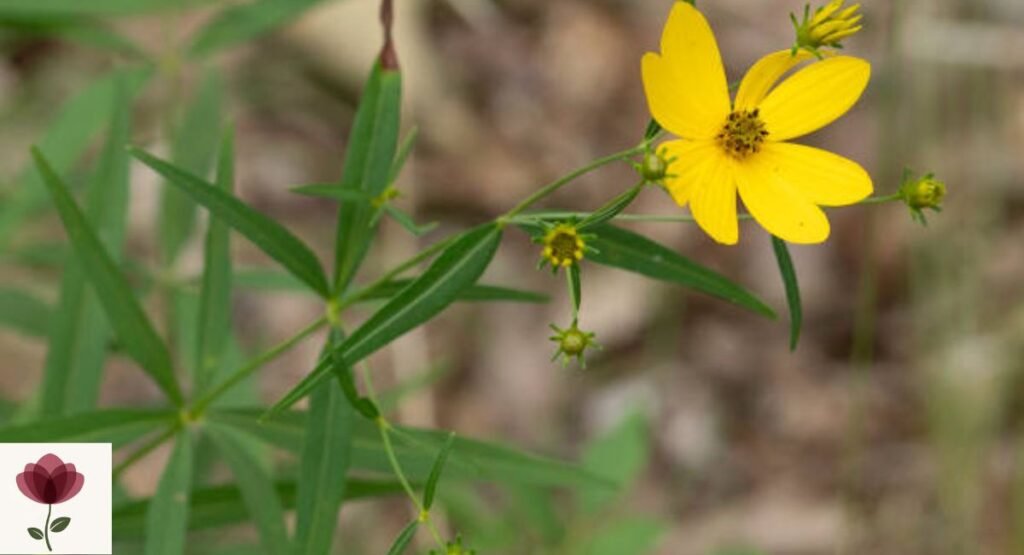
Tickseed, Coreopsis spp., is a reliable perennial or seasonal bedding choice depending on species. Yellow flowers dominate many varieties, although red and pink forms exist. It blooms for a long period during summer and fall. Full sun produces the best flowering. Tickseed is useful for beginners because it tolerates a range of ordinary garden conditions. Deadheading can keep the display fresh.
Tiger Flower
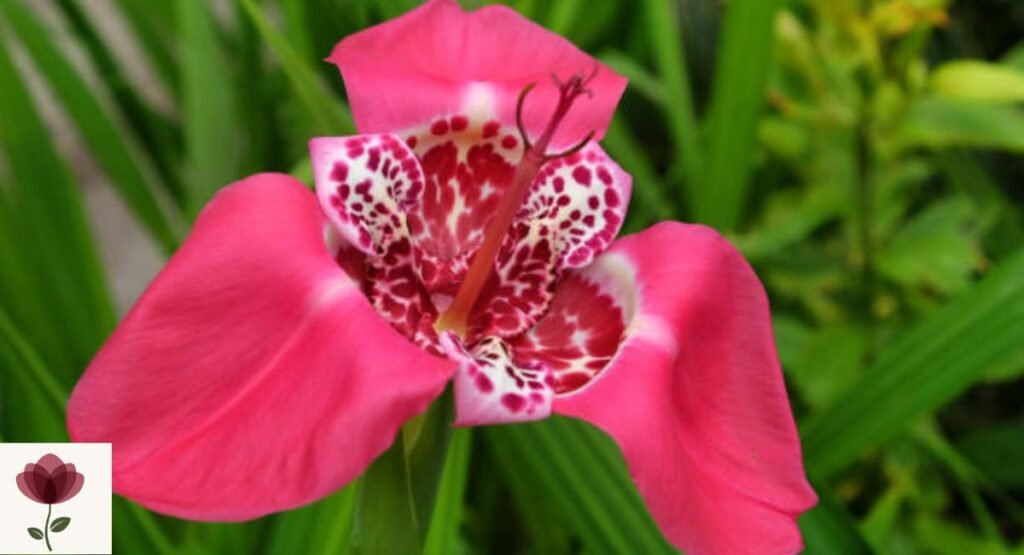
Tiger flower, Tigridia pavonia, grows from corms and produces spectacular patterned blooms. Orange, red, pink, and yellow flowers can feature contrasting centers. Each bloom may last only briefly. However, several flowers can appear over the growing season. This unusual rhythm makes tiger flower a fun choice for curious gardeners. Plant corms after frost danger has passed in colder regions.
Discover T Flowers by Their Colors
Flowers that start with T have many color variations. Color can change the entire mood of a garden. Purple blooms feel calm and rich, while orange flowers create warmth and energy. Purple flowers and blue flowers also work well beside silvery foliage. Meanwhile, white blooms can brighten darker corners and make evening gardens feel larger.
When choosing flower colors, think beyond one plant. A successful border often combines contrasting shades with different bloom shapes. For example, orange tiger lilies can stand beside blue-purple flowers for strong visual contrast. Soft pink flowers can then soften the arrangement. This simple approach creates depth without making the garden feel chaotic.
Purple Flowers
Purple T flowers range from soft lavender to deep royal tones. Tibouchina creates rich purple blooms, while toad lily offers spotted violet flowers. Thalictrum adds airy lilac sprays. Trachelium provides blue-violet flower clusters. These choices work especially well with silver foliage and pale grasses.
Blue Flowers
Blue flowers can be surprisingly uncommon. Tibetan blue poppy is famous for its unusual cool-blue color. Tweedia also offers soft sky-blue blooms. Triteleia provides blue or purple star-shaped flowers. For a calmer palette, combine blue T flowers with white flowers and green foliage.
Pink Flowers
Pink T flowers offer a softer garden mood. Texas primrose produces pale pink blooms, while twinspur brings coral and pink shades to containers. Tree peony can produce large, luxurious pink flowers. These varieties fit cottage gardens, mixed borders, and cutting gardens.
Red Flowers
Red T flowers bring strong visual impact. Tiger flower can show vivid red patterns, while torch ginger offers bold tropical color. Texas Star Hibiscus produces large scarlet flowers. Red trumpet honeysuckle adds a different effect through narrow tubular blooms.
Orange Flowers
Orange flowers instantly warm a landscape. Tithonia creates bright orange disks, while tiger lily carries orange petals marked with dark spots. Treasure flower can add orange daisy-like blooms to dry, sunny spaces. These plants work beautifully beside blue or purple flowers.
Yellow Flowers
Yellow T flowers can make a garden look brighter even on cloudy days. Tickseed offers long-lasting yellow blooms. Trollius creates rounded golden flowers in suitable moist locations. Tree lupin carries yellow flower spikes. Many yellow varieties also pair well with purple plants.
White Flowers
White flowers are useful for contrast and evening visibility. Tuberose adds both white color and strong fragrance. Trillium can produce clean white spring flowers in woodland gardens. Trumpet lily combines white blooms with fragrance. White T flowers also work well in moon gardens and formal borders.
Explore T Flowers by Plant Type
Plant type tells you how a flower grows and how you should use it. Annual flowers often provide quick seasonal color. Perennials return for multiple seasons. Bulbs and corms store energy underground. Vines climb upward, while shrubs create permanent structure. Knowing the growth habit makes garden planning much easier.
A mixed garden benefits from different plant forms. For instance, a tall shrub can provide structure while a low perennial fills the foreground. A vine can use vertical space that would otherwise remain empty. Meanwhile, bulbs can create a burst of spring color before summer plants take over.
Annual Flowers
Annual T flowers are useful when you want quick color. Tagetes, tithonia, tassel flower, tidy tips, and tobacco flower can fill seasonal gaps. Torenia also works well as a warm-weather bedding plant. Annuals let you experiment without committing to one permanent design.
Perennial Flowers
Perennial T flowers return when growing conditions suit them. Trillium, toad lily, torch lily, turtlehead, thrift, and thalictrum are useful examples. Their long-term value makes them important in permanent borders. However, perennial does not always mean maintenance-free. Soil, light, and climate still matter.
Bulb Flowers
Bulbs store energy underground and usually emerge during a predictable season. Tulips and lilies are famous examples. Planting depth matters because bulbs need the right soil temperature and drainage. Rot can become a problem in heavy wet soil.
Corm Flowers
Corms resemble bulbs but have a different internal structure. Tiger flower, triteleia, and tritonia are examples. They often appreciate warm soil during active growth. In colder climates, gardeners may need to lift tender corms before winter.
Wildflowers
Wildflowers create a looser, more natural appearance. Texas bluebonnet, Texas paintbrush, triodanis, and Tennessee coneflower fit this style. These plants can work well in meadow areas. They also help break the rigid look of formal beds.
Flowering Shrubs
Shrubby T plants provide height and long-term structure. Texas sage, Texas mountain laurel, Texas lantana, and tree peony are useful examples. Shrubs need enough space around their mature size. Crowding them can reduce airflow and make pruning harder.
Flowering Vines
Vines use vertical space efficiently. Trumpet honeysuckle, trumpet vine, thunbergia, and traveller’s joy can climb fences or trellises. Strong support matters. Some vigorous vines can also spread rapidly, so regular training keeps them under control.
Tropical Flowers
Tropical T flowers often bring dramatic color and unusual shapes. Torch ginger, tibouchina, Tahitian gardenia, and Thevetia fit warm-climate landscapes. In colder USA areas, many require containers or seasonal treatment. Their exotic appearance can transform a patio.
Woodland Flowers
Woodland flowers prefer softer light and organic soil. Trillium, toothwort, tiarella, turtlehead, and toad lily can work well in these settings. Mulch helps maintain soil moisture. Avoid disturbing woodland plants unnecessarily once established.
T Flowers for Every Season
Seasonal planning keeps a garden from looking empty between major bloom periods. Spring-blooming flowers often emerge from bulbs or woodland habitats. Summer brings taller annuals and perennials. Fall can feature late-blooming lilies, asters, and other colorful plants. Choosing several bloom windows creates a smoother display.
For example, tulips can begin the year with strong color. Later, tiger lilies and torch lilies can take over. Tithonia can continue through warm weather. Toad lily and turtlehead then help carry interest toward fall. The result feels intentional rather than accidental.
Spring-Blooming T Flowers
Spring brings tulips, trilliums, thrift, Texas bluebonnets, and some tree peonies into focus. Many spring flowers appreciate cool temperatures and good drainage. Bulbs often benefit from autumn planting. Woodland perennials prefer leaf-rich soil and filtered light.
Summer-Blooming T Flowers
Summer is the busiest season for T flowers. Tithonia, tiger lily, torch lily, torenia, tuberose, and turtlehead can all add color. Heat-loving varieties usually perform best with adequate moisture during establishment. Mulching can help reduce rapid soil drying.
Fall-Blooming T Flowers
Fall brings a quieter but valuable wave of color. Tithonia can continue flowering, while tree dahlia may bloom later in warm climates. Toad lily and turtlehead also help extend the season. These late flowers can support pollinators when fewer garden plants remain in bloom.
Long-Blooming T Flowers
Some T flowers can provide color for many weeks. Tickseed is especially useful for extended summer displays. Torenia can bloom repeatedly when conditions remain favorable. Trailing verbena can also provide a long season of flowers. Regular deadheading may encourage continued performance in suitable varieties.
Best Annual Flowers That Start With T
Annuals can solve a common garden problem: empty space. They grow quickly and provide a strong seasonal payoff. Annual flowers such as Tagetes, tithonia, tassel flower, and tidy tips are useful for sunny beds. Torenia offers another option for containers and partial shade.
In warmer USA regions, some plants can survive longer than one season. In colder areas, gardeners may treat them as annuals. That distinction explains why plant labels sometimes differ. Always check local growing conditions before assuming a plant behaves the same everywhere.
Best Purple Flowers That Start With T
Purple creates a sophisticated garden palette. Tibouchina is one of the strongest choices for warm climates because its blooms can reach an intense royal purple. Toad lily adds spotted violet flowers. Thalictrum provides a softer effect with airy sprays. Trachelium works well as a bouquet filler.
Tibetan blue poppy and tweedia offer cooler tones that sit between blue and purple. Tundra aster can add late-season violet color. Torenia also gives containers a reliable purple accent. Together, these purple T flowers can create a layered palette without relying on one plant alone.
Rare T Flowers You May Not Know
Some T flowers feel like botanical treasures. Tecophilaea is admired for striking blue blooms. Telipogon belongs to a specialized orchid group. Twayblade has a subtle woodland character. Tower of Jewels creates a dramatic flower spike. These plants appeal to gardeners who enjoy unusual shapes and uncommon species.
Rare does not always mean difficult. However, some uncommon plants have narrow growing requirements. Tibetan blue poppy, for example, prefers cooler conditions than many summer garden favorites. Before buying an unusual plant, check its hardiness zone, soil needs, and expected mature size.
T Flowers for Sunny and Shady Gardens
Light can make or break a flowering plant. A sun-loving flower placed beneath dense trees may produce leaves without many blooms. Conversely, a shade plant exposed to harsh afternoon sun may wilt quickly. Full sun flowers and shade plants therefore need very different locations.
Start by observing your garden during different parts of the day. Morning light feels different from intense western sun. Also consider seasonal changes because trees can cast longer shadows in summer. Once you understand your light pattern, selecting T flowers becomes much easier.
T Flowers for Full Sun
Tulip, tithonia, tiger lily, thrift, tickseed, and treasure flower generally appreciate strong light. Full sun often encourages heavier flowering. Well-drained soil becomes particularly important in hot regions. Mulch can reduce moisture loss around the roots.
T Flowers for Partial Shade
Toad lily, tiarella, torenia, turtlehead, and thalictrum can suit partial shade. These plants are useful under open trees or beside buildings. Morning sun with afternoon protection can work especially well. Keep soil moisture appropriate for the chosen variety.
T Flowers for Woodland Gardens
Trillium, toothwort, tiarella, twayblade, and certain thalictrum species fit woodland-style spaces. These plants generally prefer organic soil and filtered light. Let fallen leaves enrich the ground naturally where appropriate. Avoid deep disturbance around established woodland plants.
T Flowers for Hot and Dry Areas
Texas lantana, Texas sage, treasure flower, thrift, and some Tagetes varieties can handle bright, dry conditions. Drainage matters greatly in these spaces. Water deeply during establishment. Once roots develop, suitable plants can become more resilient.
T Flowers for Moist Garden Areas
Turtlehead, Thalia, Trautvetteria, and some Trollius species prefer more moisture. These plants can suit pond margins and rain-friendly beds. However, moisture-loving does not always mean permanently flooded. Match the plant with the actual water conditions.
Best T Flowers for Pots, Patios & Small Spaces
Container gardening gives you more control over soil and moisture. Container-friendly flowers are especially useful for balconies, patios, entrances, and small yards. Torenia works well in partial shade. Twinspur and trailing verbena can spill over pot edges. Tuberous begonia adds large flowers without demanding full sun.
Tulips can also grow in containers when bulbs receive suitable chilling conditions. Tibouchina can become a striking patio specimen in warm climates. Use containers with drainage holes. A beautiful pot is still a poor home if excess water cannot escape.
T Flowers for Pollinators and Wildlife
A wildlife garden does more than look pretty. It gives insects and birds places to feed. Tithonia, Texas lantana, Tennessee coneflower, thistle, and trumpet honeysuckle can provide useful floral resources. Their different flower shapes also support different visitors.
For the strongest result, avoid creating a garden where everything blooms simultaneously. Instead, combine plants with different bloom periods. This creates a longer feeding window. Trumpet honeysuckle can also add vertical habitat while tithonia provides late-season color.
T Flowers for Butterflies
Tithonia and Texas lantana can be valuable choices for butterfly-friendly spaces. Their bright blooms stand out in sunny areas. Planting several flowers together can make a larger visual target. Avoid relying on one species alone.
T Flowers for Bees
Tickseed and thistle can support pollinating insects when they bloom. Other flowering T plants can contribute as well. Choose varieties with accessible flowers when possible. A long blooming period can matter as much as flower color.
T Flowers for Hummingbirds
Trumpet honeysuckle is particularly useful for hummingbird gardens because of its tubular red or coral flowers. Trumpet-shaped blooms can make nectar easier for hummingbirds to reach. Place vines where you can enjoy their activity without disturbing visiting birds.
Best Wildlife-Friendly T Flowers
A strong combination could include tithonia, trumpet honeysuckle, Texas lantana, and Tennessee coneflower. Each contributes a different growth form. One provides height, another spreads, and another fills the border. This creates a more natural planting instead of a single-species patch.
Fragrant Flowers That Start With T
Fragrance can transform a garden after sunset. Tuberose is famous for its powerful scent. Tea rose offers a softer classic rose fragrance. Tobacco flower can release fragrance later in the day. Tahitian gardenia adds a tropical perfume. Trumpet lily contributes scent alongside large flowers.
Place fragrant plants where you naturally walk or sit. There’s little benefit in hiding a strongly scented flower at the far edge of the property. Fragrant flowers work best near patios, doors, pathways, and windows. This simple placement turns scent into part of the garden experience.
Best T Flowers for Different Garden Styles
Garden style changes which plants feel natural in a space. A woodland garden needs a different plant character than a tropical patio. The table below connects T flower choices with common USA garden designs. Think of it as a starting point rather than a strict recipe.
| Garden Style | Recommended T Flowers |
| Cottage Garden | Tea Rose, Twinspur, Tulip, Toad Lily |
| Woodland Garden | Trillium, Tiarella, Toothwort, Twayblade |
| Pollinator Garden | Tithonia, Thistle, Tickseed, Texas Lantana |
| Rock Garden | Thrift, Tidy Tips, Townsend Daisy, Treasure Flower |
| Tropical Garden | Torch Ginger, Tibouchina, Tahitian Gardenia, Thevetia |
| Cutting Garden | Tulip, Tuberose, Trachelium, Trumpet Lily |
| Container Garden | Torenia, Twinspur, Tuberous Begonia, Trailing Verbena |
| Wildlife Garden | Trumpet Honeysuckle, Tithonia, Tennessee Coneflower, Texas Lantana |
| Shade Garden | Toad Lily, Trillium, Tiarella, Turtlehead |
| Beginner Garden | Tagetes, Tickseed, Tithonia, Treasure Flower |
Interesting Facts About Flowers That Start With T
Flowers that start with T contains some surprisingly unusual botanical stories. Tulips became deeply associated with spring gardens, while tuberose earned a reputation for powerful perfume. Tiger lilies are famous for their recurved spotted petals. Tibetan blue poppy stands apart because of its unusual blue flowers. Meanwhile, some T plants are valued more for foliage or structure than sheer flower size.
Another interesting detail is that not every name on a broad alphabetical flower list represents a classic garden flower. Some refer to shrubs, herbs, vines, orchids, or other flowering plants. That’s why botanical names matter. They tell you exactly what plant you’re discussing.
Easy Growing Guide for T Flowers
Growing success begins before planting. Easy-to-grow flowers still need suitable light, soil, water, and climate. A plant labeled “easy” can struggle when planted in the wrong place. Start with your USDA zone and sunlight pattern. Then match the plant instead of forcing the garden to match it.
Think of gardening like finding the right seat at a table. The plant has preferences. Your job is to give it a reasonable match. When light, drainage, temperature, and moisture line up, flowering usually becomes easier.
Choosing the Right Soil
Most flowering plants dislike permanently waterlogged soil. Bulbs and corms are especially vulnerable to rot when drainage remains poor. Woodland plants may prefer rich organic soil instead. Before planting, learn whether your chosen T flower prefers dry, average, or moist conditions.
Understanding Sunlight Requirements
Full sun usually means several hours of direct light each day. Partial shade provides less direct exposure. Shade-loving plants often prefer filtered light rather than complete darkness. Watch the site before planting because buildings and trees can change sunlight throughout the year.
Watering T Flowers
Newly planted flowers need regular moisture while roots establish. Mature drought-tolerant plants may need less frequent watering. Avoid shallow daily watering when deep watering would encourage stronger roots. At the same time, never assume every T flower wants dry soil.
Feeding and Fertilizing
Fertilizer can support growth when soil lacks nutrients. However, more fertilizer does not automatically mean more flowers. Excess nitrogen can push leafy growth at the expense of blooms. A soil test can provide better guidance than guesswork.
Pruning and Deadheading
Removing faded flowers can improve the appearance of many plants. Some varieties may also respond with additional blooms. However, don’t cut every plant in the same way. Shrubs, bulbs, woodland plants, and annuals have different pruning needs.
Protecting Plants From Common Problems
Good spacing improves airflow and can reduce some disease problems. Water roots rather than repeatedly soaking foliage when practical. Watch for aphids, caterpillars, fungal spots, and root problems. Early action usually works better than waiting for damage to spread.
Preparing T Flowers for Winter
USDA hardiness zones offer a useful guide for winter survival. Tender plants may need mulch, indoor storage, or seasonal treatment in colder regions. Bulbs and corms can require special handling outside their natural climate. Always check the specific plant rather than relying only on its common name.
Conclusion
Flowers that start with T offer an exciting mix of familiar favorites and unusual garden treasures. From bright tulips and tiger lilies to fragrant tuberose and elegant trillium, there’s something for almost every garden style. You can choose annuals for quick color or perennials for lasting beauty. Purple, pink, yellow, white, and orange blooms also make it easy to create a pleasing color scheme.
Whether you have a sunny yard, shady corner, patio, or wildlife garden, the right T flower can add charm and character. Choose plants that match your USDA zone, soil, sunlight, and watering needs. With the right care, these beautiful blooms can make your garden feel lively and welcoming.
FAQs
What are the most popular flowers that start with T?
Tulip, tuberose, tiger lily, trillium, torenia, toad lily, tithonia, and torch lily are among the best-known T flowers. Their popularity comes from distinctive flowers, useful garden habits, fragrance, or strong seasonal color.
What are some purple flowers that start with T?
Tibouchina, toad lily, thalictrum, trachelium, torenia, tundra aster, and tweedia can provide purple, violet, lavender, or blue-purple tones. Their growing needs vary considerably.
What annual flowers start with T?
Tagetes, tithonia, tassel flower, tidy tips, tobacco flower, touch-me-not, tulip poppy, and many torenia varieties can be grown as annuals. Climate affects whether some plants survive for another season.
What are some rare flowers that start with T?
Tecophilaea, Telipogon, twayblade, tower of jewels, and Tibetan blue poppy are less familiar choices. Several appeal to collectors because of unusual colors, shapes, or growing requirements.
Which T flowers are easiest to grow?
Tagetes, tickseed, tithonia, treasure flower, and tulips can be approachable choices when planted in suitable conditions. Beginners should still match each plant with the correct sunlight, soil, and climate.

Welcome to PetalNexa! I’m Anam Sattar, an AI-powered SEO Specialist and Content Writer with over 4 years of experience in creating high-quality, search-optimized content. I help businesses improve their search engine rankings, increase organic traffic, and build beautiful, user-friendly websites. My mission is to make SEO, content creation, and web design simple, effective, and accessible for everyone. Let’s grow your online presence and achieve success together!