


If you’re searching for flowers that start with S, you’ll find an amazing range of blooms for every garden style. From cheerful sunflowers and fragrant sweet peas to elegant snapdragons and colorful salvia, these flower names offer plenty of choices. Some are perfect for sunny borders, while others work beautifully in pots, cutting gardens, or pollinator gardens. You can also discover rare choices such as sea holly, saffron crocus, and Stokes’ aster.
In this guide, we’ll explore their flower colors, types, bloom seasons, growing needs, and USDA zones. Whether you’re a beginner gardener or simply love discovering new flowering plants, this complete guide will help you find the perfect S flower for your space.
What Are Flowers That Start With S?
Flowers that start with S are flowering plants whose common names begin with the letter S. Popular examples include sunflower, snapdragon, sweet pea, salvia, scabiosa, Shasta daisy, and snowdrop. These plants range from annuals and perennials to bulbs, vines, shrubs, and flowering trees.
The term flowers beginning with S can cover different plants depending on how a list is created. A narrow list may include only plants mainly grown for their flowers. A broader list can include flowering shrubs, herbs, vines, aquatic plants, and ornamental trees. This guide uses the broader approach to provide a more useful reference.
Complete List of 100 Flower Names That Start With S
Flowers that start with S come in almost every major garden form. The table below gives you a quick reference for 100 names. It includes the main flower color, plant type, typical flowering period, and a representative USDA hardiness range.
The USDA hardiness zone is helpful when choosing perennial flowers for American gardens. However, a zone is not a guarantee of success. Soil, rainfall, humidity, sunlight, wind, drainage, and local microclimates can change how a plant performs. Always check the requirements of the exact species or cultivar before planting.
| # | Flower Name | Main Color(s) | Type | Bloom Season | USDA Zone |
| 1 | Safflower | Yellow, orange | Annual | Summer | 3–10 |
| 2 | Saffron Crocus | Purple | Corm | Fall | 4–9 |
| 3 | Safari Sunset | Red, burgundy | Shrub | Winter–spring | 9–11 |
| 4 | Sage | Purple, blue | Perennial herb | Spring–summer | 4–10 |
| 5 | Salvia | Purple, red, pink, blue | Annual/perennial | Spring–fall | 5–10 |
| 6 | Sand Phlox | Lavender, blue | Perennial | Spring | 3–8 |
| 7 | Sanvitalia | Yellow | Annual | Summer–fall | 2–11 |
| 8 | Sasanqua | Pink, white, red | Flowering shrub | Fall–winter | 7–10 |
| 9 | Saxifrage | White, pink, red | Perennial | Spring–summer | 4–9 |
| 10 | Scabiosa | Purple, pink, white, blue | Annual/perennial | Summer–fall | 3–8 |
| 11 | Scaevola | Blue, purple, white | Tender perennial | Spring–fall | 9–11 |
| 12 | Scarlet Bottlebrush | Red | Shrub | Spring–summer | 8–11 |
| 13 | Scarlet Flax | Red | Annual | Spring–summer | 3–10 |
| 14 | Scarlet Pimpernel | Orange, red | Annual | Spring–summer | 6–10 |
| 15 | Scarlet Rose Mallow | Red | Perennial | Summer–fall | 5–9 |
| 16 | Scarlet Sage | Red | Annual | Summer–fall | 10–11 |
| 17 | Scorpion Flower | Blue | Annual | Spring–summer | 3–10 |
| 18 | Scotch Broom | Yellow | Shrub | Spring–summer | 5–8 |
| 19 | Sea Daffodil | White | Bulb | Summer–fall | 8–11 |
| 20 | Sea Grape | Greenish-white | Shrub/tree | Spring | 10–11 |
| 21 | Sea Holly | Blue, silver | Perennial | Summer | 4–9 |
| 22 | Sea Lavender | Lavender, purple | Perennial | Summer | 4–9 |
| 23 | Sea Thrift | Pink, white | Perennial | Spring–summer | 4–8 |
| 24 | Serbian Bellflower | Blue, lavender | Perennial | Spring–summer | 3–8 |
| 25 | Shasta Daisy | White | Perennial | Summer | 4–9 |
| 26 | Shepherd’s Purse | White | Annual/biennial | Spring | 4–10 |
| 27 | Shirley Poppy | Red, pink, white | Annual | Spring–summer | 3–10 |
| 28 | Shooting Star | Pink, white | Perennial | Spring | 3–8 |
| 29 | Showy Stonecrop | Pink | Perennial succulent | Summer–fall | 3–9 |
| 30 | Siberian Iris | Purple, blue, white | Perennial | Spring–summer | 3–9 |
| 31 | Sidalcea | Pink, white | Perennial | Summer | 3–9 |
| 32 | Silene | Pink, white, red | Annual/perennial | Spring–summer | 4–9 |
| 33 | Silver Lace Vine | White | Flowering vine | Summer–fall | 4–9 |
| 34 | Silverweed | Yellow | Perennial | Summer | 3–9 |
| 35 | Small Globe Thistle | Blue | Perennial | Summer | 3–8 |
| 36 | Snake’s Head Fritillary | Purple, white | Bulb | Spring | 4–8 |
| 37 | Sneezeweed | Yellow, orange, red | Perennial | Summer–fall | 3–8 |
| 38 | Snow-in-Summer | White | Perennial | Spring–summer | 3–7 |
| 39 | Snowball Viburnum | White | Flowering shrub | Spring | 3–8 |
| 40 | Snowberry | White, pink | Flowering shrub | Summer | 3–7 |
| 41 | Snowdrop | White | Bulb | Winter–spring | 3–9 |
| 42 | Snowflake | White | Bulb | Spring | 3–9 |
| 43 | Soapwort | Pink, white | Perennial | Summer | 3–9 |
| 44 | Society Garlic | Purple | Perennial | Summer–fall | 7–10 |
| 45 | Solitary Clematis | Blue, violet | Perennial vine | Summer | 3–9 |
| 46 | Solomon’s Seal | White | Perennial | Spring | 3–9 |
| 47 | Southernwood | Yellow | Shrubby perennial | Summer | 4–9 |
| 48 | Spanish Bluebell | Blue, violet | Bulb | Spring | 3–8 |
| 49 | Sparaxis | Orange, yellow, pink | Corm | Spring | 9–11 |
| 50 | Speedwell | Purple, blue, pink, white | Perennial | Spring–summer | 3–9 |
| 51 | Spirea | White, pink | Flowering shrub | Spring–summer | 4–8 |
| 52 | Spider Flower | Pink, purple, white | Annual | Summer–fall | 10–11 |
| 53 | Spider Lily | Red | Bulb | Summer–fall | 6–10 |
| 54 | Spiderwort | Purple, blue, pink | Perennial | Spring–summer | 4–9 |
| 55 | Spring Vetch | Purple, blue | Perennial | Spring | 4–8 |
| 56 | Star Jasmine | White | Flowering vine | Spring–summer | 8–11 |
| 57 | Star Magnolia | White, pale pink | Tree/shrub | Spring | 4–9 |
| 58 | Star of Bethlehem | White | Bulb | Spring | 6–9 |
| 59 | Starflower | Blue, white | Bulb | Spring | 5–9 |
| 60 | Star Tulip | White, yellow | Bulb | Spring | 6–9 |
| 61 | Starwort | White | Annual/perennial | Spring–summer | 4–9 |
| 62 | Statice | Purple, pink, white, yellow | Annual/tender perennial | Summer | 3–10 |
| 63 | Stephanotis | White | Flowering vine | Spring–summer | 10–11 |
| 64 | Stokes’ Aster | Purple, blue, white | Perennial | Summer | 5–9 |
| 65 | Strelitzia | Orange, blue | Perennial | Winter–spring | 10–12 |
| 66 | Streptocarpus | Purple, pink, white, blue | Tender perennial | Spring–fall | 10–11 |
| 67 | Strawflower | Yellow, orange, pink, red, white | Annual | Summer–fall | 8–11 |
| 68 | Strawberry Tree | White, pink | Shrub/tree | Fall–winter | 7–10 |
| 69 | Sturt’s Desert Pea | Red, black | Perennial/annual | Spring–summer | 9–11 |
| 70 | Sugarbush | Pink, red, cream | Flowering shrub | Winter–spring | 9–11 |
| 71 | Sulfur Cosmos | Yellow, orange | Annual | Summer–fall | 2–11 |
| 72 | Summersweet | White, pink | Flowering shrub | Summer | 3–9 |
| 73 | Sun Star | Orange, yellow, white | Bulb | Winter–spring | 8–11 |
| 74 | Sunflower | Yellow, bronze, red | Annual | Summer–fall | 2–11 |
| 75 | Sunrose | Yellow, pink, orange | Perennial shrub | Spring–summer | 5–8 |
| 76 | Surprise Lily | Pink | Bulb | Late summer | 5–9 |
| 77 | Swan River Daisy | Blue, purple, pink, white | Annual | Spring–summer | 8–11 |
| 78 | Sweet Alyssum | White, pink, purple | Annual | Spring–fall | 5–9 |
| 79 | Sweet Goldenrod | Yellow | Perennial | Summer–fall | 3–9 |
| 80 | Sweet Osmanthus | White | Flowering shrub | Fall | 7–10 |
| 81 | Sweet Pea | Pink, purple, white, red | Annual climber | Spring–summer | 3–10 |
| 82 | Sweet Rocket | Purple, white | Biennial/perennial | Spring–summer | 4–9 |
| 83 | Sweet Sultan | Purple, pink, white | Annual | Summer | 3–10 |
| 84 | Sweet Violet | Purple, white | Perennial | Spring | 4–9 |
| 85 | Sweet William | Red, pink, white, purple | Biennial/perennial | Spring–summer | 3–9 |
| 86 | Sweet Woodruff | White | Perennial | Spring | 4–8 |
| 87 | Sweetshrub | Burgundy, red | Flowering shrub | Spring–summer | 4–9 |
| 88 | Sweetscented Bedstraw | White | Perennial | Spring | 4–8 |
| 89 | Swamp Hibiscus | Pink, white, red | Perennial | Summer–fall | 5–9 |
| 90 | Syringa | Purple, white, pink | Flowering shrub | Spring | 3–7 |
| 91 | Sacred Lotus | Pink, white | Aquatic perennial | Summer | 4–11 |
| 92 | Sagebrush Buttercup | Yellow | Perennial | Spring–summer | 4–9 |
| 93 | Sand Verbena | Pink, purple, white | Perennial | Summer | 7–10 |
| 94 | Scarlet Runner Bean | Red | Flowering climber | Summer–fall | 7–11 |
| 95 | Senecio | Yellow | Perennial/succulent | Variable | 8–11 |
| 96 | Sensitive Plant | Pink | Tropical perennial | Summer | 9–11 |
| 97 | Silk Tree | Pink | Flowering tree | Summer | 6–9 |
| 98 | Skunk Cabbage | Maroon, yellow | Wetland perennial | Winter–spring | 3–9 |
| 99 | Snowberry Bellflower | White, pink | Perennial | Summer | 3–8 |
| 100 | Strawberry Clover | Pink, white | Perennial | Summer | 3–9 |
The USDA zone information is best viewed as a starting point. A plant’s actual performance can differ within the same zone. A sunny, well-drained yard can behave very differently from a shaded, windy, or poorly drained site.
20 Most Popular & Common Flowers That Start With S
Flowers that start with S include several plants that gardeners already know and love. Sunflowers bring height and drama, while snapdragons add colorful vertical spikes. Salvia supports pollinators, sweet alyssum provides fragrance, and Shasta daisies deliver classic white flowers.
These popular garden flowers also cover different growing habits. Some prefer containers. Others need a large border. A few thrive in cooler seasons, while others perform best during summer heat. That variety makes the S group useful for many American landscapes.
Sunflower
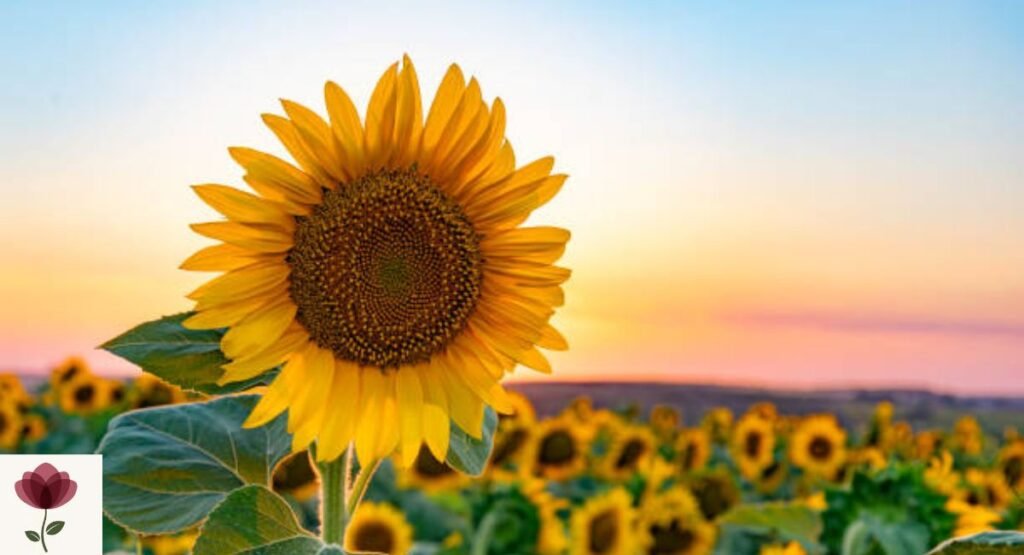
Sunflower, scientifically known as Helianthus annuus, is perhaps the most recognizable S flower. Its large flower heads can create an instant focal point. Traditional varieties produce golden-yellow petals around dark centers, while modern cultivars may show red, bronze, cream, or bicolor flowers.
Sunflowers prefer strong sunlight and generally grow best when they receive several hours of direct light each day. Tall varieties can become impressive garden landmarks. Dwarf forms are easier to fit into containers and smaller yards. Their seeds can also provide food for birds when flower heads mature.
Snapdragon
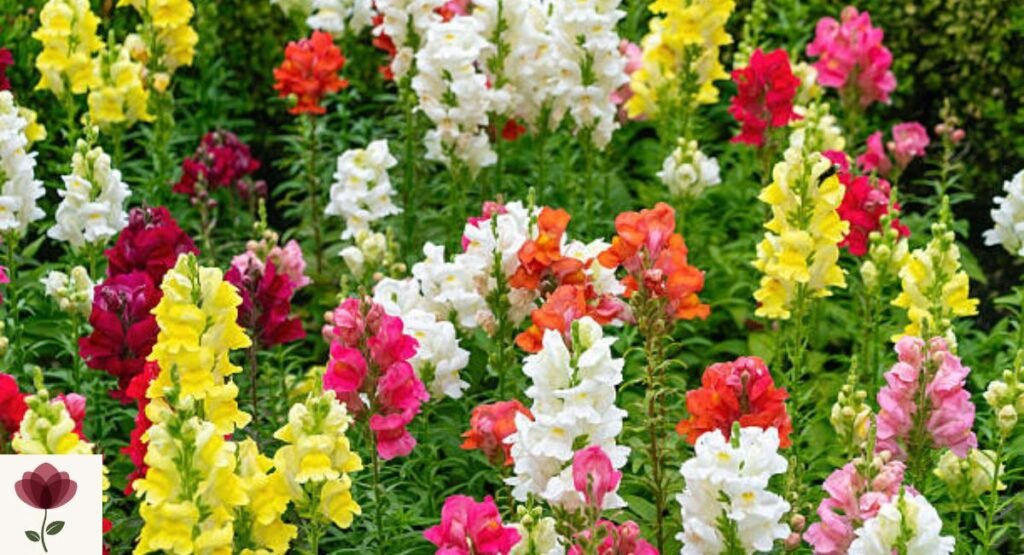
Snapdragon, or Antirrhinum majus, gets its memorable name from its unusual flower shape. When gently squeezed, the blossom opens and closes like a tiny mouth. This makes the plant especially interesting for children and family gardens.
Snapdragons produce flower spikes in many shades. Depending on the climate, gardeners can use them as cool-season flowers. They are excellent in containers, borders, and cutting gardens. Their upright form also creates useful contrast beside rounded flowers.
Sweet Pea
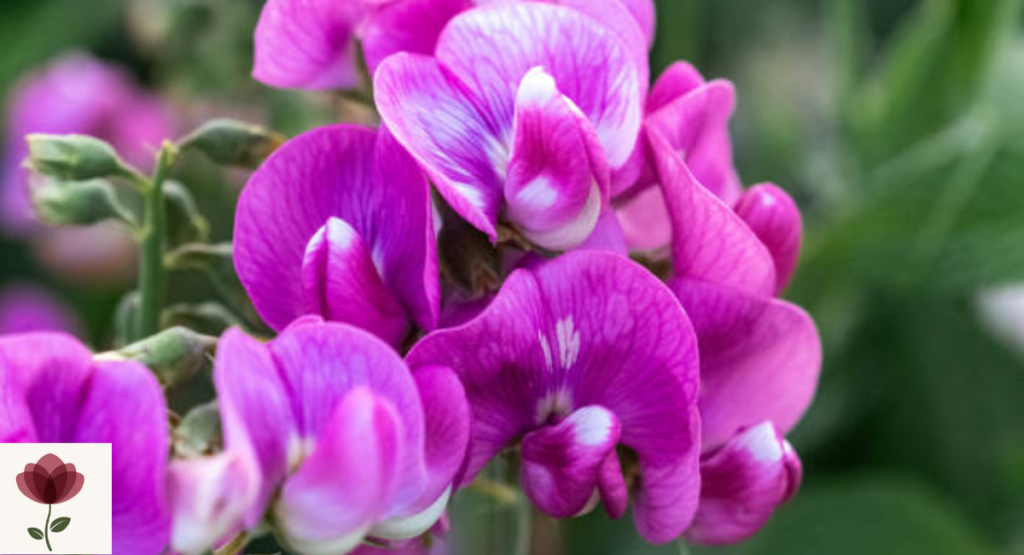
Sweet pea, scientifically called Lathyrus odoratus, is famous for its fragrance. Its flowers can appear in pink, purple, white, red, and soft pastel shades. The plant climbs naturally and looks beautiful when trained against a trellis or small support.
Unlike edible garden peas, sweet peas are grown for ornament rather than food. They usually prefer cooler growing conditions. In hot climates, their flowering period may finish sooner. For gardeners who value scent, however, few S flowers provide the same romantic effect.
Salvia
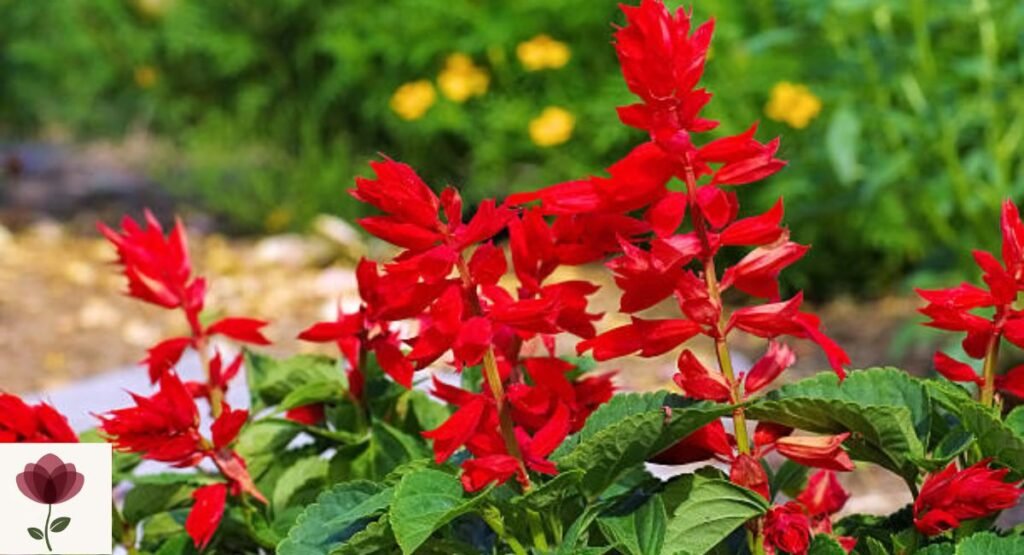
Salvia includes many species and cultivars with very different appearances. Some grow as annual bedding plants. Others return as hardy perennials. Many produce tubular flowers that attract bees, butterflies, and hummingbirds.
Most ornamental salvias appreciate sunlight and well-drained soil. Some are particularly useful in hot, dry gardens. Others prefer more moisture. Therefore, identifying the exact species or cultivar is important before planting.
Sweet Alyssum
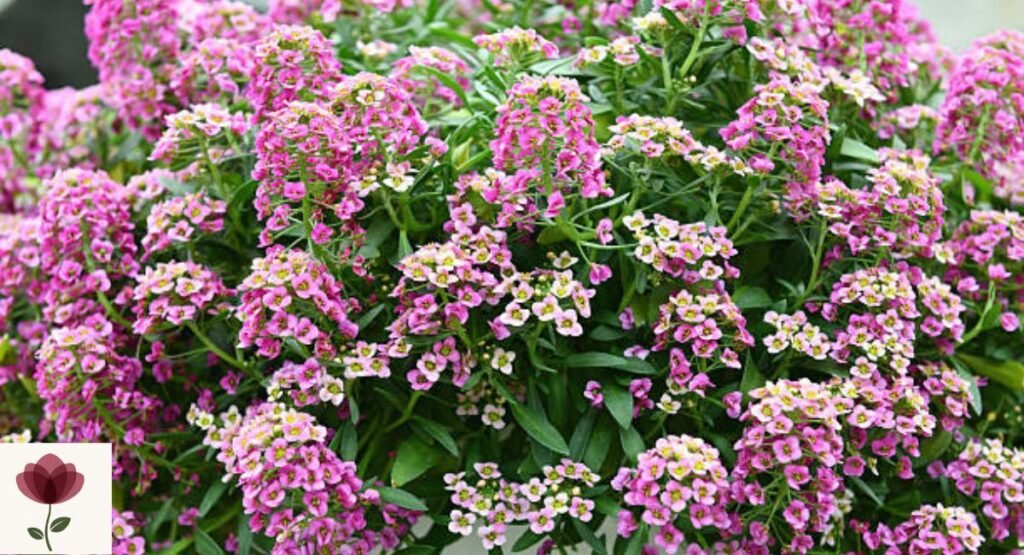
Sweet alyssum, Lobularia maritima, stays low and produces clusters of tiny flowers. White is especially common, although pink and purple forms are also available. Its sweet scent makes it an excellent choice beside walkways and seating areas.
This plant works particularly well as an edging flower. It can soften the edge of a container or raised bed. Its small size also allows it to fit into spaces where larger flowers would look overwhelming.
Sweet William
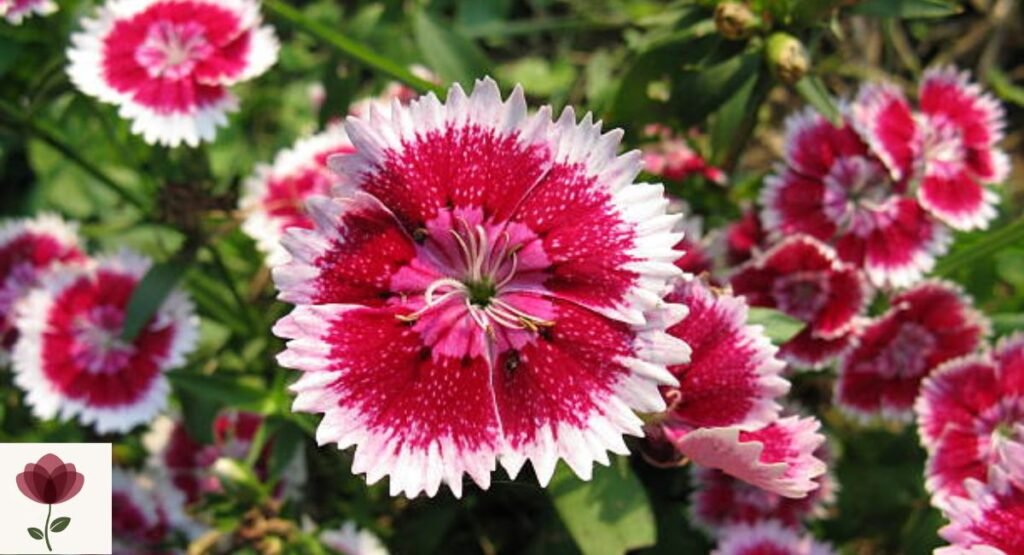
Sweet William, Dianthus barbatus, produces dense clusters of small flowers. The blooms may show red, pink, white, purple, or mixed patterns. Its old-fashioned appearance makes it a favorite for cottage gardens.
Depending on climate and growing conditions, Sweet William can act as a biennial or short-lived perennial. It prefers good drainage and sunlight. Removing faded flowers can also help maintain a tidier appearance.
Shasta Daisy
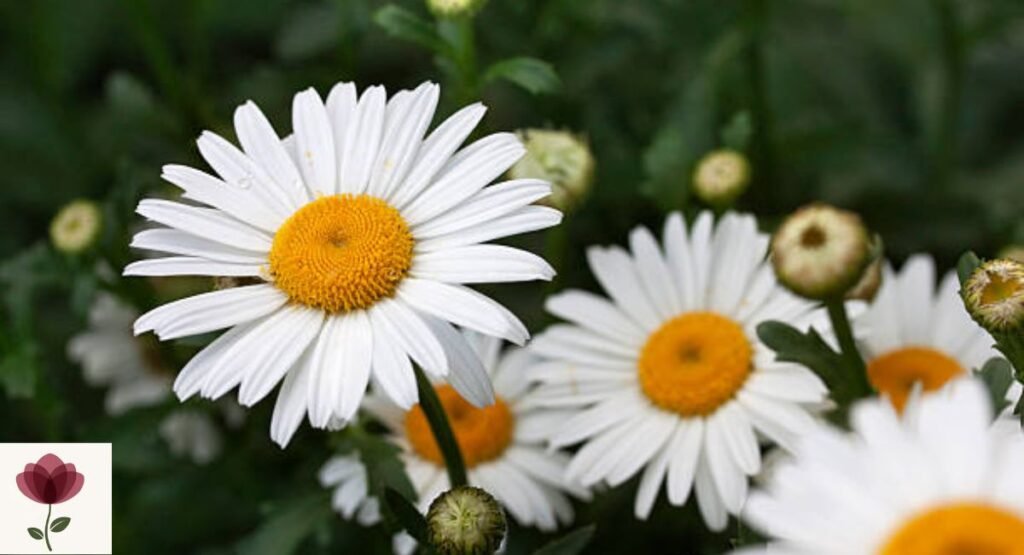
Shasta daisy, Leucanthemum × superbum, has the classic daisy appearance many people picture when they think about a flower. White petals surround a yellow center. The plant is a dependable choice for sunny perennial borders.
Its clean shape pairs well with almost anything. Combine it with purple salvia for contrast. Plant it beside ornamental grasses for texture. It also works beautifully in informal cottage-style gardens.
Snowdrop
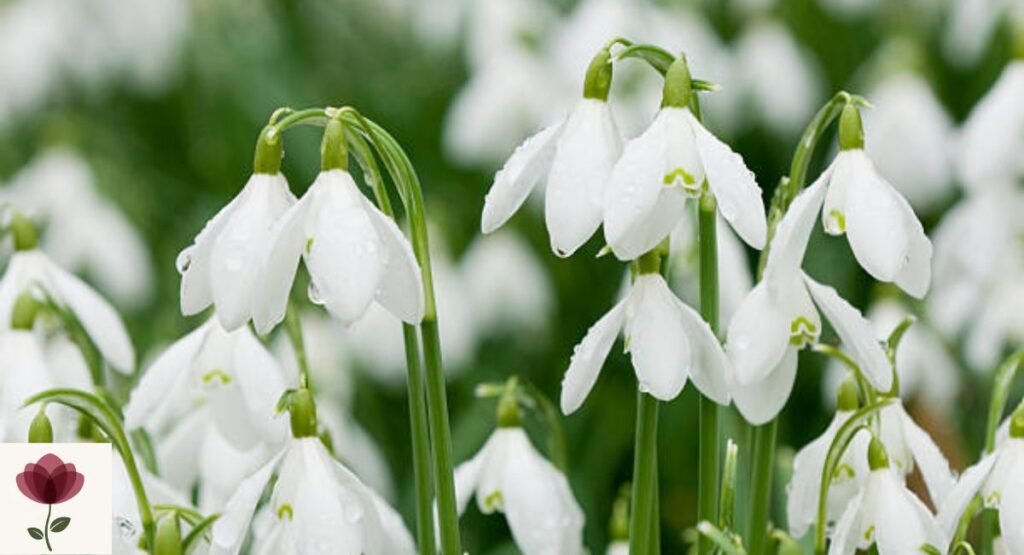
Snowdrop, from the genus Galanthus, is famous for appearing very early in the year. Its small white flowers can emerge while winter still feels present. That makes it a welcome sight after months of dormant landscapes.
Snowdrops are especially attractive when planted in natural-looking groups. Under deciduous trees, they can create a woodland effect. They also work well around paths where their delicate flowers can be viewed up close.
Statice
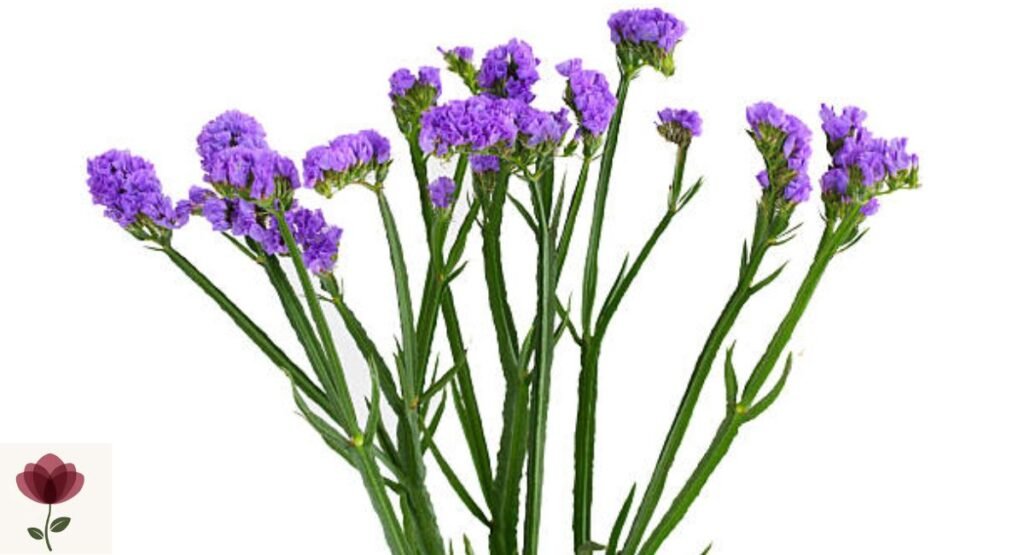
Statice, Limonium sinuatum, is valued for both fresh and dried arrangements. Its colorful flower structures can retain much of their appearance after drying. That gives gardeners a way to preserve part of the summer garden.
Purple is especially popular, but statice also appears in pink, white, yellow, and other shades. It prefers sunlight and well-drained conditions. Cutting stems at the right stage can provide material for long-lasting arrangements.
Stock
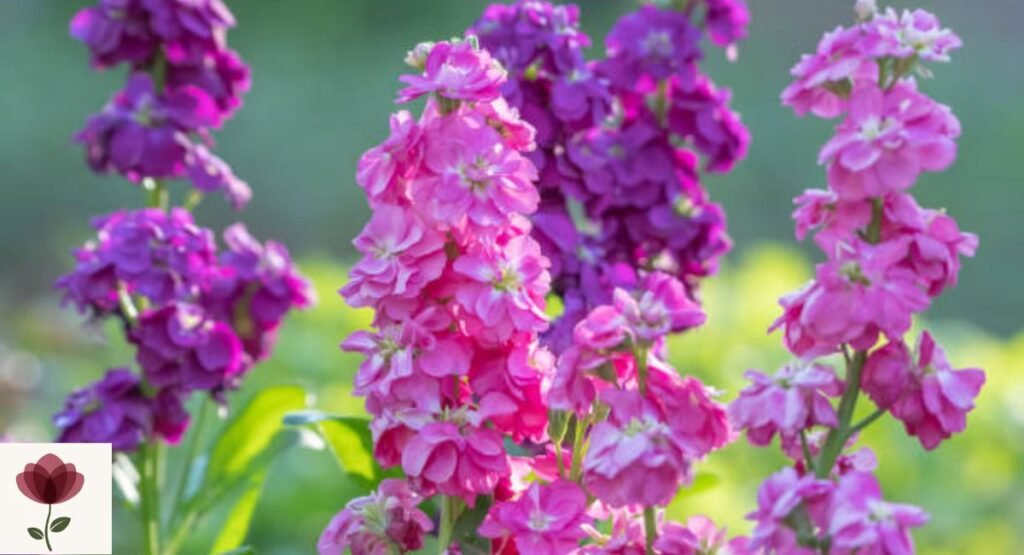
Stock, Matthiola incana, combines attractive flowers with a strong fragrance. Many gardeners describe the scent as sweet or clove-like. The plant forms upright flower spikes and works well in containers, beds, and cutting gardens.
Stock generally performs best during cooler weather. This makes it useful when many heat-loving annuals are not at their best. Its fragrance becomes especially enjoyable when planted close to patios, windows, or entrances.
Scabiosa
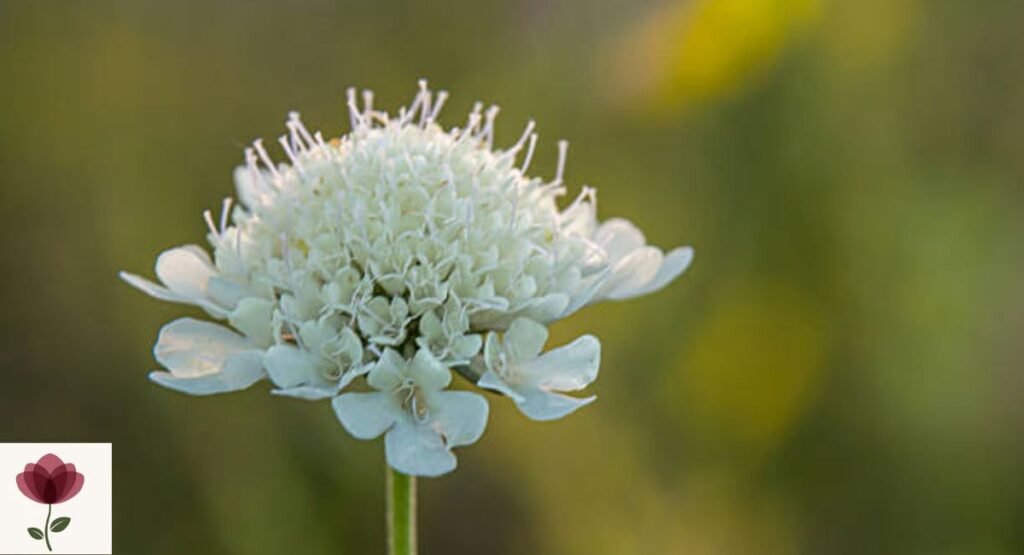
Scabiosa, often called pincushion flower, has rounded blooms on slender stems. The flower shape creates a soft contrast with plants that have spikes or broad leaves. Purple, pink, white, and blue shades are common.
Scabiosa is especially useful in cutting gardens. Its flowers can also attract pollinators. Regular deadheading can encourage continued flowering in suitable conditions.
Strawflower
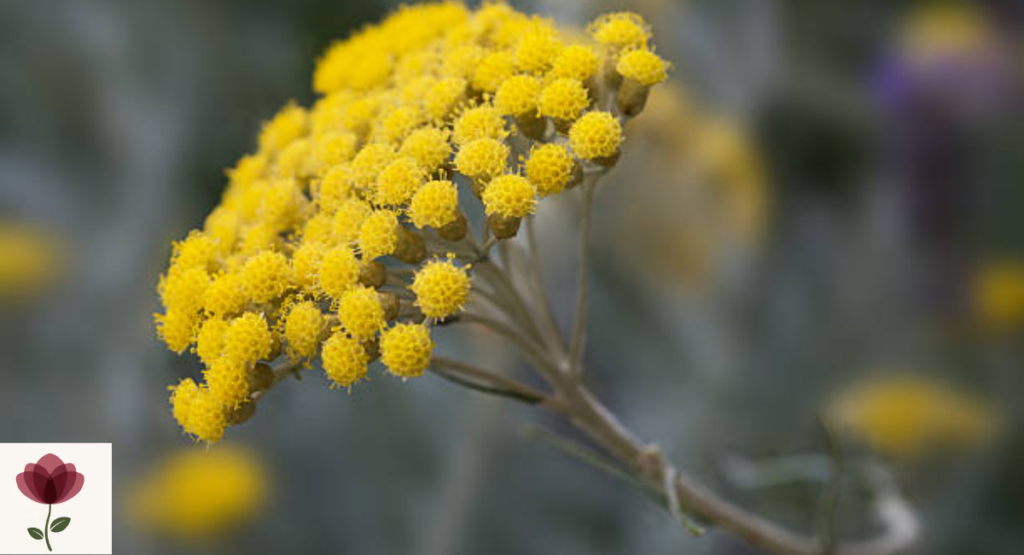
Strawflower, Xerochrysum bracteatum, has a texture unlike most garden flowers. Its papery bracts feel almost dry even when the flower is growing. This unusual feature helps it retain color after drying.
The plant is useful for dried bouquets, wreaths, crafts, and long-lasting arrangements. It also adds a strong summer color to garden beds. Good drainage is important, especially in areas with frequent rainfall.
Spider Flower
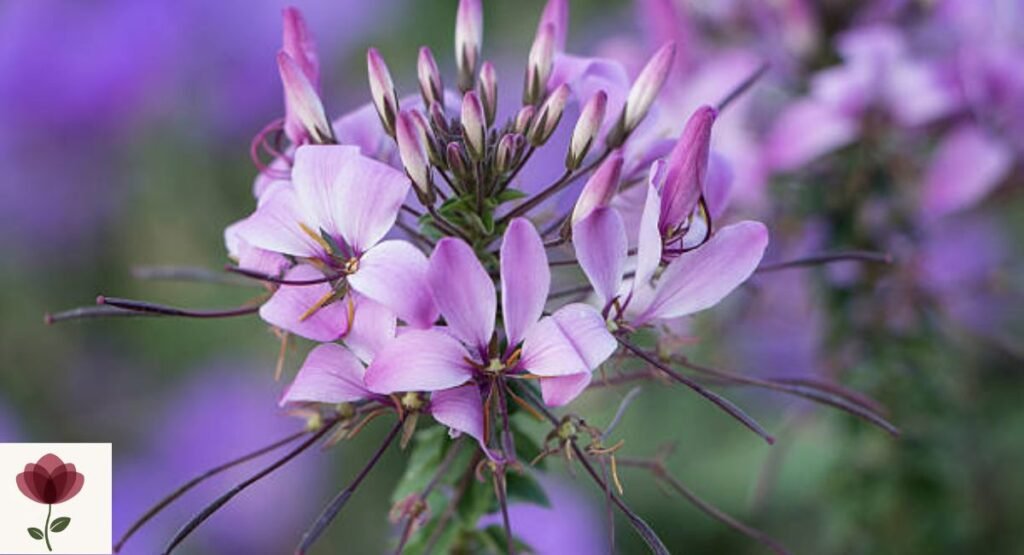
Spider flower, Cleome hassleriana, creates tall, airy flower clusters. Long stamens give the blooms a spider-like appearance. The plant adds height without creating the heavy visual mass of some large annuals.
Spider flowers work well at the back of borders. It can also fill gaps in cottage gardens. Give it enough space because mature plants can become surprisingly broad.
Spiderwort
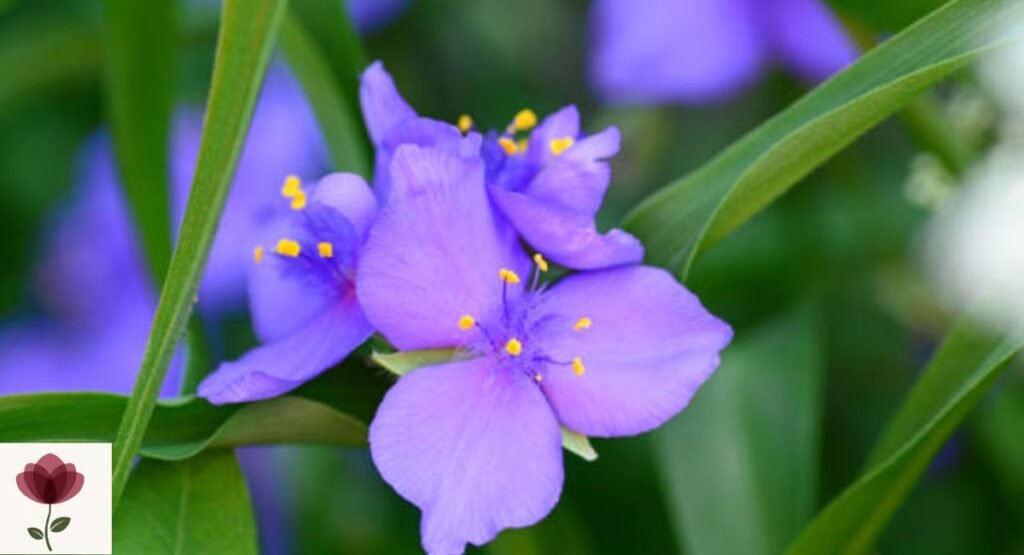
Spiderwort, from the genus Tradescantia, produces three-petaled flowers in shades of blue, purple, and pink. It is generally easy to grow when planted in suitable conditions.
The flowers may not last all day, but new blooms can continue appearing. Its grass-like foliage adds texture even when individual flowers are not open.
Sea Thrift
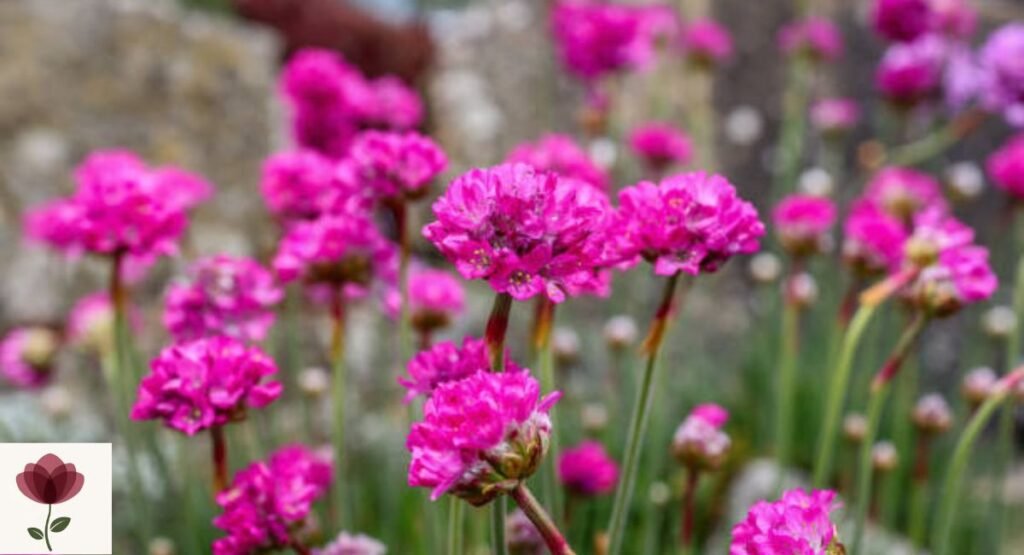
Sea thrift, Armeria maritima, is a compact perennial with rounded flower heads. Pink is common, although white forms are also available. It naturally suits rocky, coastal, and well-drained environments.
This is a useful plant for edges and rock gardens. It does not need the rich, constantly wet soil preferred by some other perennials. In fact, excessive moisture can cause problems.
Speedwell
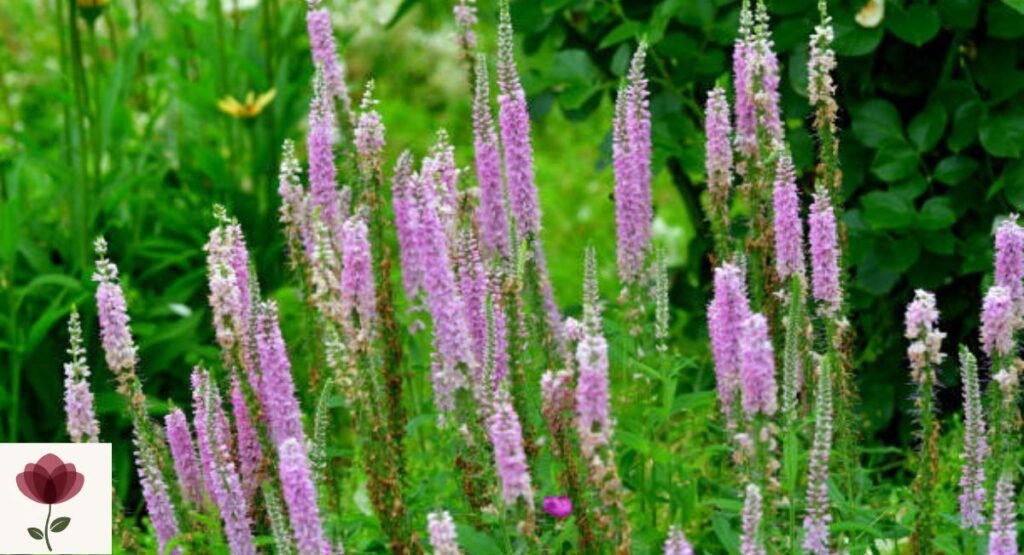
Speedwell, from the genus Veronica, includes many forms. Some stay low and spread gently. Others develop upright flower spikes. Colors can include blue, purple, pink, and white.
Its vertical flowers create strong structure in a perennial border. Speedwell also works well with daisies and ornamental grasses. Good sunlight and appropriate drainage usually support stronger flowering.
Sea Holly
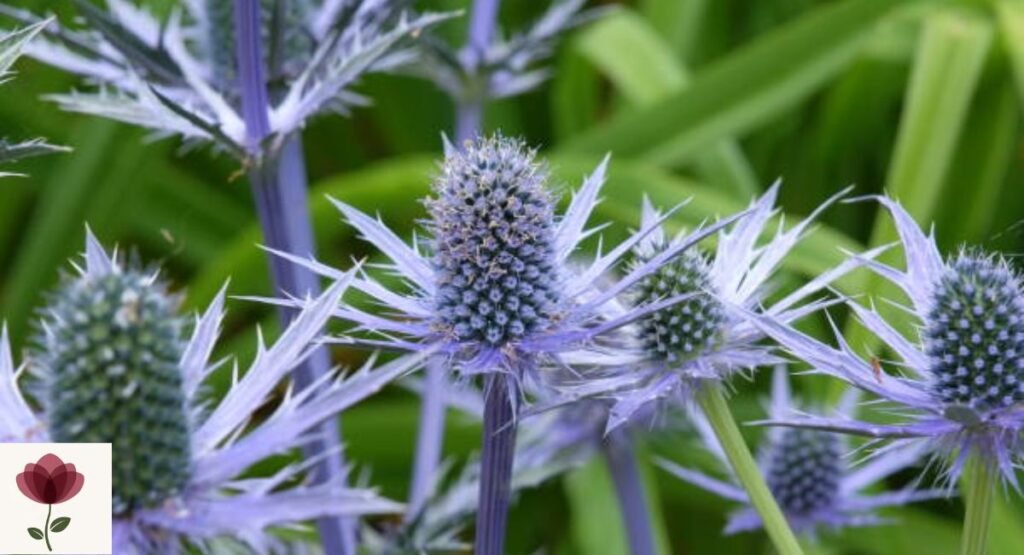
Sea holly, an Eryngium species, has one of the most unusual appearances in this collection. Its blue-gray foliage and spiky flower structures look almost metallic.
This plant is especially valuable in dry, sunny gardens. Its architectural form can also add winter interest in some climates. It pairs well with soft grasses and rounded flowers.
Stokes’ Aster
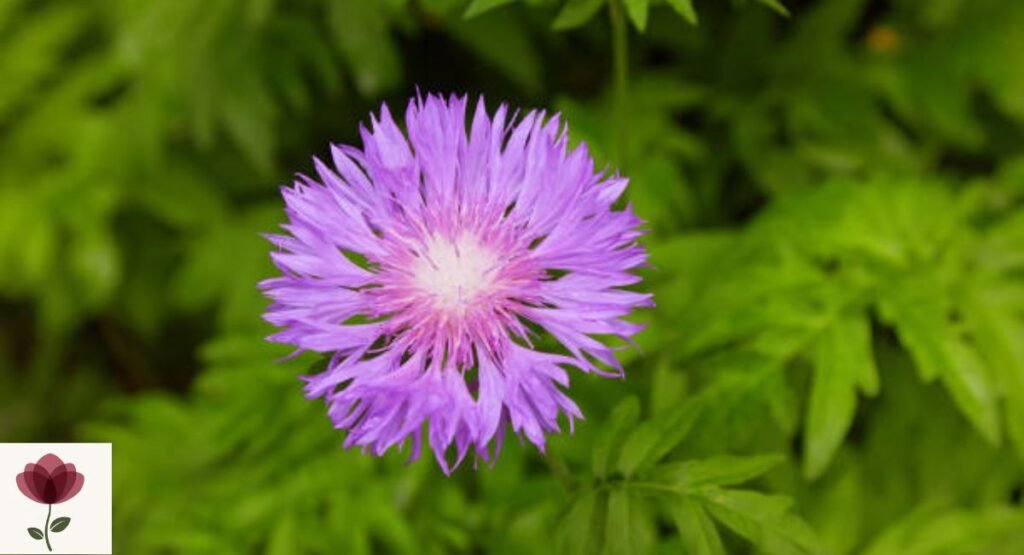
Stokes’ aster, Stokesia laevis, produces large flowers with fringed petals. Blue, purple, and white cultivars can brighten summer borders.
The flowers have a distinctive texture that differs from traditional asters. They also work well in cutting gardens. A sunny position with suitable drainage can encourage strong growth.
Saffron Crocus
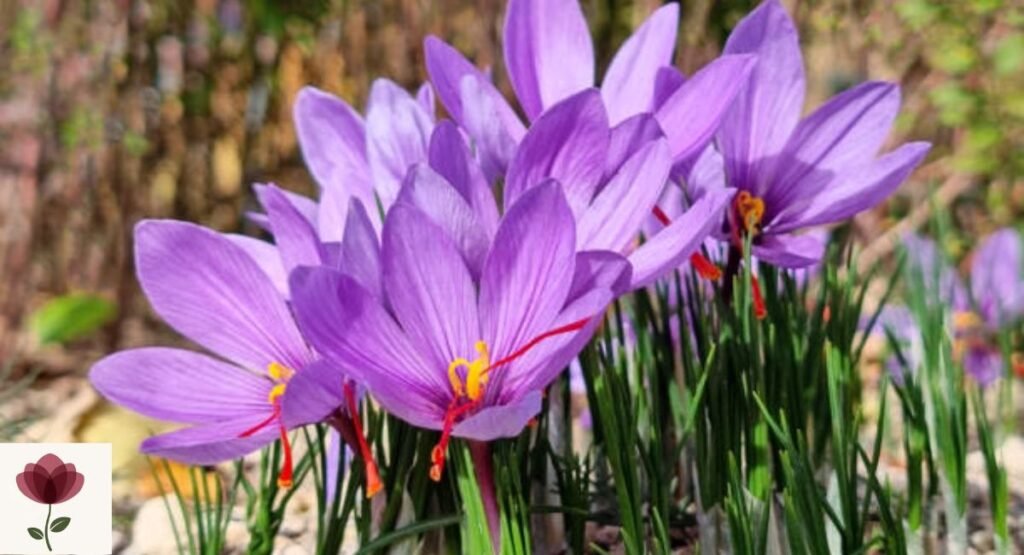
Saffron crocus, Crocus sativus, is an unusual autumn-blooming plant. Its flowers contain the red stigmas used to produce saffron. The spice is harvested from these tiny structures.
The plant demonstrates how a flower can have both ornamental and culinary importance. It also offers gardeners an unusual autumn display after many summer flowers have finished.
Siberian Iris
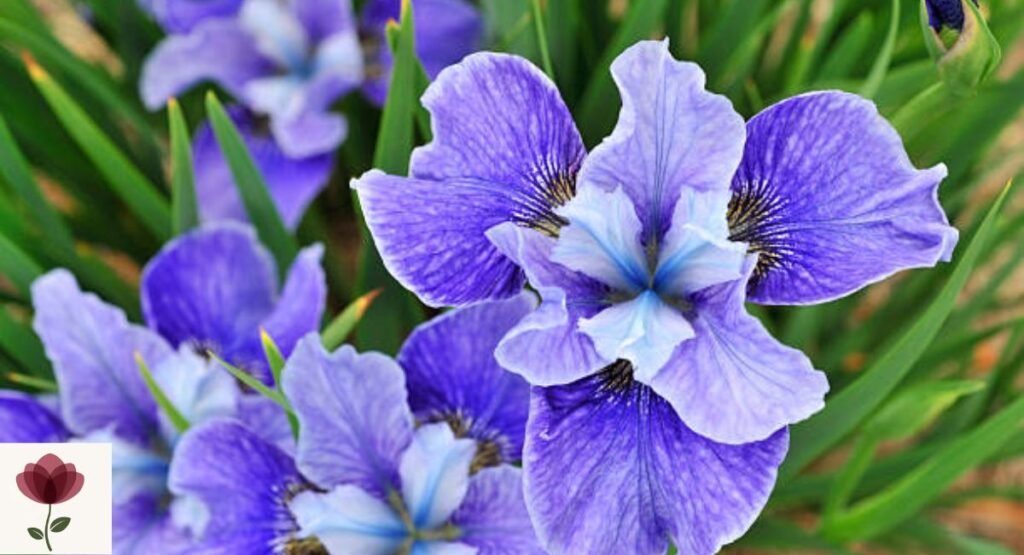
Siberian iris, Iris sibirica, has elegant flowers and narrow foliage. Blue, purple, and white varieties are popular. Unlike drought-loving plants, it generally appreciates consistent moisture.
This makes it useful near water features, rain gardens, or moist perennial borders. Its upright foliage can remain attractive even after the main flowering period ends.
Types of S Flowers (Annuals, Perennials, Bulbs & More)
Flowers that start with S can be divided into several useful groups. Annuals usually complete their life cycle within one growing season. Perennials return for multiple years when their growing conditions are suitable. Bulbs and corms use underground storage organs to survive unfavorable periods.
There are also flowering shrubs, vines, trees, herbs, aquatic plants, and succulents in the broader S category. Understanding these differences helps you choose plants based on the structure of your garden rather than simply picking the prettiest flower.
Annual Flowers That Start With S
Sunflower, sweet alyssum, stock, strawflower, spider flower, Shirley poppy, sweet sultan, and Sanvitalia can provide seasonal color. Annuals are especially useful when you want quick results without committing a permanent space to a plant.
Perennial Flowers That Start With S
Salvia, sea thrift, sea holly, Siberian iris, speedwell, spiderwort, Shasta daisy, and Stokes’ aster can return year after year in suitable climates. Perennials are valuable for building a stable garden framework.
Bulb and Corm Flowers That Start With S
Snowdrop, snowflake, saffron crocus, spider lily, starflower, star of Bethlehem, sun star, surprise lily, sparaxis, and Spanish bluebell belong to the bulb or corm group. These plants often have distinctive seasonal growth patterns.
Flowering Shrubs and Trees
Syringa, spirea, sweetshrub, summersweet, star magnolia, snowball viburnum, and silk tree can provide larger structural elements. These plants can act as screens, focal points, foundation plantings, or seasonal flowering features.
Flowering Vines and Climbers
Sweet pea, star jasmine, Stephanotis, silver lace vine, solitary clematis, and scarlet runner beans can grow vertically. Trellises, fences, arches, and pergolas give these plants the support they need.
Flower Colors: Purple, White & Blue Flowers That Start With S
Flowers that start with S offer a surprisingly rich color palette. Purple varieties can add depth and elegance. White flowers can brighten dark areas. Blue flowers can create a calm, cool effect that works particularly well beside silver foliage.
Color planning becomes more effective when you also consider bloom time. A purple spring flower may fill a very different role from a purple summer flower. Combining colors with different seasons can help a garden remain visually interesting for longer.
Purple Flowers That Start With S
Salvia, scabiosa, sweet pea, statice, sweet violet, Siberian iris, spiderwort, sweet rocket, and Stokes’ aster can provide purple or violet tones. Their shades range from soft lavender to deep purple.
White Flowers That Start With S
Snowdrop, snowflake, Shasta daisy, star of Bethlehem, Stephanotis, sweet alyssum, sweet woodruff, and sea thrift provide white flowers. White blooms are particularly effective around evening seating areas because they can remain visible as daylight fades.
Blue Flowers That Start With S
Speedwell, sea holly, Scaevola, Siberian iris, starflower, Serbian bellflower, spiderwort, and Stokes’ aster can provide blue or blue-violet flowers. Blue flowers often look especially attractive beside pale stones, silver foliage, or white flowers.
Rare, Exotic & Unique Flowers That Start With S
Flowers that start with S include several unusual plants that can transform a garden from ordinary to memorable. Sturt’s Desert Pea, sea holly, saffron crocus, sun star, and sparaxis all offer characteristics that stand apart from familiar bedding plants.
Rare or exotic does not automatically mean better. Some unusual flowers have narrow climate requirements. Others need excellent drainage or winter protection. The most successful choice is one whose natural growing conditions resemble your garden.
Sturt’s Desert Pea
Sturt’s Desert Pea, Swainsona formosa, is native to Australia. Its striking flowers combine red with a very dark center. The unusual appearance makes it one of the most recognizable Australian native flowers.
Its natural environment is very different from a humid woodland garden. Gardeners need to understand its drainage and climate requirements before attempting cultivation outside suitable regions.
Sea Holly
Sea holly, Eryngium, combines blue-gray foliage with spiky flower structures. It looks almost like a plant designed by an artist rather than shaped by nature.
Its architectural form works especially well with ornamental grasses. It can also add contrast to gardens dominated by soft pinks and rounded flowers.
Sun Star
Sun star, Ornithogalum dubium, produces bright star-shaped flowers. Orange and yellow tones are especially striking. It is often grown as a seasonal container plant in colder climates.
The plant demonstrates an important gardening principle. A tender bulb can still become a successful garden feature when grown in a pot and protected from harsh winter conditions.
Girl Flower Names that starts with S
Flowers that start with S can also inspire beautiful girl names. Some names come directly from plants. Others are connected to seasons, colors, or nature. Sage and Saffron are clear botanical examples, while Summer and Sunny have a broader nature-inspired feel.
When choosing a floral name, meaning and sound matter as much as botanical accuracy. A direct flower name can feel distinctive. A nature-inspired name may feel more familiar. Either way, S provides plenty of possibilities for parents searching for something gentle yet memorable.
Beautiful S Flower Names for Girls
Sage is short, modern, and directly connected to a plant. Saffron sounds warm and distinctive. Summer evokes sunshine and the growing season. Sunny feels cheerful and bright. Snowdrop and Starflower sound more poetic and unusual.
Flowers Starting With S Used as Girl Names
Some botanical names become personal names because they suggest beauty, nature, fragrance, or color. Sage and Saffron are the clearest examples in this group. Other choices may be inspired by flowers rather than being direct botanical names.
Best S Flowers for Gardens, Pots, Indoors & Pollinators
Flowers that start with S can serve many different garden purposes. A sunflower can become a focal point. Sweet alyssum can soften an edge. Salvia can support pollinators. Sweet pea can cover a small trellis. Strawflower can supply material for dried arrangements.
The best plant depends on your growing space. A balcony needs different plants from a large suburban yard. Indoor cultivation also requires different conditions. Therefore, match the flower with its intended location before buying seeds, bulbs, or nursery plants.
Best S Flowers for Outdoor Gardens
Sunflower, salvia, Shasta daisy, scabiosa, Siberian iris, and sweet William can all create useful garden structure. Combining tall, medium, and low-growing plants often produces a more natural appearance than planting flowers at one height.
Best S Flowers for Containers and Pots
Sweet alyssum, Scaevola, Sanvitalia, Swan River daisy, stock, and compact salvia are useful container choices. Containers also make it easier to move tender plants indoors when winter temperatures become dangerous.
Best S Flowers for Indoors
Sun star, Stephanotis, Streptocarpus, and Strelitzia can be grown indoors or in protected environments under suitable conditions. Bright light is especially important. Poor drainage can be just as damaging indoors as it is outside.
Best S Flowers for Pollinators
Salvia, sunflower, scabiosa, sweet alyssum, Stokes’ aster, spider flower, and sea thrift can contribute to a pollinator garden. A mixture of flowers that bloom at different times can provide a more continuous food supply.
Best S Flowers for Cutting Gardens
Sunflower provides size and drama. Snapdragon adds height. Sweet pea contributes fragrance. Stock brings both scent and structure. Scabiosa provides soft texture. Statice and strawflower are particularly useful when you want to dry flowers after harvesting.
Care Guide: Easy-to-Grow S Flowers for Beginners
Flowers that start with S include many beginner-friendly choices. Sunflower, sweet alyssum, salvia, Shasta daisy, snapdragon, and statice can all provide rewarding results when planted in suitable conditions.
Good gardening begins before the seed enters the soil. Check your sunlight, soil type, drainage, water availability, and climate. For perennial plants, check the USDA hardiness zone as well. The USDA map is a useful guide for winter survival, but it cannot predict every local growing condition.
How Much Sun Do S Flowers Need?
Many popular S flowers prefer full sun. Sunflowers, salvia, scabiosa, sea holly, and statice generally perform best with strong light. However, some plants tolerate partial shade, especially when afternoon heat becomes intense.
Morning sun can be particularly helpful in warmer regions. It gives foliage time to dry after dew or irrigation. That can reduce the conditions that encourage some fungal problems.
How Often Should You Water S Flowers?
Young plants usually need more consistent moisture than established plants. Water deeply enough to encourage healthy root development rather than giving tiny amounts every day.
However, not every S flower likes wet soil. Sea holly and many drought-tolerant salvias prefer drainage. Siberian iris is more comfortable with consistent moisture. Matching water habits to the plant is far more effective than following one watering rule for every flower.
Which S Flowers Are Easiest for Beginners?
Sunflower is an excellent first choice because it grows quickly and creates an obvious result. Sweet alyssum is useful for small spaces. Salvia offers long-lasting flowers. Shasta daisy provides dependable perennial interest.
Statice is another smart choice because it can be used fresh or dried. Growing a few different types gives beginners experience with different plant habits without making the garden overly complicated.
What Soil Do S Flowers Need?
Most garden flowers appreciate soil that drains well while still holding enough moisture for roots. Adding organic matter can improve many soils, although the amount needed depends on existing conditions.
The biggest mistake is often assuming that more water equals better growth. Roots need oxygen as well as moisture. In heavy, constantly wet soil, even a plant with plenty of water can struggle.
A Simple Beginner Case Study
Imagine a new gardener in a warm U.S. region with a sunny patio. The gardener wants color, fragrance, and pollinators but has little space. A practical combination could include sweet alyssum near the container edge, compact salvia for pollinators, and a dwarf sunflower for height.
That small arrangement creates three different layers. The alyssum stays low. Salvia provides middle-height flowers. The sunflower rises above them. The result feels fuller without requiring a large garden bed.
“The best flower for your garden isn’t always the rarest one. It’s the plant whose needs match your space.”
Interesting Facts
Flowers that start with S contain some fascinating botanical stories. Saffron comes from the stigmas of Crocus sativus. Snowdrops can flower very early in the year. Sweet peas are ornamental plants rather than the familiar edible peas. Strawflowers have papery bracts that help them remain attractive after drying.
The group also includes flowers with unusual shapes and survival strategies. Snapdragons have hinged-looking blossoms. Sea holly develops spiny structures and blue-gray coloration. Stokes’ aster has fringed petals. Sunflowers produce a large flower head made from many tiny individual florets.
| Interesting Fact | Why It Matters |
| Saffron comes from Crocus sativus | A flower can have culinary and ornamental value |
| Sunflowers contain many tiny florets | The large flower head is made of numerous flowers |
| Snowdrops bloom very early | They can extend the visible garden season |
| Sweet peas are ornamental | They differ from edible garden peas |
| Statice dries well | It is valuable for dried arrangements |
| Sea holly has blue-gray foliage | It adds unusual architectural texture |
| Salvia attracts pollinators | It supports wildlife-friendly gardens |
| Stokes’ aster has fringed petals | Its flower shape is highly distinctive |
| Sweet alyssum is fragrant | It works well beside paths |
| Siberian iris likes moisture | It suits damp perennial spaces |
| Star jasmine is fragrant | It combines flowers with vertical growth |
| Strelitzia resembles a bird | Its flowers create a dramatic tropical effect |
One important fact about USDA hardiness zones is often misunderstood. A zone primarily describes winter temperature tolerance. It does not tell you whether a plant likes wet soil, full sun, summer humidity, or alkaline soil. Two gardens in the same zone can therefore produce very different results.
Conclusion
Flowers that start with S offer far more variety than most people expect. Sunflower, snapdragon, salvia, sweet pea, snowdrop, scabiosa, sea holly, statice, and Stokes’ aster represent only a small part of the group.
The best choice depends on what you need from your garden. Choose annuals for quick seasonal color. Choose perennials for lasting structure. Pick fragrant flowers near patios. Select pollinator-friendly varieties when wildlife matters. For small spaces, focus on container-friendly S flowers.
Most importantly, look at the growing conditions before choosing a plant. Sunlight, drainage, water, mature size, bloom season, and hardiness can make the difference between a struggling plant and a spectacular one.
FAQs
What is the most popular flower that starts with S?
Sunflower is one of the best-known flowers beginning with S. Its bright color, tall growth, and relatively simple care make it popular with gardeners.
What are some purple flowers that start with S?
Salvia, scabiosa, sweet pea, statice, sweet violet, Siberian iris, spiderwort, and Stokes’ aster can produce attractive purple or violet flowers.
What are the easiest S flowers to grow?
Sunflower, sweet alyssum, salvia, Shasta daisy, snapdragon, and statice are among the easier choices when their basic growing requirements are met.
What is a rare flower that starts with S?
Sturt’s Desert Pea is an unusual and striking choice. Saffron crocus, sea holly, sun star, and sparaxis are also less common options.
What flower starts with S and is good for pollinators?
Salvia, sunflower, scabiosa, sweet alyssum, Stokes’ aster, and spider flower can all contribute useful flowers to a pollinator-friendly garden.

Welcome to PetalNexa! I’m Anam Sattar, an AI-powered SEO Specialist and Content Writer with over 4 years of experience in creating high-quality, search-optimized content. I help businesses improve their search engine rankings, increase organic traffic, and build beautiful, user-friendly websites. My mission is to make SEO, content creation, and web design simple, effective, and accessible for everyone. Let’s grow your online presence and achieve success together!