

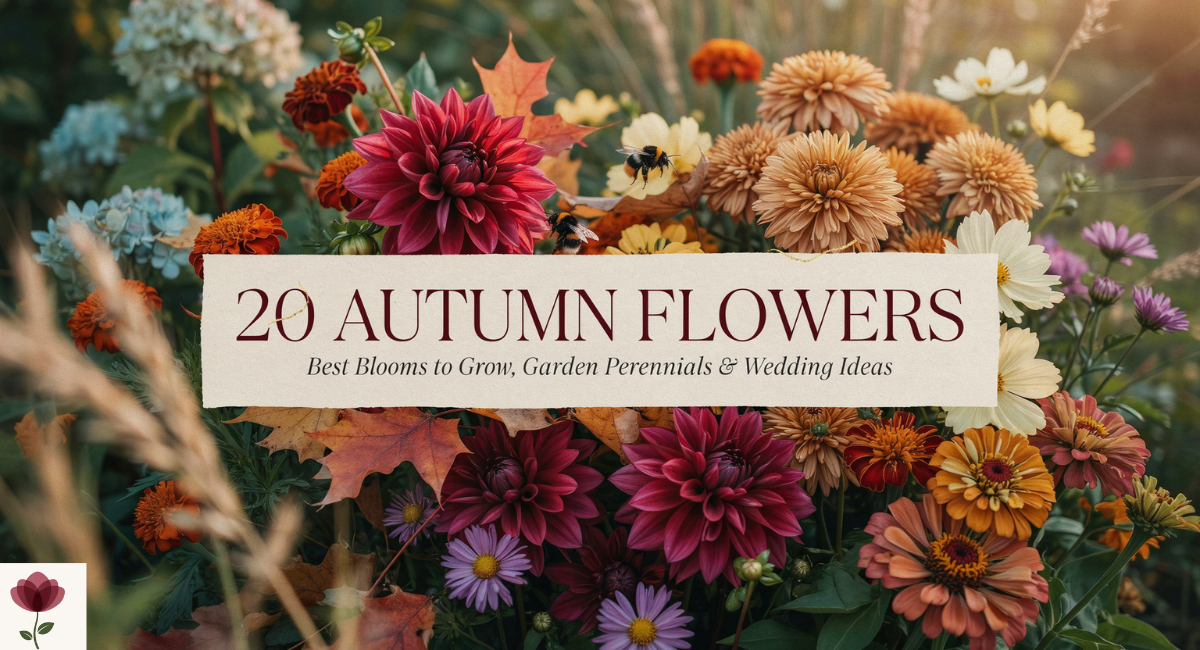
Autumn brings a beautiful mix of warm colors, delicate petals, and fresh garden charm. As summer fades, many plants continue to bloom, filling outdoor spaces with shades of gold, orange, pink, purple, and white. The best autumn flowers can brighten garden beds, decorate porches, and add seasonal beauty to wedding bouquets. Popular choices include chrysanthemums, asters, pansies, and dahlias, each offering a different shape and color.
Some varieties bloom for weeks, while hardy perennial flowers return year after year. Whether you have a large backyard or a small balcony, choosing the right fall-blooming plants can help you enjoy a colorful garden throughout the season.
20 Best Autumn Flowers for a Colorful Garden
1. Chrysanthemums
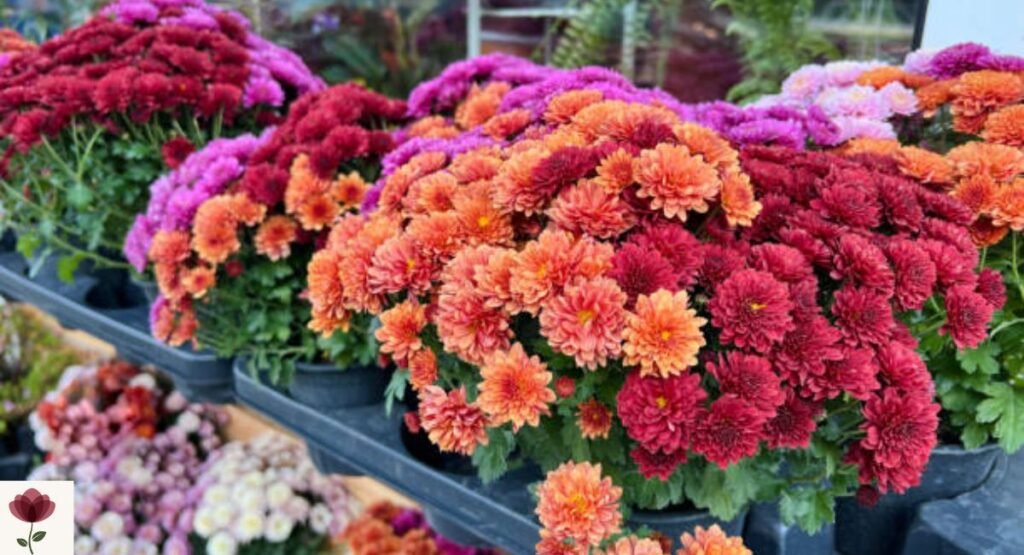
Chrysanthemums, often called mums, are classic fall flowers. Their blooms come in yellow, orange, red, pink, purple, and white. Some varieties produce large, rounded flowers, while others have smaller, daisy-like petals. Mums look beautiful in garden beds, porch pots, and autumn decorations. Choose varieties suited to your climate because some garden mums survive winter better than florist mums.
2. Asters

Asters bring purple, pink, blue, and white flowers to the autumn garden. Their small, star-shaped blooms attract bees and butterflies during the later part of the growing season. Many varieties grow well in sunny borders with well-drained soil. Perennial asters can return each year when planted in suitable conditions. Give taller varieties enough space to spread and provide support if their stems become heavy.
3. Sedum
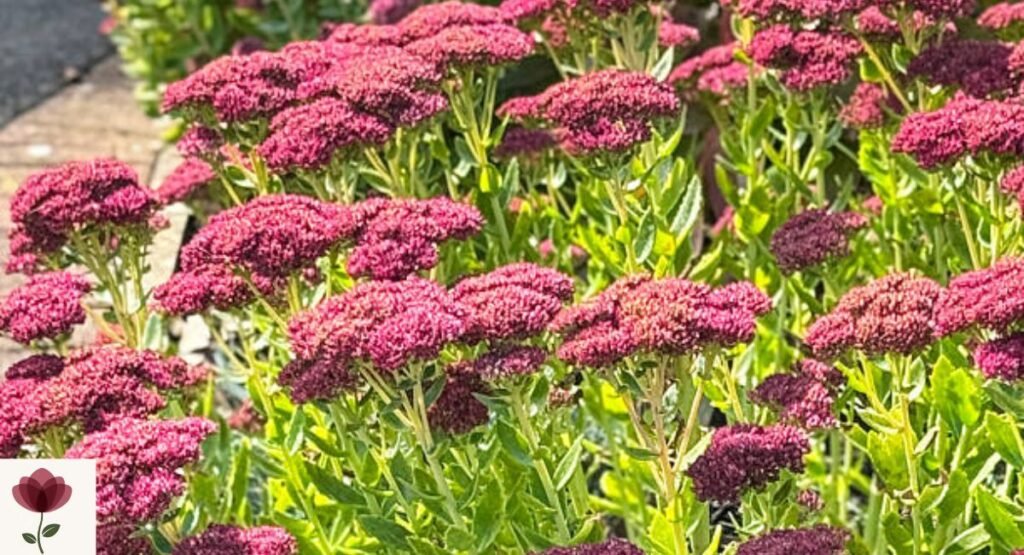
Sedum, especially tall varieties such as ‘Autumn Joy’, adds texture and lasting color to fall gardens. Its flower clusters often begin pale pink and gradually deepen to rose or rusty red. The thick leaves store water, making many sedums useful in dry gardens. Plant them in full sun and well-drained soil. Once established, they usually need little attention and can attract late-season pollinators.
4. Japanese Anemone
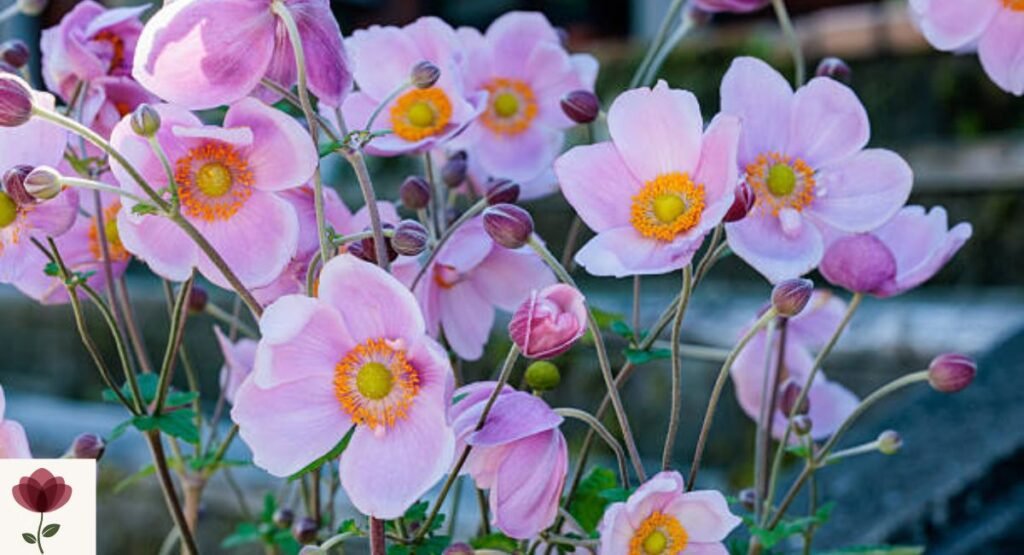
Japanese anemones produce elegant pink or white flowers on tall, slender stems. They often bloom from late summer into autumn, adding a soft look to garden borders. These plants prefer moist, well-drained soil and partial shade in warmer climates. They can spread through underground roots, so give them enough room. Protect young plants from drying winds and intense afternoon heat.
5. Goldenrod

Goldenrod creates bright yellow flower plumes that stand out against green foliage and changing autumn leaves. It is a valuable late-season plant for bees and other pollinators. Native goldenrod species are often excellent choices for wildlife-friendly gardens. Plant them where their mature size will fit comfortably. Goldenrod is sometimes blamed for hay fever, but wind-pollinated ragweed is a more common cause of seasonal pollen allergies.
6. Helenium
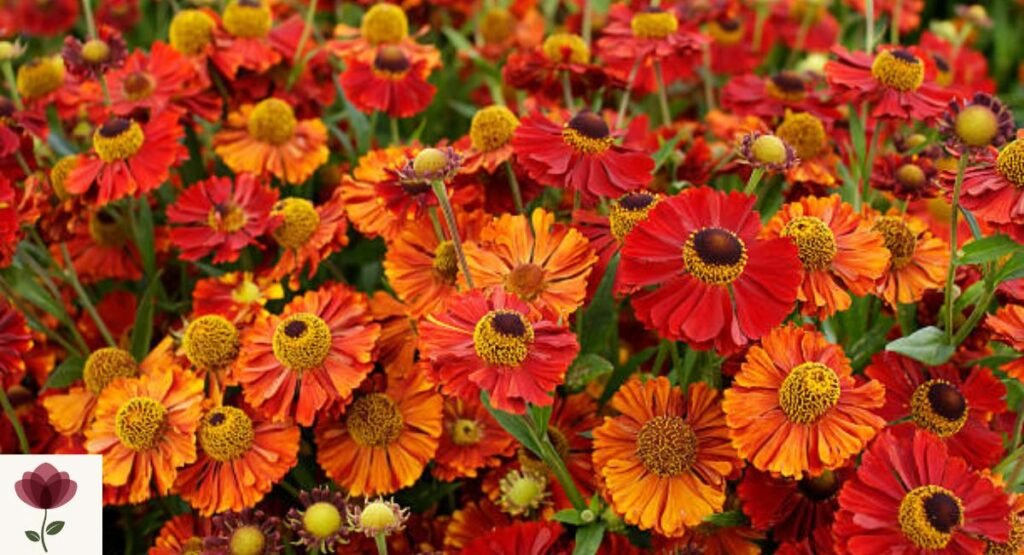
Helenium produces warm shades of yellow, orange, copper, and red. Its daisy-like flowers often have darker centers, giving garden beds a rich autumn look. It grows best in sunny areas with fertile soil that retains some moisture. Regular watering helps prevent stress during dry periods. Remove faded flowers to improve the display, and choose a variety whose mature height suits your garden.
7. Rudbeckia
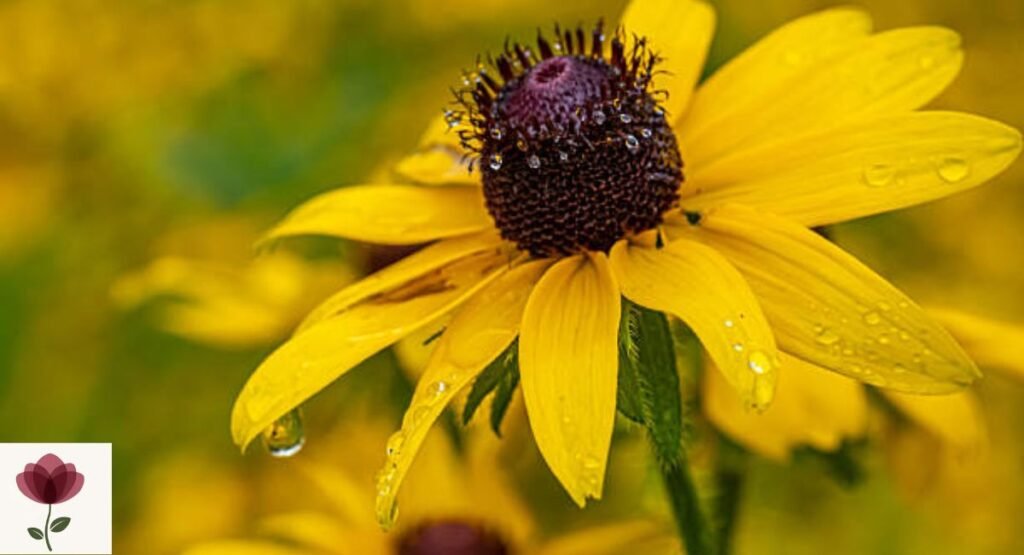
Rudbeckia, commonly known as black-eyed Susan, is valued for its golden petals and dark central cones. Many varieties flower from summer into autumn, making them reliable choices for long-lasting color. They grow well in sunny borders and open garden beds. Once established, many types tolerate short dry periods. Their seed heads can also feed birds if you leave them standing after flowering.
8. Coneflower
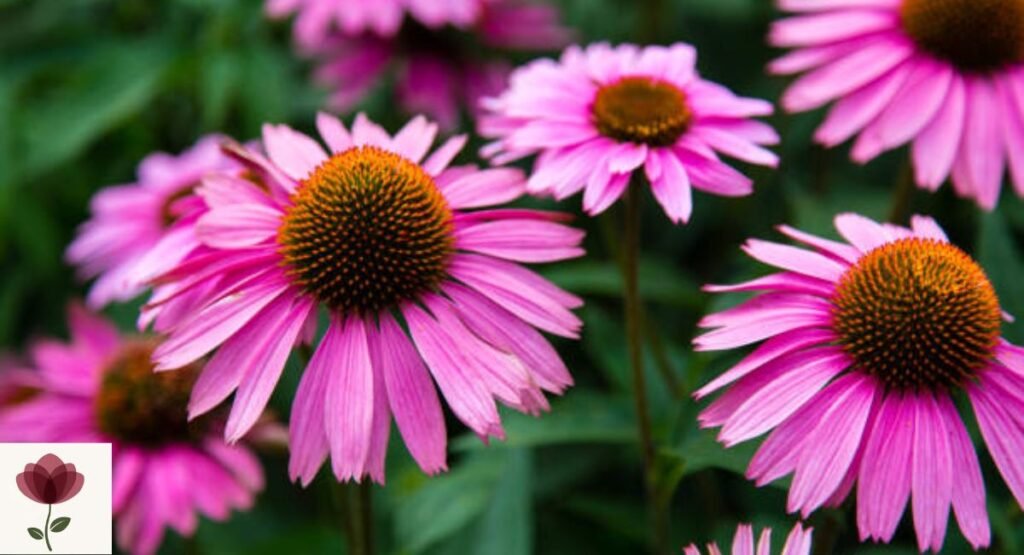
Coneflowers, including purple coneflower, produce large blooms with raised central cones. Their petals may be purple, pink, white, orange, or yellow, depending on the variety. These pollinator-friendly flowers grow best in full sun and well-drained soil. Many are hardy perennials and can return for years. Leave a few mature seed heads in place to provide food for birds during cooler weather.
9. Autumn Crocus

Autumn crocus produces delicate flowers in shades of purple, pink, or white. The blooms emerge in fall, often before the leaves appear. These plants grow from underground corms and work well in suitable garden beds or naturalized areas. However, true autumn crocus belongs to the genus Colchicum and is highly poisonous if eaten. Do not confuse it with saffron crocus, which is a different plant.
10. Toad Lily
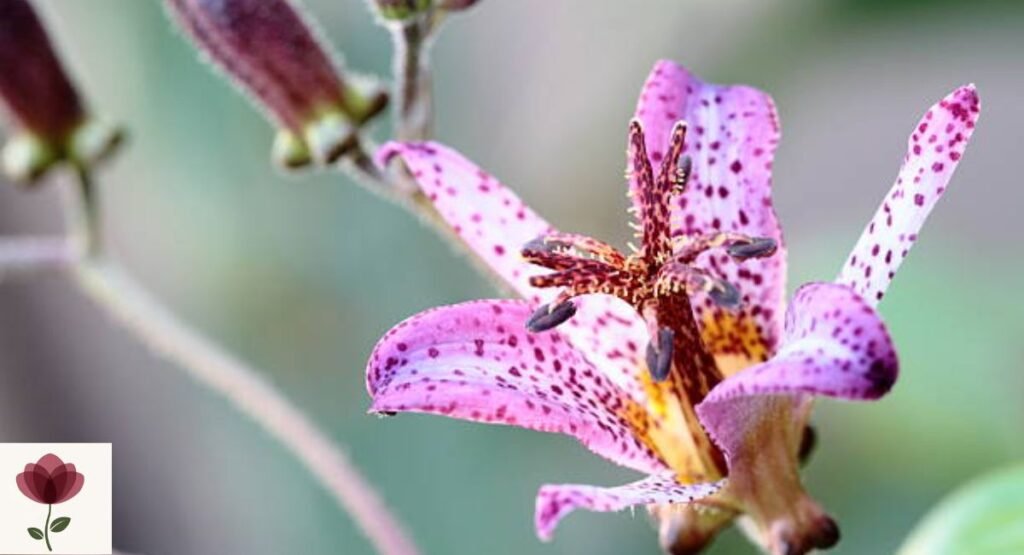
Toad lilies bring unusual beauty to shady autumn gardens. Their small flowers often have white or pale purple petals covered with darker spots. They bloom when many shade-loving plants have finished flowering. Plant them in moist, rich soil with protection from harsh afternoon sun. Toad lilies are useful near woodland paths, under trees, or in sheltered borders where their intricate flowers can be seen closely.
11. Sweet Alyssum
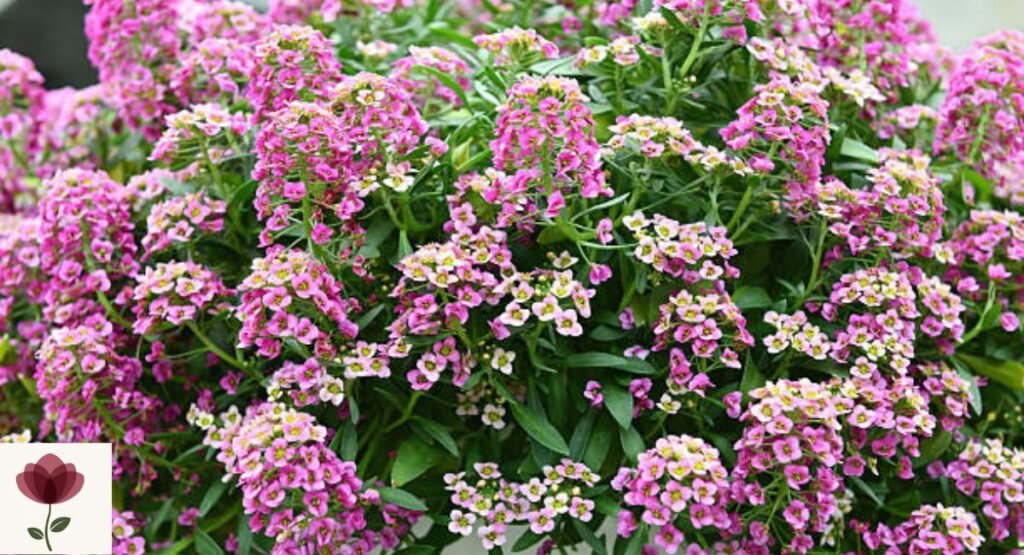
Sweet alyssum forms low cushions covered in tiny white, pink, or purple flowers. Its gentle fragrance makes it a lovely choice for containers, pathways, and the edges of garden beds. In mild climates, it can continue blooming through autumn and sometimes into winter. It prefers well-drained soil and regular moisture. Trim plants lightly if they become leggy or produce fewer flowers.
12. Calendula

Calendula, also called pot marigold, produces cheerful yellow and orange flowers. It grows well in cool weather and can provide color through much of autumn in suitable climates. Calendula works in garden beds, borders, and pots. Give it plenty of sunlight and soil that drains well. Deadheading encourages fresh blooms. Although its petals are used in some culinary preparations, only use correctly identified, pesticide-free flowers intended for consumption.
13. Pansy
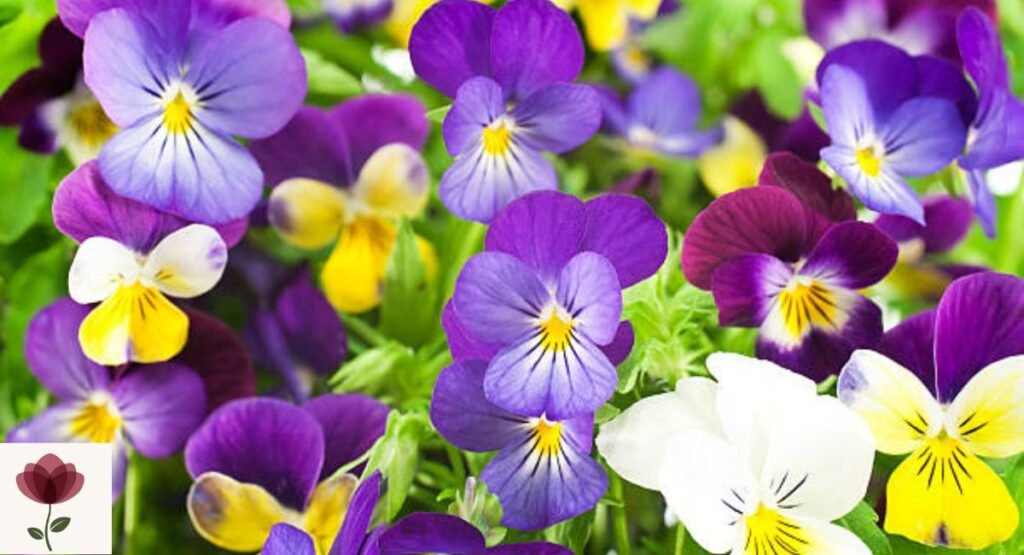
Pansies are popular cool-season flowers with colorful faces and rounded petals. Their blooms may be purple, yellow, blue, orange, red, white, or a mix of shades. They often perform better in cool weather than during summer heat. Plant them in containers, window boxes, or garden borders with good drainage. In regions with mild winters, pansies may continue flowering well beyond autumn.
14. Snapdragon
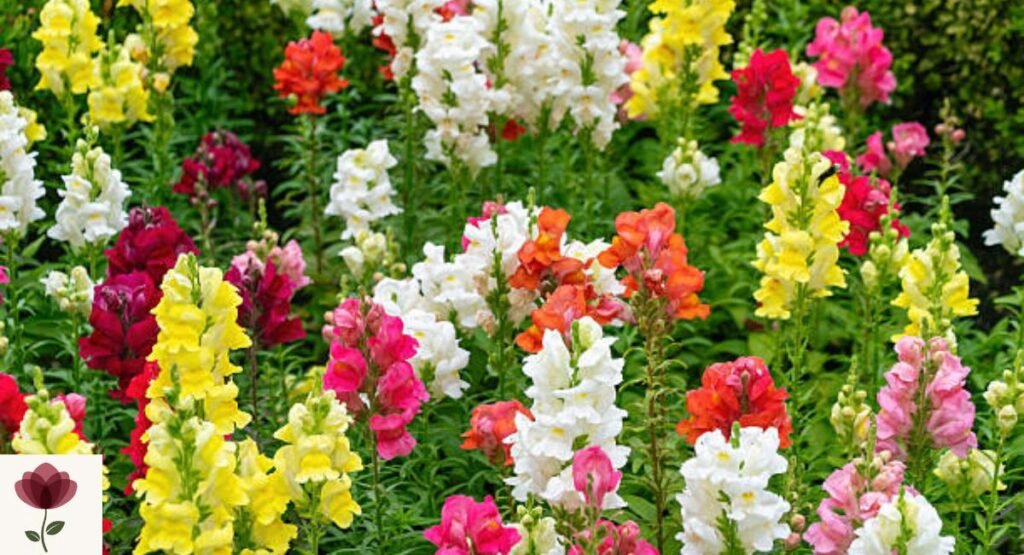
Snapdragons produce upright flower spikes in many colors, including pink, red, yellow, orange, white, and purple. They are often grown as cool-season annuals in warmer parts of the United States. In cooler areas, their flowering season depends on local temperatures. Plant them in sunny locations with well-drained soil. Taller varieties may need support, especially in windy gardens or exposed planting areas.
15. Dahlia

Dahlias are known for their striking blooms and wide range of shapes and colors. Their flowers may be small and simple or large and fully double. In many regions, they continue flowering into autumn until frost damages the plants. Dahlias need sunlight, regular watering, and fertile soil. In colder climates, gardeners often lift and store their tubers after frost, while mild regions may allow them to remain in the ground.
16. Salvia
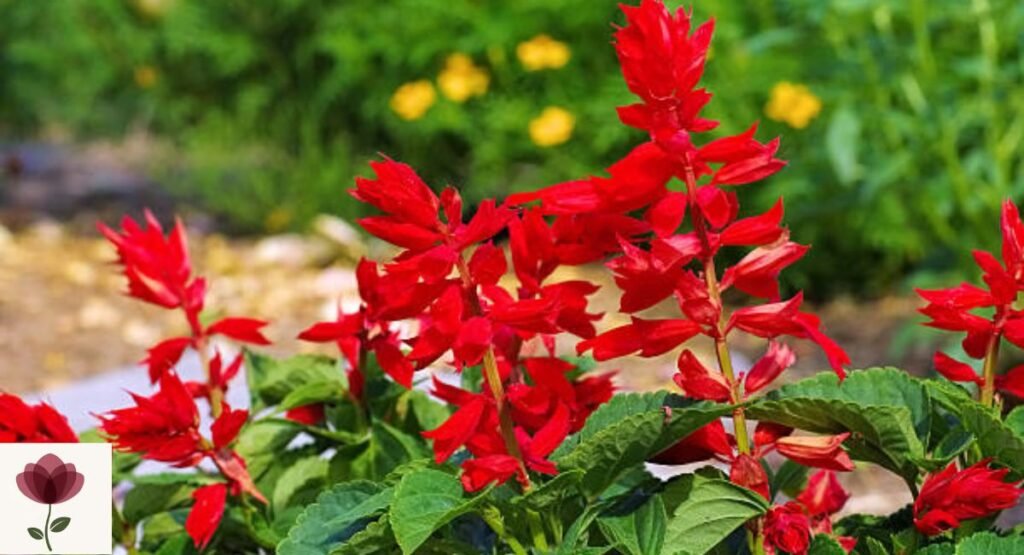
Salvia adds upright flower spikes and strong color to autumn borders. Depending on the species, blooms may be purple, blue, red, pink, or white. Some varieties tolerate heat and dry conditions, while others prefer more moisture. Select a salvia suited to your local climate and garden soil. Many types attract hummingbirds, bees, and butterflies, making them useful for gardens that support wildlife.
17. Cyclamen
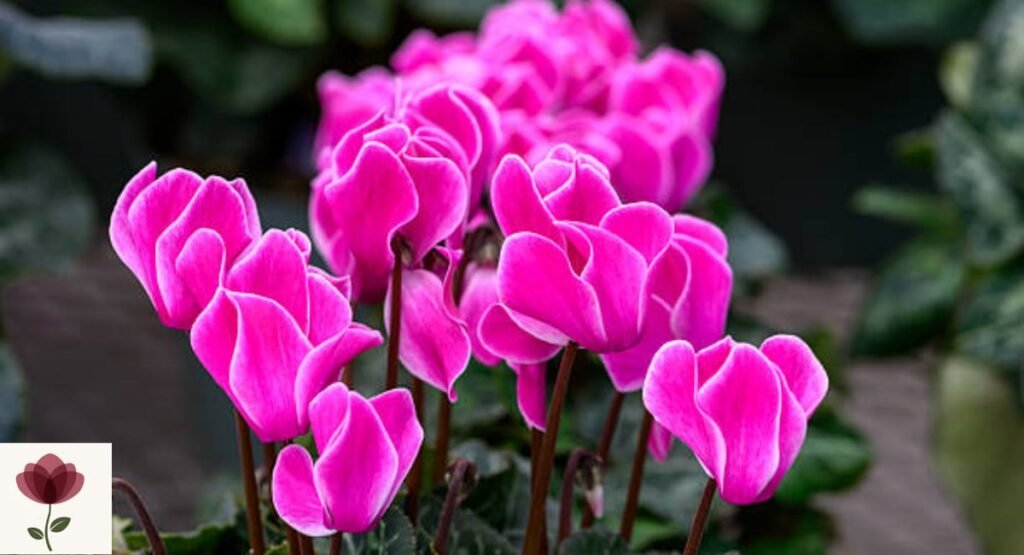
Cyclamen offers delicate flowers above patterned, heart-shaped leaves. Hardy cyclamen can bloom in autumn and grow beneath trees or shrubs where other flowers may struggle. Florist cyclamen is often sold for indoor displays and may need different care. For garden planting, choose a variety suited to your winter temperatures. Well-drained soil is essential because constantly wet conditions can cause corms to rot.
18. Camellia

Some camellias begin flowering in autumn and continue into winter. Sasanqua camellias are especially useful in mild climates, where their pink, red, and white blooms brighten gardens as other plants slow down. They prefer acidic, well-drained soil and protection from extreme heat. These evergreen shrubs provide both flowers and year-round foliage. Choose a variety suited to your region and available garden space.
19. Mexican Bush Sage
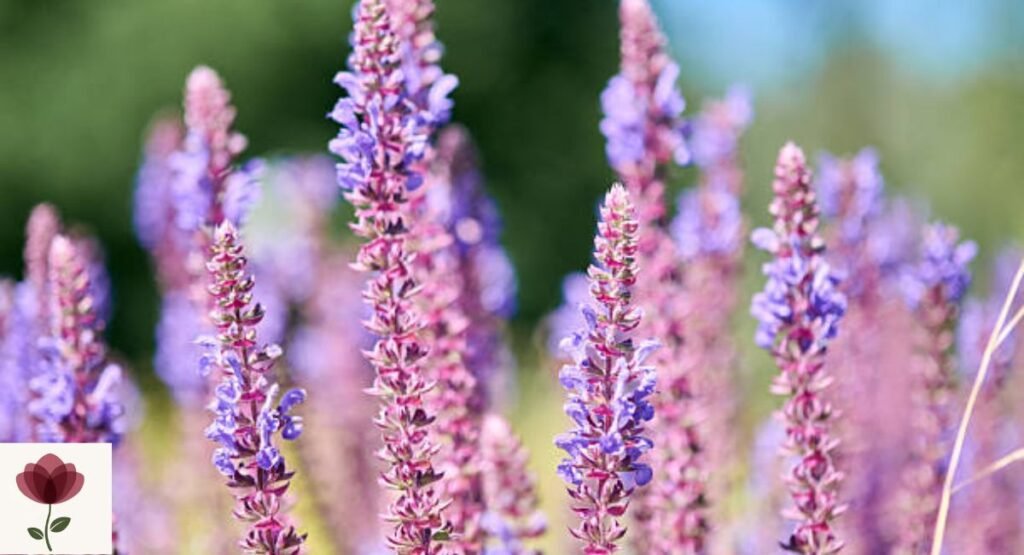
Mexican bush sage produces soft purple flower spikes with fuzzy, pale-colored calyces. It often blooms from late summer through autumn in warm regions. Its silvery-green leaves provide a pleasant contrast to its rich purple flowers. Plant it in full sun with well-drained soil. It works well in borders and pollinator gardens, although its winter survival depends on local temperatures and the variety grown.
20. Saffron Crocus
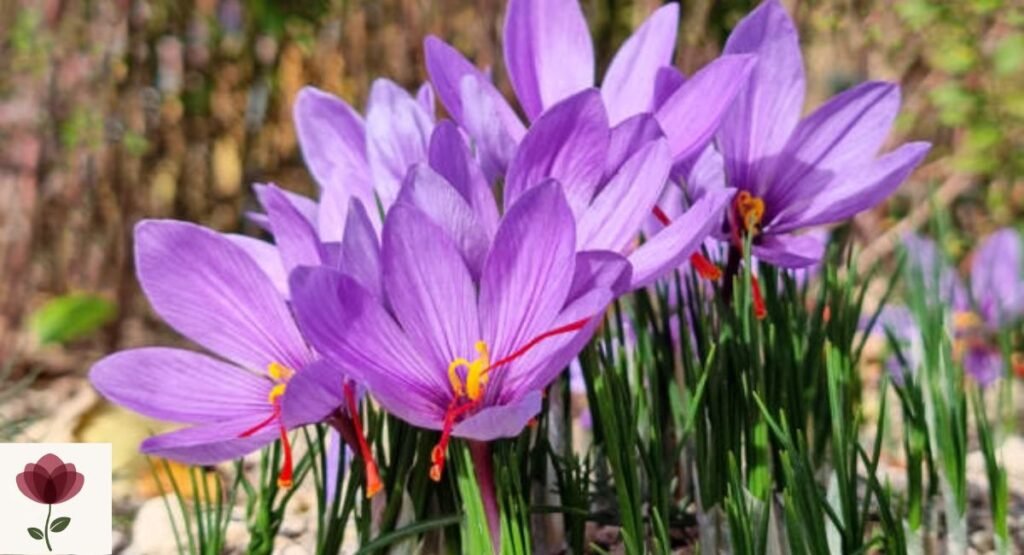
Saffron crocus produces purple flowers with distinctive red stigmas. These stigmas are harvested and dried to make saffron, a valued cooking spice. The plants bloom in autumn and grow from corms planted in suitable soil. They need a sunny position and good drainage. Unlike true autumn crocus, saffron crocus belongs to the genus Crocus. Correct identification matters because the two plants differ greatly in safety.
Best Autumn Flowers to Plant for Long-Lasting Color
A well-planned garden combines plants that bloom at different times. Chrysanthemums and asters can provide mid- to late-season color, while pansies may continue flowering during mild winter weather. Choosing several bloom periods prevents the garden from looking empty when one group finishes.
Quick-Color Autumn Flowers
If you want immediate results, buy established plants from a nursery. Garden mums, pansies, and calendula can add color without waiting for seeds to grow. Check the plant label for mature size, sunlight needs, and flowering season. Healthy plants with strong stems and green leaves usually establish more easily than wilted or damaged specimens.
Perennial Autumn Flowers
Perennials such as asters, sedum, coneflowers, and some salvias can return each year. Their long-term performance depends on climate, soil drainage, and winter protection. Plant them early enough for their roots to establish before the ground freezes. Once settled, they can reduce the need for repeated seasonal planting and create a more stable garden design.
Autumn-Flowering Bulbs and Corms
Autumn crocus and saffron crocus grow from corms rather than typical flower bulbs. Planting depth and timing vary by species, so follow the supplier’s instructions. Choose a site with good drainage because soggy soil can cause rot. Avoid planting poisonous Colchicum where children or pets might mistake the plant for an edible crop.
Garden Flowers for Autumn by Color
Color can change the mood of a garden. Warm shades create a rich seasonal display, while cool colors offer a calmer look. Combining different flower shapes and heights makes the planting feel natural instead of crowded.
Yellow and Orange Autumn Flowers
Goldenrod, calendula, rudbeckia, and yellow chrysanthemums provide bright autumn color. They pair well with copper leaves, ornamental grasses, and darker foliage. Use taller plants toward the back of a border and shorter varieties near the front. This arrangement allows each plant to receive enough light and keeps the garden visually balanced.
Purple and Blue Autumn Flowers
Asters, Mexican bush sage, salvia, and purple chrysanthemums bring cooler tones to fall gardens. Their colors look attractive beside silver foliage, pale stone, or white flowers. Purple blooms also create contrast with yellow and orange plants. Select varieties with overlapping bloom times to maintain the display throughout the season.
Pink, Red, and White Autumn Flowers
Pink Japanese anemones, red dahlias, white cyclamen, and colorful chrysanthemums offer softer or more dramatic options. Pink and white flowers can brighten shaded areas, while red blooms stand out in sunny beds. Before combining plants, check their light and moisture needs. Similar colors do not always mean similar growing requirements.
How to Grow and Care for Autumn Flowers
Successful fall gardening starts with choosing plants suited to your local conditions. Some flowers need full sun, while others prefer partial shade. Soil drainage, watering, and planting time also affect how long blooms last. A little preparation can prevent many common problems.
When to Plant Autumn Flowers
Planting time depends on whether you are growing seeds, nursery plants, perennials, or corms. Established nursery plants can provide quick color, while perennials benefit from enough time to develop roots before severe cold arrives. In warm regions, some cool-season flowers perform better when planted as temperatures begin to fall. Always check the recommended planting time for your area.
Sunlight, Soil, and Watering
Most autumn bloomers need at least several hours of sunlight, but shade-loving plants such as toad lilies prefer filtered light. Use soil that drains well and holds enough moisture to support healthy roots. Water newly planted flowers regularly while they establish. Avoid watering on a fixed schedule without checking the soil because excessive moisture can encourage root problems.
Protecting Flowers From Frost
The first frost can damage tender blooms and foliage. If cold weather is expected, move portable pots into a sheltered area and cover suitable outdoor plants with frost cloth. Remove coverings when temperatures rise. Hardy perennials may survive winter even when their flowers disappear. Tender dahlias and other frost-sensitive plants may need special protection or seasonal storage.
Deadheading and Seasonal Maintenance
Deadheading means removing faded flowers before they form seeds. This can encourage continued flowering in many annuals and perennials. However, some gardeners leave seed heads for birds and winter interest. Remove diseased foliage and avoid cutting back every plant too early. The right approach depends on the species and whether you want flowers, seeds, or attractive winter structure.
Best Autumn Flowers for Pots, Borders, and Small Gardens
Autumn flowers do not require a large yard. Containers, window boxes, and narrow borders can all support seasonal color. The key is choosing plants with suitable root space and matching their care needs. A small, carefully planned display can look just as attractive as a large garden.
Best Autumn Flowers for Pots
Chrysanthemums, pansies, cyclamen, calendula, and compact asters are useful container choices. Select a pot with drainage holes and use a quality potting mix. Containers dry out faster than garden beds, so check moisture regularly. Avoid placing plants with very different watering needs in the same pot unless you can manage their care carefully.
Best Flowers for Autumn Borders
Asters, sedum, rudbeckia, and Japanese anemones work well in garden borders. Arrange plants by height, placing taller varieties behind shorter ones. Leave enough space for mature growth and airflow. Repeating the same plants in several places creates a connected look. Add evergreen foliage or ornamental grasses to maintain structure after some blooms fade.
Autumn Flowers for Small Spaces
Compact pansies, sweet alyssum, and small-growing chrysanthemums suit balconies, patios, and narrow beds. Vertical planters can help when ground space is limited. Choose containers that are large enough to hold moisture without becoming waterlogged. Keep the display simple by using two or three main colors rather than mixing every available shade.
Autumn Wedding Flowers: Seasonal Blooms for Beautiful Bouquets
Autumn weddings often feature rich colors, soft textures, and flowers that match the season. Dahlias, chrysanthemums, asters, and some salvias can create beautiful arrangements. Availability varies by region and weather, so couples should confirm seasonal supplies with their florist before choosing a final design.
Best Flowers for Autumn Wedding Bouquets
Dahlias offer bold shapes, while chrysanthemums provide a wide choice of colors and forms. Asters add smaller blooms that help fill out an arrangement. Roses and other florist flowers may also be available throughout autumn, depending on the source. Mixing large focal flowers with delicate supporting blooms creates depth without making the bouquet look overcrowded.
Autumn Wedding Flower Color Combinations
Burgundy, rust, orange, cream, and deep pink create a warm seasonal palette. For a softer style, combine blush pink, white, and pale lavender. Green foliage can balance rich colors and add texture. Consider the wedding venue, dress colors, and lighting before selecting the final palette. Ask your florist to confirm which varieties will be fresh on the wedding date.
Choosing Flowers for an October Wedding
October weather can vary widely across the United States. A bouquet suitable for a mild southern wedding may need different flowers from one planned in a colder northern state. Discuss local availability with your florist and choose a few flexible alternatives. Seasonal flowers can be beautiful, but their exact bloom dates are never guaranteed.
Which Flowers Are in Season During Autumn?
Autumn does not begin at the same time for every plant. Some flowers peak in early fall, while others perform best as temperatures cool further. The table below gives a general guide for gardens in suitable US climates.
| Autumn period | Flowers to consider | Common garden use |
| Early autumn | Dahlias, rudbeckia, salvia | Borders and cut flowers |
| Mid-autumn | Chrysanthemums, asters, helenium | Garden beds and containers |
| Late autumn | Pansies, cyclamen, autumn crocus | Cool-season color and sheltered areas |
Actual flowering times depend on your region, planting date, and local weather. Use this table as a starting point, then check the growing guidance for each plant.
Autumn Flowers in the UK: What Blooms and When to Plant
Autumn gardens in the United Kingdom can remain colorful through much of the season. Chrysanthemums, asters, Japanese anemones, and cyclamen are useful choices, while pansies can provide color in cooler weather. Rainfall, frost, and regional temperatures affect how well each plant performs.
Flowers That Bloom in Autumn in the UK
Asters and Japanese anemones often flower during late summer and autumn. Chrysanthemums bring traditional seasonal color, while cyclamen can brighten sheltered areas. Choose plants according to your garden’s sunlight and soil conditions. In wet areas, good drainage is especially important because many flowering plants struggle when their roots remain waterlogged.
Best Autumn Flowers to Plant in the UK
Pansies, wallflowers, and selected hardy perennials are useful options for seasonal planting. Planting established specimens can provide a faster display than starting from seed. Check the variety’s hardiness and preferred growing conditions before buying. In exposed gardens, protect taller plants from strong winds and avoid placing pots where heavy rain can collect.
Autumn-Blooming Flowers for UK Gardens
For a layered display, combine late-flowering perennials with compact plants near paths and entrances. Asters can provide height and color, while cyclamen and pansies add detail closer to the ground. Choose varieties with different flowering periods to extend the season. Leave enough room for airflow, especially in damp weather when fungal problems can develop.
Sternbergia Lutea: Flowering Time and Autumn Care
Sternbergia lutea produces bright yellow, crocus-like flowers, often in autumn. It grows from a bulb and prefers a sunny site with sharply drained soil. It is best suited to locations where its needs can be met, especially areas with relatively dry summer conditions. Check local growing advice before planting because performance varies with climate and soil.
Autumn Flowers in Australia: Seasonal Blooms for Gardens
Autumn occurs during March, April, and May in Australia. This means the planting calendar differs from the Northern Hemisphere. Local climates also vary greatly, from tropical regions to cool southern areas. Select plants based on your state’s conditions rather than copying a US autumn planting schedule.
Flowers That Bloom in Autumn in Australia
Depending on the region, autumn gardens may feature chrysanthemums, salvias, camellias, and African daisies. Some plants bloom for longer in mild areas, while others slow down as temperatures drop. Check local nursery advice for varieties suited to your climate. In hot regions, afternoon shade and careful watering may help plants handle lingering warmth.
Best Australian Autumn-Flowering Plants
Choose flowering plants that suit your rainfall, soil, and seasonal temperature range. Salvias can work well in sunny gardens, while suitable camellias provide color in milder regions. Native plants adapted to local conditions may also support wildlife and require less extra water once established. Check mature size before planting shrubs near paths or buildings.
African Daisies and Other Autumn Flowers in Australia
African daisies produce bright, daisy-like blooms and can add color to suitable Australian gardens. Their performance depends on the species, local temperatures, and available sunlight. Use well-drained soil and avoid excessive watering. Combine them with other plants that share similar needs to make maintenance easier and reduce the risk of root problems.
Autumn Flowers for Australian Gardens and Pots
For containers, choose compact varieties that suit your region and the amount of sunlight available. Pots can be moved to protect plants from harsh weather or excessive heat. Make sure each container has drainage holes and use a suitable potting mix. Check soil moisture more often during warm, dry periods because container plants can dry out quickly.
Autumn Flowers in Japan: Beautiful Blooms and Seasonal Gardens
Japan is famous for its seasonal landscapes, and autumn offers more than colorful tree leaves. Depending on the location and weather, gardens may feature chrysanthemums, cosmos, red spider lilies, and other seasonal blooms. Flowering dates vary by region, so local forecasts and garden updates are useful when planning a visit.
Japanese Chrysanthemums
Chrysanthemums hold a special place in Japanese horticulture and are grown in many shapes and colors. Some varieties have large, carefully formed blooms, while others produce sprays of smaller flowers. They are popular in exhibitions and seasonal displays. In home gardens, choose varieties suited to local conditions and provide enough sunlight and good drainage.
Japanese Anemones and Other Fall-Blooming Flowers
Japanese anemones often bloom in late summer and autumn, producing elegant pink or white flowers. They work well in borders with partial shade and moist, well-drained soil. Their upright stems add height without the heavy appearance of large blooms. Allow enough space for the plants to spread and avoid disturbing established clumps unnecessarily.
Red Spider Lilies
Red spider lilies, commonly associated with the species Lycoris radiata, produce striking red flowers on tall, leafless stems. In Japan, they are often linked with the changing season and can appear in fields, temple grounds, and along paths. They grow from bulbs and prefer suitable drainage. Like many ornamental bulbs, they should not be eaten.
Cosmos Flowers
Cosmos flowers produce open, daisy-like blooms in pink, white, and magenta shades. They can create colorful displays in parks and open gardens during the warmer part of autumn. Cosmos generally prefers sunlight and well-drained soil. Their light stems and airy foliage create a softer look than dense, rounded flowers such as chrysanthemums.
Best Places to See Autumn Flowers in Japan
Seasonal flower displays can be found in public gardens, parks, and rural landscapes across Japan. The best location depends on the flower you want to see and the timing of your visit. Check official garden websites before traveling because bloom dates change with weather. A garden may be beautiful even when one featured species has finished flowering.
Autumn Flowering Bulbs: Best Varieties for Fall Color
Some bulb-like plants bloom in autumn rather than spring. Autumn crocus, saffron crocus, and certain other species can add seasonal interest when planted in suitable conditions. Their requirements vary, so identify the plant carefully before buying and follow the recommended planting depth and timing.
Autumn Flowering Crocus Bulbs
Autumn-flowering crocuses grow from corms and produce delicate flowers in purple, pink, or white shades. Saffron crocus is one example. True autumn crocus, Colchicum, is a different plant and can be highly toxic. Read plant labels carefully, keep poisonous varieties away from children and pets, and never use an ornamental plant as food without confirming its identity.
Pink and Purple Autumn-Flowering Bulbs
Saffron crocus and suitable autumn-flowering crocus varieties can add pinkish-purple or violet tones to the garden. Plant them where their flowers can be seen clearly and where the soil drains well. Their blooms are often delicate, so avoid crowded planting areas where larger plants may hide them.
Late-Summer and Autumn-Flowering Bulbs
Some bulb and corm species flower in late summer or autumn, depending on the climate and variety. Their bloom time may shift with rainfall and temperature. Before planting, confirm whether the species needs summer dryness, winter protection, or a specific dormant period. These details help prevent rot and improve the chance of successful flowering.
When to Plant Autumn Flowering Bulbs
Planting time depends on the species and the local climate. Some corms need to be planted before their autumn bloom period, while others follow different schedules. Follow reliable supplier instructions instead of using one date for every plant. Choose a sunny or partly sunny site according to the species and make sure excess water can drain away.
Best Autumn Flowering Shrubs for Your Garden
Flowering shrubs add height, structure, and long-lasting foliage to an autumn garden. Some bloom in fall, while others flower during a wider seasonal window. Choose shrubs according to your climate, soil acidity, available space, and sunlight. A plant that thrives in one region may struggle in another.
Encore Azalea Autumn Fire
Encore azaleas are known for repeat flowering in suitable climates, and some varieties may produce blooms during autumn. ‘Autumn Fire’ is one cultivar in this series. Flowering performance depends on temperature, sunlight, and care. Azaleas generally prefer acidic, well-drained soil and benefit from protection against extreme heat in regions where summer conditions are intense.
Purple Autumn-Flowering Shrubs
Some salvias and other flowering shrubs can provide purple color during autumn. Select a variety that matches your local hardiness zone and expected winter temperatures. Check its mature width before planting near walkways. Proper spacing improves airflow, reduces crowding, and makes pruning easier as the shrub develops.
Pink Autumn-Flowering Shrubs
Sasanqua camellias can produce pink flowers during autumn and early winter in suitable climates. They also provide evergreen foliage throughout the year. Plant them in acidic, well-drained soil and give them enough space to develop. Protect young shrubs from harsh afternoon heat where needed, and water regularly while their roots establish.
Evergreen Shrubs That Flower in Autumn
Evergreen shrubs can keep a garden looking full even when seasonal flowers fade. Some camellias flower in autumn, while other evergreen species bloom at different times. Check the flowering period of each cultivar before purchasing it. Combine shrubs with lower flowers and ground covers to create a layered display that remains attractive beyond the main bloom season.
Best Autumn Flowers for Hanging Baskets and Pots
Hanging baskets and pots make it easy to add color to porches, balconies, and entrances. Compact chrysanthemums, pansies, and sweet alyssum are useful options, depending on local temperatures. Choose plants with similar light and watering needs so they can grow well together.
Autumn Flowers for Hanging Baskets
Sweet alyssum and trailing pansies can soften the edges of a hanging basket. Choose a container that drains freely and is large enough to hold moisture between waterings. Hanging baskets dry out faster than many ground beds, especially in windy spots. Check them regularly and remove faded flowers when appropriate.
Best Autumn Flowers for Containers
Chrysanthemums, cyclamen, calendula, and compact asters can all work in containers. Use fresh potting mix rather than dense garden soil, which may drain poorly in pots. Place the container according to each plant’s sunlight needs. If frost is expected, move tender plants to a sheltered location when practical.
How to Keep Container Flowers Blooming
Regular care helps container plants maintain their display. Check soil moisture, remove damaged leaves, and deadhead flowers when suitable for the species. Feed plants only as directed for the potting mix and plant type. Avoid adding extra fertilizer automatically because excessive feeding can encourage weak growth rather than better flowering.
Best Flowers for Autumn and Winter Gardens
Some plants can keep a garden colorful after autumn ends. Pansies may continue blooming through mild winters, while cyclamen and certain hardy perennials suit cooler conditions. The best choices depend on your winter temperatures and how exposed your garden is to wind, frost, and heavy rain.
Flowering Plants for Autumn and Winter
In suitable climates, pansies, cyclamen, and some camellias can extend the flowering season. Select hardy varieties and plant them in conditions that match their needs. A sheltered entrance or sunny wall may offer a more suitable microclimate than an exposed garden bed. Remember that even hardy flowers may pause blooming during very cold weather.
Flowers That Continue Into Winter
Winter flowering depends on the species, cultivar, and local climate. Pansies often tolerate cool weather, while sasanqua camellias may bloom into early winter in suitable regions. Keep plants healthy by removing diseased foliage and avoiding waterlogged soil. Check local frost dates when deciding whether to plant new flowers late in the season.
Choosing Flowers for Cold Weather
Gardeners in colder regions should focus on plants suited to their hardiness zone. Some perennials survive winter underground and return in spring, even if their visible growth dies back. Tender flowers may need to be moved indoors or protected. A local nursery can help identify varieties that handle your area’s winter conditions.
Best Artificial Autumn Flowers for Seasonal Decorations
Artificial flowers offer a long-lasting option for seasonal displays. They can decorate entryways, dining tables, offices, and wedding venues without needing water or sunlight. High-quality materials often look more natural than shiny plastic, especially when petals have varied colors and realistic textures.
Artificial Autumn Flowers for Indoor Displays
Artificial chrysanthemums, dahlias, and maple-leaf arrangements can create a warm seasonal look. Choose colors that complement the room instead of using too many shades together. Mix different flower sizes and add natural-looking foliage for depth. Keep arrangements away from dusty areas and clean them regularly to maintain their appearance.
Artificial Autumn Flowers for Wedding Bouquets
Artificial flowers can be useful when a specific color or shape is difficult to find fresh. They also allow couples to prepare bouquets well before the wedding day. Select flowers with realistic petals and flexible stems. Combining artificial blooms with suitable foliage can make an arrangement look more natural, but always check venue rules before using decorative materials.
How to Create a Natural-Looking Autumn Arrangement
A balanced arrangement usually includes one or two main flower types, supporting blooms, and foliage. Vary the heights slightly rather than making every stem equal. Warm colors such as rust, burgundy, cream, and gold work well together. Use a stable vase or floral base so the display stays secure on tables and shelves.
Conclusion
Autumn is a wonderful time to enjoy colorful blooms and refresh your garden. From cheerful chrysanthemums and purple asters to elegant dahlias and delicate pansies, the best autumn flowers bring beauty to garden beds, pots, and wedding arrangements. With so many varieties available, you can find suitable options for almost any space.
Choose flowers that match your climate, sunlight, and soil conditions. Combine annuals with perennial flowers for lasting color, and protect tender plants from frost. With a little care and planning, your garden can stay beautiful throughout fall and into winter.
FAQs
What Flowers Bloom in Autumn?
Many plants bloom during autumn, including chrysanthemums, asters, sedum, Japanese anemones, calendula, and some salvias. Pansies and cyclamen can provide color as temperatures cool. The exact flowering period depends on your climate, planting date, and the variety you choose.
What Are the Best Flowers to Grow in Autumn?
Chrysanthemums, asters, pansies, and calendula are useful choices for many gardens. Select plants that suit your sunlight, soil, and local temperatures. For long-term color, combine annuals with hardy perennials. For quick results, established nursery plants are often easier than starting every flower from seed.
Which Autumn Flowers Come Back Every Year?
Asters, sedum, coneflowers, and some salvias are perennial plants that can return each year in suitable conditions. Their survival depends on hardiness, drainage, and winter care. Some plants sold as seasonal flowers are less winter-hardy than others, so check the variety label before planting.
What Flowers Are Best for Autumn Wedding Bouquets?
Dahlias, chrysanthemums, asters, and suitable seasonal roses can work beautifully in autumn bouquets. Warm shades such as rust, burgundy, orange, and cream create a classic fall look. Flower availability changes by region, so discuss alternatives with your florist before confirming the design.
Can You Plant Flowers in Autumn for Spring Blooms?
Yes. Many spring-flowering bulbs, including tulips and daffodils, are planted in autumn so they can develop before spring. Planting dates depend on your climate and the bulb variety. Follow the supplier’s instructions for depth, spacing, and soil conditions, and avoid areas where water collects.

Welcome to PetalNexa! I’m Anam Sattar, an AI-powered SEO Specialist and Content Writer with over 4 years of experience in creating high-quality, search-optimized content. I help businesses improve their search engine rankings, increase organic traffic, and build beautiful, user-friendly websites. My mission is to make SEO, content creation, and web design simple, effective, and accessible for everyone. Let’s grow your online presence and achieve success together!
1 thought on “20 Autumn Flowers: Best Blooms to Grow, Garden Perennials & Wedding Ideas”