


Florida’s warm climate makes it ideal for growing beautiful flowering trees that brighten gardens with vibrant colors. If you’re looking for trees in Florida with orange flowers, you’ll find several tropical varieties suited to sunny landscapes, coastal properties, and spacious backyards. From the spectacular royal poinciana to the beautiful Geiger tree, these varieties offer different flower colors, sizes, and growing requirements.
Some produce brilliant orange-red blossoms during summer, while others bloom throughout much of the year. Understanding their blooming seasons, soil requirements, salt tolerance, and sunlight needs can help you choose the right tree for your property. Explore these varieties to create a colorful, attractive Florida landscape.
15 Trees in Florida With Orange Flowers
1. Royal Poinciana (Delonix regia)
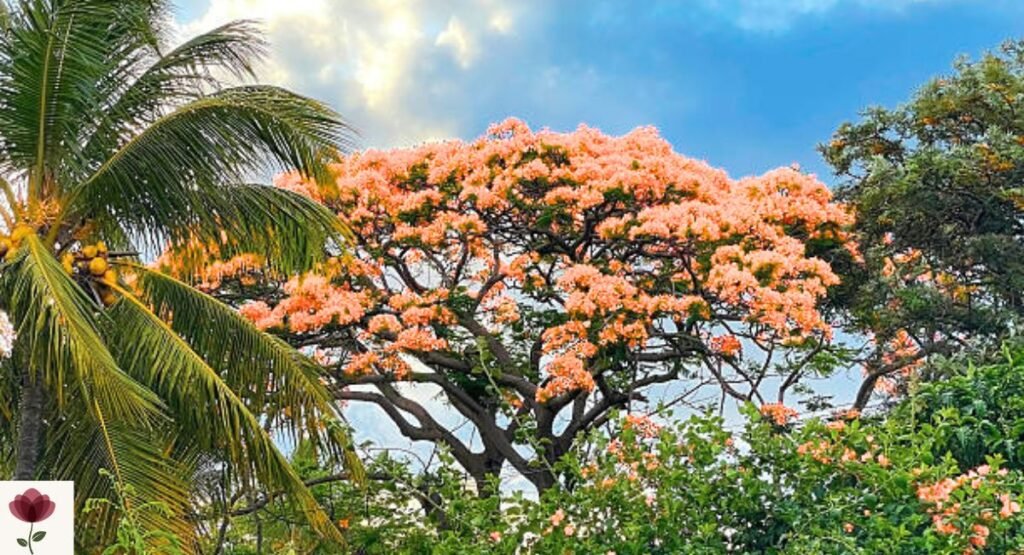
The royal poinciana is one of South Florida’s most recognizable flowering trees. Its broad, umbrella-shaped canopy fills with brilliant orange-red blossoms, while its delicate, fernlike leaves create dappled shade. Mature trees typically reach 35–40 feet tall and spread 40–60 feet wide. Their most spectacular flowering usually occurs from May through July, creating a dramatic display during the warmer months.
Plant royal poinciana in full sun and well-drained soil, leaving plenty of space for its wide canopy and surface roots. Water regularly while the tree establishes, then reduce irrigation as it matures. Long seed pods and brittle branches require consideration when choosing a planting location. This non-native species also deserves careful management in South Florida. Although its flowers are stunning, it’s better suited to spacious properties than compact residential yards.
2. Geiger Tree (Cordia sebestena)
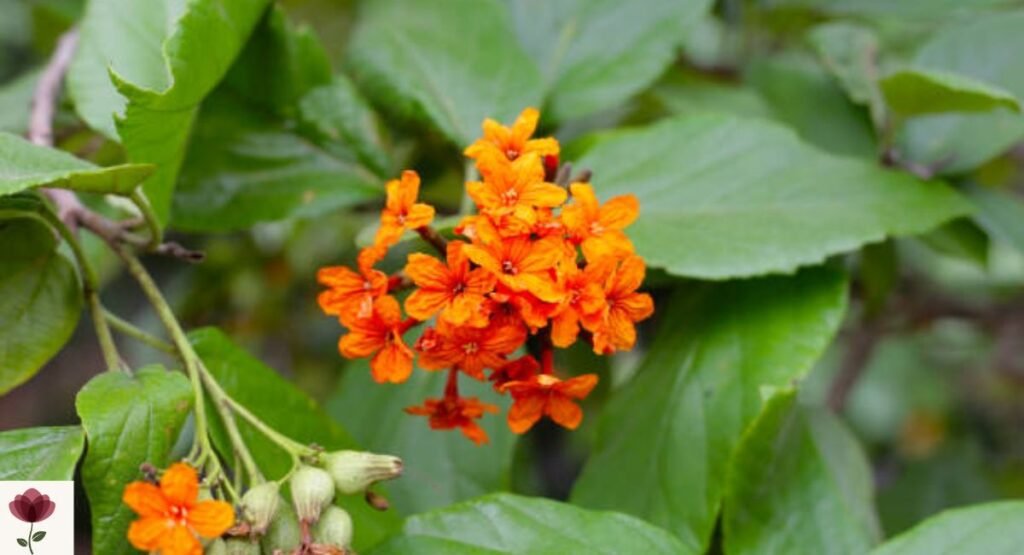
The Geiger tree is one of the most practical orange-flowering trees for Florida landscapes, particularly in coastal South Florida. It produces clusters of bright orange to orange-red, trumpet-shaped flowers against thick, dark green leaves. In warm conditions, flowering can occur throughout much of the year, with especially noticeable displays during favorable growing periods. The tree typically grows around 25–30 feet tall, making it more manageable than many large tropical flowering trees.
Geiger trees tolerate salt spray and handle sunny coastal locations well once established. They prefer well-drained soil and benefit from regular watering during their early growth. Their compact size makes them suitable for residential gardens, patios, and landscape borders where a larger shade tree would overwhelm the space. Hummingbirds and other pollinators may visit the colorful flowers, adding movement to the garden. For homeowners seeking reliable orange blooms near the coast, the Geiger tree is an excellent option.
3. African Tulip Tree (Spathodea campanulata)
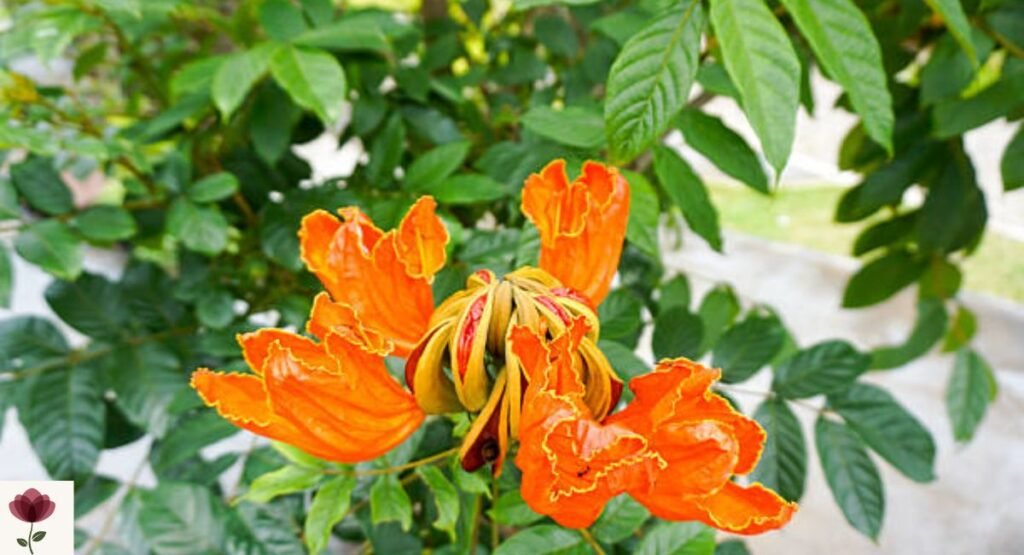
The African tulip tree produces large, cup-shaped flowers in vivid orange, red-orange, and yellow tones. Its glossy green foliage and rounded canopy give it a tropical appearance, while its abundant blossoms create a noticeable splash of color. In suitable frost-free conditions, this tree can reach approximately 50–60 feet tall, so it requires a generous planting area.
Warm temperatures and full sun encourage healthy growth and flowering. The tree prefers well-drained soil and consistent moisture during establishment. However, its wood can be brittle, and its size may make it unsuitable for properties with limited space or exposure to strong storms. It can also present environmental concerns in South Florida, so check local planting guidance before selecting it. Although the African tulip tree is visually impressive, homeowners should weigh its maintenance requirements and regional suitability carefully.
4. Orange Champaca (Magnolia champaca)
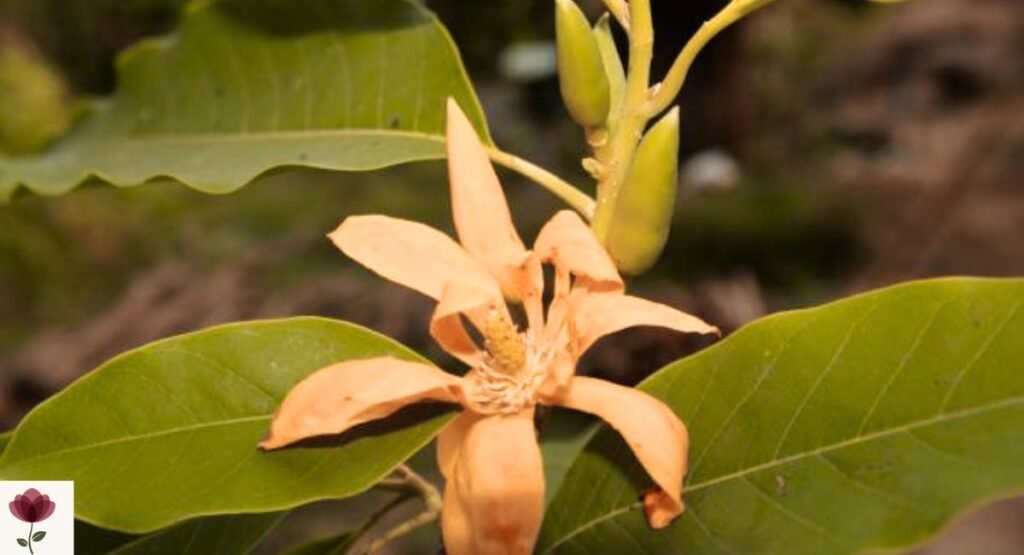
Orange champaca is a tropical flowering tree known for its fragrant golden-yellow to orange blossoms. The flowers are valued for their rich perfume, which can make a garden feel especially inviting during flowering periods. Its glossy foliage provides an attractive green backdrop, and the tree can become a striking feature in a warm-climate landscape.
This species prefers warmth, protection from cold weather, well-drained soil, and adequate moisture during active growth. A sheltered location can help it perform better in areas where temperatures occasionally fall. Before planting, check the expected mature size of the variety available from your nursery, as growth can vary with local conditions. Orange champaca works best where its fragrance can be appreciated near a garden seating area or walkway. It is particularly appealing to gardeners who want a tropical flowering tree with a noticeable scent as well as warm-colored blooms.
5. Jamaican Rain Tree (Brya ebenus)
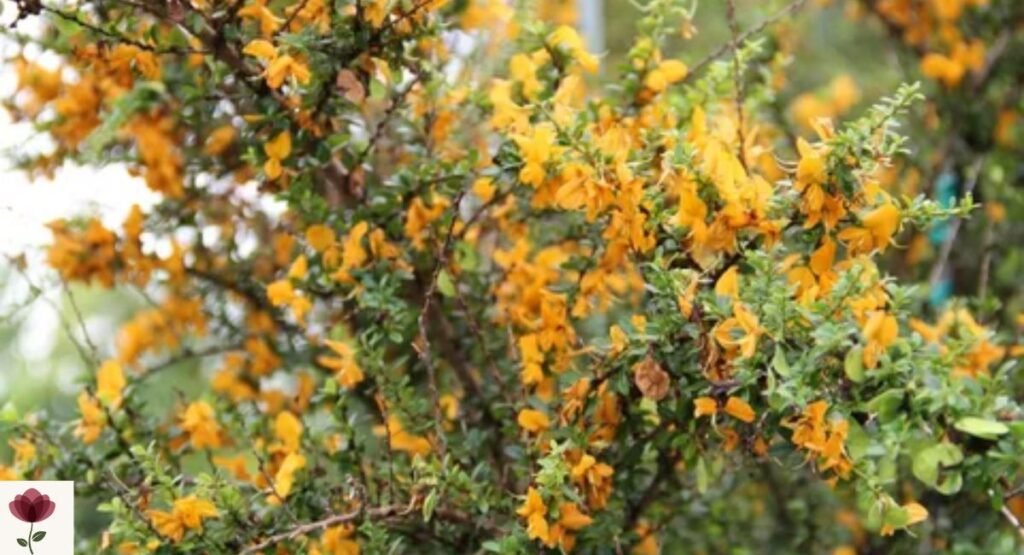
The Jamaican rain tree is a tropical woody plant with small, pea-like flowers that are generally yellow to yellow-orange rather than bright orange. Its delicate blossoms create a subtler display than the large flowers of royal poinciana or Geiger tree. The plant’s appearance and growth habit can vary with growing conditions, so it’s worth confirming the identification and expected mature size before purchasing one.
Warm weather, plenty of sunlight, and well-drained soil are important considerations for this tropical species. Avoid planting it in locations that remain waterlogged, and protect young plants from unusually cold conditions. Because reliable information about its performance in different South Florida landscapes can be limited, ask a knowledgeable local nursery about its suitability for your specific area. Gardeners looking for strong, unmistakable orange flowers may prefer a Geiger tree, while those interested in less common tropical plants may want to investigate this species further.
6. Verawood (Bulnesia arborea)
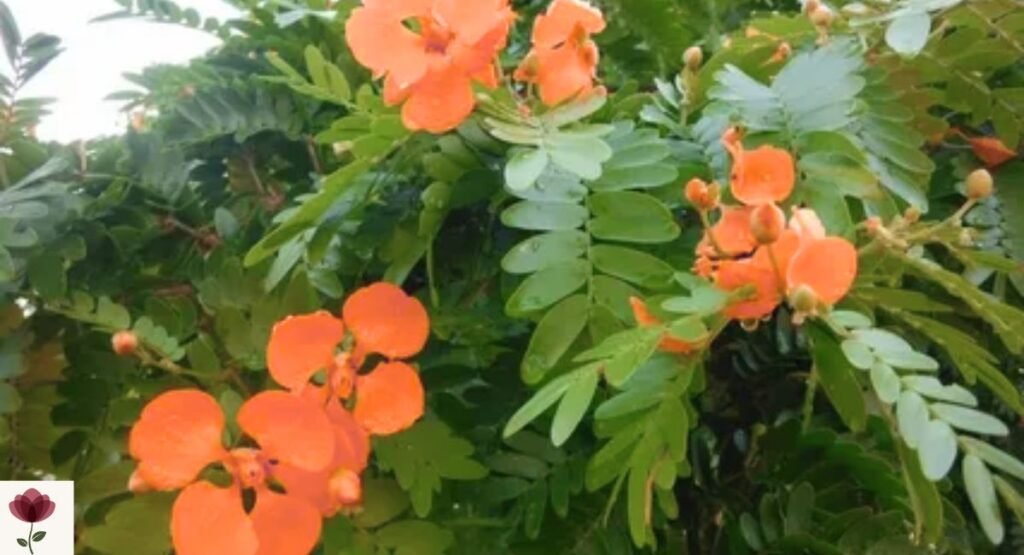
Verawood is a tropical tree with attractive foliage and yellow to yellow-orange flowers. Its blooms may appear warmer in color under certain conditions, although they aren’t always the vivid orange associated with classic tropical flowering trees. This distinction matters when selecting a tree specifically for an orange-flower garden.
Choose a sunny site with well-drained soil, and confirm the plant’s mature dimensions with a local nursery before planting. Its suitability can depend on local temperatures, drainage, and available space. Verawood may interest gardeners who appreciate unusual ornamental trees, but it should not automatically be considered a small-yard option without checking the expected size of the specimen. If your main goal is a dependable orange floral display, compare its flowering characteristics with better-documented choices such as the Geiger tree before making a final decision.
7. Flame of the Forest (Butea monosperma)
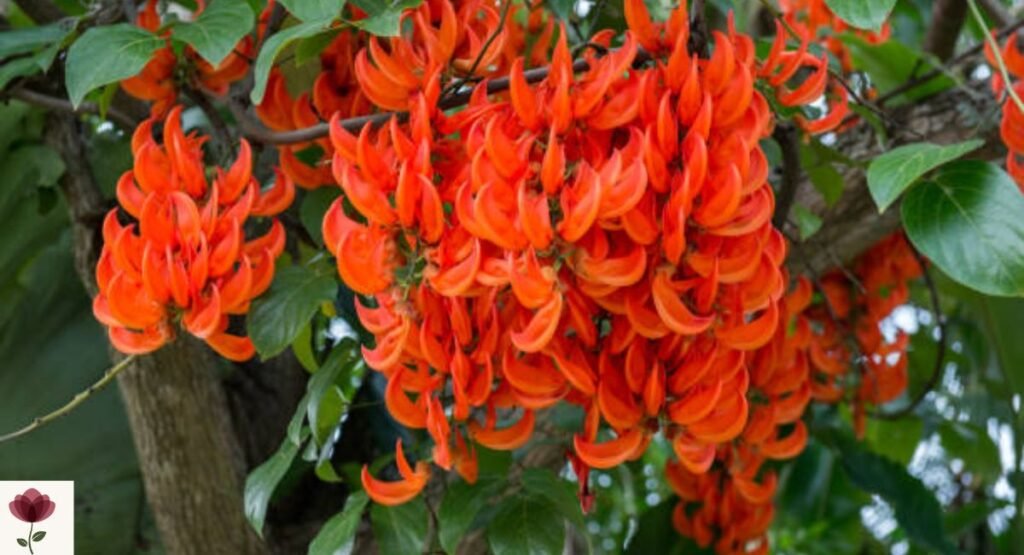
Flame of the forest is known for clusters of brilliant orange to orange-red flowers that can cover its branches during the flowering season. The blossoms stand out against the tree’s branches and foliage, producing a vivid tropical display. Its dramatic appearance makes it an interesting option for gardeners who want something different from the flowering trees commonly seen in Florida neighborhoods.
This species prefers warm conditions, sunlight, and soil that drains well. It is sensitive to cold, so protection from low temperatures is important when growing it in Florida. Check with a local nursery to determine whether it is suitable for your specific location, especially if your garden experiences occasional winter chills. Give the tree enough room to develop naturally, and avoid placing it where mature branches could interfere with buildings or overhead structures. Its bright blossoms can be appealing, but local climate suitability should guide the planting decision.
8. Silk Cotton Tree (Bombax ceiba)
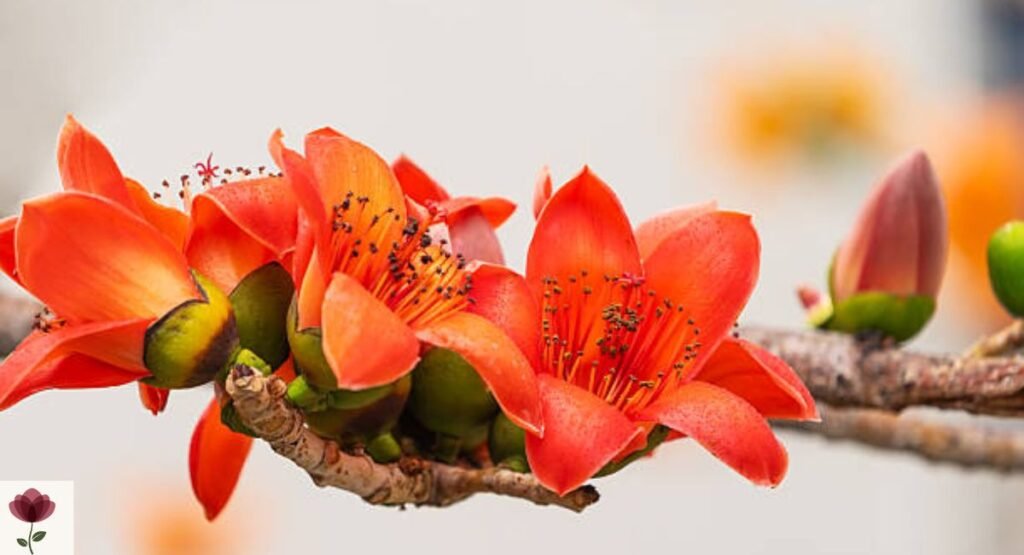
The silk cotton tree is a large tropical tree that can produce striking red to orange-red flowers on its branches. Its flowers are often especially noticeable when the tree has fewer leaves, making the blossoms stand out against the surrounding landscape. As it matures, the tree can develop an impressive canopy and become a prominent feature in a spacious garden.
Because silk cotton trees can grow very large, they need plenty of room away from buildings, driveways, and overhead utilities. A sunny location and well-drained soil support healthy growth, while young trees benefit from consistent watering. Cold sensitivity is another consideration in Florida, particularly outside the warmest regions. Before planting, confirm the species’ local performance and mature size with a reliable nursery. This tree is best considered for large properties where its eventual dimensions can be accommodated without frequent pruning or conflicts with nearby structures.
9. Scarlet Wisteria (Sesbania punicea)
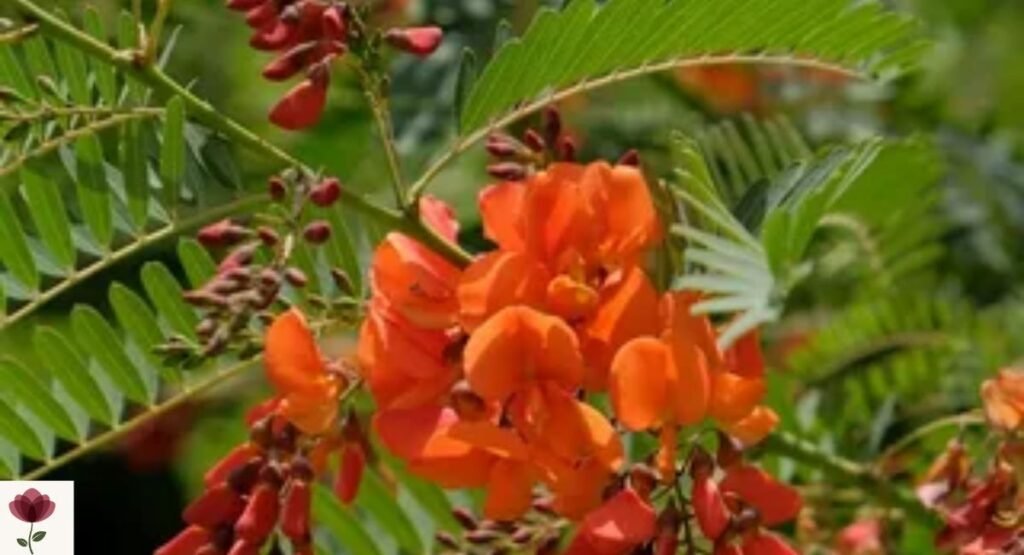
Scarlet wisteria produces clusters of orange-red flowers that can resemble small pea blossoms. Its foliage and colorful flowers may make it look attractive at first glance, but appearance alone shouldn’t determine whether a plant belongs in a Florida garden. This species is considered invasive in Florida, and planting it can contribute to its spread into natural areas.
For that reason, scarlet wisteria should be included here for identification purposes, not as a recommended landscaping choice. Avoid buying or planting it, and don’t move it into natural spaces. If you want a similar warm-colored effect, consider a suitable, non-invasive ornamental tree instead. The Geiger tree is a more practical alternative for many South Florida properties because it produces orange flowers and can tolerate coastal conditions. Always check current local guidance before introducing unfamiliar flowering plants into your landscape.
10. Red Buckeye (Aesculus pavia)
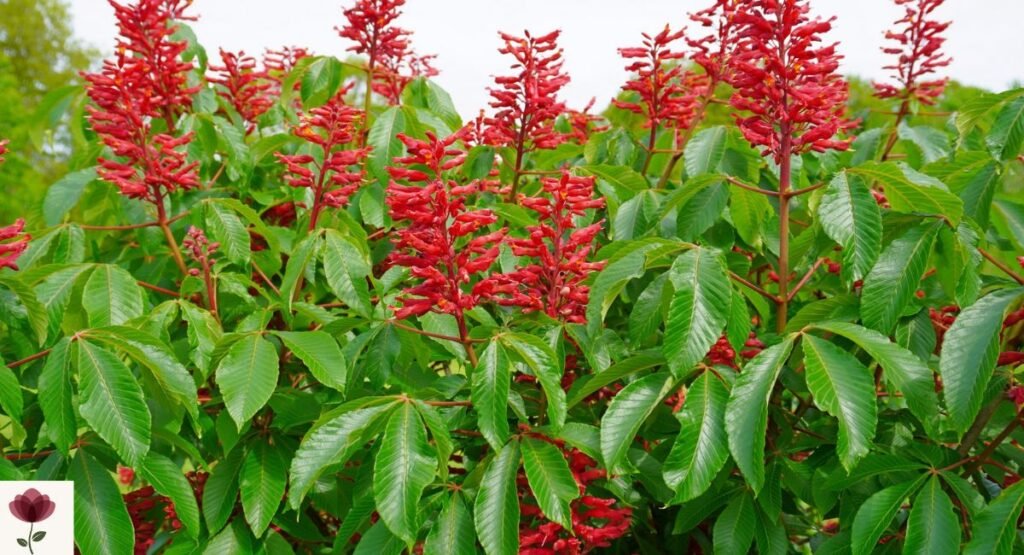
Red buckeye produces clusters of tubular flowers that range from red to orange-red. The flowers are attractive to hummingbirds and can provide early-season color in suitable climates. Its foliage is distinctive, with several leaflets arranged around a central point, giving the plant a different appearance from tropical trees with finely divided or glossy leaves.
Red buckeye is generally better suited to North and North-Central Florida than to the hottest parts of South Florida. It prefers conditions that provide adequate moisture and protection from prolonged heat stress. Its seeds and other plant parts can be toxic if ingested, so consider placement carefully where children or pets may encounter them. Although its flowers fit an orange-red color scheme, it isn’t the first choice for a typical tropical South Florida garden. Gardeners farther north in the state may find it more suitable.
11. Tulip Tree (Liriodendron tulipifera)
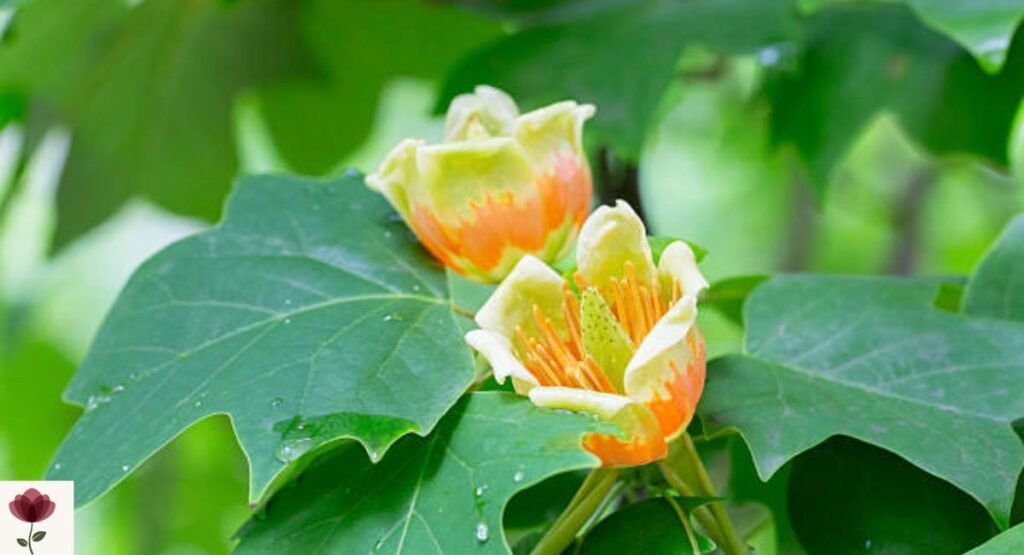
The tulip tree produces distinctive cup-shaped flowers with yellow-green petals and orange markings near their bases. These markings create an orange accent rather than an entirely orange blossom. Its unusual flowers, large leaves, and tall growth habit make it an interesting ornamental tree, particularly in regions where the climate suits its needs.
Tulip trees generally perform better in North and parts of Central Florida than in the hot, humid conditions of South Florida. They prefer deep, moist, well-drained soil and enough room to grow into a large tree. Prolonged heat and unsuitable soil conditions can limit their performance in warmer southern locations. If you live in South Florida and want bright orange flowers, a Geiger tree is usually a more practical choice. Tulip trees are worth considering mainly when your local climate and available planting space match their requirements.
12. Flame Tree (Brachychiton acerifolius)
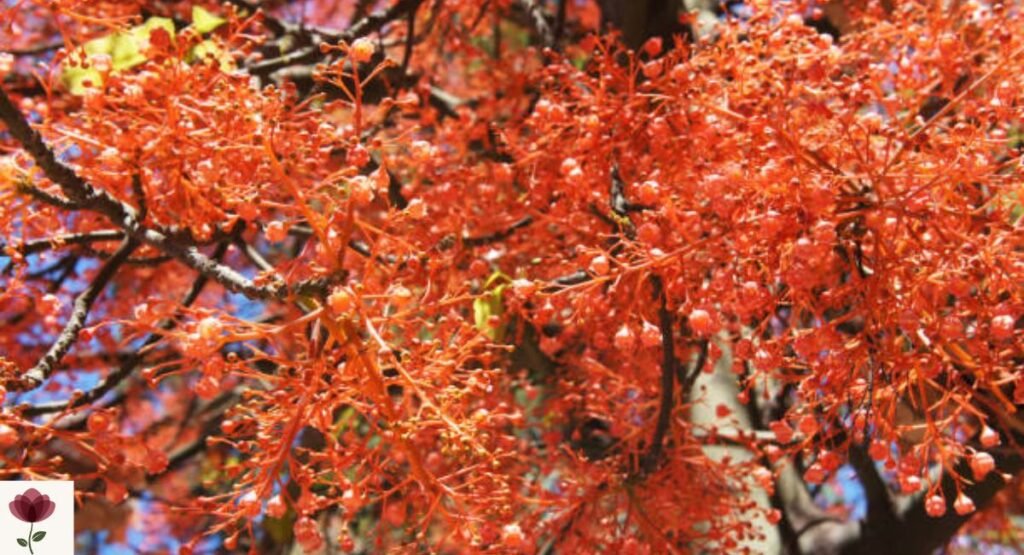
The flame tree, also known as the Illawarra flame tree, produces clusters of vivid scarlet to orange-red flowers. When flowering is abundant, the bright blossoms can make the tree appear almost covered in color. Its large leaves and spreading growth habit add to its tropical appearance, making it an appealing option for gardeners seeking a bold flowering feature.
This species needs a warm location, plenty of sunlight, and soil with good drainage. Cold tolerance and local performance should be checked before planting, particularly in areas that experience occasional winter freezes. Mature trees can become substantial, so allow enough room for the canopy and root system. Ask a local nursery about the expected size and flowering performance of the variety available. For South Florida gardens, the flame tree may be worth investigating, but its suitability should be confirmed before treating it as a dependable alternative to established local favorites.
13. Coral Tree (Erythrina Species)
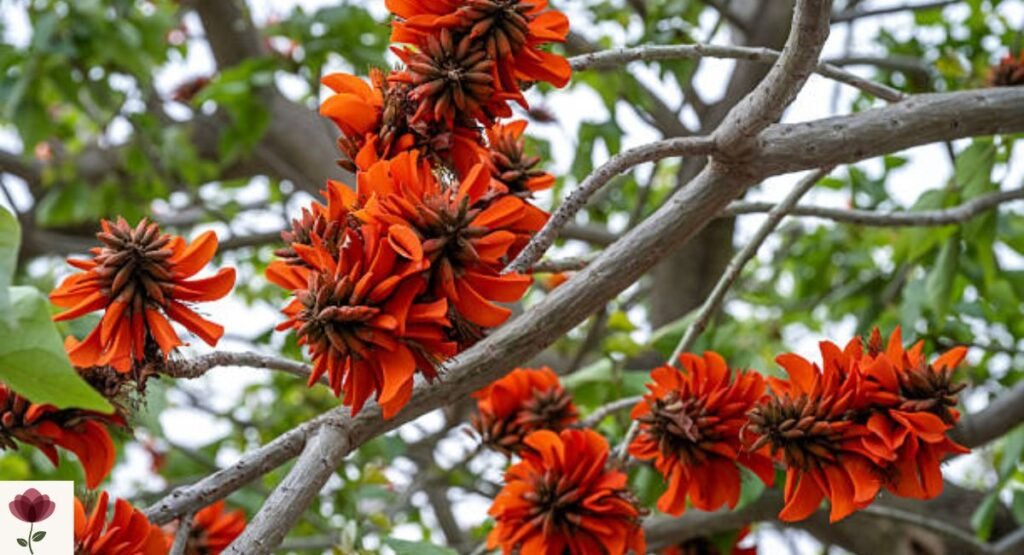
Coral trees belong to a group of species that produce vivid red, orange-red, or coral-colored flowers. Their blossoms often grow in prominent clusters and can attract hummingbirds and other nectar-seeking wildlife. Because several different species are called coral trees, their mature sizes, growth habits, flowering periods, and cold tolerance can differ considerably.
Choose the exact species before deciding where to plant one. Some coral trees develop large canopies, while others remain smaller. Certain species also have thorns or brittle branches, so planting location and maintenance requirements deserve attention. Most need adequate sunlight and soil that drains well, although growing preferences vary. In South Florida, consult a knowledgeable nursery to identify a suitable species and confirm its mature dimensions. A properly selected coral tree can add striking warm-colored flowers, but the common name alone isn’t enough to establish that a particular plant will thrive in your yard.
14. Silky Oak (Grevillea robusta)
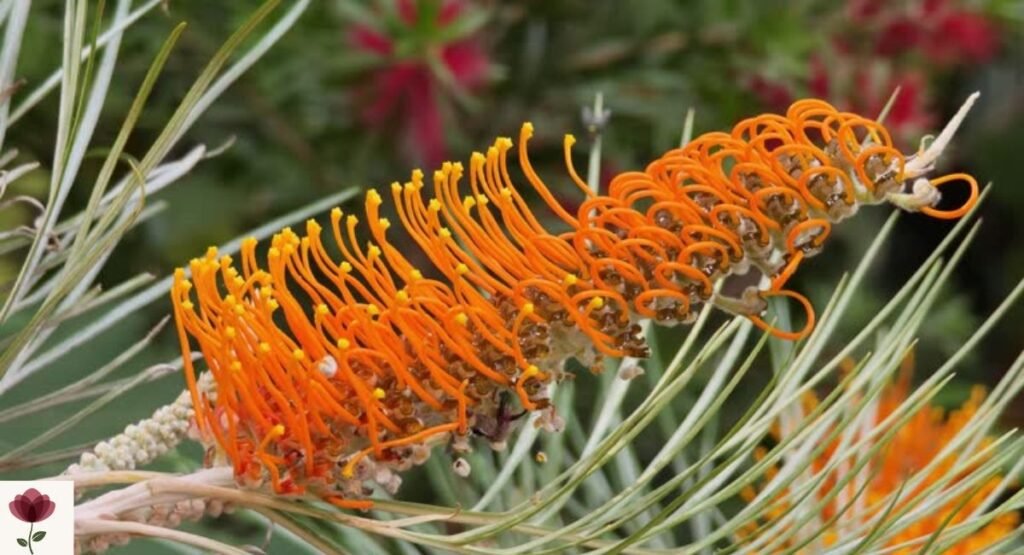
Silky oak is a fast-growing tree with deeply divided foliage and clusters of golden-orange flowers. Its feathery leaves create a distinctive appearance, and its warm-colored blossoms can brighten a landscape during the flowering season. Although it is sometimes considered for ornamental planting in warm climates, its performance and suitability should be evaluated carefully before adding it to a South Florida property.
Silky oak can grow into a large tree, so it needs substantial space and should not be planted close to buildings or overhead utilities. Full sun and well-drained soil are important, while local temperature patterns can influence its long-term success. Its eventual height and spread make it a poor match for small gardens. Before purchasing one, ask a local nursery about regional suitability, mature size, and any maintenance concerns. Gardeners who mainly want a reliable orange-flowering tree may find the Geiger tree easier to accommodate.
15. Sweet Osmanthus (Osmanthus fragrans)
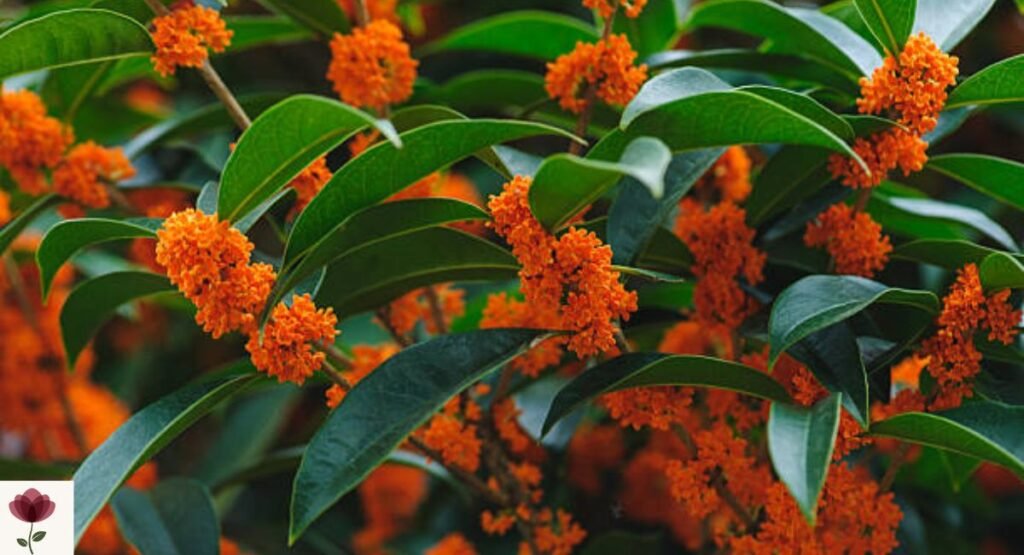
Sweet osmanthus is valued primarily for its fragrance rather than orange flowers. Its small blossoms are usually white, cream, or pale yellow, and they can release a pleasant scent that carries through the garden. The plant is often grown as an ornamental shrub or small tree, depending on the variety and how it is maintained.
It prefers well-drained soil and conditions suited to its particular variety. Before planting it in South Florida, confirm whether it can tolerate the heat and humidity of your location. Sweet osmanthus can be a good choice for gardeners who prioritize fragrance, but it shouldn’t be treated as a dependable source of orange blooms. If flower color is your main goal, choose a tree with a more consistent orange display. Keeping fragrance and flower color as separate priorities will help you select plants that meet your expectations.
Best Trees With Orange Flowers for Different Florida Gardens
Best Choice for Coastal Properties
The Geiger tree is one of the strongest choices for coastal South Florida because it tolerates salt spray and produces orange flowers. Plant it in a sunny location with well-drained soil, and provide regular water while it establishes. Its moderate size makes it easier to accommodate than many large tropical trees.
Royal poinciana can also grow in warm coastal areas, but its salt tolerance is limited, and its broad canopy needs plenty of room. Consider the exposure, soil conditions, and distance from buildings before planting. For gardens directly exposed to sea breezes, the Geiger tree is often the more practical option.
Best Choice for Small Yards
A Geiger tree is worth considering for smaller properties because it generally grows to a more manageable size than royal poinciana or African tulip tree. Its bright flowers and tolerance of sunny conditions make it useful in many South Florida landscapes. However, allow room for its mature canopy instead of planting it too close to walls or pathways.
Avoid choosing a tree based only on how small it looks in a nursery pot. Ask about its expected mature height, width, roots, and pruning needs. Large species such as silk cotton and flame tree can quickly outgrow compact spaces, while invasive scarlet wisteria should not be planted.
Best Choice for Fragrant Flowers
Orange champaca is an appealing option for gardeners who want both warm-colored flowers and a noticeable fragrance. Plant it near a walkway or seating area where the scent can be enjoyed, provided the location meets its warmth, sunlight, and drainage needs. Its tropical character makes it especially attractive in suitable South Florida gardens.
Sweet osmanthus is another fragrant ornamental, but its flowers are generally white, cream, or pale yellow rather than orange. Choose it for fragrance, not for a bright orange floral display. Matching the plant to your main priority will help prevent disappointment once it blooms.
Best Choice for Dramatic Summer Color
Royal poinciana can create an unforgettable summer display with its wide canopy and orange-red flowers. Its large size, surface roots, brittle branches, and seed pods mean that it needs careful placement. It is most suitable for spacious properties where the tree can grow without interfering with buildings or paved areas.
The Geiger tree offers another source of orange color and is generally easier to fit into residential landscapes. African tulip tree also produces bold orange flowers, but its brittle wood and environmental considerations require caution. Always confirm local suitability before planting a large non-native tree.
When Do Orange-Flowering Trees Bloom in Florida?
Flowering seasons vary according to the species, local temperatures, rainfall, and growing conditions. Some tropical trees bloom during the warmer months, while others may flower intermittently throughout the year. A tree’s flowering period can also vary between locations and individual specimens.
Royal poinciana is particularly associated with late spring and summer blooms. Geiger trees can flower during much of the year in warm regions, while other tropical species may bloom less predictably. Before purchasing a tree, ask a local nursery when it usually flowers in your area. This is especially useful if you want a continuous sequence of color rather than a single dramatic flowering season.
How to Choose the Right Orange-Flowering Tree for South Florida
Consider Your USDA Hardiness Zone
Florida’s climate varies significantly from north to south. A tree that grows well in Miami or the Florida Keys may struggle in North Florida, where winter temperatures can fall much lower. Check your USDA hardiness zone and compare it with the tree’s temperature requirements before planting.
Hardiness zones are useful, but they don’t tell the whole story. Heat tolerance, humidity, drainage, and exposure to coastal winds can also affect performance. Choose species suited to your exact location rather than assuming that every tropical tree will thrive throughout Florida.
Check the Mature Height and Spread
A flowering tree may look small when purchased, but its mature dimensions determine whether it will fit your property. Royal poinciana and silk cotton can become large trees, while a Geiger tree is generally more manageable. Leave enough room for branches, roots, and routine maintenance.
Avoid planting large trees too close to buildings, sidewalks, driveways, pools, or overhead power lines. Surface roots can affect paved areas, and wide branches may need clearance from nearby structures. A little planning at planting time can prevent costly maintenance later.
Understand Soil and Water Requirements
Many South Florida properties have sandy soil that drains quickly. Some trees tolerate these conditions better than others, so check the species’ drainage and moisture requirements before planting. Improve the planting area only as recommended for that particular tree, and avoid creating a hole that holds standing water around the roots.
Water young trees regularly while their root systems establish. Once established, irrigation needs vary with the species, soil, rainfall, and season. Applying mulch over the root zone can help conserve moisture, but keep it away from direct contact with the trunk.
Consider Salt Tolerance and Wind Exposure
Coastal gardens face additional challenges, including salt spray, strong winds, and sandy soil. The Geiger tree is a useful option because it tolerates salt spray better than many flowering trees. Other species may need a more sheltered location, especially while young.
Wind resistance also matters in Florida, where tropical storms can damage trees with brittle wood or poorly structured branches. Consider the mature canopy and branch structure before planting. Regular inspection and appropriate maintenance can reduce some risks, but no tree should be assumed to be completely storm-proof.
Choose Plants With Environmental Responsibility in Mind
Some attractive non-native plants can spread beyond gardens and affect natural habitats. Scarlet wisteria is an example that should not be planted in Florida because it is invasive. Other non-native flowering trees may require regional precautions or careful management.
Check current Florida planting recommendations before purchasing unfamiliar species. Native and well-adapted trees can support local wildlife while reducing the need for intensive maintenance. If you’re uncertain about a plant’s status, consult a knowledgeable nursery or local extension service rather than relying solely on a flower photograph or product label.
How to Identify Trees With Orange Flowers
Flower color is a helpful starting point, but it isn’t enough to identify a tree accurately. Look at the flower shape, leaf arrangement, bark, seed pods, and overall growth habit. Royal poinciana has fernlike leaves and a broad canopy, while Geiger trees produce clusters of trumpet-shaped orange flowers and thick leaves.
Flowering time can also provide useful clues. Some trees bloom mainly during summer, while others may flower more than once a year in warm conditions. Compare several features instead of relying on a single blossom. If you need a reliable identification, take clear photographs of the flowers, leaves, trunk, and entire tree and ask a local plant expert to confirm the species.
Conclusion
Choosing the right trees with orange flowers in South Florida means balancing flower color with climate, mature size, maintenance, and environmental suitability. The Geiger tree is a practical choice for many coastal and residential landscapes, while royal poinciana can provide dramatic summer color where there is enough space. Other species offer unusual flowers or fragrance but may need more careful evaluation.
Before planting, confirm the tree’s identity, expected mature dimensions, cold tolerance, and regional recommendations. Avoid invasive species such as scarlet wisteria, and don’t assume that every tree with orange-toned flowers will thrive in your location. With thoughtful selection and proper care, you can create a Florida garden filled with beautiful blooms and a landscape that suits your property.
FAQs
What Is the Best Tree With Orange Flowers for South Florida?
The Geiger tree is a strong option for many South Florida gardens because it produces bright orange flowers, tolerates salt spray, and generally stays smaller than large tropical shade trees. The best choice still depends on your available space, soil drainage, and exposure to coastal conditions.
Which Orange-Flowering Trees Grow Near the Florida Coast?
The Geiger tree is especially useful in coastal landscapes because it handles salt spray. Other trees may grow near the coast if they receive suitable sunlight, drainage, and protection from harsh exposure. Check each species’ salt and wind tolerance before planting.
Do Orange-Flowering Trees Attract Hummingbirds?
Some flowering trees can attract hummingbirds and other pollinators, especially those with tubular flowers and accessible nectar. Geiger trees and suitable coral tree species may provide useful food sources. Wildlife visits depend on local conditions and the availability of other flowering plants.
Can I Grow Orange-Flowering Trees in a Small Backyard?
Yes, but you should choose a tree based on its mature size rather than its nursery appearance. A Geiger tree may suit some smaller properties, while royal poinciana, African tulip tree, and silk cotton generally require much more space. Keep roots and mature branches away from buildings and utilities.
Are All Orange-Flowering Trees Suitable for Every Part of Florida?
No. Florida includes several climate zones, and tropical trees that perform well in the south may struggle with colder winters farther north. Some species also have environmental concerns or special maintenance requirements. Check hardiness, local planting guidance, and mature dimensions before making a decision.

Welcome to PetalNexa! I’m Anam Sattar, an AI-powered SEO Specialist and Content Writer with over 4 years of experience in creating high-quality, search-optimized content. I help businesses improve their search engine rankings, increase organic traffic, and build beautiful, user-friendly websites. My mission is to make SEO, content creation, and web design simple, effective, and accessible for everyone. Let’s grow your online presence and achieve success together!
1 thought on “15 Trees in Florida With Orange Flowers: Best Varieties for South Florida”