

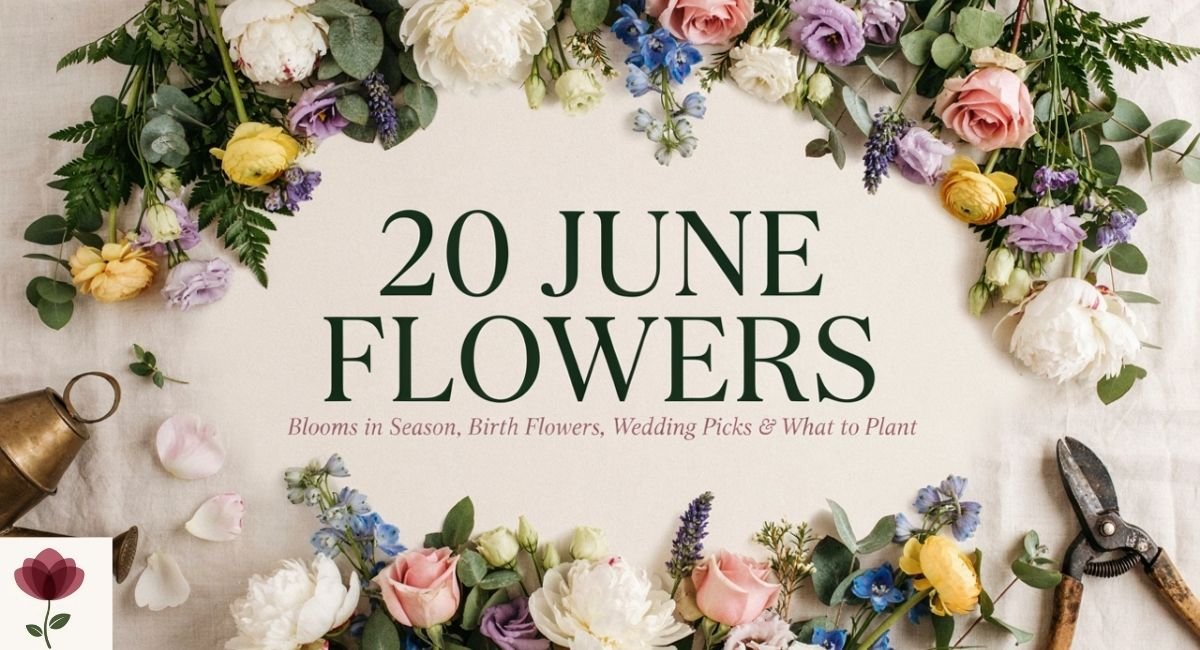
June brings a fresh wave of color to gardens, bouquets, and outdoor celebrations. The month is packed with June Flowers that range from fragrant roses and lavender to elegant peonies and hydrangeas. Many flowers that bloom in June begin their display in late spring, while others continue well into summer. If you’re planning a garden, understanding flowers to plant in June can help you choose varieties suited to your climate and growing zone.
June also offers beautiful seasonal flowers for birthdays, bouquets, and weddings. Whether you love cottage gardens, pollinator-friendly spaces, or colorful containers, there’s a June bloom for you. Let’s explore the best flowers, their meanings, growing needs, and seasonal uses.
What Are June Flowers?
A June flower is generally a plant that reaches its main flowering period during June. However, the term doesn’t describe one specific botanical group. Some plants start flowering in May and continue into June. Others begin in June and remain colorful through summer. These June blooming flowers can include perennials, annuals, shrubs, vines, and bulbs.
There’s also an important difference between flowers that bloom in June and flowers that are “in season.” A garden plant may bloom in June but remain unavailable as a commercial cut flower in some areas. Likewise, flowers in season in June can vary by climate and local growing conditions. A rose may bloom earlier in the South than in a cooler northern garden.
June Flowers: Quick Comparison Table
The following table gives you a quick look at 20 popular June flowering plants. Bloom timing can shift slightly depending on the cultivar, weather, and U.S. growing zone.
| No. | Flower | June Bloom | Sunlight | Best Use |
| 1 | Rose | Yes | Full Sun | Garden & Wedding |
| 2 | Peony | Yes | Full Sun | Bouquet |
| 3 | Lavender | Yes | Full Sun | Garden |
| 4 | Iris | Yes | Full Sun | Garden |
| 5 | Hydrangea | Yes | Part Sun | Wedding |
| 6 | Delphinium | Yes | Full Sun | Bouquet |
| 7 | Foxglove | Yes | Part Sun | Cottage Garden |
| 8 | Lupine | Yes | Full Sun | Pollinator Garden |
| 9 | Coneflower | Yes | Full Sun | Wildlife Garden |
| 10 | Black-Eyed Susan | Yes | Full Sun | Garden |
| 11 | Daylily | Yes | Full Sun | Landscape |
| 12 | Clematis | Yes | Full Sun/Part Sun | Trellis |
| 13 | Honeysuckle | Yes | Sun/Part Sun | Pollinators |
| 14 | Yarrow | Yes | Full Sun | Low Maintenance |
| 15 | Bee Balm | Yes | Full Sun/Part Sun | Pollinator Garden |
| 16 | Zinnia | Yes | Full Sun | Cut Flower |
| 17 | Coreopsis | Yes | Full Sun | Garden |
| 18 | Shasta Daisy | Yes | Full Sun | Garden |
| 19 | Salvia | Yes | Full Sun | Pollinator Garden |
| 20 | Astilbe | Yes | Part Shade | Shade Garden |
What Are the June Birth Flowers?
June has two widely recognized birth flowers: the rose and honeysuckle. Both offer very different personalities. Roses bring classic beauty, fragrance, and romance. Honeysuckle adds sweetness through its tubular flowers and strong scent. Together, they represent some of the most distinctive June birth flowers.
These flowers work beautifully for birthday bouquets, garden gifts, floral artwork, and celebrations. Their meanings can also influence the type of flower you choose. For example, roses suit romantic gifts, while honeysuckle can express affection and devotion. Still, flower symbolism can vary across cultures and traditions.
Rose
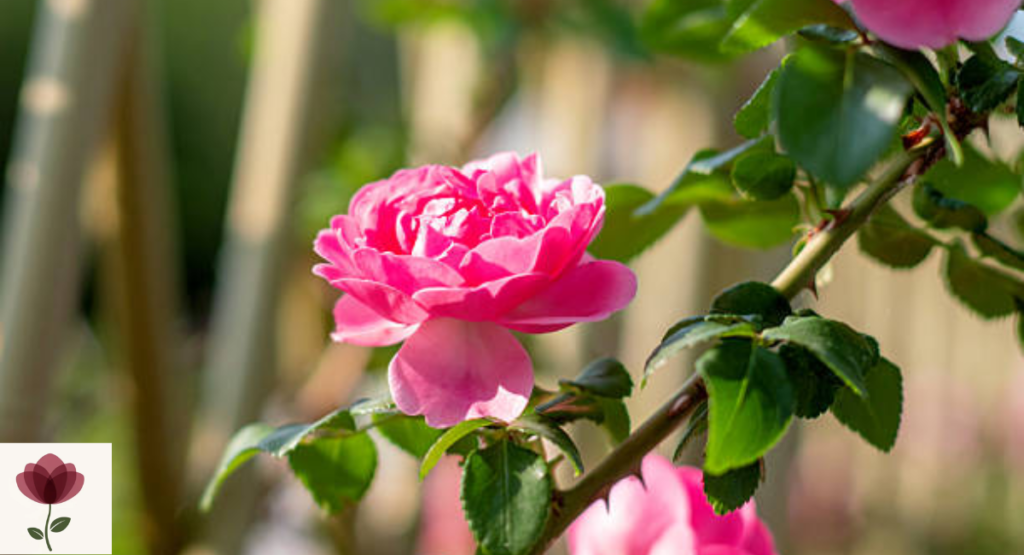
The rose (Rosa spp.) is one of the best-known June birth flowers. Traditionally, roses represent love, passion, beauty, and affection. Their colors add another layer of meaning. Red roses often suggest romantic love, while pink roses commonly represent admiration and appreciation. White roses are frequently associated with purity and new beginnings.
Roses also rank among the most useful June wedding flowers. Their structured blooms work in bridal bouquets, centerpieces, arches, and boutonnieres. In gardens, roses prefer plenty of sunlight, good airflow, fertile soil, and regular moisture. Many repeat-flowering varieties can provide color well beyond June.
Honeysuckle

Honeysuckle (Lonicera spp.) is another traditional June birth flower. Its tubular flowers often release a sweet fragrance that becomes especially noticeable during warm evenings. Depending on the species, flowers may appear in shades of pink, red, orange, yellow, or white. The plant can grow as a vine or shrub.
Honeysuckle also has strong pollinator appeal. Its tubular blooms can attract hummingbirds, bees, butterflies, and other visitors. In a garden, climbing varieties can cover trellises, fences, and pergolas. Choose the species carefully because some honeysuckles can become invasive outside their native range.
20 June Flowers to Grow, Gift & Enjoy
June offers a remarkable mixture of shapes, colors, fragrances, and growing habits. The following June Flowers aren’t simply attractive choices. They can also support pollinators, supply cut flowers, fill difficult garden spaces, or create dramatic seasonal displays.
Before choosing any plant, check its mature size, sunlight needs, soil preference, and regional suitability. A beautiful flower can struggle if planted in the wrong location. The best garden usually combines several plants with different heights and bloom periods.
1. Rose
Scientific Name: Rosa spp.
Roses are classic summer flowers that often reach a strong flowering period in June. Their blooms range from tiny singles to large, heavily layered flowers. Depending on the cultivar, roses can provide fragrance, repeat blooms, climbing growth, or compact habits. They’re particularly useful in borders, cottage gardens, containers, and formal landscapes.
For weddings, roses offer enormous flexibility. They can create romantic bouquets or structured centerpieces. In the garden, give roses full sun and well-drained soil. Regular watering at the root zone, good airflow, feeding, and thoughtful pruning help keep plants vigorous throughout the season.
2. Peony
Scientific Name: Paeonia spp.
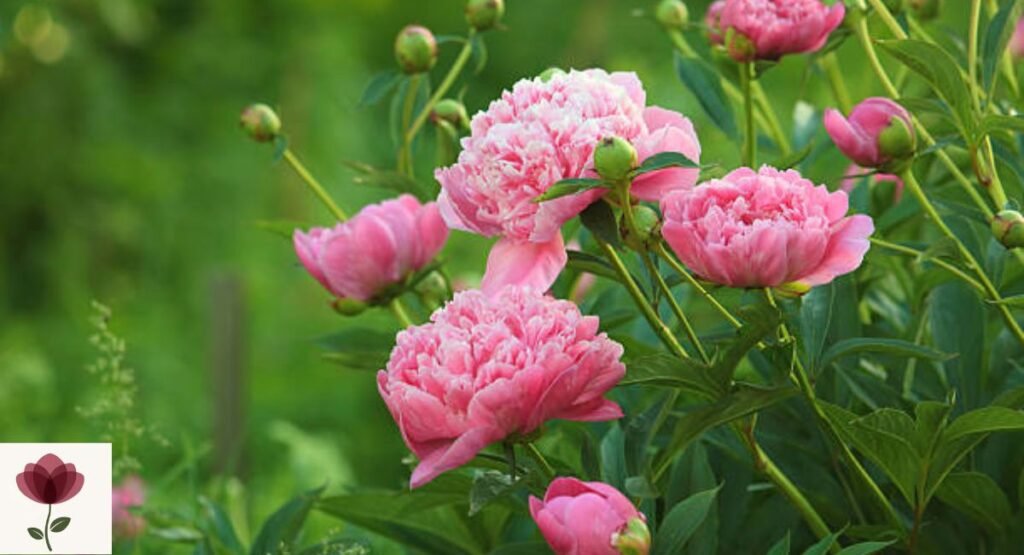
Peonies are famous for their huge, layered flowers and sweet fragrance. Their peak season often falls in late spring or early summer, making them especially valuable June garden flowers. Flowers can appear in white, pink, coral, red, and softer pastel shades. Their lush form gives bouquets an instantly luxurious appearance.
Peonies prefer full sun and fertile, well-drained soil. Once established, plants can live for many years with surprisingly little fuss. Their main limitation is timing. The flowering window can be relatively short. Planting complementary flowers nearby helps maintain color after the peony display fades.
3. Lavender

Scientific Name: Lavandula spp.
Lavender creates a different kind of June display. Its slender purple flower spikes rise above silvery foliage and release a distinctive fragrance. These June blooming flowers are particularly attractive to bees and other pollinators. Lavender also works beautifully along paths because brushing against the foliage releases its scent.
Give lavender full sun and excellent drainage. Wet soil can cause serious root problems, especially during winter. Once established, many lavender types handle dry conditions well. You can grow them in borders, containers, herb gardens, and cutting gardens. Their flowers also dry well for long-lasting arrangements.
4. Iris
Scientific Name: Iris spp.
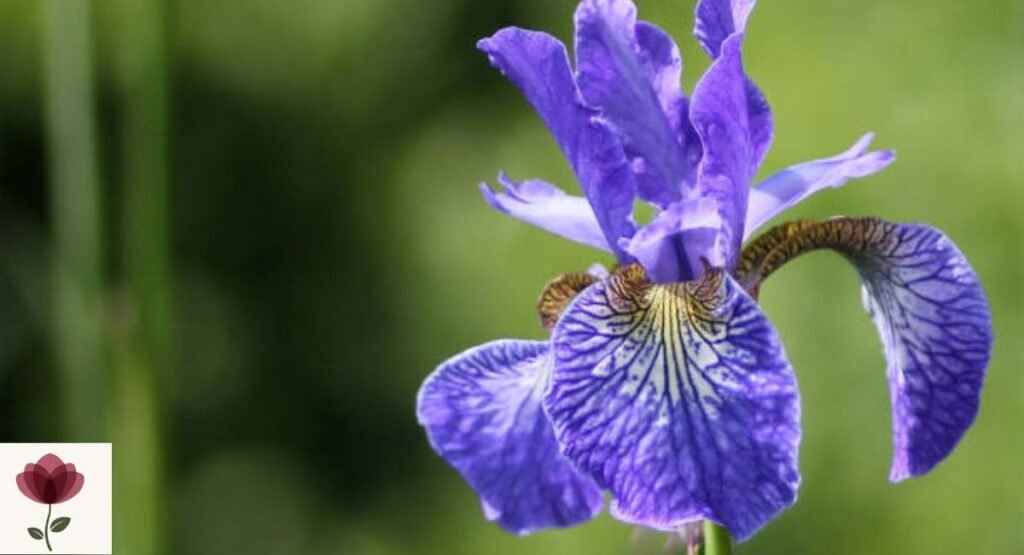
Iris flowers look almost painted, with elegant petals, bold markings, and unusual forms. Bearded iris is especially popular in American gardens, although the genus contains many different types. Depending on the variety, blooms can appear in purple, blue, yellow, white, pink, or combinations of several shades.
These June flowering plants work well in perennial borders and cottage gardens. Many iris varieties enjoy full sun and well-drained soil. Their sword-shaped foliage adds structure even after the flowers disappear. Dividing crowded plants every few years can help maintain vigor and flowering.
5. Hydrangea

Scientific Name: Hydrangea spp.
Hydrangeas produce some of the most recognizable flower clusters of early summer. Their large heads can create a dramatic effect with relatively few plants. That’s why they’re among the most requested June wedding flowers. Depending on the species and cultivar, flowers may appear white, pink, blue, green, or purple.
Hydrangeas generally appreciate consistent moisture and protection from harsh afternoon heat. Some types can tolerate more sun than others. Flower color in certain bigleaf hydrangeas can respond to soil chemistry and aluminum availability. Before planting, check the specific species because pruning requirements differ considerably.
6. Delphinium

Scientific Name: Delphinium spp.
Delphiniums bring height and drama to summer borders. Their tall flower spikes carry densely packed blooms in blue, purple, pink, and white. Few June Flowers create such a strong vertical accent. They can also become excellent cut flowers when harvested at the right stage.
Delphiniums generally prefer fertile soil, regular moisture, and good sunlight. Taller varieties may need staking, especially in windy gardens. Cutting spent flower spikes can encourage additional flowering in suitable conditions. Their cool-toned colors also pair beautifully with roses, peonies, and yellow-flowering perennials.
7. Foxglove

Scientific Name: Digitalis spp.
Foxglove adds height and woodland charm with tall stems covered in tubular, bell-shaped flowers. Its spotted throats give each bloom an almost hand-painted appearance. These plants are classic cottage garden flowers and can look wonderful behind shorter perennials.
Foxgloves often appreciate partial shade and evenly moist soil. Some species are biennial while others behave as short-lived perennials. They can self-seed under favorable conditions. However, every part of foxglove is toxic if eaten, so place it carefully around children and pets.
8. Lupine

Scientific Name: Lupinus spp.
Lupines produce colorful spikes that can transform a June border into a vertical tapestry. Blue, purple, pink, yellow, and bicolored flowers are common. Native lupine species can also provide ecological value in suitable regions. Their distinctive shape makes them easy to recognize from a distance.
Lupines generally perform best where drainage is good and sunlight is plentiful. Their needs vary by species, so regional selection matters. Native types can be particularly useful in wildlife-focused landscapes. Their blooms provide nectar and pollen for various insects, making them useful pollinator garden flowers.
9. Coneflower
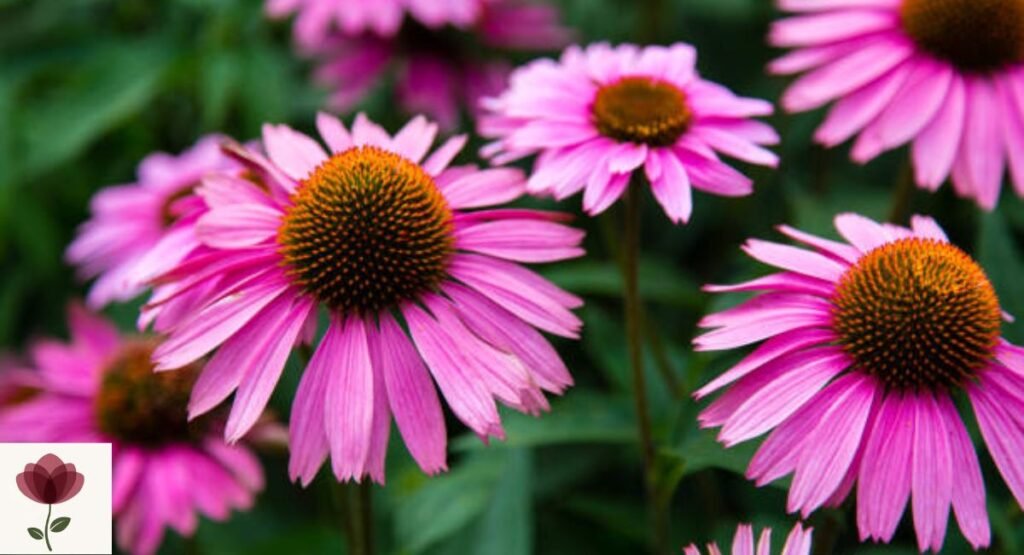
Scientific Name: Echinacea spp.
Coneflowers bring sturdy stems, daisy-like petals, and raised central cones to summer gardens. Purple is traditional, although cultivated forms now offer many additional colors. These durable summer flowering perennials tolerate heat and dry conditions once established.
Their ecological value adds another reason to grow them. Bees and butterflies visit the flowers, while mature seed heads can interest birds. Coneflowers prefer full sun and well-drained soil. They also look particularly attractive when planted in groups instead of scattered individually.
10. Black-Eyed Susan

Scientific Name: Rudbeckia spp.
Black-eyed Susan produces cheerful golden-yellow flowers with dark central cones. Its bright color makes it one of the easiest ways to create a sunny summer border. These low-maintenance flowers can handle heat and are well suited to informal landscapes.
Plant them in full sun with reasonably well-drained soil. Once established, many rudbeckias tolerate periods of dryness. They also attract pollinators and provide seasonal interest when planted beside purple salvia, lavender, or blue-toned flowers.
11. Daylily

Scientific Name: Hemerocallis spp.
Daylilies are valued for their adaptability and colorful trumpet-shaped blooms. Each individual flower may last only briefly, yet a mature plant can produce many buds. This creates a steady stream of flowers during the season. Modern cultivars offer an enormous range of colors and flower forms.
Daylilies can handle many ordinary landscape conditions. They work along walkways, slopes, borders, foundations, and large planting beds. Full sun generally encourages stronger flowering. Although individual blooms are short-lived, the overall plant can provide impressive summer color.
12. Clematis
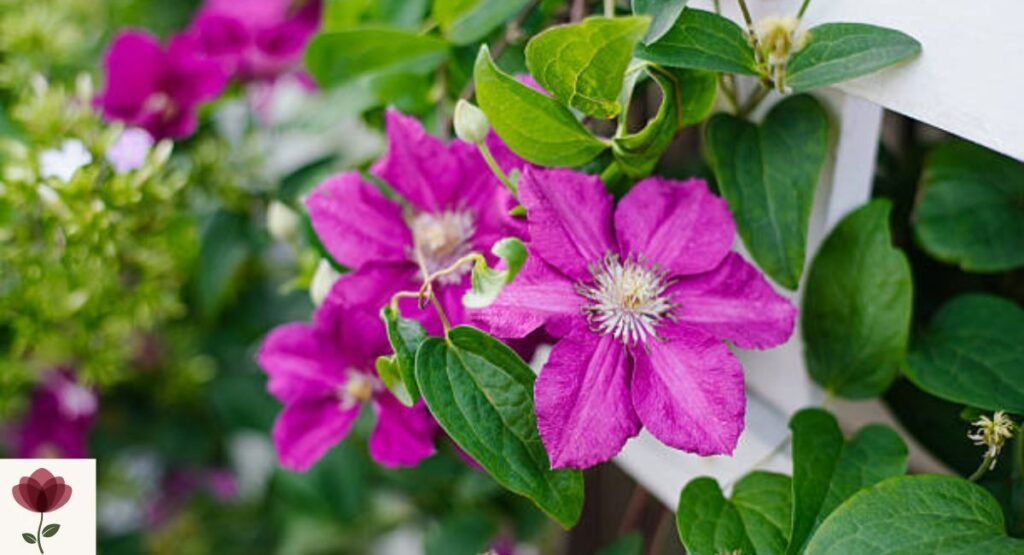
Scientific Name: Clematis spp.
Clematis brings flowers upward instead of outward. Its climbing habit makes it ideal for trellises, fences, arches, and pergolas. Different species and cultivar groups flower at different times, so some provide excellent flowers blooming in June while others bloom earlier or later.
Clematis generally benefits from good light for its foliage while its root zone stays cooler. A layer of mulch can help protect the roots from heat and moisture swings. Always identify the clematis group before pruning because pruning methods differ according to flowering habit.
13. Honeysuckle
Scientific Name: Lonicera spp.
Honeysuckle combines attractive flowers with powerful fragrance. Tubular blooms often appear in warm colors and can become particularly noticeable around patios or seating areas. As a traditional June birth flower, it also carries strong symbolic value.
Its wildlife appeal is equally important. Hummingbirds and insects can visit suitable species. Climbing honeysuckles work well on supports, although their growth can become vigorous. Select a regionally appropriate species or cultivar to avoid introducing an invasive plant.
14. Yarrow
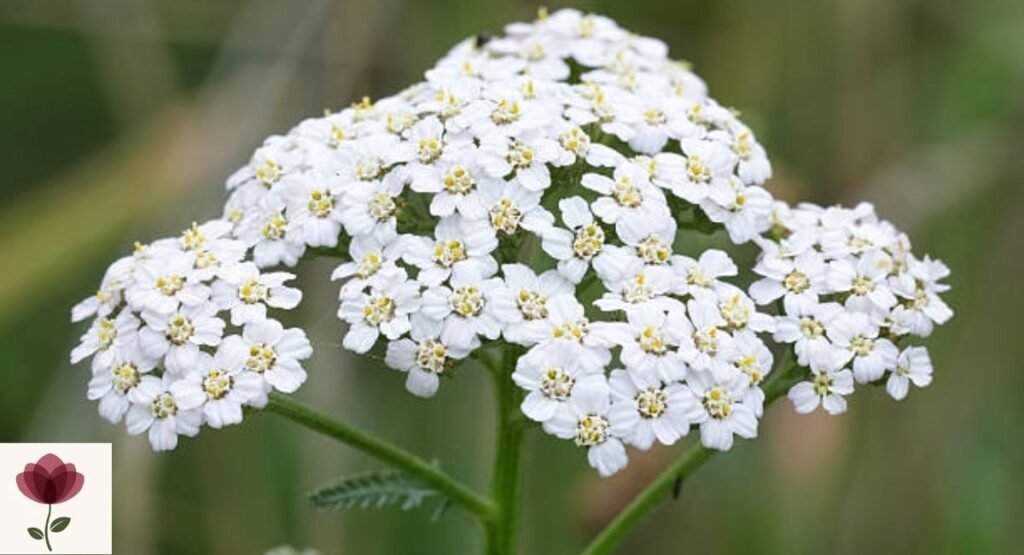
Scientific Name: Achillea spp.
Yarrow forms flat-topped flower clusters above finely divided foliage. Its flowers can appear in white, yellow, pink, red, and warm earthy tones. The plant has a tough nature that makes it especially useful for sunny, low-input gardens.
Yarrow handles dry conditions well once established and attracts many beneficial insects. It also makes an excellent dried flower. In a border, its flat flower heads contrast nicely with vertical plants such as salvia and delphinium.
15. Bee Balm

Scientific Name: Monarda spp.
Bee balm has an unusual, almost tousled flower shape that immediately catches attention. Depending on the species or cultivar, flowers can be red, pink, purple, or white. Its aromatic foliage adds another sensory element to the garden.
As its name suggests, bee balm can support pollinators. Hummingbirds, bees, and butterflies often visit the flowers. Give it suitable sunlight and airflow because crowded, humid conditions can encourage powdery mildew. Dividing vigorous plants can also help prevent overcrowding.
16. Zinnia
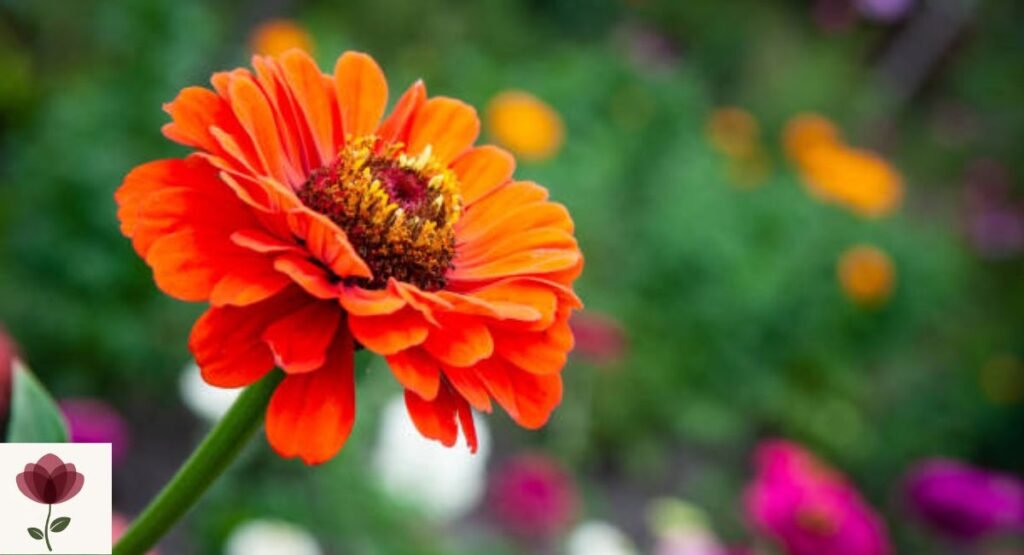
Scientific Name: Zinnia spp.
Zinnias are among the easiest choices when you want a long supply of colorful cut flowers. They come in bold shades and many flower shapes. Unlike established perennials, zinnias can be started from seed during the growing season. That makes them particularly useful flowers to plant in June in many warm U.S. areas.
Wait until frost danger has passed and the soil has warmed. Zinnias perform best in full sun with good airflow. Regularly cutting mature flowers encourages the plant to produce more stems. They’re excellent for beginner cutting gardens.
17. Coreopsis
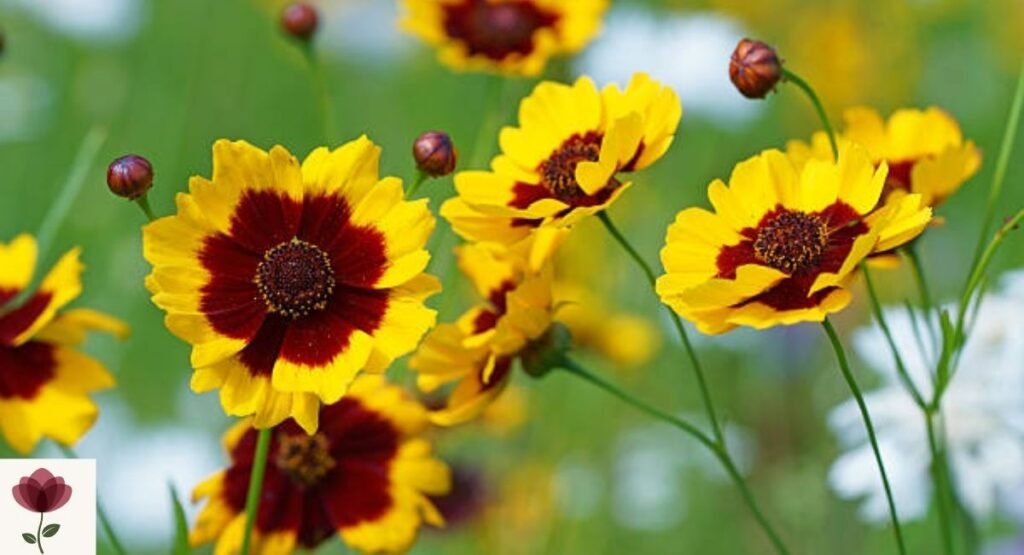
Scientific Name: Coreopsis spp.
Coreopsis brings bright, daisy-like flowers and a long flowering season. Yellow is especially common, although cultivars offer other colors and patterns. Its cheerful appearance makes it useful in borders, cottage gardens, containers, and naturalistic planting.
Many coreopsis varieties appreciate full sun and well-drained soil. Established plants can tolerate periods of dryness. Their flowers also attract bees and butterflies. Deadheading can help maintain a tidy appearance and encourage additional flowering.
18. Shasta Daisy
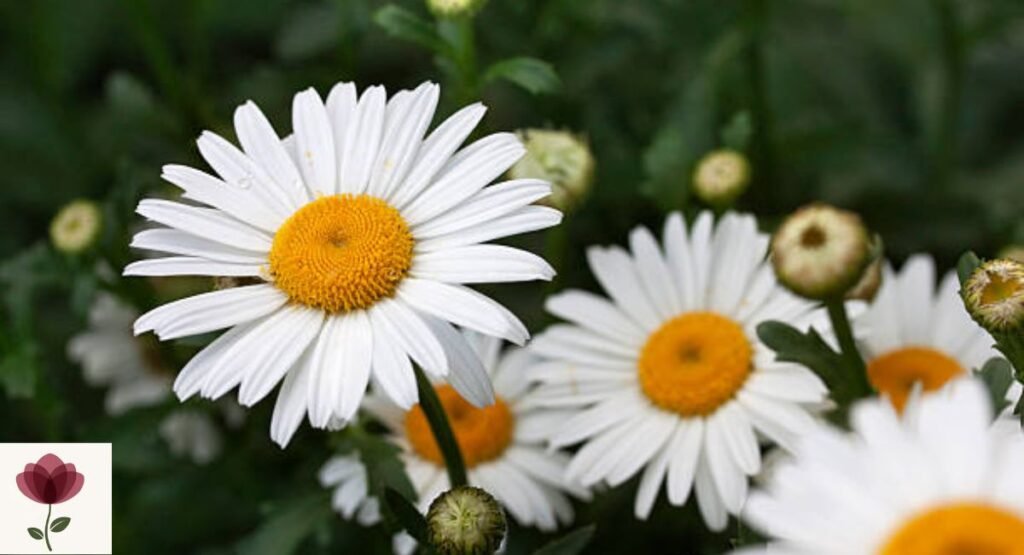
Scientific Name: Leucanthemum × superbum
Shasta daisies provide the classic combination of white petals and sunny yellow centers. Their clean appearance works in almost any informal summer garden. These June flowers can create a bright transition between spring bloomers and later summer perennials.
Plant Shasta daisies in full sun with fertile, well-drained soil. Deadheading spent blooms can encourage additional flowers and keep plants looking fresh. Their simple shape also makes them useful as supporting flowers in mixed borders and casual bouquets.
19. Salvia
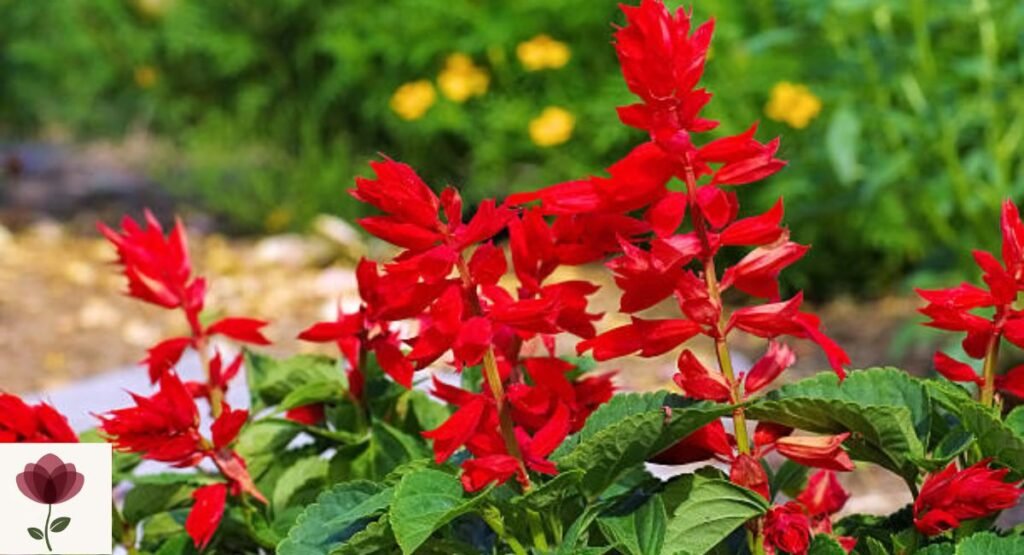
Scientific Name: Salvia spp.
Ornamental salvias produce upright flower spikes that add color without taking up excessive horizontal space. Purple and blue shades are especially popular. Their tubular flowers are also attractive to bees, butterflies, and hummingbirds, giving them a useful role in pollinator gardens.
Many ornamental salvias tolerate heat once established. Full sun usually produces stronger growth and flowering. They combine beautifully with roses, coreopsis, coneflowers, and lavender. Their vertical form also creates useful contrast beside rounded flowers.
20. Astilbe
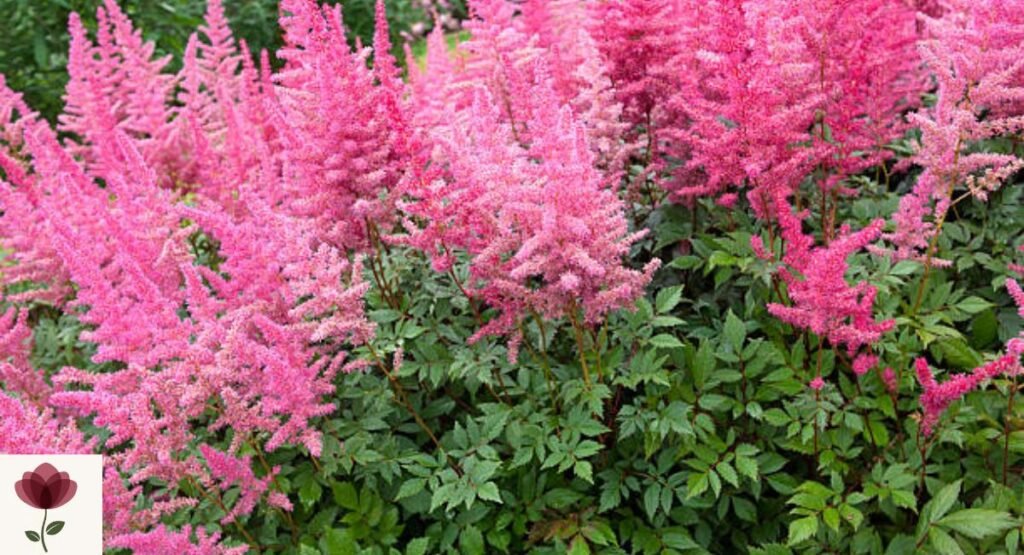
Scientific Name: Astilbe spp.
Astilbe is an excellent choice when your garden has less sunlight. Its soft, feathery flower plumes can appear in pink, red, white, or lavender. The flowers rise above attractive foliage, creating a delicate effect in woodland-style beds.
Unlike many sun-loving June Flowers, astilbe prefers partial shade and consistently moist soil. It can struggle in hot, dry locations without sufficient moisture. Plant it beside shade-loving companions beneath trees or along protected garden borders.
Flowers That Bloom in June
June is a transition month, which makes its bloom calendar especially interesting. Late-spring flowers may still be flowering while early-summer plants begin their show. This overlap creates a richer garden than a strict month-by-month planting schedule.
Your local weather makes a noticeable difference. A warm spring can push flowers ahead of schedule, while a cool spring can delay them. For this reason, treat bloom dates as useful guides rather than exact appointments.
What Flowers Bloom in June?
If you’re wondering what flowers bloom in June, the answer includes roses, peonies, lavender, iris, hydrangeas, delphiniums, honeysuckle, salvia, coneflowers, and many others. The exact timing depends on the plant and your location.
Some plants may reach peak bloom early in June. Others may begin later and continue into July. Checking local botanical gardens, nurseries, and extension resources can give you a more accurate regional flowering calendar.
Flowers Blooming in June by Color
Color makes it easier to design a garden or event with a specific mood. Cool purple and blue flowers can create a calm appearance. Warm yellow, orange, and red flowers feel more energetic. White blooms can brighten darker corners and soften stronger colors.
| Color | June Flowers |
| Pink | Rose, Peony, Astilbe |
| Purple | Lavender, Iris, Clematis |
| Blue | Delphinium, Lupine |
| Yellow | Coreopsis, Black-Eyed Susan |
| White | Shasta Daisy, Rose |
| Red | Bee Balm, Rose |
Flowers That Bloom in May and June
Many gardens look especially beautiful when flowers that bloom in May and June overlap. Peonies, roses, iris, and some alliums can bridge the gap between spring and summer. This overlap creates layers of color rather than one sudden burst.
Planting flowers with different bloom periods is a simple way to extend seasonal interest. For example, an iris can fade as a rose begins producing more flowers. Later, coneflowers and zinnias can continue the display into summer.
Flowers That Bloom in June and July
Gardeners who want longer color should consider flowers that bloom in June and July. Roses, hydrangeas, honeysuckle, salvia, coreopsis, coneflowers, and zinnias can provide extended seasonal interest under favorable conditions.
This approach works like a relay race. One plant begins flowering while another takes over. Regular deadheading, suitable watering, adequate sunlight, and healthy soil can help some plants maintain their display.
Flowers in Season in June
“In season” can mean slightly different things depending on whether you’re discussing gardens or florists. A plant may naturally bloom in your garden during June, while a florist may source the same flower from another region.
For weddings and bouquets, seasonal sourcing can create a stronger connection with the time of year. It can also help you choose flowers that naturally fit the colors and atmosphere of early summer.
What Flowers Are in Season in June?
When people ask what flowers are in season in June, they usually want flowers naturally available during the month. Roses, peonies, hydrangeas, delphiniums, lavender, and iris are common examples.
Availability still depends on geography, production methods, and weather. If you’re planning an event, talk with your florist early. They can explain which varieties should be available locally on your exact wedding date.
June Seasonal Flowers
June seasonal flowers can bring a fresh, natural feeling to gardens and floral arrangements. Peonies provide lush texture, while delphiniums contribute height. Lavender adds fragrance, and roses supply classic form.
Choosing several flowers with different shapes creates a more interesting arrangement. Think of the design like a well-built garden. Large blooms provide the focal point while smaller flowers and foliage fill the spaces around them.
June Flowers in Season for Bouquets
Bouquet designers often combine focal flowers with smaller supporting blooms and foliage. Peonies and roses can provide the main visual weight. Delphiniums add height, while lavender contributes fragrance and texture.
When choosing June cut flowers, consider more than appearance. Stem strength, vase life, handling requirements, and harvesting stage can all affect performance. A beautiful flower isn’t necessarily the best choice if it can’t tolerate the demands of an event.
What Flowers Can You Plant in June?
June isn’t too late to plant flowers in many parts of the United States. In fact, warm soil can help certain annuals establish quickly. However, planting becomes more challenging when temperatures climb sharply or the soil dries rapidly.
The best approach is to match the plant with your regional conditions. Annuals such as zinnias can handle warm weather well. Some perennials can also be planted from nursery containers if you provide adequate water during establishment.
Best Flowers to Plant in June
The best flowers to plant in June depend heavily on your location. Zinnias, sunflowers, salvia, cosmos, marigolds, and heat-tolerant perennials can work well in many warmer regions. Nursery-grown plants can provide instant color without waiting for seeds to develop.
Before planting, water the root ball thoroughly and prepare the soil properly. Newly planted flowers need consistent moisture while their roots expand. Mulch can reduce evaporation and help moderate soil temperature around young plants.
Flowers to Plant in June by Growing Conditions
Choosing a flower by appearance alone can lead to disappointment. Instead, match the plant with its growing conditions. Full-sun sites need plants that can handle strong light and heat. Shadier areas require flowers that can perform with less direct sunlight.
| Growing Condition | Flowers to Consider |
| Full Sun | Zinnia, Sunflower, Coreopsis |
| Partial Shade | Astilbe, Foxglove |
| Heat-Tolerant | Salvia, Coneflower |
| Pollinator-Friendly | Bee Balm, Lavender |
| Containers | Zinnia, Salvia, Lavender |
Can You Plant Flowers in June?
Yes, you can plant flowers in June, but success depends on your climate, soil temperature, and USDA hardiness zone. In cooler regions, June can be an excellent planting period. In hotter areas, newly planted flowers may need extra attention.
If you’re asking can I plant flowers in June, check your local frost history and current temperatures first. Water plants deeply after planting and monitor them during heat waves. Container plants may need watering more frequently because pots dry faster than garden soil.
Best June Wedding Flowers
June has long been associated with romantic gardens and abundant seasonal blooms. Its flowers offer a broad range of colors, textures, and silhouettes for ceremonies and receptions. Roses, peonies, hydrangeas, delphiniums, and lavender can all contribute to a beautiful early-summer palette.
However, don’t choose flowers based only on photographs. Your venue’s temperature, ceremony location, transportation time, and floral budget also matter. A florist can help balance beauty with practical performance.
What Are the Best Flowers for a June Wedding?
The best flowers for a June wedding usually combine seasonal availability with the desired style. Roses suit almost every theme, while peonies create a lush romantic appearance. Hydrangeas offer volume, and delphiniums introduce height and cool color.
Lavender works particularly well for rustic or outdoor celebrations. Depending on local availability, other seasonal flowers can expand the palette. Always discuss your exact wedding date because flowering periods can shift with weather.
June Wedding Flowers in Season
June wedding flowers in season can create a naturally seasonal look. Roses, peonies, hydrangeas, delphiniums, lavender, and iris all offer different textures and shapes.
Local availability may change from one state to another. A peony grown locally in one region might have a different peak window elsewhere. That’s why experienced florists usually plan around the venue location rather than relying on a generic national bloom calendar.
Flowers for June Wedding Bouquets
Bridal bouquets benefit from flowers that combine strong visual appeal with suitable stems. Roses and peonies make excellent focal blooms. Delphinium can provide height, while lavender adds fine texture and fragrance.
For flowers for June wedding bouquets, color balance matters too. Pairing soft pink peonies with white roses creates a romantic look. Lavender and blue delphinium can add cooler tones without making the arrangement feel heavy.
Flowers for June Wedding Centerpieces
Centerpieces can use the same flowers as bouquets, but their design needs differ. Low arrangements help guests see across tables. Taller designs create drama in larger spaces but need stable containers and careful placement.
Hydrangeas are useful because their large heads create visual volume. Roses and peonies can add focal detail. Smaller flowers and greenery can soften the edges and make the arrangement feel more natural.
Best Flowers for Weddings in June by Color
A carefully chosen color palette can make a wedding feel cohesive from ceremony to reception. June offers flowers in soft pastels, rich jewel tones, bright yellows, and classic whites.
| Wedding Color | Flower Choices |
| White | Rose, Hydrangea, Shasta Daisy |
| Pink | Peony, Rose, Astilbe |
| Purple | Lavender, Iris, Delphinium |
| Blue | Delphinium, Hydrangea |
| Yellow | Coreopsis, Rose |
| Mixed | Peony, Rose, Delphinium |
June Flowers for Different Garden Styles
The right flower depends on more than bloom time. Your garden style should influence your choices too. A cottage garden benefits from relaxed combinations, while a pollinator garden needs nectar-rich flowers with varied shapes.
Fortunately, many June Flowers can serve multiple purposes. Lavender can suit both a formal border and a pollinator garden. Roses can work in cottage landscapes and wedding-inspired gardens. Zinnias can fit containers as easily as cutting beds.
Cottage Garden Flowers
Cottage gardens thrive on abundance rather than rigid symmetry. Roses, foxgloves, delphiniums, lavender, daisies, and iris can create the relaxed appearance associated with this style.
Varying plant heights makes the border feel deeper. Place taller flowers behind medium-sized plants and use lower growers around the edges. Repeating colors throughout the bed can make the planting feel intentional rather than chaotic.
Pollinator Garden Flowers
A pollinator garden should offer food and shelter throughout the growing season. Bee balm, coneflower, salvia, lavender, yarrow, and coreopsis can provide valuable floral resources during summer.
Rather than planting one isolated flower, create clusters of several compatible plants. Different flower shapes can attract different insects. Avoid treating a pollinator garden as a decoration alone. Its real value comes from creating a useful habitat.
Cut Flower Garden Flowers
A cutting garden turns your backyard into a living flower shop. Roses, peonies, zinnias, delphiniums, yarrow, and lavender can all contribute useful stems.
Choose plants with different harvest windows. Early-season flowers can fill the first bouquets, while zinnias and other summer bloomers continue later. Regular harvesting often encourages some annuals to produce additional flowers.
Container Flowers
Containers are ideal when garden space is limited. Zinnias, lavender, salvia, hydrangeas, and compact cultivars can add color to patios, balconies, porches, and entrances.
Use containers with drainage holes and select a pot large enough for mature roots. Containers dry faster than ground soil, especially during June heat. Checking moisture regularly can prevent stress before leaves begin to wilt.
Low-Maintenance June Flowers
If you prefer less garden work, focus on resilient plants. Coneflower, yarrow, coreopsis, daylily, and many salvias can perform well with relatively modest maintenance after establishment.
Even tough plants need a good start. Correct sunlight, suitable soil, proper planting depth, and adequate initial watering make a major difference. “Low maintenance” doesn’t mean completely maintenance-free.
June Flowers by Sunlight
Sunlight is one of the first things to check before buying a flower. Full-sun plants generally need several hours of direct light. Partial-sun plants prefer protection from the strongest afternoon rays.
Remember that sunlight changes throughout the year. A bed shaded by a tree in June may receive more light after pruning or seasonal changes. Observe your garden before deciding where to place new plants.
| Sunlight | Best June Flowers |
| Full Sun | Rose, Lavender, Coneflower, Zinnia |
| Partial Sun | Hydrangea, Foxglove, Astilbe |
| Shade-Tolerant | Astilbe, Foxglove |
June Flowers by USDA Hardiness Zone
The USDA growing zones help gardeners understand winter survival conditions across the United States. They don’t predict exactly when every plant will flower. Local temperature, rainfall, elevation, soil, and spring weather can shift bloom dates considerably.
For June gardening, use your hardiness zone as one piece of the puzzle. Your local extension service or nursery can provide more precise advice. This becomes especially important when choosing perennials, annuals, and plants with narrow climate preferences.
Northern U.S. Gardens
Northern gardens can experience a slower spring and later flowering season. Some plants that bloom in May farther south may reach their peak in June. Late frosts can also affect tender annuals.
Hardy perennials are often useful choices. Gardeners should still monitor local frost conditions before planting heat-loving annuals. Warm soil and stable nighttime temperatures make establishment easier.
Southern U.S. Gardens
Southern gardens can enter summer heat quickly. Flowers may bloom earlier, while intense heat can stress plants later in June.
Heat-tolerant choices such as salvia, coneflower, coreopsis, and suitable zinnias can perform well. Watering should focus on the root zone. Mulch can also help slow moisture loss.
Midwest Gardens
Midwestern gardens often experience rapidly changing spring conditions. June can provide an excellent planting window after frost danger has passed.
Choose adaptable flowers and pay attention to drainage. Heavy rainfall can create problems for plants that prefer dry soil. Good soil preparation helps roots receive both moisture and oxygen.
Western U.S. Gardens
The West contains an extraordinary range of climates. Coastal California, desert regions, mountain communities, and inland valleys can have completely different June conditions.
That’s why a single “Western U.S.” planting list can be misleading. Gardeners should consider local rainfall, elevation, heat, frost, and irrigation needs. Drought-tolerant flowers may thrive in one western garden but struggle elsewhere without adequate moisture.
June Flower Meanings & Symbolism
Flower symbolism can add another layer of meaning to a garden or floral gift. These traditional associations are especially useful when choosing birthday flowers, wedding arrangements, or sentimental gifts.
Meanings aren’t universal rules. They can change between cultures, historical periods, and floral traditions. Use them as inspiration rather than strict definitions.
| Flower | Meaning |
| Rose | Love & Passion |
| Honeysuckle | Devotion & Affection |
| Peony | Romance & Prosperity |
| Lavender | Calm & Devotion |
| Iris | Wisdom & Hope |
| Hydrangea | Gratitude & Understanding |
Conclusion
June brings together some of the garden world’s most beautiful seasonal performers. From romantic roses and lush peonies to fragrant lavender and striking delphiniums, these June Flowers can suit gardens, bouquets, gifts, and weddings. Many also support pollinators while adding color and texture to outdoor spaces.
Whether you’re searching for flowers that bloom in June, planning a June wedding, or deciding which flowers to plant, start with your local conditions. Check sunlight, soil, temperature, and USDA zone before choosing. With the right plants in the right place, your garden can keep blooming well beyond June.
FAQs
What are the June birth flowers?
The traditional June birth flowers are rose and honeysuckle. Roses commonly symbolize love, while honeysuckle is associated with devotion and affection.
What flowers bloom in June?
Popular flowers that bloom in June include roses, peonies, lavender, iris, hydrangeas, delphiniums, honeysuckle, salvia, and coneflowers.
What flowers are in season in June?
Common flowers in season in June include roses, peonies, hydrangeas, delphiniums, lavender, and iris. Exact availability depends on region and growing conditions.
What flowers can I plant in June?
You can plant flowers in June in many U.S. regions. Zinnias, sunflowers, salvia, cosmos, and suitable perennials can work well when temperatures and soil conditions are favorable.
What are the best flowers for a June wedding?
Roses, peonies, hydrangeas, delphiniums, and lavender are popular June wedding flowers. Your location, wedding style, color palette, availability, and budget should guide the final choice.

Welcome to PetalNexa! I’m Anam Sattar, an AI-powered SEO Specialist and Content Writer with over 4 years of experience in creating high-quality, search-optimized content. I help businesses improve their search engine rankings, increase organic traffic, and build beautiful, user-friendly websites. My mission is to make SEO, content creation, and web design simple, effective, and accessible for everyone. Let’s grow your online presence and achieve success together!