


May brings a burst of color to gardens, landscapes, and celebrations across the United States. From fragrant peonies to graceful iris, May flowers capture the fresh energy of late spring. This month offers a mix of spring blooms, fragrant shrubs, colorful perennials, and elegant flowers for special occasions. Whether you’re planning a garden, choosing a birthday bouquet, or preparing for a spring wedding, May has plenty of options.
You’ll also discover traditional May birth flowers, meaningful symbolism, and practical choices for planting in regions. Some blooms peak in May, while others continue into June. Understanding these seasonal patterns can help you choose the flowers for your garden, bouquet, or celebration.
What Are May Flowers?
The term May flowers generally describes flowers that bloom during May or become especially prominent during this month. Some begin flowering in April and continue through May, while others start in May and carry their color into June. Your USDA zone and local weather can shift these dates.
May also sits between spring and summer, making it a fascinating gardening month. Cool-season plants may still look fresh while heat-loving annuals begin taking over. In other words, May offers a botanical bridge between two seasons, with plenty of fragrance, color, and texture.
What Flowers Are in Season in May?
Several popular flowers reach peak bloom in May, including peonies, iris, lilacs, roses, columbine, and bleeding heart. However, no single bloom calendar works perfectly across America. A peony may flower early in Georgia while opening weeks later in Minnesota.
| Flower | Typical May Bloom | Popular Colors | Best Use |
| Peony | Late spring | Pink, white, red | Weddings, gardens |
| Rose | Spring to summer | Red, pink, white | Bouquets |
| Iris | Spring | Blue, purple, yellow | Borders |
| Lily of the Valley | Late spring | White, pink | Shade gardens |
| Lilac | Spring | Purple, white | Shrubs, bouquets |
| Columbine | Spring | Blue, pink, purple | Pollinator gardens |
| Ranunculus | Spring | Pink, orange, white | Weddings |
| Sweet Pea | Spring | Pink, purple, white | Bouquets |
For gardeners, flowers in season in May can provide a useful planning guide. Still, check your local frost dates before planting tender varieties. USDA hardiness zones describe average annual minimum temperatures, but they don’t replace local weather observations.
20 May Flowers Complete List
The best way to understand the season is to look at individual blooms. The following spring flowers include garden favorites, fragrant plants, pollinator-friendly choices, and wedding staples. Their bloom windows differ by region, but each one can bring distinctive character to a May landscape.
| No. | Flower | Scientific Name | Typical Color | Main Garden Use |
| 1 | Peony | Paeonia spp. | Pink, white, red | Borders, bouquets |
| 2 | Rose | Rosa spp. | Many colors | Gardens, bouquets |
| 3 | Iris | Iris spp. | Blue, purple, yellow | Borders |
| 4 | Lily of the Valley | Convallaria majalis | White, pink | Shade gardens |
| 5 | Columbine | Aquilegia spp. | Blue, pink, purple | Pollinator gardens |
| 6 | Foxglove | Digitalis spp. | Pink, purple, white | Cottage gardens |
| 7 | Lilac | Syringa spp. | Purple, white | Shrub borders |
| 8 | Azalea | Rhododendron spp. | Pink, red, white | Landscapes |
| 9 | Allium | Allium spp. | Purple, white | Borders |
| 10 | Clematis | Clematis spp. | Purple, pink, white | Trellises |
| 11 | Bleeding Heart | Lamprocapnos spectabilis | Pink, white | Shade gardens |
| 12 | Lupine | Lupinus spp. | Blue, purple, pink | Naturalistic gardens |
| 13 | Poppy | Papaver spp. | Red, orange, pink | Cottage gardens |
| 14 | Salvia | Salvia spp. | Purple, blue, red | Pollinator gardens |
| 15 | Geranium | Geranium spp. | Pink, purple, white | Borders |
| 16 | Dianthus | Dianthus spp. | Pink, red, white | Containers, borders |
| 17 | Hydrangea | Hydrangea spp. | Pink, blue, white | Landscapes |
| 18 | Ranunculus | Ranunculus spp. | Pink, orange, white | Bouquets |
| 19 | Sweet Pea | Lathyrus odoratus | Pink, purple, white | Cutting gardens |
| 20 | Sunflower | Helianthus spp. | Yellow, orange | Summer gardens |
20 May Flowers to Know
1. Peony
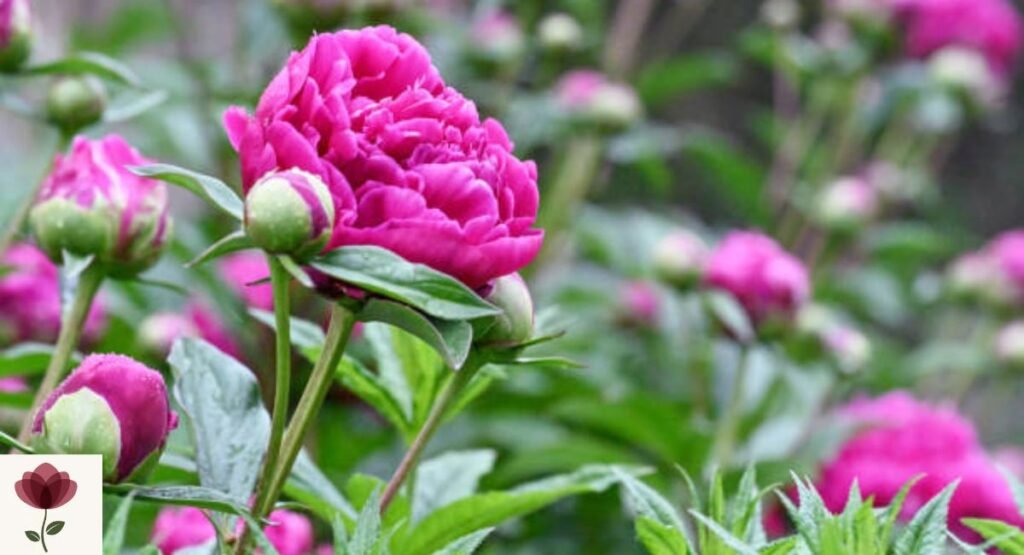
Few May blooms create the same dramatic effect as peonies. Their enormous, layered flowers open in shades of pink, white, and red, often filling the garden with a soft fragrance. Peonies prefer full sun and well-drained soil, and their sturdy perennial habit rewards gardeners for many years.
2. Rose
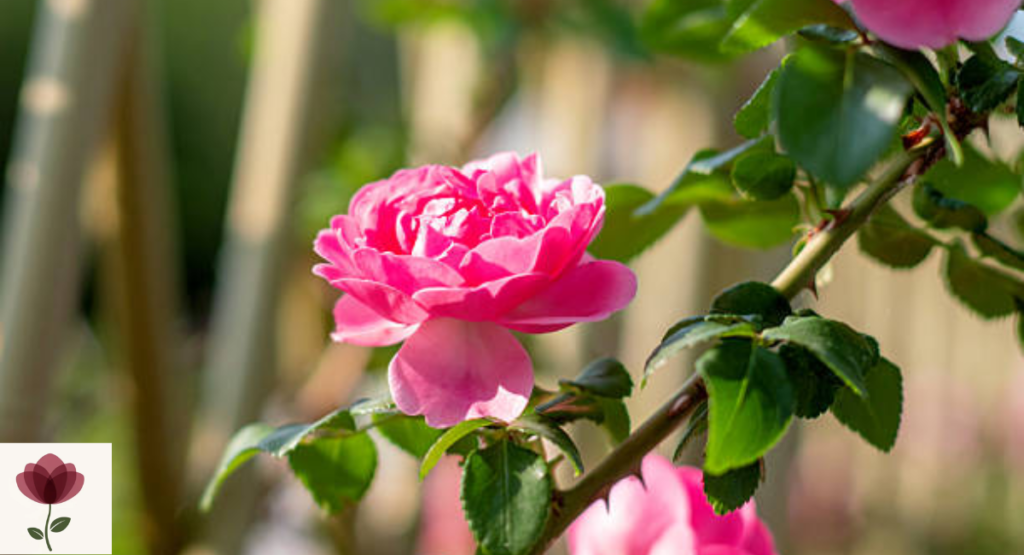
Roses bring timeless color and fragrance to gardens as spring progresses toward summer. Depending on the variety, blooms can appear in red, pink, yellow, orange, or white. Roses work beautifully as landscape plants and cut flowers, making them especially useful for bouquets and romantic celebrations.
3. Iris

Iris flowers add architectural shape with their upright foliage and distinctive petals. Bearded iris remains especially popular in American gardens because it handles sunny borders well and returns every year. Blue and purple cultivars create a cool contrast beside warm-toned spring blooms.
4. Lily of the Valley

Lily of the valley produces tiny, fragrant, bell-shaped flowers on low-growing plants. It thrives in shady locations and spreads readily once established. Its delicate appearance can be deceptive because all parts are poisonous to people and animals, so plant it carefully around children and pets.
5. Columbine
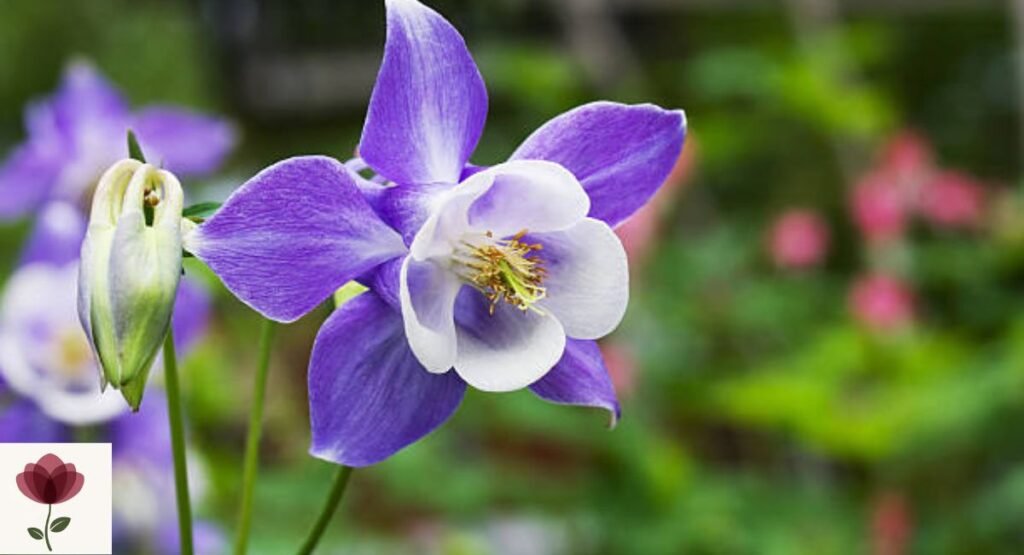
Columbine looks almost like a tiny collection of dancing lanterns. Its unusual flowers have backward-pointing spurs that attract hummingbirds and other pollinators. These hardy perennials suit woodland edges, cottage gardens, and partly shaded borders, while their blue, purple, pink, red, and white flowers add playful spring color.
6. Foxglove

Foxglove sends tall flower spikes above lower-growing plants, creating valuable vertical interest. Tubular flowers often appear in pink, purple, white, or spotted combinations. Bees find the blooms attractive, although foxglove is poisonous if eaten, so gardeners should choose planting locations with household safety in mind.
7. Lilac

Lilacs announce spring with fragrant clusters that can perfume an entire yard. Purple remains the classic color, although white and pink varieties also exist. These woody shrubs prefer sunlight and good air circulation, while thoughtful pruning helps maintain shape and encourages healthy flowering in future seasons.
8. Azalea
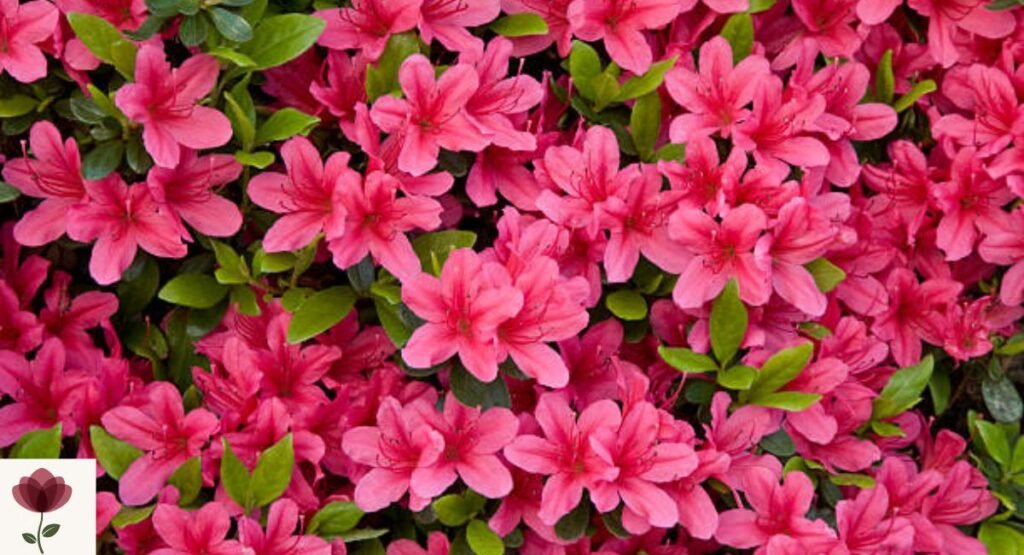
Azaleas can transform a landscape almost overnight when their flowers open. Depending on the cultivar, blooms range from white and pink to red and purple. Many azaleas prefer acidic, well-drained soil and filtered light, making them useful beneath taller trees or along partially shaded foundations.
9. Allium

Alliums bring an almost sculptural quality to garden beds. Their round flower heads rise above slender foliage like purple ornaments on green stems. These pollinator-friendly flowers enjoy sunny locations and well-drained soil, while their unusual shape adds contrast beside softer blooms such as peonies and roses.
10. Clematis
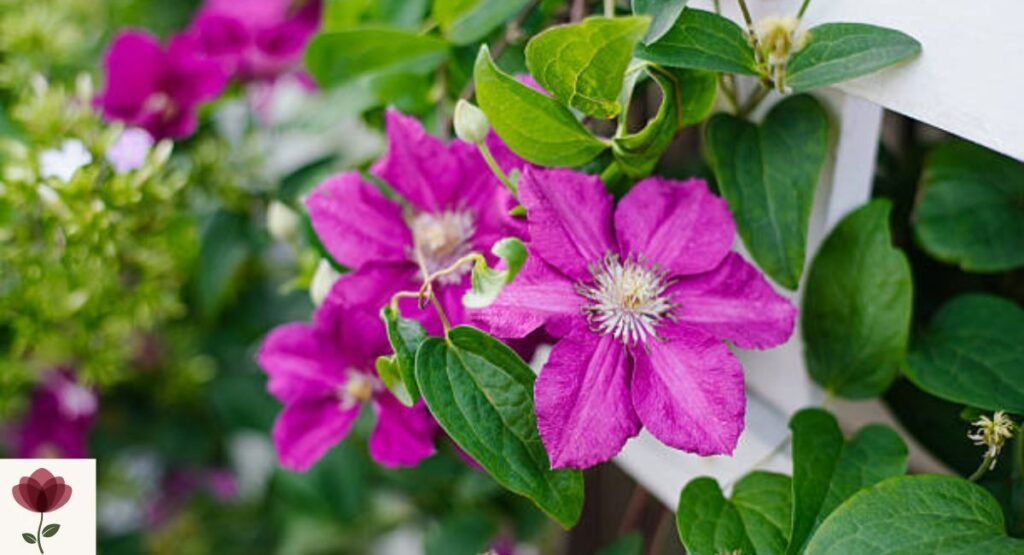
Clematis turns fences, arches, and trellises into living walls of color. Different varieties flower at different times, so choosing the right cultivar matters more than simply planting “clematis.” Give the vine suitable support and protect its roots while allowing its upper growth to receive ample sunlight.
11. Bleeding Heart

Bleeding heart earns its memorable name from heart-shaped flowers that hang gracefully from arching stems. It prefers cooler conditions and partial shade, especially in woodland-style gardens. After flowering, the plant may become dormant during summer, so don’t mistake its natural seasonal retreat for a problem.
12. Lupine

Lupine creates tall spikes packed with pea-like flowers in blue, purple, pink, yellow, or white. Its upright form works particularly well in naturalistic landscapes. Lupines can also support pollinators, making them attractive choices when you want a garden that looks beautiful while contributing food resources for insects.
13. Poppy
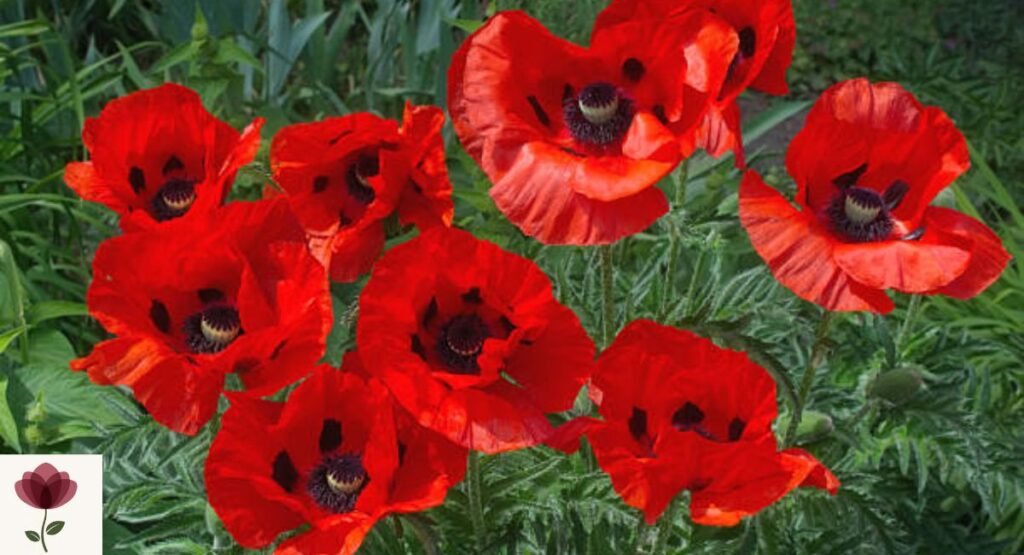
Poppies bring a light, almost paper-like quality to the garden. Their delicate petals flutter easily in the breeze, creating movement that heavier flowers lack. Depending on the species, poppies can suit cottage gardens, borders, containers, or naturalized spaces while providing striking red, orange, pink, or white color.
14. Salvia
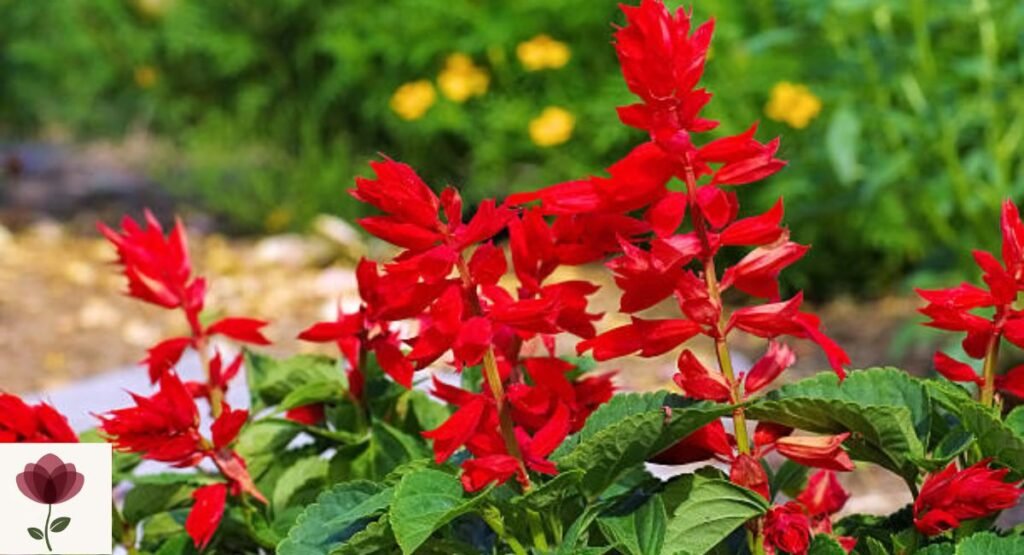
Salvia earns its place in spring gardens because it combines color with strong pollinator appeal. Flower spikes may appear in purple, blue, red, pink, or white, depending on the species. Many salvias prefer full sun and tolerate heat well, making them useful as spring shifts toward summer.
15. Geranium

The word geranium can cause confusion because gardeners use it for both hardy geraniums and commonly sold annual bedding plants. Hardy types form attractive mounds and produce small flowers over an extended season. Their easygoing nature makes them useful in borders, rock gardens, containers, and cottage-style landscapes.
16. Dianthus

Dianthus flowers often have fringed petals and a pleasant spicy fragrance. Pink, red, and white varieties can brighten borders or containers without demanding excessive space. Their compact growth makes them particularly useful when you want colorful May flowers layered beneath taller plants.
17. Hydrangea

Hydrangeas produce generous flower heads that can dominate a garden border with remarkable ease. Depending on the species and cultivar, flowers may appear in white, pink, blue, or greenish tones. Some bigleaf hydrangeas can shift flower color according to soil chemistry, although not every hydrangea responds the same way.
18. Ranunculus
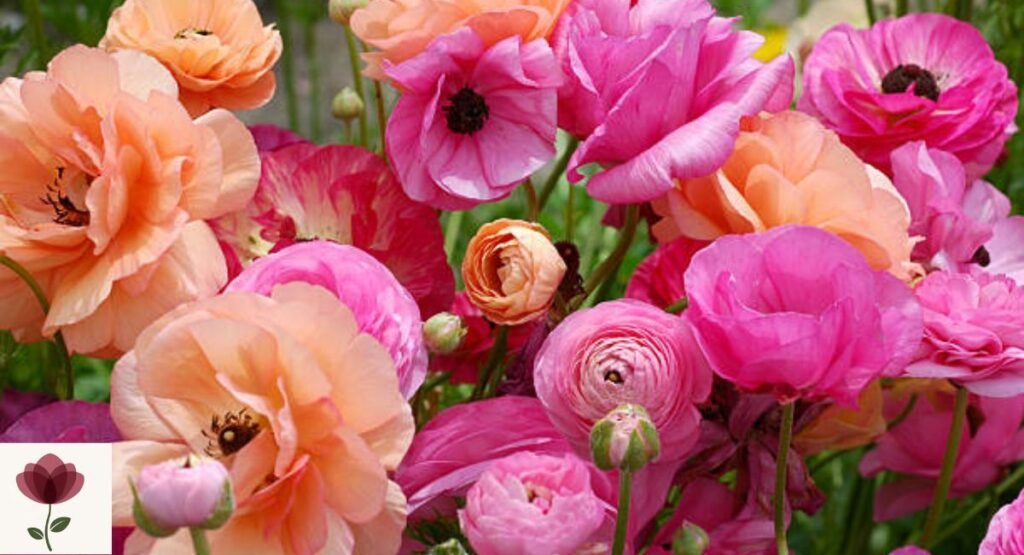
Ranunculus resembles a rose with many more petals packed into each bloom. Its rich colors and neat flower form make it a favorite for bouquets and spring weddings. These flowers prefer cool growing conditions, which explains why their season can be shorter in hotter parts of the United States.
19. Sweet Pea
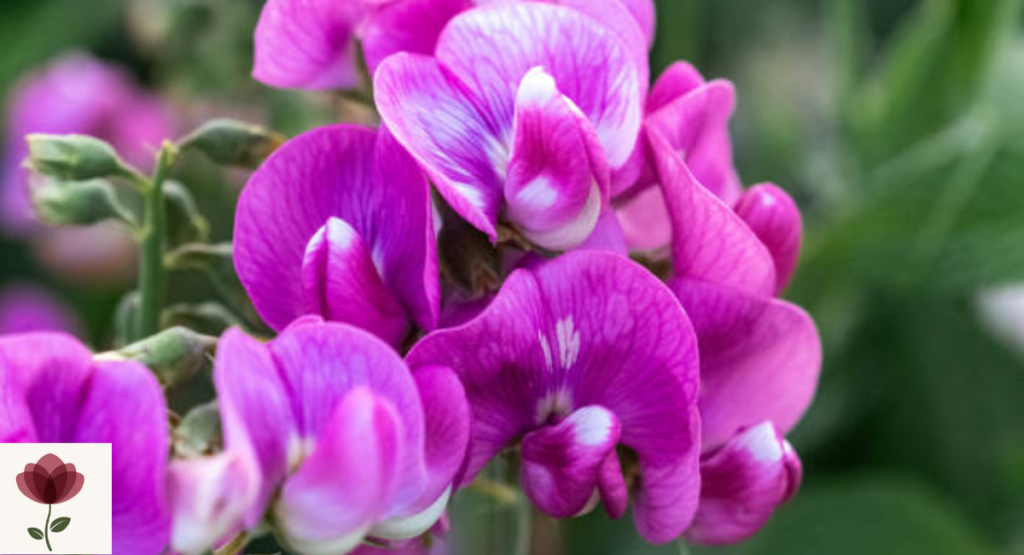
Sweet peas combine fragrance, soft color, and graceful form better than almost any other spring flower. Their climbing stems can cover small supports while producing ruffled blooms in pink, purple, white, and mixed shades. Their scent makes them particularly appealing for cutting gardens and romantic bouquets.
20. Sunflower
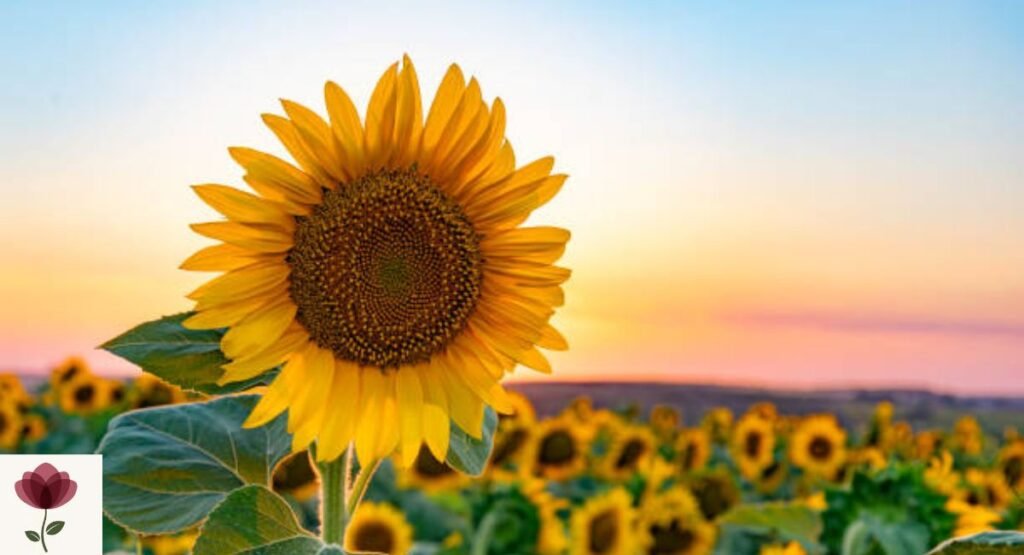
Sunflowers signal the approaching warmth of summer, although some varieties can begin flowering as spring ends. Full sun helps them perform best, while dwarf cultivars work well in containers. Taller types create bold backdrops, attract pollinators, and produce the cheerful yellow blooms many gardeners associate with summer.
Spring May Flowers
A useful rule is simple: plant for your climate, not your calendar. May arrives at different times biologically across the country. A gardener in Oregon may still enjoy cool-season flowers while someone in Florida manages early-summer heat. Local conditions often matter more than the month printed on the calendar.
| Spring May Flower | Typical Bloom Time | Main Colors | Best Garden Use |
| Peony | Late spring | Pink, white, red | Borders & bouquets |
| Iris | Spring to early summer | Purple, blue, yellow | Flower beds & borders |
| Lily of the Valley | Late spring | White, pink | Shade gardens |
| Columbine | Spring to early summer | Blue, pink, purple | Cottage & pollinator gardens |
| Lilac | Spring | Purple, white, pink | Shrub borders |
| Bleeding Heart | Spring | Pink, white | Woodland gardens |
| Lupine | Late spring | Purple, blue, pink | Naturalistic gardens |
| Allium | Late spring | Purple, white | Borders & pollinator gardens |
| Ranunculus | Spring | Pink, orange, yellow, white | Bouquets & containers |
| Sweet Pea | Spring to early summer | Pink, purple, white | Cutting gardens |
| Rose | Spring to summer | Red, pink, yellow, white | Gardens & bouquets |
| Clematis | Spring to summer | Purple, pink, white | Trellises & fences |
| Foxglove | Late spring | Pink, purple, white | Cottage gardens |
| Poppy | Spring to early summer | Red, orange, pink | Wildflower & cottage gardens |
| Salvia | Late spring to summer | Purple, blue, red | Pollinator gardens |
| Geranium | Spring to summer | Pink, purple, white | Borders & containers |
| Dianthus | Spring to summer | Pink, red, white | Borders & rock gardens |
| Hydrangea | Late spring to summer | White, pink, blue | Shrub borders |
| Azalea | Spring | Pink, red, white, purple | Woodland & foundation gardens |
| Sunflower | Late spring to summer | Yellow, orange | Summer gardens & pollinator spaces |
Best Spring Flowers That Bloom in May
Peonies, iris, lilacs, columbine, bleeding heart, lupine, and ranunculus are strong choices for a late-spring display. Their shapes differ dramatically, too. Pair rounded peonies with upright iris or spiky lupine to create visual contrast instead of planting flowers with identical forms.
Colorful Spring Blooms for May
A colorful garden works best when you combine complementary shades rather than using every color randomly. Purple iris can sit beside pale pink peonies, while white flowers provide breathing room. For containers, repeat one dominant color and use smaller contrasting blooms as accents.
Late Spring Flowers
Late spring flowers often act as a transition between cool spring gardens and early summer landscapes. Roses, salvia, clematis, hydrangeas, and sunflowers can help maintain color as earlier blooms fade. This overlapping approach creates a garden that feels continuously alive rather than suddenly changing seasons.
May Birth Flowers
Two flowers traditionally represent May: Lily of the Valley and Hawthorn. Their symbolism differs, yet both connect strongly with spring, renewal, and seasonal change. The Old Farmer’s Almanac lists lily of the valley as the primary May birth flower and hawthorn as the secondary flower.
These flowers also make thoughtful birthday gifts because their meanings add a personal layer. Lily of the valley is linked with sweetness and a return to happiness, while hawthorn represents hope. That makes either bloom more meaningful than simply choosing a pretty bouquet.
Lily of the Valley
Lily of the valley, Convallaria majalis, produces small white bells with a strong fragrance. It prefers shade and spreads through underground structures, sometimes becoming vigorous. Its symbolism includes purity, sweetness, humility, and renewed happiness, which explains its lasting popularity in birthday and wedding flowers.
Hawthorn
Hawthorn belongs to the rose family and grows as a shrub or small tree. Its spring flowers can appear white, pink, or red depending on the species. Traditionally, hawthorn symbolizes hope, while its May flowering connects it with seasonal renewal and old May Day customs.
May Flowers Meaning
Flower symbolism can turn an ordinary bouquet into something personal. May flower meaning often centers on renewal, happiness, hope, love, growth, and gratitude. However, meanings vary across cultures and historical traditions, so treat symbolism as a guide rather than a universal rule.
| Flower | Common Symbolism | Good Occasion |
| Lily of the Valley | Happiness, purity | Birthday, wedding |
| Hawthorn | Hope, renewal | Birthday, spring gift |
| Rose | Love | Anniversary |
| Peony | Romance, prosperity | Wedding |
| Iris | Hope, wisdom | Gift, garden |
| Sweet Pea | Gratitude, affection | Bouquet |
| Sunflower | Happiness, warmth | Celebration |
May Flowers Plant
Planting flowers in May sounds straightforward until you compare different parts of the United States. Northern gardeners may still watch for frost, while southern gardeners may already experience intense heat. Therefore, flowers to plant in May should always match your local growing conditions.
For the best results, check soil moisture, sunlight, drainage, and local frost information before planting. USDA hardiness zones can help identify broad climate suitability, but they don’t tell you everything about short-term weather. A late frost can still surprise an otherwise suitable planting plan.
What Flowers to Plant in May
Choose flowers according to your region and the amount of sunlight your garden receives. In many areas, gardeners can plant suitable annuals, perennials, containers, and warm-season flowers during May. The right timing depends on frost risk, soil temperature, and the specific plant.
Best May Flowers to Plant
Beginners often benefit from forgiving plants such as salvia, dianthus, sunflowers, geraniums, and suitable marigolds. Native or well-adapted plants can be even easier because they fit local conditions. Before buying several trays, check mature size, sunlight needs, water requirements, and expected bloom time.
May Flowers for Different USDA Zones
USDA hardiness zones describe average annual minimum temperatures and help gardeners choose plants likely to survive winter conditions. They don’t guarantee May bloom dates, however. Use the zone as a starting point, then consider frost dates, elevation, rainfall, soil, and your local microclimate.
| Garden Situation | What to Consider |
| Cooler northern areas | Frost risk and shorter growing season |
| Midwestern areas | Late frost and rapidly warming soil |
| Southern areas | Heat, humidity, and early summer stress |
| Coastal areas | Wind, salt, and local temperatures |
| Mountain regions | Elevation and delayed spring |
Tips for Planting Flowers in May
Good preparation saves more plants than fancy gardening tricks. Loosen compacted soil, improve drainage where needed, water new transplants thoroughly, and give each plant enough space. If frost remains possible, protect tender plants rather than gambling on an unusually warm week.
May Flowers Tree
Flowering trees add another dimension because their blooms rise above shrubs and perennials. Dogwood, hawthorn, magnolia, crabapple, catalpa, and horse chestnut can provide spring displays in suitable regions. Their timing varies widely, so choose species based on climate rather than assuming every tree flowers in May.
Hawthorn deserves special attention because it connects both tree gardening and May traditions. It belongs to the rose family and can produce clusters of spring flowers followed by small fruits. Its historical association with May Day makes it especially relevant to this seasonal topic.
May Flowers Bouquet
A good bouquet feels balanced rather than crowded. Start with one or two focal flowers, then add supporting blooms and greenery. Peonies, roses, ranunculus, sweet peas, hydrangeas, and seasonal foliage can create a lush arrangement without making every stem compete for attention.
For a longer-lasting arrangement, use a clean vase and fresh water. Recut stems before placing them in water, remove leaves that would sit below the waterline, and keep the bouquet away from intense heat. Small habits can make a surprisingly large difference.
Best Flowers for a May Bouquet
Peonies create a lush focal point, while roses offer structure and fragrance. Ranunculus adds layered texture, sweet peas bring scent, and hydrangeas create volume. Combining these shapes gives you a bouquet that feels abundant without becoming visually messy or overly formal.
May Flower Bouquet Ideas
Try a soft pink and white bouquet for a romantic look, or combine purple iris with white flowers for stronger contrast. A wildflower-inspired arrangement can use lupine, columbine, salvia, and airy greenery. For modern décor, repeat one flower type and use foliage sparingly.
Romantic May Flower Bouquets
Romance often works best with soft colors and fragrant flowers. Peonies, roses, sweet peas, ranunculus, and lily of the valley create an elegant combination. Blush pink, cream, and white can produce a gentle palette, while deeper rose or burgundy tones add dramatic contrast.
May Birthday Flower Bouquets
A birthday bouquet becomes more meaningful when it reflects the recipient. For someone born in May, include lily of the valley or hawthorn-inspired elements when available. You can also combine the birth flower with roses, peonies, or another favorite bloom for a more personalized arrangement.
Simple DIY May Bouquets
A simple bouquet doesn’t require professional floral skills. Choose one focal flower, one smaller supporting flower, and a little greenery. Trim stems at an angle, vary their heights, and rotate the arrangement as you build it. The result should look natural rather than perfectly symmetrical.
May Wedding Flowers
May is popular for weddings because gardens and flower markets can offer a rich selection of seasonal blooms. May wedding flowers often include peonies, roses, ranunculus, sweet peas, hydrangeas, tulips, and lily of the valley. Availability still depends on location, weather, and growing conditions.
Seasonality can influence both appearance and cost. A flower at peak local availability may offer better value than one shipped from far away. For that reason, ask your florist which blooms are locally abundant before choosing every detail of your wedding palette.
Best Flowers for a May Wedding
Peonies remain a favorite because their large blooms photograph beautifully. Roses offer reliability and countless colors, while ranunculus provides intricate texture. Sweet peas contribute fragrance, hydrangeas add volume, and lily of the valley brings delicate symbolism to bouquets and boutonnières.
Flowers That Bloom in May for Weddings
The safest wedding flowers are those that suit your wedding location rather than simply the month. A florist can recommend locally available varieties based on the venue and date. This approach reduces unpleasant surprises when an expected flower experiences an early or delayed bloom.
May Wedding Bouquet Ideas
A garden-style bouquet can combine peonies, sweet peas, roses, and loose greenery. For a classic look, use roses with white blooms. A colorful design might pair coral ranunculus with purple iris and soft foliage. Keep the palette focused so the arrangement feels intentional.
May Wedding Centerpieces
Centerpieces should match the table size and guest experience. Low arrangements encourage conversation, while taller designs create drama in larger venues. Hydrangeas can provide volume, whereas roses, ranunculus, and sweet peas add finer detail. Seasonal foliage can also reduce the number of flowers needed.
Affordable Seasonal Flowers for May Weddings
Budget-conscious couples can save money by selecting flowers that naturally perform well during their wedding season. Ask for locally available options and flexible substitutions. A florist may recommend a similar flower with a comparable shape, color, and texture when a premium bloom becomes expensive.
Flowers That Bloom in May and June
Some flowers bridge the seasons beautifully. Roses, clematis, salvia, hydrangeas, and certain sunflowers can continue providing color as spring gives way to summer. This overlap matters when you want a garden that doesn’t look bare after the earliest spring flowers finish.
| Flower | May Role | June Role |
| Rose | Spring bloom | Continued flowering |
| Clematis | Early varieties | Many varieties continue |
| Salvia | Emerging color | Strong summer display |
| Hydrangea | Early blooms in some areas | Major seasonal display |
| Sunflower | Early varieties | Strong summer color |
Colorful May Flowers
Color gives spring gardens their personality. Instead of scattering every available shade across one bed, choose a small palette and repeat it. Repetition creates rhythm, while contrasting flower shapes prevent the design from becoming flat or predictable.
Pink May Flowers
Pink peonies, roses, dianthus, sweet peas, ranunculus, and bleeding heart offer many shades from pale blush to deep rose. Combine different pink tones with white foliage or purple flowers for depth. This palette works especially well in romantic cottage gardens and wedding designs.
Purple May Flowers
Purple iris, lilacs, allium, lupine, clematis, and salvia create strong visual interest. Because purple can feel intense, balance it with white, pale pink, or soft green. Rounded allium heads also contrast beautifully with the more delicate petals of peonies and sweet peas.
Blue May Flowers
True blue flowers are less common than pink or purple ones, which makes them especially valuable. Blue iris, columbine, and some lupines can create a cool spring palette. Pair them with white flowers for freshness or yellow blooms for a lively complementary contrast.
Yellow May Flowers
Yellow roses, yellow iris, poppies, and sunflowers can brighten a garden instantly. Early yellow flowers feel distinctly springlike, while sunflowers signal the approaching warmth of summer. Use yellow as an accent among purple or blue blooms if you want the color to stand out.
White May Flowers
White roses, lily of the valley, hawthorn, white peonies, and white lilacs can create a sophisticated garden palette. Their pale petals also make colored flowers appear brighter nearby. For a moon garden, combine white flowers with silver foliage and strongly fragrant evening-blooming plants.
May Flowers for Pollinators
A pollinator garden should offer food across several weeks rather than producing one spectacular burst and then going quiet. Salvia, allium, columbine, lupine, foxglove, and sunflowers can contribute nectar or pollen resources, while native plants often provide particularly useful habitat for local wildlife.
Think of your garden as a small restaurant for insects and birds. Different flower shapes serve different visitors, while continuous bloom gives them more reason to return. Avoid unnecessary pesticide use and include water, shelter, and native vegetation where your space allows.
May Flower Arrangements
Flower arrangements look more natural when they combine different forms. Use large focal blooms such as peonies or hydrangeas, medium flowers such as roses or ranunculus, and smaller accents such as sweet peas. Greenery then fills gaps and connects the different elements.
For a table arrangement, keep the height appropriate to the setting. Guests should see one another across the table without leaning around a forest of stems. A low, wide design often works beautifully for dinner tables, while taller arrangements suit larger spaces and open venues.
May Flowers Décor Ideas
Fresh flowers can make ordinary rooms feel noticeably warmer. A small vase on an entryway table, kitchen counter, or bedside table can add seasonal color without overwhelming the room. You don’t need a huge arrangement to create impact; sometimes three beautiful stems are enough.
For a cohesive look, repeat one color throughout your home rather than using unrelated arrangements everywhere. Pink peonies in the living room can connect with pink roses in the dining area. White flowers can create an especially clean look against darker furniture or natural wood.
May Flowers Gifting Guide
Flowers become more meaningful when their color, symbolism, and relationship match the occasion. A romantic partner may appreciate roses or peonies, while a friend might enjoy a bright mixed bouquet. For someone celebrating a May birthday, birth flowers add an especially personal touch.
Think beyond birthdays and anniversaries, too. Graduation ceremonies, Mother’s Day, housewarmings, promotions, and simple “thinking of you” moments can all call for flowers. A small seasonal bouquet often feels more thoughtful than an expensive arrangement chosen without any personal connection.
May Day Flowers and Tradition
May Day has a long association with flowers, spring celebrations, garlands, and small gifts. Hawthorn has a particularly strong connection with traditional May Day customs, while lily of the valley has also been associated with May celebrations and good fortune in parts of Europe.
You can give this old tradition a modern twist with a tiny flower basket or simple doorstep bouquet. Choose seasonal flowers from your garden or local florist, add a handwritten note, and keep the arrangement modest. The charm comes from the surprise rather than the price.
May Flowers Tattoo
Flower tattoos allow people to turn seasonal symbolism into something permanent. May birth flowers are especially popular because Lily of the Valley and Hawthorn carry recognizable meanings. Botanical tattoos can also combine several flowers to represent family members, important dates, personal growth, or meaningful memories.
A thoughtful design should consider the flower’s natural shape. Lily of the valley works beautifully as a delicate stem illustration, while hawthorn can create a fuller botanical composition. Color, line weight, placement, and size can completely change the mood of the finished tattoo.
May Flower Tattoo Meaning
A May flower tattoo can represent hope, renewal, happiness, love, purity, or personal growth depending on the flower chosen. Lily of the valley often suits delicate designs, while hawthorn can represent hope and seasonal renewal. The strongest meaning is ultimately the one you personally attach to it.
Lily of the Valley Tattoo
A lily of the valley tattoo can feature several hanging bells along one slender stem. Fine botanical lines work particularly well because the flower naturally has a delicate appearance. You can keep the design monochrome or add subtle green leaves and small white details.
May Birth Flower Tattoo Ideas
A personalized design might combine lily of the valley with hawthorn, initials, a birth date, or another meaningful flower. Minimalist stems work well for smaller placements, while a larger botanical bouquet can incorporate several family birth flowers into one cohesive design.
May Flowers Ship
The phrase “May flowers ship” can create confusion because it sounds botanical but points toward a completely different subject. The Mayflower ship refers to the historic vessel associated with the Pilgrims. It isn’t a flower, botanical variety, or gardening term.
This distinction matters for search intent because someone researching the Mayflower ship wants history rather than horticulture. A short clarification keeps the article useful without allowing an unrelated historical topic to overwhelm the main subject.
Is the Mayflower Ship Related to May Flowers?
No. The historic Mayflower was a ship, while “May flower” can refer to seasonal or traditional flowers associated with May. Keeping these concepts separate prevents confusion, especially when readers encounter both phrases in search results.
May Flowers for Special Occasions
Seasonal flowers can make celebrations feel connected to the time of year. May offers enough variety for romantic occasions, family milestones, formal events, and simple gestures. Choosing blooms that are naturally available during the season can also make arrangements feel fresher and more locally rooted.
Mother’s Day Flowers
Mother’s Day falls in May, making seasonal flowers an obvious gift choice. Peonies, roses, hydrangeas, and mixed spring bouquets can all work beautifully. For a more personal touch, use the recipient’s favorite color or include a birth flower instead of choosing a generic arrangement.
Birthday Flowers
May birthdays offer an easy opportunity to use Lily of the Valley or Hawthorn. You can also build a colorful bouquet around the recipient’s personality. Soft pinks suit a gentle aesthetic, while bright yellow, purple, and coral flowers create a more energetic celebration.
Anniversary Flowers
Roses remain a classic anniversary choice because their symbolism connects naturally with romance. Peonies and ranunculus can create a softer alternative, while white flowers provide an elegant palette. Consider repeating flowers from the original wedding bouquet if you want the gift to carry extra sentimental value.
Graduation Flowers
Graduation bouquets should feel energetic and celebratory. Sunflowers, roses, snapdragons, salvia, and other upright blooms can create a bold arrangement. School colors can also guide the palette, allowing the flowers to feel connected to the graduate’s achievement rather than simply looking decorative.
Housewarming Flowers
For a housewarming gift, choose flowers that brighten the room without demanding difficult care. A fresh mixed bouquet or long-lasting arrangement works well. You can also select a potted flowering plant if the recipient enjoys gardening and has suitable light for its needs.
May Flower Care Tips
Fresh-cut flowers last longer when you give them clean water and suitable conditions. Trim stems before arranging them, remove foliage below the waterline, and refresh the water regularly. Keep bouquets away from strong heat, direct sunlight, and fruit bowls because ripening fruit releases ethylene gas.
Garden flowers need a different approach. Water deeply when needed, avoid constantly soggy soil, remove spent blooms where appropriate, and watch for pests or disease. Good airflow and proper spacing can prevent many problems before they become serious, which is far easier than rescuing stressed plants.
Conclusion
May is a wonderful month for enjoying fresh color, fragrance, and seasonal beauty. From elegant peonies and roses to meaningful May birth flowers, there’s something for every garden, bouquet, and celebration. These spring blooms can also bring pollinators, charm, and personality to outdoor spaces.
Whether you’re planting flowers, planning a wedding, choosing a birthday gift, or creating a bouquet, consider your local climate and bloom times first. With the right choices, May flowers can help you enjoy a beautiful transition from spring into summer.
FAQs
What are the most popular May flowers?
Popular choices include peonies, roses, iris, lilacs, hydrangeas, ranunculus, sweet peas, and lily of the valley. The best choice depends on your region, growing conditions, and intended use.
What are the May birth flowers?
The traditional May birth flowers are Lily of the Valley and Hawthorn. Lily of the valley is associated with sweetness and renewed happiness, while hawthorn traditionally represents hope.
What flowers bloom in May?
Peonies, roses, iris, lilacs, columbine, bleeding heart, lupine, and many other spring flowers can bloom in May. Exact timing varies with climate, elevation, cultivar, and local weather.
What flowers can I plant in May?
Suitable choices depend on your USDA zone and local frost conditions. Many gardeners can plant suitable annuals, perennials, and warm-season flowers during May once local conditions support them.
What flowers are best for a May wedding?
Peonies, roses, ranunculus, sweet peas, hydrangeas, and lily of the valley are popular choices. Ask your florist about locally available flowers because bloom timing and pricing can vary by region.

Welcome to PetalNexa! I’m Anam Sattar, an AI-powered SEO Specialist and Content Writer with over 4 years of experience in creating high-quality, search-optimized content. I help businesses improve their search engine rankings, increase organic traffic, and build beautiful, user-friendly websites. My mission is to make SEO, content creation, and web design simple, effective, and accessible for everyone. Let’s grow your online presence and achieve success together!
1 thought on “20 May Flowers: Spring Blooms, Birth Flowers & Wedding Favorites”