
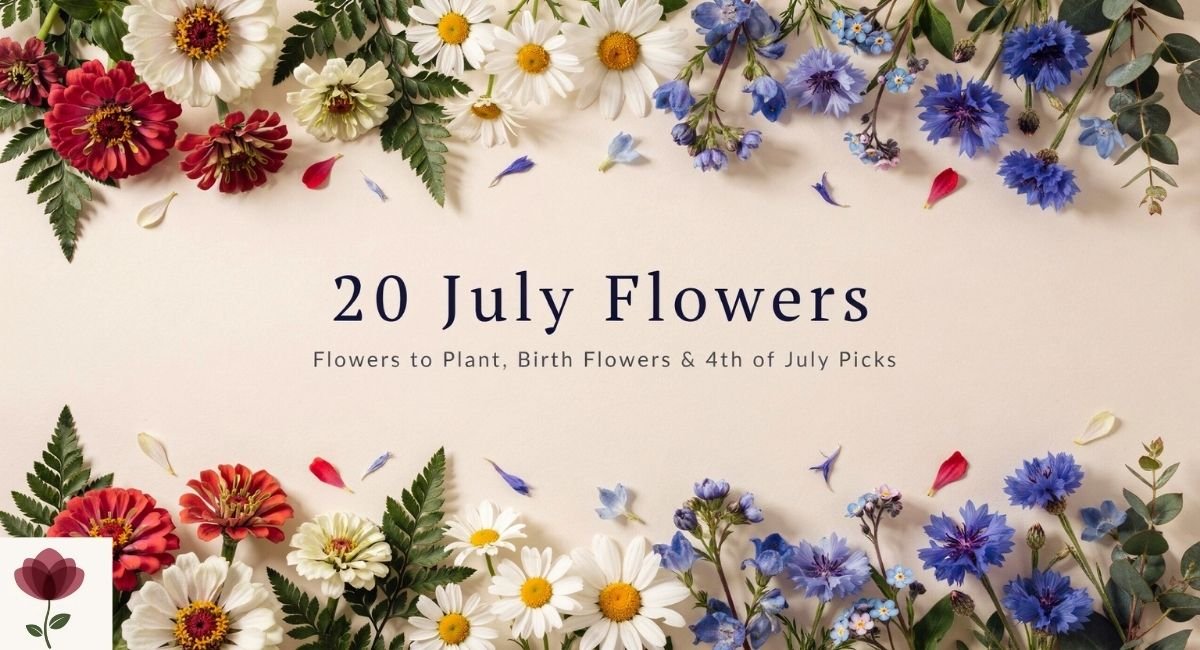
July is a lively month for gardens, bringing a colorful wave of summer flowers across much of the USA. From sunny backyards to elegant bouquets, July Flowers offer plenty of choices for every style and space. Many flowers that bloom in July thrive in warm weather, filling beds with cheerful colors, fragrance, and texture. You’ll also find meaningful July birth flowers, seasonal wedding blooms, and patriotic choices for Independence Day.
Whether you’re planning a garden, choosing a birthday gift, or decorating for a summer celebration, July has something special to offer. In this guide, you’ll discover beautiful blooms, planting ideas, flower meanings, wedding favorites, and creative ways to enjoy July’s brightest blossoms.
What Flowers Bloom in July?
July brings a generous mix of annuals, perennials, bulbs, and flowering shrubs. Popular summer-blooming flowers include coneflower, black-eyed Susan, daylily, zinnia, sunflower, lavender, bee balm, phlox, hydrangea, and dahlia. Their timing varies across different parts of the USA.
In warmer states, some flowers may start earlier and finish sooner. Northern gardens can see later peaks. Therefore, treat July bloom lists as a useful guide rather than a strict calendar. Your local growing conditions always have the final say.
Flowers That Bloom in July
Several classic flowers that bloom in July thrive under strong summer sunlight. Coneflowers and black-eyed Susans handle heat well, while zinnias reward regular deadheading with more flowers. Hydrangeas prefer different conditions, especially depending on species and cultivar.
Other dependable choices include roses, daylilies, lilies, dahlias, phlox, cosmos, marigolds, and yarrow. Together, they create layers of color and texture. Many also support bees, butterflies, or hummingbirds, making a July garden feel wonderfully alive.
What Flowers Are Blooming in July?
Wondering what flowers are blooming in July? Look for plants that tolerate warm soil, longer daylight, and summer heat. Many perennials reach their flowering peak during this period. Some annuals also become especially productive when they receive enough water and sunlight.
Blooming can continue into August, particularly with proper care. For example, regular deadheading removes spent flowers and encourages some plants to produce new ones. Extension guidance also recommends removing faded blooms for continued flowering in suitable annuals.
Quick Reference Table
The table below gives you a quick snapshot of 20 popular July Flowers. Blooming dates can differ by cultivar and location, so use these details as general guidance. Sun exposure also matters greatly. A flower labeled “full sun” usually performs best with around six or more hours of direct light.
| Flower | Scientific Name | Main Colors | Sunlight | Bloom Time | Best Garden Use |
| Coneflower | Echinacea spp. | Pink, Purple, White | Full Sun | Summer | Pollinator Garden |
| Black-Eyed Susan | Rudbeckia hirta | Yellow | Full Sun | Summer | Borders |
| Daylily | Hemerocallis spp. | Orange, Yellow, Red | Full Sun | Summer | Flower Beds |
| Zinnia | Zinnia spp. | Many Colors | Full Sun | Summer | Cutting Garden |
| Sunflower | Helianthus annuus | Yellow | Full Sun | Summer | Cottage Garden |
| Lavender | Lavandula spp. | Purple | Full Sun | Summer | Herb Garden |
| Bee Balm | Monarda spp. | Red, Pink, Purple | Sun/Part Shade | Summer | Pollinator Garden |
| Garden Phlox | Phlox paniculata | Pink, Purple, White | Sun/Part Shade | Summer | Borders |
| Hydrangea | Hydrangea spp. | Pink, Blue, White | Part Shade | Summer | Shrub Border |
| Dahlia | Dahlia spp. | Many Colors | Full Sun | Summer–Fall | Cutting Garden |
| Coreopsis | Coreopsis spp. | Yellow | Full Sun | Summer | Borders |
| Shasta Daisy | Leucanthemum × superbum | White | Full Sun | Summer | Cottage Garden |
| Yarrow | Achillea millefolium | White, Yellow, Pink | Full Sun | Summer | Dry Gardens |
| Lily | Lilium spp. | Many Colors | Full Sun | Summer | Beds |
| Gladiolus | Gladiolus spp. | Many Colors | Full Sun | Summer | Cut Flowers |
| Marigold | Tagetes spp. | Yellow, Orange | Full Sun | Summer | Containers |
| Cosmos | Cosmos spp. | Pink, White, Purple | Full Sun | Summer | Cottage Garden |
| Clematis | Clematis spp. | Purple, Pink, White | Sun/Part Shade | Summer | Trellises |
| Rose | Rosa spp. | Many Colors | Full Sun | Summer | Borders |
| Hollyhock | Alcea spp. | Pink, Red, White | Full Sun | Summer | Cottage Garden |
20 July Flowers to Grow and Enjoy
These 20 choices cover a useful range of shapes, colors, heights, and garden roles. Some work beautifully as cut flowers, while others excel in pollinator beds or containers. Before planting, check the specific cultivar because hardiness and bloom timing can differ considerably within the same plant group.
1. Coneflower
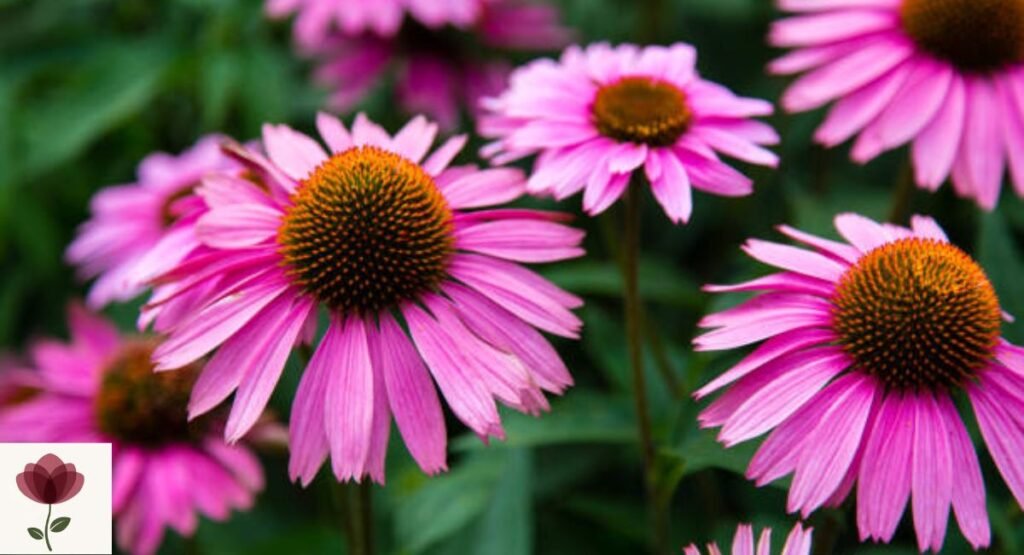
Coneflower, especially purple coneflower, is a tough summer perennial with daisy-like petals and a raised center. It handles sunny conditions and can tolerate periods of dryness once established. Its nectar-rich blooms also appeal to butterflies and native bees.
2. Black-Eyed Susan

Black-eyed Susan brings golden-yellow color to midsummer borders. Its dark center creates a striking bullseye effect that makes the flowers easy to recognize. It’s also a useful pollinator-friendly flower and can thrive in sunny garden settings with relatively modest care.
3. Daylily

Daylilies produce trumpet-shaped flowers in an impressive range of colors. Individual blooms often last only briefly, but established plants can produce many buds. That makes them reliable summer flowers for borders, slopes, foundation beds, and other sunny parts of the landscape.
4. Zinnia
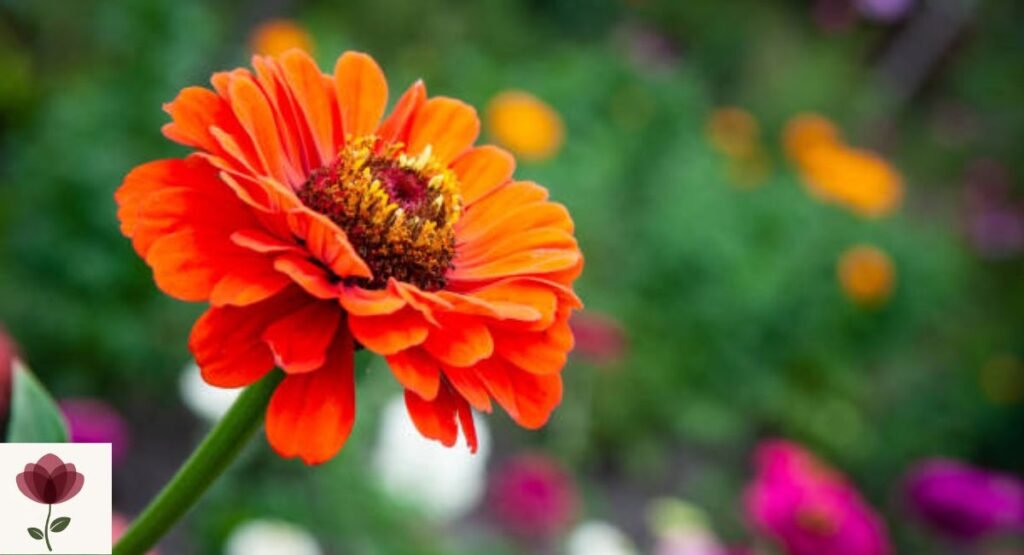
Zinnias are among the easiest annuals for a bright summer display. Their flowers come in numerous colors and forms, from simple single blooms to fuller double types. Regularly removing spent flowers can help maintain a long flowering season, especially when plants receive enough sun and water.
5. Sunflower
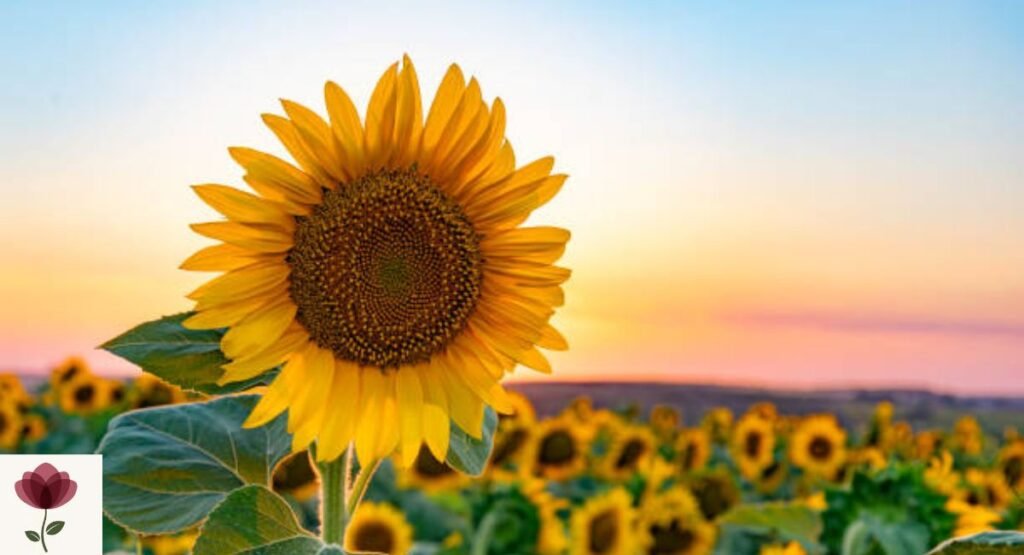
Few flowers announce summer quite like the sunflower. Annual sunflowers can grow from compact container-friendly forms to towering garden varieties. They need plenty of sunlight and can provide seeds later in the season. Their bold faces also make excellent focal points in informal and cottage gardens.
6. Lavender

Lavender combines beauty with fragrance. Its slender purple flower spikes look particularly attractive beside pathways, stone borders, and sunny beds. Most garden lavender prefers excellent drainage and plenty of sunlight. In humid regions, choosing an appropriate cultivar and avoiding soggy soil becomes especially important.
7. Bee Balm

Bee balm has unusual tubular flowers arranged around upright stems. Red, pink, and purple cultivars can bring a lively vertical accent to summer borders. More importantly, the plant offers valuable nectar for pollinators. Some bee balm varieties perform particularly well in pollinator gardens and cottage-style landscapes.
8. Garden Phlox

Garden phlox creates dense clusters of fragrant flowers above upright foliage. It can provide a strong midsummer color block rather than scattered individual blooms. One notable cultivar, ‘Jeana,’ blooms from mid-July into early September and shows strong resistance to powdery mildew.
9. Hydrangea

Hydrangeas bring large flower heads and a lush shrub-like presence to summer gardens. Their needs vary by species, so don’t treat every hydrangea identically. Some prefer morning sun and afternoon shade, while others tolerate more sunlight. Soil and moisture management also play important roles.
10. Dahlia

Dahlias are summer showstoppers. Their flowers range from small pompons to enormous decorative blooms, with almost every color imaginable. They’re especially valuable in cutting gardens because their strong visual impact works beautifully in bouquets. Regular harvesting can also encourage continued flower production.
11. Coreopsis
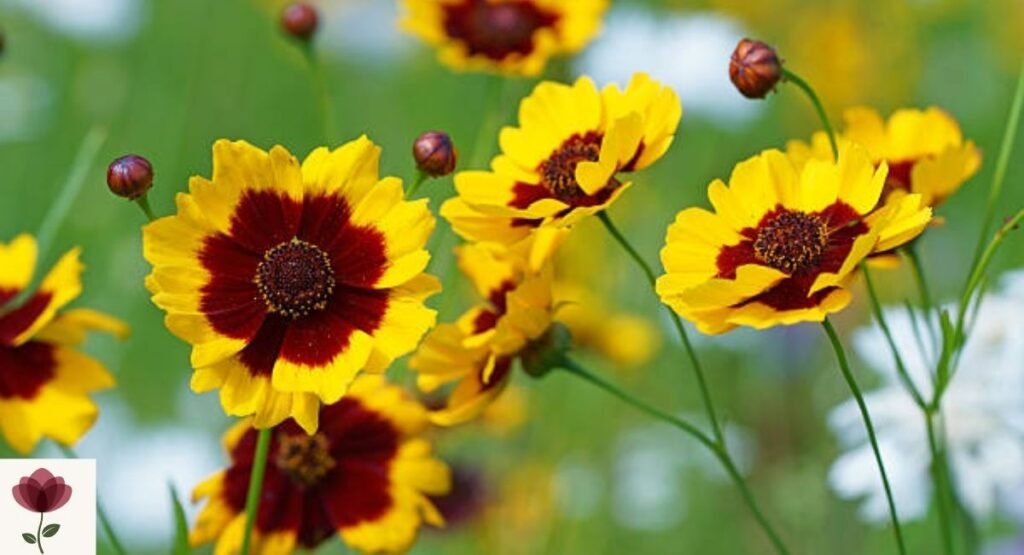
Coreopsis produces cheerful, daisy-like flowers that brighten sunny borders. Many varieties tolerate heat and relatively dry conditions after establishment. Their simple flower shape also works well beside more elaborate blooms. Planting several cultivars together can create a soft, meadow-like effect.
12. Shasta Daisy
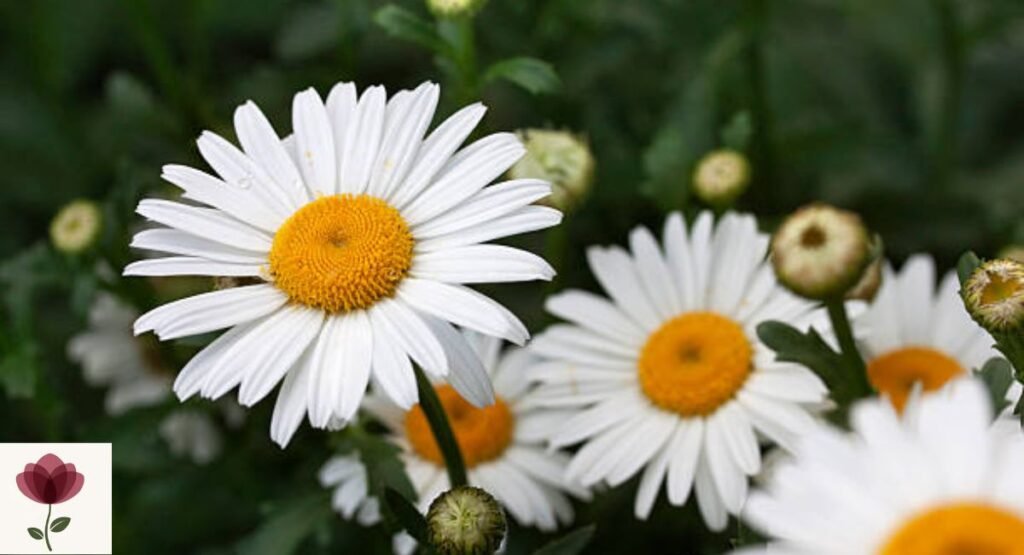
Shasta daisies offer the classic white-and-yellow flower combination many gardeners love. Their clean appearance suits cottage gardens, perennial borders, and cutting beds. They prefer sunny locations with reasonably fertile, well-drained soil. Deadheading can keep the display looking tidy and encourage additional flowering.
13. Yarrow
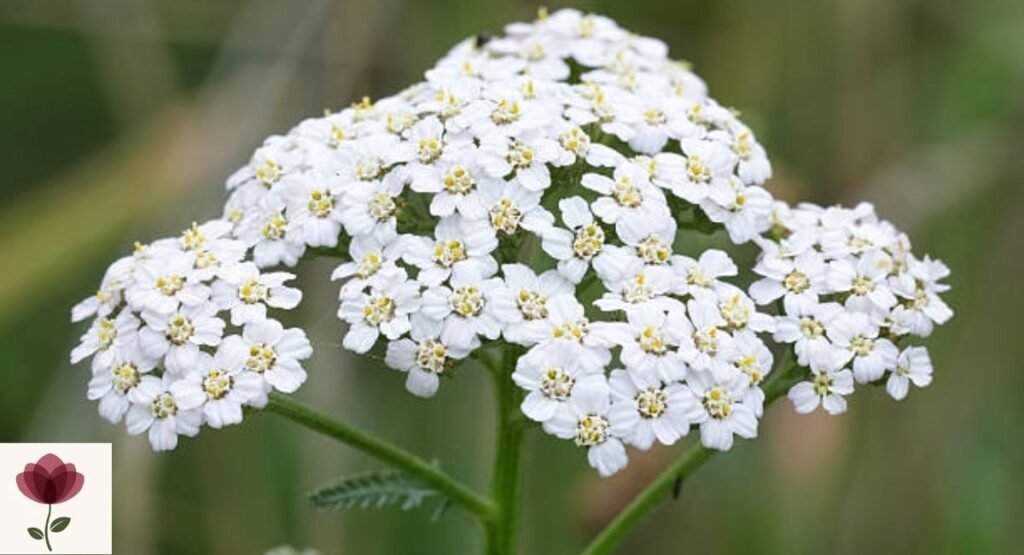
Yarrow has flat-topped flower clusters that create a distinctive horizontal shape among upright summer plants. It handles sunny, relatively dry sites well and works nicely in naturalistic gardens. Its flowers also attract beneficial insects, making it useful beyond simple ornamental appeal.
14. Lilies

True lilies bring bold color and, in many cultivars, strong fragrance. Their trumpet, bowl, or recurved flowers create a dramatic vertical accent during summer. Plant them where they receive suitable sunlight and good drainage. Their flowers can also become impressive additions to fresh arrangements.
15. Gladiolus

Gladiolus produces tall spikes covered with funnel-shaped flowers. Because the blooms rise above shorter plants, they add height without needing a large shrub. Gardeners often grow them specifically for cutting. Their vivid colors also make them useful when you want a bouquet with plenty of visual punch.
16. Marigold

Marigolds are dependable annuals for hot summer gardens. Their yellow and orange flowers brighten containers, borders, and vegetable gardens. They generally prefer full sun and reasonably drained soil. Their compact growth also makes them useful when you need a strong color display without sacrificing much garden space.
17. Cosmos
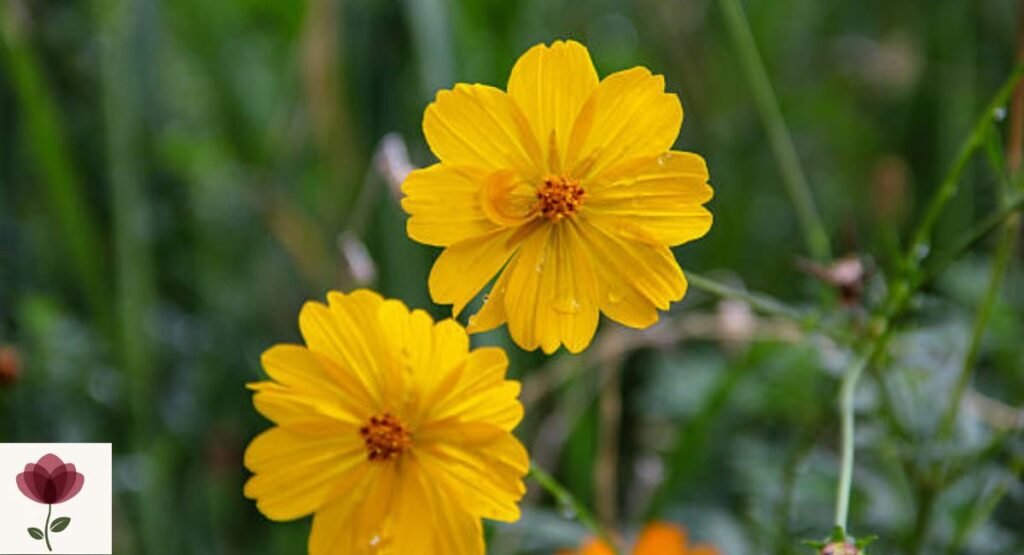
Cosmos combines airy foliage with simple, elegant flowers. It looks especially charming when planted in informal groups rather than rigid rows. Many gardeners appreciate its easygoing nature and long flowering period. Pink, white, and purple flowers can soften the stronger colors of sunflowers and marigolds.
18. Clematis
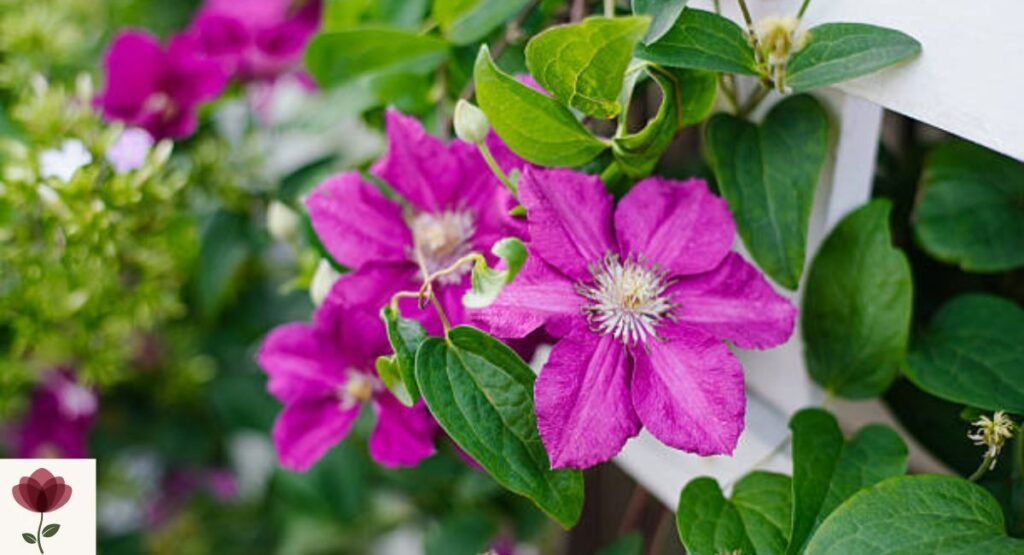
Clematis is a versatile flowering vine with varieties suited to different flowering periods. Summer-blooming types can cover trellises, fences, arches, and pergolas with attractive flowers. Choose the cultivar carefully because pruning needs differ among clematis groups. That small detail can make a big difference.
19. Rose
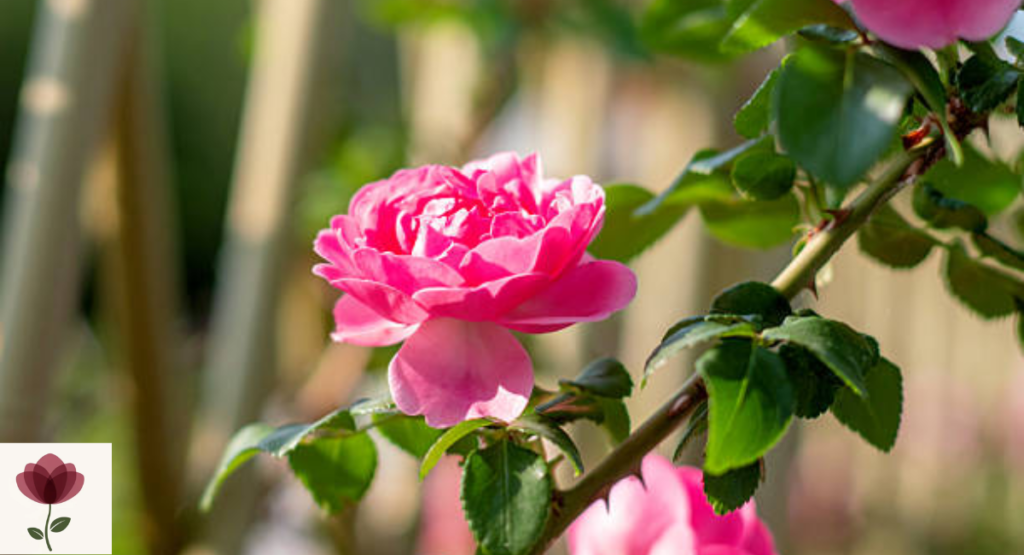
Roses remain timeless summer favorites. Depending on the variety, they can offer fragrance, repeat blooms, climbing growth, or compact habits. Roses also transition effortlessly from garden beds to July wedding flowers. Give them suitable sunlight, airflow, water, and regular monitoring for pests and disease.
20. Hollyhock

Hollyhocks bring old-fashioned charm through tall flower spikes covered with colorful blooms. They’re especially striking against fences or the back of perennial borders. Because they can become quite tall, place them where shorter plants won’t hide their flowers. Their silhouette gives cottage gardens extra vertical drama.
What Flowers Are in Season in July?
July offers an excellent selection of flowers in season in July, especially for gardens, bouquets, and summer events. Roses, dahlias, hydrangeas, lilies, sunflowers, zinnias, lavender, and phlox can all contribute strong seasonal color. Availability still varies by region and supplier.
For weddings, local availability can matter just as much as the flower itself. A bloom growing nearby may arrive fresher and require less transportation. That doesn’t automatically make it cheaper, though. Florist labor, flower grade, seasonality, and arrangement design also influence the final price.
Popular July Flowers in Season
Popular seasonal choices include roses, dahlias, hydrangeas, sunflowers, zinnias, lilies, lavender, and coneflowers. These flowers offer different textures and shapes, which helps create arrangements that look layered rather than flat. Mixing rounded blooms with spikes and smaller fillers adds natural movement.
July Flowers in Season for Bouquets
For bouquets, choose flowers with strong stems, attractive forms, and suitable vase life. Dahlias create a lush centerpiece, while zinnias add cheerful color. Roses provide structure and fragrance. Smaller flowers and foliage can fill gaps. Harvesting cut flowers early in the morning also helps preserve freshness.
What Flowers Can I Plant in July?
Yes, you can plant flowers in July, but success depends heavily on your location. Extreme heat can stress new plants before their roots establish. Flowers to plant in July should therefore match your USDA zone, local weather, soil conditions, and available irrigation.
Established nursery plants usually need careful watering after transplanting. Seeds can work too, but germination may become difficult when soil dries rapidly. In hot regions, temporary shade can protect young seedlings. Think of July planting as giving a new plant a gentle start rather than simply putting it in the ground.
Flowers You Can Plant in July
Zinnias, marigolds, cosmos, sunflowers, celosia, and selected wildflowers can suit July planting in appropriate regions. However, local timing matters. A plant that thrives from a July planting in one state may struggle in another because growing seasons and summer temperatures differ.
Can You Plant Flowers in July?
You can, especially when you choose heat-tolerant plants and provide consistent moisture. Plant during cooler parts of the day whenever possible. Water the root zone deeply rather than lightly wetting the surface. Mulch can also help reduce evaporation and keep soil temperatures more stable.
Can I Plant Wildflowers in July?
Wildflower planting requires more regional caution. Some species need specific seasonal conditions for successful germination. In dry summer climates, seeds may struggle without reliable moisture. Native plants matched to your local region can be a smarter choice because they’re adapted to the conditions they naturally encounter.
July Birth Flowers
July has two widely recognized July birth flowers: larkspur and water lily. The pair could hardly look more different. One grows as an upright flowering plant, while the other floats across water. Yet both carry rich symbolism and a strong connection with summer.
This makes July especially interesting for birthday gifts, floral arrangements, garden themes, and personalized designs. If you were born in July, you can choose between a delicate land flower and an aquatic bloom. Your choice can reflect your personality, garden, or the meaning you want to convey.
What Are the July Birth Flowers?
The traditional pair consists of larkspur and water lily. Larkspur is associated with positivity, love, dedication, and lightheartedness. Water lily commonly represents purity, innocence, and rebirth. Different colors can add further layers of symbolism.
Larkspur
Larkspur produces slender flower spikes in shades such as blue, purple, pink, and white. Interestingly, the common name can refer to closely related plants in the Consolida and Delphinium groups. Larkspur is beautiful, but it’s also toxic if eaten, so keep it away from children and pets.
Water Lily
Water lilies grow from rhizomes below the water surface and produce floating leaves with striking flowers. Hardy and tropical types have different characteristics. Some tropical water lilies can bloom during the day or at night. Smaller varieties can even work in suitable water containers.
July Birth Flower Meaning
Larkspur traditionally carries meanings connected with positivity, dedication, love, and sincerity. Water lily often represents purity, innocence, renewal, and rebirth. Color can shift the symbolism too. For example, red water lilies are associated with romance, while blue varieties can suggest calm and wisdom.
July Birth Flower Tattoo Ideas
A birth flower tattoo turns a birthday symbol into something personal. You might choose larkspur for its upright floral form or water lily for its floating, symmetrical shape. July birth flower tattoo designs can also include names, dates, initials, fine lines, geometric elements, or simple botanical outlines.
Placement changes the whole feel of the design. A tiny flower behind the ear looks discreet, while a larger botanical piece can become a statement. Before choosing a design, consider how much detail you want because extremely fine details may become harder to preserve as a tattoo ages.
July Birth Flower Tattoo Meaning
A July birth flower tattoo meaning can be deeply personal. It might represent your birth month, a loved one, a new beginning, remembrance, or personal growth. Larkspur works well for vertical botanical designs, while water lilies suit circular or floating compositions.
July Birth Flower Tattoo for Men
A masculine tattoo doesn’t need to abandon floral detail. Strong black outlines, botanical stems, geometric framing, or larger compositions can give larkspur a bolder character. A water lily can also work beautifully with darker shading, symmetrical geometry, or a clean black-ink style.
July Birth Flower Tattoo for Women
Delicate stems, soft linework, small floral clusters, and subtle shading can create an elegant design. However, there’s no strict rule about who should wear which style. Your July birth flower tattoo should reflect your taste rather than a preset gender category.
Small July Birth Flower Tattoo Ideas
Small tattoos work particularly well with simplified larkspur or water lily designs. A tiny outline can fit the wrist, ankle, finger, collarbone, or behind the ear. Keep the composition uncluttered. Too many tiny details can make a miniature design visually muddy.
July Birth Flower Water Lily Tattoo
A water lily tattoo can feature floating petals, a simple outline, or a shaded botanical illustration. Its circular form works nicely on the shoulder, upper arm, chest, or back. Adding gentle water ripples can create a stronger aquatic theme without overcrowding the flower.
Fine-Line July Birth Flower Tattoo
Fine-line tattoos emphasize delicate contours rather than heavy shading. A slender larkspur stem can look particularly graceful in this style. Water lilies also work well with fine petals. Still, ask your tattoo artist about line longevity because skin, placement, and aftercare affect how tiny details age.
July Birth Flower Tattoo With Name
Adding a name, date, or initials can turn a flower into a meaningful memorial or family design. Place the text along the stem or beneath the bloom. Keep the typography simple. A clean font usually complements botanical artwork better than an overly decorative script.
July Birth Flower Tattoo Behind the Ear
Behind-the-ear tattoos suit compact designs with clear outlines. A tiny larkspur stem can follow the natural curve behind the ear, while a simplified water lily can sit neatly below it. Because this area has limited space, avoid squeezing too much detail into the artwork.
Best Flowers for a July Wedding
Summer weddings offer an abundant floral palette. July wedding flowers can range from romantic roses and dahlias to cheerful sunflowers and airy delphiniums. Your best choice depends on your venue, color scheme, budget, flower availability, and whether the celebration takes place indoors or outdoors.
Heat deserves special attention for outdoor ceremonies. Flowers can wilt quickly when exposed to strong sun and high temperatures. Florists often manage this through hydration, timing, shade, refrigeration, and careful flower selection. Seasonal sourcing can also help simplify the process.
What Flowers Are in Season in July for Weddings?
Flowers commonly used during July weddings include roses, dahlias, hydrangeas, lilies, sunflowers, zinnias, delphiniums, lisianthus, and snapdragons. Availability varies by location and growing conditions. Always ask your florist what’s locally available before building your entire wedding palette around one specific bloom.
Best Flowers for a July Wedding
Roses offer timeless romance, while dahlias create luxurious texture. Hydrangeas add volume without requiring dozens of individual stems. Sunflowers bring cheerful summer energy. Delphiniums provide height and blue tones. Together, these flowers can create arrangements ranging from elegant and restrained to lush and garden-like.
July Wedding Flower Color Ideas
White and green create a classic summer palette. Blush and cream feel softer and more romantic. Blue and white offer a cool contrast against summer greenery. Pink and peach create warmth. Red, white, and blue can even bring a tasteful patriotic touch to a July celebration.
Cheapest Wedding Flowers in July
The cheapest choice isn’t always one particular flower. Cost depends on local availability, stem size, seasonality, labor, shipping, and arrangement complexity. Using abundant seasonal flowers, greenery, and simpler designs can often reduce costs. A skilled florist can also suggest similar blooms when your first choice is expensive.
4th of July Flowers
The Fourth of July naturally lends itself to patriotic floral designs. 4th of July flowers look especially striking when arranged around the classic red, white, and blue palette. You can use fresh blooms for tables, porches, entryways, outdoor parties, or garden containers.
You don’t need identical flowers in each color. In fact, mixing different shapes usually creates a richer display. Pair rounded blooms with spikes, small fillers, and greenery. The result feels more like a garden than a supermarket bouquet.
What Are the Best Flowers for the 4th of July?
The best choices depend on your display. Red roses and zinnias provide strong focal color. White daisies and hydrangeas soften the arrangement. Blue delphiniums or cornflowers supply contrast. Together, these patriotic flowers create a festive look without needing complicated decorations.
Red Flowers for 4th of July
Red roses, geraniums, petunias, zinnias, and cardinal flowers can provide the red portion of a patriotic display. Use one dominant red flower and several supporting textures. That approach keeps the arrangement balanced instead of making every bloom compete for attention.
White Flowers for 4th of July
White hydrangeas, daisies, roses, alyssum, and white petunias can brighten patriotic arrangements. White flowers also act as visual breathing space between stronger colors. They work particularly well in porch planters, table centerpieces, and mixed bouquets.
Blue Flowers for 4th of July
Blue flowers can be harder to source than red or white choices. Delphiniums, cornflowers, blue salvia, and certain hydrangeas can help. Remember that hydrangea color depends partly on cultivar and growing conditions, so don’t assume every hydrangea will produce a true blue flower.
4th of July Flower Arrangement Ideas
A simple mason jar filled with red zinnias, white daisies, and blue flowers can create an easy centerpiece. For larger displays, repeat the same three colors across several containers. Matching arrangements along a porch or outdoor table can make the whole celebration feel coordinated.
July Flowers by Garden Type
The best flower depends on more than appearance. Your available sunlight, soil, water, space, and garden style all matter. A heat-loving annual may thrive beside a sunny driveway but fail in deep shade. Meanwhile, a shade-tolerant plant can look spectacular under trees but struggle in full afternoon sun.
Best July Flowers for Full Sun
Full-sun gardens can support many dependable heat-tolerant flowers, including coneflower, zinnia, sunflower, marigold, yarrow, and coreopsis. These plants generally appreciate strong light. Still, full sun doesn’t mean unlimited drought. Newly planted flowers especially need consistent moisture while their roots establish.
Best July Flowers for Shade
Shade gardens need a more careful approach. Bright shade and deep shade are not the same. Some flowers tolerate partial shade, especially where they receive gentle morning light. Check the individual plant’s needs rather than assuming every summer flower will perform well beneath trees.
Best July Flowers for Containers
Containers work beautifully with zinnias, marigolds, compact dahlias, cosmos, petunias, and other adaptable annuals. Pots dry faster than garden soil, though. During hot weather, check moisture frequently. Large containers usually provide more stable root temperatures and moisture than very small pots.
Best July Flowers for Pollinators
Coneflower, bee balm, black-eyed Susan, and other pollinator-friendly flowers can turn a decorative garden into a busy feeding area. Extension sources specifically highlight coneflower, bee balm, and black-eyed Susan as useful plants for bees, butterflies, and other beneficial insects.
Best July Flowers for Cutting Gardens
Dahlias, zinnias, roses, lilies, gladiolus, cosmos, and sunflowers can all contribute to a cutting garden. Grow more than one flower shape for better bouquets. Tall spikes add height, rounded blooms create fullness, and small flowers act as visual fillers.
July Flowers by Color
Color can guide your planting decisions just as easily as bloom time. A monochromatic bed can feel calm and sophisticated, while contrasting colors create more energy. For July celebrations, color becomes especially useful because red, white, and blue naturally create a patriotic theme.
Red July Flowers
Red roses, red zinnias, geraniums, cardinal flowers, and red bee balm can provide strong summer color. Red flowers often work best when balanced with greenery or pale blooms. Otherwise, the display can become visually heavy.
Pink July Flowers
Pink coneflowers, roses, dahlias, phlox, and hydrangeas offer softer summer tones. Combine several shades of pink for depth. Blush, coral, and deeper rose tones can sit together beautifully without looking overly uniform.
White July Flowers
White roses, Shasta daisies, white hydrangeas, lilies, and alyssum provide brightness. White blooms also look excellent during evening events because they remain visually noticeable in lower light.
Purple July Flowers
Lavender, purple coneflower, clematis, salvia, and purple phlox create a cooler summer palette. Purple works particularly well beside silver foliage, white flowers, or pale pink blooms.
Blue July Flowers
True blue flowers are relatively prized in gardens. Delphiniums, cornflowers, and blue salvia can provide blue tones. Some hydrangeas can also develop blue flowers under suitable conditions, depending on cultivar and soil chemistry.
Yellow July Flowers
Sunflowers, black-eyed Susans, coreopsis, and yellow daylilies create warm, cheerful displays. Pair yellow flowers with purple or blue companions for strong complementary contrast.
Orange July Flowers
Marigolds, orange daylilies, certain lilies, and orange zinnias add heat to a summer palette. Orange flowers look especially vibrant against dark green foliage.
Flowers That Bloom in July and August
Many flowers that bloom in July and August can carry a garden through the heart of summer. Zinnias, coneflowers, black-eyed Susans, dahlias, cosmos, marigolds, yarrow, and some phlox can continue producing flowers during both months.
The trick is keeping plants comfortable. Adequate water, sufficient sunlight, occasional feeding where appropriate, and deadheading can support continued flowering. However, no plant blooms forever. Heat, drought, disease, and natural flowering cycles still influence performance.
July Flower Care Tips
Summer care begins with water management. Newly planted flowers usually need closer attention than established perennials. Mulch can reduce moisture loss and moderate soil temperature. Remove damaged foliage when appropriate and watch regularly for pests, fungal problems, and heat stress.
Avoid treating every plant exactly the same. Lavender prefers excellent drainage, while hydrangeas generally appreciate more consistent moisture. A thoughtful gardener responds to the plant rather than following a one-size-fits-all routine.
How Often Should July Flowers Be Watered?
There isn’t one perfect schedule for every garden. Soil type, rainfall, temperature, plant maturity, and container size all matter. Check the soil before watering. When watering, soak the root zone thoroughly rather than giving the surface a quick splash.
How Do You Keep Flowers Blooming in July?
Regular deadheading can help some plants produce additional flowers. Keep plants properly watered and make sure they receive the light they need. Remove damaged growth and monitor pests. For certain annuals, extension guidance specifically recommends removing spent blooms to support continual flowering.
Conclusion
July gives you far more than a handful of summer blooms. From coneflowers and zinnias to roses and dahlias, these July Flowers can brighten gardens, bouquets, weddings, and holiday displays. Your best choices will depend on sunlight, USDA zone, soil, water, and the look you want.
For birthdays, larkspur and water lily bring meaningful symbolism. For weddings, seasonal flowers offer color and flexibility. For Independence Day, red, white, and blue blooms create instant festive charm. Choose plants that suit your conditions, care for them consistently, and let your summer garden steal the show.
FAQs
What flowers bloom in July?
Popular July Flowers include coneflower, black-eyed Susan, daylily, zinnia, sunflower, lavender, bee balm, phlox, hydrangea, dahlia, rose, lily, and marigold. Exact bloom timing varies by cultivar, USDA zone, weather, and planting date.
What are the July birth flowers?
The two commonly recognized July birth flowers are larkspur and water lily. Larkspur is associated with positivity, love, and dedication, while water lily commonly symbolizes purity, innocence, and rebirth.
What flowers can I plant in July?
You can plant suitable annuals and perennials in July when local conditions allow. Zinnias, marigolds, cosmos, sunflowers, and celosia can work in many regions. Always check your local growing conditions before planting seeds or transplants during extreme heat.
What flowers are in season in July?
Roses, dahlias, hydrangeas, lilies, sunflowers, zinnias, lavender, phlox, and coneflowers are popular summer choices. Availability can differ by location, especially for wedding flowers and specialty varieties.
What are the best 4th of July flowers?
Red, white, and blue flowers make the strongest patriotic combination. Roses, zinnias, geraniums, white daisies, hydrangeas, delphiniums, cornflowers, and blue salvia can create attractive Independence Day arrangements.
What Does a July Birth Flower Tattoo Mean?
A July birth flower tattoo can symbolize your birth month, personal growth, love, remembrance, or a meaningful milestone. Larkspur often represents positivity and dedication, while a water lily can suggest purity and renewal. You can also personalize the design with a name, date, or fine-line details.

Welcome to PetalNexa! I’m Anam Sattar, an AI-powered SEO Specialist and Content Writer with over 4 years of experience in creating high-quality, search-optimized content. I help businesses improve their search engine rankings, increase organic traffic, and build beautiful, user-friendly websites. My mission is to make SEO, content creation, and web design simple, effective, and accessible for everyone. Let’s grow your online presence and achieve success together!
1 thought on “20 July Flowers: Flowers to Plant, Birth Flowers & 4th of July Picks”