


Discovering Flowers That Start With W opens the door to a surprisingly diverse botanical world. From graceful flowering vines like Wisteria to floating Water Lilies and fragrant Wintersweet, these plants offer something for almost every garden. You’ll find wildflowers, woodland treasures, colorful annuals, hardy perennials, and unusual aquatic blooms. Some thrive beneath trees, while others flourish in bright sunshine or moist soil.
In this guide, we’ll explore beautiful W flowers, their names, types, colors, blooming seasons, and growing needs. Whether you’re choosing plants for a pollinator garden, container, pond, or landscape border, these W flower names can help you discover a variety that perfectly suits your space.
Quick Answer: What Are Flowers that Start with W?
Flowers that start with W are flowering plants whose commonly used names begin with the letter W. The group includes perennial flowers, annuals, wildflowers, aquatic plants, shrubs, and flowering vines. Popular examples include Wisteria, Wallflower, Water Lily, Weigela, Wishbone Flower, and Witch Hazel.
Interestingly, the letter W covers several very different habitats. You can find woodland flowers beneath trees, floating blooms on ponds, and vigorous vines climbing garden structures. Some varieties also provide winter color when most other plants have gone dormant.
55 Flowers that starts with W: Complete List
The table below gives you a quick botanical snapshot of 55 W flowers. It combines recognizable garden plants with less familiar species. Because common names can vary between regions, the scientific name provides a useful identification anchor. Bloom seasons also depend on climate and USDA hardiness zone.
| # | Flower Name | Scientific Name | Main Color | Type | Bloom Season | Light | Native Region |
| 1 | Waling Waling | Vanda sanderiana | Pink, purple | Orchid | Warm season | Bright filtered light | Philippines |
| 2 | Wake Robin | Trillium erectum | Red, maroon | Perennial | Spring | Shade | North America |
| 3 | Wallflower | Erysimum spp. | Yellow, orange, purple | Biennial/perennial | Spring | Full sun | Europe, Asia |
| 4 | Wandflower | Dierama spp. | Pink, white | Perennial | Summer | Full sun | Southern Africa |
| 5 | Waratah | Telopea spp. | Red, pink | Shrub | Spring | Full sun | Australia |
| 6 | Water Avens | Geum rivale | Pink, cream | Perennial | Spring–summer | Partial shade | Europe, Asia |
| 7 | Water Hyacinth | Pontederia crassipes | Lavender | Aquatic | Summer | Full sun | South America |
| 8 | Water Iris | Iris laevigata | Blue, violet | Aquatic perennial | Spring–summer | Sun | East Asia |
| 9 | Water Lily | Nymphaea spp. | White, pink, yellow | Aquatic perennial | Summer | Full sun | Worldwide |
| 10 | Water Lotus | Nelumbo nucifera | Pink, white | Aquatic perennial | Summer | Full sun | Asia, Australia |
| 11 | Water Violet | Hottonia palustris | Lilac, white | Aquatic perennial | Spring | Sun | Europe |
| 12 | Watsonia | Watsonia spp. | Pink, red, white | Corm perennial | Spring–summer | Full sun | Southern Africa |
| 13 | Wax Begonia | Begonia × semperflorens | Pink, white, red | Annual bedding plant | Summer–frost | Sun/partial shade | Cultivated hybrid |
| 14 | Waxflower | Chamelaucium uncinatum | Pink, white | Shrub | Spring | Full sun | Australia |
| 15 | Wedelia | Sphagneticola trilobata | Yellow | Groundcover | Warm seasons | Full sun | Tropical Americas |
| 16 | Weigela | Weigela spp. | Pink, red, white | Shrub | Spring–summer | Sun | East Asia |
| 17 | Western Red Lily | Lilium philadelphicum | Orange-red | Perennial | Summer | Sun | North America |
| 18 | Western Wallflower | Erysimum capitatum | Yellow, orange | Wildflower | Spring–summer | Full sun | North America |
| 19 | Whirling Butterflies | Oenothera lindheimeri | White, pink | Perennial | Summer–fall | Full sun | North America |
| 20 | White Campion | Silene latifolia | White | Wildflower | Spring–summer | Sun | Europe, Asia |
| 21 | White Snakeroot | Ageratina altissima | White | Perennial | Summer–fall | Shade/sun | North America |
| 22 | White Trillium | Trillium grandiflorum | White | Woodland perennial | Spring | Shade | North America |
| 23 | White Wood Aster | Eurybia divaricata | White | Woodland perennial | Summer–fall | Shade | North America |
| 24 | Wild Bergamot | Monarda fistulosa | Lavender, pink | Perennial | Summer | Full sun | North America |
| 25 | Wild Columbine | Aquilegia canadensis | Red, yellow | Wildflower perennial | Spring | Sun/partial shade | North America |
| 26 | Wild Geranium | Geranium maculatum | Pink, lavender | Perennial | Spring | Partial shade | North America |
| 27 | Wild Indigo | Baptisia spp. | Blue, purple, yellow | Perennial | Late spring | Full sun | North America |
| 28 | Wild Petunia | Ruellia humilis | Purple, lavender | Perennial | Summer | Sun | North America |
| 29 | Wild Phlox | Phlox divaricata | Blue, lavender | Perennial | Spring | Partial shade | North America |
| 30 | Wild Rose | Rosa spp. | Pink, white | Shrub | Spring–summer | Full sun | Northern Hemisphere |
| 31 | Wild Senna | Senna hebecarpa | Yellow | Perennial | Summer | Full sun | North America |
| 32 | Wild Sunflower | Helianthus spp. | Yellow | Annual/perennial | Summer–fall | Full sun | North America |
| 33 | Willowherb | Epilobium spp. | Pink, purple | Wildflower | Summer | Sun | Northern Hemisphere |
| 34 | Windflower | Anemone spp. | White, pink, purple | Perennial | Spring | Sun/partial shade | Northern Hemisphere |
| 35 | Wine Cup | Callirhoe involucrata | Magenta | Perennial | Spring–summer | Full sun | North America |
| 36 | Winged Monkey Flower | Mimulus alatus | Purple, pink | Wetland perennial | Summer | Partial shade | North America |
| 37 | Winter Aconite | Eranthis hyemalis | Yellow | Bulbous perennial | Late winter | Sun/partial shade | Europe |
| 38 | Winter Jasmine | Jasminum nudiflorum | Yellow | Shrub | Winter–spring | Sun | China |
| 39 | Wintersweet | Chimonanthus praecox | Cream, yellow | Shrub | Winter | Sun | China |
| 40 | Wishbone Flower | Torenia fournieri | Purple, blue, pink | Annual | Summer–frost | Partial shade | Southeast Asia |
| 41 | Wisteria | Wisteria spp. | Purple, pink, white | Vine | Spring | Full sun | Asia, North America |
| 42 | Witch Hazel | Hamamelis spp. | Yellow, orange | Shrub | Winter–spring | Sun/partial shade | North America, Asia |
| 43 | Woadwaxen | Genista tinctoria | Yellow | Shrub-like perennial | Summer | Full sun | Europe, Asia |
| 44 | Wood Anemone | Anemonoides nemorosa | White, pink | Woodland perennial | Spring | Partial shade | Europe |
| 45 | Wood Sorrel | Oxalis acetosella | White, pink | Woodland perennial | Spring | Shade | Europe, Asia |
| 46 | Wood Violet | Viola odorata | Violet, purple | Perennial | Spring | Shade | Europe, Asia |
| 47 | Woodland Sunflower | Helianthus divaricatus | Yellow | Perennial | Summer–fall | Sun/partial shade | North America |
| 48 | Woodruff | Galium odoratum | White | Groundcover perennial | Spring | Shade | Europe, Asia |
| 49 | Woolly Yarrow | Achillea tomentosa | Yellow | Perennial | Summer | Full sun | Europe |
| 50 | Wreath Flower | Stephanotis floribunda | White | Flowering vine | Summer | Bright light | Madagascar |
| 51 | White Evening Primrose | Oenothera spp. | White | Wildflower | Summer | Full sun | North America |
| 52 | Western Columbine | Aquilegia formosa | Red, yellow | Perennial | Spring–summer | Partial shade | Western North America |
| 53 | White Sage Flower | Salvia apiana | White | Perennial shrub | Spring–summer | Full sun | Southwestern USA |
| 54 | White Clover Flower | Trifolium repens | White | Perennial | Spring–fall | Full sun | Europe, naturalized worldwide |
| 55 | White Prairie Clover | Dalea candida | White | Prairie perennial | Summer | Full sun |
Popular Flowers that starts with W
The most recognizable Flowers that start with W tend to combine attractive blooms with practical garden value. These varieties appear in landscapes, cottage gardens, ponds, woodland beds, containers, and naturalized spaces. Their popularity often comes from memorable shapes, reliable flowering, fragrance, or striking seasonal displays.
For American gardeners, popularity also depends on climate. A plant that performs beautifully in Oregon may struggle in Florida. Therefore, always compare the plant’s natural habitat with your local growing conditions before planting it.
Wisteria
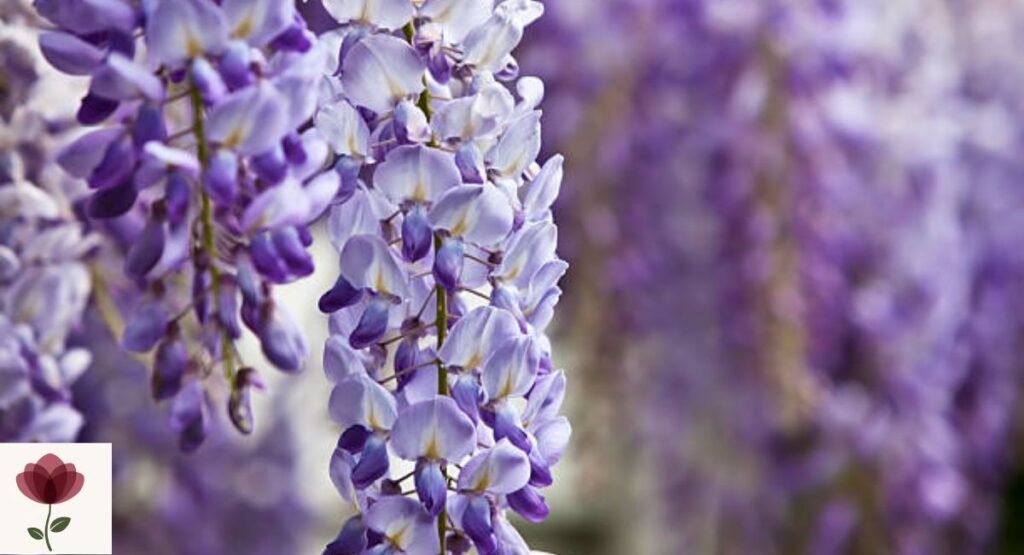
Wisteria is a vigorous flowering vine famous for long, pendulous clusters of purple, pink, or white flowers. It usually blooms in spring and needs sturdy support. Give it full sun, fertile soil, and regular pruning. Its dramatic flower curtains make pergolas and arbors look almost theatrical.
Wallflower
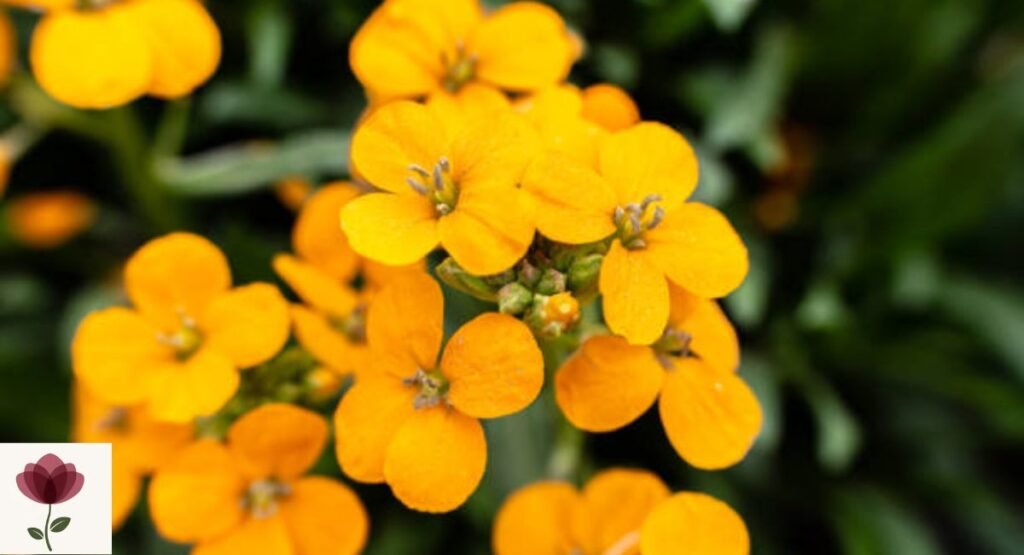
Wallflower produces cheerful clusters in yellow, orange, red, and purple shades. Many varieties bloom during spring and release a pleasant fragrance. It prefers sunny, well-drained soil and works beautifully in borders. In mild American climates, some types can behave as short-lived perennials.
Waxflower
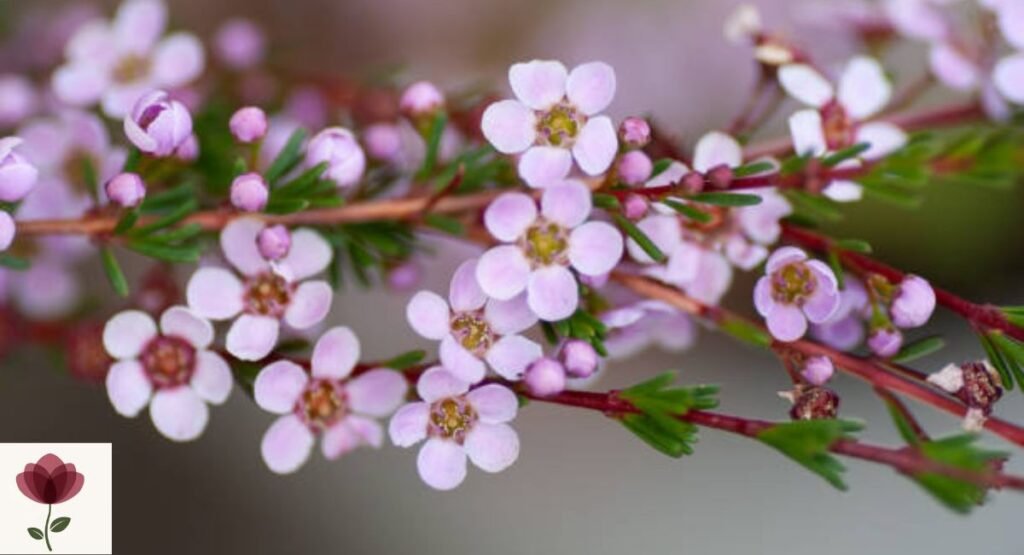
Waxflower develops small, waxy blossoms on woody stems. Pink and white forms are especially popular for floral arrangements because the flowers hold their shape well. This Australian shrub prefers full sun and excellent drainage. Its fine foliage also gives bouquets a delicate, airy texture.
Water Lily
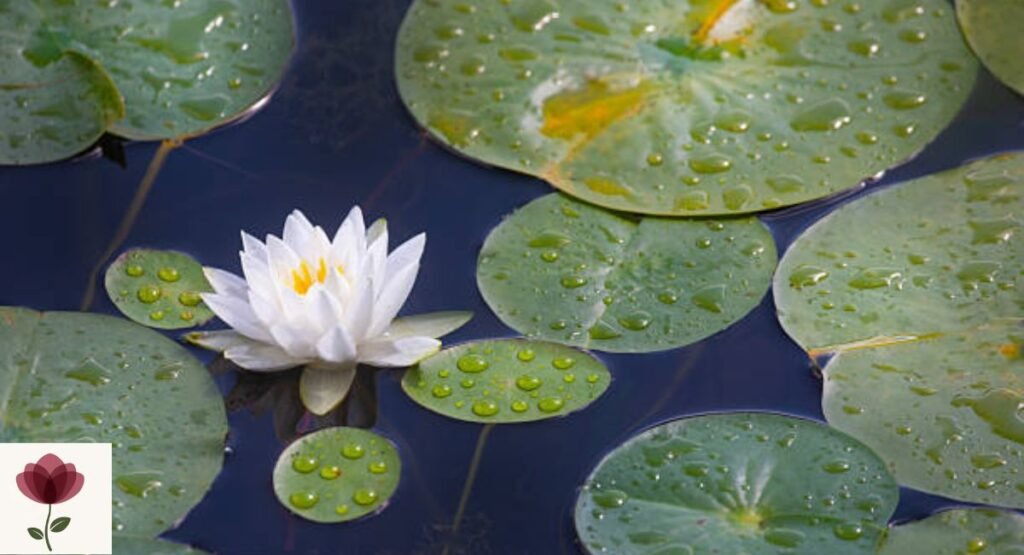
Water Lily remains one of the most recognizable aquatic flowers. Its broad leaves float across still water while starry or cup-shaped blooms rise near the surface. Most varieties prefer sunlight and calm ponds. Hardy types can survive winter dormancy when grown in suitable climates.
Windflower
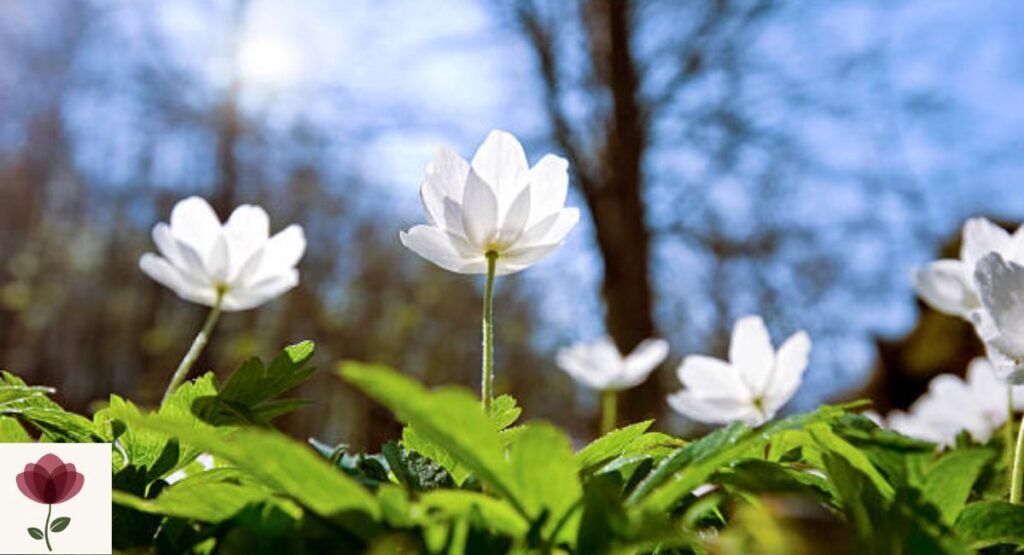
Windflower commonly refers to anemone-type flowers with delicate open blooms. Colors range from white and pink to blue and purple. Depending on species, they can flower in spring or later seasons. Their graceful petals suit borders, woodland gardens, and naturalized planting.
Weigela
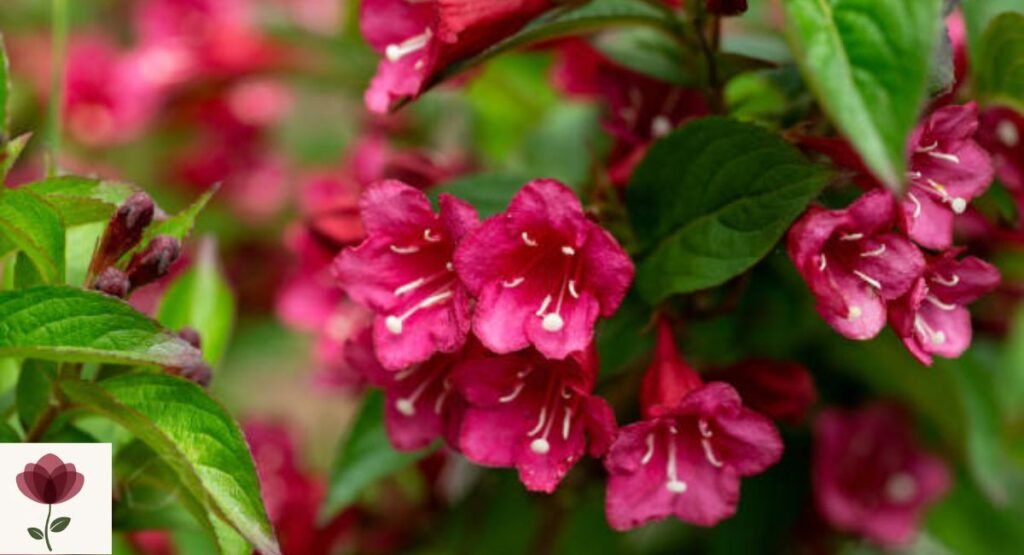
Weigela is a deciduous flowering shrub with tubular blooms that attract attention during spring and early summer. Pink remains a classic color, although red and white cultivars exist. Plant it in sun or light shade with moderately fertile soil. Regular pruning helps maintain a tidy form.
Wishbone Flower
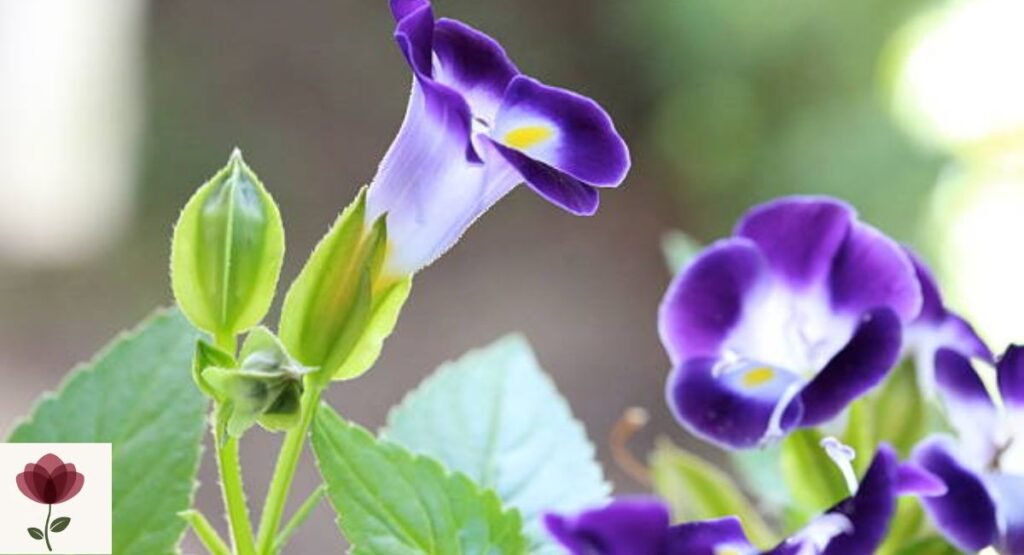
Wishbone Flower, or Torenia fournieri, produces cheerful trumpet-shaped flowers throughout warm weather. Purple, blue, pink, and white shades are common. It handles partial shade better than many bedding plants. That makes it especially useful for containers, hanging baskets, and sheltered garden corners.
Witch Hazel
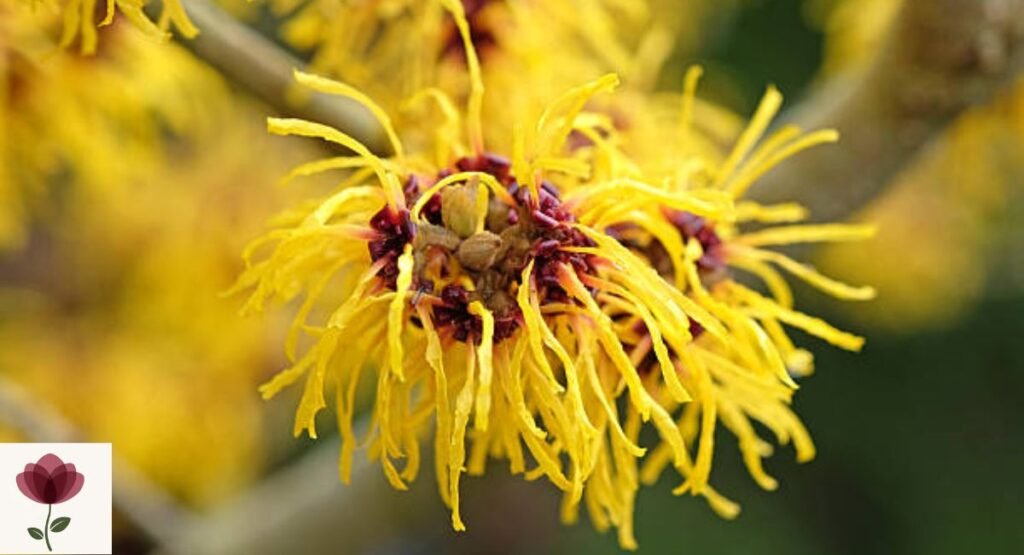
Witch Hazel offers an unusual winter display when most gardens look dormant. Its narrow, ribbon-like petals appear in yellow, orange, or reddish tones. Depending on species, flowers emerge from late fall through early spring. Give it room because mature shrubs can become substantial landscape features.
Winter Jasmine
Winter Jasmine brightens cold-season landscapes with yellow flowers on arching green stems. Unlike many jasmine relatives, it lacks the strong fragrance associated with some other species. It tolerates pruning well and can spread naturally. Sunny locations encourage heavier flowering and stronger growth.
Wintersweet
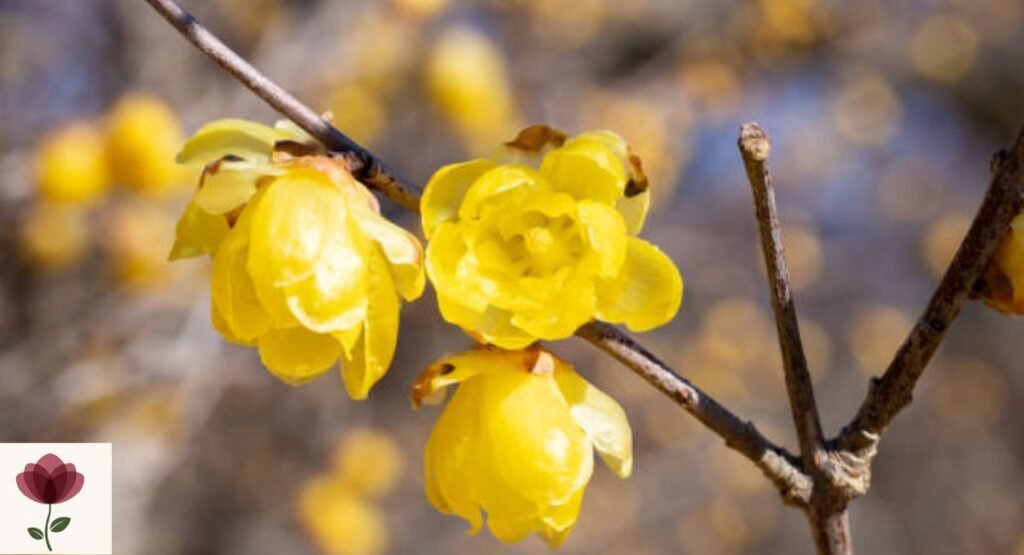
Wintersweet earns its name from its flowering season and sweet fragrance. Creamy yellow blossoms appear on mostly bare branches during winter. This deciduous shrub prefers fertile, well-drained soil and sheltered conditions. Its perfume becomes especially noticeable on mild days when garden scents are scarce.
Winter Aconite
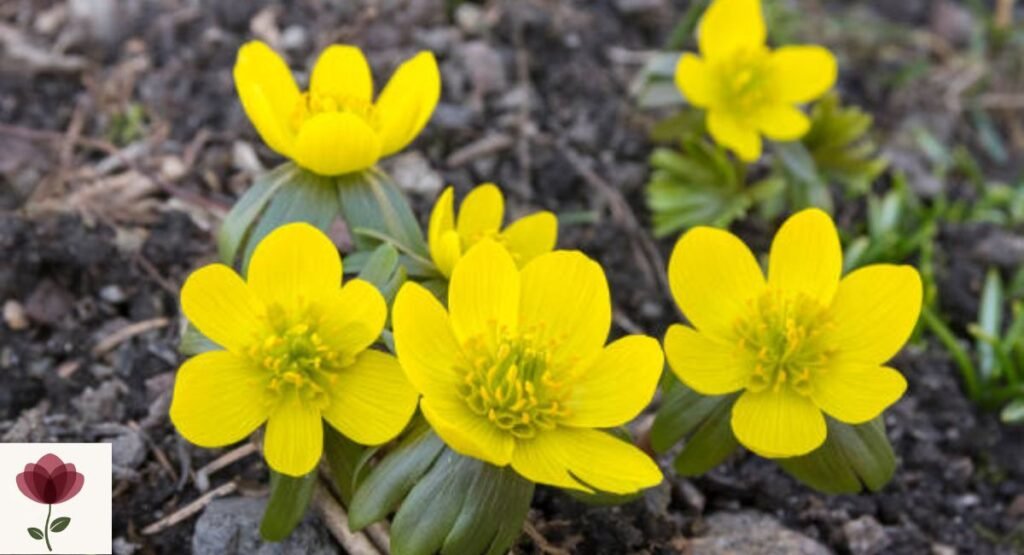
Winter Aconite is a small bulbous perennial that produces bright yellow flowers surprisingly early. It often appears before many spring bulbs fully awaken. Plant the small tubers in well-drained soil beneath deciduous trees. Once established, colonies can create an attractive naturalized carpet.
Water Hyacinth
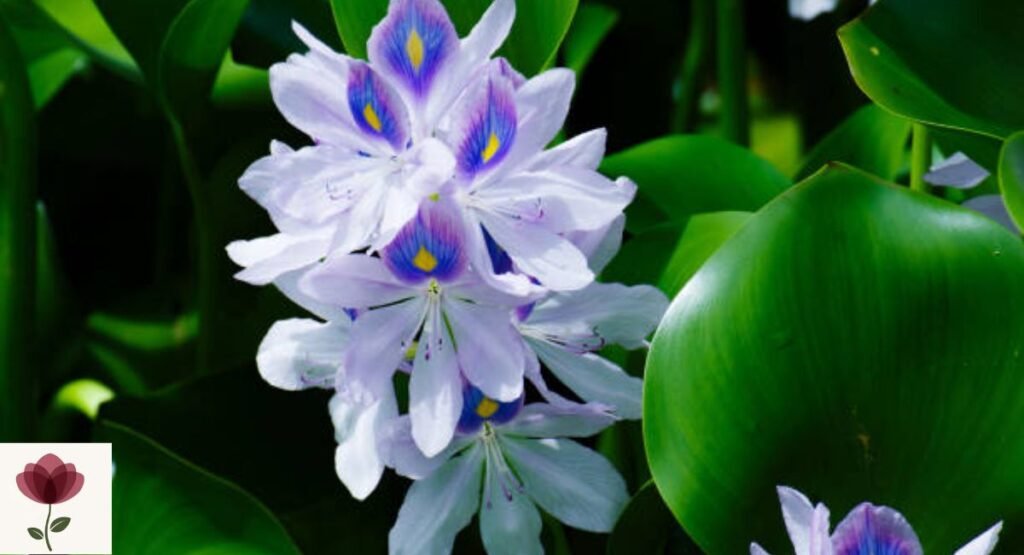
Water Hyacinth floats on water and produces attractive lavender flower spikes. Its swollen leaf bases help the plant remain buoyant. Although visually appealing, it can become aggressively invasive in warm regions. Always check local regulations before introducing it into outdoor ponds.
Water Lotus
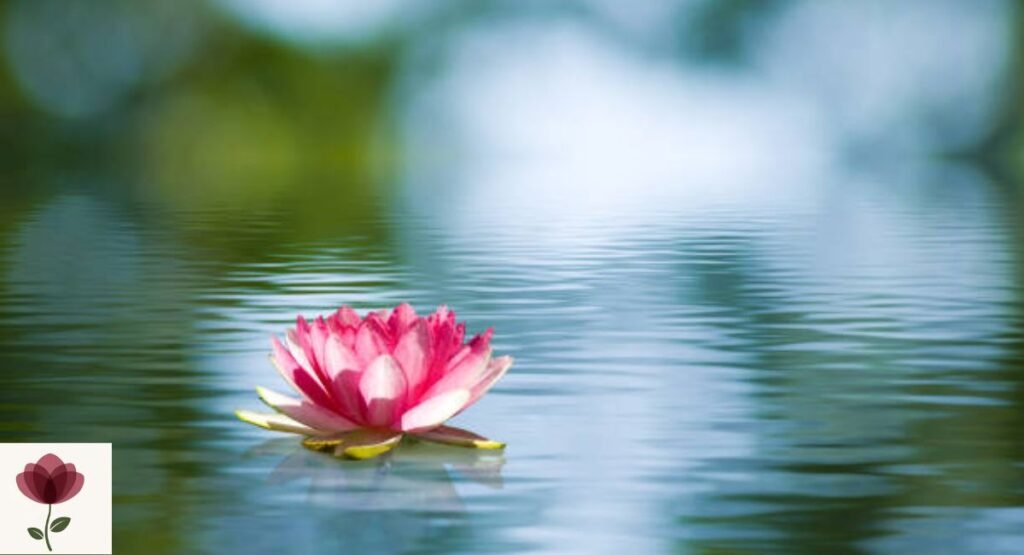
Water Lotus produces large flowers that rise above its rounded leaves. That upright habit separates it visually from most water lilies. Lotus prefers warm temperatures, full sun, and substantial aquatic containers or ponds. Its architectural appearance makes it a memorable focal point.
Water Iris
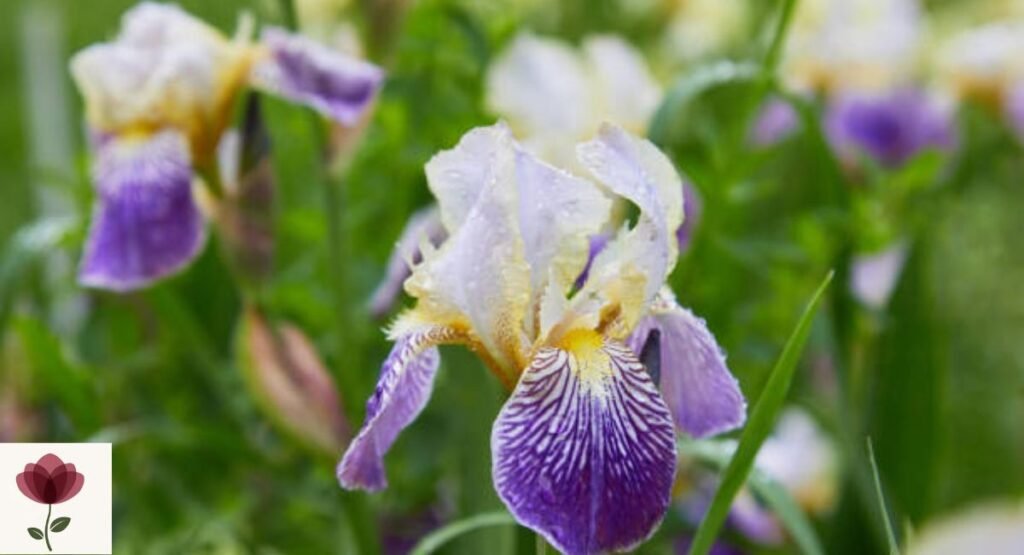
Water Iris thrives around shallow water and wet margins. Blue, violet, and white flowers rise above sword-shaped leaves. It suits pond edges better than deep floating water. Keep its roots consistently moist and provide plenty of sunlight for vigorous flowering.
Wild Bergamot
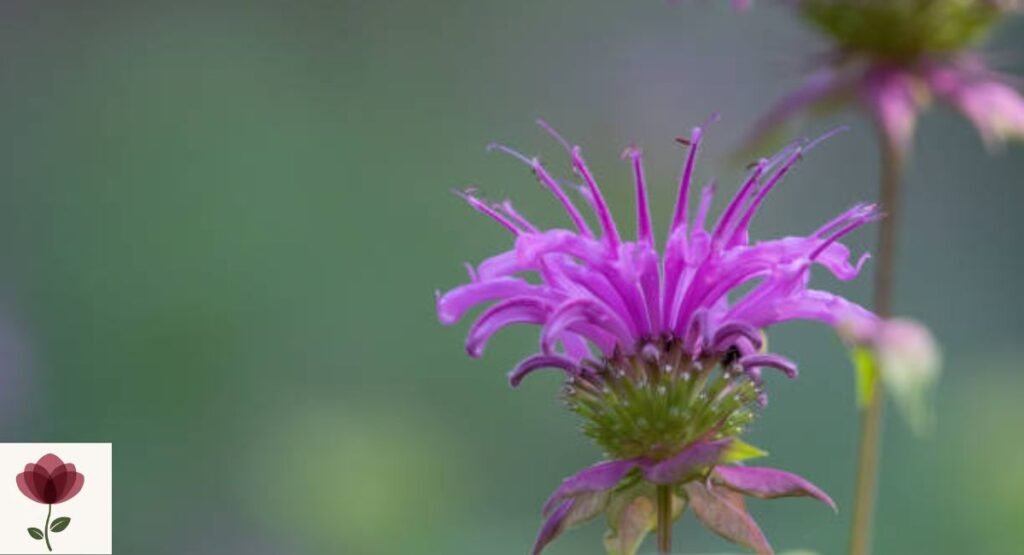
Wild Bergamot is a North American perennial with shaggy lavender or pink flower heads. Bees, butterflies, and other beneficial insects often visit its blooms. It prefers full sun and well-drained soil. Once established, it can become a useful feature in prairie-style or pollinator gardens.
Wild Columbine
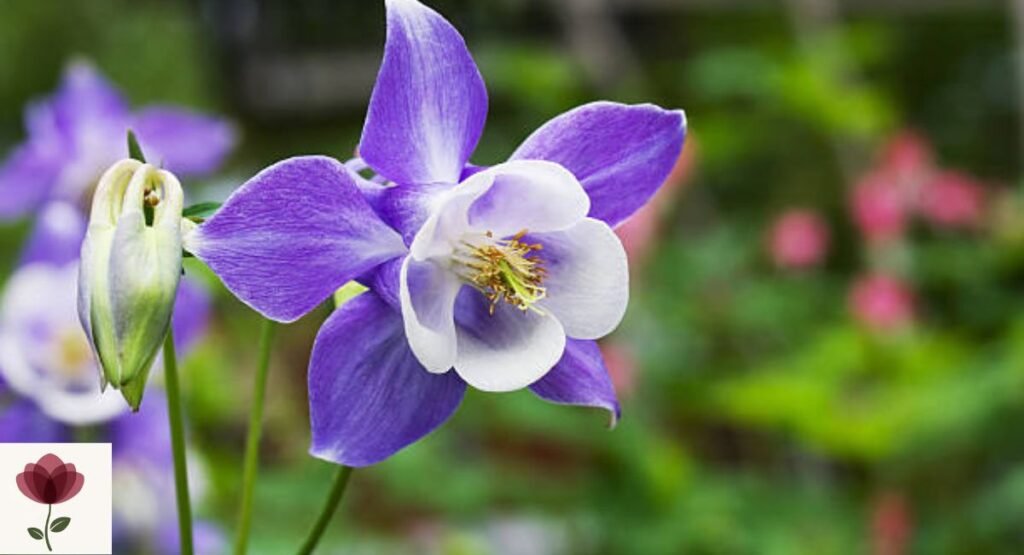
Wild Columbine combines red outer petals with yellow centers for a distinctive spring display. Its nodding flowers often appear around woodland edges and rocky slopes. Partial shade suits it well in warmer regions. Good drainage matters because soggy roots can cause problems.
Wild Geranium
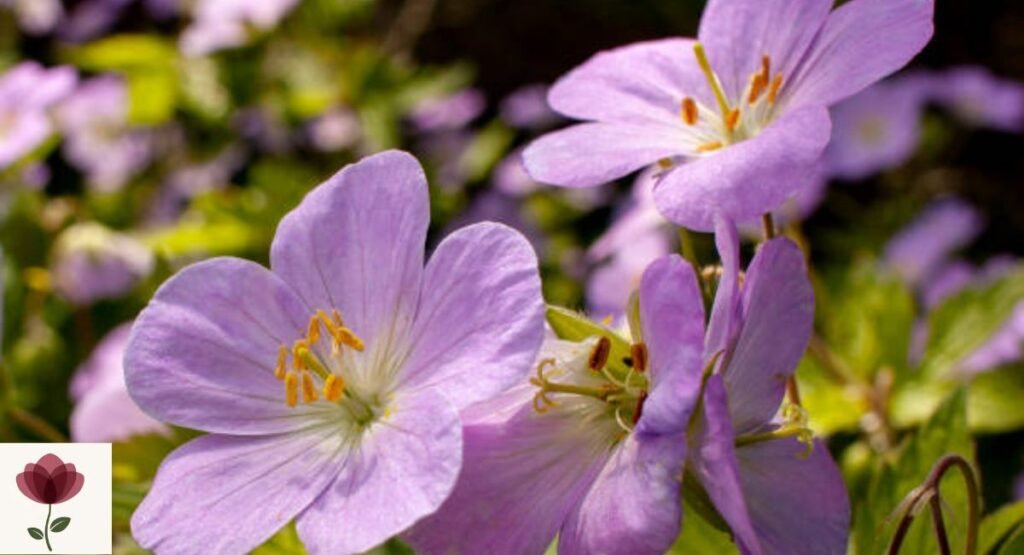
Wild Geranium forms soft clumps topped with pink or lavender flowers. It thrives in woodland edges and partially shaded garden beds. The plant prefers humus-rich soil with consistent moisture. Its natural appearance makes it valuable for gardeners who want a relaxed, less formal landscape.
Wild Indigo
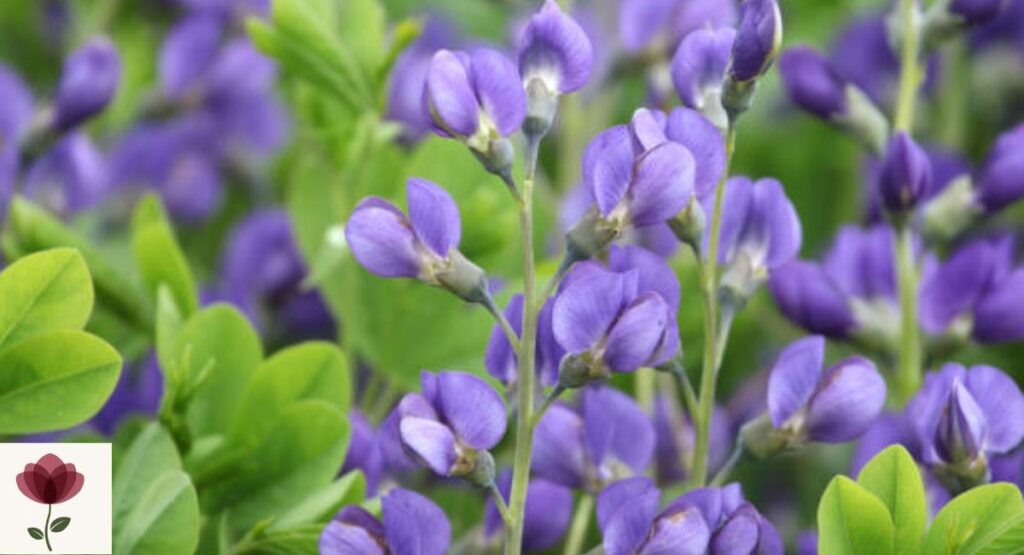
Wild Indigo includes several Baptisia species valued for strong upright flower spikes. Blue and purple are especially familiar colors. These long-lived perennials prefer full sun and well-drained soil. Their deep roots also help them handle periods of dryness after establishment.
Wild Phlox
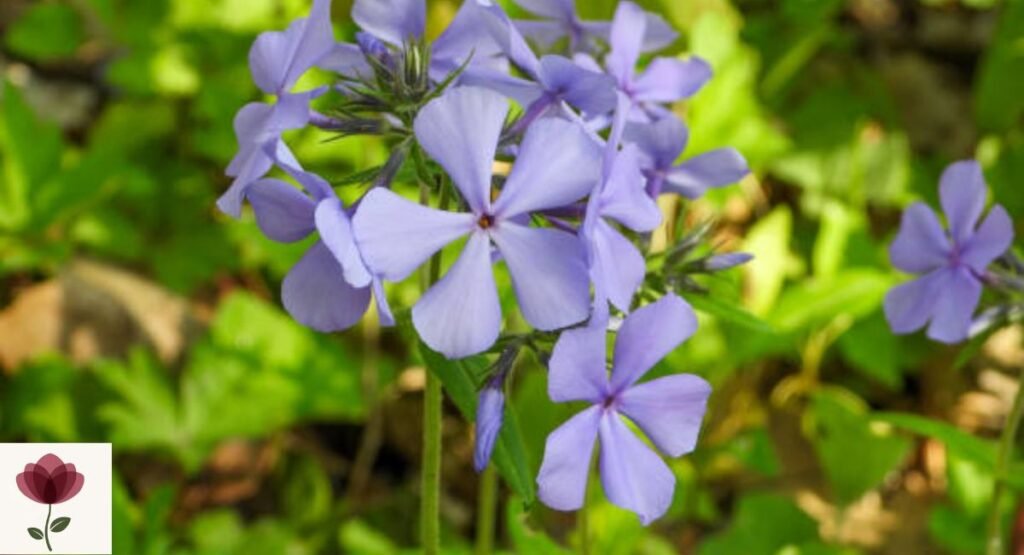
Wild Phlox produces fragrant clusters of blue, lavender, or white flowers during spring. It performs especially well along woodland edges where sunlight remains filtered. Moist, humus-rich soil supports healthy growth. Its softer form works beautifully beneath taller shrubs and spring-flowering trees.
Wild Rose
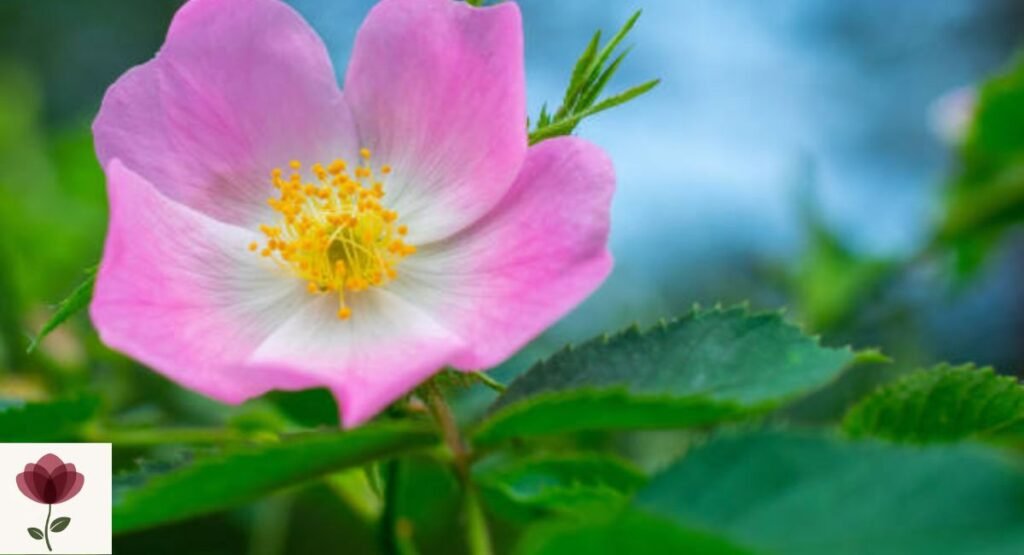
Wild Rose refers to naturally occurring or native rose species with simple open flowers. Pink and white blossoms are common. Unlike heavily bred garden roses, these plants often have a more relaxed appearance. They can provide habitat and food resources for various garden visitors.
Wood Violet
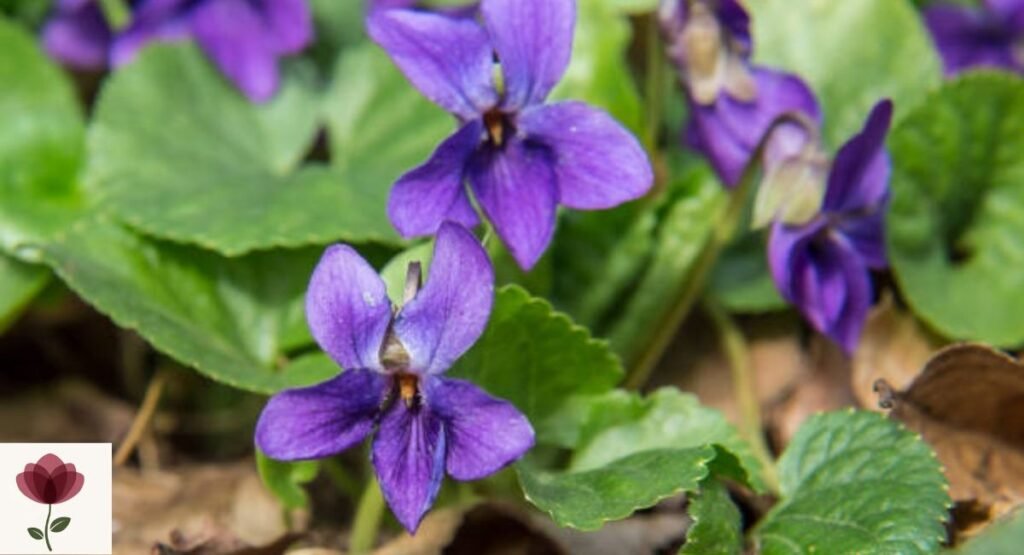
Wood Violet is a low-growing perennial with charming violet-colored flowers and a sweet fragrance. It handles partial to full shade and suits woodland-style beds. Allowing it to naturalize can create a soft seasonal carpet. It also works nicely beneath shrubs and deciduous trees.
Wood Anemone
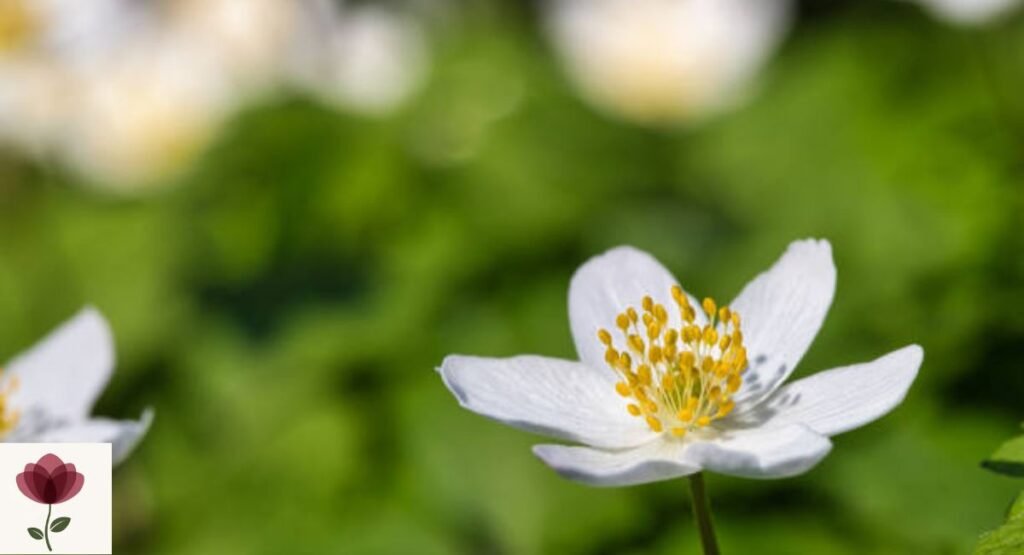
Wood Anemone produces delicate white or pale pink flowers during spring. It naturally inhabits woodland environments where sunlight reaches the forest floor before summer foliage closes the canopy. In gardens, it prefers humus-rich soil, reliable moisture, and filtered light.
White Trillium
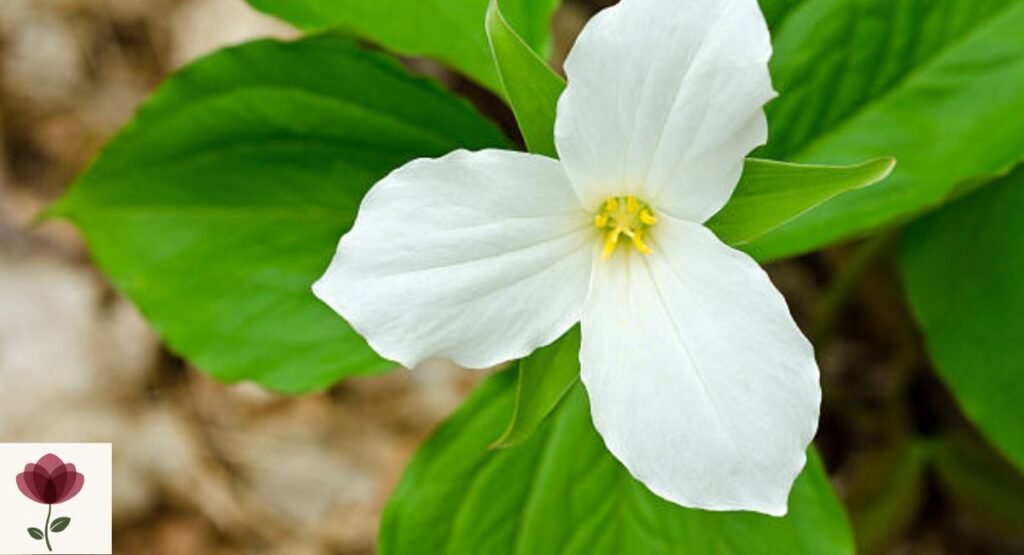
White Trillium is instantly recognizable by its three broad white petals and three-part leaf arrangement. It prefers woodland-like conditions with rich, moist soil and dappled shade. Because it grows slowly, patience matters. Once established, however, it provides a refined spring display.
Woolly Yarrow
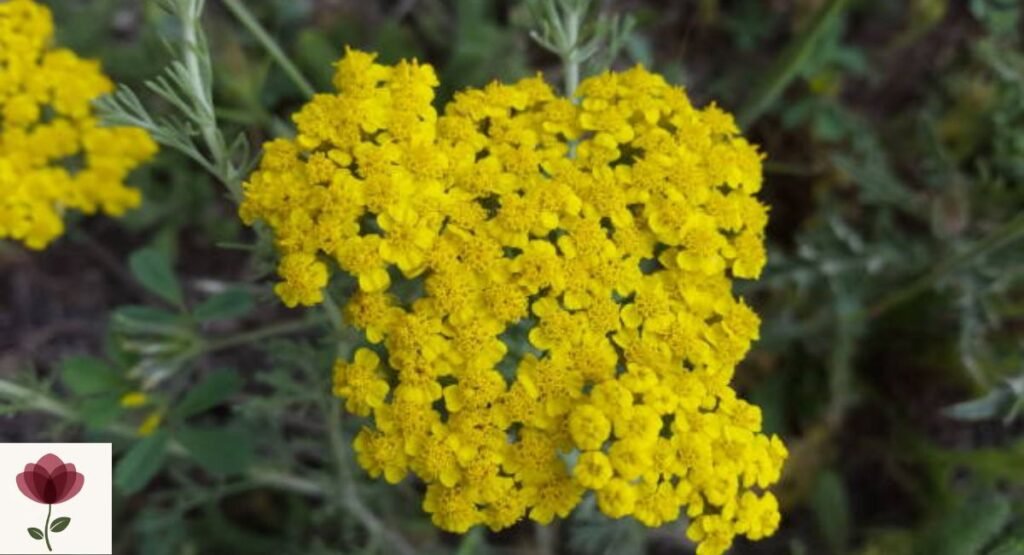
Woolly Yarrow forms low mats of gray-green foliage with small yellow flower clusters. Its compact habit makes it useful along sunny edges and rock gardens. Excellent drainage is important. Once established, it generally handles dry conditions better than moisture-loving W flowers.
Rare and Unusual Flowers that starts with W
Beyond familiar garden names, several rare flowers that start with W deserve attention because they have unusual forms or specialized habitats. Waling Waling is a striking orchid from the Philippines, while Waratah produces enormous flower heads. Wandflower, Woadwaxen, and Wreath Flower also remain uncommon choices in ordinary American gardens.
Rarity, however, doesn’t always mean botanical scarcity. A flower may simply be uncommon in local nurseries. Climate, propagation difficulty, regional demand, and habitat specialization can all influence availability. Therefore, check your state’s plant rules before purchasing unusual species.
Different Types of Flowers that starts with W
The W group becomes easier to understand when you sort plants by growth habit. You’ll find perennial flowers, annual bedding plants, wildflowers, aquatic species, woodland plants, shrubs, and climbing vines. This classification also helps you match a flower with the space you actually have.
For example, a pond needs a completely different plant from a dry rock garden. Likewise, a pergola needs a climber rather than a tiny woodland perennial. Understanding plant type first can save you money, time, and a fair amount of gardening frustration.
Perennial W Flowers
Perennial W flowers return for several seasons when grown in suitable conditions. White Trillium, Wild Indigo, Wood Violet, Wild Bergamot, and Winter Aconite represent different perennial strategies. Some prefer shade and moisture, while others thrive in bright prairie conditions. Always match the species to your USDA hardiness zone.
Annual W Flowers
Annual W flowers complete their life cycle within one growing season in typical conditions. Wishbone Flower and Wax Begonia are useful examples. They provide quick seasonal color without demanding permanent garden space. Containers work particularly well because you can move them when temperatures or light conditions change.
Wildflowers That Begin With W
Wildflowers such as Wild Columbine, Wild Geranium, Wild Phlox, Wild Indigo, and Wild Bergamot bring a more natural character to gardens. Many support pollinators and blend well with native planting. Choose species adapted to your region rather than assuming every wildflower will thrive everywhere.
Aquatic and Wetland W Flowers
Aquatic W flowers include Water Lily, Water Lotus, Water Iris, and Water Violet. They differ greatly in their preferred water depth and growth habit. Some float, some root in shallow margins, and others prefer saturated soil. That distinction matters when planning a pond or rain garden.
Woodland and Shade-Loving W Flowers
Woodland W flowers often wake early in spring before tree canopies become dense. White Trillium, Wake Robin, Wood Anemone, Wood Sorrel, and Wood Violet are classic examples. They generally appreciate filtered light, organic soil, and steady moisture. Avoid placing them in harsh afternoon sun.
Shrubs and Flowering Vines Starting With W
Shrubs and vines provide height and structure as well as flowers. Weigela and Witch Hazel create woody frameworks, while Wisteria climbs upward. Winter Jasmine and Wintersweet offer valuable cold-season interest. Because these plants occupy more space, check mature size before planting near paths or buildings.
W Flowers by Color and Blooming Season
Color can transform a long flower list into a practical garden palette. White W flowers create a calm effect, while yellow blooms add brightness. Purple varieties provide depth and drama. When you combine color with the flowering season, you can also design a garden that changes character throughout the year.
This approach works especially well for American gardens with distinct seasons. A winter display might feature Witch Hazel, while spring brings Trillium and Wallflower. Summer can then take over with Water Lily, Wild Bergamot, and Wisteria. Late-season flowers extend the show even further.
White Flowers That Start With W
White W flowers include White Trillium, White Campion, White Wood Aster, Wood Anemone, Woodruff, and some Waxflower varieties. Their pale blooms can brighten shaded corners and moon gardens. White flowers also contrast beautifully with dark foliage, especially during evening hours when lighter petals become visually prominent.
Yellow Flowers That Start With W
Yellow W flowers include Winter Aconite, Winter Jasmine, Witch Hazel, Woadwaxen, Wallflower, and Wild Senna. Their golden tones can warm a garden during otherwise quiet seasons. Winter Aconite is particularly useful because its flowers can appear when very few other plants are blooming.
Purple Flowers That Start With W
Purple W flowers offer some of the most memorable displays. Wisteria creates hanging purple racemes, while Wood Violet stays close to the ground. Wild Indigo provides upright spikes, and Water Hyacinth adds lavender color to ponds. These different growth habits create plenty of design possibilities.
Pink, Red, and Blue W Flowers
Pink, red, and blue W flowers broaden the palette considerably. Waratah and Western Red Lily bring warm red tones, while Weigela offers pink blooms. Water Iris contributes blue and violet shades. Wild Columbine adds a vivid red-and-yellow combination that works beautifully in naturalistic planting.
Spring-Blooming W Flowers
Spring brings some of the most charming W flowers. Wallflower, Wake Robin, White Trillium, Wild Columbine, Wild Geranium, Wood Anemone, and Wood Violet all contribute seasonal color. Many woodland species bloom early because they take advantage of sunlight reaching the forest floor before summer leaves appear.
Summer-Blooming W Flowers
Summer opens the door to Water Lily, Water Lotus, Wild Bergamot, Wild Indigo, Watsonia, Wishbone Flower, and Wax Begonia. These plants vary from floating aquatic blooms to colorful bedding flowers. Full-sun species generally flower more strongly when they receive adequate light and consistent moisture.
Fall-Blooming W Flowers
Late-season W flowers keep gardens interesting after spring favorites disappear. White Snakeroot, White Wood Aster, Woodland Sunflower, and Whirling Butterflies can extend flowering into late summer and fall. These plants are especially useful when you want continuous interest rather than one short burst of color.
Winter-Blooming W Flowers
Winter offers some surprisingly beautiful W flowers. Witch Hazel, Winter Jasmine, Wintersweet, and Winter Aconite can flower during cold months or very early spring. Their value goes beyond color because they provide visual interest when deciduous landscapes look bare and dormant.
Unique Characteristics That Help You Identify Flowers that starts with W
Flower identification becomes easier when you look beyond color. Notice the number of petals, flower position, leaf arrangement, plant height, and growth habit. Wisteria hangs in clusters, Water Lily floats, and White Trillium has three prominent petals. Those clues can reveal identity surprisingly quickly.
Fragrance also helps. Wintersweet has a strong winter perfume, while Wood Violet offers a familiar sweet scent. Shape provides another clue. Witch Hazel has narrow ribbon-like petals, while Wishbone Flower develops trumpet-shaped blooms. Think of identification as assembling a small botanical puzzle.
Where Do Flowers that Start with W Grow Naturally?
W flowers originate from surprisingly diverse regions. North America contributes many woodland and prairie species, including Wild Bergamot and Wild Indigo. Europe and Asia contribute plants such as Wallflower, Winter Jasmine, and Wintersweet. Australia supplies distinctive species such as Waratah and Waxflower.
Habitat strongly influences care. A woodland plant expects filtered light and organic soil, while a prairie flower may prefer intense sun and leaner ground. Aquatic species need water rather than ordinary garden beds. When you recreate a plant’s natural conditions, successful cultivation becomes much easier.
Best W Flowers for Gardens, Pollinators, and Landscaping
The best W flower depends on your garden rather than a universal ranking. Containers favor compact annuals, ponds need aquatic plants, and pergolas demand climbers. Pollinator gardens benefit from nectar-rich wildflowers. Shade gardens, meanwhile, need species adapted to lower light. Match the flower to the job.
Think of your garden as a series of small rooms. Each room has different light, moisture, and space. Wild Bergamot may thrive in a sunny border, while Wood Violet belongs in a quieter shaded corner. That simple matching strategy often produces better results than choosing plants by appearance alone.
Best W Flowers for Beginners
Beginners should start with plants that match their local climate and require manageable care. Wishbone Flower works well in containers, while Wallflower suits sunny borders. Wild Bergamot can also become a dependable perennial in suitable regions. Start small and observe how each plant responds.
Best W Flowers for Small Gardens
Small gardens benefit from compact or controllable plants. Wood Violet, Woolly Yarrow, Wishbone Flower, and suitable Wallflower varieties can work well where space is limited. Avoid aggressive vines unless you have a clear support plan. Mature size matters far more than nursery-pot size.
Best W Flowers for Containers
Wishbone Flower and Wax Begonia are natural container choices because they remain manageable and flower for long periods. Choose containers with drainage holes and use a quality potting mix. Water more frequently during hot weather because containers dry faster than garden soil.
Best W Flowers for Shade
Woodland species make excellent shade candidates. White Trillium, Wood Anemone, Wood Violet, Wood Sorrel, and Wild Geranium can handle filtered light when soil conditions suit them. Morning sun with afternoon shade often works particularly well in warmer American regions.
Best W Flowers for Full Sun
Full-sun options include Wild Indigo, Wild Bergamot, Wallflower, Woolly Yarrow, Woadwaxen, and many Water Lily cultivars. These plants generally need several hours of direct light. However, full sun doesn’t mean dry soil for every species. Always consider moisture requirements separately.
Best W Flowers for Pollinator Gardens
Wild Bergamot, Wild Indigo, Wild Columbine, Wild Phlox, and other suitable native W flowers can support pollinator-friendly landscapes. Native species often provide stronger ecological value in their home regions. Avoid unnecessary pesticide use and combine several flowering periods for a longer food supply.
Best W Flowers for Cutting Gardens
Waxflower, Watsonia, Waratah, and suitable roses can provide useful floral material. Look for strong stems, attractive shapes, and good vase performance. Harvest flowers during the cooler part of the day when possible. Clean cutting tools also reduce the chance of spreading disease.
Best W Flowers for Trellises and Vertical Spaces
Wisteria is the standout choice for vertical structures because it creates dramatic hanging clusters. Wreath Flower can also provide elegant climbing growth in suitable warm conditions. Use strong supports from the beginning. Mature vines can become surprisingly heavy, so lightweight trellises may fail.
How to Grow and Care for Flowers that starts with W
Care varies widely across the W group. Aquatic plants need water, woodland flowers need filtered light, and prairie species often prefer sun. Start with the plant’s natural habitat. Then adjust sunlight, soil, watering, and feeding around those basic requirements rather than following one generic routine.
For American gardeners, USDA hardiness zones provide a useful starting point. Pruning matters most for woody shrubs and vines, while bulbs and corms need different handling. Watch for aphids, fungal problems, root rot, and other local pests. Winter protection may also help tender species survive cold snaps.
Interesting Facts and Naming Confusions About Flowers that starts with W
Common names of flowers that start with W can be wonderfully descriptive yet botanically messy. Wisteria is a flowering vine, while Weigela is a shrub. Water Lily and Water Lotus are both aquatic flowers, but they belong to different plant groups. Meanwhile, regional names can sometimes refer to different plants.
Scientific names solve much of this confusion. For example, “Windflower” can refer broadly to anemone-type flowers rather than one single species. Likewise, “Wild Rose” can describe several naturally occurring rose species. When accuracy matters, compare the common name with the botanical name.
Conclusion
The world of Flowers that starts with W is far more varied than it first appears. You can choose floating Water Lilies, fragrant Wintersweet, graceful Wisteria, woodland Trilliums, or sunny Wild Bergamot. Each brings a different personality to the landscape and requires its own growing conditions.
The smartest choice depends on your garden’s sunlight, soil, moisture, space, and climate. Start with those conditions rather than the flower name alone. Once you find the right match, W flowers can become a memorable part of your landscape for years.
FAQs
What are the most popular flowers that start with W?
Wisteria, Water Lily, Wallflower, Weigela, Waxflower, Wishbone Flower, and Witch Hazel are among the most recognizable W flower names.
How many flowers start with W?
There are many flowering plants with W names, but the exact number varies because common names differ by region and source.
What are some rare flowers that start with W?
Waling Waling, Waratah, Wandflower, Woadwaxen, and Wreath Flower are less familiar choices for many American gardeners.
What purple flowers start with W?
Wisteria, Wild Indigo, Water Hyacinth, Wood Violet, Wild Phlox, Wine Cup, and some Wishbone Flowers provide purple or violet tones.
What W flowers are best for shade?
White Trillium, Wood Anemone, Wood Violet, Wood Sorrel, and Wild Geranium are useful choices for suitable shaded or woodland garden conditions.

Welcome to PetalNexa! I’m Anam Sattar, an AI-powered SEO Specialist and Content Writer with over 4 years of experience in creating high-quality, search-optimized content. I help businesses improve their search engine rankings, increase organic traffic, and build beautiful, user-friendly websites. My mission is to make SEO, content creation, and web design simple, effective, and accessible for everyone. Let’s grow your online presence and achieve success together!