

Discovering Flowers That Start With V can open the door to a surprisingly colorful world of gardening possibilities. From fragrant violet and cheerful viola to tall Veronica and tropical Vanda orchid, these V flower names offer something for almost every garden style. You’ll find perennial flowers, annuals, wildflowers, flowering shrubs, and unusual tropical plants among these beautiful choices. Some thrive in bright sun, while others prefer cool woodland shade. Their bloom seasons also range from early spring through late fall.
In this guide, you’ll explore 35 flowers that start with V, including their colors, scientific names, growing habits, sizes, and seasons. Whether you’re a beginner or experienced gardener, there’s a V flower worth discovering.
Quick Answer: What Are Flowers That Start With V?
Flowers that start with V are flowering plants whose established common or botanical names begin with the letter V. Familiar examples include violet, viola, verbena, Veronica, valerian, vinca, Virginia bluebells, and Vanda orchid. Some entries are traditional flowers while others are shrubs, vines, orchids, or flowering houseplants.
The distinction matters because a common flower name doesn’t always describe the whole plant. Viburnum, for example, is a flowering shrub, while Virgin’s bower is a flowering vine. Vanda belongs to the orchid group, whereas Vriesea is a bromeliad admired for colorful floral bracts. Keeping these categories clear makes a V flower guide much easier to use.
Complete List of Flowers That Start With V (Table)
The table includes familiar garden choices alongside unusual species and clearly labels broader flowering plants. The original source used similar comparison fields, including botanical name, type, color, sunlight, life cycle, season, region, and garden use.
| # | Flower Name | Scientific Name | Main Color | Type | Bloom Season | Sun | Approx. Size |
| 1 | Violet | Viola odorata | Purple, white | Perennial | Spring | Part shade | 4–8 in |
| 2 | Viola | Viola spp. | Purple, yellow, white | Annual/perennial | Spring–Fall | Sun/part shade | 4–10 in |
| 3 | Verbena | Verbena spp. | Purple, pink, red, white | Annual/perennial | Summer–Fall | Full sun | 6–36 in |
| 4 | Veronica | Veronica spicata | Blue, purple, white | Perennial | Summer | Full sun | 12–36 in |
| 5 | Veronicastrum | Veronicastrum virginicum | White, lavender | Perennial | Summer | Sun/part shade | 3–6 ft |
| 6 | Verbascum | Verbascum spp. | Yellow, white, pink | Biennial/perennial | Late spring–Summer | Full sun | 2–7 ft |
| 7 | Valerian | Valeriana officinalis | White, pink | Perennial | Summer | Sun/part shade | 2–5 ft |
| 8 | Vinca | Catharanthus roseus | Pink, white, red, purple | Tender perennial/annual | Summer–Fall | Full sun | 6–18 in |
| 9 | Venus’s Looking-Glass | Triodanis perfoliata | Blue-purple | Annual | Spring–Summer | Sun/part shade | 8–24 in |
| 10 | Virginia Bluebells | Mertensia virginica | Blue, pink buds | Perennial | Spring | Part shade | 1–2 ft |
| 11 | Virginia Stock | Malcolmia maritima | Pink, purple, white | Annual | Spring–Summer | Full sun | 6–12 in |
| 12 | Virginia Spiderwort | Tradescantia virginiana | Blue, purple, pink | Perennial | Spring–Summer | Sun/part shade | 1–3 ft |
| 13 | Vetch | Vicia spp. | Purple, pink, white | Annual/perennial | Spring–Summer | Full sun | 1–4 ft |
| 14 | Vetchling | Lathyrus spp. | Pink, purple, red | Annual/perennial | Spring–Summer | Full sun | 1–6 ft |
| 15 | Vaccaria | Vaccaria hispanica | Pink, white | Annual | Summer | Full sun | 1–3 ft |
| 16 | Viper’s Bugloss | Echium vulgare | Blue-purple | Biennial | Summer | Full sun | 1–3 ft |
| 17 | Vallota Lily | Cyrtanthus elatus | Scarlet, red | Tender perennial | Late summer | Bright light | 1–2 ft |
| 18 | Vanda Orchid | Vanda spp. | Blue, purple, pink, white | Orchid | Varies | Bright filtered light | 1–3 ft |
| 19 | Vanilla Orchid | Vanilla planifolia | Cream, green-white | Orchid vine | Warm season | Filtered light | 8–30+ ft vine |
| 20 | Velvet Flower | Salpiglossis sinuata | Purple, red, gold | Annual | Summer–Fall | Full sun | 1–3 ft |
| 21 | Vancouveria | Vancouveria hexandra | White, cream | Perennial | Spring | Shade | 8–16 in |
| 22 | Venidium | Arctotis fastuosa | Orange, yellow, white | Annual | Summer | Full sun | 1–2 ft |
| 23 | Veltheimia | Veltheimia bracteata | Pink | Tender perennial | Winter–Spring | Bright light | 1–2 ft |
| 24 | Vernonia | Vernonia spp. | Purple | Perennial | Late summer–Fall | Full sun | 3–8 ft |
| 25 | Virgin’s Bower | Clematis virginiana | White | Perennial vine | Late summer | Sun/part shade | 10–20 ft |
| 26 | Viburnum | Viburnum spp. | White, pink | Flowering shrub | Spring | Sun/part shade | 3–15+ ft |
| 27 | Vitex | Vitex agnus-castus | Lavender-blue | Shrub/small tree | Summer | Full sun | 8–20 ft |
| 28 | Vireya Rhododendron | Rhododendron section Schistanthe | Red, orange, pink, yellow | Tropical shrub | Varies | Bright shade | 3–10 ft |
| 29 | Virginia Sweetspire | Itea virginica | White | Shrub | Late spring–Summer | Sun/part shade | 3–6 ft |
| 30 | Vriesea | Vriesea spp. | Red, orange, yellow | Bromeliad | Varies | Filtered light | 1–2 ft |
| 31 | Viscaria | Viscaria spp. | Pink, white, purple | Perennial | Late spring–Summer | Full sun | 1–2 ft |
| 32 | Venus Flytrap | Dionaea muscipula | White | Carnivorous perennial | Spring | Bright light | 4–8 in |
| 33 | Wild Pansy | Viola tricolor | Purple, yellow, white | Annual/biennial | Spring–Summer | Full sun | 3–10 in |
| 34 | Vervain | Verbena spp. | Purple, pink, white | Annual/perennial | Summer–Fall | Full sun | 1–4 ft |
| 35 | Valerianella | Valerianella spp. | Tiny white | Annual | Spring | Sun/part shade | 6–18 in |
Viscaria adds an especially interesting entry because the genus includes low-growing flowering plants with pink, white, or purple blooms on sticky stems. The Royal Horticultural Society also notes its drought-tolerant character and ornamental value. Venus flytrap deserves a clear label as a carnivorous plant rather than a conventional garden flower. Established plants can produce small white flowers on tall spring stalks.
How This V Flower List Was Chosen
The list favors recognizable flower names starting with V, established botanical names, and plants with clear ornamental or flowering value. It also separates shrubs, vines, orchids, bromeliads, and carnivorous plants instead of pretending they all behave like ordinary bedding flowers. That approach follows the classification principle used in the supplied source.
20 Most Popular Flowers That Start With V
Among Flowers That Start With V, violet, viola, verbena, Veronica, valerian, vinca, and Virginia bluebells are particularly familiar. These plants cover several garden roles, from low edging and containers to sunny perennial borders and woodland planting. The original source also identifies these names among its familiar garden selections.
Popularity doesn’t always mean easy care. A violet may thrive in a shady corner while a Vanda orchid needs a very different environment. Therefore, think about the growing conditions first. Then choose the flower that fits your garden rather than forcing a favorite into the wrong spot.
Violet
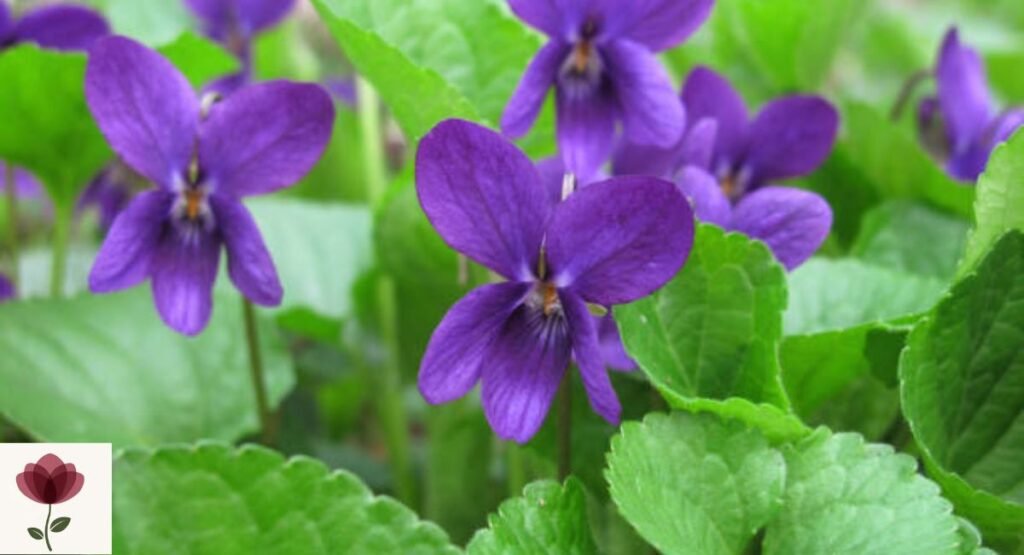
Scientific name: Viola odorata. Violet produces charming purple or white blooms and is valued for its delicate fragrance. It prefers part shade and cool conditions. In a U.S. garden, it works beautifully along woodland edges, shaded paths, and quiet border spaces where its low growth won’t compete with taller plants.
Viola
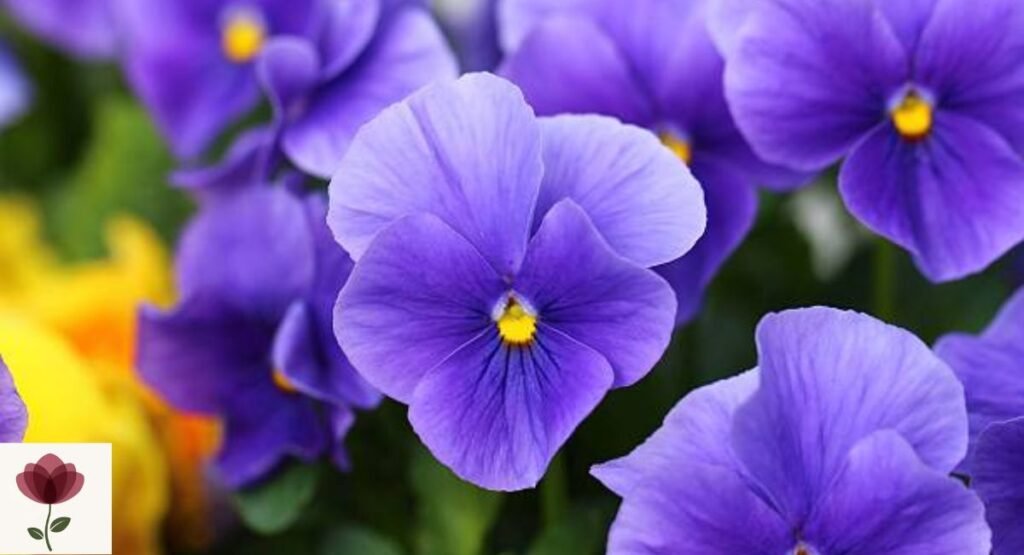
Scientific name: Viola spp. Violas bring purple, yellow, white, and mixed flowers to containers and borders. They handle cool weather well and often provide color when summer annuals aren’t at their best. Their compact form makes them especially useful for pots, window boxes, edging, and small urban gardens.
Verbena
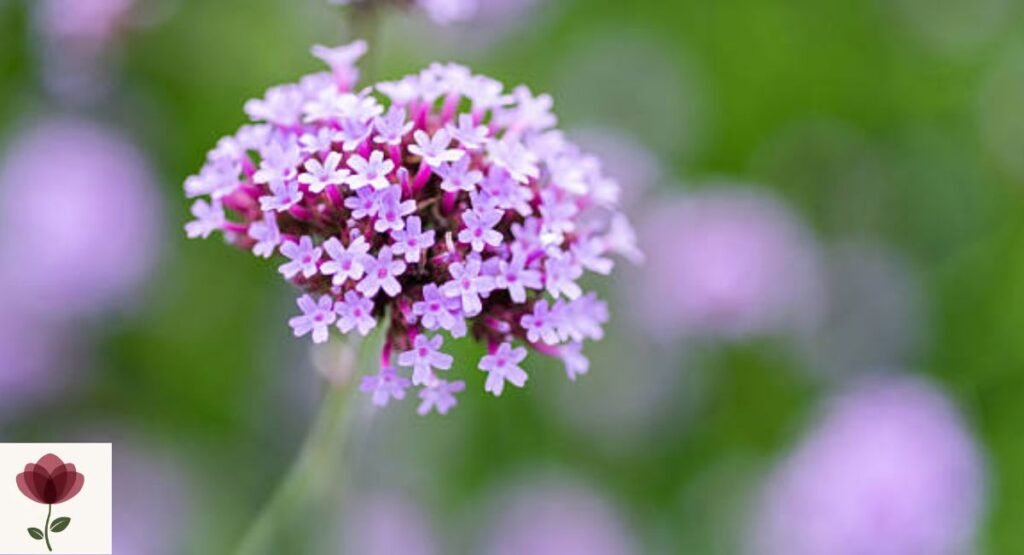
Scientific name: Verbena spp. Verbena is a standout among sun-loving flowers because many forms tolerate heat while flowering for a long season. Purple, pink, red, and white clusters create a lively display. It works especially well in containers, hanging baskets, borders, and pollinator gardens.
Veronica
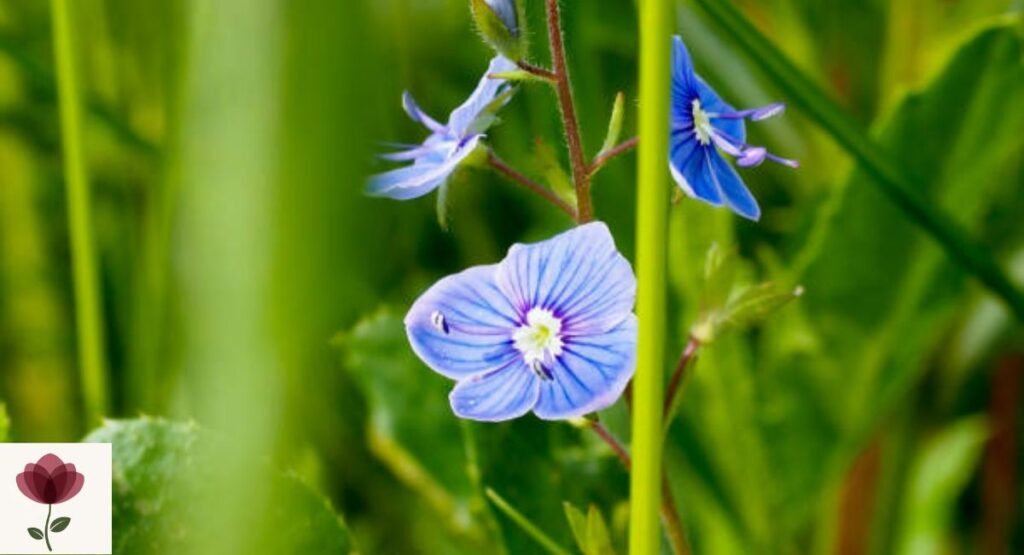
Scientific name: Veronica spicata. Often called speedwell, Veronica produces upright spikes in blue, purple, white, or pink. Its vertical form adds useful contrast beside rounded flowers. Full sun encourages strong flowering, while its perennial habit makes it valuable for gardeners building a dependable perennial garden.
Veronicastrum
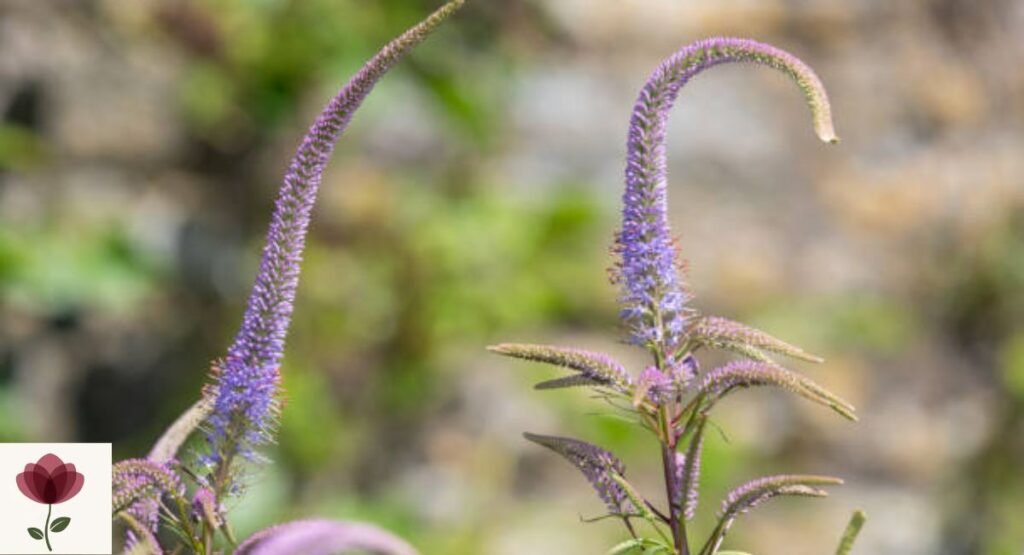
Scientific name: Veronicastrum virginicum. This tall North American perennial produces slender flower spikes in white or pale lavender. It suits naturalistic borders and meadow-inspired planting. Because it can become quite tall, place it behind shorter flowers where its airy stems can create height without blocking the rest of the garden.
Verbascum
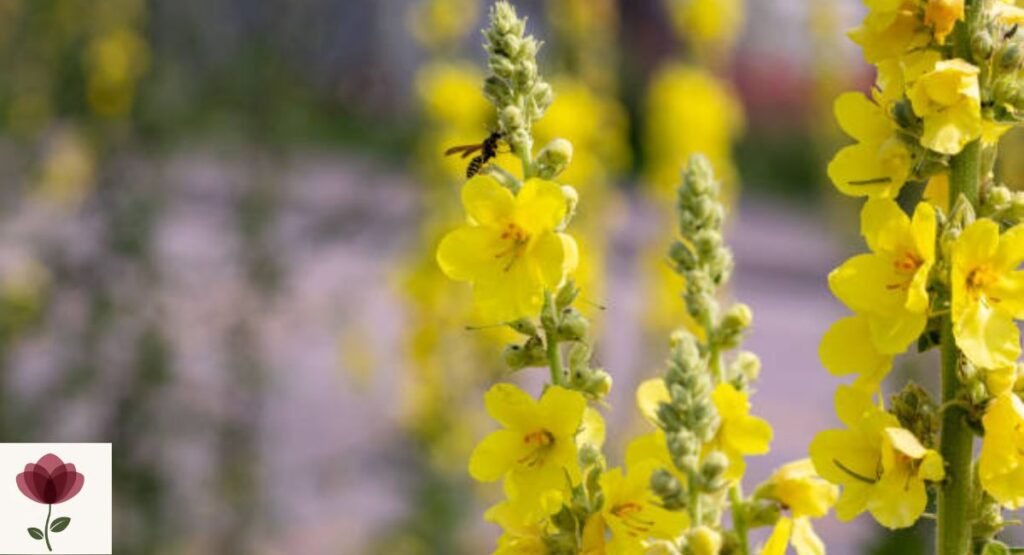
Scientific name: Verbascum spp. Verbascum, commonly called mullein, creates tall flower spikes with yellow, white, pink, or apricot blooms. Many varieties appreciate full sun and well-drained soil. Its architectural shape works particularly well in dry borders, cottage gardens, gravel beds, and landscapes needing vertical interest.
Valerian
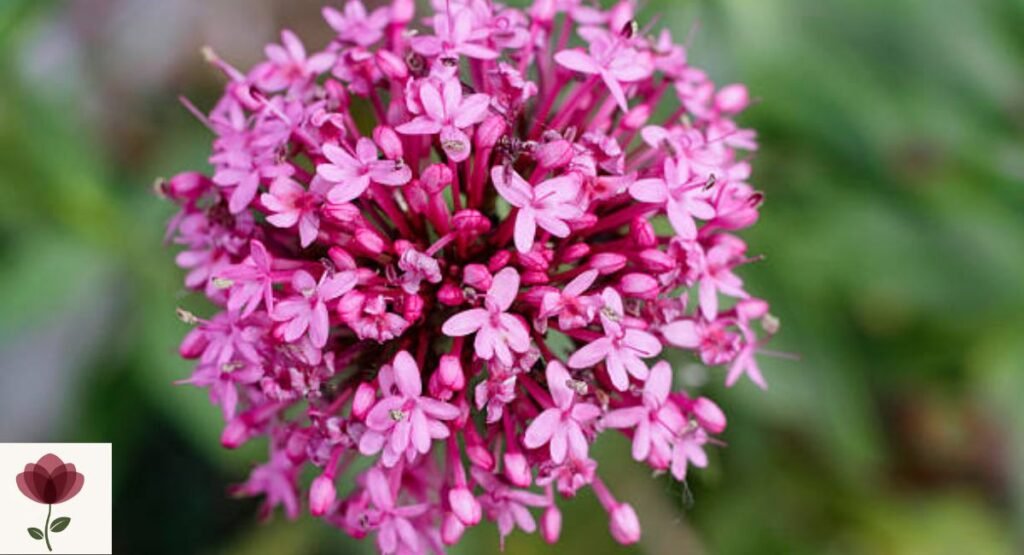
Scientific name: Valeriana officinalis. Valerian forms airy clusters of white or blush-pink flowers on tall stems. Rather than looking dense and formal, it gives planting a softer, almost cloudlike texture. It suits cottage gardens and informal borders where fragrant flowers and loose movement are welcome.
Vinca
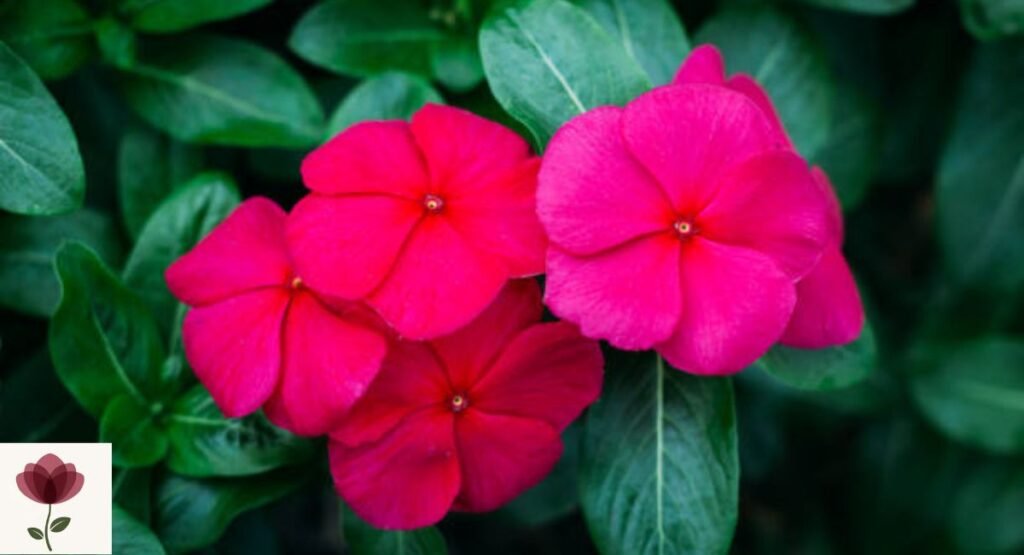
Scientific name: Catharanthus roseus. Commonly sold as Madagascar periwinkle, this heat-loving bloomer produces pink, white, red, or purple flowers. It performs especially well during hot summers. For U.S. gardeners in warm regions, vinca can provide dependable summer color in beds and sunny containers.
Venus’s Looking-Glass
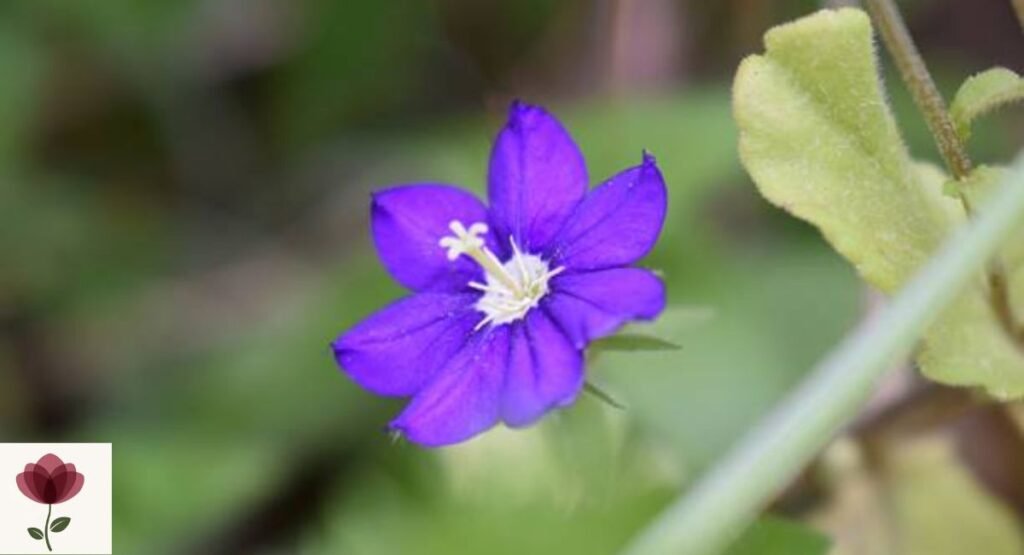
Scientific name: Triodanis perfoliata. This delicate North American wildflower produces blue-purple flowers on an understated annual plant. It suits informal areas better than polished formal borders. Give it room to look natural. Its charm appears most clearly when viewed among meadow grasses and other small wildflowers.
Virginia Bluebells
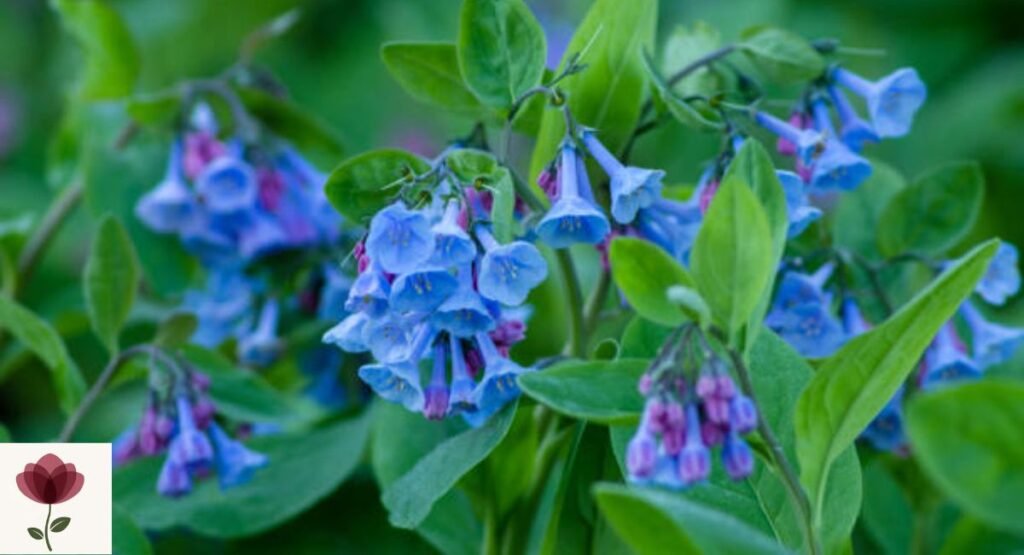
Scientific name: Mertensia virginica. Virginia bluebells are beloved spring wildflowers with pink buds that open into soft blue, bell-shaped flowers. They prefer moist, shaded conditions and work beautifully beneath deciduous trees. After flowering, the plant retreats, leaving space for later-season shade plants to emerge.
Virginia Stock
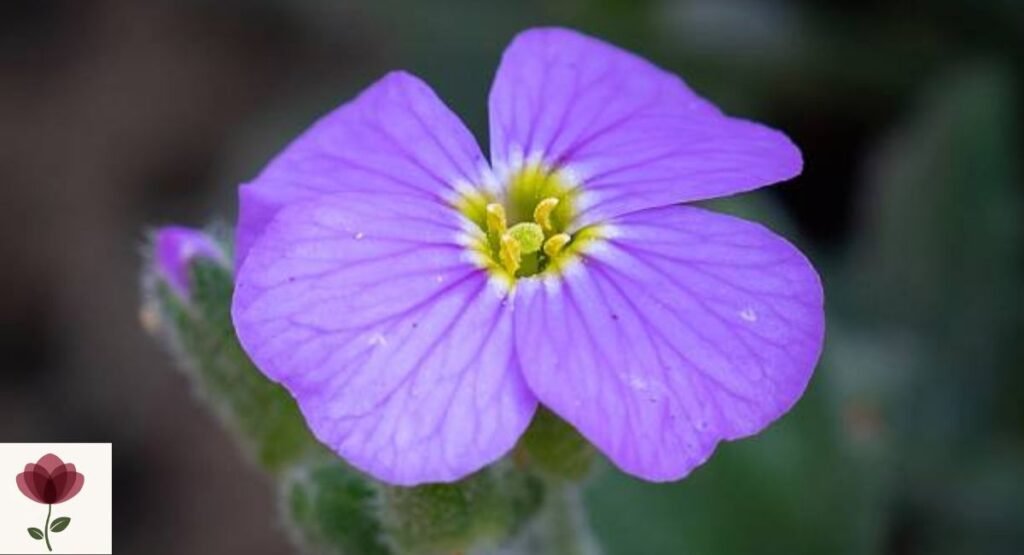
Scientific name: Malcolmia maritima. Virginia stock is a compact annual with pink, purple, or white flowers. Its lightly fragrant blooms suit cool-season beds and front borders. Because it remains relatively small, it can add quick seasonal color without overwhelming neighboring plants or making a narrow garden feel crowded.
Virginia Spiderwort
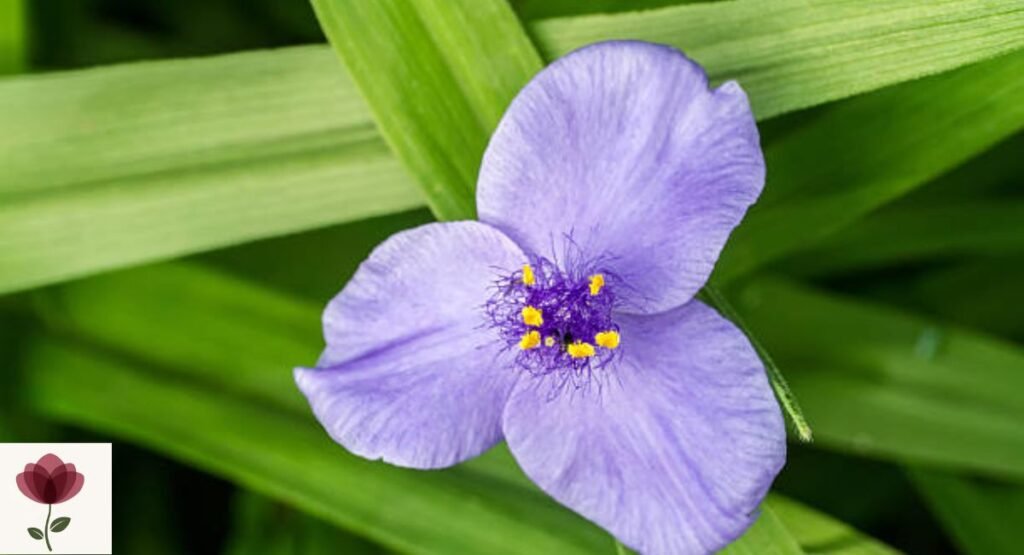
Scientific name: Tradescantia virginiana. This North American perennial produces three-petaled blue, purple, or pink flowers. It prefers moderate moisture and sun to part shade. Its relaxed appearance fits native plant gardens, woodland edges, and informal borders especially well, where a slightly untamed look feels intentional.
Vetch
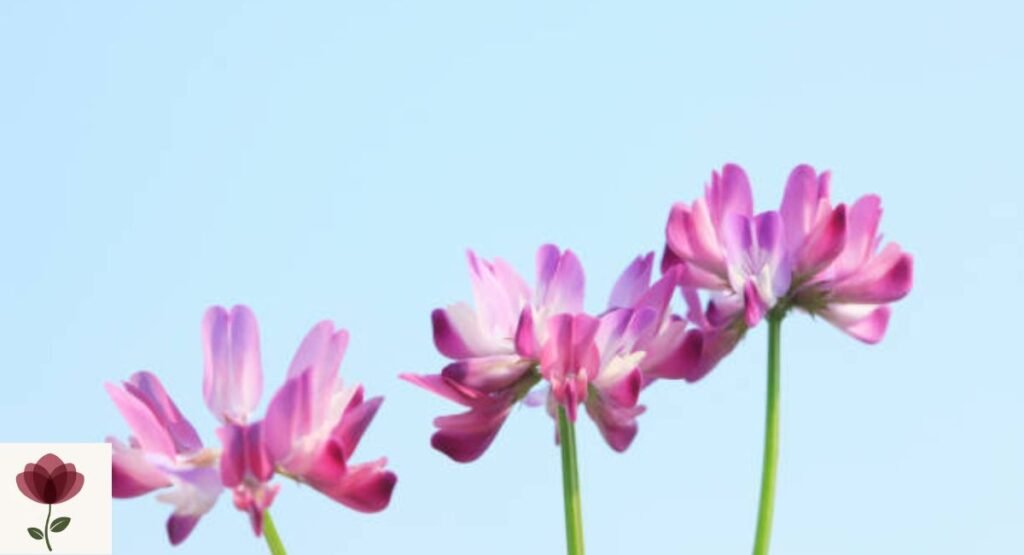
Scientific name: Vicia spp. Vetches are generally better suited to meadows and informal landscapes than neat flower beds. Their purple, pink, or white blooms can support wildlife while their loose growth adds natural texture. They belong in this guide as wildlife-friendly plants rather than conventional bedding flowers.
Vetchling
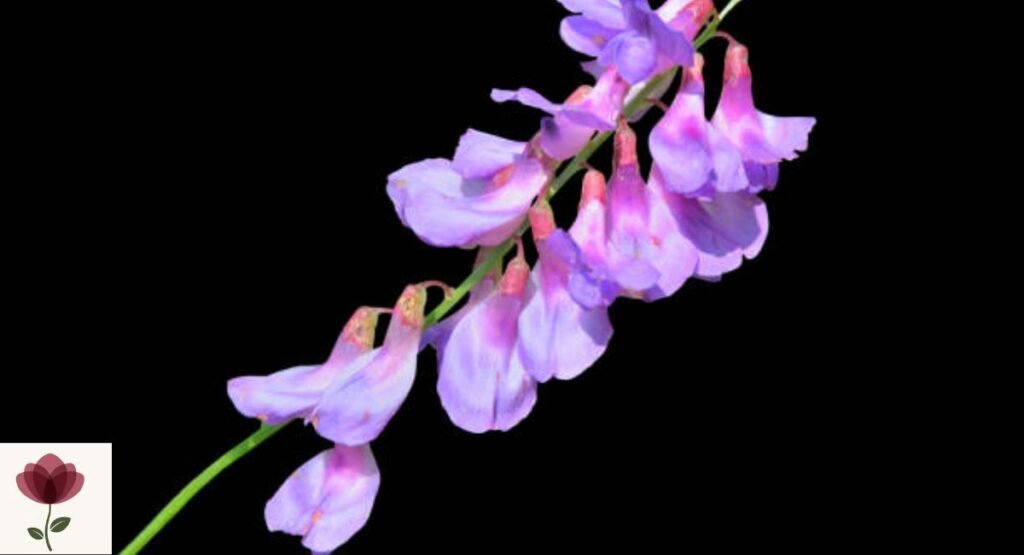
Scientific name: Lathyrus spp. Vetchlings resemble sweet-pea relatives and may climb or scramble through supports. Their pink, purple, or red flowers bring a relaxed cottage-garden character. Provide suitable support when needed. They are especially attractive where you want a climbing flower with a softer, less rigid silhouette.
Vaccaria
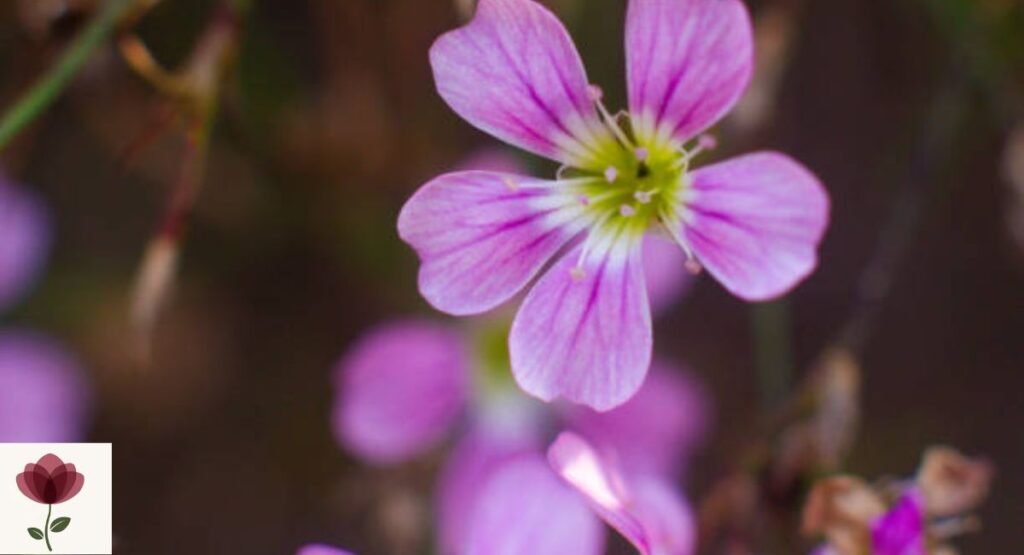
Scientific name: Vaccaria hispanica. Also called cowherb, Vaccaria produces delicate pink or white flowers on slender stems. It has a light, airy appearance that works nicely in cutting gardens. Rather than dominating a bouquet, it can provide graceful filler and a little movement between larger cut flowers.
Viper’s Bugloss
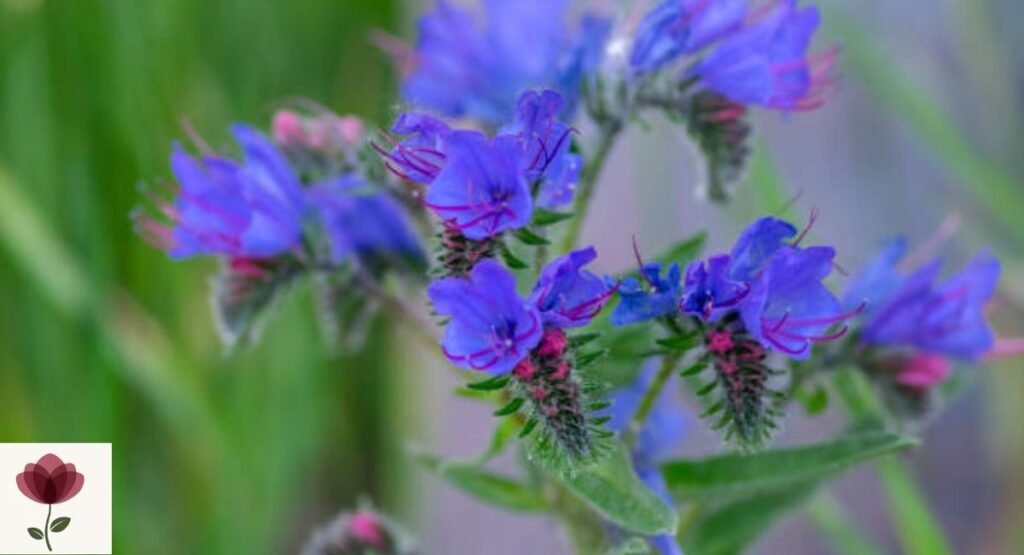
Scientific name: Echium vulgare. Viper’s bugloss produces vivid blue-purple flowers and rough-textured foliage. It handles sunny, relatively dry conditions and can attract pollinating insects. Its appearance is less polished than many border flowers, yet that rugged quality makes it a natural fit for meadow gardens.
Vallota Lily
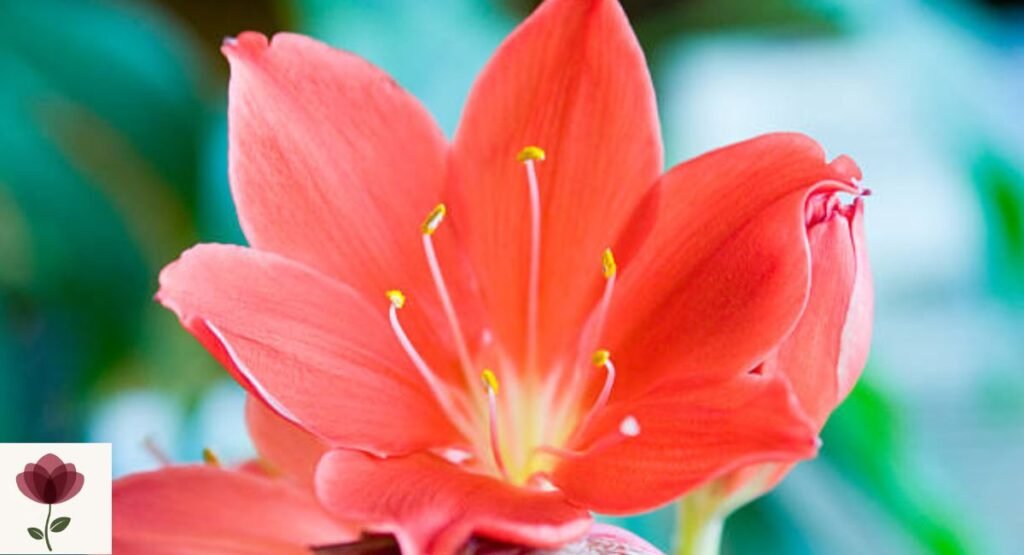
Scientific name: Cyrtanthus elatus. Vallota lily produces striking scarlet flowers on upright stems. It suits warm patios, containers, and sheltered spaces better than exposed cold gardens. Its bold color makes a strong statement without requiring a huge footprint, which makes it useful for gardeners who enjoy container gardening.
Vanda Orchid
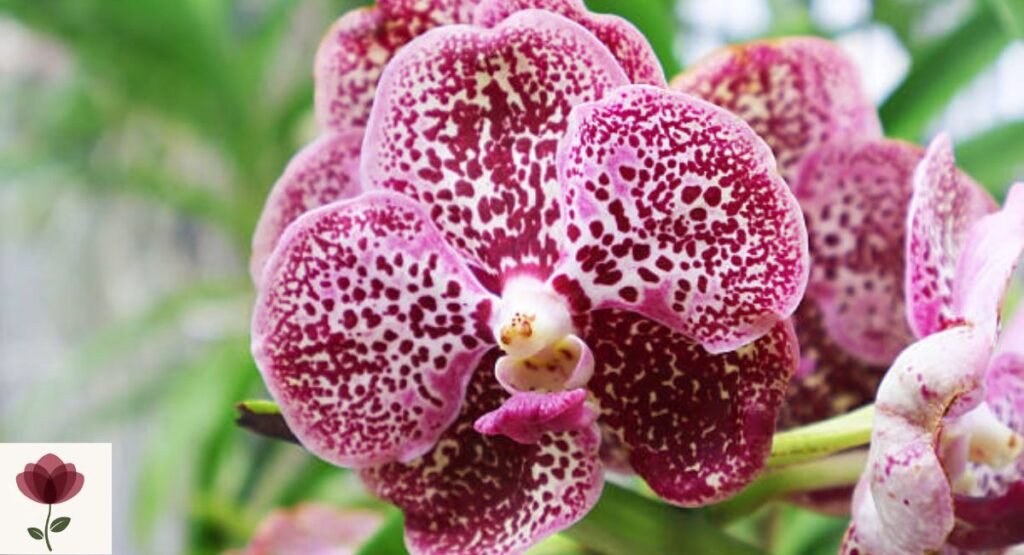
Scientific name: Vanda spp. Vanda orchids are tropical showpieces with vivid blue, purple, pink, white, or yellow flowers. They prefer bright filtered light, warmth, humidity, and airflow. Unlike an easy bedding annual, this orchid rewards attentive care. Its dramatic blooms make it popular among orchid collectors.
Vanilla Orchid
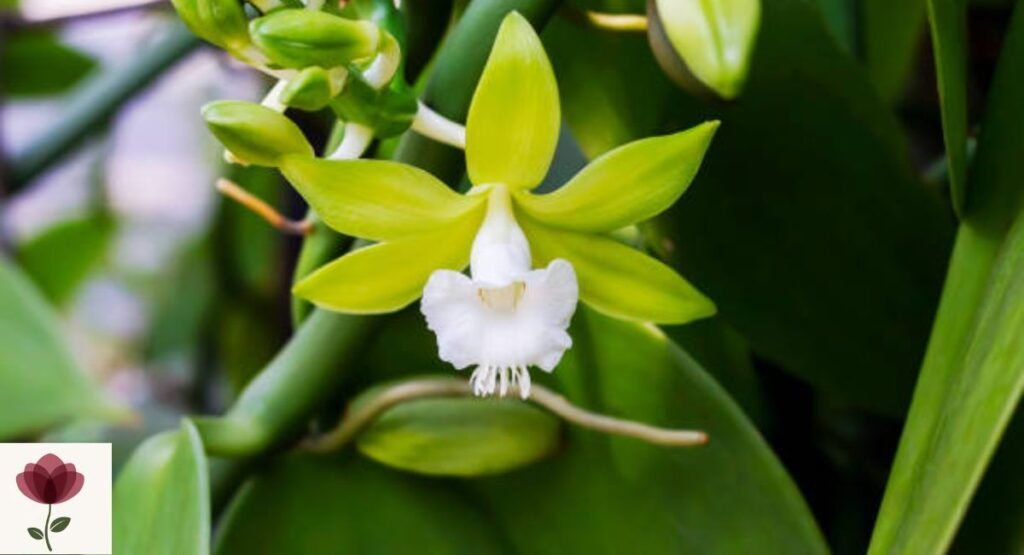
Scientific name: Vanilla planifolia. The vanilla orchid is a climbing tropical orchid with creamy flowers. It needs warmth, humidity, bright filtered light, and support for its long stems. It is more demanding than ordinary houseplants. Still, its botanical story makes it one of the most fascinating tropical flowers in this collection.
Vernonia
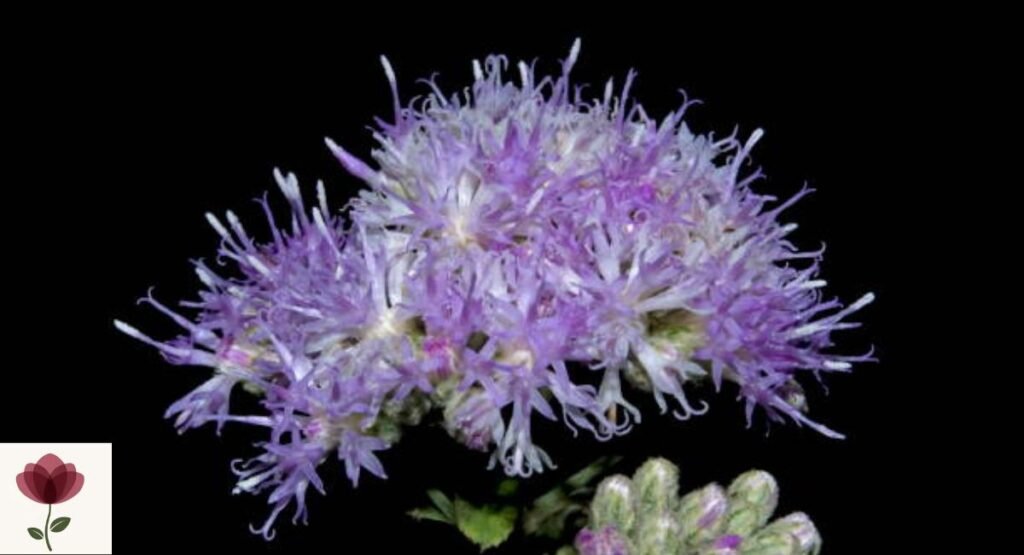
Scientific name: Vernonia spp. Often called ironweed, Vernonia produces clusters of purple flowers during late summer and fall. That timing gives pollinator gardens valuable late-season color. Tall species work well at the back of borders, especially when you want butterflies and bees to remain active after earlier flowers fade.
Rare, Unusual & Exotic Flowers That Start With V
Some rare flowers that start with V look as though they belong in a botanical curiosity cabinet. Vanda orchid, vanilla orchid, Veltheimia, Vallota lily, Vancouveria, and Vriesea each offer something unusual. Their appeal often comes from tropical origins, distinctive growth habits, unusual flowers, or specialized growing requirements.
For U.S. gardeners, rarity often reflects climate rather than beauty. A tropical orchid may be easy to find in Florida but difficult to grow outdoors in Minnesota. Likewise, a woodland native can feel exotic in a desert landscape. Always match the plant with your USDA hardiness zone, light level, and seasonal temperatures.
Types of Flowers That Start With V
The V group becomes easier to understand when you sort plants by growth habit. Some are compact annuals while others return for years. Others climb, form shrubs, or grow as tropical epiphytes. The supplied source similarly divides its entries into familiar garden flowers, wildflowers, collector plants, and clearly labeled flowering shrubs or vines.
This classification also prevents unrealistic gardening advice. A violet and a viburnum may both produce attractive flowers, yet they need completely different amounts of space. Think of the plant type as the blueprint. Flower color is only the decoration.
Perennial V Flowers
Perennial choices include violet, Veronica, Veronicastrum, valerian, Virginia bluebells, Virginia spiderwort, Vancouveria, and many Vernonia species. These plants can return season after season when their climate and growing conditions suit them. However, winter hardiness differs widely, so U.S. gardeners should check the specific species before planting.
Annual and Short-Lived V Flowers
Annual or short-lived choices include Vaccaria, Venus’s Looking-Glass, Virginia stock, venidium, and many viola forms. These plants work well when you want seasonal color without committing a permanent garden space. They are also useful for gardeners who enjoy changing containers, beds, or color schemes from one year to the next.
Wildflowers and Native-Friendly V Flowers
Virginia bluebells, Virginia spiderwort, and several other V entries can fit native-style gardens and naturalistic landscapes. Their value extends beyond flowers because habitat, bloom timing, and plant structure influence wildlife. Choose species suited to your region rather than assuming every wildflower will thrive simply because it is native somewhere in North America.
Flowering Shrubs, Vines and Trees
Viburnum, vitex, Virginia sweetspire, Vireya rhododendron, and Virgin’s bower demonstrate how broad a V flower list can become. These plants add height, structure, screening, or vertical coverage. Their mature size matters greatly. A shrub or vine that looks tiny at the nursery can eventually become the dominant feature of a planting.
Tropical and Houseplant-Friendly V Flowers
Vanda orchid, vanilla orchid, Vriesea, and Vallota lily offer excellent options for indoor growing or protected containers. Their needs differ from ordinary garden annuals. Bright filtered light, humidity, warmth, drainage, and airflow often matter more than fertilizer. Tropical plants can thrive beautifully indoors when their native conditions are thoughtfully recreated.
V Flowers by Color, Bloom Time & Growing Conditions
Color is an easy way to narrow your choices, yet it shouldn’t be your only filter. The V group leans strongly toward purple, blue, white, and pink. Yellow, orange, and mixed colors appear too. Cultivars can widen those choices considerably, particularly among viola and orchid groups.
Bloom season adds another useful layer. Spring flowers can wake up a quiet garden before summer arrives. Summer bloomers carry the main display, while late-season Vernonia and other plants help bridge the garden toward fall. Pairing different seasons creates a continuous bloom sequence rather than one brief floral burst.
Purple and Blue Flowers That Start With V
Purple and blue are the signature colors of many V flowers. Violet, viola, verbena, Veronica, Viper’s bugloss, Vernonia, vitex, and Virginia bluebells all contribute shades from soft lavender to deep blue-purple. These purple flowers work especially well beside silver foliage, white blooms, and pale ornamental grasses.
White Flowers With V
White choices include valerian, viburnum, Virginia stock, Virgin’s bower, Virginia sweetspire, and selected Veronica and viola cultivars. White flowers can brighten shady spaces and remain visible around dusk. They also create a clean transition between stronger colors, making them useful in moon gardens and calm cottage-style planting.
Pink, Red and Mixed V Flowers
Pink and mixed tones appear in viola, verbena, Virginia spiderwort, valerian, velvet flower, and Vanda orchid cultivars. Vallota lily adds intense scarlet. Velvet flower can look especially dramatic because its blooms often combine rich tones and intricate markings, giving annual beds a more painterly appearance.
Spring-Blooming V Flowers
Spring brings some of the gentlest V flower colors. Violet, viola, Virginia bluebells, Vancouveria, Virginia stock, and wild pansy can provide early interest. Virginia bluebells are particularly distinctive because pink buds open into blue flowers. That color shift gives woodland gardens a memorable seasonal moment.
Summer-Blooming V Flowers
Summer is the strongest season for verbena, Veronica, valerian, viper’s bugloss, venidium, and many annual V flowers. These plants can provide heat-season color when spring bloomers fade. In sunny gardens, combine different heights and flower shapes so the border feels layered rather than like a flat sheet of color.
Fall and Winter V Flowers
Late summer and fall bring Vernonia and some long-flowering verbena varieties into focus. Veltheimia can offer winter-to-early-spring flowers in mild climates. Tender tropical plants may also bloom according to their indoor or greenhouse cycle rather than a conventional outdoor season, making bloom time strongly climate-dependent.
Full-Sun vs. Shade-Loving V Flowers
Verbena, Veronica, verbascum, venidium, vitex, and Viper’s bugloss generally suit sunny locations. Violet, Virginia bluebells, and Vancouveria prefer more shade. This contrast is crucial. A beautiful plant can become disappointing when planted in the wrong light, much like placing a shade-loving fern under a blazing summer window.
Best V Flowers for Every Type of Garden
The best V flower depends on your garden’s job. Small spaces need compact plants. Pollinator beds need nectar-rich blooms. Containers need manageable roots and dependable drainage. Indoor collections require suitable light and humidity. Instead of searching for one universal “best” flower, choose according to garden purpose.
For U.S. gardeners, climate should come next. A heat-tolerant vinca may outperform a cool-season viola during a southern summer. Meanwhile, Virginia bluebells can shine in a moist woodland garden but struggle in a hot, exposed bed. Matching conditions to the plant usually produces better results than chasing popularity.
Best V Flowers for Small Gardens
Viola, violet, vinca, Virginia stock, and compact verbena varieties can suit small gardens. Their modest scale makes them useful for front borders, pots, and narrow spaces. Always check mature width before planting because even a small nursery plant can spread or branch more than expected.
Best V Flowers for Containers
Viola and verbena are excellent container flowers because they remain manageable and offer strong seasonal color. Vinca handles hot sunny pots well. Vallota lily and Veltheimia can become attractive statement plants. Use containers with drainage holes and select potting media suited to the plant rather than ordinary garden soil.
Best V Flowers for Indoor Growing
Vanda orchid, Vriesea, vanilla orchid, and Vallota lily are among the more realistic indoor choices. Vanda and Vriesea prefer bright filtered light, while vanilla orchid needs warmth, humidity, and climbing support. Indoor flowers often fail because the room is too dim, not because the gardener lacks fertilizer.
Best V Flowers for Beginners
Viola, verbena, Veronica, and suitable vinca varieties can be approachable choices when their light and moisture needs are met. Beginners should focus on plant matching rather than complicated routines. A flower grown in the right environment often needs far less intervention than one struggling in unsuitable conditions.
Best V Flowers for Pollinators
Verbena, Veronica, Veronicastrum, Vernonia, and Viper’s bugloss can add useful nectar sources. Their different bloom periods can extend seasonal activity. Pollinator gardens work best when you provide a succession of flowers rather than one mass bloom. That way, bees and butterflies have more opportunities to find food.
Best V Flowers for Fragrance
Violet is an obvious choice for fragrance because its small flowers can perfume nearby air. Some viburnums also provide notable scent, while Virginia stock can add fragrance during its cool-season bloom. Place scented plants near doors, paths, seating areas, or windows where you can actually enjoy them.
Best V Flowers for Cutting Gardens
Vaccaria offers slender stems that work nicely as airy bouquet material. Taller Veronica, valerian, and other suitable V flowers can add structure or texture. For a cutting garden, grow several flower forms together. Upright spikes, rounded heads, and delicate filler stems create more interesting arrangements than identical blooms alone.
How to Grow and Care for V Flowers
Successful V flower care begins with one simple rule: don’t treat every plant alike. A woodland violet, desert-friendly verbascum, tropical Vanda orchid, and moisture-loving Virginia bluebell occupy completely different ecological niches. The original source likewise emphasizes differences in light, moisture, airflow, and space among its V plants.
Before planting, check sunlight, mature size, soil drainage, moisture needs, and expected winter temperatures. Then consider maintenance. Some annuals need regular deadheading while shrubs may require pruning. Tropical plants need environmental control. A few minutes of planning can prevent months of frustration.
Choosing the Right Soil
Most V flowers prefer soil that matches their natural habitat. Sunny plants such as verbena and Viper’s bugloss generally appreciate good drainage. Woodland species such as Virginia bluebells prefer richer, moisture-holding conditions. Orchids and bromeliads require specialized media because their roots respond poorly to stagnant, heavy soil.
Sunlight and Temperature
Full sun suits verbena, Veronica, venidium, vitex, and many Viper’s bugloss plants. Violet, Vancouveria, and Virginia bluebells generally prefer part shade or shade. Temperature matters just as much. A plant can receive perfect light yet still fail if winter cold or summer heat exceeds its normal tolerance.
Watering and Fertilizing
Water newly planted flowers consistently while roots establish. Afterward, adjust irrigation to the species. Container plants dry faster than garden beds. Tropical orchids and bromeliads require a different moisture routine from drought-tolerant annuals. Avoid heavy feeding when the real problem is poor light, bad drainage, or incorrect humidity.
Propagation From Seeds, Cuttings or Division
Propagation varies by plant. Annual V flowers often start readily from seed, while established perennials may be divided or propagated through suitable cuttings. Orchids require more specialized techniques. For home gardeners, the simplest method is usually the one recommended for the exact species, because “one method fits all” rarely works in horticulture.
Deadheading and Pruning
Removing faded flowers can keep plants looking tidy and may encourage additional flowering in some species. Pruning serves a different purpose. Shrubs such as viburnum need pruning based on growth habit and flowering time. Never prune every V plant on the same schedule simply because they share the same first letter.
Common Pests and Diseases
Common garden issues can include aphids, spider mites, fungal problems, and root rot. Poor airflow and excessive moisture often make problems worse. Indoor orchids and bromeliads need special attention to humidity and ventilation. Regular observation is your best early defense because small problems are easier to correct than widespread infestations.
Growing Zones and Winter Care
USDA hardiness zones help U.S. gardeners estimate whether perennial plants can survive local winters. Tender V plants may need containers, sheltered locations, or indoor protection. Tropical orchids and bromeliads are particularly sensitive to cold. Always check the individual species because a genus can contain plants with very different tolerances.
V Flowers for Wildlife, Fragrance, Symbolism & Special Uses
A garden can do more than look pretty. V flowers for pollinators can provide nectar, while shrubs can offer structure and wildlife habitat. Fragrant species can enrich paths and patios. Some flowers also carry traditional meanings. These extra traits can help you choose between two plants with similar colors.
The original source highlights verbena, Veronica, Veronicastrum, Vernonia, and Viper’s bugloss for pollinator value. It also identifies violet, valerian, viburnum, and Virginia stock as useful fragrant choices. That makes function just as important as appearance.
Fragrant V Flowers
Violet offers a soft, familiar fragrance, while some viburnums can scent an entire shrub border. Virginia stock provides a pleasant cool-season aroma. Valerian has its own distinctive scent. If fragrance matters, plant these close enough to paths or sitting areas for their perfume to reach you naturally.
V Flowers That Attract Bees and Butterflies
Verbena, Veronica, Veronicastrum, Vernonia, and Viper’s bugloss can support bees and butterflies during their flowering periods. Different flower shapes and bloom seasons provide variety. For a stronger wildlife garden, combine V flowers with other nectar plants so pollinators can find food throughout the growing season.
V Flowers for Birds and Other Wildlife
Flowering shrubs such as viburnum can provide more than blossoms. Their structure, berries, and foliage can contribute to broader wildlife habitat depending on species. Vines and meadow plants can also offer shelter or food. A wildlife-friendly garden works best when it includes flowers, shrubs, seed sources, and safe cover.
Flower Meanings and Symbolism
Violet is traditionally associated with ideas such as modesty and faithfulness. Veronica is often linked with loyalty, while verbena has appeared in historical folklore and symbolic traditions. These associations vary by culture and period, so treat flower symbolism as cultural storytelling rather than strict botanical fact.
Ornamental, Culinary and Traditional Uses
Most V flowers in this guide are primarily ornamental. Some related plants have culinary or traditional histories, but those uses shouldn’t be confused with proven health benefits. In the garden, the safest approach is simple: identify the exact species before consuming or using any plant beyond its intended ornamental purpose.
Flowers That Start With V for Girl
Floral names can turn an ordinary plant list into a surprisingly useful naming resource. Violet is the strongest familiar example, while Viola offers a classical botanical option. Violette adds a more romantic variation. These names have a clear floral connection without sounding like ordinary plant labels.
For parents seeking unusual girl names inspired by flowers, the V group offers a few elegant choices. Violet feels classic and recognizable. Viola feels literary and botanical. Violette has a softer French flavor. The important distinction is that not every V flower name makes a natural personal name.
How to Identify V Flowers in the Garden
Identifying V flowers becomes much easier when you combine several clues. Don’t rely on color alone because purple blooms occur across violet, verbena, Veronica, Viper’s bugloss, and Vernonia. Instead, observe the flower shape, leaves, plant height, growth habit, bloom season, and location together.
A clear photograph can also help. Capture the whole plant first, then take a close view of the flower and leaves. Record whether the plant grows in sun, shade, wet soil, or dry ground. These details can narrow the possibilities dramatically.
Identify by Flower Shape
Flower shape provides one of the strongest identification clues. Bell-shaped Virginia bluebells look very different from Veronica’s upright spikes or viburnum’s clustered blossoms. Observe whether petals form a trumpet, bell, spike, cluster, daisy-like head, or individual bloom before comparing photographs.
Identify by Leaf Shape
Leaves can solve mysteries that flowers cannot. Check whether foliage is narrow, rounded, lance-shaped, glossy, hairy, or deeply divided. Also note how leaves attach to the stem. When two V flowers share similar colors, leaf shape can provide the missing clue.
Identify by Color and Bloom Time
Color becomes much more useful when paired with season. A blue spring woodland flower suggests a different group than a blue summer spike. Likewise, purple flowers appearing in late summer could point toward Vernonia or other late-season bloomers. Think of bloom time as another identification fingerprint.
Violet vs. Vinca: How to Tell Them Apart
Violet and vinca can both appear in purple-flower searches, yet their growth habits differ. Violets are generally small plants with characteristic viola-like blooms. Vinca has a spreading habit and glossy foliage. Looking at the entire plant prevents a common mistake caused by judging only the flower color.
Verbena vs. Vervain: What’s the Difference?
The terms verbena and vervain can overlap because “vervain” is used for plants within the Verbena group. Botanical names help separate individual species more clearly. When writing or shopping, check the scientific name instead of assuming two plants with similar common names are identical.
Are All “V Flowers” Actually Flowers?
The list of flowers that start with V often use “flower” in the everyday gardening sense rather than strict botanical language. That is why Viburnum, Vitex, Vriesea, and Virgin’s bower can appear beside violet and verbena. The supplied source deliberately labels these differences to keep its list transparent.
This distinction actually makes the guide more useful. Gardeners usually care about what a plant looks like, where it grows, and how it blooms. Still, scientific classification matters when you research care, toxicity, propagation, or identification. A clear label gives you both practical and botanical context.
Flower vs. Flowering Plant
A “flower” can mean the blossom itself or, informally, the entire flowering plant. Botanically, however, a flower is the reproductive structure of an angiosperm. The plant producing it may be a herb, shrub, vine, or tree. That difference explains why broad flower-name lists can contain many plant forms.
Why Viburnum, Vitex and Vinca Appear on V Flower Lists
Viburnum is a flowering shrub, Vitex can become a shrub or small tree, and vinca is commonly grown as a flowering bedding plant. Their inclusion makes sense in a gardener-focused alphabetical guide because their flowers are ornamental. Their growth habits, however, remain quite different.
Common Names vs. Scientific Names
Common names vary across regions and languages, which can create confusion. Scientific names provide a more consistent reference point. For example, Viola tricolor is a recognized species name and is associated with wild pansy or heartsease. Using both names gives readers a much stronger identification tool.
How Botanical Classification Changes the List
A strict list might include only established flower common names. A broader gardening list can include flowering shrubs, vines, orchids, bromeliads, and unusual plants that produce showy blossoms. The best approach is transparency. Label each plant honestly so readers understand what they are actually choosing.
Are V Flowers Safe for Pets, Children & Wildlife?
Plant safety deserves careful attention because “beautiful” doesn’t mean “safe to eat.” Some plants can irritate skin or cause problems if consumed. Others are simply unsuitable for ingestion. The safest practice is to identify plants by scientific name before researching plant toxicity, especially around pets and young children.
Don’t rely on a common name alone. Similar names can describe completely different species. This becomes particularly important with wild plants and unusual V entries. When safety matters, use authoritative horticultural or poison-control resources for the exact species rather than general alphabetical flower lists.
V Flowers That May Be Toxic
Some plants in broad V lists may have toxicity concerns, but risk depends on species and plant parts. Never assume that an ornamental flower is edible because another plant in the same family is used as food. Confirm the exact scientific name before making any safety decision.
Plants to Handle With Care
Handle unfamiliar plants thoughtfully, especially those with irritating sap, unusual reproductive structures, or specialized defenses. Gloves can be sensible during pruning or repotting. Indoor collectors should also keep unusual plants properly labeled. A simple plant tag can prevent confusion months after purchase.
Safe Gardening Practices
Keep plant labels, avoid tasting unidentified flowers, and supervise children around unfamiliar specimens. Pet owners should also research plants before placing them where animals can chew them. These habits are simple, yet they reduce the chance of confusing a decorative garden plant with something suitable for consumption.
Avoiding Confusion Between Similar Plant Names
Common-name confusion can lead to incorrect care or safety decisions. “Vervain,” “verbena,” “violet,” and “viola” demonstrate how ordinary names can overlap. Scientific names solve much of that confusion. When buying plants online or from a nursery, compare the botanical name before you make the final choice.
Conclusion
The world of Flowers That Start With V is far richer than the letter initially suggests. Violet and viola bring gentle color. Verbena offers long summer flowering. Veronica adds vertical spikes. Virginia bluebells brighten woodland gardens. Vanda orchid brings tropical drama, while Vernonia extends pollinator color toward fall.
The smartest choice depends on your garden rather than the alphabet. Consider sunlight, soil, mature size, bloom season, climate, maintenance, and wildlife value first. Once those needs are clear, choosing among these 35 V flowers becomes much easier. Sometimes the perfect flower isn’t the flashiest one. It’s the plant that fits your space so naturally that it seems as though it always belonged there.
FAQs
How Many Flowers Start With V?
There are dozens of flower names and flowering plants associated with V. The exact number changes depending on whether you include botanical genera, cultivars, shrubs, vines, orchids, and regional common names.
What Is the Most Popular Flower That Starts With V?
Violet is one of the best-known V flowers. Verbena, viola, vinca, and Veronica are also widely recognized among gardeners and flower-name searches.
What Purple Flower Starts With V?
Several do. Violet, verbena, Veronica, Vernonia, vitex, Venus’s Looking-Glass, and Viper’s bugloss can all contribute purple or blue-purple color to gardens.
Which V Flowers Are Perennials?
Perennial choices include violet, Veronica, Veronicastrum, valerian, Virginia bluebells, Virginia spiderwort, Vancouveria, and many Vernonia species. Always check the hardiness of the exact species before planting.
Are There Indoor Flowers That Start With V?
Yes. Vanda orchid, vanilla orchid, Vriesea, and Vallota lily can be grown indoors or under protected conditions. Their success depends heavily on suitable light, warmth, humidity, airflow, and growing media.

Welcome to PetalNexa! I’m Anam Sattar, an AI-powered SEO Specialist and Content Writer with over 4 years of experience in creating high-quality, search-optimized content. I help businesses improve their search engine rankings, increase organic traffic, and build beautiful, user-friendly websites. My mission is to make SEO, content creation, and web design simple, effective, and accessible for everyone. Let’s grow your online presence and achieve success together!