

If you’re searching for flowers that start with R, you’ll discover a surprisingly colorful world of blooms, shrubs, vines, and wildflowers. From the timeless rose to cheerful rudbeckia and elegant ranunculus, these plants offer something for almost every garden style. Some bring colorful flowers to sunny borders, while others thrive in woodland settings, containers, or naturalized meadows.
You’ll also find rare flowers with unusual shapes, fragrant varieties, and perennial flowers that return year after year. This guide explores 50 beautiful R flowers, including their colors, scientific names, bloom seasons, growing conditions, and garden uses. Whether you’re a beginner or experienced gardener, you’ll find plenty of flower varieties worth growing.
What Are Flowers That Start With R?
Flowers That Start With R are flowering plants whose common English names begin with the letter R. The group includes familiar garden favorites such as Rose, Ranunculus, Rudbeckia, and Rain Lily. It also includes flowering shrubs, vines, trees, herbs, and unusual botanical plants.
That wider definition makes the list much more interesting. For example, Rhododendron is a flowering shrub while Redbud is a flowering tree. Rafflesia is a remarkable parasitic flowering plant. These distinctions matter when you’re choosing a plant for your garden rather than simply collecting names.
What Counts as a Flower Starting With R?
A flower qualifies here when its commonly used English name begins with R. Some entries are traditional garden flowers while others are broader flowering plants that gardeners commonly include in alphabetical flower lists. This approach keeps the guide practical without pretending every entry has the same growth habit.
For example, Rose fits a classic flower list perfectly. Rhododendron belongs to the shrub category, while Redbud belongs to flowering trees. Russian Sage and Rue also show why common-name lists can blur strict botanical categories.
How These R Flower Names Are Organized
The names below are organized by color, plant type, bloom season, habitat, and garden purpose. You’ll see annual flowers, perennials, shrubs, vines, bulbs, wildflowers, and tender plants. This makes the guide easier to use when you’re actually planning a garden.
Scientific names and native regions add another layer of clarity. Growing zones also matter because a flower that survives winter in Florida may struggle badly in Minnesota. Always match the plant with your local climate before planting.
50 Beautiful Flowers That Start With R (Table)
The table gives you a quick reference before the detailed sections begin. It combines familiar names with lesser-known varieties so you can compare flower colors, plant types, bloom periods, and growing needs without jumping between sections.
Some entries may behave differently depending on climate. A tender perennial can act like an annual in a cold region. Likewise, a shrub may flower beautifully in one USDA zone while needing protection in another. Use the table as a starting point rather than a rigid planting rule.
Flower Name, Color, Type & Bloom Season
| # | Flower | Main Colors | Type | Bloom Season |
| 1 | Rose | Red, pink, white, yellow | Shrub | Late spring–fall |
| 2 | Ranunculus | Red, pink, orange, yellow, white | Perennial | Spring |
| 3 | Rain Lily | Pink, white, yellow | Bulbous perennial | Summer–fall |
| 4 | Rhododendron | Pink, purple, red, white | Shrub | Spring |
| 5 | Rudbeckia | Yellow, orange, bronze | Perennial | Summer–fall |
| 6 | Rock Rose | Pink, white, purple | Shrub | Late spring–summer |
| 7 | Red Hot Poker | Red, orange, yellow | Perennial | Summer–fall |
| 8 | Ruellia | Purple, pink, white | Perennial | Summer–fall |
| 9 | Rondeletia | Red, orange | Shrub | Warm season |
| 10 | Rattlesnake Master | White, pale green | Wildflower perennial | Summer |
| 11 | Rhodora | Pink, lavender | Shrub | Spring |
| 12 | Rocket Larkspur | Purple, blue, pink, white | Annual | Spring–summer |
| 13 | Red Clover | Pink, red, purple | Meadow perennial | Spring–summer |
| 14 | Rose Campion | Magenta, white | Short-lived perennial | Spring–summer |
| 15 | Rose of Sharon | Pink, white, purple, blue | Shrub | Summer–fall |
| 16 | Rosinweed | Yellow | Prairie perennial | Summer |
| 17 | Rafflesia | Red, maroon | Parasitic plant | Irregular |
| 18 | Red Spider Lily | Red | Bulbous perennial | Late summer–fall |
| 19 | Red Valerian | Red, pink, white | Perennial | Late spring–summer |
| 20 | Restharrow | Pink | Subshrub | Summer |
| 21 | Rice Flower | White, pink | Shrub | Winter–spring |
| 22 | Rock Soapwort | Pink | Groundcover perennial | Spring–summer |
| 23 | Rockfoil | White, pink, yellow | Alpine perennial | Spring–summer |
| 24 | Rocktrumpet | Pink, red, white | Vine | Warm season |
| 25 | Rose Mallow | Pink, white, red | Perennial | Summer |
| 26 | Rosebay Willowherb | Pink, purple | Wildflower perennial | Summer |
| 27 | Rue | Yellow | Herb | Summer |
| 28 | Russelia | Red, coral | Shrub | Warm season |
| 29 | Rangoon Creeper | Red, pink, white | Vine | Warm season |
| 30 | Ratibida | Yellow, maroon | Wildflower perennial | Summer–fall |
| 31 | Romneya | White | Perennial | Late spring–summer |
| 32 | Romulea | Purple, pink, yellow | Corm perennial | Spring |
| 33 | Redbud | Pink, purple | Flowering tree | Spring |
| 34 | Russian Sage | Lavender-blue | Perennial | Summer–fall |
| 35 | Reseda | Greenish-white, yellow | Annual/perennial | Spring–summer |
| 36 | Rhodochiton | Purple, maroon | Vine | Summer–fall |
| 37 | Ragged Robin | Pink | Wildflower perennial | Spring–summer |
| 38 | Rue Anemone | White, pink | Woodland perennial | Spring |
| 39 | Red Cranesbill | Magenta, pink | Perennial | Spring–summer |
| 40 | Regal Geranium | Purple, pink, red, white | Tender perennial | Spring–summer |
| 41 | Red Columbine | Red, yellow | Native perennial | Spring |
| 42 | Red Campion | Pink, red | Wildflower perennial | Spring–summer |
| 43 | Royal Catchfly | Red | Native perennial | Summer |
| 44 | Rough Blazing Star | Purple, pink | Prairie perennial | Summer–fall |
| 45 | Rock Cress | White, pink, purple | Perennial | Spring |
| 46 | Red Yucca | Pink, coral, red | Perennial | Summer |
| 47 | Rubber Rabbitbrush | Yellow | Flowering shrub | Summer–fall |
| 48 | Rocket | White, cream | Annual herb | Spring–summer |
| 49 | Red Buckeye | Red | Flowering tree | Spring |
| 50 | Rosemary | Blue, purple | Woody herb | Spring–summer |
The first 40 entries follow the source article’s core R-flower set. The additional entries broaden the guide toward native plants, herbs, prairie species, and American garden choices.
Native Habitat & Growing Zones
| Flower | Native Region | Typical USDA Zones | Preferred Setting |
| Rose | Asia, Europe, North America | 4–10 | Borders |
| Rudbeckia | North America | 3–9 | Prairies |
| Rhododendron | Asia, Europe, North America | 4–9 | Woodland edges |
| Redbud | North America | 4–9 | Landscapes |
| Russian Sage | Central Asia | 4–9 | Dry borders |
| Rose Mallow | North America | 4–9 | Moist beds |
| Rock Rose | Mediterranean | 8–10 | Dry gardens |
| Red Valerian | Mediterranean | 5–9 | Dry banks |
| Rain Lily | Americas | 7–10 | Containers |
| Ratibida | North America | 4–9 | Native gardens |
USDA zones provide a useful starting point, but microclimates can change results. A sheltered city garden may stay warmer than an exposed rural site. Soil, winter moisture, wind, and summer heat also influence survival. The source material similarly shows wide differences between R flowers and their preferred habitats.
20 Most Popular Flowers That Start With R
From classic roses to unusual rain lilies, flowers that start with R offer an impressive mix of colors, shapes, sizes, and growing habits. Below, you’ll find 20 popular R flowers with their scientific names and a short, useful description of each.
Rose
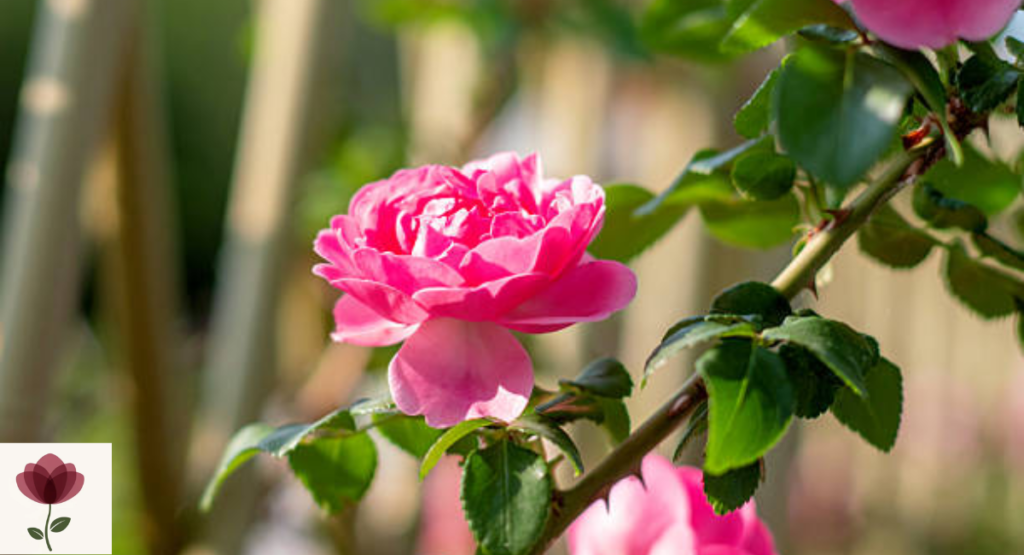
The scientific name of Rose is Rosa spp. Roses are among the most famous flowers that start with R, loved for their beautiful blooms, rich colors, and fragrance. They grow as shrubs, climbers, and compact garden plants. Roses are also highly popular as cut flowers and are often associated with love, romance, friendship, and admiration.
Ranunculus
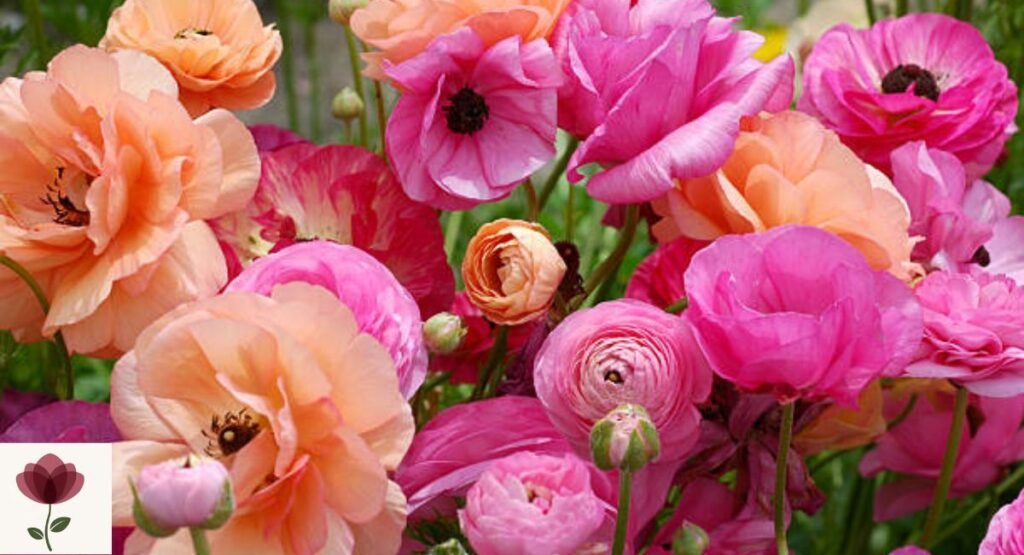
The scientific name of Ranunculus is Ranunculus asiaticus. This elegant flower produces layers of delicate petals that resemble miniature peonies. Ranunculus blooms appear in shades of red, pink, orange, yellow, and white. They’re especially popular in spring gardens and floral arrangements because their long stems and intricate blooms create a luxurious appearance.
Rhododendron
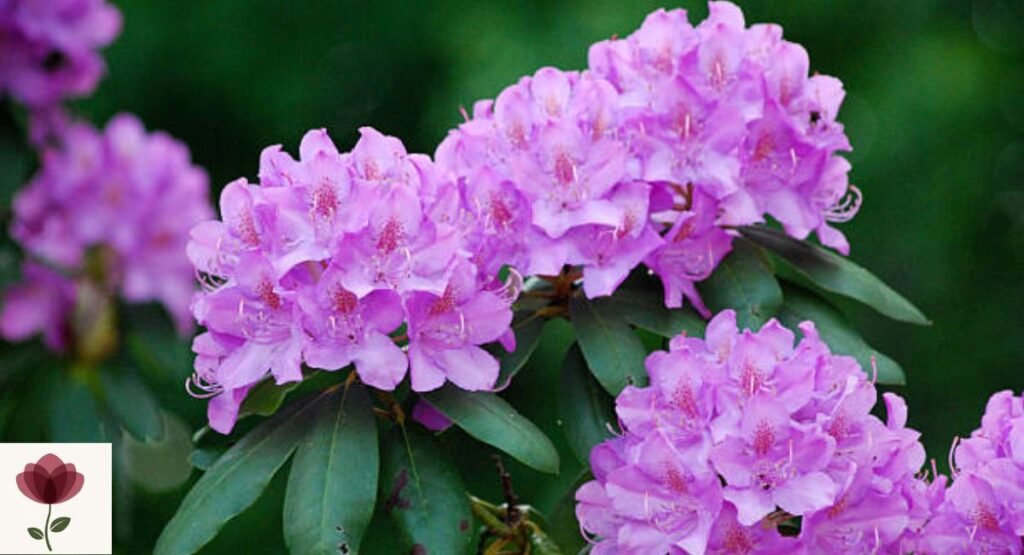
The scientific name of Rhododendron is Rhododendron spp. This flowering shrub produces large clusters of colorful blooms during spring. Depending on the variety, flowers may appear in pink, purple, red, white, or other shades. Rhododendrons are excellent for woodland gardens and perform best when their soil and moisture needs are properly matched.
Rudbeckia
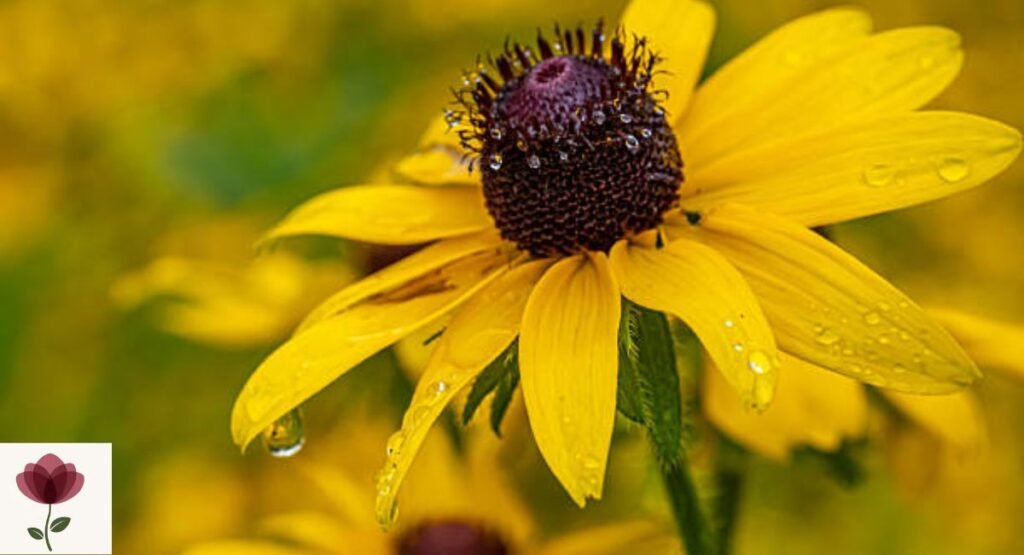
The scientific name of Rudbeckia is Rudbeckia spp. Commonly known as black-eyed Susan, this cheerful perennial flower produces golden-yellow petals surrounding a dark central cone. Rudbeckia is a favorite for sunny borders, native gardens, and pollinator spaces. Once established, many varieties tolerate dry conditions and continue flowering through much of summer.
Red Valerian
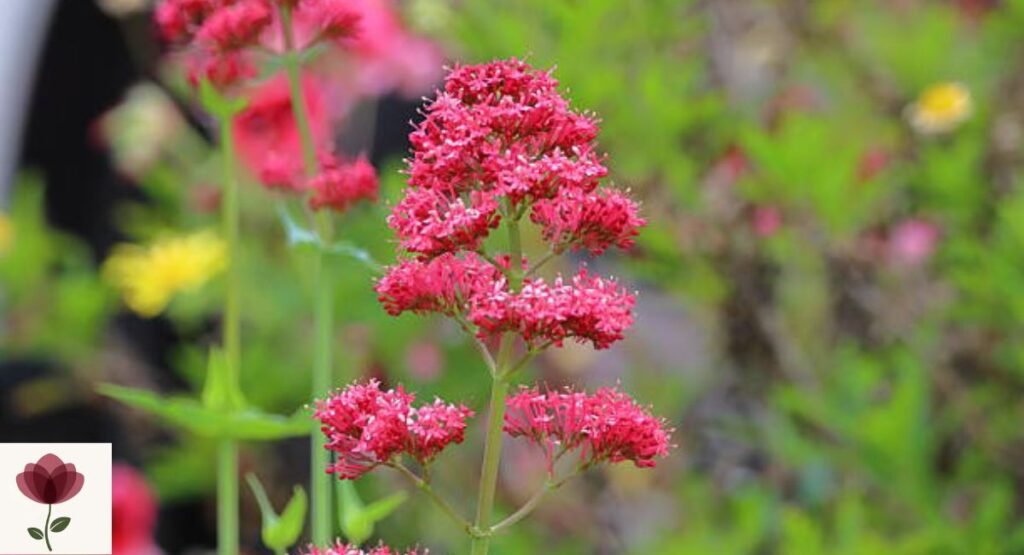
The scientific name of Red Valerian is Centranthus ruber. This Mediterranean perennial forms loose clusters of pink, red, or white flowers above attractive foliage. It handles relatively dry conditions well and can thrive in rock gardens, cottage borders, walls, and other well-drained locations. Its airy flower clusters also attract visiting pollinators.
Rain Lily
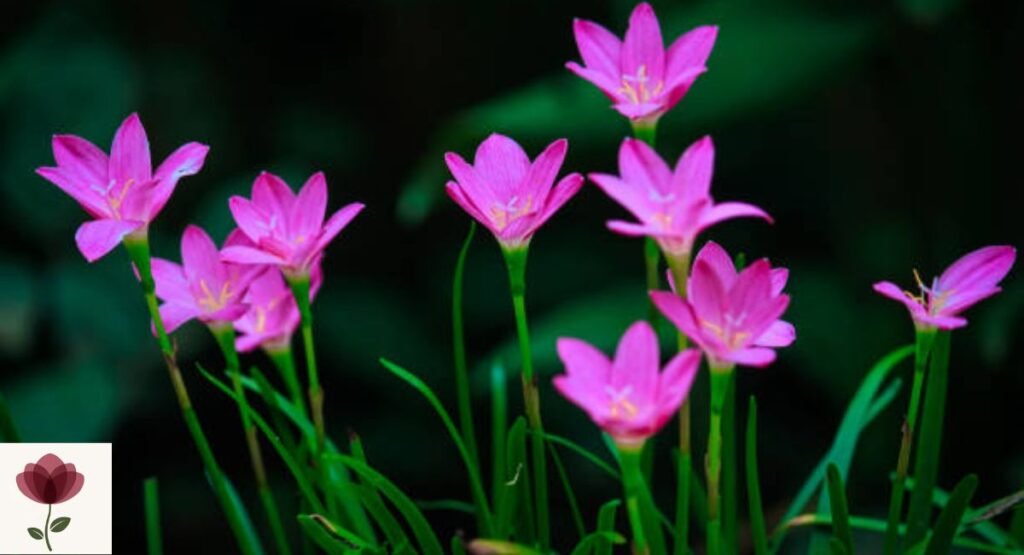
The scientific name of Rain Lily is Zephyranthes spp. These delicate bulbous plants produce crocus-like flowers in pink, white, or yellow. Their common name comes from their tendency to bloom after rainfall. Rain lilies are especially attractive in warm-climate gardens, containers, borders, and naturalized areas where seasonal rainfall can trigger flowering.
Red Hot Poker
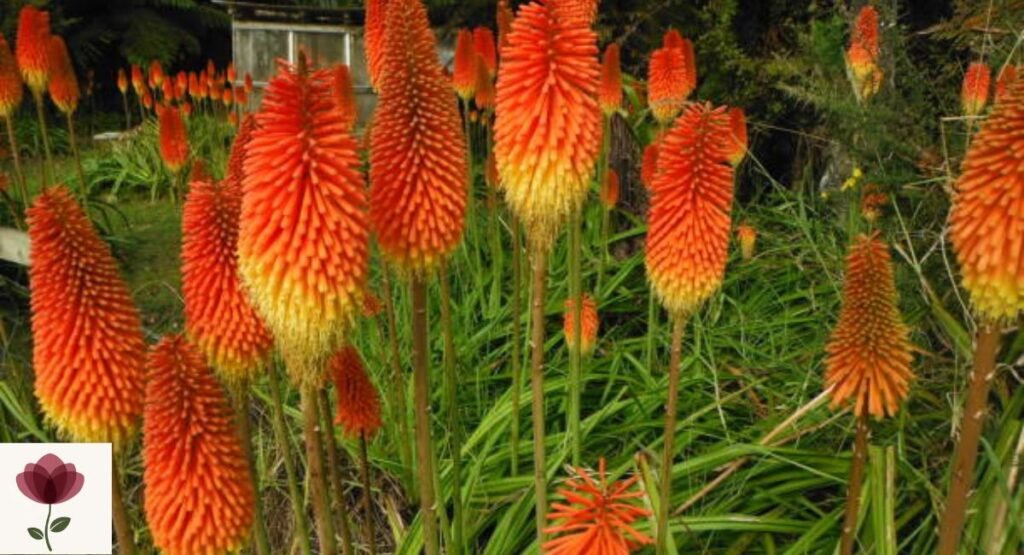
The scientific name of Red Hot Poker is Kniphofia spp. This striking perennial is famous for tall flower spikes that resemble glowing torches. The blooms often transition from red or orange at the top to yellow below. Red Hot Poker creates strong vertical interest and works particularly well in sunny borders and bold landscape designs.
Rock Rose
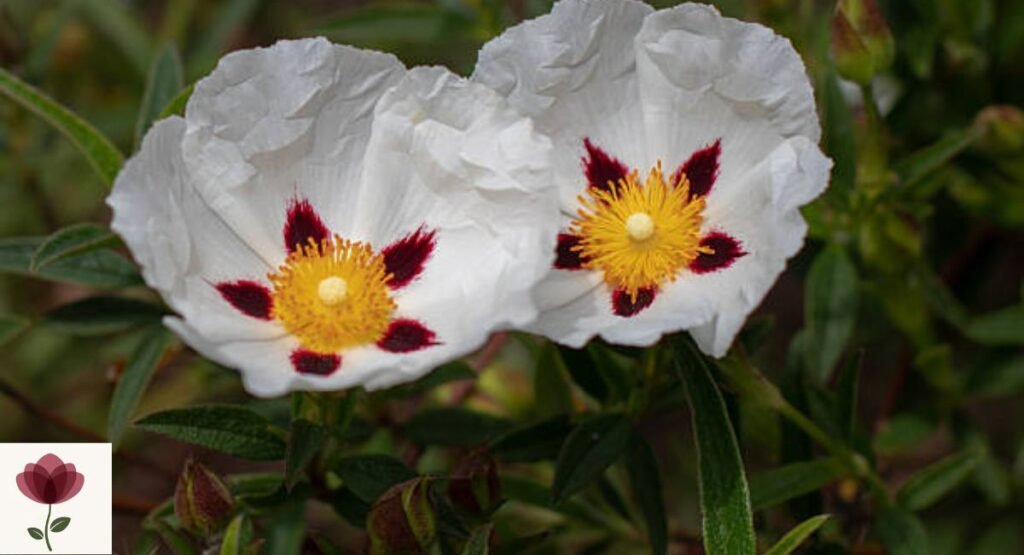
The scientific name of Rock Rose is Cistus spp. Rock Rose is a Mediterranean shrub that produces delicate, crinkled flowers in pink, white, or purple shades. It thrives in sunny locations with excellent drainage and is well suited to drought-tolerant gardens. Its evergreen or semi-evergreen foliage can also provide structure outside the flowering season.
Rose of Sharon
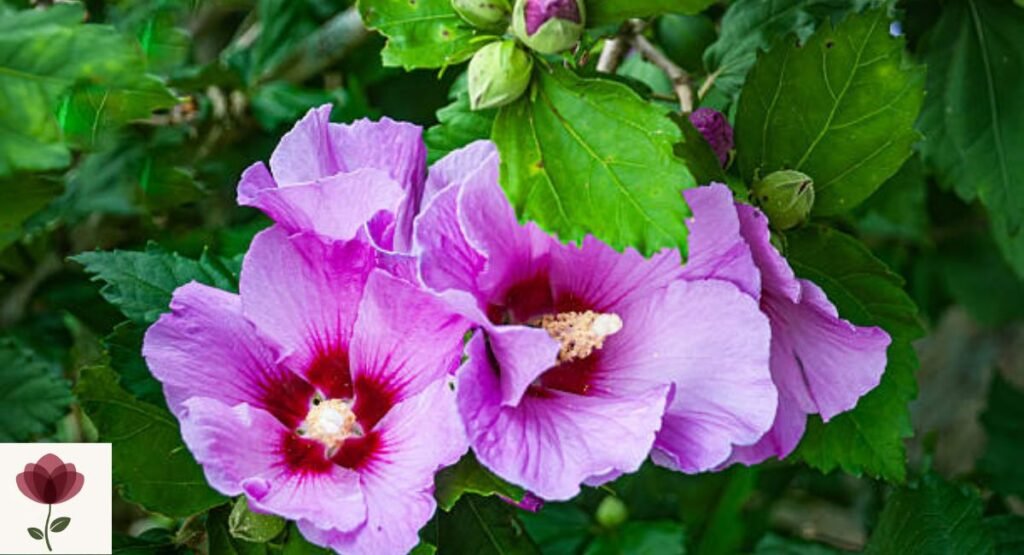
The scientific name of the Rose of Sharon is Hibiscus syriacus. This deciduous flowering shrub produces attractive summer blooms in colors such as pink, purple, blue, white, and red. It can become a substantial landscape plant, making it useful for borders, informal screens, and foundation plantings. Regular pruning can help maintain a tidy shape.
Rocket Larkspur
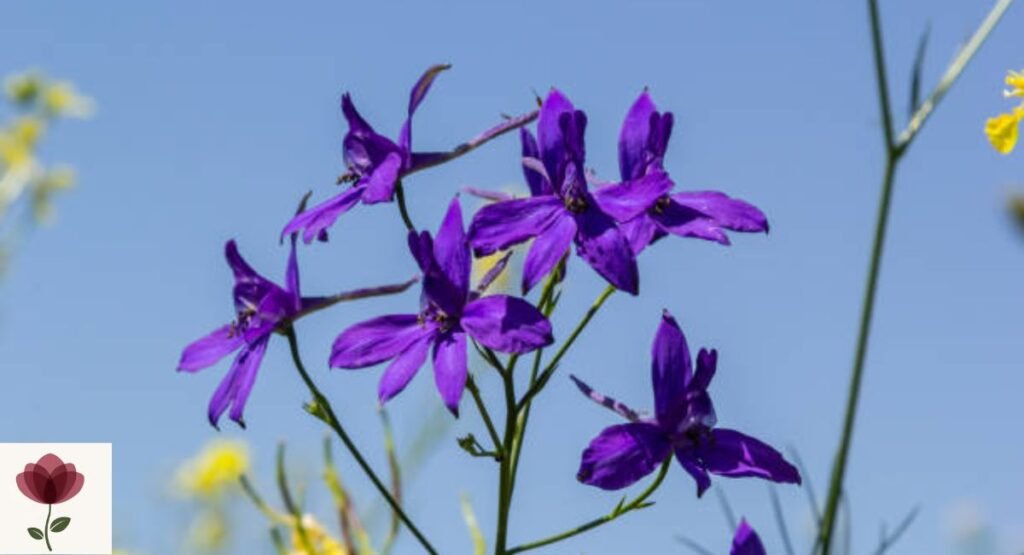
The scientific name of Rocket Larkspur is Delphinium ajacis. This tall annual produces slender flower spikes covered with blue, purple, pink, or white blooms. Its upright shape makes it particularly useful in cottage gardens and cutting beds. Rocket Larkspur also adds height and movement when planted among shorter summer flowers.
Rose Mallow
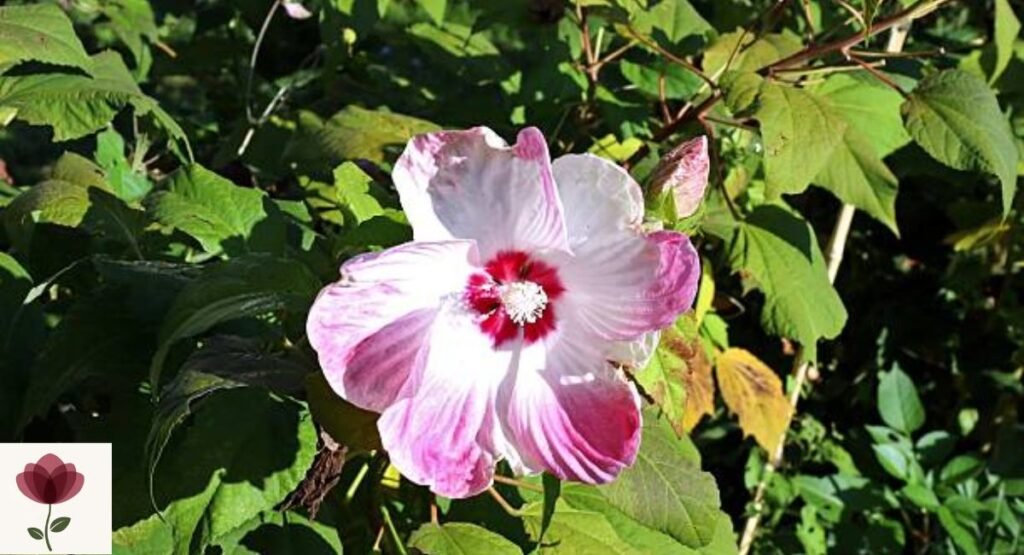
The scientific name of Rose Mallow is Hibiscus moscheutos. This impressive perennial is known for enormous, hibiscus-like flowers that can become a major summer garden attraction. Blooms may appear in pink, white, red, or other colors. Rose Mallow prefers consistently moist soil and works especially well near rain gardens, ponds, and damp borders.
Russian Sage
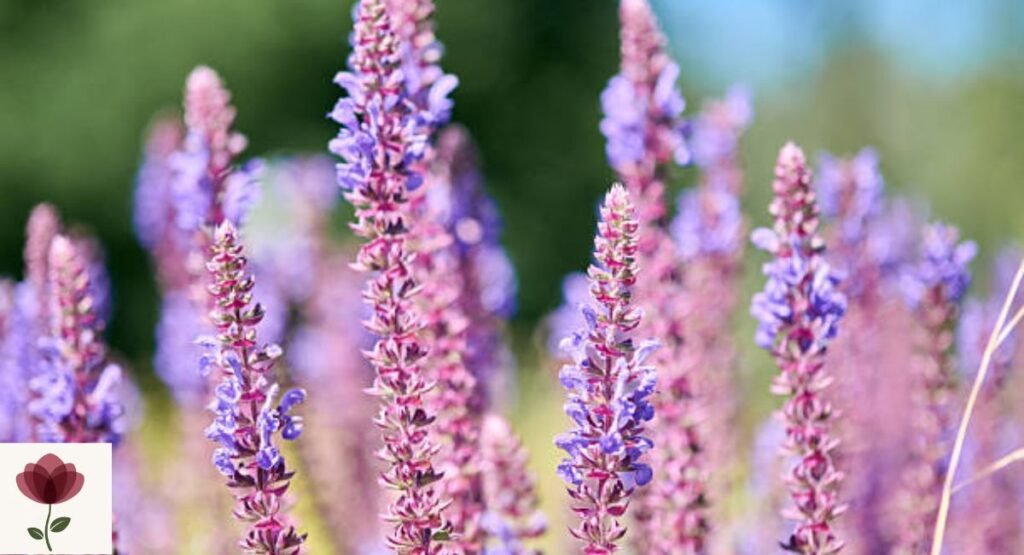
The scientific name of Russian Sage is Salvia yangii. This graceful perennial features silvery foliage and airy spikes of lavender-blue flowers. It is valued for its drought tolerance, long flowering period, and ability to create a soft, cloud-like effect. Russian Sage performs best in sunny locations with well-drained soil and limited winter moisture.
Red Spider Lily
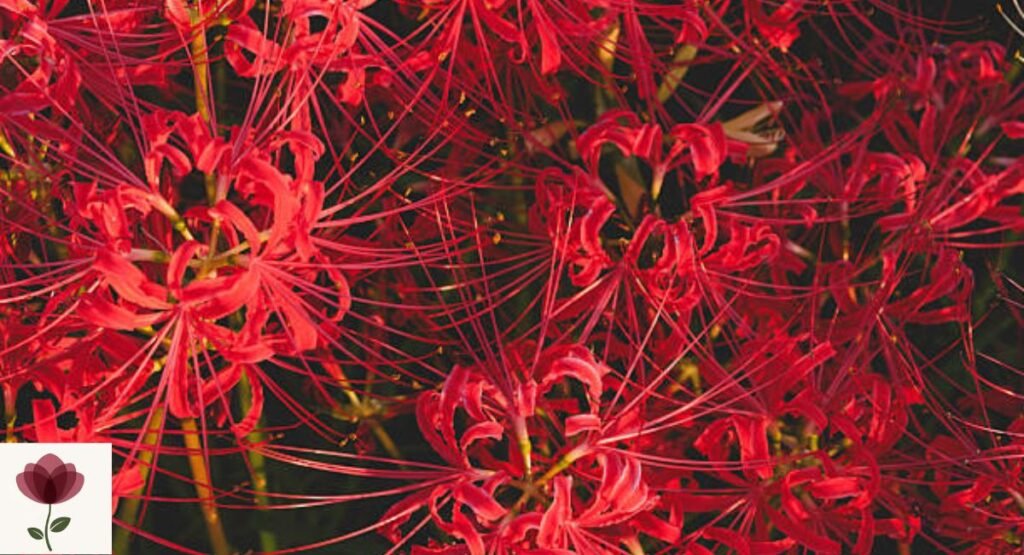
The scientific name of Red Spider Lily is Lycoris radiata. This unusual bulb produces brilliant red flowers with long, curling stamens that give the blooms their spider-like appearance. It commonly flowers in late summer or fall. Interestingly, its flowers can appear after the foliage has already died back, creating a striking seasonal surprise.
Rattlesnake Master
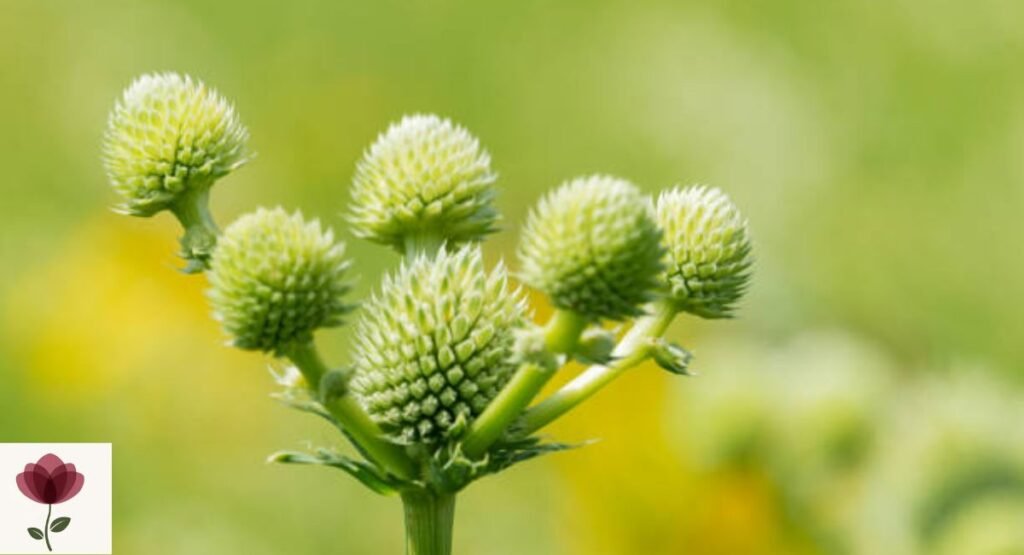
The scientific name of Rattlesnake Master is Eryngium yuccifolium. This unusual North American native produces rounded greenish-white flower heads above stiff, sword-like foliage. Its architectural appearance makes it excellent for prairie gardens, native landscapes, and naturalistic borders. It also provides useful floral resources for pollinators during summer.
Rose Campion
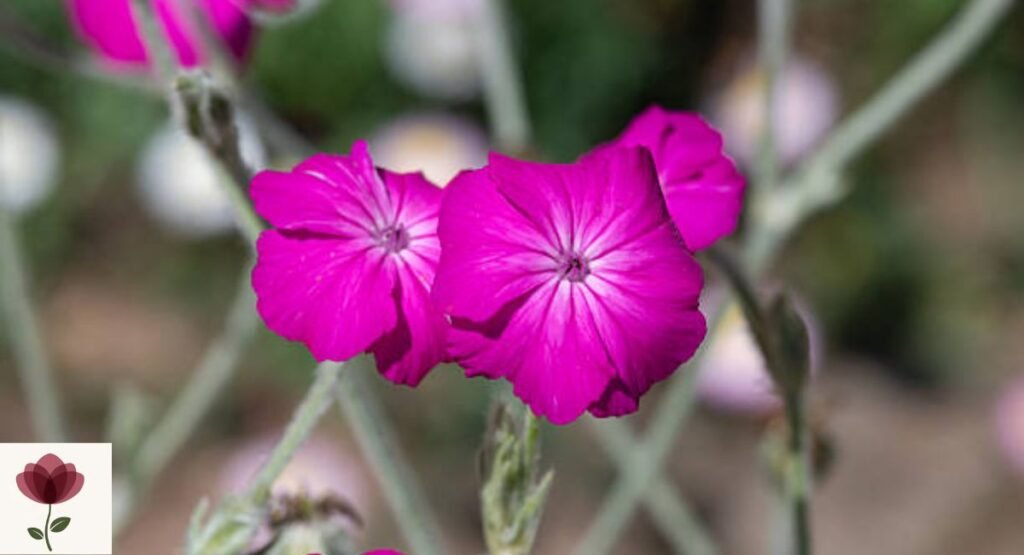
The scientific name of Rose Campion is Silene coronaria. This attractive perennial has vivid magenta flowers that contrast beautifully with its silvery-gray foliage. Rose Campion works particularly well in cottage gardens, rock gardens, and sunny borders. Once established, it can tolerate relatively dry conditions and may naturally reseed in suitable locations.
Ratibida
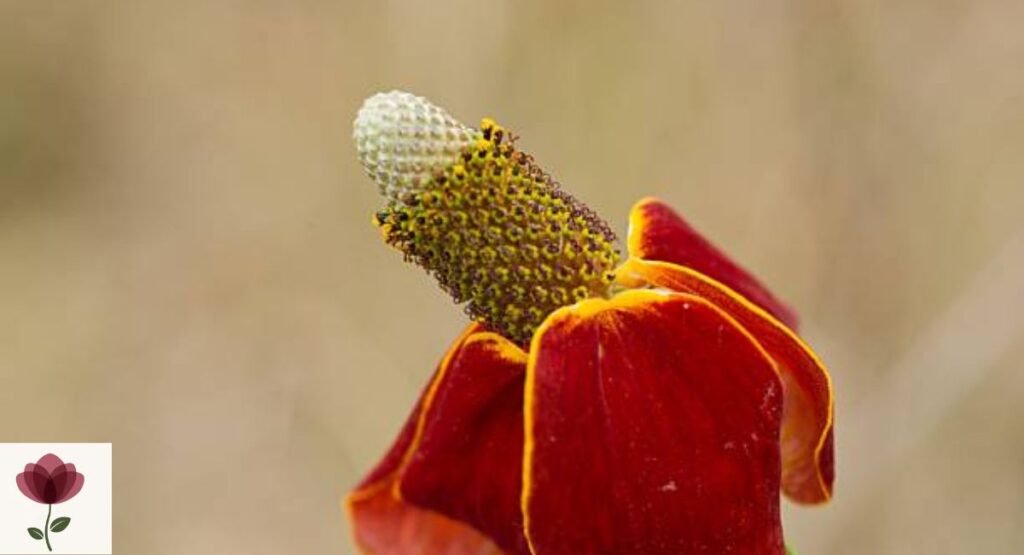
The scientific name of Ratibida is Ratibida spp. These North American wildflowers have distinctive flower heads with prominent central cones and drooping petals. Some varieties produce yellow blooms while others show reddish-brown tones. Ratibida is an excellent choice for wildflower gardens, prairie landscapes, and naturalized spaces.
Rhodora
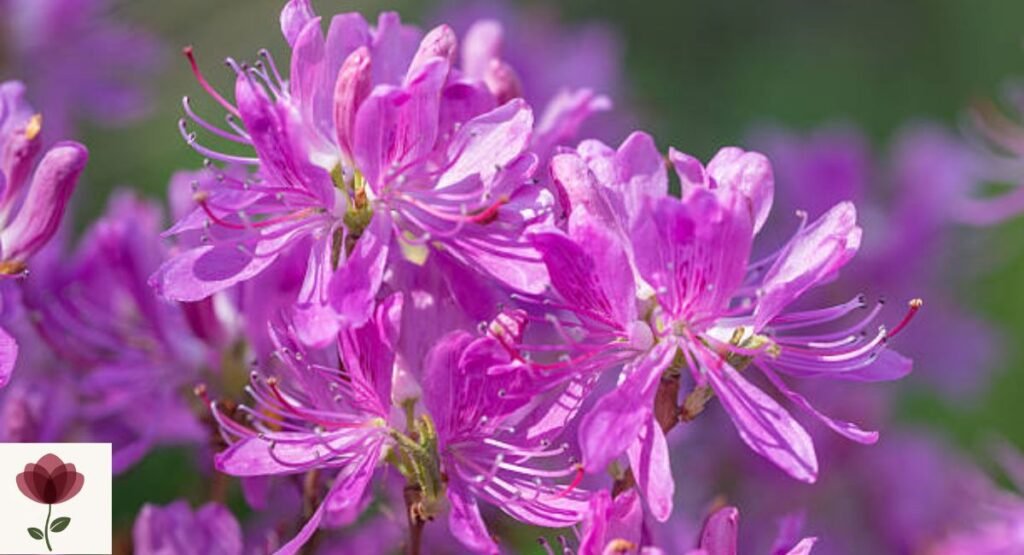
The scientific name of Rhodora is Rhododendron canadense. This deciduous native shrub produces delicate pink or lavender flowers in spring before or around the time its foliage develops. It naturally occurs in moist, cool habitats. Rhodora can be a beautiful choice for woodland gardens when its preferred soil and moisture conditions are available.
Romneya
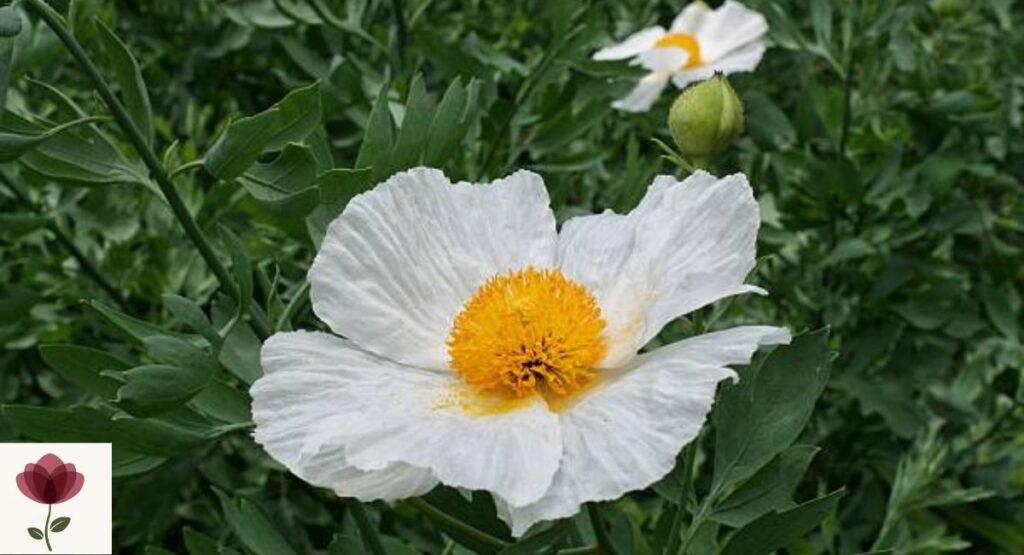
The scientific name of Romneya is Romneya coulteri. Commonly called Matilija poppy, it produces exceptionally large white flowers with bright yellow centers. The blooms can create a dramatic display in warm, dry landscapes. Romneya spreads readily when conditions suit it, so give this vigorous perennial plenty of room to develop.
Ragged Robin
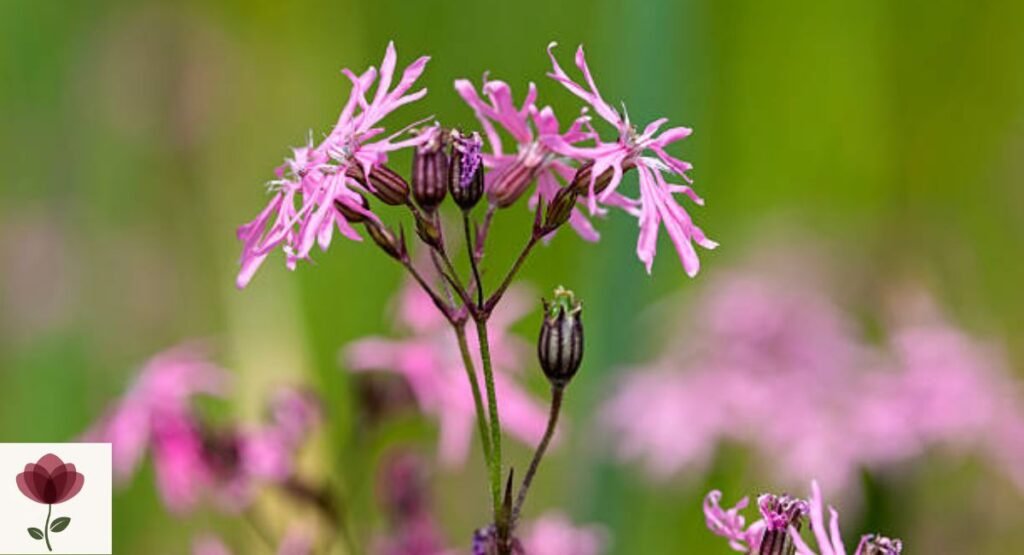
The scientific name of Ragged Robin is Silene flos-cuculi. This charming perennial has pink flowers with deeply divided petals that create a ragged or fringed appearance. It naturally favors damp meadows and moist habitats. In a garden, it can add a delicate wildflower character to rain gardens, cottage-style spaces, and naturalized planting areas.
Redbud
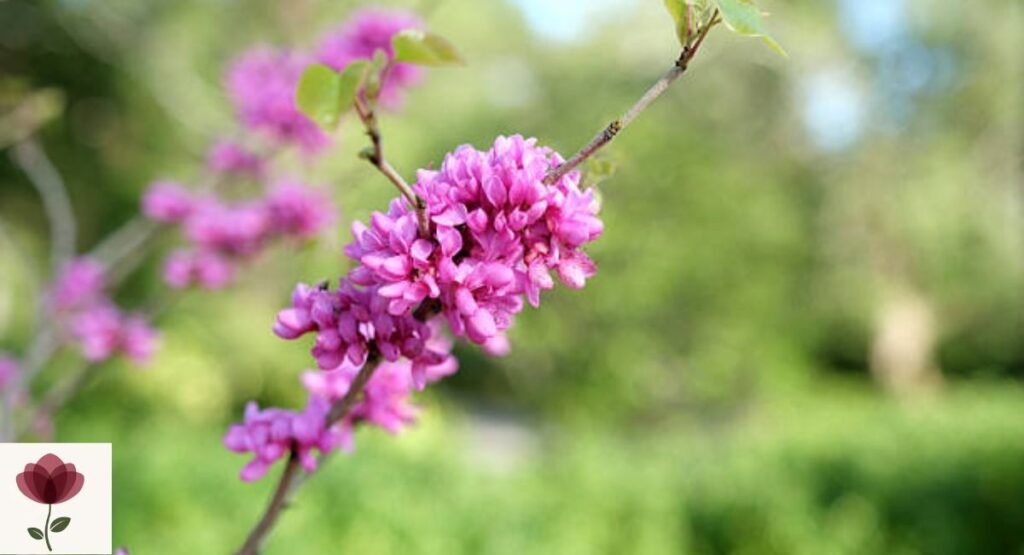
The scientific name of Redbud is Cercis spp. Redbud is a small flowering tree celebrated for clusters of pink, rose, or purple flowers that emerge along its branches in spring. It can become an attractive focal point in American landscapes. After flowering, its heart-shaped leaves provide additional ornamental interest throughout the growing season.
Types of Flowers That Start With R
Flowers that start with R don’t share one garden personality. Some look refined in formal borders, while others seem born for wild meadows. You can find wildflowers, shrubs, vines, bulbs, annuals, perennials, and even flowering trees within the same alphabetical group.
That variety helps you choose by purpose rather than alphabet alone. If your garden needs height, choose a shrub or tree. If you need bouquet stems, look toward roses or ranunculus. For wildlife spaces, native meadow plants often make better choices.
Garden Flowers and Cut Flowers
Garden and cut flowers usually combine attractive form with dependable ornamental value. Rose and Ranunculus are obvious examples. Rocket Larkspur adds vertical height, while Regal Geranium works nicely in sheltered containers.
Cut flowers need more than attractive blooms. Stem length, vase life, flowering timing, and harvesting stage all matter. A small cutting patch can therefore mix rounded rose blooms with spiky larkspur and softer filler flowers for more visual contrast.
Wildflowers and Meadow Flowers
Wildflowers bring a looser character that formal garden beds sometimes lack. Red Clover, Ratibida, Rattlesnake Master, Ragged Robin, and Rosebay Willowherb can create movement and seasonal texture.
These plants often work best when you stop trying to make every stem behave. Let the planting breathe. Meadow flowers can support bees, butterflies, and other insects while creating a softer landscape that feels closer to nature.
Flowering Shrubs and Woody Bloomers
Flowering shrubs add structure even after their petals disappear. Rhododendron, Rose of Sharon, Rhodora, Rock Rose, and Rice Flower all provide more lasting garden presence than short-lived bedding plants.
Use shrubs to frame entrances, create screens, soften foundations, or anchor mixed borders. Their size deserves careful planning, though. A small nursery plant can become surprisingly substantial after several growing seasons.
Tropical, Unusual and Rare R Flowers
This group contains some genuine botanical oddities. Rafflesia is famous for its enormous the flower, while Rhodochiton offers hanging purple-maroon blooms. Rangoon Creeper adds fragrant climbing flowers, and Romneya produces enormous white blossoms.
Not every unusual R flower belongs in a typical backyard. Some need warm climates, special habitats, or protected growing conditions. Still, they add fascinating depth to any list of rare flowers that start with R.
Colorful Flowers That Start With R
Color gives gardeners a practical way to narrow a large plant list. You might want deep red for drama, blue for a cool palette, or yellow for a cheerful summer border. Fortunately, R flowers offer a surprisingly broad color range.
Remember that flower color can vary within a species. Cultivar selection often matters more than the plant name alone. This becomes especially important with roses, rhododendrons, ranunculus, and other plants bred into many color forms.
Red Flowers That Start With R
Red choices include Rose, Red Hot Poker, Red Spider Lily, Red Valerian, Red Campion, Royal Catchfly, and some forms of Redbud. Their shades can range from soft crimson to intense scarlet.
For a bold border, combine upright Red Hot Poker with rounded roses or lower-growing red blooms. Repeating one red shade throughout a bed can create cohesion without making the planting look monotonous.
Purple Flowers That Start With R
Purple flowers bring depth and contrast to sunny borders. Ruellia, Rhodochiton, Russian Sage, Rose Campion, Rocket Larkspur, and some Rhododendron cultivars offer purple, violet, lavender, or magenta tones.
Russian Sage is especially useful when you want a hazy, airy effect. Its lavender-blue flower spikes soften hard garden edges. Rocket Larkspur creates a more vertical statement and works beautifully in cottage-style planting.
Blue Flowers That Start With R
True blue flowers are less common among R plants, yet Rocket Larkspur can offer blue blooms. Russian Sage also creates a blue-lavender appearance that works well in cool color schemes.
When shopping for blue flowers that start with R, check the cultivar description carefully. Garden labels sometimes use “blue” for shades that lean strongly toward lavender or violet. Seeing the actual cultivar photo can prevent surprises.
Pink, White and Yellow R Flowers
Pink R flowers include Rose, Rhodora, Red Valerian, Rose Mallow, and Ragged Robin. White choices include Romneya, Rock Soapwort, Rice Flower, and Rue Anemone. Yellow options include Rudbeckia, Redbud companions, Reseda, and Rockfoil.
These lighter colors work well when you want a softer garden. White blooms can brighten shady spaces, while yellow flowers catch attention from a distance. Pink often acts as the bridge between stronger red and purple planting schemes.
Annual, Perennial & Spring Flowers That Start With R
Plant lifespan can completely change how you plan a garden. Perennial flowers return for multiple seasons, while annuals provide faster seasonal color. Some tender plants fall somewhere between these categories because gardeners treat them differently depending on climate.
Your local weather matters enormously. A plant that survives outdoors year after year in Texas may need winter protection in Michigan. Therefore, always consider USDA zones alongside the plant’s natural growth habit.
Annual Flowers That Start With R
Rocket Larkspur is one of the clearest annual choices in this group. Reseda can also be grown as a seasonal flower, while some tender R plants become annuals in colder areas.
Annual flowers are useful when you want quick color without long-term commitment. They can fill gaps while slower perennials establish. In a small garden, that flexibility can be worth its weight in gold.
Perennial Flowers That Start With R
Rudbeckia, Red Hot Poker, Rain Lily, Red Valerian, Rose Mallow, Russian Sage, Red Cranesbill, and several other R flowers can provide recurring seasonal interest.
Perennials generally reward thoughtful placement. Give them enough space for mature growth, match them with suitable soil, and avoid treating every plant as though it needs the same watering schedule. Good placement often prevents more problems than extra maintenance.
Spring Flowers That Start With R
Spring brings some of the most elegant flowers that start with R blooms. Ranunculus produces layered flowers, while Rhododendron and Rhodora brighten shrubs and woodland edges. Redbud can transform an entire tree canopy with spring color.
Rue Anemone and Rockfoil offer smaller-scale beauty. These plants work especially well when layered together, allowing low flowers to appear beneath shrubs or taller spring structures.
Long-Blooming R Flowers
Long-blooming plants help prevent the garden from becoming a one-week wonder. Rose can flower from late spring into fall, while Rudbeckia, Red Valerian, and Russian Sage can provide extended seasonal interest.
Deadheading can encourage some plants to continue flowering, although not every species needs it. Avoid cutting blindly. Some plants benefit from retained seed heads for winter texture and wildlife.
Wild Flowers That Starts with R
Wild flowers beginning with R offer a different kind of beauty. Red Clover, Ratibida, Rattlesnake Master, Ragged Robin, Rosebay Willowherb, Rosinweed, and Rue Anemone can bring natural texture to landscapes.
Many work best in meadow gardens, native borders, woodland edges, or naturalized spaces. They don’t always need the same grooming as formal ornamentals. In fact, excessive tidying can remove seed sources and reduce wildlife value.
Flowers That Start With the Letter R in America
American gardeners face dramatically different growing conditions. A perennial that thrives in coastal Oregon may behave differently in Arizona. That’s why USDA hardiness zones should guide plant selection alongside sunlight, rainfall, soil, and winter exposure.
Native flowers that start with R are especially useful for regional gardens. Rudbeckia, Redbud, Ratibida, Red Clover, and Rattlesnake Master can fit various North American landscapes. Always check your local extension guidance before planting unfamiliar species, particularly aggressive or invasive plants.
| U.S. Region | Useful R Choices | Main Consideration |
| Northeast | Rhodora, Rudbeckia, Redbud | Cold winters |
| Southeast | Rose, Ruellia, Rose Mallow | Heat and humidity |
| Midwest | Rudbeckia, Ratibida, Red Clover | Seasonal swings |
| Southwest | Rock Rose, Russian Sage | Heat and drought |
| West Coast | Rose, Romneya, Rock Rose | Mild climates |
R Flowers by Garden, Habitat & Growing Conditions
A beautiful flower isn’t automatically a good garden choice. The real question is whether it matches your soil, sunlight, moisture, temperature, and available space.
Before buying seeds or plants, inspect the planting site. Watch how sunlight moves across it during the day. Check drainage after rain. Then choose an R flower that naturally fits those conditions instead of forcing the wrong plant into the wrong place.
Full-Sun R Flowers
Full-sun choices include Rose, Rudbeckia, Red Hot Poker, Russian Sage, Rock Rose, Ratibida, and Red Valerian. These plants generally perform best where they receive several hours of direct sunlight.
Good drainage becomes especially important for drought-tolerant flowers. Hot weather combined with constantly wet roots can cause trouble. A sunny site with suitable soil often produces stronger stems, richer flowering, and fewer disease problems.
Shade-Loving R Flowers
Rhododendron and Rue Anemone are useful choices when bright afternoon sunlight becomes too harsh. Rhodora can also suit cooler, moist woodland-style conditions.
Shade doesn’t always mean darkness. Many flowering plants prefer filtered light beneath trees or morning sun followed by afternoon shade. Before planting, identify whether your location has full shade, partial shade, or dappled light.
Drought-Tolerant R Flowers
Rock Rose, Russian Sage, Red Valerian, Rose Campion, and several prairie plants can handle drier conditions once established. Their natural adaptations make them useful for water-conscious landscapes.
However, drought tolerance doesn’t mean zero water. Newly planted flowers need regular moisture while roots develop. Once established, many drought-tolerant varieties can survive longer dry periods with less supplemental irrigation.
Water and Pond Flowers
True aquatic flowers are uncommon among R names. Instead, choose plants that tolerate moist soil, pond margins, or rain-garden conditions. Rose Mallow is particularly useful because it enjoys moisture and produces large summer flowers.
Ragged Robin can suit damp meadow settings, while Rain Lily can handle watered areas without becoming a true pond plant. Keep water-loving plants near suitable moisture rather than placing dry-site species beside constantly wet roots.
Container and Small-Space Flowers
Containers make gardening possible even when you have a balcony, patio, or tiny yard. Rain Lily, Ruellia, Regal Geranium, Russelia, Rocktrumpet, and Rhodochiton can all suit container-style growing.
Use pots with drainage holes and choose a container large enough for mature roots. Containers also offer another advantage. You can move tender plants into sheltered areas when winter arrives.
Indoor or Protected-Space Flowers
Most R flowers prefer outdoor conditions, yet some tender varieties benefit from protection. Regal Geranium, Rhodochiton, Rocktrumpet, and Russelia can work in sheltered patios, warm conservatories, or protected growing spaces.
Protected cultivation is particularly useful in colder USDA zones. However, indoor light can be much weaker than outdoor sunlight. A bright window may help, while supplemental grow lighting can support plants during darker winter months.
Best R Flowers for Bouquets, Pollinators & Fragrance
Different flowers solve different gardening problems. A florist needs strong stems and attractive shapes. A pollinator garden needs accessible nectar and pollen. A fragrance garden needs scent that works at the right height and distance.
Fortunately, R flowers cover all three roles. Rose and Ranunculus excel in arrangements, Rudbeckia supports pollinators, and Rose, Reseda, and Rangoon Creeper bring fragrance into suitable gardens.
Best R Flowers for Bouquets and Cut Flowers
Rose and Ranunculus are standout cut flowers because of their attractive shapes and wide color ranges. Rocket Larkspur adds height, while Rudbeckia creates a more relaxed field-like texture.
Harvest timing matters. Cut stems when flowers have reached the right opening stage rather than waiting until every petal is fully open. Clean cutting tools and fresh water can also help extend vase life.
Pollinator-Friendly R Flowers
Rudbeckia, Red Clover, Ratibida, Rattlesnake Master, and Red Valerian can support bees and other pollinators. Their blooms add movement and activity to sunny gardens.
For better results, avoid creating a garden with only one flowering period. Combine plants that bloom in spring, summer, and fall. This creates a more continuous food source rather than a short-lived floral buffet.
Fragrant Flowers That Start With R
Rose remains the classic fragrance choice among R flowers. Reseda offers a more delicate scent, while Rangoon Creeper can bring a stronger tropical fragrance in warm climates.
Not every rose smells equally strong. Modern breeding often prioritizes color, disease resistance, or vase form. If scent matters most to you, check cultivar descriptions and choose specifically bred fragrant varieties.
Beginner-Friendly R Flowers
Rain Lily, Rudbeckia, Red Valerian, Rock Soapwort, and Ratibida are approachable choices for newer gardeners. Their requirements are generally easier to understand than those of unusual tropical plants.
Start small. One sunny border with a few compatible plants can teach you more than twenty different species planted randomly. Keep notes about watering, flowering, pests, and weather so next season becomes easier.
Best R Flowers for Bold Garden Impact
Red Hot Poker creates tall, torch-like spikes, while Rhododendron produces large clusters. Rose Mallow offers huge summer flowers, and Romneya can produce remarkably large white blooms.
Use bold plants as focal points rather than scattering them everywhere. A dramatic flower becomes more noticeable when smaller companion plants frame it. Think of the focal plant as the garden’s exclamation mark.
Rare Flowers That start with R
Some R flowers are familiar worldwide. Others feel like botanical secrets. Rafflesia is perhaps the most famous unusual example because of its extraordinary flower size and parasitic lifestyle.
Other uncommon choices include Rhodochiton, Romulea, Romneya, Rondeletia, and Rangoon Creeper. These plants can add novelty to collections, but rarity doesn’t automatically mean garden suitability. Climate and growing requirements still come first.
Rare and Unusual Flowers That Start With R
Rafflesia stands out because its bloom can become enormous and its biology differs sharply from ordinary garden flowers. Rhodochiton offers dangling purple-maroon blooms, while Romneya resembles a giant white poppy.
These plants are excellent conversation starters. However, some belong more naturally in botanical collections than backyard beds. Learn about habitat and cultivation requirements before treating an unusual species like a standard perennial.
Flowers names with R for Girls
Some Flower name also work beautifully as names for girls. Rose is the clearest example, while Rosemarry connects a personal name with a fragrant flowering herb.
You can also explore broader botanical naming ideas rather than limiting yourself to exact flower names. Botanical girl names often borrow inspiration from plants, colors, nature, and traditional floral associations.
Meaning and Symbolism of R Flowers
Rose carries some of the strongest symbolism in the entire flower world. Depending on color and tradition, it can represent love, admiration, friendship, remembrance, or devotion.
Ranunculus often connects with charm and attraction, while Red Clover can carry associations with luck or abundance. Meanings aren’t universal, though. Culture, history, flower color, and personal interpretation can change the message.
Beautiful R Flowers With Special Meanings
Flowers can add emotional meaning to a garden, bouquet, or gift. A red rose can communicate romantic love, while lighter rose colors may suggest friendship or admiration.
For personal arrangements, consider both color and symbolism. A flower should look beautiful, but its meaning can make the final choice feel more intentional.
Flower Names for Girls That starts with R
Flower-inspired names have a timeless quality because they connect people with nature. Rose remains the strongest direct floral name, while Rosemary combines a familiar personal name with a fragrant plant.
If you’re searching for flower names that start with R for girls, consider whether you want a literal flower name or a broader botanical connection. That small distinction can dramatically expand your options without making the list misleading.
| Name | Floral Connection | Style |
| Rose | Rose flower | Classic |
| Rosemary | Flowering herb | Traditional |
| Rosalie | Rose-associated name | Romantic |
| Rosalind | Rose-associated naming tradition | Elegant |
| Rosie | Rose nickname | Friendly |
How to Choose the Right Flower That Starts With R
The best flowers that start with R isn’t necessarily the prettiest one. It’s the one that fits your garden. Consider sunlight, soil, moisture, mature size, bloom time, climate, and maintenance before making a choice.
A useful approach is to start with the site rather than the plant. Once you understand your conditions, narrow the list by color and purpose. That simple switch can save time, money, and frustration.
Choose by Climate and USDA Growing Zone
USDA hardiness zones help predict whether perennial plants can survive winter temperatures. They don’t tell the whole story, though. Heat, humidity, rainfall, soil drainage, and wind can also affect performance.
Check the recommended zone range before buying. If a plant sits outside your climate range, container growing or winter protection may provide a workable alternative.
Choose by Bloom Time and Garden Space
Small yards benefit from compact flowers, containers, and carefully placed shrubs. Larger gardens can accommodate flowering trees, vines, and spreading perennials.
Bloom time matters just as much. Combine early spring flowers with summer and fall bloomers if you want color across several months. This approach keeps the garden changing rather than fading after one major flush.
Choose by Flower Color and Purpose
Choose red or orange blooms when you want energy and visual warmth. Purple and blue-lavender flowers can create a cooler mood. White flowers work well as visual separators between stronger colors.
Then consider purpose. A bouquet garden needs different plants from a wildlife meadow. Likewise, a fragrant patio needs different choices from a dry roadside border.
Choose by Maintenance Level
Low-maintenance flowers can save considerable time. Look for plants that naturally suit your soil and climate rather than trying to force demanding varieties into unsuitable conditions.
Maintenance includes watering, pruning, deadheading, feeding, pest control, and winter protection. A well-matched plant often needs less intervention. That’s the secret many beginners discover after their first difficult season.
Plants vs. Flowers That Start With R
Alphabetical lists often mix strict flower names with broader flowering plants. That happens because everyday language focuses on the visible bloom rather than botanical classification.
For readers, clear labeling is more useful than rigid terminology. Knowing that Rhododendron is a shrub or Redbud is a tree helps you understand how each plant behaves in the landscape.
Why Some R Lists Include Shrubs and Plants
Common names are built for everyday use. A gardener may say “Rhododendron flower” when discussing its colorful spring blooms, even though the plant itself is a woody shrub.
The same principle applies to flowering vines, herbs, and trees. Including them makes alphabetical guides more useful as long as their plant type is clearly identified.
Rhododendron, Rose of Sharon and Similar Examples
Rhododendron and Rose of Sharon are flowering shrubs. Redbud is a flowering tree. Russian Sage functions as a perennial or subshrub depending on how it’s classified.
These examples show why a good R flower guide should provide context. A name alone tells you very little about mature size, habitat, or care. Classification fills in the missing picture.
Conclusion
The world of flowers that start with R reaches far beyond the familiar rose. You’ll find elegant Ranunculus, sunny Rudbeckia, dramatic Red Hot Poker, unusual Rafflesia, native wildflowers, flowering shrubs, climbing vines, and many other fascinating choices.
Your best selection depends on more than color. Think about USDA zone, sunlight, soil, moisture, bloom season, mature size, fragrance, and garden purpose. Once those pieces line up, choosing an R flower becomes much easier.
FAQs
What are the most common flowers that start with R?
Rose, Ranunculus, Rhododendron, Rudbeckia, Rain Lily, and Red Valerian are among the most recognizable R flowers.
What are some rare flowers that start with R?
Rafflesia, Rhodochiton, Romulea, Romneya, and Rondeletia are unusual choices that can make an R flower list more interesting.
Are there purple and blue flowers that start with R?
Yes. Ruellia, Rocket Larkspur, Russian Sage, Rhodochiton, and some Rhododendron varieties offer purple, violet, lavender, or blue-lavender flowers.
Which R flowers are best for American gardens?
The best choice depends on your region and USDA hardiness zone. Rudbeckia, Rose, Redbud, Russian Sage, and Rose Mallow suit different American growing conditions.
Which flowers that start with R are good for pollinators?
Rudbeckia, Red Clover, Ratibida, Rattlesnake Master, and Red Valerian can provide valuable floral resources for bees and other pollinators.

Welcome to PetalNexa! I’m Anam Sattar, an AI-powered SEO Specialist and Content Writer with over 4 years of experience in creating high-quality, search-optimized content. I help businesses improve their search engine rankings, increase organic traffic, and build beautiful, user-friendly websites. My mission is to make SEO, content creation, and web design simple, effective, and accessible for everyone. Let’s grow your online presence and achieve success together!