

Have you ever wondered how many Flowers That Start With Q actually exist? Although flowers beginning with the letter Q are quite rare, they include some of the most unique and eye-catching blooms found around the world. From delicate wildflowers and elegant tropical vines to colorful orchids and unusual cacti, these plants offer something special for every gardener.
In this guide, you’ll discover 40 carefully selected Q flower names, along with their colors, growing tips, bloom seasons, and garden uses. Whether you’re looking for white flowers that start with Q, spring flowers that start with Q, or different types of Q flowers, this complete guide will help you choose the perfect blooms for your garden with confidence.
Complete List of 40 Flowers That Start With Q
The table below brings together 40 Flowers That Start With Q in one convenient place. It compares each flower’s scientific name, plant type, color, bloom season, USDA hardiness zone, and sunlight needs. Whether you’re planning a new landscape or simply exploring flower names starting with Q, this quick reference makes comparing different plants simple and enjoyable.
| No. | Flower Name | Scientific Name | Plant Type | Flower Color | Bloom Season | USDA Zones | Sun Needs |
| 1 | Queen Anne’s Lace | Daucus carota | Biennial Wildflower | White | Summer–Fall | 3–9 | Full Sun |
| 2 | Queen’s Tears | Billbergia nutans | Bromeliad | Pink, Green | Winter–Spring | 10–11 | Partial Sun |
| 3 | Queen of the Night | Epiphyllum oxypetalum | Cactus | White | Summer | 10–11 | Bright Indirect Light |
| 4 | Quamash | Camassia quamash | Bulb Perennial | Blue | Spring | 4–8 | Full Sun |
| 5 | Quamoclit | Ipomoea quamoclit | Annual Vine | Red | Summer–Fall | 9–11 | Full Sun |
| 6 | Queen’s Wreath | Petrea volubilis | Flowering Vine | Purple | Spring–Summer | 10–11 | Full Sun |
| 7 | Quince Blossoms | Chaenomeles speciosa | Flowering Shrub | Pink, Red | Late Winter–Spring | 5–9 | Full Sun |
| 8 | Quaker Ladies | Houstonia caerulea | Wildflower | Pale Blue | Spring | 3–8 | Full Sun to Partial Shade |
| 9 | Queen’s Cup | Clintonia uniflora | Woodland Perennial | White | Late Spring | 4–8 | Partial to Full Shade |
| 10 | Queen of the Prairie | Filipendula rubra | Perennial | Pink | Summer | 3–8 | Full Sun |
| 11 | Queen of the Meadow | Filipendula ulmaria | Perennial | Creamy White | Summer | 3–8 | Full Sun to Partial Shade |
| 12 | Queen Lily Ginger | Curcuma petiolata | Tropical Perennial | Pink | Summer | 8–11 | Partial Shade |
| 13 | Queen’s Crape Myrtle | Lagerstroemia speciosa | Flowering Tree | Pink, Purple | Summer | 9–11 | Full Sun |
| 14 | Queen Fabiola | Triteleia laxa | Bulb Perennial | Violet Blue | Late Spring | 6–10 | Full Sun |
| 15 | Queen Red Lime Zinnia | Zinnia elegans | Annual | Rose, Lime | Summer–Fall | 2–11 | Full Sun |
| 16 | Queen’s Crown | Dicliptera suberecta | Perennial | Orange-Red | Summer–Fall | 8–11 | Full Sun |
| 17 | Qantuta | Cantua buxifolia | Flowering Shrub | Red, Pink | Spring–Summer | 9–11 | Full Sun |
| 18 | Quesnelia | Quesnelia spp. | Bromeliad | Red, Blue | Spring–Summer | 10–11 | Bright Indirect Light |
| 19 | Quisqualis | Combretum indicum | Climbing Vine | White, Pink, Red | Summer | 9–11 | Full Sun |
| 20 | Queen of Sheba Orchid | Thelymitra variegata | Orchid | Purple | Spring | 9–10 | Full Sun |
| 21 | Queen Palm Flower | Syagrus romanzoffiana | Palm | Cream | Summer | 9–11 | Full Sun |
| 22 | Queen Protea | Protea magnifica | Shrub | Pink | Spring | 9–11 | Full Sun |
| 23 | Queensland Umbrella Tree Flower | Heptapleurum actinophyllum | Flowering Tree | Red | Summer | 10–11 | Full Sun |
| 24 | Queen Emma Lily | Crinum augustum | Bulb Plant | Pink | Summer | 8–11 | Full Sun |
| 25 | Queen Victoria Agave Flower | Agave victoriae-reginae | Succulent | Cream | Summer | 8–11 | Full Sun |
| 26 | Quill Flower | Syngonanthus chrysanthus | Perennial | White | Summer | 8–11 | Full Sun |
| 27 | Queensland Bottle Tree Flower | Brachychiton rupestris | Flowering Tree | Cream | Spring | 9–11 | Full Sun |
| 28 | Queensland Firewheel Tree Flower | Stenocarpus sinuatus | Evergreen Tree | Red | Spring–Summer | 10–11 | Full Sun |
| 29 | Queen’s Delight Flower | Stillingia sylvatica | Wildflower | White | Spring | 7–10 | Full Sun |
| 30 | Queen’s Orchid Cactus | Epiphyllum hybrids | Cactus | White, Pink | Summer | 10–11 | Bright Indirect Light |
| 31 | Queen’s Columbine | Aquilegia cultivar | Perennial | Purple | Spring | 3–8 | Partial Shade |
| 32 | Queen’s Jasmine | Jasminum spp. | Climbing Shrub | White | Spring–Summer | 8–11 | Full Sun |
| 33 | Queen’s Snapdragon | Antirrhinum majus cultivar | Annual | Pink | Spring–Summer | 7–10 | Full Sun |
| 34 | Queen’s Euphorbia | Euphorbia cultivar | Perennial | Cream | Spring | 5–9 | Full Sun |
| 35 | Queen’s Hibiscus | Hibiscus rosa-sinensis cultivar | Shrub | Red | Summer–Fall | 9–11 | Full Sun |
| 36 | Queen’s Coral Vine | Antigonon leptopus | Vine | Pink | Summer–Fall | 9–11 | Full Sun |
| 37 | Queen’s Milkweed | Asclepias cultivar | Perennial | Orange | Summer | 4–9 | Full Sun |
| 38 | Queen’s Fuchsia | Fuchsia cultivar | Shrub | Pink, Purple | Summer | 8–10 | Partial Shade |
| 39 | Queen’s Bellflower | Campanula cultivar | Perennial | Blue | Summer | 3–8 | Full Sun |
| 40 | Queen’s Desert Bloom | Baileya multiradiata | Desert Wildflower | Yellow | Spring–Summer | 6–10 | Full Sun |
40 Flowers That Start With Q Explained
1. Queen Anne’s Lace
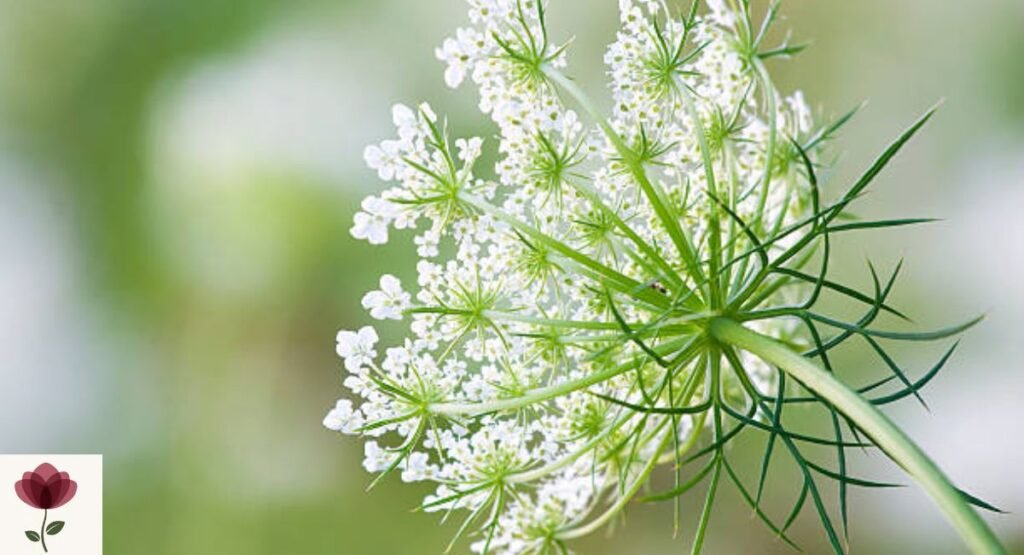
Queen Anne’s Lace is one of the most recognizable Flowers That Start With Q because of its delicate white flower clusters that look like fine lace. It blooms from summer to fall and grows best in full sun with well-drained soil. This beautiful wildflower attracts butterflies, bees, and other pollinators, making it an excellent addition to wildflower gardens and natural landscapes across the United States.
2. Queen’s Tears
Queen’s Tears is a colorful tropical bromeliad known for its graceful arching stems and unusual pink, blue, and green flowers. It blooms from winter to spring and thrives in bright indirect light with moderate watering. As one of the best indoor flowering plants, it brings long-lasting beauty to homes, patios, and shaded outdoor spaces.
3. Queen of the Night
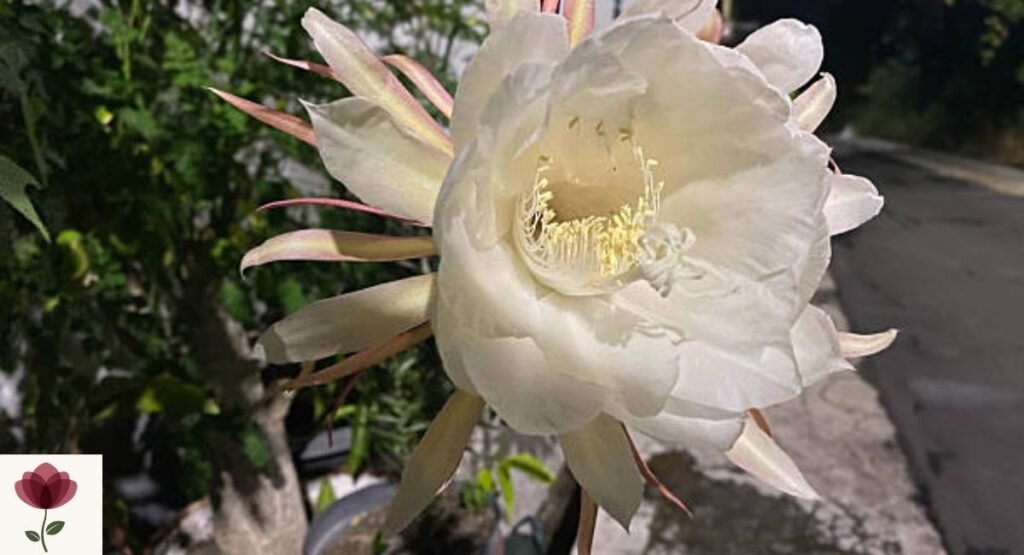
Queen of the Night is an extraordinary cactus that produces large, fragrant white flowers that bloom for only a single night each year. Its rare blooming habit makes it one of the most fascinating Q flower names. This plant prefers warm temperatures, well-drained soil, and bright filtered light for healthy growth and spectacular flowers.
4. Quamash
Quamash is a striking blue-flowered perennial that fills gardens with colorful star-shaped blooms during spring. It grows naturally in meadows and open woodlands where the soil stays slightly moist. This attractive spring flower is easy to grow, supports local pollinators, and creates a beautiful display in borders, native gardens, and cottage landscapes.
5. Quamoclit
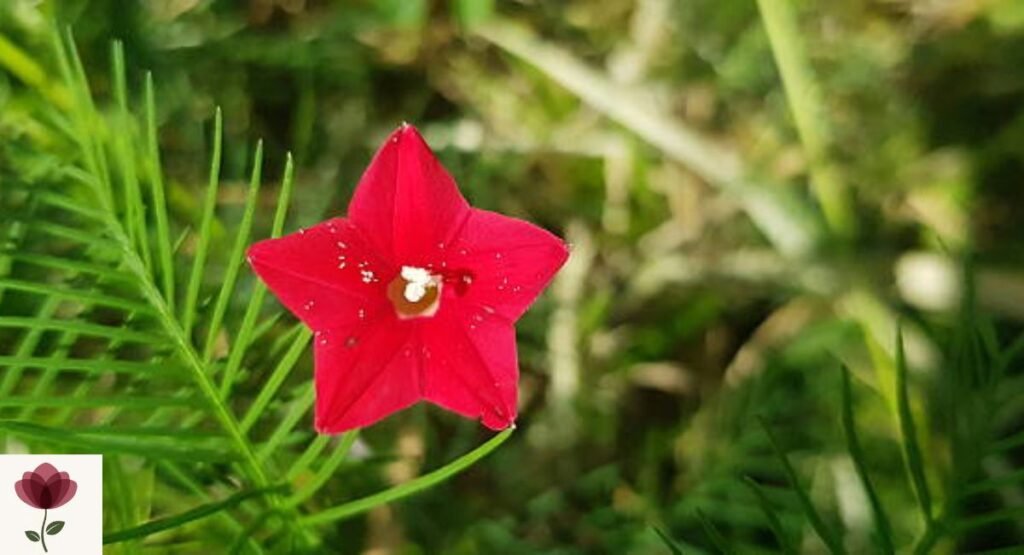
Quamoclit is a fast-growing climbing vine with soft, fern-like leaves and bright red, pink, or white flowers that bloom from summer through fall. It quickly covers fences, arches, and trellises with colorful blossoms. This beautiful flowering vine also attracts hummingbirds and butterflies, adding movement and life to any sunny garden.
6. Queen’s Wreath
Queen’s Wreath is a spectacular tropical vine covered with hanging clusters of purple flowers that bloom heavily during spring and summer. It grows best in warm climates with plenty of sunshine and fertile soil. Gardeners love its elegant appearance because it transforms pergolas, fences, and garden walls into colorful floral displays.
7. Quince Blossoms
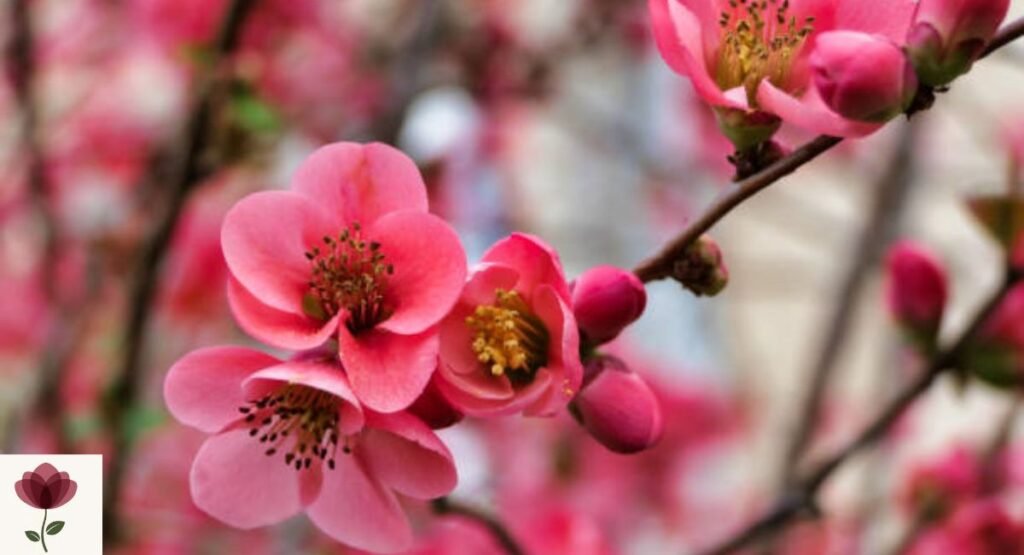
Quince Blossoms appear in early spring before the leaves emerge, covering the shrub with brilliant pink, red, or white flowers. This hardy ornamental plant grows well in sunny locations and adapts to different soil types. Its early blooms provide valuable nectar for bees while adding vibrant color to the landscape after winter.
8. Quaker Ladies
Quaker Ladies are small but charming wildflowers with delicate pale blue blossoms that spread across woodland floors and grassy meadows each spring. They grow best in cool climates with moist, slightly acidic soil and partial shade. Their soft colors create a peaceful natural setting that blends beautifully with native plants.
9. Queen’s Cup
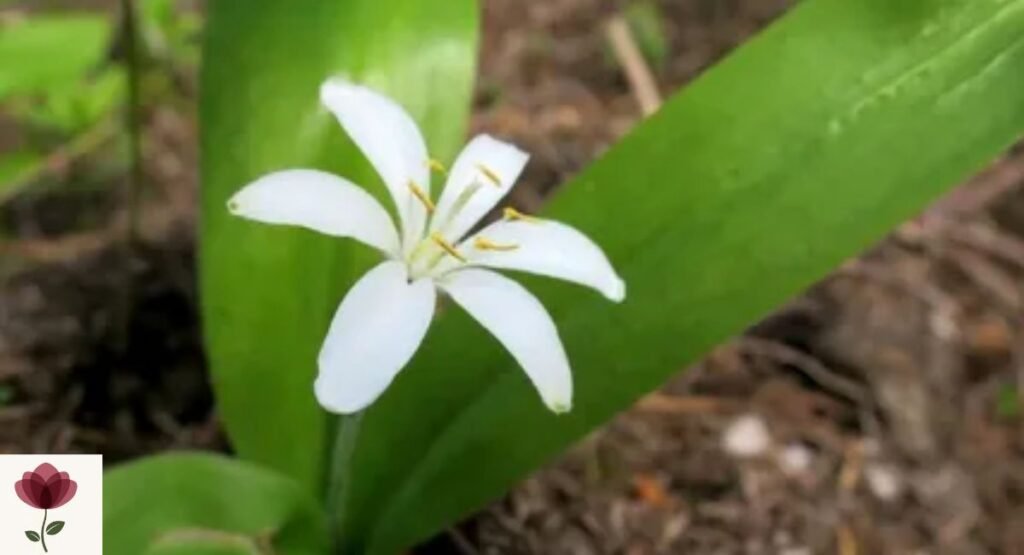
Queen’s Cup is a graceful woodland flower admired for its single white bloom and attractive blue berries that appear later in the season. It thrives in cool, shaded forests with rich organic soil and consistent moisture. This elegant perennial is perfect for woodland gardens where it adds quiet beauty without demanding much care.
10. Queen of the Prairie
Queen of the Prairie is a tall perennial that produces large, fluffy pink flower clusters throughout summer. It grows best in moist soil near ponds, rain gardens, and streams where it has plenty of space to spread. Its impressive blooms attract butterflies and bees while creating a stunning focal point in large garden landscapes.
11. Queen of the Meadow
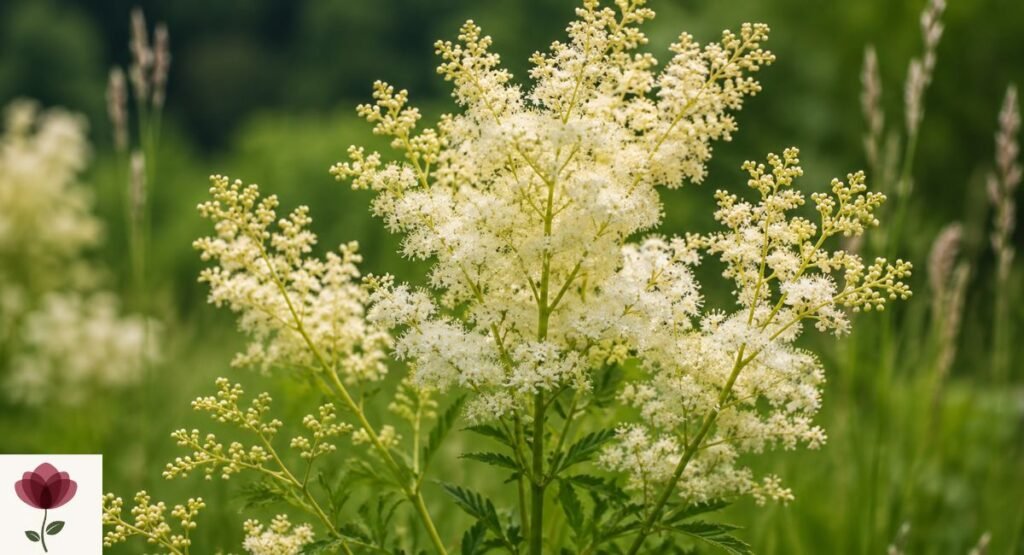
Queen of the Meadow is a graceful perennial that produces fluffy clusters of creamy white flowers during summer. It grows best in moist soil with full sun or partial shade and is often found near streams and wetlands. This attractive plant draws butterflies and bees while adding soft texture and elegance to natural gardens.
12. Queen Lily Ginger
Queen Lily Ginger is a tropical flowering plant admired for its large pink blooms and lush green foliage. It flowers throughout summer and prefers warm weather with rich, well-drained soil and partial shade. This exotic beauty creates a bold focal point in tropical landscapes and container gardens while offering long-lasting seasonal color.
13. Queen’s Crape Myrtle
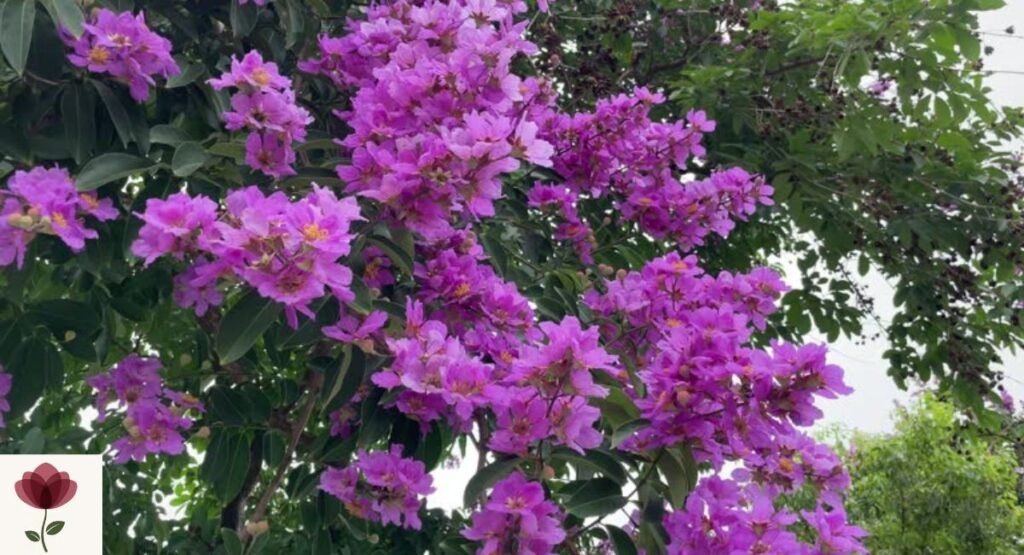
Queen’s Crape Myrtle is a beautiful flowering tree that produces impressive clusters of pink and purple blooms throughout summer. It thrives in full sun and tolerates heat remarkably well, making it popular in many southern landscapes. Its colorful flowers and attractive bark provide year-round interest in home gardens.
14. Queen Fabiola
Queen Fabiola is a charming bulb flower known for its bright violet-blue blossoms that appear in late spring. It grows well in sunny borders with fertile, well-drained soil and returns every year with minimal care. This compact perennial is perfect for rock gardens, flower beds, and colorful spring displays.
15. Queen Red Lime Zinnia
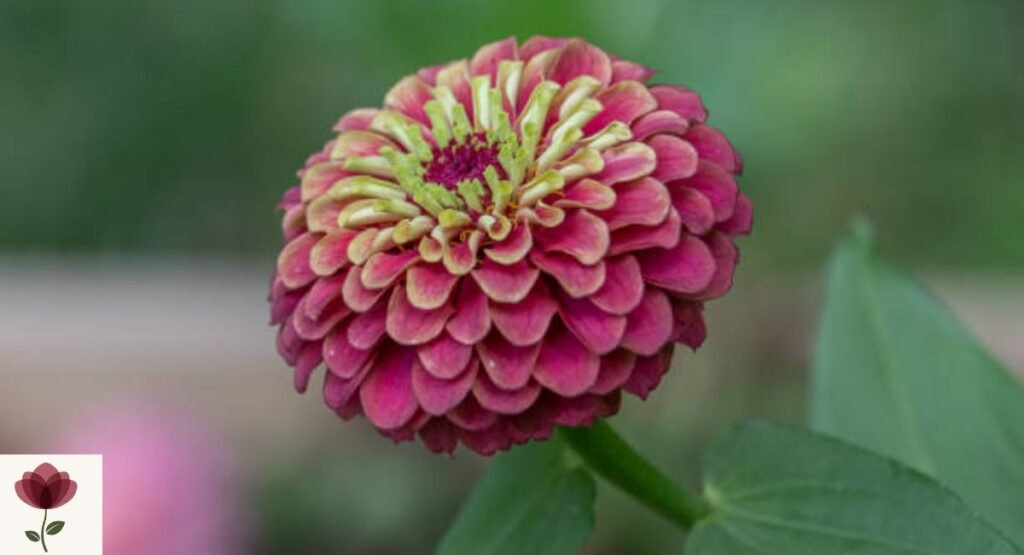
Queen Red Lime Zinnia produces unique rose-colored flowers with soft lime-green centers that stand out in any garden. It blooms continuously from summer until the first frost and loves full sunshine. This colorful annual is also an excellent cut flower that attracts butterflies throughout the growing season.
16. Queen’s Crown
Queen’s Crown is a hardy perennial that produces vibrant orange-red flowers from summer into fall. It performs best in full sun with well-drained soil and tolerates hot, dry weather once established. Gardeners appreciate this plant because it attracts hummingbirds and provides brilliant color for many months.
17. Qantuta
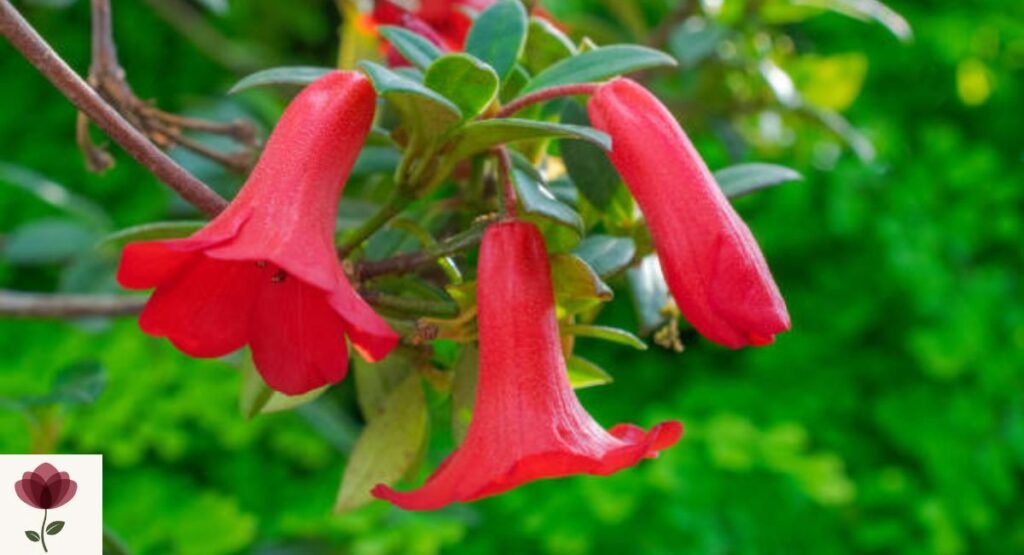
Qantuta is an eye-catching flowering shrub with elegant trumpet-shaped blooms in shades of red and pink. It enjoys sunny conditions and blooms generously from spring through summer in warm climates. Known as Peru’s national flower, it brings vibrant color and cultural significance to ornamental gardens.
18. Quesnelia
Quesnelia is an unusual bromeliad that produces striking flower spikes surrounded by colorful foliage. It grows best in bright indirect light with high humidity and moderate watering. This tropical plant is ideal for indoor displays and shaded patios where its unique appearance becomes an instant conversation starter.
19. Quisqualis
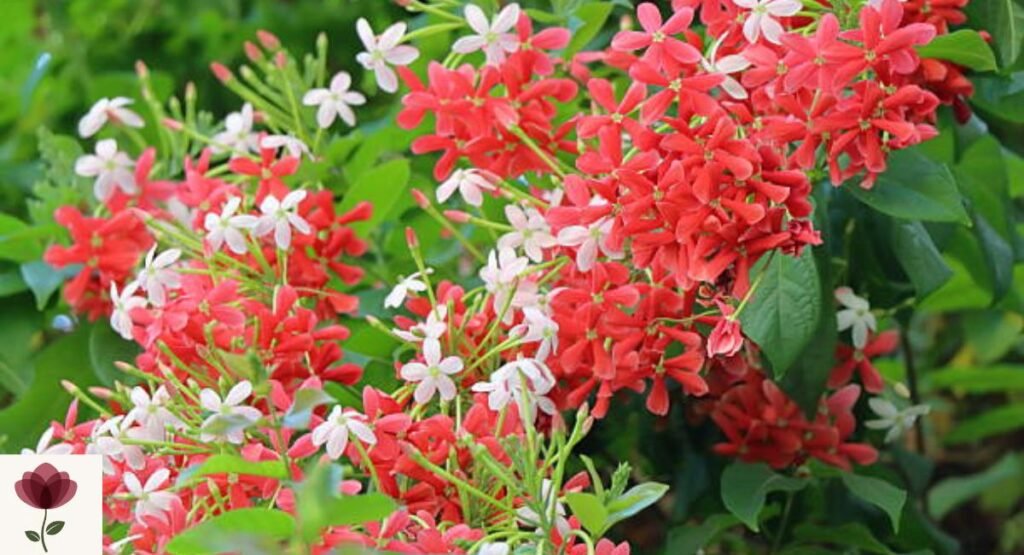
Quisqualis is a fast-growing tropical vine famous for its fragrant flowers that gradually change from white to pink and finally deep red. It blooms heavily throughout summer and prefers full sun with regular watering. This climbing plant creates spectacular floral displays while attracting butterflies and hummingbirds.
20. Queen of Sheba Orchid
Queen of Sheba Orchid is an elegant orchid admired for its rich purple blooms and graceful flower spikes. It thrives in warm climates with bright sunlight and excellent drainage during the growing season. Its striking flowers make it a prized choice for orchid collectors and gardeners who enjoy rare and exotic plants.
21. Queen Palm Flower
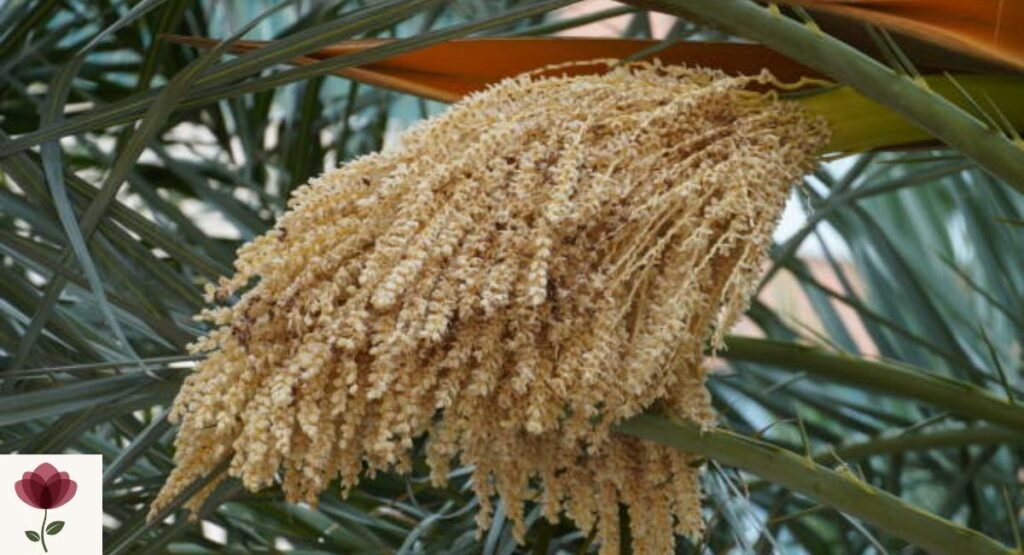
Queen Palm Flower grows in large creamy flower clusters that appear beneath the graceful fronds during summer. Although it is mainly grown for its elegant foliage, the blooms later develop into bright orange fruits. This tropical palm thrives in full sun and adds a luxurious touch to warm-climate landscapes and spacious gardens.
22. Queen Protea
Queen Protea is an extraordinary flowering shrub admired for its large pink blooms and bold appearance. It grows best in sunny locations with sandy, well-drained soil and is highly tolerant of drought once established. Its unique flowers are popular in floral arrangements because they stay fresh for an exceptionally long time.
23. Queensland Umbrella Tree Flower
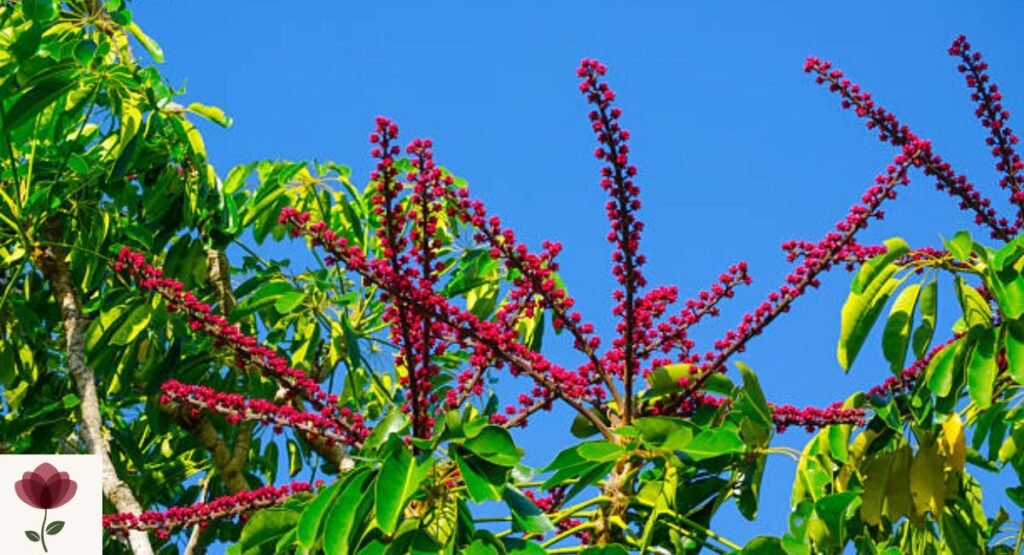
The Queensland Umbrella Tree produces spectacular clusters of bright red flowers that attract birds, bees, and butterflies throughout summer. This evergreen tree prefers warm climates and full sunlight to produce its best blooms. Its dramatic flowers create a striking tropical display and become a focal point in large landscapes.
24. Queen Emma Lily
Queen Emma Lily is a beautiful tropical bulb plant with large pink flowers that bloom during the warm summer months. It thrives in rich soil with full sun and regular watering throughout the growing season. Its lush foliage and colorful blossoms make it a favorite for tropical gardens and decorative borders.
25. Queen Victoria Agave Flower
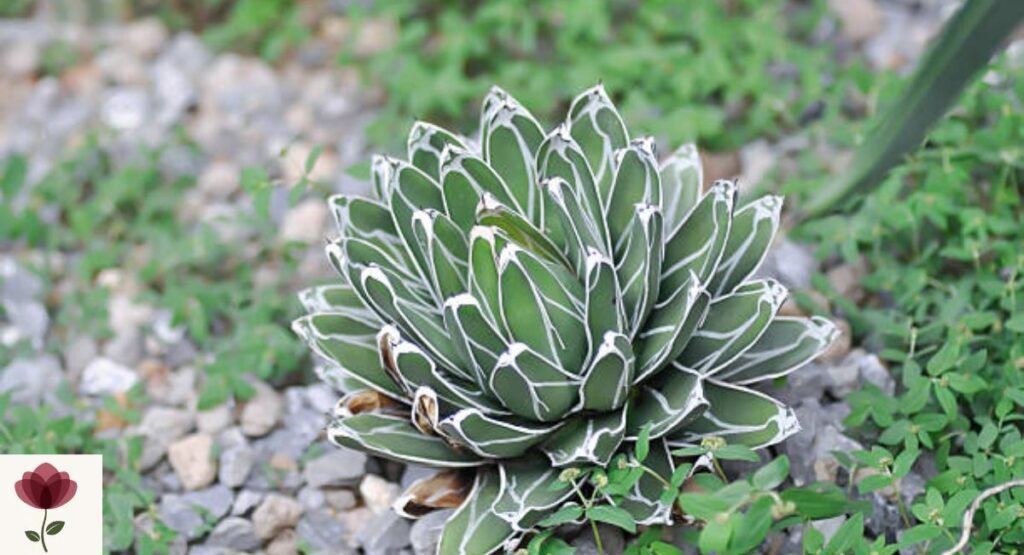
Queen Victoria Agave is a slow-growing succulent that produces a tall flowering stalk only once in its lifetime. The creamy blooms appear after many years of growth and create an unforgettable display. This drought-tolerant plant grows best in full sun and well-drained soil, making it perfect for xeriscape gardens.
26. Quill Flower
Quill Flower is a delicate perennial with small white blooms that stand above its grassy foliage during summer. It prefers moist soil and sunny conditions where it can develop healthy flower stems. Its simple beauty makes it an excellent choice for natural-style gardens and peaceful landscape designs.
27. Queensland Bottle Tree Flower
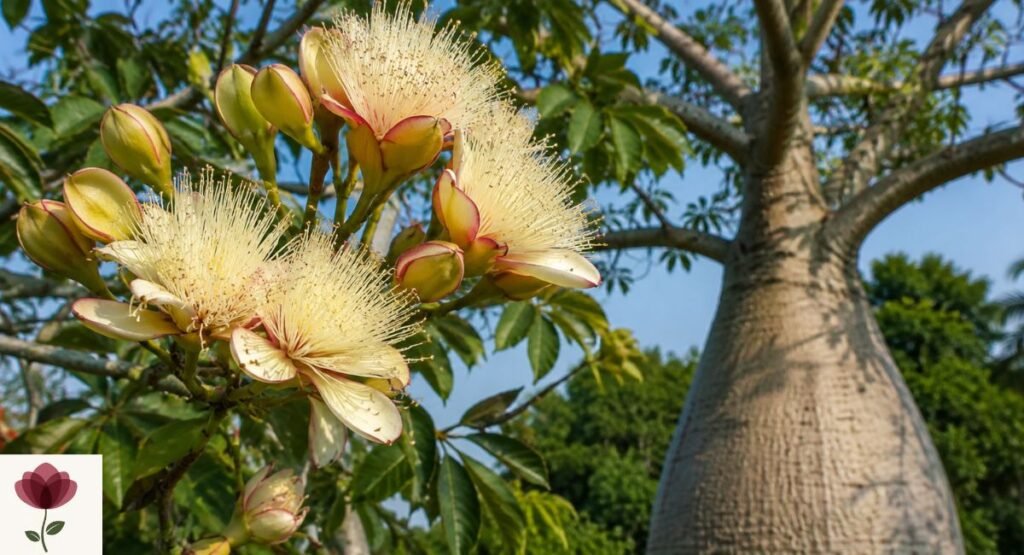
The Queensland Bottle Tree produces attractive creamy flowers in spring before developing its distinctive bottle-shaped trunk. It grows well in sunny locations and tolerates dry conditions once mature. Besides its unusual appearance, this tree adds shade, structure, and seasonal interest to large home landscapes.
28. Queensland Firewheel Tree Flower
Queensland Firewheel Tree is famous for its brilliant red flowers that bloom in spectacular clusters during spring and summer. This evergreen tree grows best in warm climates with plenty of sunshine and fertile soil. Its colorful blossoms attract birds and instantly brighten tropical gardens with dramatic visual appeal.
29. Queen’s Delight Flower
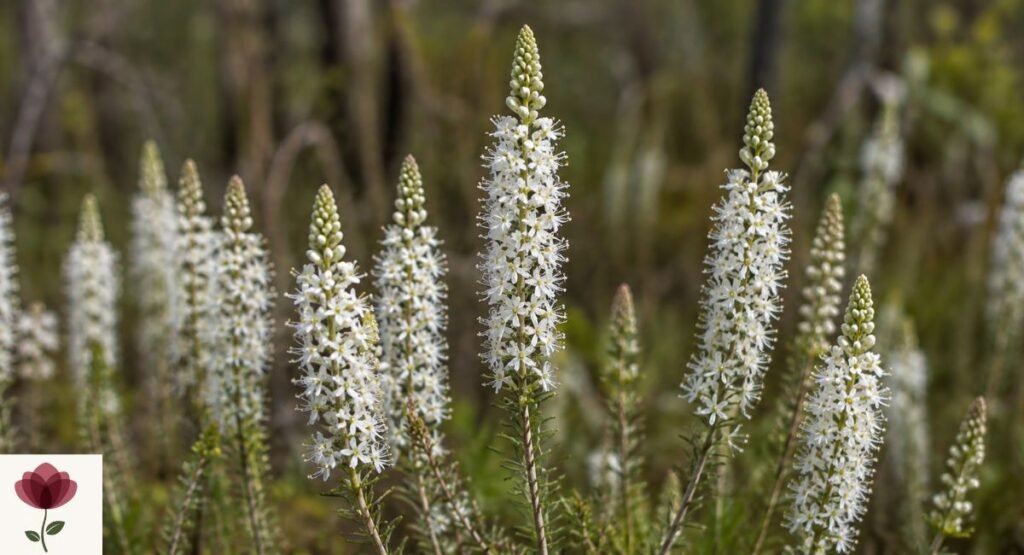
Queen’s Delight is a native wildflower that produces upright spikes of tiny white blossoms during spring. It grows naturally in dry woodlands and sandy soils where it receives full sunlight. This hardy plant is appreciated for its natural beauty and ability to thrive in low-maintenance native gardens.
30. Queen’s Orchid Cactus
Queen’s Orchid Cactus produces large, fragrant flowers in shades of white and soft pink during summer. It prefers bright indirect light, light watering, and excellent drainage to remain healthy. Its impressive blooms and graceful stems make it one of the most rewarding flowering cactus plants for indoor and outdoor collections.
31. Queen’s Columbine
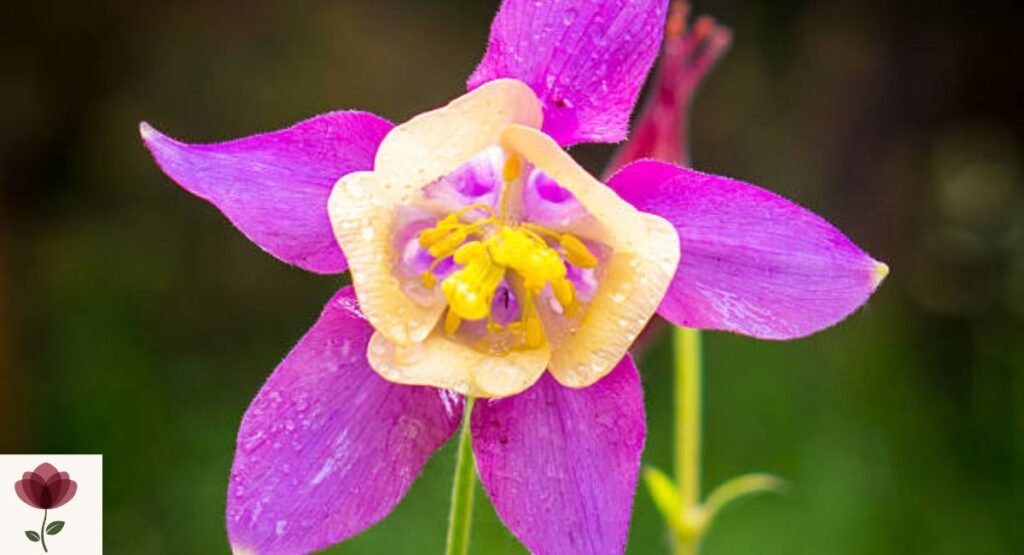
Queen’s Columbine is a graceful perennial with elegant purple flowers that bloom throughout spring. Its unique spurred petals attract hummingbirds, bees, and butterflies, making it a wonderful addition to wildlife gardens. This hardy plant grows best in partial shade with rich, well-drained soil and returns with fresh blooms every year.
32. Queen’s Jasmine
Queen’s Jasmine is a fragrant climbing shrub covered with delicate white flowers from spring through summer. It thrives in full sun and produces a sweet scent that fills patios and garden pathways. This vigorous plant is perfect for covering fences, trellises, and pergolas while adding beauty and fragrance to outdoor spaces.
33. Queen’s Snapdragon
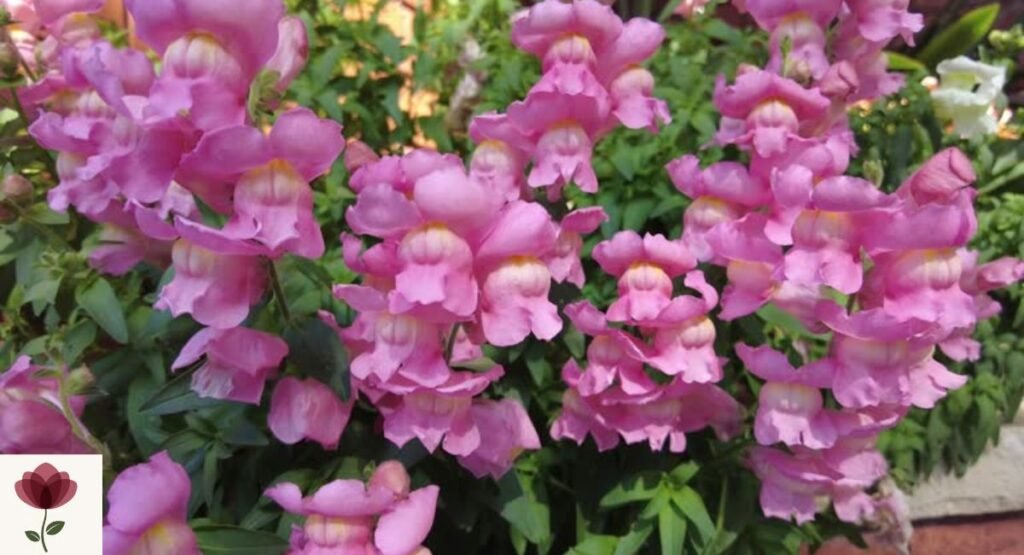
Queen’s Snapdragon is a colorful annual that produces tall spikes of bright pink flowers during spring and summer. It enjoys full sunlight and fertile, well-drained soil where it blooms continuously with regular care. Its vibrant blossoms attract bees and butterflies while making cheerful additions to flower beds and borders.
34. Queen’s Euphorbia
Queen’s Euphorbia is a compact perennial admired for its creamy flower clusters and attractive green foliage. It performs well in sunny locations with well-drained soil and requires very little maintenance after becoming established. This drought-tolerant plant is ideal for modern gardens, borders, and low-water landscapes.
35. Queen’s Hibiscus
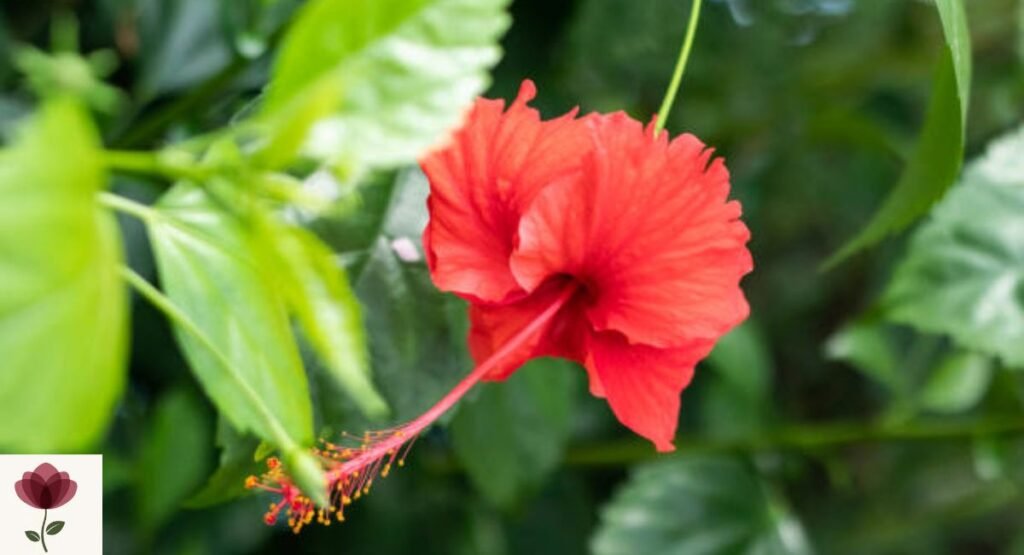
Queen’s Hibiscus produces large, eye-catching red flowers that bloom throughout the warm summer and fall months. It grows best in full sun with rich soil and consistent watering for continuous flowering. This tropical shrub creates a bold statement in gardens while attracting hummingbirds and other valuable pollinators.
36. Queen’s Coral Vine
Queen’s Coral Vine is a vigorous climbing plant covered with cascading clusters of bright pink flowers from summer until fall. It grows rapidly in sunny locations and quickly decorates fences, arches, and pergolas. Its nectar-rich blossoms attract butterflies and bees, making it both beautiful and beneficial for wildlife.
37. Queen’s Milkweed
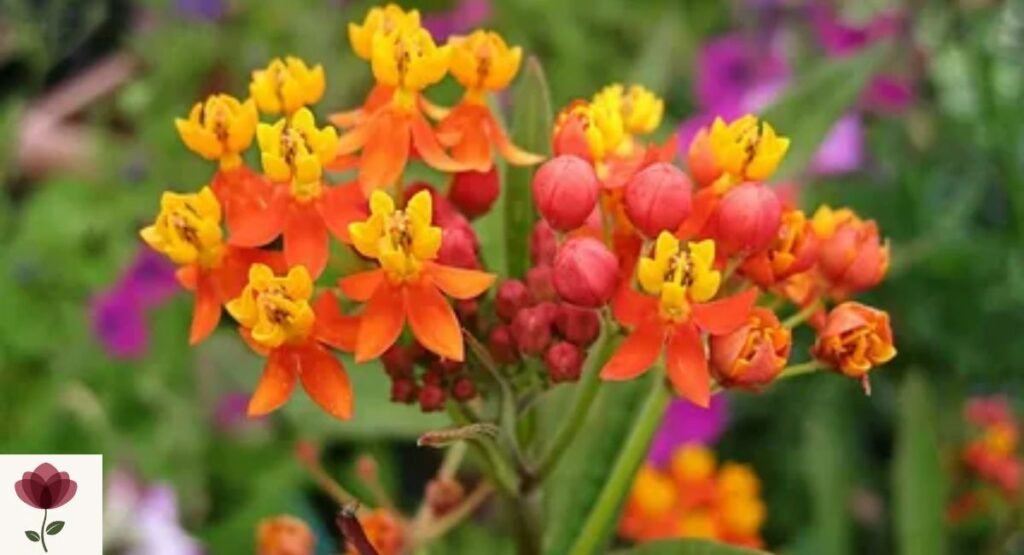
Queen’s Milkweed is a hardy perennial with brilliant orange flowers that bloom during summer in sunny gardens. It is especially valuable because it provides nectar for butterflies and serves as an important host plant for monarch caterpillars. This easy-growing flower thrives in well-drained soil and requires little maintenance.
38. Queen’s Fuchsia
Queen’s Fuchsia features elegant pink and purple hanging flowers that bloom continuously throughout summer. It grows best in partial shade with consistently moist soil and cooler temperatures. The colorful blossoms attract hummingbirds and create a beautiful display in hanging baskets, containers, and shaded patios.
39. Queen’s Bellflower
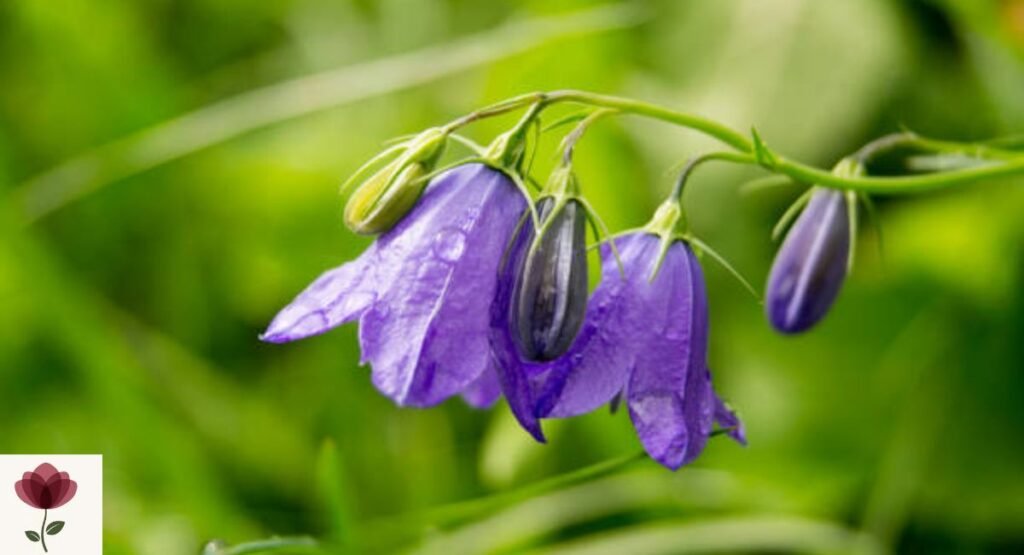
Queen’s Bellflower is a charming perennial that produces beautiful blue bell-shaped flowers during the summer season. It grows well in full sun or light shade with fertile, well-drained soil. Its long-lasting blooms attract bees and butterflies while adding soft color to cottage gardens and mixed flower borders.
40. Queen’s Desert Bloom
Queen’s Desert Bloom is a resilient wildflower with bright yellow blossoms that flourish in hot, dry climates from spring through summer. It prefers full sun and sandy, well-drained soil where many other plants struggle to survive. This drought-tolerant flower is perfect for desert gardens, rock landscapes, and water-wise planting designs.
Find Q Flowers by Their Color
Color is one of the easiest ways to choose the right flower for your garden. Some Flowers That Start With Q offer soft pastel shades, while others produce bold tropical blooms that instantly become the center of attention. Choosing flowers by color helps you create a balanced landscape that blooms beautifully from spring through fall.
Different flower colors also carry different meanings and complement various garden styles. Whether you prefer elegant white flowers, cheerful pink blooms, or vibrant red blossoms, there are several Q flower names that can match your outdoor space and personal taste.
White Q Flowers
White Q flowers bring a clean and timeless look to any landscape. Queen Anne’s Lace, Queen’s Cup, Queen of the Night, Queen’s Jasmine, Quill Flower, and Queen’s Delight are excellent choices for moon gardens, cottage gardens, and shaded borders. Their bright blooms also pair beautifully with colorful flowering plants.
Purple Q Flowers
Purple flowers add richness and elegance to flower beds and decorative borders. Queen’s Wreath, Queen Fabiola, Queen of Sheba Orchid, Queen’s Crape Myrtle, Quesnelia, and Queen’s Fuchsia produce stunning purple or lavender blooms that attract pollinators while creating a luxurious garden display throughout the growing season.
Pink Q Flowers
Pink Q flowers create a cheerful and welcoming atmosphere in every garden. Queen of the Prairie, Queen Lily Ginger, Quince Blossoms, Queen Protea, Queen Emma Lily, and Queen’s Coral Vine bloom with soft or vibrant pink flowers that brighten landscapes from spring through late summer.
Blue Q Flowers
Blue flowers are often difficult to find, making them especially valuable in garden design. Quamash, Quaker Ladies, Queen Fabiola, Queen’s Bellflower, and some Quesnelia varieties offer beautiful blue shades that blend perfectly with white, pink, and purple flowering plants.
Red Q Flowers
Red flowers create bold contrast and become instant focal points in the landscape. Quamoclit, Queen’s Hibiscus, Queensland Firewheel Tree, Queensland Umbrella Tree Flower, and Qantuta produce eye-catching red blooms that also attract hummingbirds, butterflies, and beneficial pollinators.
Yellow Q Flowers
Yellow flowers fill the garden with warmth and brightness throughout the growing season. Queen’s Desert Bloom stands out with its golden blossoms, while several ornamental cultivars add creamy yellow shades that blend beautifully with colorful flower beds and drought-tolerant landscapes.
Explore Different Types of Q Flowers
Not every Q flower grows the same way. Some are climbing vines, while others are shrubs, trees, bulbs, or woodland wildflowers. Knowing each plant type helps you select the right flowers for your climate, available space, and gardening goals.
Whether you want colorful containers, flowering trees, or easy-care perennials, Flowers That Start With Q include a surprising variety of plants. Mixing different plant types also creates a garden with longer blooming seasons and greater visual interest.
Annual Flowers
Annual Q flowers complete their life cycle in one growing season but reward gardeners with nonstop blooms. Quamoclit, Queen Red Lime Zinnia, and Queen’s Snapdragon are popular choices because they flower quickly and provide vibrant color until the first frost.
Perennial Flowers
Perennial Q flowers return every year with very little effort after they become established. Quamash, Queen of the Prairie, Queen of the Meadow, Queen’s Bellflower, and Queen’s Columbine are dependable garden plants that produce beautiful flowers season after season.
Wildflowers
Wildflowers create natural beauty while supporting local wildlife and pollinators. Queen Anne’s Lace, Quaker Ladies, Queen’s Delight, and Queen’s Desert Bloom grow well in meadows, woodland edges, and natural landscapes where they require very little maintenance.
Flowering Vines
Flowering vines quickly cover fences, trellises, pergolas, and arches with colorful blooms. Quamoclit, Queen’s Wreath, Quisqualis, and Queen’s Coral Vine are excellent climbers that provide long-lasting flowers while attracting butterflies and hummingbirds.
Flowering Shrubs
Flowering shrubs add structure, privacy, and seasonal color to the landscape. Quince Blossoms, Queen Protea, Queen’s Hibiscus, and Qantuta bloom generously each year and become beautiful focal points in home gardens.
Flowering Trees
Flowering trees provide both shade and spectacular seasonal blooms. Queen’s Crape Myrtle, Queensland Firewheel Tree, Queensland Umbrella Tree, and Queensland Bottle Tree add impressive height while producing colorful flowers that attract birds and beneficial insects.
Orchids
Orchids are admired for their elegant flowers and exotic appearance. Queen of Sheba Orchid is one of the most beautiful Q orchids, producing graceful purple blooms that are highly valued by collectors and ornamental plant enthusiasts.
Bromeliads
Bromeliads are tropical plants with colorful foliage and unusual flower spikes. Queen’s Tears and Quesnelia thrive in warm, humid conditions and grow beautifully indoors or on shaded patios where they provide year-round decorative value.
Cactus Flowers
Flowering cacti produce some of the most dramatic blooms in the plant world. Queen of the Night and Queen’s Orchid Cactus reward patient gardeners with huge, fragrant flowers that create unforgettable displays despite blooming for only a short time.
Q Flowers That Bloom During Spring
Spring is the best season to enjoy many beautiful Flowers That Start With Q because several varieties begin blooming as the weather becomes warmer. Early bloomers bring fresh color after winter and help attract bees, butterflies, and other helpful pollinators. These flowers also create a lively garden before many summer plants start flowering.
Some of the best spring-blooming Q flowers include Quamash, Quaker Ladies, Queen Fabiola, Quince Blossoms, Queen’s Cup, and Queen of Sheba Orchid. Planting a mix of these flowers provides continuous color throughout the season while creating a healthy habitat for beneficial insects and wildlife.
Rare and Unusual Q Flowers Worth Growing
Many Q flower names are difficult to find because only a small number of flowering plants begin with the letter Q. Their rarity makes them highly desirable among collectors and gardeners who enjoy growing unique plants. These flowers often become conversation pieces because they are rarely seen in everyday landscapes.
Queen of the Night, Qantuta, Quesnelia, Queen Protea, Queen Victoria Agave Flower, and Queen of Sheba Orchid are among the rarest Q flowers. Besides their unusual names, they offer remarkable flower shapes, vibrant colors, pleasant fragrances, and exotic beauty that instantly makes any garden more memorable.
Best Q Flowers for Pots, Patios & Indoor Spaces
Not every flower needs a large garden to thrive. Several Flowers That Start With Q grow beautifully in containers, hanging baskets, and indoor pots when given the right amount of sunlight and water. Container gardening also makes it easier to move tropical plants indoors during cold weather.
Queen’s Tears, Queen of the Night, Queen’s Orchid Cactus, Quesnelia, Queen Lily Ginger, and Queen’s Fuchsia are excellent choices for patios and indoor spaces. Their compact growth, colorful blooms, and simple care requirements make them ideal for balconies, porches, greenhouses, and decorative indoor displays.
Which Q Flowers Suit Your Garden?
Choosing the right flower depends on your garden style, climate, and available space. Some Q flowers are perfect for colorful cottage gardens, while others perform better in tropical landscapes, woodland settings, or containers. Matching each flower to the right location helps it grow healthier and bloom more abundantly.
The table below can help you quickly select the best Flowers That Start With Q for different landscape designs. Whether you’re creating a beginner-friendly garden or a pollinator paradise, these recommendations make planning much easier.
| Garden Style | Recommended Q Flowers |
| Cottage Garden | Queen Anne’s Lace, Queen’s Bellflower, Queen’s Columbine |
| Pollinator Garden | Quamoclit, Queen of the Prairie, Queen Anne’s Lace, Queen’s Milkweed |
| Shade Garden | Queen’s Cup, Queen’s Tears, Queen’s Fuchsia |
| Rock Garden | Quamash, Queen Fabiola, Queen Victoria Agave Flower |
| Tropical Garden | Queen Lily Ginger, Queen’s Wreath, Quesnelia, Queen Emma Lily |
| Container Garden | Queen’s Tears, Queen’s Orchid Cactus, Queen of the Night, Queen’s Fuchsia |
| Beginner Garden | Quince Blossoms, Quamash, Queen Anne’s Lace, Queen Red Lime Zinnia |
| Cut Flower Garden | Queen Protea, Queen of the Prairie, Queen Red Lime Zinnia, Queen’s Crape Myrtle |
Amazing Facts You Didn’t Know About Flowers That Start With Q
One reason Flowers That Start With Q are so fascinating is their rarity. Very few flowering plants have common names beginning with the letter Q, which makes them highly valued by gardeners and collectors. Many of these flowers are native to tropical regions or specific habitats where they have evolved unique shapes, colors, and blooming habits.
Queen of the Night is famous for blooming only once during the night before fading by morning. Qantuta is recognized as the national flower of Peru, while Quamoclit attracts hummingbirds with its bright red flowers. Queen Anne’s Lace has a long history of medicinal and culinary use, and Quamash is considered one of the easiest Q flowers to grow in home gardens.
Easy Care Guide for Growing Q Flowers
Growing Flowers That Start With Q becomes much easier when you provide the right conditions. Although each species has different needs, most Q flowers reward gardeners with healthy growth when planted in suitable soil, watered properly, and given enough sunlight. Regular care also encourages longer blooming periods and stronger plants.
Simple maintenance throughout the growing season keeps these flowers healthy and colorful. Good drainage, seasonal feeding, occasional pruning, and early pest control help prevent common problems while allowing your Q flowers to thrive year after year.
Best Soil
Most Q flowers grow best in fertile, well-drained soil rich in organic matter. Tropical plants enjoy slightly moist soil, while cactus and succulent varieties require sandy soil with excellent drainage to prevent root rot.
Water Requirements
Water deeply whenever the top layer of soil becomes dry, but avoid overwatering. Woodland flowers prefer consistently moist soil, whereas drought-tolerant plants like agaves and cacti need much less frequent watering.
Sunlight Needs
Most Q flowers bloom best in full sun for at least six hours each day. Shade-loving varieties such as Queen’s Cup and Queen’s Tears perform better in partial shade or bright indirect light.
Fertilizing Tips
Apply a balanced slow-release fertilizer during spring to encourage healthy leaves and abundant flowers. Avoid excessive feeding because too much fertilizer often produces leafy growth instead of colorful blooms.
Pruning Advice
Remove faded flowers and damaged stems regularly to improve airflow and encourage fresh flowering. Light pruning after the blooming season also helps maintain an attractive shape and supports healthy new growth.
Common Problems & Solutions
Poor drainage, overwatering, aphids, spider mites, and fungal diseases are the most common issues affecting Q flowers. Healthy soil, proper spacing, and regular inspections usually prevent these problems before they become serious.
What Makes Q Flowers Special?
The greatest charm of Flowers That Start With Q comes from their uncommon names and remarkable diversity. From delicate woodland wildflowers to tropical vines, flowering trees, orchids, and dramatic night-blooming cacti, these plants offer something different from the flowers commonly found in most gardens. Their rarity makes every collection feel more unique and memorable.
Beyond their beauty, Q flowers provide excellent value by attracting butterflies, bees, and hummingbirds while improving biodiversity. Many varieties also adapt well to containers, borders, woodland gardens, and tropical landscapes, allowing gardeners to enjoy unusual blooms regardless of the size or style of their outdoor space.
Conclusion
Although Flowers That Start With Q are uncommon, they include some of the most beautiful and unusual flowering plants you can grow. From elegant wildflowers and colorful tropical vines to striking orchids and night-blooming cactus flowers, every variety offers something unique for gardeners and plant lovers.
Whether you’re creating a pollinator garden, decorating a patio, or collecting rare plants, these Q flowers provide outstanding beauty, seasonal color, and lasting garden value. With proper care and the right growing conditions, these remarkable blooms will continue to reward you with healthy growth and unforgettable flowers for many years.
FAQs
What are the most popular Flowers That Start With Q?
Queen Anne’s Lace, Queen’s Tears, Queen of the Night, Quamash, and Quince Blossoms are among the most popular and widely grown Q flowers.
Are there any white Flowers That Start With Q?
Yes. Queen Anne’s Lace, Queen’s Cup, Queen of the Night, Queen’s Jasmine, and Quill Flower all produce beautiful white blooms.
Which Q flowers bloom during spring?
Quamash, Quaker Ladies, Quince Blossoms, Queen Fabiola, and Queen’s Cup are some of the best spring-flowering Q plants.
Which Q flowers grow well in containers?
Queen’s Tears, Queen’s Orchid Cactus, Queen of the Night, Quesnelia, and Queen’s Fuchsia perform exceptionally well in pots and containers.
What is the rarest flower that starts with Q?
Queen of the Night is often considered one of the rarest Q flowers because of its spectacular blooms that open for only a single night each year.

Welcome to PetalNexa! I’m Anam Sattar, an AI-powered SEO Specialist and Content Writer with over 4 years of experience in creating high-quality, search-optimized content. I help businesses improve their search engine rankings, increase organic traffic, and build beautiful, user-friendly websites. My mission is to make SEO, content creation, and web design simple, effective, and accessible for everyone. Let’s grow your online presence and achieve success together!