

Flowers That Start With A include some of the most colorful, fragrant, and easy-to-grow blooms found in gardens across the United States. From elegant Amaryllis and cheerful Aster to tropical Anthurium and classic Azalea, these flowers offer endless choices for every gardener and flower lover. Some thrive in sunny landscapes, while others brighten indoor spaces or attract butterflies and hummingbirds.
In this guide, you’ll discover 65 stunning flowers, their scientific names, bloom times, colors, growing requirements, and meanings. Whether you’re planning a new flower bed, choosing the perfect bouquet, or exploring unique flower names, garden flowers, botanical names, perennial flowers, and flower meanings, this complete guide will help you find the perfect bloom with confidence.
Complete List of Flowers That Start With A
If you need a quick reference, this alphabetical table is the perfect place to begin. It brings together the most popular Flowers That Start With A along with their scientific names, flower types, common colors, and life cycles. Instead of searching through multiple gardening books or websites, you can compare everything in one place.
Knowing both the common name and botanical name makes plant identification much easier. Garden centers often use scientific names on labels, while gardening guides may refer to flowers by either name. Understanding both helps you choose the correct plant for your landscape or indoor collection.
Alphabetical Table of Flowers That Start With A
| Common Name | Botanical Name | Flower Type | Color | Annual/Perennial |
| Acacia | Acacia spp. | Tree Flower | Yellow, Cream | Perennial |
| Acanthus | Acanthus mollis | Perennial | White, Purple | Perennial |
| Acidanthera | Gladiolus murielae | Bulb Flower | White, Purple | Perennial |
| Acmella | Acmella oleracea | Herbaceous Flower | Yellow | Annual |
| Aconite | Aconitum spp. | Perennial | Blue, Purple | Perennial |
| Adonis | Adonis vernalis | Wildflower | Yellow | Perennial |
| African Daisy | Osteospermum spp. | Daisy | Purple, Pink, White | Tender Perennial |
| African Iris | Dietes grandiflora | Iris | White | Perennial |
| African Lily | Agapanthus africanus | Lily | Blue, White | Perennial |
| African Marigold | Tagetes erecta | Marigold | Yellow, Orange | Annual |
| African Violet | Saintpaulia ionantha | Houseplant | Purple, Pink, White | Perennial |
| Ageratum | Ageratum houstonianum | Bedding Flower | Blue, Purple | Annual |
| Agapanthus | Agapanthus spp. | Perennial | Blue, White | Perennial |
| Agastache | Agastache foeniculum | Perennial | Purple | Perennial |
| Allium | Allium spp. | Bulb Flower | Purple, White | Perennial |
| Alpine Aster | Aster alpinus | Perennial | Purple | Perennial |
| Alyogyne | Alyogyne huegelii | Shrub | Purple | Perennial |
| Alyssum | Lobularia maritima | Ground Cover | White, Purple, Pink | Annual |
| Amaranthus | Amaranthus caudatus | Ornamental Flower | Red | Annual |
| Amaryllis | Hippeastrum spp. | Bulb Flower | Red, Pink, White | Perennial |
| Amazon Lily | Eucharis amazonica | Bulb Flower | White | Perennial |
| Ammobium | Ammobium alatum | Daisy | White | Annual |
| Anchusa | Anchusa azurea | Wildflower | Blue | Perennial |
| Andromeda | Pieris japonica | Flowering Shrub | White | Perennial |
| Anemone | Anemone spp. | Wildflower | White, Pink, Red, Purple | Perennial |
| Angel’s Trumpet | Brugmansia spp. | Flowering Shrub | White, Yellow, Pink | Perennial |
| Angelica | Angelica archangelica | Herb Flower | Greenish White | Biennial |
| Angelonia | Angelonia angustifolia | Border Flower | Purple, Pink, White | Annual |
| Anigozanthos | Anigozanthos spp. | Perennial | Red, Yellow | Perennial |
| Anise Hyssop | Agastache foeniculum | Herbaceous Flower | Lavender | Perennial |
| Anthurium | Anthurium andraeanum | Houseplant | Red, Pink, White | Perennial |
| Antirrhinum (Snapdragon) | Antirrhinum majus | Garden Flower | Mixed Colors | Annual |
| Apple Blossom | Malus domestica | Tree Blossom | Pink, White | Perennial |
| Aquilegia (Columbine) | Aquilegia spp. | Perennial | Blue, Red, Yellow, Pink | Perennial |
| Arabis (Rock Cress) | Arabis alpina | Ground Cover | White, Pink | Perennial |
| Arabian Jasmine | Jasminum sambac | Flowering Vine | White | Perennial |
| Arnica | Arnica montana | Wildflower | Yellow | Perennial |
| Armeria (Sea Thrift) | Armeria maritima | Ground Cover | Pink, White | Perennial |
| Arum Lily | Zantedeschia aethiopica | Lily | White | Perennial |
| Asclepias (Butterfly Weed) | Asclepias tuberosa | Wildflower | Orange | Perennial |
| Asphodel | Asphodelus albus | Perennial | White | Perennial |
| Aster | Aster spp. | Perennial | Purple, Blue, Pink | Perennial |
| Asteriscus | Asteriscus maritimus | Daisy | Yellow | Perennial |
| Astilbe | Astilbe spp. | Shade Flower | Pink, White, Red | Perennial |
| Astrantia | Astrantia major | Perennial | Pink, Burgundy | Perennial |
| Asystasia | Asystasia gangetica | Ground Cover | Purple | Perennial |
| Aubrieta | Aubrieta deltoidea | Ground Cover | Purple, Pink | Perennial |
| Auricula | Primula auricula | Primrose | Yellow, Purple | Perennial |
| Aurinia | Aurinia saxatilis | Rock Garden Flower | Yellow | Perennial |
| Australian Waxflower | Chamelaucium uncinatum | Flowering Shrub | Pink, White | Perennial |
| Azalea | Rhododendron spp. | Flowering Shrub | Pink, Red, White, Purple | Perennial |
| Aztec Marigold | Tagetes erecta | Marigold | Orange, Yellow | Annual |
Most Popular Flowers That Start With A
Beautiful flowers come in countless shapes and sizes, yet only a handful become favorites among gardeners, florists, and homeowners. The following categories highlight the most widely grown Flowers That Start With A based on their beauty, versatility, ease of care, and popularity across the United States.
Different flowers serve different purposes. Some create colorful garden borders, while others brighten indoor spaces or become elegant bouquet flowers. Understanding these categories makes choosing the right bloom much easier.
Garden Favorites
Garden lovers often choose Aster, Agapanthus, Azalea, Allium, and Astilbe because they provide reliable color throughout the growing season. These flowering plants attract butterflies and bees while adding texture, height, and seasonal interest to flower beds. Most also return year after year, making them excellent long-term investments for home landscapes.
Indoor Flowers
Indoor gardening becomes more rewarding with flowering houseplants that bloom for months. African Violet, Anthurium, Amazon Lily, and Amaryllis are among the best houseplants beginning with A because they thrive in bright indoor conditions and produce striking flowers that instantly brighten living spaces.
Bouquet & Florist Favorites
Florists value flowers that stay fresh after cutting. Alstroemeria, Australian Waxflower, Anthurium, Astrantia, and Agapanthus are excellent cut flowers because they offer long vase life, elegant shapes, and attractive colors. These blooms frequently appear in weddings, celebrations, and seasonal floral arrangements.
Easy Flowers for Beginners
Starting a flower garden doesn’t require years of experience. Alyssum, African Daisy, Ageratum, and Angelonia grow quickly and need only basic care. Their forgiving nature makes them perfect beginner-friendly flowers, helping new gardeners enjoy colorful blooms without complicated maintenance.
65 Flowers That Start With A (Detailed Guide)
This detailed guide introduces the most beautiful Flowers That Start With A one by one. Every flower includes its scientific name, bloom color, flowering season, USDA hardiness zones, sunlight needs, symbolic meaning, and practical growing advice. Whether you’re designing a colorful landscape or choosing a single flowering plant for your patio, these profiles will help you make the right decision.
Each flower has unique growing habits and ornamental value. Some thrive in sunny gardens, while others prefer woodland shade or indoor containers. Understanding these differences allows you to select flowers that flourish in your local climate instead of struggling after planting.
1. Acacia

Acacia is one of the earliest flowering trees to brighten the landscape after winter. Its fluffy golden blossoms create a spectacular display while filling the air with a delicate fragrance. Besides adding beauty, Acacia supports bees during early spring when nectar sources remain limited.
Choose a sunny location with well-drained soil. Once established, this drought-tolerant plant needs little watering. Light pruning after flowering helps maintain an attractive shape and encourages healthy growth throughout the season.
2. Acanthus
Acanthus stands out with dramatic flower spikes and deeply cut foliage that inspired ancient Greek architecture. Even before blooming, its bold leaves create striking texture in borders and woodland gardens. Mature plants often become focal points because of their impressive height.
Plant Acanthus in fertile soil that drains well. It appreciates occasional watering during hot weather although mature plants tolerate short dry periods. Remove faded flower spikes to keep the plant looking tidy and encourage vigorous foliage.
3. Acidanthera

Acidanthera produces elegant star-shaped flowers with a sweet evening fragrance. Many gardeners call it the “Peacock Orchid” because of its graceful appearance, although it belongs to the Gladiolus family. Its blooms also make excellent cut flowers for fresh arrangements.
Plant the bulbs after the last frost in warm, sunny soil. Water regularly during active growth yet avoid soggy conditions. Lifting bulbs before winter protects them in colder regions where freezing temperatures occur.
4. Acmella

Acmella may look simple at first glance, but it offers much more than ornamental beauty. Often called the Toothache Plant, this unusual flower has been used traditionally in herbal gardens because of its natural numbing properties. Its bright button-like blooms also attract beneficial insects.
Grow Acmella in rich soil that stays evenly moist. Regular harvesting encourages fresh flowers throughout the growing season. Warm temperatures and plenty of sunshine help this unique ornamental plant perform at its best.
5. Aconite
Aconite produces striking hood-shaped flowers that instantly capture attention in shaded gardens. Its rich blue blooms appear late in the season when many other flowers begin fading, adding valuable color to woodland borders and perennial beds.
Despite its beauty, Aconite is highly poisonous. Wear gloves while handling the plant and avoid growing it where curious children or pets may come into contact with it. Rich, moist soil and cool conditions produce the healthiest plants.
6. Adonis

Adonis welcomes spring with cheerful golden flowers that resemble miniature buttercups. Because it blooms so early, gardeners often pair it with tulips and daffodils to create colorful spring displays. The delicate foliage remains attractive long after flowering ends.
Plant Adonis where the soil drains freely but stays moderately moist. Avoid disturbing mature plants because they dislike frequent transplanting. A layer of mulch helps protect roots during winter and conserves moisture during warmer months.
7. African Daisy
African Daisy is loved for its vivid colors and long flowering season. The daisy-like blooms open fully in bright sunshine and close during cloudy weather, creating a fascinating daily display. These cheerful flowers also attract butterflies and other helpful pollinators.
Plant African Daisy in sunny borders or decorative containers with well-drained soil. Remove faded blooms regularly to encourage continuous flowering. During extremely hot summers, occasional afternoon shade helps maintain vibrant blossoms.
8. African Iris

African Iris produces elegant flowers that resemble traditional irises while requiring much less maintenance. Each bloom lasts only one day, but fresh flowers appear continuously for several weeks, keeping gardens colorful throughout the season.
Grow African Iris in fertile, well-drained soil. Once established, it tolerates drought remarkably well, making it an excellent choice for low-maintenance landscapes and water-wise gardens.
9. African Lily

African Lily produces tall stems topped with round clusters of trumpet-shaped flowers. These dramatic blooms add height, structure, and elegance to borders while attracting bees and butterflies throughout summer. They also perform beautifully as landscape plants around patios and walkways.
Provide full sunshine and moderately fertile soil for the strongest flowering display. Divide crowded clumps every few years to maintain vigorous growth and encourage larger flower clusters.
10. African Marigold

African Marigold produces large, fluffy blooms that instantly brighten flower beds. Besides their ornamental value, these flowers naturally discourage several common garden pests, making them excellent companion plants for vegetable gardens.
Plant African Marigolds after the final spring frost in fertile, sunny soil. Deadhead spent flowers throughout the season to encourage fresh blooms until autumn frost arrives.
11. African Violet
African Violet remains one of the easiest indoor flowering plants for beginners. Its compact size and colorful blooms make it perfect for windowsills, office desks, and small apartments. With proper care, it flowers several times each year instead of producing blooms only during one season.
Keep the soil lightly moist without soaking it. Water from the bottom whenever possible because wet leaves may develop spots. Place the pot near a bright window where it receives filtered sunlight instead of harsh afternoon rays.
12. Ageratum

Ageratum creates fluffy flower clusters that bring soft texture to flower beds and borders. Gardeners often plant it along pathways because the low-growing habit forms a colorful carpet throughout summer. Its nectar-rich flowers also attract butterflies and other helpful pollinators.
Plant Ageratum after the danger of frost has passed. Rich soil and regular watering encourage continuous flowering. Removing faded blooms helps the plant produce fresh flowers until autumn.
13. Agapanthus
Agapanthus produces elegant globe-shaped flower clusters that stand proudly above long green leaves. These striking blooms add structure to borders and containers while creating a dramatic display during midsummer. Many homeowners also grow them as attractive landscape plants around patios and entrances.
Choose a sunny location with well-drained soil. Water regularly during active growth yet reduce watering once flowering finishes. Dividing mature clumps every few years encourages stronger blooming and healthier plants.
14. Agastache (Anise Hyssop)

Agastache combines beautiful flower spikes with pleasantly scented leaves. The sweet fragrance attracts hummingbirds, butterflies, and bees throughout summer, making it one of the finest pollinator-friendly flowers for wildlife gardens. Its long bloom season also adds lasting color to mixed borders.
Plant Agastache in well-drained soil where air circulates freely. Avoid overwatering because the roots dislike soggy conditions. Trimming spent flower spikes encourages fresh blooms later in the season.
15. Allium
Allium is famous for its perfectly round flower heads that seem to float above the garden. These bold blooms create strong architectural interest while attracting bees during late spring. Even after flowering ends, the dried seed heads remain decorative for weeks.
Plant Allium bulbs during autumn in fertile, well-drained soil. Leave the fading foliage in place until it turns yellow because the leaves store energy for next year’s flowers.
16. Alpine Aster

Alpine Aster produces cheerful daisy-like flowers much earlier than most traditional asters. Its compact growth makes it ideal for rock gardens, borders, and alpine landscapes where smaller flowering plants create natural beauty.
Provide excellent drainage because excessive moisture can damage the roots. Light pruning after flowering keeps the plant neat and encourages healthy foliage throughout the growing season.
17. Alyogyne
Alyogyne resembles a hibiscus yet blooms over a much longer season. Large silky flowers appear repeatedly from spring until fall, making this Australian shrub an outstanding choice for warm-climate gardens.
Plant Alyogyne where it receives at least six hours of sunshine daily. Prune lightly after flowering to encourage fuller growth and more blossoms during the following season.
18. Alyssum

Alyssum covers the ground with thousands of tiny fragrant flowers that create a soft blanket of color. Its honey-like fragrance fills the garden while attracting bees and beneficial insects. Many gardeners use this beautiful ground cover flower to soften pathways and container edges.
Keep the soil evenly moist during hot weather. Shearing the plants lightly after heavy flowering encourages another wave of colorful blooms only a few weeks later.
19. Amaranthus
Amaranthus produces dramatic cascading flower tassels that instantly become the centerpiece of any flower bed. Its unique texture adds movement to borders and makes it highly popular among professional florists creating fresh or dried arrangements.
Grow Amaranthus in rich, fertile soil with plenty of sunshine. Taller varieties may need support during windy weather because their heavy flower clusters can bend long stems.
20. Amaryllis

Amaryllis is one of the most spectacular bulb flowers you can grow indoors. Its enormous trumpet-shaped blooms appear during winter when most gardens are dormant, bringing vibrant color into homes during the holiday season. Each healthy bulb often produces several impressive flowers on a single sturdy stem.
Plant the bulb in a well-draining pot with the top third exposed above the soil. Water sparingly until new growth appears, then increase watering as the flower stalk develops. After blooming, continue caring for the foliage so the bulb stores enough energy to flower again the following year.
21. Amazon Lily
Amazon Lily is admired for its elegant white blooms and glossy green foliage. The flowers release a pleasant fragrance that fills indoor spaces without becoming overpowering. Because of its graceful appearance, this beautiful indoor flowering plant is often grown as a decorative centerpiece in homes and offices.
Plant Amazon Lily in a container with rich, well-drained soil. Keep the soil slightly moist during active growth and avoid moving the pot too often because the plant prefers stable conditions. Healthy bulbs reward patient gardeners with repeated flowering.
22. Ammobium

Ammobium, commonly called Winged Everlasting, produces crisp white flowers that retain their beauty long after drying. Florists frequently use these blooms in dried arrangements because they keep their shape and color for many months.
Choose a sunny location with well-drained soil. Once established, Ammobium tolerates dry conditions remarkably well. Regular deadheading encourages continuous flowering throughout the growing season.
23. Anchusa
Anchusa stands out because of its brilliant blue flowers, a color that remains surprisingly rare in many gardens. Tall flowering stems create striking vertical interest while attracting bees and butterflies. These pollinator-friendly flowers fit beautifully into cottage gardens and natural landscapes.
Provide fertile soil with excellent drainage. Cutting back faded flower spikes encourages fresh foliage and may even produce another flush of blooms before autumn arrives.
24. Andromeda

Andromeda is a graceful flowering shrub valued for its cascading clusters of bell-shaped flowers. New leaves often emerge in bright shades of bronze or red before turning deep green, giving the plant year-round ornamental appeal.
Grow Andromeda in acidic, well-drained soil similar to the conditions preferred by azaleas. Applying organic mulch helps retain moisture and protects the shallow root system during warm weather.
25. Anemone
Anemone produces delicate cup-shaped flowers that sway gently in the breeze, earning the nickname “Windflower.” With dozens of varieties available, gardeners can enjoy colorful blooms in both spring and autumn. These charming perennial flowers complement tulips, daffodils, and ornamental grasses.
Plant Anemone in loose, fertile soil with consistent moisture. Avoid waterlogged conditions because excessive moisture may damage the underground tubers.
26. Angel’s Trumpet

Angel’s Trumpet produces enormous hanging flowers that release a powerful fragrance during the evening. The dramatic blooms make this shrub a spectacular focal point in tropical gardens and large containers.
Every part of Angel’s Trumpet is highly toxic if ingested. Always plant it away from children and pets. Rich soil, regular feeding, and consistent watering encourage vigorous growth and abundant flowering.
27. Angelica
Angelica grows tall stems crowned with impressive umbrella-shaped flower clusters. Besides its ornamental value, this historic herb has been cultivated for centuries in traditional herb gardens. Bees and other beneficial insects visit its nectar-rich blooms throughout summer.
Provide moist, fertile soil and partial shade in warmer climates. Allow some flower heads to mature naturally if you wish the plant to reseed itself.
28. Angelonia

Angelonia, often called Summer Snapdragon, continues blooming even during intense summer heat. Unlike many annual flowers, it rarely slows down when temperatures rise, making it one of the most dependable heat-tolerant flowers for sunny landscapes.
Plant Angelonia where it receives plenty of sunshine. Occasional fertilizing and moderate watering encourage healthy growth, although the plant tolerates brief dry spells once established.
29. Anigozanthos (Kangaroo Paw)
Anigozanthos is famous for its fuzzy flowers that resemble a kangaroo’s paw. Native to Australia, this unusual plant brings bold color and exotic texture to warm-climate gardens. Hummingbirds frequently visit its nectar-rich blooms throughout the flowering season.
Excellent drainage is essential because overly wet soil quickly causes root problems. Removing spent flower stems encourages additional blooms while keeping the plant attractive.
30. Anise Hyssop
Anise Hyssop combines beautiful purple flower spikes with pleasantly scented foliage that smells similar to licorice. It ranks among the best fragrant flowers for wildlife gardens because bees, butterflies, and hummingbirds visit the blooms from midsummer until autumn.
Plant Anise Hyssop in sunny locations with well-drained soil. Once established, it needs very little maintenance and tolerates drought better than many traditional flowering perennials. Deadheading extends the blooming season and keeps the plant looking fresh.
31. Anthurium

Anthurium is one of the most recognizable tropical flowering plants thanks to its glossy heart-shaped blooms and rich green leaves. Unlike many houseplants, it flowers repeatedly throughout the year, making it an excellent choice for bright living rooms, offices, and conservatories.
Use a chunky, well-draining potting mix that allows air to reach the roots. Water only when the top inch of soil feels dry. High humidity encourages larger flowers and healthier foliage.
32. Antirrhinum (Snapdragon)

Antirrhinum produces tall flower spikes packed with colorful blossoms that resemble tiny dragon mouths. Children often enjoy gently squeezing the flowers to make them “snap,” which explains the common name Snapdragon. These cheerful blooms also attract bees and hummingbirds.
Plant Snapdragons in fertile soil with plenty of sunshine. Removing spent flower spikes encourages another flush of blooms during cooler weather later in the season.
33. Apple Blossom
Apple Blossom transforms orchards into breathtaking landscapes every spring. The soft pink buds gradually open into fragrant white flowers that attract countless bees, helping pollinate future fruit. These blossoms also symbolize fresh starts and the arrival of warmer days.
Plant apple trees where they receive at least six hours of direct sunlight daily. Annual pruning improves airflow and encourages healthier flowering each spring.
34. Aquilegia (Columbine)

Aquilegia produces delicate flowers with long graceful spurs that give each bloom an elegant appearance. The unusual shape attracts hummingbirds while adding movement and charm to woodland gardens. Many gardeners value this native wildflower because it adapts easily to different landscapes.
Grow Columbine in fertile soil that remains evenly moist. Allow some flowers to produce seeds if you want new plants to appear naturally the following spring.
35. Arabis (Rock Cress)
Arabis spreads quickly across rocks, walls, and slopes, creating a dense carpet of flowers during spring. Its low-growing habit makes it one of the finest ground cover flowers for filling empty spaces around larger perennials.
Excellent drainage is essential because wet soil can damage the roots. Trim lightly after flowering to keep the plant compact and encourage fresh growth.
36. Arabian Jasmine

Arabian Jasmine is famous for its intensely fragrant white flowers that perfume gardens during warm evenings. Its blooms are widely used to make jasmine tea, floral garlands, and perfumes around the world.
Provide rich, well-drained soil and regular watering during hot weather. Light pruning encourages bushier growth and increases flower production throughout the season.
37. Arbutus Blossom

Arbutus Blossom appears while bright red fruits are still hanging on the tree, creating an unusual combination of flowers and fruit at the same time. This evergreen tree adds year-round interest to landscapes with very little maintenance.
Grow Arbutus in well-drained soil and avoid excessive watering after establishment. Mature trees tolerate drought and coastal conditions remarkably well.
38. Arctotis
Arctotis, commonly called African Daisy, produces large daisy-like blooms with striking contrasting centers. The flowers open wide in bright sunshine and close during cloudy weather, adding movement and interest throughout the day.
Choose a sunny location with sandy, well-drained soil. Deadheading regularly encourages continuous flowering until the first frost.
39. Argyranthemum

Argyranthemum produces masses of cheerful daisy flowers over a remarkably long season. Gardeners often grow it in containers because the rounded plant shape looks attractive without requiring constant maintenance.
Feed monthly with a balanced fertilizer during the growing season. Regular pruning encourages fuller plants and even more flowers.
40. Arisaema (Jack-in-the-Pulpit)

Arisaema is one of the most unusual woodland flowers found in North America. Its hooded flower surrounds a central spike, creating an exotic appearance that blends beautifully into shaded forest gardens.
Grow Arisaema in rich woodland soil with plenty of organic matter. Keep the soil consistently moist during spring while avoiding standing water around the roots.
41. Arnica
Arnica is a beautiful wildflower known for its bright golden blooms and long history in herbal gardens. Although many people recognize it for traditional medicinal uses, it also adds cheerful color to meadows and natural landscapes. Its daisy-like flowers attract bees and other beneficial insects throughout the growing season.
Grow Arnica in well-drained, slightly acidic soil with moderate moisture. Avoid overwatering because excessive moisture may lead to root problems. Leave enough space between plants to improve air circulation and reduce the risk of disease.
42. Armeria (Sea Thrift)

Armeria forms neat grassy mounds topped with round clusters of delicate flowers. It performs exceptionally well in coastal gardens, rock gardens, and borders where many other plants struggle. Its compact size also makes it one of the best ground cover plants for small spaces.
Plant Sea Thrift in sandy or rocky soil with excellent drainage. It thrives in windy locations and tolerates salty air, making it perfect for coastal landscapes. Remove faded flowers to encourage a tidy appearance.
43. Arum Lily
Arum Lily is admired for its graceful trumpet-shaped blooms and glossy green foliage. Its elegant appearance makes it one of the most popular flowers for weddings, formal gardens, and floral arrangements. The blooms also last well after cutting, making them excellent cut flowers.
Plant Arum Lily in fertile, moisture-retentive soil. It appreciates regular watering during active growth but dislikes standing water around its roots. Mulching helps conserve moisture during warm weather.
44. Arundina (Bamboo Orchid)

Arundina, commonly called Bamboo Orchid, grows tall cane-like stems that resemble bamboo. Unlike many orchids, it is surprisingly easy to grow outdoors and produces beautiful flowers over an extended season. Its continuous blooming habit makes it a favorite among tropical gardeners.
Choose a sunny location with rich, well-drained soil. Water consistently during dry periods and apply a balanced fertilizer every few weeks to encourage continuous flowering.
45. Asarina
Asarina is a fast-growing climbing vine that produces hundreds of small trumpet-shaped flowers throughout summer. It quickly covers trellises, fences, and pergolas while creating a colorful vertical display. Gardeners love this flowering vine because it blooms continuously with very little maintenance.
Provide a sturdy support structure before planting. Regular watering during hot weather keeps the vine healthy, while occasional feeding encourages more flowers throughout the season.
46. Asclepias (Butterfly Weed)
Asclepias is one of the most valuable pollinator-friendly flowers you can grow. Its bright orange blooms attract butterflies, bees, and hummingbirds, while the leaves provide essential food for Monarch butterfly caterpillars. This native plant supports local wildlife and adds vibrant summer color to gardens.
Plant Butterfly Weed in sunny, well-drained soil. Once established, it becomes highly drought tolerant and requires very little maintenance. Avoid moving mature plants because they develop deep taproots.
47. Asphodel
Asphodel produces tall spikes covered with elegant star-shaped white flowers. It has been admired since ancient times and often appears in historical gardens because of its symbolic connection with remembrance. The graceful blooms create excellent vertical accents among lower-growing perennials.
Grow Asphodel in fertile soil with excellent drainage. Full sunshine encourages the strongest flower production, while occasional watering keeps plants healthy during prolonged dry periods.
48. Aster

Aster is one of the most beloved perennial flowers because it fills gardens with vibrant color when many summer flowers begin fading. Its daisy-like blooms attract butterflies and bees during late summer, providing valuable nectar before winter arrives. Many gardeners consider Aster essential for extending seasonal interest.
Plant Asters in fertile, well-drained soil where they receive plenty of sunlight. Divide mature clumps every three to four years to improve airflow and encourage stronger flowering.
49. Asteriscus
Asteriscus forms a low mound covered with cheerful yellow daisy flowers for many months. Its compact habit makes it ideal for borders, containers, and Mediterranean-style landscapes where continuous color is desired. The flowers remain attractive even during warm weather.
Grow Asteriscus in sandy, well-drained soil with plenty of sunshine. Avoid excessive watering because the plant performs best in moderately dry conditions.
50. Astilbe
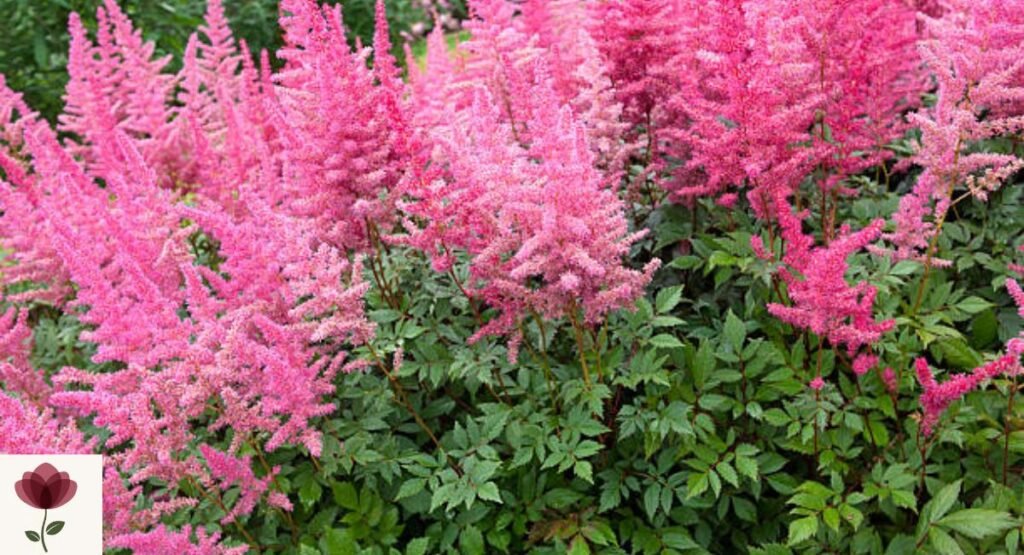
Astilbe is one of the finest shade-loving flowers for woodland gardens. Its feathery flower plumes rise above deeply textured foliage, bringing soft color and elegance to areas where many flowering plants struggle. Even after blooming, the dried flower heads provide visual interest throughout autumn.
Plant Astilbe in rich soil that remains consistently moist. Adding compost each spring improves soil fertility and helps retain moisture. Regular watering during hot weather keeps the foliage lush and encourages abundant flowering.
51. Astrantia
Astrantia is admired for its star-like flowers surrounded by delicate papery bracts that create an elegant display. It performs exceptionally well in cottage gardens and shaded borders where its unique blooms add texture and charm. Florists also value this beautiful cut flower because it stays fresh in floral arrangements for many days.
Plant Astrantia in fertile, moisture-rich soil with good drainage. Regular watering during warm weather encourages continuous blooming, while removing faded flowers helps extend the flowering season.
52. Asystasia

Asystasia spreads quickly to form a colorful carpet of trumpet-shaped flowers. It works beautifully as a ground cover plant in tropical and subtropical gardens where fast-growing plants are needed to cover bare soil. The flowers also attract butterflies throughout the growing season.
Trim the stems regularly to control spreading and encourage bushier growth. Plant it in well-drained soil and provide moderate watering until the roots become established.
53. Aubrieta
Aubrieta creates a breathtaking blanket of colorful flowers that cascades beautifully over walls, borders, and rock gardens. During spring, its blooms nearly hide the foliage beneath vibrant shades of purple and pink. It is one of the finest rock garden flowers for adding early-season color.
Provide excellent drainage because Aubrieta dislikes soggy soil. Light trimming after flowering keeps the plant compact and encourages healthy foliage throughout the year.
54. Auricula
Auricula belongs to the Primrose family and is prized for its perfectly formed blooms with striking color combinations. Gardeners often grow these charming flowers in decorative pots where their intricate patterns can be admired up close.
Keep the soil evenly moist but never waterlogged. Cool temperatures and filtered sunlight help Auricula produce healthy leaves and long-lasting flowers.
55. Aurinia (Basket-of-Gold)
Aurinia covers itself with brilliant golden flowers that resemble a flowing waterfall of sunshine. It performs wonderfully along garden edges, retaining walls, and rocky slopes where its spreading habit softens hard surfaces.
Plant Basket-of-Gold in sandy or gravelly soil with excellent drainage. Pruning lightly after flowering helps maintain its neat rounded shape.
56. Australian Waxflower

Australian Waxflower produces hundreds of delicate waxy blooms that remain attractive for weeks. Because of its outstanding vase life, it has become one of the world’s most popular bouquet flowers and frequently appears in wedding arrangements.
Choose a sunny location with sandy, free-draining soil. Once established, the plant tolerates drought well and requires only occasional watering during extended dry periods.
57. Avens
Avens produces cheerful cup-shaped flowers that dance above compact green foliage. The bright blooms attract butterflies and beneficial insects while adding warm colors to borders and cottage gardens. Modern varieties continue flowering for several months with minimal care.
Grow Avens in fertile, well-drained soil. Removing faded flowers encourages fresh blooms and keeps the plants looking attractive throughout summer.
58. Azalea
Azalea is one of the most loved flowering shrubs in American gardens. During spring, the entire plant becomes covered with colorful blossoms that create a spectacular landscape display. Many varieties remain evergreen, providing year-round beauty even after flowering ends.
Plant Azaleas in acidic, organic-rich soil with excellent drainage. Water deeply during dry periods and apply mulch around the roots to help maintain consistent moisture.
59. Aztec Marigold
Aztec Marigold produces large pom-pom flowers that brighten gardens from early summer until the first frost. Besides its ornamental beauty, this flower naturally helps reduce certain garden pests, making it an excellent companion for vegetable gardens.
Plant in full sunlight after the final spring frost. Regular deadheading encourages continuous blooming and keeps plants looking fresh throughout the season.
60. Alpine Forget-Me-Not

Alpine Forget-Me-Not forms charming clusters of tiny sky-blue flowers with bright yellow centers. Its compact growth makes it perfect for borders, woodland gardens, and rockeries where smaller blooms create natural beauty.
Provide cool, moist soil with good drainage. Allow some flowers to set seed if you want new plants to appear naturally each spring.
61. Alpine Pasqueflower
Alpine Pasqueflower produces elegant cup-shaped blooms followed by attractive silky seed heads that remain decorative long after flowering ends. It is especially suited to alpine gardens and sunny rock landscapes.
Grow in gritty, well-drained soil and avoid heavy clay. Mature plants dislike being transplanted, so choose the planting location carefully.
62. American Lotus
American Lotus is a magnificent aquatic plant with large floating leaves and fragrant blooms that rise above the water’s surface. It creates a peaceful focal point in ponds and water gardens while attracting beneficial wildlife.
Plant the rhizomes in aquatic containers filled with heavy garden soil. Position them in calm water where they receive at least six hours of sunlight each day.
63. American Wisteria
American Wisteria produces graceful hanging clusters of fragrant flowers that transform pergolas and fences into spectacular garden features. Unlike some Asian species, this native vine is less aggressive and easier to manage.
Provide a sturdy support structure before planting. Annual pruning encourages abundant flowering while keeping the vine under control.
64. Autumn Crocus

Autumn Crocus surprises gardeners by flowering in fall after most summer blooms have disappeared. Its delicate goblet-shaped flowers emerge directly from the soil, creating a striking seasonal display.
Plant the bulbs in late summer where the soil drains well. Remember that every part of this plant is toxic, so keep it away from pets and children.
65. Apricot Hollyhock
Apricot Hollyhock produces tall flower spikes covered with soft peach-colored blossoms that create a classic cottage garden appearance. The impressive height makes it perfect for growing along fences, walls, and the back of flower borders where it provides beautiful vertical interest.
Plant Hollyhocks in fertile, well-drained soil with plenty of sunshine. Tall stems may need support in windy locations. Removing old flowers encourages a longer blooming season and keeps the plants healthy.
Flowers That Start With A by Type
Different flowers have different growing habits, bloom cycles, and care requirements. Grouping Flowers That Start With A by type makes it easier to find the perfect plant for your garden, landscape, or indoor space. Whether you want long-lasting perennial flowers, colorful annuals, fragrant blooms, or wildlife-friendly plants, the following categories help you compare the best options.
Choosing flowers based on their growing type also improves garden planning. Mixing annuals with perennials creates continuous color throughout the year, while adding fragrant and pollinator-friendly varieties increases both beauty and biodiversity in your outdoor space.
Annual Flowers That Start With A

Annual flowers complete their life cycle within one growing season. They bloom continuously from spring until frost, making them excellent choices for colorful borders, containers, and flower beds.
| Flower | Main Color | Best Feature |
| Ageratum | Blue, Purple | Long blooming |
| Alyssum | White, Pink | Sweet fragrance |
| Amaranthus | Red | Dramatic foliage |
| African Marigold | Orange | Pest control |
| Aztec Marigold | Yellow | Easy maintenance |
| Angelonia | Purple | Heat tolerant |
| Snapdragon | Mixed Colors | Excellent cut flower |
Perennial Flowers That Start With A
Perennials return every year after becoming established. These flowering plants reduce long-term maintenance while providing dependable seasonal blooms.
| Flower | Bloom Season | USDA Zones |
| Aster | Fall | 3–8 |
| Astilbe | Summer | 4–9 |
| Agapanthus | Summer | 8–11 |
| Allium | Spring | 4–8 |
| African Lily | Summer | 8–11 |
| Aubrieta | Spring | 4–8 |
| Arnica | Summer | 4–9 |
| Aquilegia | Spring | 3–8 |
Indoor Flowers That Start With A
Several houseplants produce beautiful flowers while thriving inside American homes. They require bright indirect light and moderate watering, making them ideal for apartments, offices, and indoor décor.
| Flower | Bloom Time | Difficulty |
| African Violet | Year-round | Easy |
| Anthurium | Year-round | Easy |
| Amazon Lily | Winter–Spring | Moderate |
| Amaryllis | Winter | Easy |
Wildflowers That Start With A
Wildflowers grow naturally across forests, meadows, and mountain landscapes. These native blooms support local wildlife while adding natural beauty to outdoor spaces.
| Flower | Native Habitat |
| Adonis | Meadows |
| Anemone | Woodlands |
| Arnica | Mountain Regions |
| Asclepias | Prairies |
| Aquilegia | Forests |
| Anchusa | Open Fields |
Fragrant Flowers That Start With A
Fragrant flowers transform gardens into relaxing outdoor spaces with their pleasant scents. Many are also popular choices for perfumes and floral arrangements.
| Flower | Fragrance Level |
| Arabian Jasmine | Very Strong |
| Acidanthera | Strong |
| Alyssum | Sweet |
| Amazon Lily | Medium |
| Australian Waxflower | Light |
| Angel’s Trumpet | Strong |
Pollinator-Friendly Flowers That Start With A
If you want butterflies, bees, and hummingbirds to visit your garden, these pollinator-friendly flowers provide excellent nectar and pollen throughout the growing season.
| Flower | Attracts |
| Agastache | Bees, Hummingbirds |
| Asclepias | Monarch Butterflies |
| Aster | Bees, Butterflies |
| Anchusa | Bees |
| African Daisy | Butterflies |
| Alyssum | Bees |
Rare Flowers That Start With A
Some flowers are difficult to find in local garden centers but reward gardeners with extraordinary beauty and unique appearance.
| Rare Flower | Why It’s Special |
| Arisaema | Unusual hooded flower |
| Arundina | Outdoor orchid |
| Alyogyne | Long flowering shrub |
| Asphodel | Historic ornamental plant |
| Acmella | Medicinal flower |
| Alpine Pasqueflower | Rare alpine species |
Flowers That Start With A by Color

Flower color plays an important role in garden design and floral symbolism. Some gardeners prefer cool shades of blue and purple, while others enjoy bright yellow or romantic pink blossoms. Organizing Flowers That Start With A by color helps you build balanced flower beds and coordinated bouquet arrangements.
Color also influences mood. Warm-colored flowers create energetic displays, whereas cool tones add a peaceful and relaxing atmosphere to outdoor spaces.
Purple Flowers That Start With A
Purple flowers bring elegance and depth to gardens. Popular choices include Aster, Agastache, Aubrieta, African Violet, Alyogyne, Allium, and Anise Hyssop.
Red Flowers That Start With A
Red flowers symbolize love and passion while creating bold focal points. Excellent examples include Amaryllis, Anthurium, Amaranthus, Azalea, and Apple Blossom in deeper pink-red varieties.
White Flowers That Start With A
White flowers brighten shaded gardens and symbolize purity. Beautiful options include Amazon Lily, Arum Lily, Acidanthera, African Iris, Asphodel, and Arabian Jasmine.
Pink Flowers That Start With A
Pink flowers add softness and romance to landscapes. Consider growing Astrantia, Astilbe, Apple Blossom, Auricula, Anemone, and Apricot Hollyhock.
Yellow Flowers That Start With A
Yellow flowers instantly create cheerful gardens filled with warmth. Top choices include Acacia, Adonis, Arnica, African Marigold, Asteriscus, and Aurinia.
Blue Flowers That Start With A
Blue flowers remain among the rarest colors in nature. Garden favorites include Anchusa, African Lily, Aster, Aconite, Agapanthus, and Alpine Aster.
Flower Meanings and Symbolism
Flowers have expressed emotions for centuries. Different blooms represent love, friendship, hope, and remembrance, making them thoughtful gifts for birthdays, anniversaries, weddings, and memorials. Understanding the symbolism behind Flowers That Start With A helps you choose a flower that carries a meaningful message instead of selecting one based only on appearance.
Although flower meanings can vary across cultures, many traditional interpretations remain widely recognized today. Whether you’re creating a bouquet or planning a garden, choosing flowers with symbolic value adds a personal touch that lasts beyond the blooming season.
Love
Flowers associated with love often feature vibrant colors and elegant blooms. Amaryllis symbolizes confidence and deep admiration, while Anthurium represents hospitality and lasting affection. African Lily is another meaningful choice because it traditionally symbolizes everlasting love and devotion. These flowers are popular gifts for anniversaries, weddings, and romantic celebrations.
Friendship
Flowers that symbolize friendship bring warmth and positivity to any occasion. Acacia represents loyal friendship and resilience, while Ageratum is linked to trust and lasting relationships. Auricula also symbolizes appreciation, making it an excellent flower to give someone who has offered kindness or support.
Hope
Hope is often connected with flowers that bloom early in the season or return year after year. Adonis, Anemone, and Alpine Pasqueflower all represent fresh beginnings, optimism, and renewal. Their appearance after winter reminds gardeners that every season brings new opportunities for growth.
Strength
Strong, resilient flowers inspire courage and determination. Acanthus has symbolized endurance since ancient Greek times, while Aconite represents protection and inner strength. Amaranthus also carries the meaning of immortality and perseverance because of its long-lasting flowers.
Remembrance
Some flowers are chosen to honor cherished memories. Asphodel has represented remembrance since ancient civilizations, while Alpine Forget-Me-Not symbolizes lasting memories and faithful love. Arum Lily is also commonly used in sympathy arrangements because it reflects peace, purity, and respect.
How to Choose the Right Flower That Starts With A
Choosing the perfect Flowers That Start With A depends on your growing conditions, gardening experience, and personal preferences. Some flowers thrive in sunny landscapes, while others perform better indoors or in shaded gardens. Matching each flower to its ideal environment ensures healthier plants and longer-lasting blooms.
Before buying any flower, consider your local climate, available sunlight, soil type, and maintenance routine. A flower that naturally suits your garden will require less effort while rewarding you with healthier growth and more colorful blossoms.
Best for Gardens
If you’re creating a colorful outdoor landscape, Aster, Azalea, Agapanthus, Allium, Astilbe, and African Daisy are outstanding choices. These reliable garden flowers bloom beautifully across different seasons and attract bees, butterflies, and hummingbirds to your yard.
Best for Pots
Container gardening works well for homes with patios, balconies, or limited space. Amaryllis, African Violet, Anthurium, Angelonia, and Alyssum grow exceptionally well in decorative pots. Their compact size allows you to move them easily while adding color to entrances and outdoor seating areas.
Best for Indoor Decoration
Indoor spaces benefit from flowering plants that bloom repeatedly throughout the year. African Violet, Amazon Lily, Anthurium, and Amaryllis are among the best indoor flowering plants because they require relatively little maintenance and brighten homes with vibrant flowers.
Best for Gifts
Flowers often become memorable gifts when they carry beautiful meanings. Amaryllis represents confidence, Anthurium symbolizes lasting love, Arabian Jasmine expresses purity, and Australian Waxflower represents good fortune. These elegant blooms are perfect for birthdays, weddings, anniversaries, and housewarming celebrations.
Best for Beginners
If you’re planting flowers for the first time, start with easy-care varieties. Alyssum, African Marigold, Ageratum, Angelonia, and African Daisy require little maintenance while producing abundant blooms for months. These beginner-friendly flowers help build gardening confidence without demanding constant attention.
Conclusion
Flowers That Start With A offer an incredible variety of colors, fragrances, shapes, and growing habits. From the elegant Amaryllis and fragrant Arabian Jasmine to the cheerful Aster and vibrant African Daisy, each flower brings its own unique beauty to gardens and indoor spaces. Whether you’re designing a landscape, attracting pollinators, or choosing meaningful flowers for a special occasion, there’s an A flower suited to every purpose.
This guide introduced 65 beautiful flowers, their scientific names, bloom times, USDA hardiness zones, sunlight requirements, meanings, and practical growing tips. By understanding each plant’s needs, you can confidently choose flowers that thrive in your climate and continue blooming year after year. With the right selection and proper care, your garden can become a colorful, vibrant space filled with stunning flowers from A to Z.
FAQs
1. What are the most popular Flowers That Start With A?
Some of the most popular Flowers That Start With A include Amaryllis, Aster, Azalea, African Daisy, Anthurium, and Alyssum because they are beautiful, easy to grow, and widely available.
2. Which flowers that start with A are best for beginners?
Alyssum, African Marigold, Ageratum, Angelonia, and African Daisy are excellent beginner-friendly flowers because they require minimal care and bloom for a long season.
3. Are there any indoor flowers that start with A?
Yes. African Violet, Anthurium, Amazon Lily, and Amaryllis are popular indoor flowering plants that thrive with bright, indirect light and proper watering.
4. Which flowers that start with A attract butterflies and bees?
Agastache, Asclepias (Butterfly Weed), Aster, Anchusa, and African Daisy are excellent pollinator-friendly flowers that attract butterflies, bees, and hummingbirds.
5. What is the rarest flower that starts with A?
Rare flowers that start with A include Arisaema (Jack-in-the-Pulpit), Arundina (Bamboo Orchid), Alyogyne, Asphodel, and Alpine Pasqueflower, which are less commonly grown but highly valued for their unique appearance.

Welcome to PetalNexa! I’m Anam Sattar, an AI-powered SEO Specialist and Content Writer with over 4 years of experience in creating high-quality, search-optimized content. I help businesses improve their search engine rankings, increase organic traffic, and build beautiful, user-friendly websites. My mission is to make SEO, content creation, and web design simple, effective, and accessible for everyone. Let’s grow your online presence and achieve success together!