

February brings a surprising burst of color before spring fully arrives. From delicate violets to cheerful crocuses, February flowers can brighten gardens, bouquets, and special occasions. Some blooms naturally appear during this chilly month, while others hold special meaning as February birth flowers. Their colors and symbolism also make them popular for birthdays, weddings, and thoughtful gifts. Whether you’re searching for February flower names, seasonal blooms, or flowers that grow well in your area, there’s plenty to discover.
In this guide, you’ll explore beautiful winter and early-spring flowers, their meanings, blooming seasons, growing needs, bouquet ideas, and more. You’ll also learn which flowers suit different climates across the United States.
February Birth Flowers
February has two widely recognized birth flowers: violet and primrose. Violet carries associations with faithfulness, modesty, loyalty, and remembrance, while primrose is linked with young love, affection, protection, and renewal. These meanings make both flowers thoughtful birthday gifts.
Birth-flower traditions aren’t completely uniform worldwide, however. Some flower calendars also connect iris with February, so it helps to distinguish traditional American references from alternative floral calendars.
Violet: The Traditional February Birth Flower
Violet is the classic February birth flower, and its charm comes from subtlety rather than spectacle. Its small five-petaled flowers may appear purple, blue, white, yellow, or cream. The flower traditionally represents loyalty, modesty, devotion, and lasting affection.
Primrose: The Second February Birth Flower
Primrose adds a softer, sunnier note to February’s floral story. Its flowers can appear yellow, pink, red, white, or violet, often with a contrasting center. Traditionally, primrose represents young love, tenderness, protection, and new beginnings, making it lovely for birthdays.
Is Iris a February Birth Flower?
Iris appears on some birth-flower calendars alongside violet and primrose, although it isn’t included in every traditional list. Its symbolism often includes hope, faith, purity, and wisdom, so iris can still make a meaningful February birthday flower when your chosen tradition includes it.
20 Beautiful February Flowers at a Glance
Here’s a quick reference table covering the 20 February flowers in this guide. It gives readers an easy way to compare their colors, bloom timing, meaning, and common uses before exploring each flower in detail.
| # | Flower | Common Colors | February Bloom | Meaning / Symbolism | Best Use |
| 1 | Violet | Purple, Blue, White | Often | Faithfulness, Modesty | Birthdays, Gardens |
| 2 | Primrose | Yellow, Pink, Red, White | Often | Young Love, Renewal | Birthdays, Pots |
| 3 | Iris | Purple, Blue, Yellow, White | Varies | Hope, Wisdom, Faith | Gardens, Bouquets |
| 4 | Snowdrop | White, Green | Yes | Hope, Renewal | Gardens |
| 5 | Crocus | Purple, Yellow, White | Often | Cheerfulness, Rebirth | Lawns, Borders |
| 6 | Hellebore | White, Pink, Purple, Green | Often | Serenity, Hope | Gardens, Bouquets |
| 7 | Winter Jasmine | Yellow | Often | Grace, Optimism | Landscapes |
| 8 | Cyclamen | Pink, Red, White, Purple | Varies | Love, Sincerity | Containers |
| 9 | Camellia | Pink, Red, White | Often | Admiration, Affection | Gardens, Weddings |
| 10 | Witch Hazel | Yellow, Orange, Red | Often | Protection, Healing | Shrub Borders |
| 11 | Winter Aconite | Yellow | Often | Hope, Rebirth | Woodland Gardens |
| 12 | Pansy | Purple, Yellow, Blue, White | Often | Remembrance, Thoughtfulness | Containers |
| 13 | Daphne | Pink, White | Varies | Sweetness, Immortality | Fragrance Gardens |
| 14 | Mahonia | Yellow | Often | Protection, Resilience | Landscapes |
| 15 | Heather | Purple, Pink, White | Varies | Admiration, Good Luck | Rock Gardens |
| 16 | Winter Heath | Pink, Purple, White | Often | Solitude, Protection | Borders |
| 17 | Flowering Quince | Red, Pink, White | Varies | Love, Prosperity | Shrub Borders |
| 18 | Forsythia | Yellow | Varies | Anticipation, New Beginnings | Landscapes |
| 19 | Sweet Alyssum | White, Pink, Purple | Varies | Beauty, Sweetness | Containers |
| 20 | Anemone | White, Pink, Red, Purple | Varies | Protection, Anticipation | Bouquets, Gardens |
20 Beautiful February Flowers
The best February flower names include hardy winter bloomers, cool-season bedding plants, shrubs, and early spring favorites. Bloom timing varies greatly with temperature and location, so a flower appearing in February in Georgia might wait until March in Minnesota.
For U.S. gardeners, that regional distinction matters. USDA hardiness zone, winter rainfall, sunlight, soil drainage, and local weather can all shift flowering dates. Think of February as a flexible botanical window rather than a rigid calendar appointment.
1. Violet
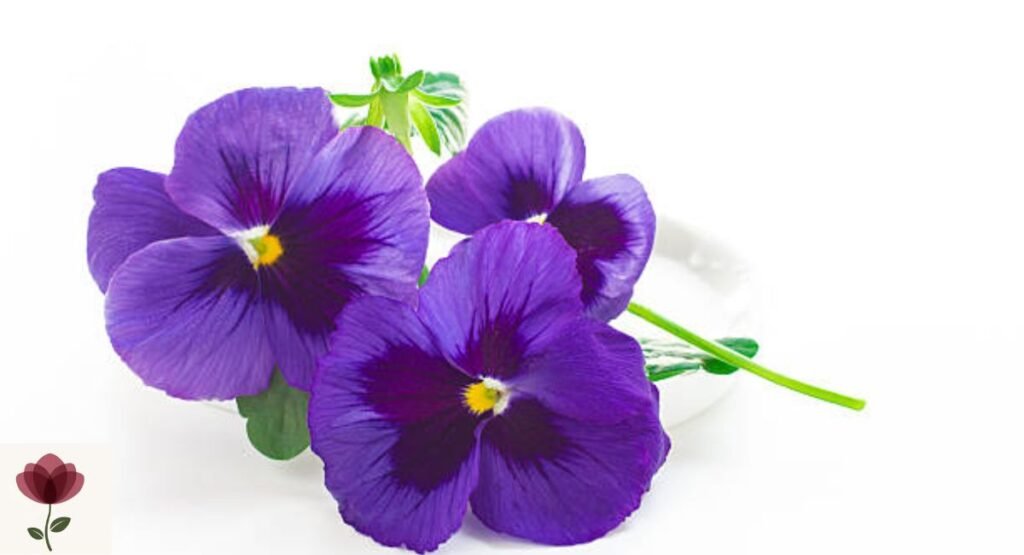
Violet brings understated beauty to late-winter landscapes. Its heart-shaped leaves and delicate blooms suit woodland gardens, borders, and naturalized areas. Many species tolerate cool conditions well, while some violets also provide valuable habitat for specialist pollinators, including the mining bee.
2. Primrose
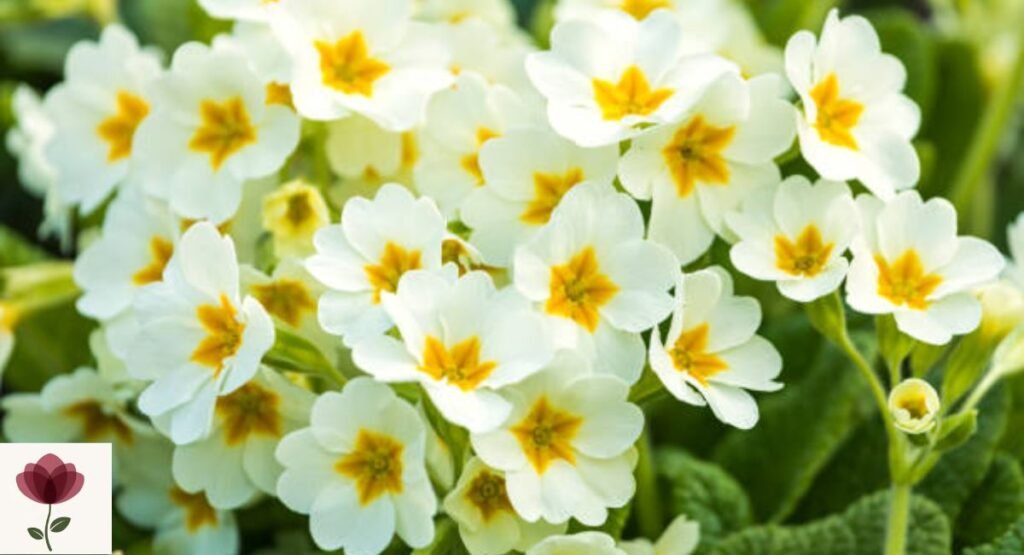
Primrose looks almost like a tiny floral sunrise. Its low rosette of foliage supports colorful flowers that favor cool, moist, well-drained conditions. Primrose generally prefers partial shade and can perform beautifully along paths, borders, containers, and shaded garden beds.
3. Iris
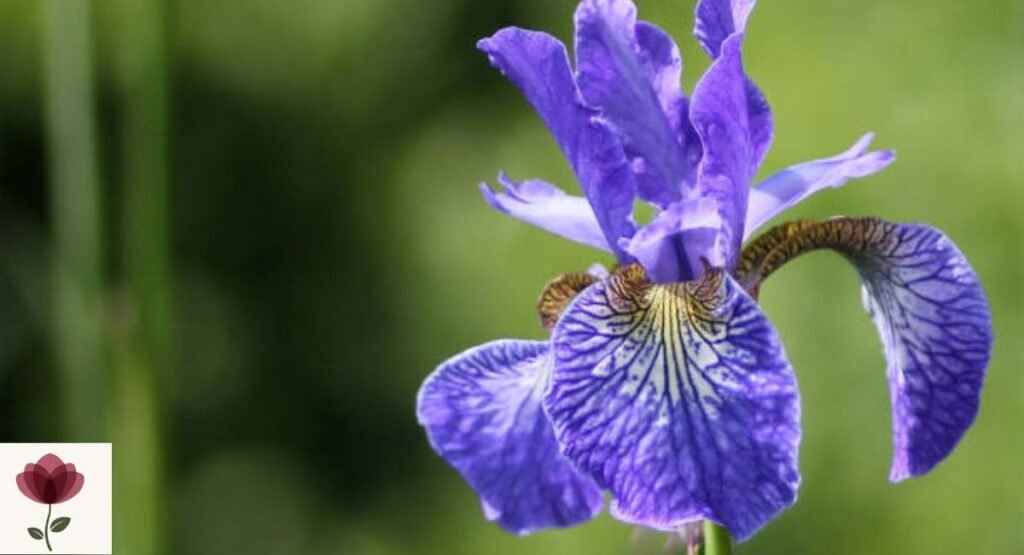
Iris is instantly recognizable because of its elegant petals and distinctive upright form. Different iris species bloom at different times, so not every iris flowers during February. Choose varieties according to your climate, then enjoy their dramatic colors ranging from blue and purple to yellow and white.
4. Snowdrop
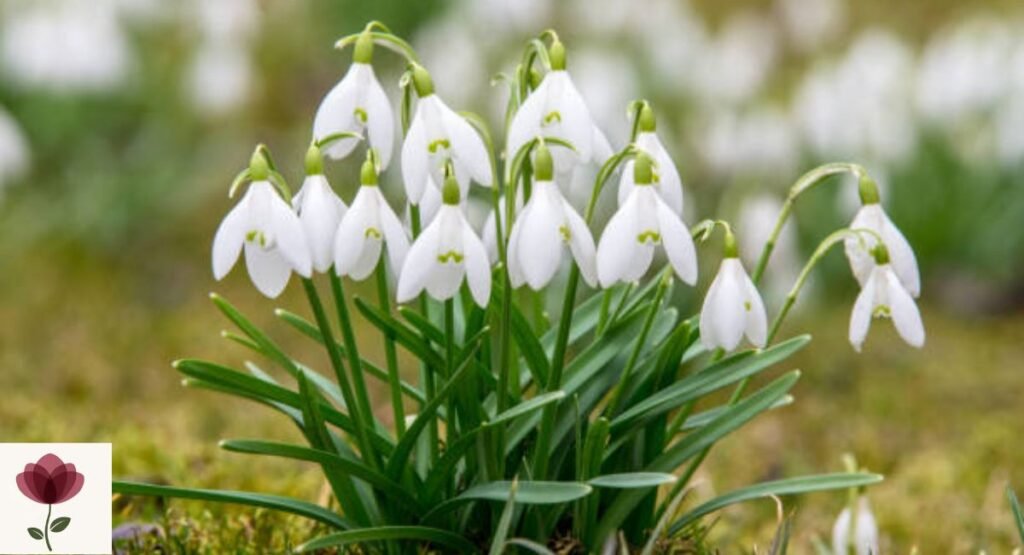
Snowdrop is one of winter’s most enchanting small flowers. Its nodding white blooms often appear while temperatures remain chilly, giving gardens an almost storybook quality. Snowdrops work particularly well beneath deciduous trees, where their delicate flowers can naturalize over time.
5. Crocus
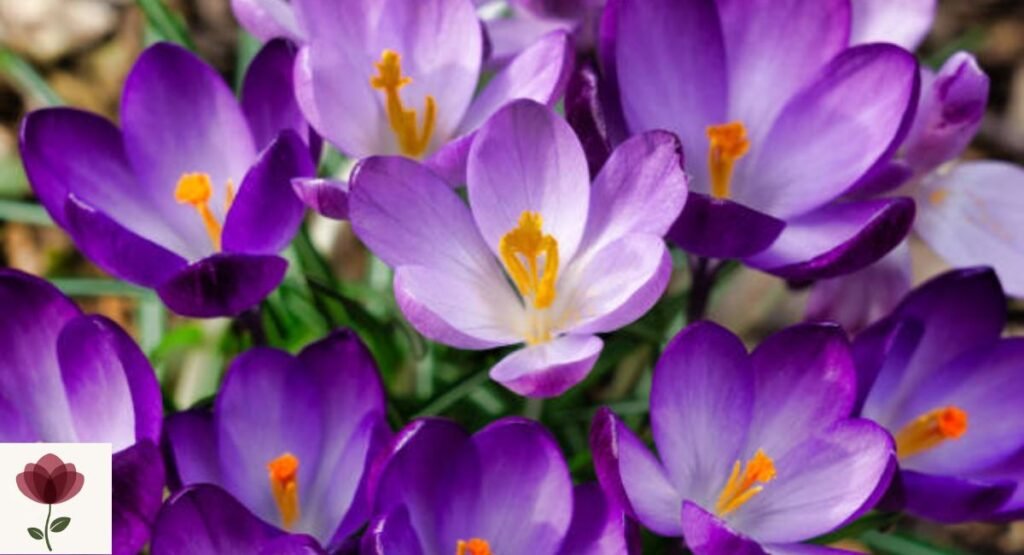
Crocus provides a sudden burst of color when winter landscapes still look subdued. Purple, yellow, white, and striped varieties emerge from underground corms. Their compact growth makes them excellent for lawns, borders, rock gardens, and containers where early-season color matters.
6. Hellebore
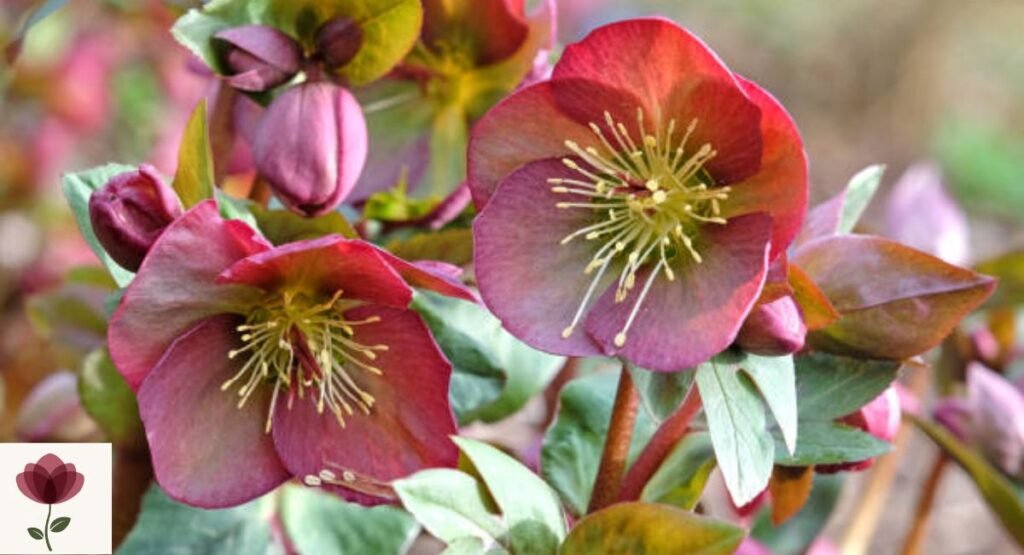
Hellebore earns its reputation as a winter garden star through toughness and longevity. Its cup-shaped flowers can appear in white, pink, purple, green, and dusky shades. Unlike fleeting blooms, hellebores can hold their flowers for weeks, creating remarkable late-winter interest.
7. Winter Jasmine
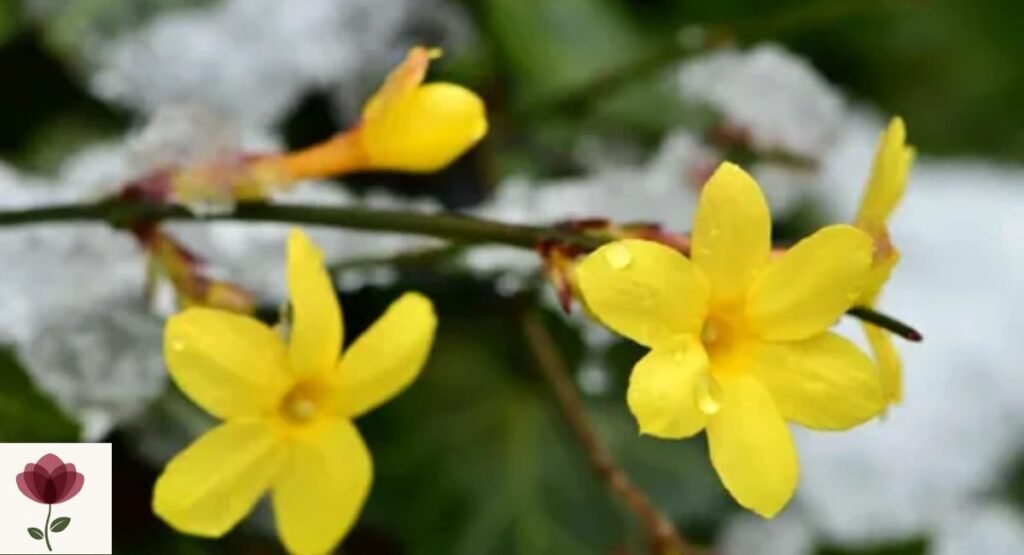
Winter jasmine brings golden color to otherwise muted landscapes. Its slender, arching stems carry bright yellow flowers that can appear during colder months in suitable climates. This plant works especially well on slopes, walls, banks, and areas where its relaxed growth habit can spread naturally.
8. Cyclamen
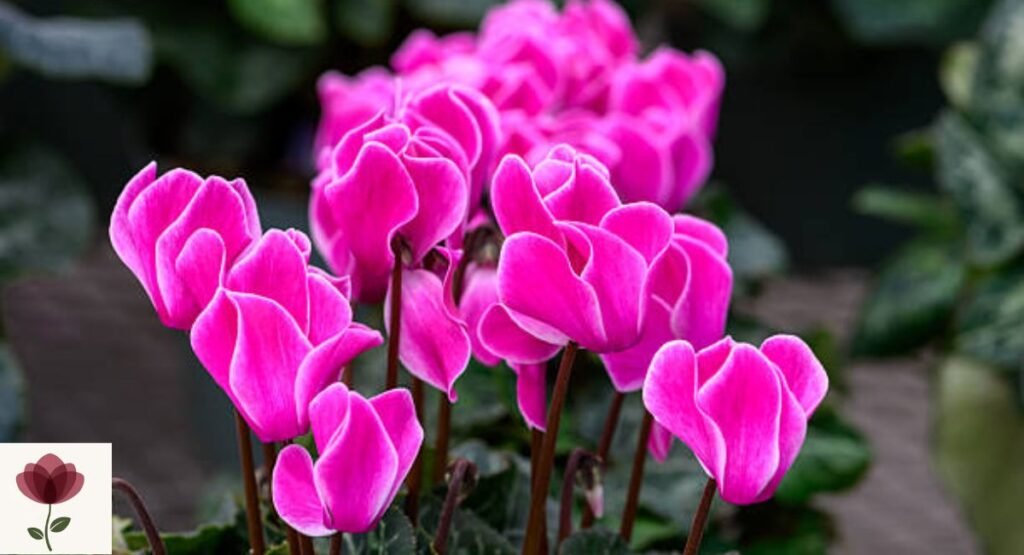
Cyclamen combines jewel-like flowers with attractive foliage. Depending on the species, flowers may appear pink, red, white, or purple. Cool temperatures suit many cyclamen varieties, making them useful for containers and sheltered outdoor displays where summer heat won’t overwhelm their delicate growth.
9. Camellia
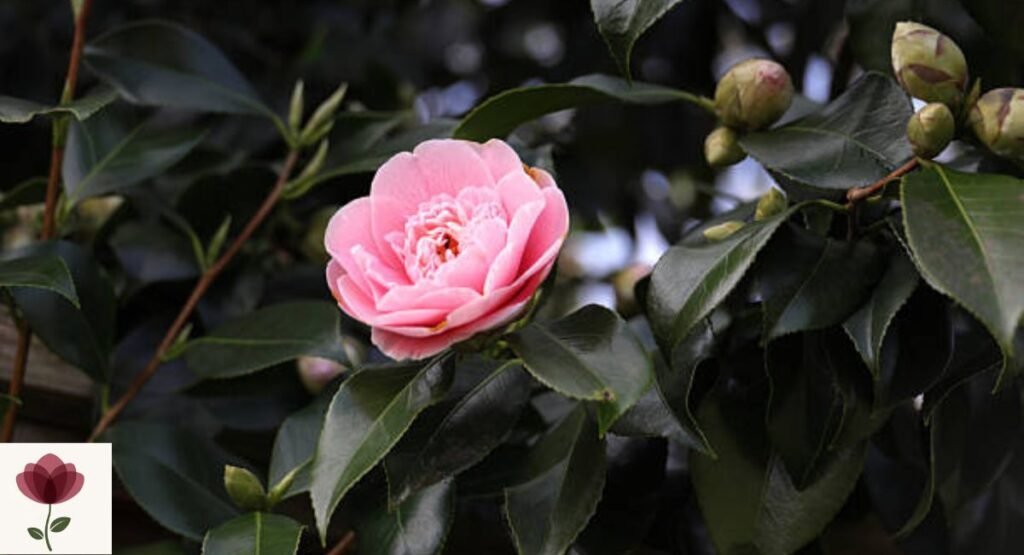
Camellia offers polished beauty with glossy evergreen leaves and large, rose-like flowers. Depending on species and cultivar, blooms may appear from late winter into spring. In the United States, camellias perform particularly well in suitable warmer regions with acidic, well-drained soil and protection from harsh exposure.
10. Witch Hazel
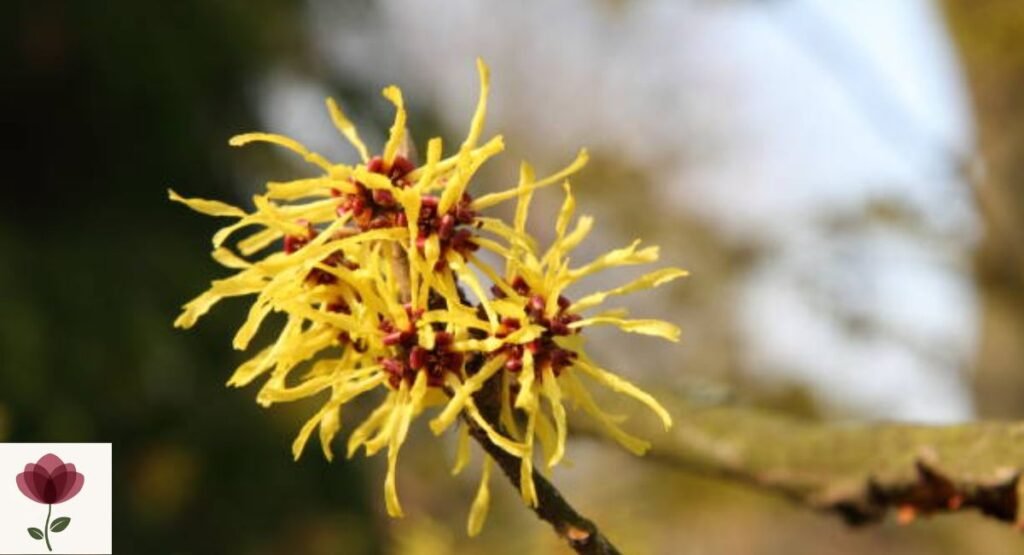
Witch hazel looks unlike almost any ordinary garden flower. Its narrow, ribbon-like petals emerge from bare branches, often in yellow, orange, or reddish tones. Many varieties also provide fragrance, making this shrub valuable when you want winter interest that engages both sight and scent.
11. Winter Aconite
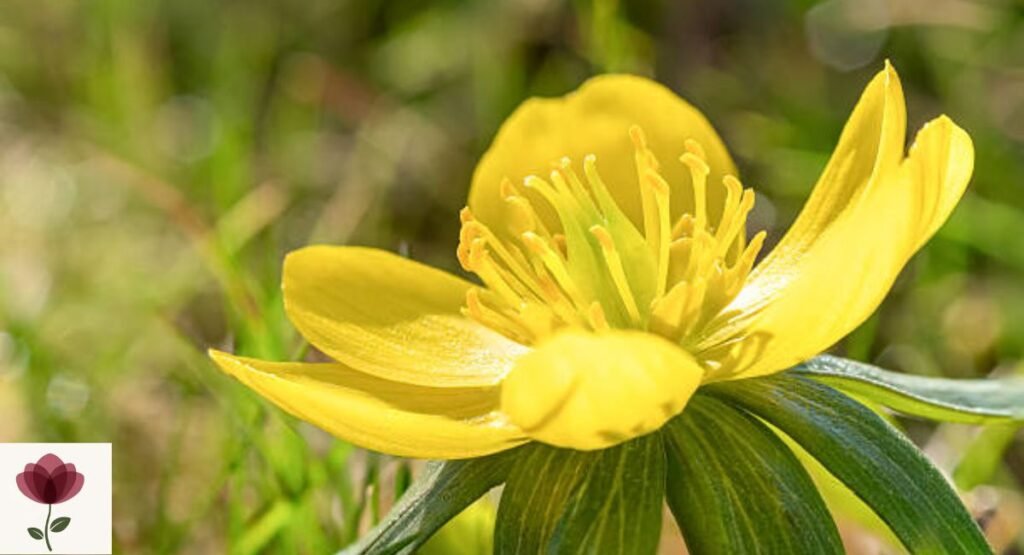
Winter aconite creates tiny golden cups close to the ground. It often emerges surprisingly early, sometimes appearing when winter still dominates the garden. Its low stature makes it especially attractive beneath deciduous trees, along woodland paths, or mixed with other early spring bulbs.
12. Pansy
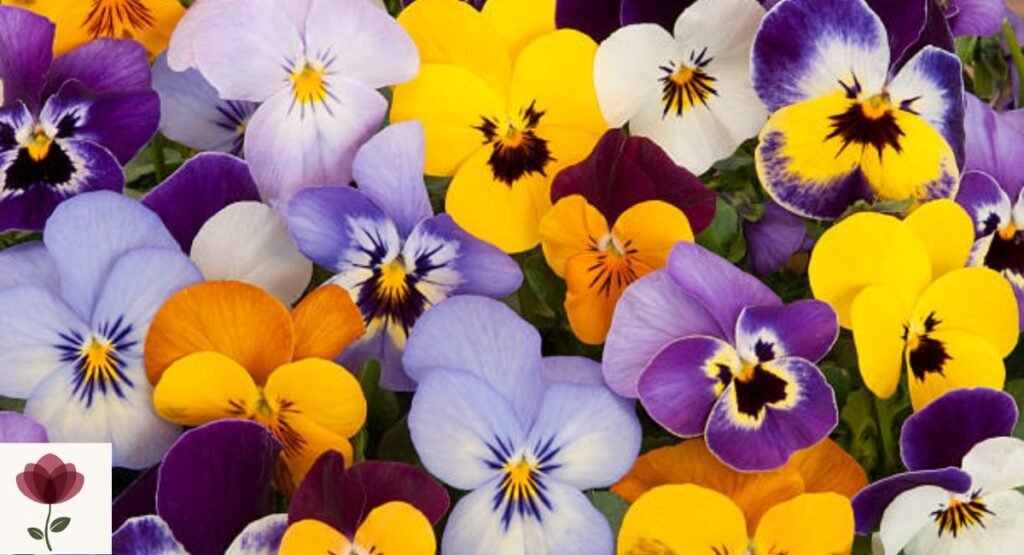
Pansies are cold-tolerant favorites that bring remarkable color to winter and early-spring containers. Their flowers often feature dark face-like markings, which gives each bloom personality. Purple, yellow, blue, orange, white, and mixed shades make pansies particularly versatile for patios and entryways.
13. Daphne
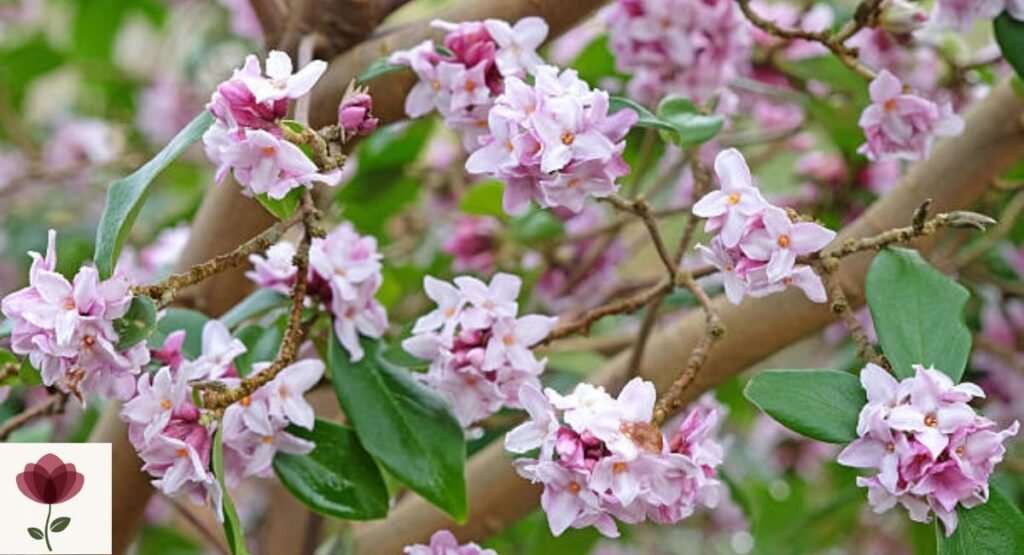
Daphne is prized less for size than for fragrance. Its small flowers can perfume a garden with an unexpectedly powerful scent. Because Daphne can be particular about drainage and growing conditions, choosing the right location matters more than simply planting it wherever space happens to be available.
14. Mahonia
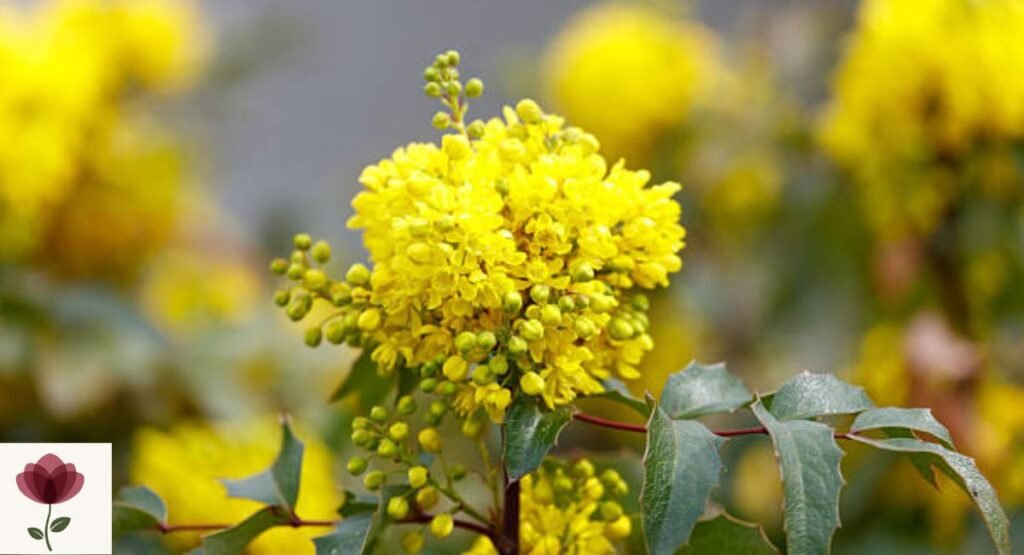
Mahonia offers several layers of seasonal interest. Evergreen foliage provides structure while clusters of yellow flowers brighten the colder months. Later, many types develop berries that benefit wildlife. Its architectural form also makes Mahonia useful for foundation planting, hedges, woodland edges, and shaded landscapes.
15. Heather
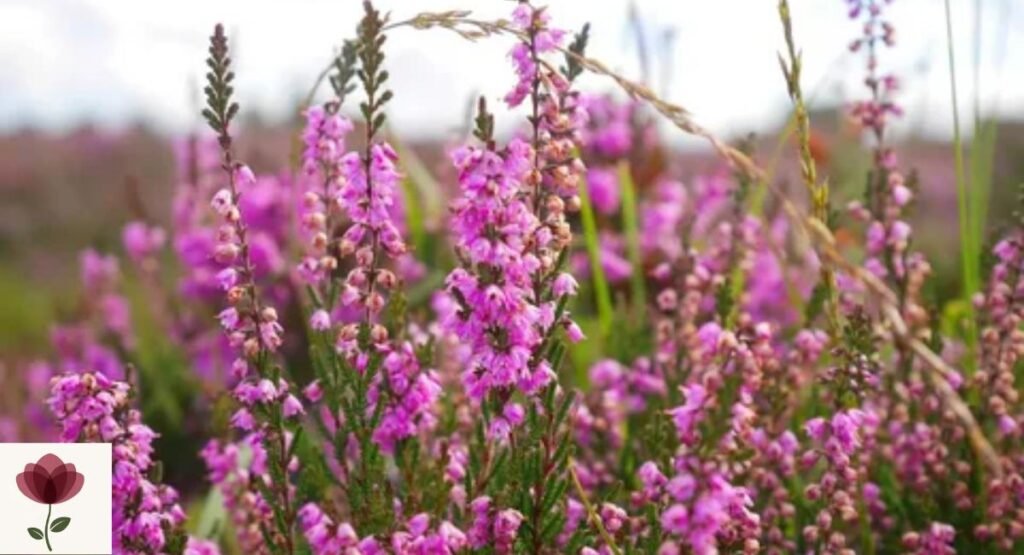
Heather creates a low, textured carpet of foliage and tiny flowers. It can bring pink, purple, white, or reddish tones to gardens when many other plants remain dormant. Heather generally suits acidic, well-drained soil and works beautifully in rock gardens or naturalistic planting schemes.
16. Winter Heath
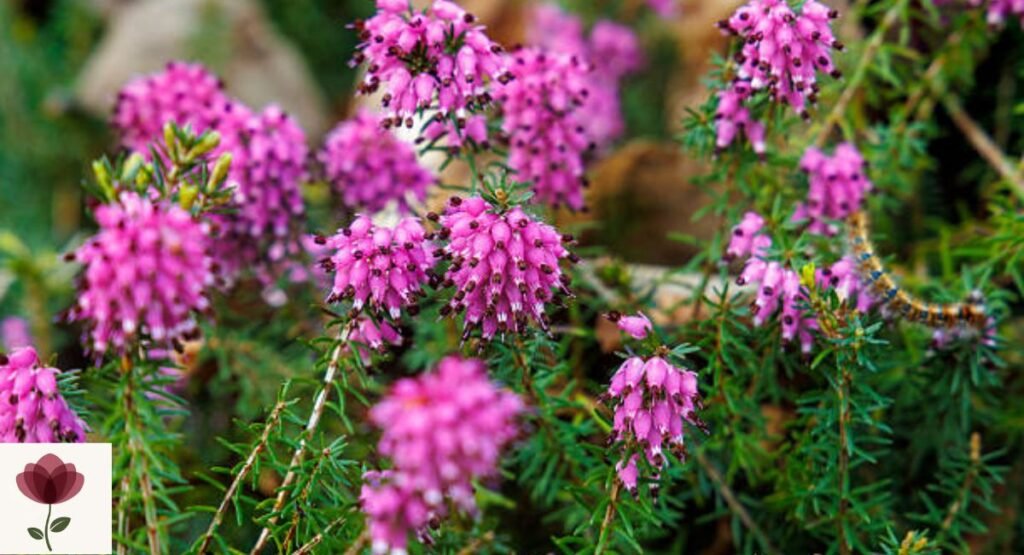
Winter heath deserves attention because it can provide color when gardens look remarkably bare. Its small bell-shaped flowers sit among fine foliage, creating a soft textured effect. It works especially well in rockeries, borders, slopes, and containers where drainage remains reliable.
17. Flowering Quince
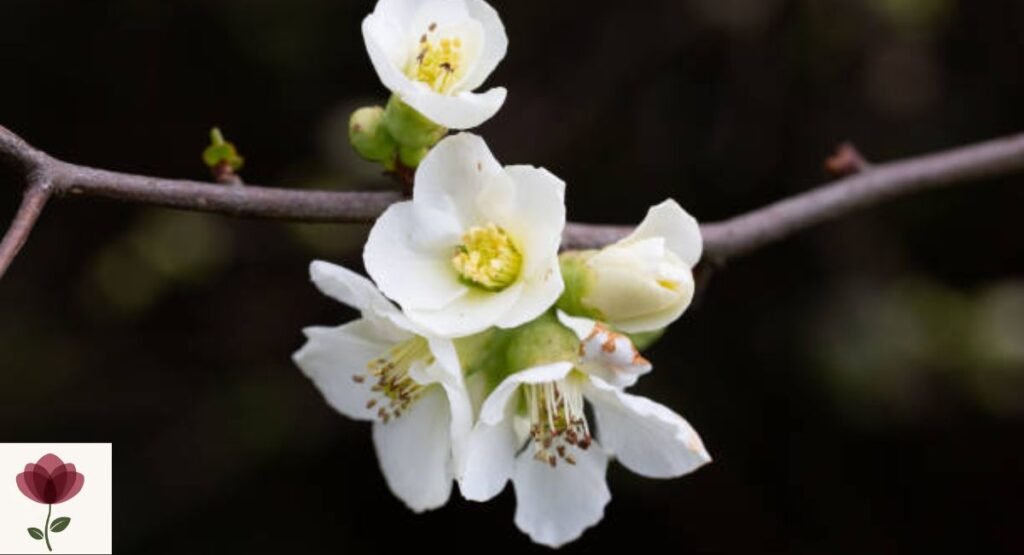
Flowering quince announces the approaching spring with vivid flowers on woody branches. Depending on the cultivar, blooms may appear red, pink, orange, or white. The shrub can also produce small fruits later, while its thorny growth provides useful cover for certain garden wildlife.
18. Forsythia
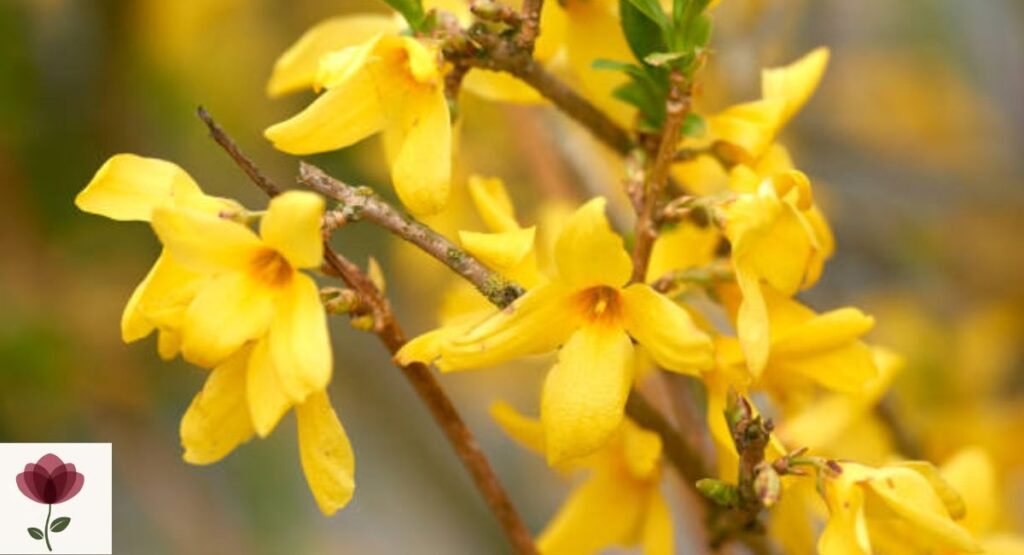
Forsythia turns bare branches into a fountain of yellow when conditions align. Its flowering time depends strongly on region and winter temperatures, so some U.S. gardens see it later than others. Regular pruning after flowering helps maintain a manageable, productive shrub.
19. Sweet Alyssum
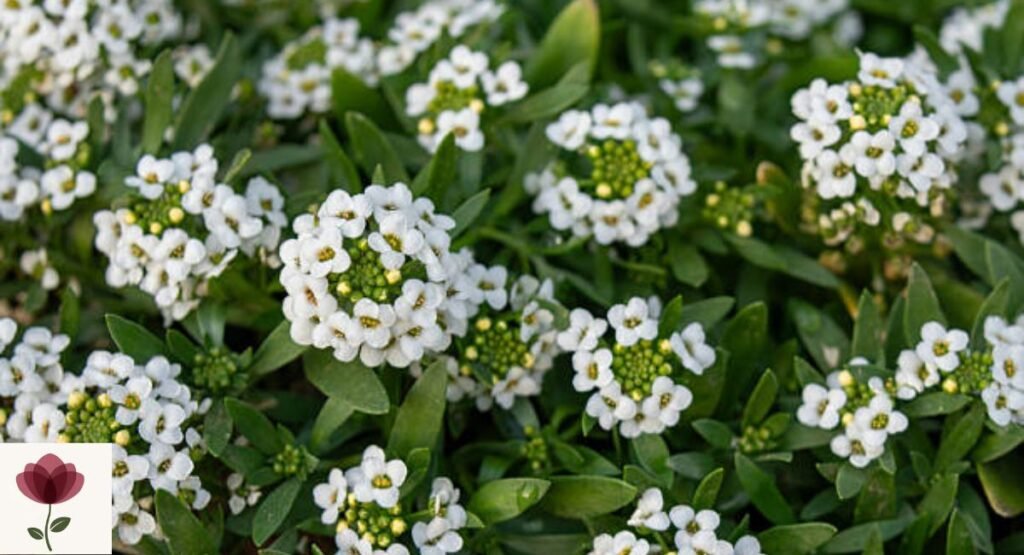
Sweet alyssum is a petite plant with a surprisingly generous floral display. Its tiny flowers can create a fragrant carpet in suitable conditions. It works especially well in containers, edging, hanging baskets, and mixed plantings, although its performance varies with temperature and regional climate.
20. Anemone
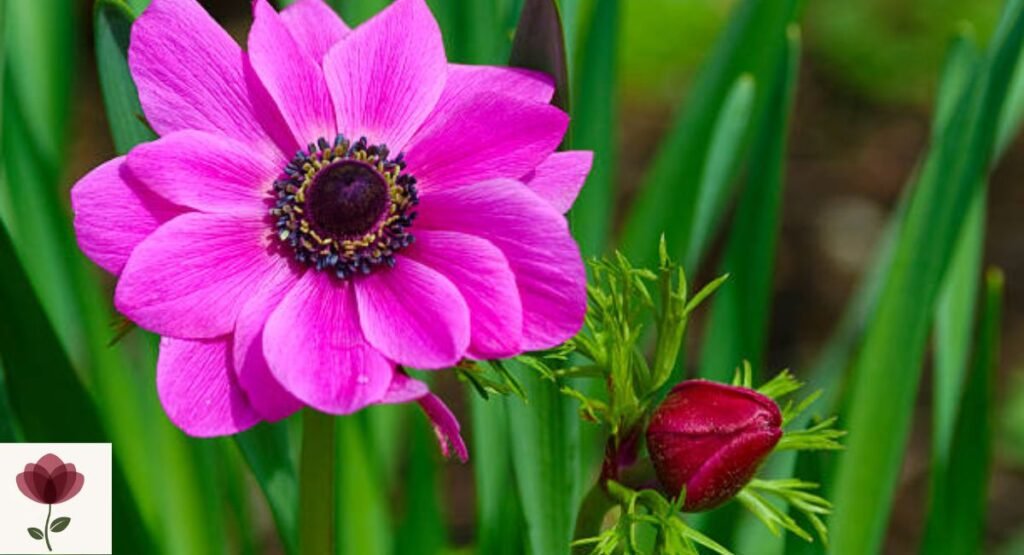
Anemone brings an airy, almost painterly quality to floral displays. Different species bloom during different seasons, so February suitability depends on the specific plant. Their flowers can appear in white, pink, red, blue, or purple, offering excellent choices for gardens and arrangements.
February Flowers by Color
Color can completely change the mood of a winter garden. Purple flowers feel mysterious and romantic, white blooms look crisp against darker foliage, while yellow flowers provide a little sunshine when daylight still feels scarce.
Pink flowers offer another route, especially for birthdays and romantic occasions. Rather than choosing blooms by appearance alone, consider combining colors with symbolism, fragrance, foliage, and seasonal availability for a more thoughtful result.
| Color | Popular February Choices | Best Uses |
| Purple | Violet, Crocus, Iris, Pansy | Birthdays, tattoos, bouquets |
| White | Snowdrop, Hellebore, Cyclamen | Weddings, gardens, bouquets |
| Yellow | Winter Jasmine, Witch Hazel, Forsythia | Gardens, cheerful gifts |
| Pink | Primrose, Cyclamen, Camellia | Birthdays, romance, weddings |
Purple February Flowers
Purple February flowers create a rich, slightly mysterious palette. Violet, crocus, iris, and pansy can provide different shades from soft lavender to deep violet. This color family works especially well for birthday arrangements, elegant tattoos, romantic bouquets, and winter garden borders.
White February Flowers
White blooms bring clarity to a winter garden. Snowdrops, hellebores, and white cyclamen can look striking against dark soil or evergreen foliage. For weddings, white flowers also create a clean foundation that pairs naturally with greenery, lavender, silver foliage, or soft pink accents.
Yellow February Flowers
Yellow flowers can make February feel warmer than it actually is. Winter jasmine, witch hazel, winter aconite, and early forsythia offer cheerful golden tones. Their sunny color works beautifully near entrances, pathways, patios, and windows where you’ll notice them frequently.
Pink February Flowers
Pink February blooms create a gentler mood than bright yellow or deep purple flowers. Primrose, cyclamen, camellia, and some anemones can provide blush, rose, or stronger pink tones. These shades suit romantic gifts, birthday bouquets, wedding palettes, and soft cottage-style gardens.
February Flowers and Their Meanings
Flower symbolism is wonderfully nuanced rather than perfectly fixed. Meanings can shift between cultures and historical periods, so treat them as traditions rather than botanical facts. Violet, for example, has long carried associations with modesty and faithfulness.
Primrose traditionally carries a different emotional flavor. Its symbolism leans toward young love and tenderness, while early-blooming flowers often evoke renewal and hope. That contrast gives you plenty of room to choose a flower according to the message you want to send.
| Flower | Common Symbolism | Suitable Occasion |
| Violet | Faithfulness, modesty, devotion | Birthday, friendship |
| Primrose | Young love, affection, renewal | Birthday, romance |
| Iris | Hope, faith, wisdom | Birthday, appreciation |
| Snowdrop | Hope, renewal | New beginnings |
| Camellia | Admiration, affection | Romance, gifting |
February Flowers That Symbolize Love
For romance, violet and primrose offer different messages. Violet suggests steady devotion and faithfulness, while primrose carries softer associations with young love. Together, they create a charming alternative to conventional roses, especially when you want a gift with deeper personal symbolism.
February Flowers That Represent Friendship
Friendship calls for flowers that feel sincere rather than overly dramatic. Violet works beautifully because its traditional symbolism includes faithfulness and loyalty. A small violet-inspired arrangement can therefore communicate appreciation without making the gesture feel overly formal or romantic.
February Flowers That Symbolize Hope and New Beginnings
Early bloomers naturally lend themselves to hopeful symbolism. Snowdrops, crocuses, and winter aconite appear while winter still has a firm grip, making them visual reminders of resilience. Their arrival feels like nature quietly saying that brighter days are already on the way.
February Flowers That Represent Loyalty and Admiration
Violet is especially fitting when loyalty matters. Traditional flower language connects it with faithfulness, modesty, and enduring affection. Camellia can also work when admiration is the central message, particularly when you want something more substantial than a tiny woodland flower.
February Flowers in Season
Seasonality becomes tricky when you compare countries or even U.S. states. February occurs during winter across much of the United States, but southern regions can experience much earlier flowering. A reliable February flowers in season list therefore needs regional context rather than one universal calendar.
For gardeners, local conditions matter enormously. Frost dates, elevation, winter warmth, soil temperature, and plant hardiness can shift bloom times by weeks. Before planting, check your local growing conditions and the specific cultivar rather than relying only on the month printed on a seed packet.
February Flowers in the UK
The UK can see classic late-winter flowers such as snowdrops, crocuses, hellebores, and winter aconites during February. Mild coastal areas may experience earlier flowering than colder inland locations, so local weather still plays a decisive role.
February Flowers in New Zealand
February is late summer in New Zealand, which completely changes the floral picture. Flowers associated with Northern Hemisphere February may not be February bloomers there. This is a useful reminder that seasonal flowers depend on hemisphere, climate, and local growing conditions.
February Flowers in the USA
The United States contains several climate zones, so February can look dramatically different from state to state. Southern gardens may already show spring color, while northern landscapes remain frozen. When choosing plants, use local hardiness information alongside actual seasonal bloom behavior.
Best February Flowers for Gardens
A beautiful winter garden needs more than colorful flowers. Consider sunlight, drainage, soil type, frost exposure, mature plant size, and maintenance before buying anything. A plant that thrives in a shaded Pennsylvania garden may struggle badly under intense southern heat.
For containers, compact plants such as pansies, cyclamen, and primrose can provide immediate visual impact. For larger landscapes, shrubs such as witch hazel, flowering quince, camellia, and Mahonia can create structure that lasts beyond one brief flowering window.
Best February Flowers for Full Sun
Choose sun-loving flowers according to your local winter climate rather than assuming every winter bloom wants intense light. Crocus and winter aconite can suit sunny locations, while some plants need protection from harsh afternoon exposure in warmer regions.
Best February Flowers for Partial Shade
Partial shade suits several cool-season favorites. Primrose particularly appreciates cooler, sheltered conditions and moist soil. Violets can also tolerate varied light, although specific species differ. Morning sun with afternoon shade can be a useful arrangement in warmer climates.
Best February Flowers for Cold Climates
Snowdrops, crocuses, hellebores, violets, and winter aconites can provide valuable choices for colder gardens. However, cold tolerance doesn’t guarantee February flowers. A plant may survive freezing weather beautifully yet wait for warmer soil before flowering.
Best February Flowers for Containers
Containers offer an easy way to add seasonal color without redesigning an entire garden. Pansies, primrose, cyclamen, and compact bulbs can work well when the container provides proper drainage. Choose pots with enough depth for roots and avoid leaving them waterlogged.
Easy February Flowers for Beginners
Pansies and several spring bulbs offer approachable starting points for beginners. They don’t require complicated pruning systems or elaborate training. The biggest lesson is simple: match the plant with its preferred sunlight, moisture, temperature, and soil before expecting effortless growth.
February Flowers for Bouquets
A February bouquet doesn’t need to imitate a summer arrangement. Seasonal flowers can create a more distinctive composition through delicate blooms, evergreen foliage, woody stems, and unusual textures. That winter character often makes an arrangement feel more personal.
Availability matters too. Some flowers may grow outdoors in February but remain difficult to source as cut flowers. If a particular bloom isn’t available locally, use a visually similar substitute rather than forcing an arrangement around one hard-to-find stem.
Best February Flowers for Romantic Bouquets
For romance, combine soft pinks, rich purples, creamy whites, and fragrant flowers. Violet can add symbolism, while camellia or anemone can provide stronger visual presence. The result feels romantic without simply copying the standard red-rose formula.
Best February Flowers for Birthday Bouquets
A February birthday bouquet becomes more meaningful when it includes violet or primrose. Add complementary seasonal blooms for volume and texture. Purple-and-white arrangements feel elegant, while pink-and-yellow combinations create a brighter, more playful birthday mood.
Best February Flowers for Valentine’s Day
Valentine’s Day doesn’t require roses. Violet offers a quieter message of faithfulness, while primrose can suggest tender affection. Add white, pink, or lavender flowers to create something romantic without making the arrangement look predictable.
February Flower Bouquet Ideas
Try a violet-and-white arrangement for an elegant birthday, or combine primrose with soft pink flowers for a cheerful gift. For a winter wedding, pair white blooms with evergreen foliage and muted purple accents to create a refined seasonal palette.
February Flowers for Weddings
February weddings can benefit from a distinctive seasonal identity. Instead of pretending it’s midsummer, embrace winter’s softer colors, interesting foliage, delicate blooms, and deeper textures. Availability should guide the final design because not every garden flower makes a reliable commercial cut flower.
Your location also matters. A February wedding in Florida can have a very different floral menu from one in Colorado. Speak with a local florist early, especially if you want specific flowers that may be seasonal, imported, or difficult to source.
Best February Wedding Flowers
Hellebores, camellias, anemones, crocuses, and other suitable seasonal blooms can add personality to February weddings. Combine them with foliage and complementary flowers rather than relying on one species. This creates depth while protecting the design if availability changes.
Purple and White February Wedding Flowers
Purple and white make an excellent winter wedding combination. Violet, purple crocus, white hellebore, snowdrop-inspired flowers, and greenery can create an elegant palette. Add muted silver foliage if you want the arrangement to feel cooler and more sophisticated.
Romantic February Wedding Flower Combinations
For romance, mix soft pink, white, lavender, and burgundy tones with greenery. Camellia can provide a lush focal point, while smaller flowers add texture. Keep the palette restrained because too many competing colors can make winter arrangements feel visually cluttered.
February Birth Flower Tattoo Ideas
Birth-flower tattoos turn a simple botanical symbol into something deeply personal. Violet and primrose work particularly well because both have recognizable shapes and established symbolism. You can choose minimalist linework, realistic botanical art, watercolor effects, or a more ornamental composition.
Placement can change the entire feeling of the design. A tiny violet suits a discreet wrist or ankle tattoo, while a detailed bouquet can work across the forearm, shoulder, or upper back. Choose the style first, then scale the flower accordingly.
Violet February Birth Flower Tattoo Ideas
A violet tattoo can remain wonderfully simple. Consider one stem with heart-shaped leaves, a small botanical cluster, or several blooms arranged around a meaningful date. Purple ink can emphasize the traditional appearance, while black linework creates a timeless botanical effect.
Primrose February Birth Flower Tattoo Ideas
Primrose offers plenty of room for soft, flowing designs. A single flower can look delicate and minimal, while several blooms create a fuller botanical composition. Pink, yellow, and violet ink can each produce a different emotional tone.
February Birth Flower and Birth Month Tattoo Combinations
Combine violet or primrose with your birth date, initials, constellation, or another botanical element. You can also place both February flowers together to represent the month more completely. Keep the design balanced so the symbolism remains clear rather than visually crowded.
February Flower Drawing and Art Ideas
Drawing February Flowers is a great way to understand their structure. Instead of copying every detail immediately, start with the basic silhouette, then add petals, veins, shadows, stems, and leaves. This approach makes complicated flowers feel surprisingly manageable.
For children or beginners, pansies, violets, and simple crocuses provide friendly starting points. More experienced artists can explore hellebore faces, witch hazel’s unusual petals, or a mixed seasonal bouquet with contrasting textures.
Easy February Flower Drawing Ideas
Start with simple flowers that have clear shapes. Violet works well because its petals and leaves are recognizable, while crocus offers a straightforward cup-like form. Add light shading around the flower center to create depth without making the drawing overly complicated.
Violet Flower Drawing
Begin with five uneven petals rather than perfect circles. Add the darker markings near the center, then draw the heart-shaped leaves beneath the bloom. Finally, use gentle shading to separate overlapping petals and give the violet a more natural appearance.
Primrose Flower Drawing
Primrose becomes easier when you treat the bloom as a group of rounded petals surrounding a central eye. Sketch lightly first, then strengthen the outer edges. Add a low rosette of leaves underneath to make the drawing botanically recognizable.
February Flower Bouquet Drawing
A bouquet looks more natural when flowers vary in height and size. Start with the largest blooms, then add smaller flowers and foliage around them. Leave some breathing room between shapes because crowded petals can make even a carefully drawn bouquet look stiff.
How to Choose the Best February Flower
The right flower depends on what you want it to accomplish. For a birthday, consider symbolism and color. For gardening, prioritize climate and sunlight. For weddings, focus on availability and design. For tattoos, think about shape, placement, and whether the symbolism genuinely resonates with you.
U.S. gardeners should also consider local hardiness and actual flowering conditions. A beautiful plant isn’t automatically a suitable plant. The smartest choice is one that fits your climate, space, maintenance level, and personal taste without requiring constant intervention.
Conclusion
February flowers prove that winter doesn’t have to look dull. From humble violets and cheerful primroses to dramatic hellebores and golden winter jasmine, these plants offer color, fragrance, symbolism, and valuable seasonal interest when many gardens remain quiet.
Whether you’re choosing a birthday gift, planning a wedding, planting a garden, or designing a tattoo, let the flower’s meaning guide you. February flowers become far more memorable when beauty and purpose grow together.
FAQs
What Are the Birth Flowers for February?
The two widely recognized February birth flowers are violet and primrose. Violet commonly represents faithfulness, modesty, and devotion, while primrose is associated with young love, affection, and renewal.
What Flowers Bloom in February?
Snowdrops, crocuses, hellebores, winter aconite, violets, and some other early bloomers can flower during February. Exact timing depends on climate, winter temperatures, plant variety, and location.
Is Iris a February Flower?
Iris appears as a February birth flower in some floral traditions, but not all. Its inclusion depends on the birth-flower calendar being followed.
What Flowers Are Best for a February Bouquet?
Violet, primrose, camellia, anemone, hellebore, and other seasonally available flowers can create beautiful February bouquets. The best choice depends on your location, color preference, symbolism, and florist availability.
What Are the Best February Flowers for Gardens?
Snowdrops, crocuses, hellebores, violets, pansies, and winter aconite are useful choices for many cool-season gardens. Always match the plant to your local climate, soil, sunlight, and expected bloom period.

Welcome to PetalNexa! I’m Anam Sattar, an AI-powered SEO Specialist and Content Writer with over 4 years of experience in creating high-quality, search-optimized content. I help businesses improve their search engine rankings, increase organic traffic, and build beautiful, user-friendly websites. My mission is to make SEO, content creation, and web design simple, effective, and accessible for everyone. Let’s grow your online presence and achieve success together!