


Carnation flowers are loved for their beautiful colors, ruffled petals, and long-lasting blooms. These popular flowers bring charm to gardens, bouquets, weddings, and special celebrations. They also carry meaningful messages, with different colors representing love, gratitude, admiration, and remembrance. From bright red and soft pink blooms to elegant white and purple varieties, each carnation offers something unique.
Known scientifically as Dianthus caryophyllus, these flowers have a rich history and remain a favorite choice for many occasions. Whether you’re exploring carnation flower meanings, choosing a January birth flower, or learning about carnation varieties and care, this guide covers everything you need to know about these timeless blooms.
What Are Carnation Flowers?
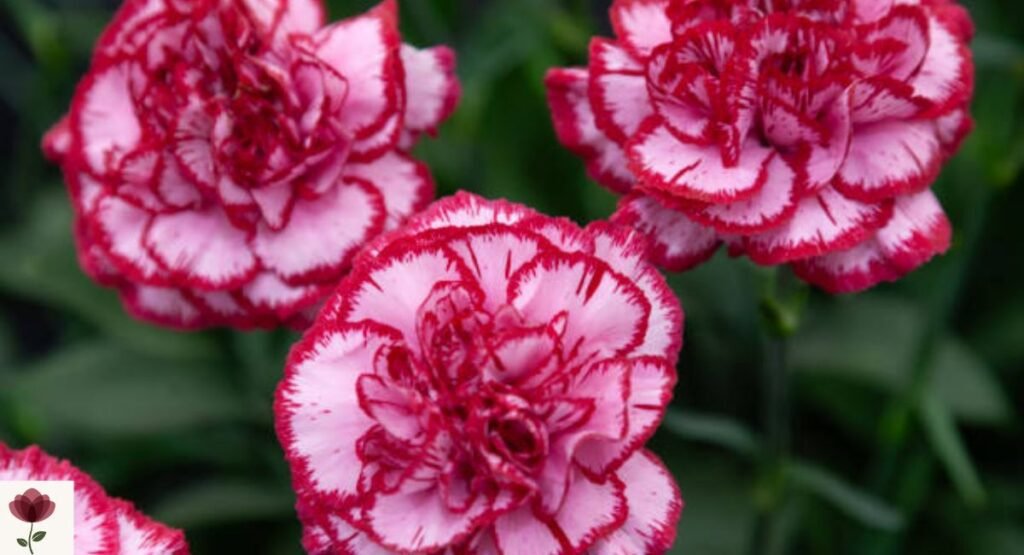
Carnations are flowering plants known botanically as Dianthus caryophyllus. They belong to the Dianthus genus, which includes several related garden flowers. Native to the Mediterranean region, carnations have become popular worldwide because they offer colorful blooms, sturdy stems, and a pleasant, spicy fragrance. Florists use them in bouquets and formal arrangements, while gardeners grow them in borders, containers, and flower beds.
The appearance of carnations depends on the variety. Some produce one large flower per stem, while others develop several smaller blooms. Their ruffled petals, narrow greyish-green leaves, and wide color range make them easy to recognize. Carnations generally prefer sunny locations and well-drained soil. With suitable growing conditions, many varieties flower from late spring into summer, while greenhouse-grown carnations are available throughout much of the year.
What Do Carnation Flowers Look Like?
Carnations have layered petals with finely fringed edges. These petals create a full, crinkled appearance that distinguishes them from many other garden flowers. Their colors include pink, red, white, purple, yellow, green, and striped combinations. Some varieties have a mild clove-like fragrance, while others produce a stronger spicy scent. Standard carnations usually have one prominent bloom per stem, whereas spray carnations carry several smaller flowers.
Where Do Carnations Grow Naturally?
Carnations originated in the Mediterranean region, where sunny conditions and relatively mild temperatures support their growth. Today, commercial growers cultivate them in countries around the world, including the United States. Gardeners can grow suitable varieties outdoors or in containers. However, their cold tolerance varies, and they generally struggle in waterlogged soil. Choosing a variety suited to your local climate gives the plant a better chance of thriving.
How Long Do Carnation Flowers Bloom?
Garden carnations may flower from late spring through summer, depending on the variety, climate, and care. Removing faded blooms can encourage additional flowering in suitable cultivars. Cut carnations often last around two to three weeks in a vase when handled properly. Fresh stems, clean water, floral preservative, and moderate temperatures all help extend their display life.
Carnation Flowers Meaning and Symbolism
The carnation flowers meaning changes according to color, culture, and occasion. These flowers commonly symbolize affection, admiration, gratitude, and remembrance. Their versatility makes them suitable for romantic gifts, birthday bouquets, weddings, and memorial arrangements. Unlike flowers with one widely recognized message, carnations offer several interpretations. This flexibility allows you to choose a color that reflects your feelings and the relationship you share with the recipient.
Historically, carnations have appeared in art, religious traditions, celebrations, and floral customs. Their symbolism has developed over centuries, so meanings can differ between cultures and communities. Pink carnations are often linked with gratitude, while red carnations suggest love or admiration. White varieties can represent purity or remembrance. Understanding these associations helps you select meaningful flowers without assuming that every person interprets them in exactly the same way.
What Do Carnation Flowers Symbolize?
Carnations commonly represent love, fascination, distinction, and affection. Their meanings also depend on the color and the setting in which you give them. A pink bouquet can express gratitude, while red carnations may communicate romantic feelings. White flowers often suit ceremonies that emphasize sincerity or remembrance. Because carnations appear in both joyful and solemn arrangements, they can express emotions ranging from celebration to sympathy.
Do Carnations Represent Love and Good Luck?
Carnations are strongly associated with love and admiration, particularly when you choose red or pink varieties. Some people also use flowers to express good wishes, hope, or positive intentions. However, good luck is not a universal carnation meaning. If you’re choosing flowers for someone from a different cultural background, consider their traditions and personal preferences before deciding which color to give.
What Do Different Carnation Colors Mean?
Each carnation color can communicate a different message. Red often represents deep affection, pink suggests gratitude, and white is linked with purity or remembrance. Purple can express fascination or individuality, while yellow has associations ranging from cheerfulness to disappointment. These meanings are cultural traditions rather than fixed rules. A recipient’s favorite color may matter more than traditional symbolism.
Carnation Flowers by Color and Their Meanings
Color is one of the most useful ways to personalize a carnation bouquet. Different shades create different moods, from romantic and dramatic to gentle and cheerful. Understanding carnation color symbolism can help you choose flowers for birthdays, weddings, anniversaries, and other occasions. You can also combine several colors to create a bouquet that communicates more than one feeling.
Carnations are available in solid shades, striped patterns, and mixed colors. Some shades occur naturally in cultivated varieties, while others come from dyeing techniques used by florists. When choosing a bouquet, consider the occasion, the recipient’s taste, and the colors of any other flowers in the arrangement. A thoughtful combination can make an affordable bouquet look elegant and carefully planned.
Pink Carnation Flowers: Meaning and Symbolism
Pink carnation flowers commonly symbolize gratitude, tenderness, and affection. They are popular for Mother’s Day, thank-you gifts, birthdays, and celebrations honoring someone important. Their soft color suits both casual and formal arrangements. You can combine pink carnations with white roses, baby’s breath, or fresh greenery for a gentle, balanced bouquet that expresses appreciation without feeling overly romantic.
White Carnation Flowers: Meaning and Symbolism
White carnation flowers are associated with purity, innocence, sincerity, and remembrance. Their clean appearance makes them suitable for weddings, sympathy arrangements, and formal celebrations. White carnations also work well with almost every other flower color. Pair them with greenery for a simple arrangement or add pale pink roses for a softer, more romantic look. Their symbolism may vary according to cultural and personal traditions.
Red Carnation Flowers: Meaning and Symbolism
Red carnation flowers often represent love, admiration, and deep affection. Their rich color makes them suitable for anniversaries, Valentine’s Day, and romantic celebrations. They can also serve as an alternative to red roses when you want a bouquet with more texture. Combining red carnations with white flowers creates a striking contrast, while adding pink blooms produces a softer romantic arrangement.
Purple Carnation Flowers: Meaning and Symbolism
Purple carnation flowers are associated with fascination, charm, and individuality. Their unusual color makes them appealing for distinctive bouquets, modern weddings, and themed celebrations. Light purple varieties create a delicate appearance, while deep purple blooms add drama. Pair them with white carnations or silver-toned foliage to create contrast without overwhelming the arrangement.
Yellow Carnation Flowers and Their Meaning
Yellow carnations add brightness and energy to floral displays. Depending on the tradition, they may symbolize cheerfulness and friendship or suggest disappointment and rejection. This difference makes context important when gifting yellow flowers. If you know the recipient enjoys bright colors, yellow carnations can create a lively birthday bouquet. Otherwise, combining them with pink or white flowers can soften the overall message.
Striped, Green, and Other Carnation Colors
Striped carnations feature contrasting lines or patches of color across their petals. Green carnations offer an unusual option for themed events and creative floral designs. Some carnations display naturally occurring color patterns through selective breeding, while florists dye white flowers to create shades that aren’t commonly available. If natural color matters to you, ask the florist whether the blooms have been dyed.
Red and White Carnation Flowers: Color Combinations and Ideas
Red and white carnation flowers create a bold combination that suits anniversaries, celebrations, and formal events. Red suggests affection, while white adds a sense of sincerity and elegance. Pink and white carnations offer a gentler alternative for birthdays or thank-you gifts. For a fuller bouquet, add baby’s breath and greenery while keeping the main color combination easy to see.
Blackish Purple Carnation Flowers: Are They Natural?
Blackish-purple carnations usually have very deep purple, burgundy, or near-black petals rather than truly black pigmentation. Some varieties develop naturally dark shades, while florists may dye lighter flowers to achieve a dramatic finish. These blooms work well in gothic wedding arrangements, autumn displays, and modern floral designs. Their unusual appearance makes them especially striking when paired with white flowers.
Carnation Birth Flowers: Month, Meaning, and Symbolism
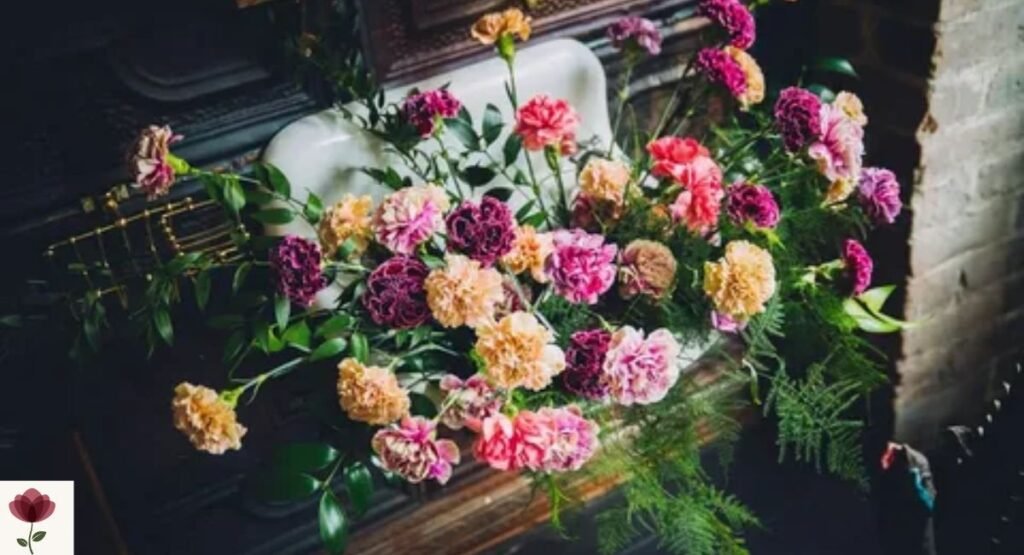
Carnations are widely recognized as the birth flower for January in the United States. Their colorful blooms and lasting beauty make them meaningful birthday gifts during the winter season. The flower is often associated with affection, admiration, and enduring love. Because carnations come in many shades, you can choose a color that reflects the recipient’s personality or your relationship with them.
Birth flower traditions offer a simple way to make a gift more personal. A January birthday bouquet might feature red carnations for a partner, pink blooms for a family member, or white flowers for someone who appreciates classic arrangements. These associations aren’t strict rules. The most thoughtful choice combines the flower’s traditional meaning with the recipient’s preferences and the message you want to share.
Why Is the Carnation the January Birth Flower?
Carnations have become firmly established as January’s birth flower through popular floral traditions. Their availability, variety of colors, and lasting blooms make them practical choices for winter birthdays. Some traditions also associate January with the snowdrop. However, carnations remain one of the most familiar birth flowers in American floral shops and birthday arrangements.
What Does a Carnation Birth Flower Represent?
As a birth flower, the carnation commonly represents affection, admiration, and devotion. Its exact message depends on the chosen color. Pink carnations express appreciation, red varieties suggest love, and white blooms can represent sincerity or remembrance. This range makes carnations suitable for friends, partners, parents, and other loved ones celebrating January birthdays.
How to Choose Carnation Birth Flowers for Someone’s Birthday
Start by considering the recipient’s favorite colors and the message you want the bouquet to express. Pink carnations work well for gratitude, red suits romantic relationships, and white offers a timeless appearance. Purple carnations are ideal for someone who enjoys unusual flowers. A mixed bouquet can combine several meanings while creating a colorful and personal birthday gift.
Carnation Birthday Flowers: Best Colors and Bouquet Ideas
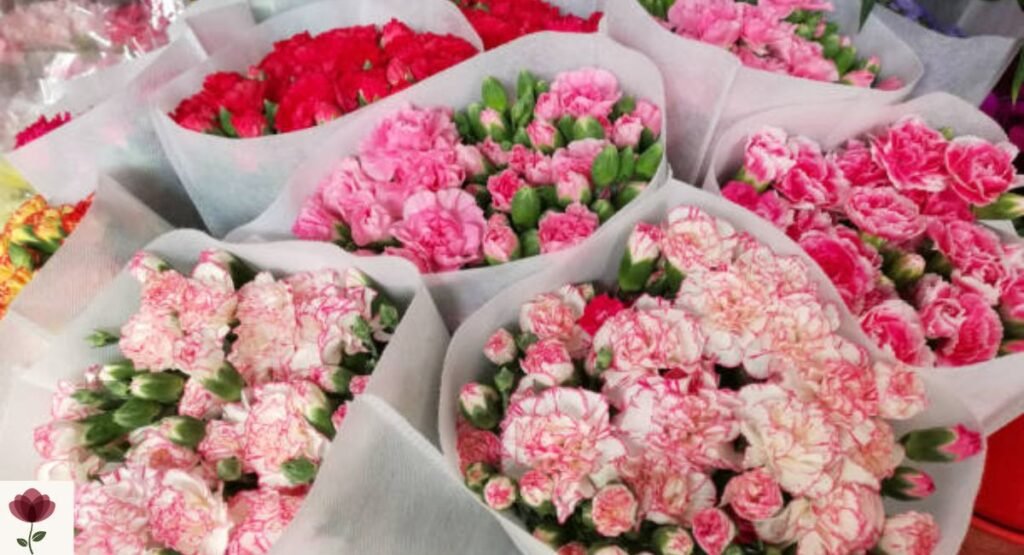
Carnation birthday flowers are an appealing gift because they combine colorful blooms, versatility, and good vase life. They suit a range of budgets and can look elegant in simple or elaborate arrangements. Choosing the right color makes the bouquet more personal, while thoughtful wrapping and a handwritten message can turn a small gift into a memorable gesture.
For a friend, consider pink and yellow carnations that create a cheerful display. A romantic partner may appreciate red blooms, while white and purple carnations offer a distinctive choice for someone who enjoys unusual arrangements. If the birthday falls in January, including carnations as the birth flower adds another thoughtful detail. You can also mix carnations with roses or seasonal greenery.
Best Carnation Colors for Birthday Gifts
Pink carnations are suitable for friends and family, while red varieties are popular for romantic partners. White carnations create a clean, elegant look, and purple flowers offer something different. Yellow carnations can brighten a birthday arrangement, particularly when combined with pink or white blooms. Let the recipient’s taste guide your final choice.
Carnation Bouquets for January Birthdays
January birthday bouquets can feature carnations in a single color or several complementary shades. Red and white flowers create contrast, while pink and purple blooms produce a softer look. Add eucalyptus or other suitable greenery for texture. A simple vase or neatly wrapped paper can complete the gift without distracting from the flowers.
How to Combine Carnations With Roses and Other Flowers
Carnations pair well with roses, chrysanthemums, baby’s breath, and eucalyptus. Roses provide familiar focal blooms, while carnations add fullness and texture. For a balanced arrangement, choose two or three main colors and vary the flower sizes. This approach creates a natural-looking bouquet without making the design feel crowded.
Carnation Flowers for Mother’s Day
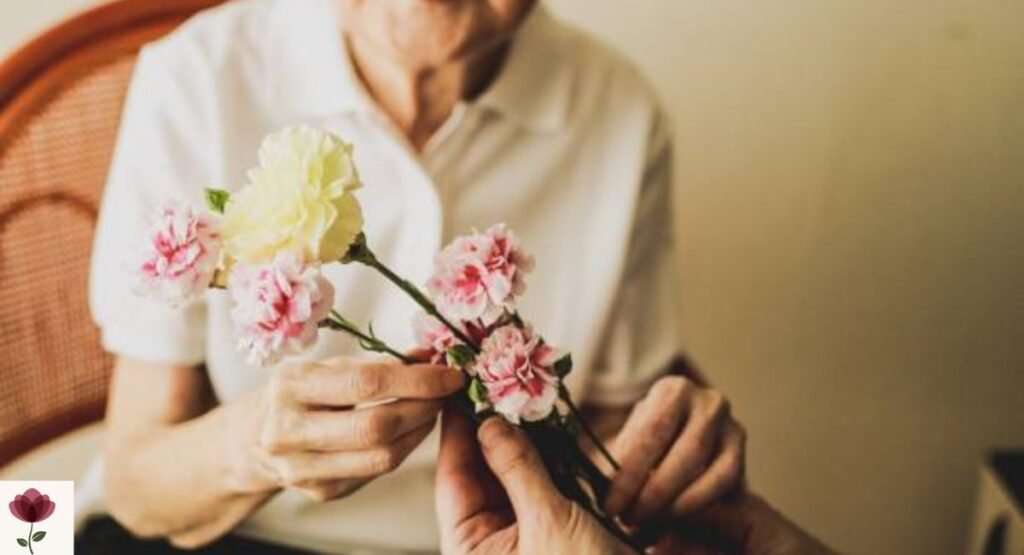
Carnations have a special place in American Mother’s Day traditions. Their associations with affection, gratitude, and remembrance make them thoughtful gifts for mothers and other important caregivers. Pink and white varieties are especially meaningful, although any color can be appropriate when it reflects the recipient’s preferences. A bouquet becomes even more personal when paired with a handwritten note or a small gift.
Mother’s Day arrangements don’t need to be complicated to feel special. Pink carnations can express appreciation, while white blooms may carry a message of remembrance for someone who has died. A mixed bouquet can combine carnations with roses, tulips, or seasonal flowers. Choose a style that suits your mother’s taste rather than relying only on traditional symbolism.
Why Are Carnations Associated With Mother’s Day?
Carnations became closely connected with American Mother’s Day through the efforts of Anna Jarvis, who helped establish the modern observance. Early traditions used carnations to honor mothers, with pink blooms often representing living mothers and white flowers remembering those who had died. Today, these meanings remain familiar, although individual families may follow different customs.
Pink and White Carnations for Mother’s Day
Pink carnations are a popular way to express gratitude, affection, and appreciation. White carnations provide a quieter, more formal appearance and may symbolize remembrance. Combining the two colors creates a graceful arrangement that suits many styles. Add soft greenery or baby’s breath to give the bouquet more texture without overpowering the flowers.
How to Choose Carnation Flowers for Mother’s Day
Think about your mother’s favorite flowers, preferred colors, and home décor before choosing an arrangement. Pink carnations suit a warm, affectionate gift, while white and purple blooms can create a more distinctive display. A small vase, personal card, or favorite treat can make the gift feel thoughtful without requiring a large budget.
Carnations vs. Tulips, Roses, and Orchids for Mother’s Day
Carnations offer ruffled petals and a reputation for lasting well in a vase. Tulips bring a fresh springtime look, roses express affection, and orchids provide an elegant plant that may rebloom with proper care. The best choice depends on the recipient’s taste, the gift’s purpose, and whether they prefer cut flowers or a living plant.
Carnation Flowers for Valentine’s Day and Other Occasions
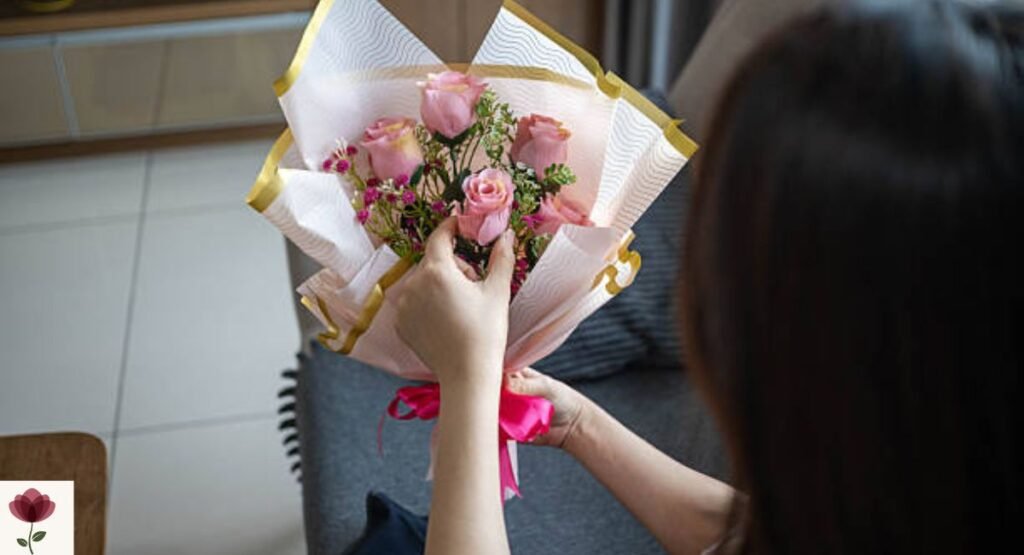
Carnations suit romantic occasions, weddings, anniversaries, graduations, and other celebrations. Their wide range of colors makes them easy to coordinate with different themes and personal styles. Red varieties can express affection, pink flowers offer a gentler message, and purple carnations provide an unusual option for distinctive bouquets or event decorations.
Although roses remain a familiar Valentine’s Day choice, carnations can create an equally thoughtful gift. Their textured petals add volume, and their price may allow you to build a larger arrangement. For weddings, carnations work well in bouquets and centerpieces. For formal events, choose colors that complement the décor and keep the arrangement balanced.
Carnation Flowers for Valentine’s Day
Red carnations communicate love and admiration, while pink varieties suggest tenderness and appreciation. Combining them creates a romantic bouquet with more texture than a single-color arrangement. White flowers can add contrast and elegance. A personal message explaining why you chose the flowers makes the gift more meaningful than the bouquet alone.
Carnation Flowers for Weddings and Bridal Bouquets
Carnations are useful for bridal bouquets, boutonnieres, ceremony decorations, and reception centerpieces. Their layered petals help create a full arrangement without requiring every stem to be an expensive focal flower. White, blush, red, and burgundy varieties suit many wedding palettes. Select fresh blooms and coordinate them with the other flowers to maintain a consistent look.
Purple Carnations for Invitations and Event Decorations
Purple carnations can inspire the color palette for invitations, table settings, and event decorations. Fresh flowers themselves are better suited to arrangements than paper invitations, but photographs and floral illustrations can carry the same theme. Coordinate the purple shade with the event’s other colors to create a polished and consistent appearance.
Popular Types of Carnation Flowers
Carnations come in several forms, including standard, spray, and compact garden varieties. Each type offers different benefits depending on whether you want large focal blooms, clusters of small flowers, or plants for a container. Understanding these differences helps you choose suitable flowers for bouquets, home gardens, and decorative displays.
Standard carnations generally produce one prominent bloom per stem, while spray types carry several smaller flowers. Dwarf and compact varieties suit borders and pots where space is limited. Some carnations grow as perennials, although their lifespan and cold tolerance vary. Before planting, check the variety’s mature size and growing requirements.
Standard Carnations
Standard carnations produce one large flower at the top of each stem. Their prominent blooms work well in bouquets, corsages, and formal arrangements. Florists often select them for their sturdy stems and broad color range. When buying standard carnations, look for firm stems and healthy petals without brown edges.
Spray Carnations and Mini Carnations
Spray carnations produce several smaller blooms on a single stem, giving arrangements a clustered appearance. Mini carnations are often used to describe compact flowers in the floral trade. They suit mixed bouquets, table decorations, and smaller vases. Their smaller blooms can add texture without competing with larger focal flowers.
Perennial Carnations for Home Gardens
Some carnations grow as perennials and may return for several seasons in suitable conditions. They generally prefer full sun, well-drained soil, and moderate watering. Cold tolerance differs between varieties, so choose plants suited to your local climate. Removing faded blooms and avoiding waterlogged roots can help keep plants healthy.
Best Carnation Varieties for Bouquets and Cut Flowers
Standard carnations are useful when you want large, prominent blooms, while spray carnations provide clusters and extra texture. Choose flowers with firm stems, fresh petals, and healthy foliage. For mixed arrangements, consider how the carnation colors complement the other flowers and whether their sizes create a balanced design.
Flowers That Look Like Carnations but Aren’t
Several flowers resemble carnations because they have ruffled petals, compact growth, or clusters of colorful blooms. Some are close relatives, while others belong to entirely different plant families. Examining the leaves, flower shape, growth habit, and plant structure can help you distinguish these look-alikes and choose the right variety for your garden.
Sweet William, China pink, and garden pinks belong to the Dianthus genus and share many carnation-like features. Double petunias, peonies, and certain roses can also look similar at first glance. However, their growth habits and care needs differ. Identifying a plant correctly helps you avoid choosing a flower that won’t thrive in your growing conditions.
Sweet William (Dianthus barbatus)
Sweet William produces dense clusters of small flowers, often with contrasting colors or patterned petals. It belongs to the same genus as carnations, which explains their similar appearance. Unlike many standard carnations, Sweet William usually forms clusters of blooms rather than one large flower on each stem.
China Pink (Dianthus chinensis)
China pink produces delicate flowers with fringed petals that resemble miniature carnations. Depending on the climate and variety, it may grow as an annual or short-lived perennial. Its compact size makes it suitable for sunny borders, containers, and smaller garden spaces.
Garden Pinks (Dianthus plumarius)
Garden pinks are low-growing plants with fringed petals and a spicy, clove-like fragrance. They suit rock gardens, borders, and sunny planting areas. Their flowers resemble miniature carnations, but their spreading growth habit and narrow foliage help distinguish them from taller varieties.
Double Petunias
Double petunias have layers of petals that can resemble small carnations. However, they have broader leaves and often grow in spreading or trailing forms. These plants work well in containers and hanging baskets, where their flowers can spill over the edges.
Double Peonies
Double peonies produce large, full flowers with many overlapping petals. Their shape may remind you of oversized carnations, but peonies usually have much larger blooms and a different growth habit. They are popular garden perennials and valuable cut flowers during their spring flowering season.
Some Types of Double Roses
Double roses have numerous petals arranged in dense layers, creating a full flower head. Their petals are usually smoother than carnation petals, and many varieties have thorny stems. Both flowers suit romantic arrangements, but their fragrance, structure, and growing needs differ.
Tree With Flowers That Look Like Carnations
Some flowering trees produce clusters or ruffled blooms that may resemble carnations from a distance. However, a woody trunk, branching structure, and tree-sized canopy distinguish them from carnations. To identify an unfamiliar tree, examine its leaves, flowers, bark, and overall growth habit rather than relying on bloom color alone.
Bush With Flowers That Look Like Carnations
Certain flowering shrubs produce double or fringed blooms that resemble carnations. Their woody stems and branching growth help separate them from herbaceous garden plants. If you discover an unfamiliar shrub, compare its foliage, flower arrangement, and mature size before deciding which species it might be.
Perennial Flowers That Look Like Carnations
Perennial Dianthus varieties are among the closest carnation look-alikes because they share similar petals and growth habits. Other double-flowered plants may resemble carnations, but their foliage, flower size, and care needs can vary significantly. Check the plant label before buying a perennial for your garden.
How to Grow Carnation Flowers at Home
Growing carnations at home is manageable when you provide enough sunlight, suitable soil, and consistent care. You can start with seeds, nursery plants, or healthy cuttings. Choose varieties suited to your climate and available space. With proper drainage and regular maintenance, carnations can add color to garden beds and containers throughout their flowering season.
Most carnations prefer at least six hours of sunlight each day and soil that drains freely. Water them when the upper soil begins to dry, but avoid keeping their roots constantly wet. Space plants to encourage airflow and reduce disease risks. Garden conditions vary, so adjust watering and planting times to your local weather.
Best Soil and Sunlight for Carnations
Carnations generally grow best in sunny locations with well-drained soil. Heavy, waterlogged soil can cause root problems, especially during rainy periods. If your garden soil drains poorly, consider a raised bed or container. Good sunlight encourages stronger growth and helps many varieties produce abundant flowers.
How Often Should You Water Carnation Flowers?
Water carnations when the upper layer of soil begins to dry. The exact schedule depends on temperature, rainfall, soil type, and whether the plant grows in a pot or garden bed. Direct water toward the soil instead of the leaves. Overwatering can cause root problems and weaken the plant.
When to Plant Carnations
In many parts of the United States, spring is a suitable time to plant carnations after severe frost risk has passed. In regions with mild winters, fall planting may also work. Check the recommended planting time for your variety and local climate to give young plants enough time to establish.
How to Grow Carnations in Pots and Garden Beds
For containers, choose a pot with drainage holes and a free-draining potting mix. In garden beds, space plants according to their mature size to improve airflow. Container-grown carnations may need more frequent watering during hot weather because pots dry out faster than garden soil.
Common Carnation Growing Problems and Solutions
Yellow leaves can indicate excess moisture, poor drainage, or nutrient problems. Weak stems may develop when plants receive insufficient light, while damaged foliage can signal pests or disease. Inspect your carnations regularly and correct the growing conditions first. Apply suitable treatments only when you identify the likely cause.
Can You Grow Carnations From Cut Flowers?
Growing carnations from cut flowers is possible, but success depends on the condition of the stem. A fresh, healthy cutting with suitable nodes has a better chance of rooting than an old florist stem. Some commercial flowers have spent time in storage or received treatments that make propagation less reliable.
Rooting a cutting also differs from keeping a bouquet fresh. Vase care helps preserve the flower head, while propagation requires the stem to develop new roots. If you want to grow carnations successfully, a healthy cutting taken from a growing plant is usually a better starting point than a fading bouquet.
Can You Grow Carnations From Store-Bought Flowers?
You can try rooting a healthy store-bought carnation, although the results aren’t guaranteed. Choose a firm stem with visible nodes and no signs of decay. Remove the flower head and lower leaves before preparing the cutting. Fresh material generally has a better chance of rooting than dehydrated or damaged stems.
How to Propagate Carnations From Cut Flowers
Select a healthy stem section and remove the lower leaves. Place the cutting in a suitable rooting medium and keep it lightly moist. Bright, indirect light and gentle warmth can support root development. Avoid direct, intense sunlight, which may cause the cutting to lose moisture before it develops roots.
How to Take Carnation Cuttings From Cut Flowers
Use clean scissors to cut a healthy section just below a node. Remove leaves that would sit beneath the rooting medium and check that the stem remains firm. A cutting with several healthy nodes offers useful points for root development, although stem quality remains an important factor.
How to Root Carnation Cuttings Successfully
Insert the cutting into a free-draining rooting medium and keep the medium slightly moist. Provide bright, indirect light and avoid excessive watering. Check for resistance gently after several weeks, since pulling the cutting repeatedly can damage developing roots. Once roots establish, transfer the young plant to suitable potting mix.
Why Some Carnation Cuttings Fail to Grow
Cuttings may fail because their stems are too old, dehydrated, or damaged. Excess moisture can also cause rot before roots develop. Use fresh material, keep the rooting medium lightly moist, and provide good airflow. If a cutting turns soft or develops decay, replace it with a healthier stem.
Carnation Cut Flowers: Selection, Care, and Vase Life
Carnation cut flowers are valued for their sturdy stems and ability to remain attractive in a vase for an extended period. Many last around two to three weeks when fresh and properly cared for. Clean water, suitable temperatures, and regular maintenance can help preserve their petals and reduce premature wilting.
When buying carnations, choose firm stems and fresh-looking petals without brown edges. At home, use a clean vase and remove leaves that would sit underwater. Trim the stems with clean scissors and add commercial flower food according to its instructions. Keep the bouquet away from direct sunlight, heaters, and ripening fruit.
How to Choose Fresh Cut Carnation Flowers
Look for firm stems, healthy green foliage, and petals without bruising or brown edges. Avoid flowers that feel limp or have slimy stem ends. Blooms showing some color can open beautifully after purchase, while completely tight buds may take longer to display their full appearance.
How to Make Carnation Flowers Last Longer
Trim the stems with clean scissors and place them in fresh water with commercial flower food. Remove submerged leaves and keep the vase clean. Replace the water regularly and position the arrangement in a cool area away from direct sunlight, heaters, and ripening fruit.
How Often Should You Change Carnation Vase Water?
Change the water every two or three days, or sooner if it becomes cloudy. Rinse the vase thoroughly and trim a small amount from the stem ends when refreshing the arrangement. Clean water helps limit bacterial growth, which can block water uptake and shorten vase life.
How to Arrange Carnations in a Bouquet
Start with carnations in your chosen main color, then add greenery and smaller flowers for contrast. Vary the stem heights to create depth and avoid a flat appearance. Use a vase that supports the stems without crowding them. A simple arrangement often highlights the petals better than an overly busy design.
Best Carnations for Floral Arrangements
Standard carnations provide prominent focal blooms, while spray carnations add clusters of smaller flowers. Choose colors that complement the other flowers and suit the occasion. Fresh stems, healthy petals, and a balanced mix of flower sizes usually matter more than the number of varieties in an arrangement.
Are Carnation Flowers Toxic to Cats?
Carnations are considered mildly toxic to cats and dogs. Eating the flowers or leaves may cause digestive irritation, including vomiting or diarrhea. The risk depends on the amount eaten and the animal’s response. Keep bouquets out of reach and contact a veterinarian if your pet eats carnations or develops concerning symptoms.
Pet owners should remember that even flowers with mild toxicity can cause problems if animals chew them. Place arrangements somewhere pets cannot access and remove fallen petals promptly. If you suspect your cat or dog has eaten carnations, seek veterinary guidance instead of trying home remedies or waiting for symptoms to worsen.
What Happens if a Cat Eats Carnation Flowers?
A cat that eats carnations may develop vomiting, diarrhea, or drooling. Symptoms can vary depending on the amount consumed and the individual animal. Remove any remaining flowers and contact your veterinarian for advice. Seek prompt help if symptoms are severe, persistent, or accompanied by unusual behavior.
How to Keep Cats Safe Around Carnations
Keep carnation bouquets in rooms your cat cannot access, or choose flowers known to be safer for pets. Remember that cats can jump onto tables and shelves, so height alone may not prevent exposure. Remove fallen petals and leaves and avoid leaving discarded stems where pets can reach them.
Are Carnations Safe for Dogs and Other Pets?
Carnations can also cause mild digestive upset in dogs. Keep the flowers, leaves, and discarded stems away from animals that chew plants. If your pet eats part of a carnation, contact a veterinarian for guidance, especially if symptoms develop or you aren’t sure how much was consumed.
Carnation Flowers Drawing: How to Draw a Carnation
A carnation drawing becomes easier when you break the flower into simple shapes. Begin with a rounded flower head, then add irregular petal edges to create its signature ruffled appearance. Draw a slender stem and narrow leaves to complete the outline. Looking at a real carnation can help you capture its natural shape and layered petals.
You don’t need advanced art skills to draw a recognizable carnation. Start with light pencil marks and build the details gradually. Use overlapping curves for the petals and darker lines to show the folds. Once the outline looks balanced, add color and shading to make the flower appear fuller.
Easy Carnation Flower Drawing for Beginners
Draw a light circle to establish the flower head’s size and shape. Add uneven curves around the edge to represent the petals, then sketch a narrow stem and pointed leaves. Refine the outline with small folds and remove unnecessary guide marks before coloring the flower.
How to Draw Carnation Petals Step by Step
Begin at the flower’s center and work outward with overlapping, wavy lines. Make the petal edges irregular rather than perfectly smooth. Add small creases where petals overlap to create depth. Varying the shapes helps the drawing look more natural and less like a simple circle.
How to Color a Carnation Drawing
Choose a reference shade, such as pink, red, or white, and apply a light base color. Darken the spaces between petals to create depth and add highlights along their edges. For white carnations, use pale grey or cream shading instead of leaving every petal completely blank.
Carnation Flowers in Spanish
| English | Spanish |
| Carnation flowers | Flores de clavel |
| Carnation flower | Flor de clavel |
| Red carnation | Clavel rojo |
| Pink carnation | Clavel rosa |
| White carnation | Clavel blanco |
| Purple carnation | Clavel morado |
| Yellow carnation | Clavel amarillo |
| Carnation bouquet | Ramo de claveles |
| Carnation flower meaning | Significado del clavel |
| Carnation plant | Planta de clavel |
| Carnation garden | Jardín de claveles |
| Carnation care | Cuidados del clavel |
| Carnation seeds | Semillas de clavel |
| Fresh carnations | Claveles frescos |
| Artificial carnations | Claveles artificiales |
Best Spanish translation for “carnation flowers”: Flores de clavel or claveles. In everyday Spanish, claveles is the most natural and common term for carnations.
How to Make Carnation Flowers for Crafts and Decorations
Craft carnations offer a lasting alternative to fresh flowers for decorations, gifts, and creative projects. You can make them from tissue paper, regular paper, fabric, or other suitable materials. Each method creates a different texture, so choose one that suits the display and your skill level.
Paper carnations work well for party decorations and handmade gifts, while artificial fabric flowers can be reused for several occasions. Food-safe fondant or icing can create carnation-inspired decorations for cakes. Use materials suitable for the intended purpose, especially when flowers will sit near food or around pets.
How to Make Carnation Flowers Out of Tissue Paper
Stack several sheets of tissue paper and fold them into an accordion shape. Secure the center with floral wire or string, then gently separate the layers to create ruffled petals. Trim the edges before unfolding to give the flower a more natural carnation shape.
How to Make Paper Carnation Flowers
Cut paper into strips and create small fringes along one edge. Wrap the strip around a suitable stem, securing it as you build the flower head. Gently separate and shape the petals to create volume. Experiment with different paper thicknesses to achieve softer or more structured blooms.
How to Make Artificial Carnation Flowers
Artificial carnations can be made from fabric, foam, or ready-made craft petals. Arrange the petals around a central point and secure them to a suitable stem. Choose durable materials if you plan to reuse the flowers for different events. Shape the outer petals gently to create a fuller appearance.
How to Make Carnation Flowers for Cakes
Use food-safe materials designed for cake decoration, such as fondant or gum paste. Roll the material thinly, cut petal shapes, and layer them to create ruffled edges. Never place untreated craft flowers directly on edible surfaces. If using fresh flowers, confirm their safety and keep non-edible stems or supports away from the cake.
How to Make Carnation Icing Flowers
Prepare a piping bag with a suitable petal tip and fill it with stiff royal icing or buttercream. Pipe overlapping ruffles around a central point while turning the flower nail. Practice with small blooms before creating a full arrangement, and let the flowers set when the icing recipe requires it.
How to Make a Dog Out of Carnation Flowers
A floral dog is a decorative arrangement made by attaching flower heads to a shaped base. Use florist foam suitable for flower arranging and secure the blooms close together to cover the surface. Keep the finished display away from pets, since carnations can cause digestive irritation if eaten.
Conclusion
Carnation flowers are beautiful, versatile blooms that bring color and meaning to gardens, bouquets, and special occasions. From understanding carnation flower meanings to exploring different colors, varieties, and their role as January’s birth flower, these flowers offer something for everyone. Their long-lasting blooms also make them a popular choice for thoughtful gifts and floral arrangements.
With proper sunlight, well-drained soil, and regular care, you can enjoy carnations at home or in your garden. Whether you’re growing them, gifting them, or decorating with them, carnation flowers are a timeless way to express love, gratitude, and affection.
FAQs
What Do Carnation Flowers Mean?
Carnations commonly symbolize love, admiration, gratitude, and remembrance. Their exact meaning depends on the color, cultural tradition, and occasion.
What Is the Birth Flower for January?
The carnation is widely recognized as January’s birth flower. It commonly represents affection, admiration, and enduring love.
Are Carnations Toxic to Cats?
Yes, carnations are considered mildly toxic to cats and may cause vomiting, diarrhea, or drooling. Keep them out of reach and contact a veterinarian if your cat eats them.
Can You Grow Carnations From Cut Flowers?
Sometimes. A fresh, healthy stem with suitable nodes may develop roots, although florist stems don’t always propagate successfully.
How Long Do Carnation Cut Flowers Last?
Carnations often last around two to three weeks in a vase with proper care. Fresh water, clean containers, trimmed stems, and suitable temperatures can help extend their vase life.

Welcome to PetalNexa! I’m Anam Sattar, an AI-powered SEO Specialist and Content Writer with over 4 years of experience in creating high-quality, search-optimized content. I help businesses improve their search engine rankings, increase organic traffic, and build beautiful, user-friendly websites. My mission is to make SEO, content creation, and web design simple, effective, and accessible for everyone. Let’s grow your online presence and achieve success together!
1 thought on “Carnation Flowers: Meanings, Colors, Types, Birth Flowers and Care”