

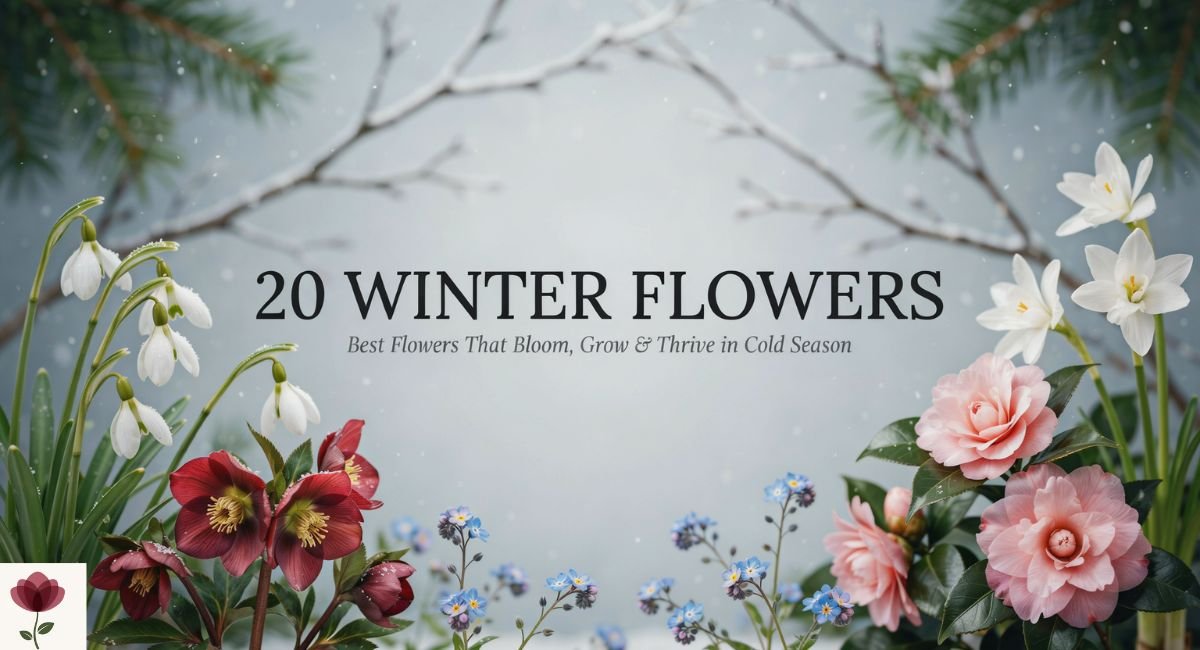
Winter doesn’t have to leave your garden looking dull and lifeless. The right winter flowers can bring color, fragrance, and fresh energy to your landscape when temperatures drop. From cheerful pansies and delicate snowdrops to elegant hellebores and fragrant winter jasmine, many plants can bloom during the cold season. Some winter flowering plants even push through frost, while others thrive during milder winter weather. Your local USDA zone, sunlight, soil, and planting time all influence their performance.
Whether you need flowers for containers, borders, or larger beds, there are plenty of cold-season flowers to consider. In this guide, you’ll discover beautiful flowers that bloom in winter and practical ways to help them thrive.
Winter Flowers at a Glance
The table below compares the 20 selections by color, flowering period, plant type, hardiness, sunlight, and landscape use. Treat zone ranges as general guidance because individual cultivars can differ. Local exposure, soil, drainage, and winter weather can also shift performance.
| Flower | Color | Bloom Season | Plant Type | USDA Zones | Sunlight | Winter Use |
| Hellebore | White, pink, purple, green | Winter–early spring | Perennial | 3–9 | Partial shade | Beds, woodland gardens |
| Winter Jasmine | Yellow | Late winter–early spring | Shrub | 6–10 | Full sun–partial shade | Slopes, walls, borders |
| Pansy | Many colors | Fall–spring | Annual/biennial | 4–9 | Full sun–partial shade | Beds, containers |
| Viola | Purple, yellow, white | Fall–spring | Annual/perennial | 4–9 | Full sun–partial shade | Borders, containers |
| Snowdrop | White | Late winter–early spring | Bulb | 3–7 | Partial shade | Naturalized areas |
| Winter Aconite | Yellow | Late winter | Bulb | 4–7 | Partial shade | Woodland planting |
| Cyclamen | Pink, red, white | Winter | Tuberous perennial | 5–9 | Partial shade | Containers, beds |
| Primrose | Yellow, pink, red, purple | Winter–spring | Perennial/annual | 4–9 | Partial shade | Beds, containers |
| Calendula | Orange, yellow | Fall–spring | Annual | 2–11 | Full sun | Beds, containers |
| Snapdragon | Red, pink, yellow, white | Fall–spring | Annual | 7–10 | Full sun | Borders, beds |
| Sweet Alyssum | White, pink, purple | Fall–spring | Annual/perennial | 5–9 | Full sun–partial shade | Edging, containers |
| Dianthus | Pink, red, white, purple | Fall–spring | Perennial/annual | 3–9 | Full sun | Borders, rock gardens |
| Camellia | White, pink, red | Winter–spring | Evergreen shrub | 7–10 | Partial shade | Hedges, specimen planting |
| Witch Hazel | Yellow, orange, red | Winter–early spring | Deciduous shrub | 3–9 | Full sun–partial shade | Focal planting |
| Winter Heath | Pink, purple, white | Winter–spring | Evergreen shrub | 5–8 | Full sun | Rock gardens, borders |
| Daphne | Pink, white | Winter–spring | Evergreen shrub | 4–9 | Partial shade | Fragrant gardens |
| Mahonia | Yellow | Winter–spring | Evergreen shrub | 5–9 | Shade–partial shade | Wildlife gardens |
| Flowering Kale | Purple, white, pink | Fall–winter | Foliage annual | 2–11 | Full sun | Containers, beds |
| Ornamental Cabbage | Purple, white, pink | Fall–winter | Foliage annual | 2–11 | Full sun | Seasonal displays |
| Algerian Iris | Purple-blue | Winter–early spring | Perennial | 7–10 | Full sun–partial shade | Mild-winter beds |
What Are Winter Flowers?
The phrase winter flowering plants describes plants that produce flowers during part of the colder season. That window can begin in late fall and continue into early spring. Therefore, a plant doesn’t need to flower every day of winter to qualify.
There’s also an important difference between flowering and survival. Pansies may continue producing color during cool weather. A dormant perennial may remain alive underground without blooming. Understanding that distinction helps you choose plants based on the result you actually want.
Meaning of Winter Flowers and Winter Flowering Plants
Winter flowers generally provide visible blooms during a cold-season window. Their flowering period depends heavily on geography. In mild climates, many cool-season annuals can bloom for months. In colder regions, hardy perennials and bulbs often provide the more dependable display.
Difference Between Flowers That Bloom in Winter and Flowers That Simply Survive Winter
A surviving plant isn’t necessarily a winter bloomer. Evergreen shrubs may keep their foliage while producing no flowers. True bloomers provide actual seasonal color. This difference becomes especially important when choosing winter garden flowers for a landscape that needs visible blooms.
How Cold Temperatures and Shorter Daylight Affect Flowering
Cold weather slows many plant processes. However, certain species have evolved to flower during cool conditions. Some bulbs and perennials use seasonal temperature changes as biological signals. Others respond strongly to increasing daylight as winter begins shifting toward spring.
Why Winter Means Different Growing Conditions Across the United States
Winter conditions vary enormously across the United States. Northern gardens can face frozen soil and prolonged snow. Southern gardens may experience mild days with occasional freezes. Desert areas can have chilly nights but sunny afternoons. Coastal regions often experience moderate temperatures with greater moisture.
20 Best Winter Flowers
The following selections cover annuals, perennials, bulbs, shrubs, and foliage plants. Together, they create options for sunny beds, shady corners, containers, borders, and larger landscapes. Bloom timing still varies with cultivar and local weather.
1. Hellebore
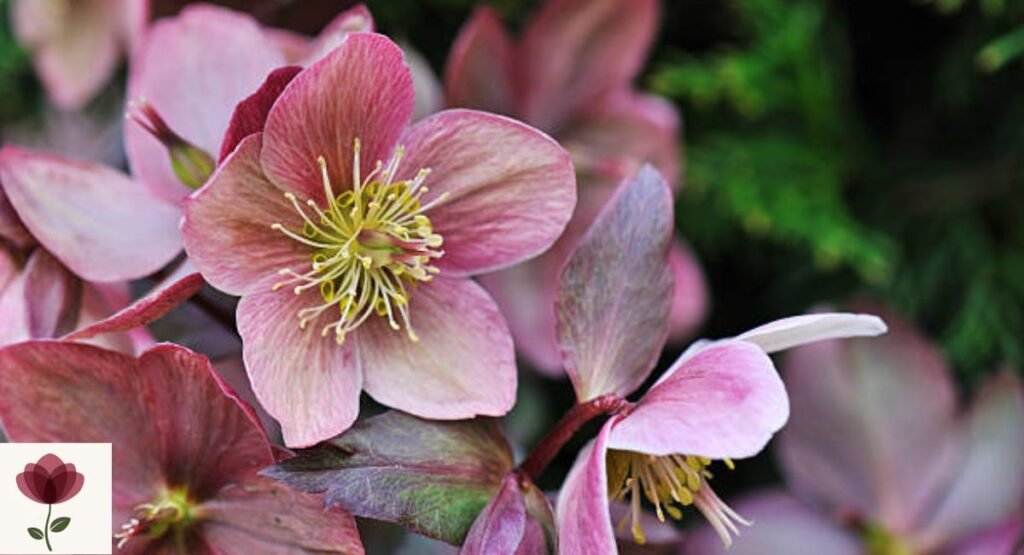
Hellebore is one of the classic flowers that bloom in winter. Christmas rose types can begin flowering around December and continue into February in suitable climates. Hellebores prefer partial shade and well-drained soil. They tolerate cold remarkably well and can provide long-lasting flowers when much of the garden remains dormant.
Their flowers range from white and pink to purple and green. The nodding blooms look particularly elegant beneath deciduous trees. Give them organic-rich soil and avoid areas that stay soggy through winter. They’re excellent for woodland borders and quiet garden corners.
2. Winter Jasmine
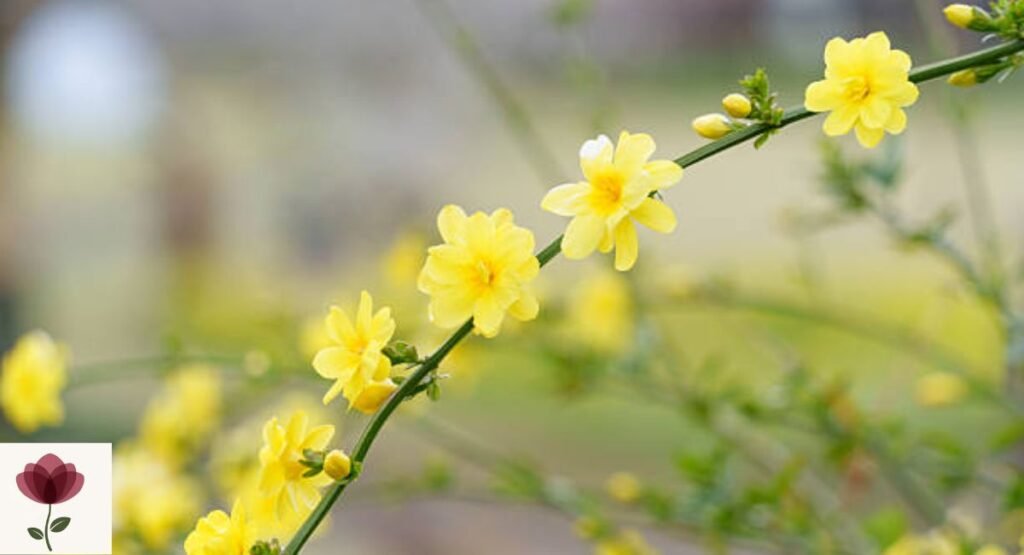
Winter jasmine produces cheerful yellow flowers on long, arching stems. Unlike many compact bedding plants, it creates a spreading shape that works beautifully over slopes and walls. Its yellow winter blooms can brighten a gray landscape almost instantly.
Plant it where the stems have room to cascade. Full sun encourages stronger flowering, although partial shade can work. It suits borders, banks, fences, and informal groundcover-style displays. In a mild winter, the yellow flowers can appear before spring officially arrives.
3. Pansy
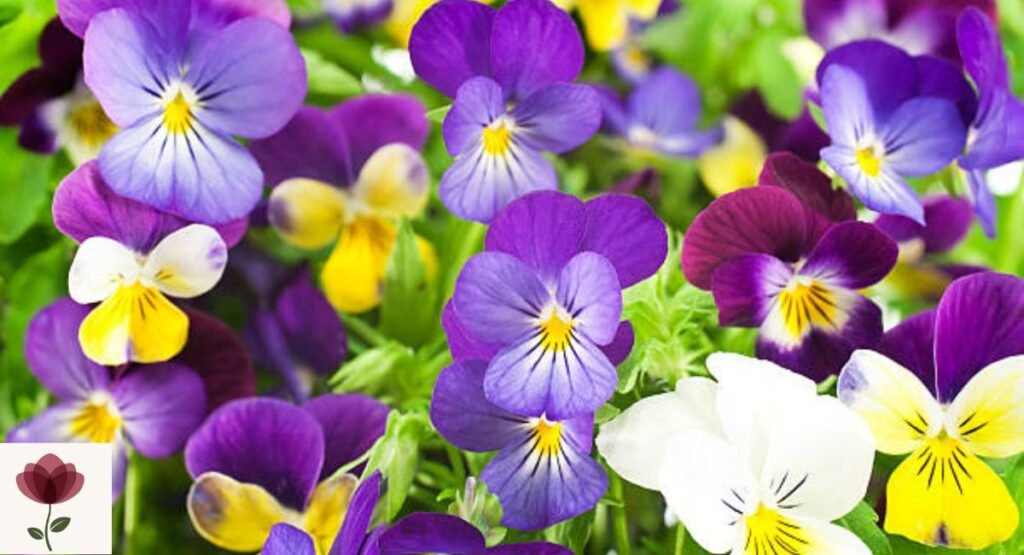
Pansies are among America’s most popular cold-season flowers. Their cheerful faces come in almost every imaginable color combination. Purple, yellow, white, blue, red, and multicolored forms can transform otherwise bare beds.
Plant pansies in fall so roots have time to establish before severe cold. They perform well in containers, beds, borders, and patio planters. Extension guidance also emphasizes the importance of planting time because very cold soil can slow root function and reduce flowering performance.
4. Viola
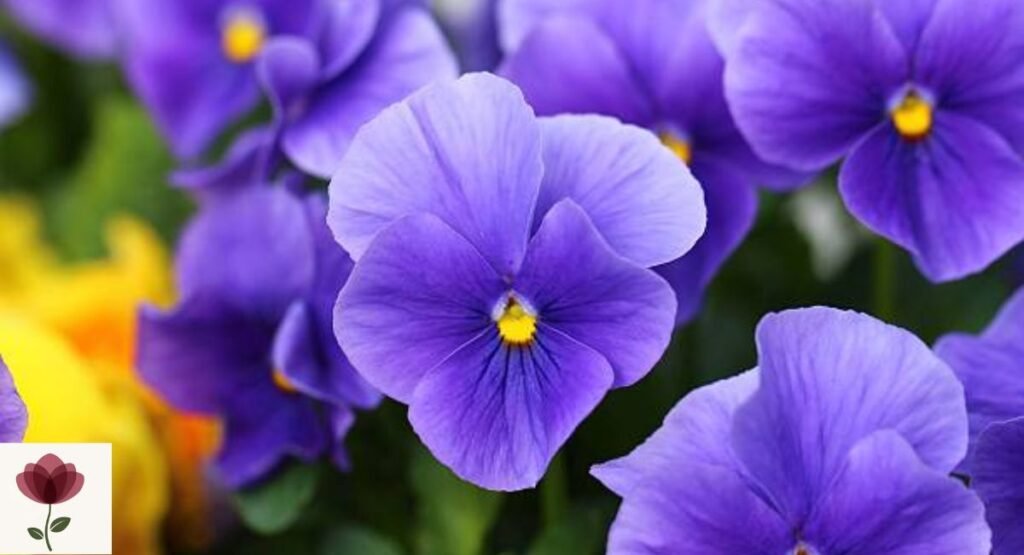
Violas look like smaller cousins of pansies, but they bring excellent cold-weather performance. Their flowers often appear in purple, yellow, white, blue, or mixed shades. They also tend to form compact plants that fit neatly into containers and narrow borders.
Give violas fertile, well-drained soil and regular moisture. Full sun to partial shade works in many regions. They’re particularly useful when you want continuous winter garden color without using large plants.
5. Snowdrop
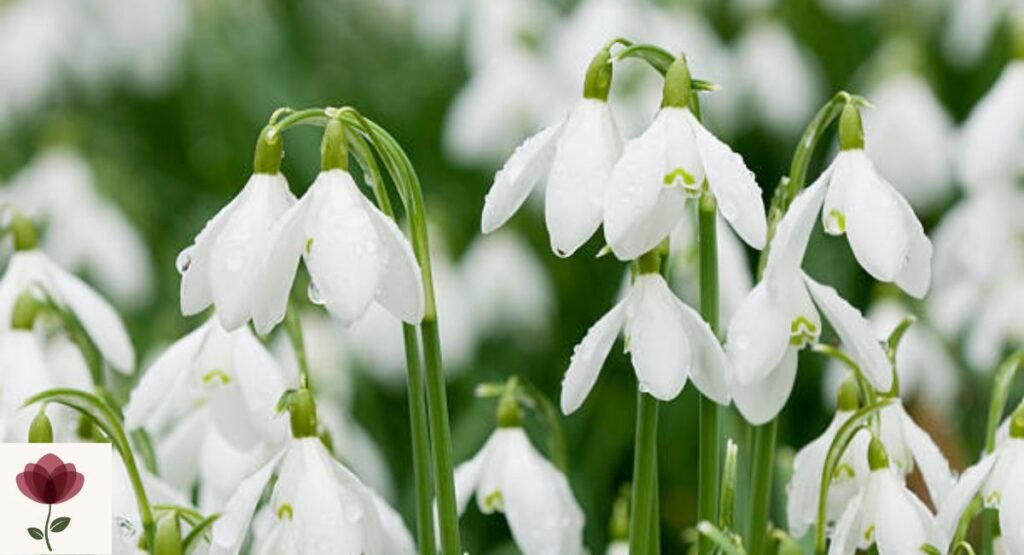
Snowdrops are tiny bulbs with an outsized reputation. Their white, nodding flowers can appear remarkably early, sometimes pushing through cold ground before most plants awaken. That makes them a favorite for gardeners who love flowers blooming in snow or near-snow conditions.
Plant bulbs in fall before the ground freezes. Snowdrops perform well in woodland settings and beneath deciduous trees. Once established, suitable conditions allow them to naturalize and create expanding colonies over time.
6. Winter Aconite
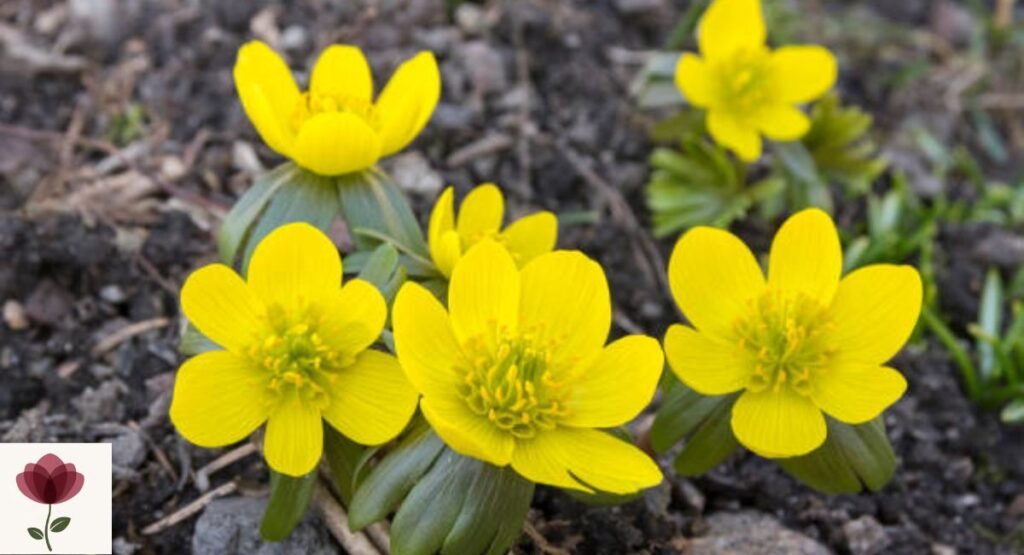
Winter aconite produces brilliant yellow flowers close to the ground. It often blooms in late winter and can appear surprisingly early in the season. Its low stature makes it especially useful beneath trees or around larger shrubs.
Plant the bulbs or tubers in well-drained soil where they can remain undisturbed. Partial shade suits them well beneath deciduous trees. Their golden flowers pair beautifully with snowdrops, creating a striking early-season contrast.
7. Cyclamen
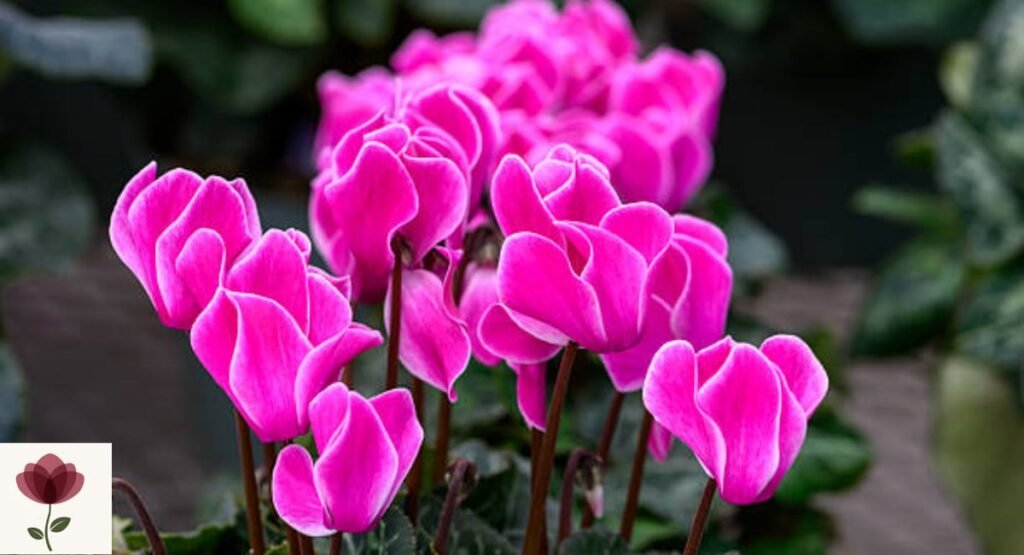
Cyclamen brings an entirely different look to winter planting. Its swept-back petals and patterned foliage give containers an almost jewel-like appearance. Pink, red, white, and purple flowers create plenty of choice for sheltered displays.
Cyclamen prefers cool conditions rather than heat. Avoid constantly wet soil because its underground structure can suffer in poor drainage. In suitable climates, use it in containers, protected beds, patios, and shaded garden areas.
8. Primrose
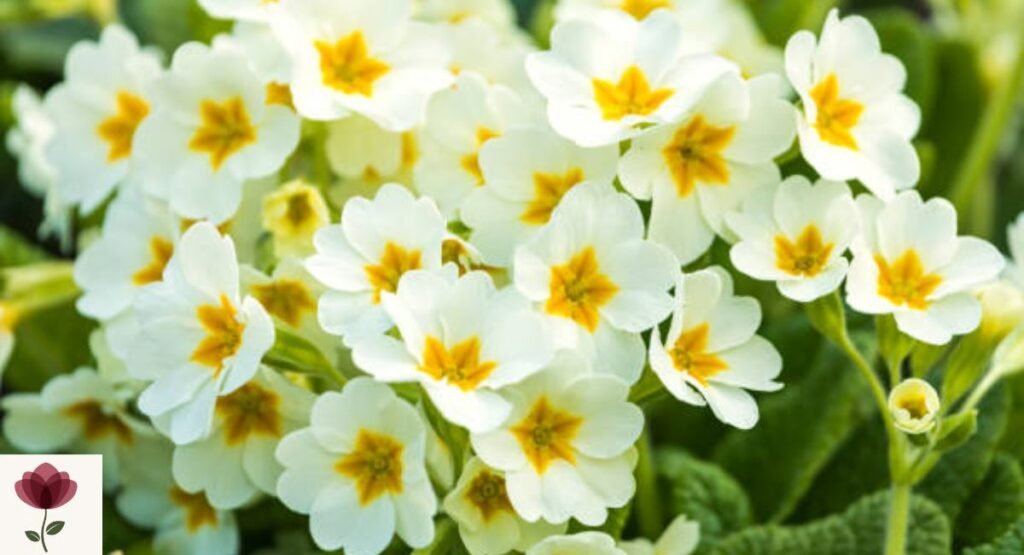
Primrose offers bright color when the garden needs it most. Its flowers can appear in yellow, pink, red, purple, white, and mixed combinations. These winter perennials or seasonal bedding plants work particularly well in cool, moist locations.
Provide partial shade where summer heat is a concern. Keep soil evenly moist without making it waterlogged. Primrose can brighten containers, flower beds, borders, and sheltered woodland-style plantings.
9. Calendula

Calendula is a cheerful choice for mild winter climates. Its orange and yellow flowers look almost like little suns during gray weather. The plant grows readily from seed and can establish quickly when conditions are favorable.
Plant calendula in full sun with reasonably fertile, well-drained soil. In regions with mild winters, fall sowing can produce months of cool-season color. It also fits naturally into pollinator gardens and informal cottage-style beds.
10. Snapdragon
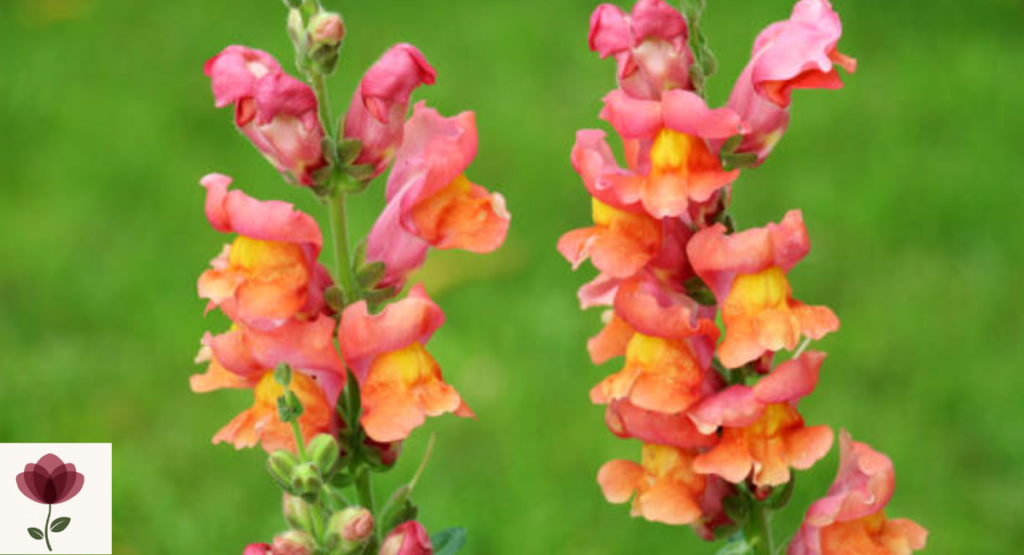
Snapdragons thrive when temperatures remain cool. Their tall flower spikes bring vertical structure to winter and early-spring beds. You can find cultivars ranging from compact plants to taller varieties suitable for cutting.
Fall planting can produce winter color in mild climates. They prefer full sun and good drainage. In colder regions, they may pause during severe weather before resuming growth as conditions improve.
11. Sweet Alyssum
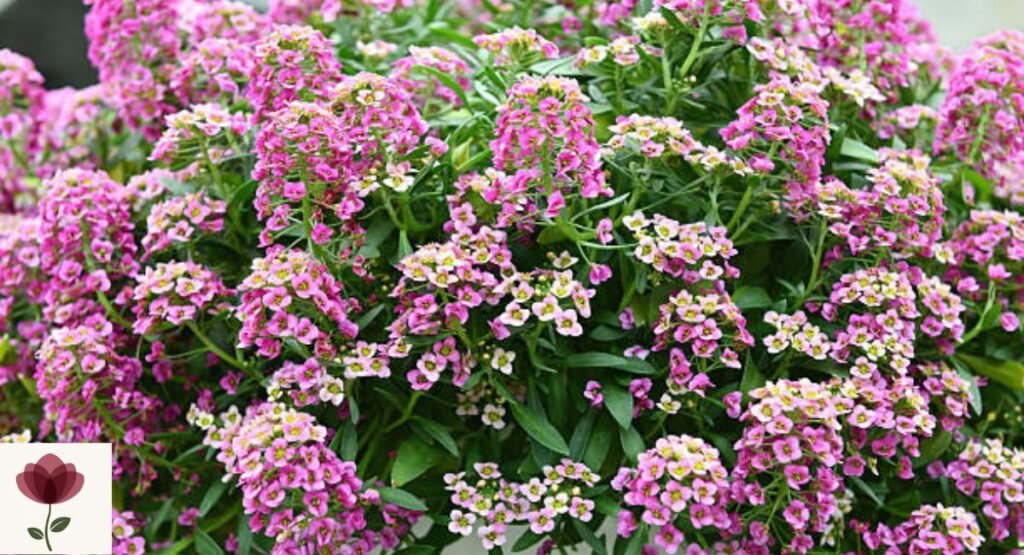
Sweet alyssum produces small flowers with a pleasant fragrance. White is especially common, although pink and purple selections also exist. The plants stay low and spread gently, making them useful along paths and garden edges.
In mild areas, alyssum can perform through much of winter. Use it as ground cover, edging, or a filler around taller plants. Containers also suit it well because the stems can spill attractively over the sides.
12. Dianthus

Dianthus combines colorful flowers with attractive blue-green foliage. Many types are pleasantly fragrant as well. Depending on species and cultivar, flowers may appear in pink, red, white, or purple.
Choose a sunny site with excellent drainage. Dianthus dislikes persistently wet roots, particularly during cold weather. Rock gardens, borders, containers, and sunny slopes can all provide suitable homes for these resilient plants.
13. Camellia

Camellias are evergreen shrubs that can become stars of the winter landscape. Depending on species and cultivar, flowers may range from white to pink and deep red. Some selections flower from fall into winter while others peak later.
Camellias generally prefer acidic soil, consistent moisture, and protection from harsh exposure. Filtered light often works better than intense afternoon sun. Their glossy foliage remains attractive even when flowering pauses, giving the landscape evergreen interest throughout the year.
14. Witch Hazel
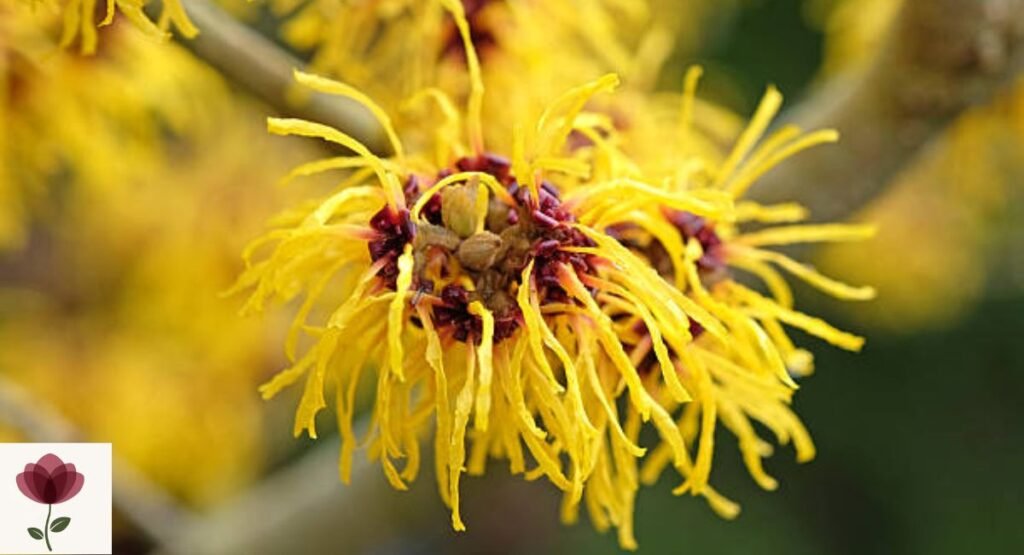
Witch hazel has one of the most unusual winter flowers. Its narrow, ribbon-like petals appear on bare branches. Depending on species, flowers can be yellow, orange, or reddish.
The fragrance adds another sensory layer. Its architectural branches also provide interest after the flowers fade. Plant witch hazel where you can see it during winter, such as near a walkway, patio, or garden window.
15. Winter Heath
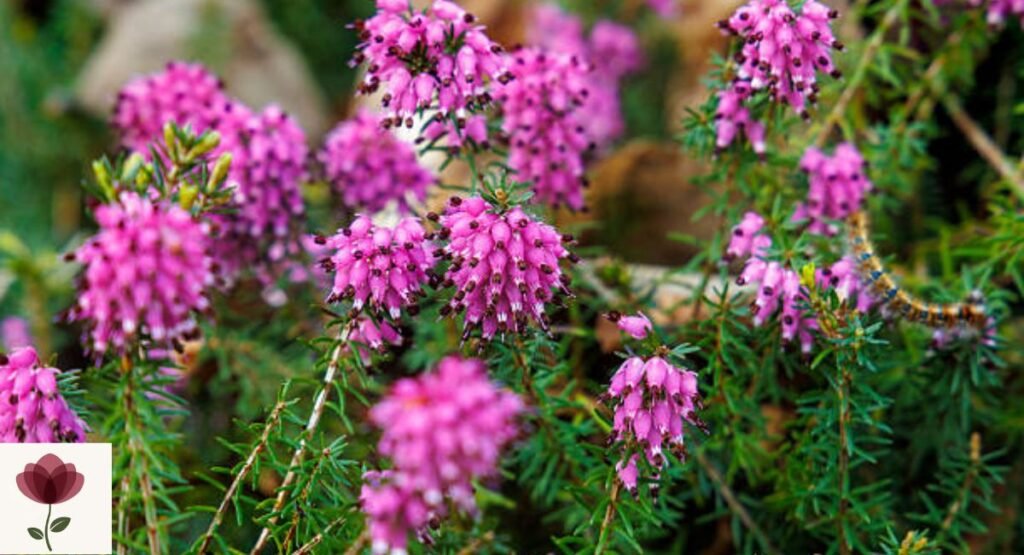
Winter heath forms a low evergreen mound covered with small flowers. Pink, purple, and white shades are common. Its compact structure makes it particularly useful where taller shrubs would overwhelm the space.
It works beautifully in rock gardens and borders. Full sun usually produces the best flowering. Well-drained soil matters because cold, saturated roots can create serious problems during winter.
16. Daphne

Daphne earns its place through fragrance as much as flowers. Its small pink or white blooms can perfume the surrounding garden during winter. Evergreen foliage gives it additional value after flowering.
Excellent drainage is essential. Daphne can be unforgiving when roots remain wet for long periods. Place it in a sheltered location with suitable light and avoid disturbing established plants unnecessarily.
17. Mahonia
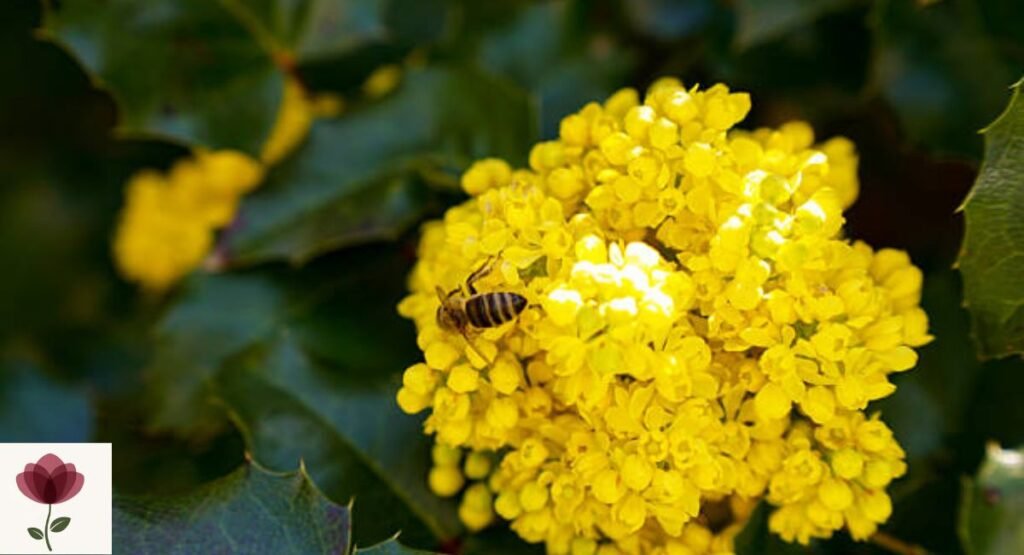
Mahonia combines evergreen foliage with clusters of yellow flowers. Later, many types produce berries that can provide food for birds. That combination makes it useful in a wildlife-friendly garden.
Mahonia handles shade and partial shade better than many flowering shrubs. Use it beneath trees, along woodland borders, or in foundation plantings. Its prickly foliage can also add structural contrast to softer winter plants.
18. Flowering Kale
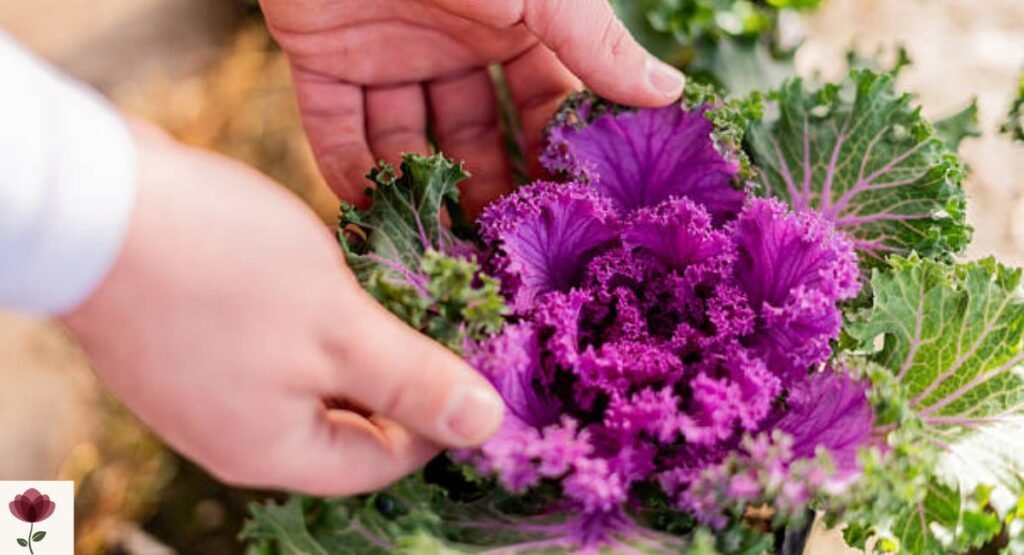
Flowering kale technically earns its winter appeal from foliage rather than traditional flowers. Its leaves can develop striking purple, pink, white, and green tones as temperatures fall.
This makes it an excellent choice for containers and seasonal beds. Pair it with pansies or violas for a mixed display. Unlike delicate blooms, its foliage can remain attractive through repeated cold spells.
19. Christmas Rose
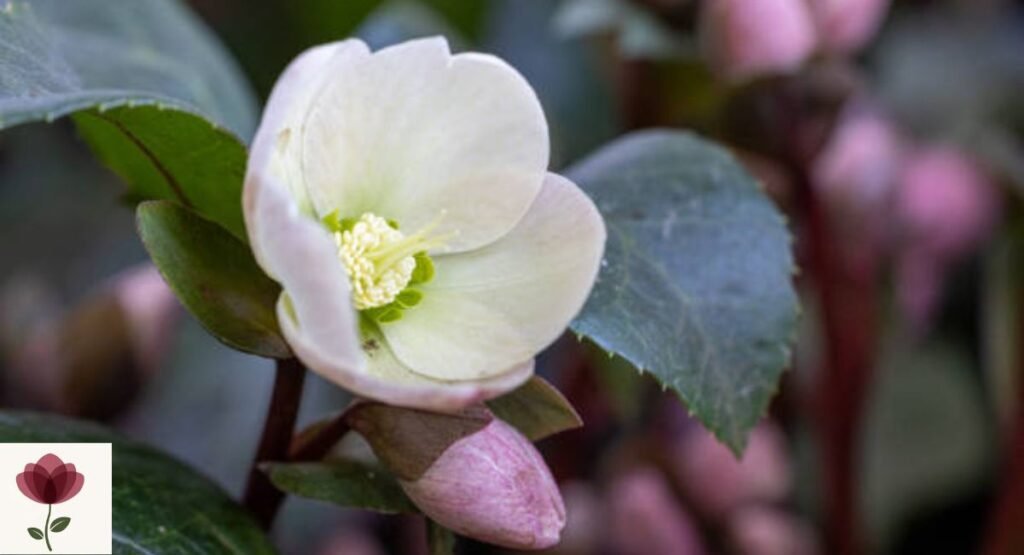
Christmas rose is a charming winter-blooming perennial that can brighten shady garden spaces when many plants remain dormant. Its large white flowers appear from late winter into very early spring, while its dark green foliage adds structure throughout the colder months. It grows well in partial to full shade and prefers organically enriched, well-drained soil.
Use Christmas rose along walkways, beneath trees, in borders, or in protected patio areas. Its compact growth also makes it useful for smaller garden spaces. Plant it where you can easily enjoy the flowers during winter. Remember that hellebores are toxic if eaten, so place them carefully around children and pets.
20. Algerian Iris
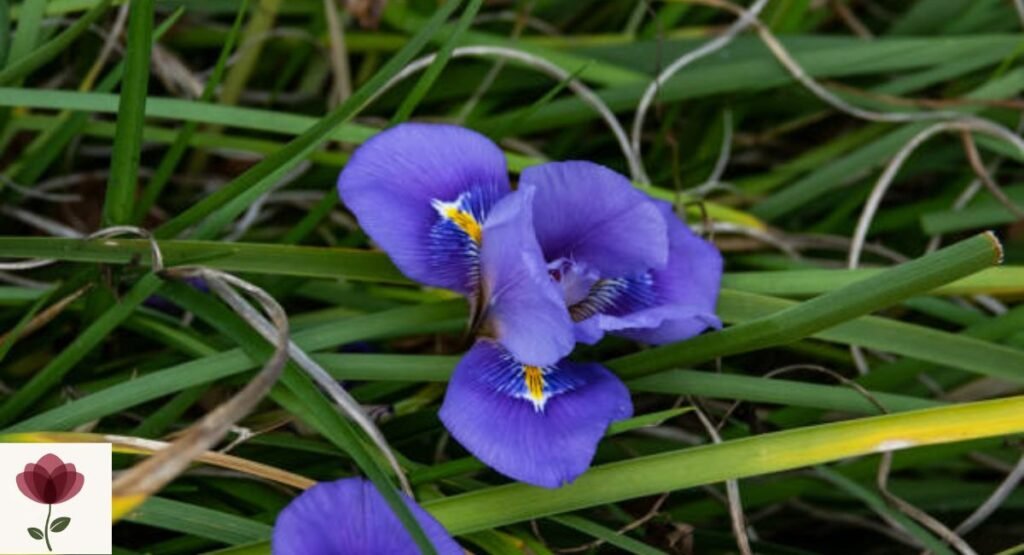
Algerian iris is particularly valuable in mild-winter regions. Its purple-blue flowers can appear during winter and continue into early spring. The blooms provide a cool-toned contrast to yellow winter jasmine and golden shrubs.
Plant it in full sun or partial shade with well-drained soil. It suits warmer regions better than areas with severe prolonged freezes. In the right climate, it can become a reliable component of a winter landscape.
Flowers That Grow in Winter: What Can You Plant?
The best plants for winter depend on whether you want active growth, flowering, or simple survival. Pansies and violas can provide seasonal color. Hardy bulbs can emerge early. Evergreen shrubs can supply structure. Your local zone should guide the final choice.
Annuals generally offer quick seasonal impact. Perennials provide longer-term value. Bulbs need planning because planting usually occurs before their flowering season. Established plants often handle winter better than newly transplanted specimens because their roots have already developed.
Flowers That Tolerate Cold Temperatures
Cold tolerance differs from freeze-proof performance. Some plants withstand light frost but suffer during prolonged freezing. Others can tolerate much colder conditions. Frost-tolerant flowers should therefore be matched with local temperatures rather than chosen from a generic national list.
Annuals Versus Perennials
Winter annuals provide immediate color and flexible seasonal design. Perennials return when conditions suit them. Hellebores, winter heath, and suitable iris types can become long-term features, while pansies and calendula can refresh a garden each season.
Bulbs Versus Established Plants
Bulbs offer some of the most exciting early-season displays. Snowdrops and winter aconite can emerge before the garden looks awake. Established shrubs offer another advantage. They provide structure even when flowering has finished.
Choosing Varieties According to Your Growing Zone
The USDA map is a useful starting point because it describes average annual extreme minimum temperatures. However, it doesn’t predict every freeze. A rare cold snap can damage a plant growing at the edge of its rated zone.
Flowers to Plant in Fall and Winter
Fall is often the ideal time to establish many cool-season plants. The soil may remain warmer than the air, allowing roots to develop before severe cold. This creates a useful head start for spring growth.
Fall planting is especially important for bulbs and many hardy perennials. However, exact timing depends on your local first frost date. Gardeners should also consider soil temperature, local weather patterns, and whether the ground normally freezes solid.
Why Fall Is an Important Planting Window
Fall gives roots time to establish without forcing the plant into rapid top growth. Many gardeners can therefore create stronger spring displays by planting at the appropriate time rather than waiting for warm weather.
Flowers That Establish Before Winter
Pansies, violas, bulbs, and hardy perennials can benefit from establishment before severe cold. A well-rooted plant generally enters winter in better shape than one planted immediately before a hard freeze.
Best Choices for Fall and Winter Flowers
Pansies and violas suit seasonal bedding. Snowdrops and winter aconite suit bulb gardens. Camellias, daphne, and other shrubs offer longer-term structure. Choose according to zone, sunlight, drainage, and desired bloom period.
When to Plant Based on Local Frost Dates
Planting calendars should follow local conditions rather than one national date. Extension guidance often recommends completing fall planting well before expected frost, giving plants time to establish roots.
Winter Season Flowers by Blooming Period
Winter flowering isn’t one uniform event. Some plants bloom soon after fall ends. Others reach their peak during January. Still others appear in late winter as spring approaches.
Understanding the sequence helps you design continuous seasonal color. Instead of choosing ten plants that all flower simultaneously, combine early, midwinter, and late-season performers.
Early Winter Flowers
Pansies, violas, calendula, snapdragons, and some cyclamen can provide early winter color. In mild climates, these plants may continue flowering for months. Their performance usually declines during severe freezes but can rebound when temperatures improve.
Midwinter Flowers
Hellebores, camellias, winter heath, daphne, mahonia, and winter jasmine can maintain interest during the middle of winter. These plants are especially useful when you want more permanent landscape structure.
Late Winter Flowers
Snowdrops, winter aconite, witch hazel, and Algerian iris can signal the approach of spring. Their flowers often appear when many trees remain leafless. That makes their color unusually noticeable.
Late Winter to Early Spring Flowers
Late winter is a transition period. Snowdrops and winter aconite may overlap with early hellebores and iris. Camellias can continue flowering in suitable regions. This overlap creates a natural bridge between winter and spring.
Winter Flowers in Season by Month
A month-by-month calendar makes seasonal planning much easier. However, treat these dates as broad guidelines. Bloom time can shift considerably because of latitude, elevation, cultivar, frost, and unusual warm or cold spells.
| Month | Flowers in Season | Typical Conditions |
| November | Pansies, violas, calendula, snapdragons, cyclamen | Cool temperatures and first frosts |
| December | Pansies, violas, hellebore, camellia, winter jasmine | Short days and colder nights |
| January | Hellebore, camellia, winter heath, daphne, witch hazel | Midwinter cold |
| February | Snowdrop, winter aconite, hellebore, witch hazel, Algerian iris | Late winter transition |
| March | Snowdrop, camellia, Algerian iris, primrose, dianthus | Increasing daylight and warming soil |
November and December Winter Flowers
November can still feel like autumn in many southern states. Pansies, violas, calendula, and snapdragons can provide abundant color. By December, hellebores and camellias may begin taking a larger role in suitable climates.
January and February Winter Flowers
January is often the quietest garden month, but it doesn’t have to be. Hellebores, winter heath, daphne, and witch hazel can provide flowers. February then brings more bulbs and early spring signals.
March Winter-to-Spring Flowers
March varies greatly by region. In colder areas, winter may still dominate. In warmer areas, snowdrops, iris, primrose, and camellia can overlap with early spring flowers.
Best Winter Flowering Shrubs
Shrubs bring something annual flowers can’t easily provide: structure. They remain visible after individual blooms disappear. Evergreen types also keep foliage throughout the cold season.
| Winter Flowering Shrub | Flower Color | Bloom Season | Mature Size | USDA Zones | Foliage | Best Use |
|---|---|---|---|---|---|---|
| Winter Jasmine | Yellow | Late winter–early spring | 3–5 ft | 6–10 | Semi-deciduous | Slopes, borders, ground cover |
| Camellia | White, pink, red | Fall–winter | 3–15 ft | 7–8 | Evergreen | Beds, borders, woodland gardens |
| Witch Hazel | Yellow, orange, red | Late winter–early spring | 10–20 ft | 4–8 | Deciduous | Specimen planting |
| Winter Daphne | White to pale pink | Winter | 3–4 ft | 7–8 | Evergreen | Fragrant gardens, shaded areas |
| Winter Heath | Pink, purple, white | Winter–early spring | 6–12 in | 5–8 | Evergreen | Rock gardens, borders |
| Mahonia | Yellow | Winter–early spring | 4–10+ ft | 5–9 | Evergreen | Shade gardens, wildlife gardens |
White Winter Flowers
White flowers become especially valuable during winter. The garden has fewer leaves and darker backgrounds, so pale blooms stand out strongly. Snowdrops are perhaps the classic example, with their small white flowers appearing remarkably early.
| White Winter Flower | Plant Type | Bloom Season | USDA Zones | Sunlight | Best Garden Use |
|---|---|---|---|---|---|
| Snowdrop | Bulb | Late winter–early spring | 3–7 | Partial shade–full sun | Woodland beds, borders |
| White Hellebore | Perennial | Winter–early spring | 3–9 | Partial shade | Shade gardens, borders |
| White Cyclamen | Tuberous perennial | Winter | 5–9* | Partial shade | Rock gardens, containers |
| White Winter Heath | Evergreen shrub | Winter–early spring | 5–8 | Full sun | Rock gardens, edging |
| White Camellia | Evergreen shrub | Fall–winter | 7–8 | Partial shade–sun | Borders, foundation planting |
| White Winter Daphne | Evergreen shrub | Winter | 7–8 | Partial shade | Fragrant garden areas |
Flowers That Bloom in Fall and Winter
Some plants begin flowering before winter officially arrives and continue afterward. This extended season is especially useful in areas with mild winters. Pansies, violas, calendula, snapdragons, and sweet alyssum can bridge autumn and winter.
Evergreen shrubs can provide another layer of continuity. Camellia, daphne, mahonia, and winter heath keep foliage while seasonal flowers appear. This creates year-round interest rather than a garden that changes completely each season.
Plants That Begin Flowering in Fall and Continue Into Winter
Cool-season annuals are excellent bridge plants. Their flowering can begin during mild fall weather and continue through winter. In severe climates, they may pause during hard freezes before returning.
Cool-Season Annuals
Cool-season annuals grow best when summer heat has faded. Pansies, violas, calendula, snapdragons, and alyssum are useful choices. Their flexibility makes them popular for seasonal containers and beds.
Evergreen Flowering Plants
Evergreen shrubs provide both flowers and foliage. Camellia and daphne are particularly valuable because their leaves remain visible after individual flowers fade.
How Climate Changes the Flowering Window
Temperature determines much of the flowering calendar. A mild winter can extend blooming for months. A sudden hard freeze can damage open flowers even when the plant itself survives. Frost and freeze are not identical events, and flowers can be more vulnerable than established woody tissue.
Best Winter Flowers for Different Garden Conditions
Choosing a flower based only on color can backfire. A beautiful shade-loving plant may fail in a bright, dry bed. A sun-loving plant may become weak beside a tall evergreen.
Instead, match the plant to the site. Consider full sun, partial shade, drainage, wind exposure, container size, and nearby structures before planting.
Full Sun
Pansies, violas, calendula, snapdragons, dianthus, and winter heath generally suit sunny locations. Six hours of direct sunlight is a useful benchmark for many full-sun plants, although winter sun angles vary by latitude.
Partial Shade
Hellebores, primrose, cyclamen, snowdrops, daphne, and camellias can suit partially shaded locations. Filtered light beneath deciduous trees can work particularly well.
Containers
Pansies, violas, cyclamen, primrose, flowering kale, ornamental cabbage, and sweet alyssum are excellent container choices. Containers also allow you to move plants into sheltered areas during severe weather.
Borders and Garden Beds
Hellebores, dianthus, snapdragons, winter heath, camellia, and Algerian iris can anchor larger displays. Combine different heights to create depth.
Small Spaces
Small gardens benefit from compact plants. Violas, pansies, alyssum, primrose, winter heath, and ornamental kale can add substantial color without overwhelming a narrow space.
How to Grow Flowers in Winter
Successful winter gardening starts below the flowers. Good drainage, suitable sunlight, and healthy roots matter more than constant feeding. Plants grow more slowly during cold weather, so excessive water can become more dangerous than mild dryness.
Think of winter care as maintenance rather than acceleration. Your goal is to keep roots healthy and protect vulnerable growth until favorable conditions return.
Soil Preparation
Improve heavy or compacted soil before planting. Organic matter can improve soil structure, but drainage remains essential. Many winter plants dislike waterlogged roots, especially when evaporation slows.
Watering in Cold Weather
Watering needs usually decrease during winter. Check the soil before irrigating. Rainy weather may provide enough moisture. Containers require closer attention because they can dry faster during sunny winter days.
Sunlight Requirements
Winter sunlight can be weaker than summer sunlight. Still, many flowering plants need strong light to produce abundant blooms. Watch for new shade created by buildings or evergreen trees.
Mulching
A suitable mulch layer can help moderate soil temperature and reduce rapid moisture changes. Keep mulch away from the plant crown and stems. Wet mulch pressed against foliage can encourage disease.
Frost Protection
Frost forms when plant surfaces cool enough for ice crystals to develop. A freeze is more severe because plant tissues can fall below 32°F. Covering vulnerable plants before a forecast freeze can reduce damage.
Deadheading and Maintenance
Remove spent flowers when the plant benefits from deadheading. Avoid aggressive pruning during the wrong season. Some shrubs set flower buds well before they bloom, so careless pruning can remove next season’s display.
What Flowers Grow Well in Winter in Different U.S. Regions?
America’s enormous climate range makes regional selection essential. The same flower can be effortless in one state and difficult in another. Use your hardiness zone as a starting point, then consider rainfall, wind, soil, elevation, and microclimate.
A sheltered courtyard can behave differently from an exposed rural garden. USDA guidance itself notes that small areas within a yard can be warmer or colder than the surrounding landscape.
Northern States
Northern gardeners need genuinely hardy plants. Hellebores, snowdrops, winter aconite, pansies, violas, and other cold-tolerant choices can work where conditions suit them. Snow cover may also insulate some perennial plants from extreme cold.
Southern States
Southern gardens often have longer windows for cool-season color. Pansies, violas, calendula, snapdragons, camellias, winter jasmine, and alyssum can perform well in suitable locations.
Southwest and Desert Areas
Winter can be an excellent growing season in desert regions. Cool temperatures reduce heat stress, but dry air and limited rainfall create different challenges. Calendula, pansies, violas, and snapdragons can provide strong seasonal color with appropriate irrigation.
Pacific and Coastal Regions
Moderate winter temperatures allow many cool-season plants to continue growing. Camellias, primrose, pansies, violas, winter heath, and other moisture-tolerant plants can work well. Drainage remains important in regions with heavy winter rainfall.
Common Winter Flower Growing Problems
Winter gardens have their own collection of headaches. Frost can damage flowers. Wet soil can suffocate roots. Weak light can reduce flowering. Poor timing can leave newly planted specimens vulnerable to sudden cold.
Fortunately, most problems have straightforward causes. Start by checking the plant’s zone, soil drainage, sunlight, and planting date before changing fertilizers or watering routines.
Frost Damage
Frost can injure tender flowers and flower buds even when the entire plant survives. Covering vulnerable plants during unusual cold events can help. Remove covers when conditions improve so plants receive light and airflow.
Root Rot
Cold, wet soil creates a difficult environment for roots. Symptoms can include wilting despite wet soil and declining foliage. Improving drainage is usually more useful than simply adding more fertilizer.
Poor Drainage
Heavy soil can hold water around roots for too long. Raised beds, suitable soil amendments, and careful plant placement can improve conditions.
Too Much Water
Winter plants often use less water than they do during warm weather. Irrigate based on actual soil moisture. Don’t follow a summer watering schedule blindly.
Insufficient Sunlight
A site that receives summer sun may become shaded in winter. Low-angle sunlight and nearby evergreen trees can reduce exposure. Move containers when possible.
Wrong USDA Zone
A plant label provides a useful hardiness range, but it doesn’t guarantee success. Extreme weather can exceed historical averages. USDA zones are based on average annual extreme minimum temperatures rather than record lows.
Planting at the Wrong Time
Planting too late can leave roots underdeveloped before hard freezes. Planting too early can expose some plants to unsuitable heat. Local frost dates and soil conditions offer better guidance than a universal calendar.
Winter Flowers vs. Spring Flowers
Winter and spring flowers overlap considerably. Some plants begin flowering before spring and continue afterward. The main distinction is usually the temperature and seasonal window in which flowering occurs.
| Feature | Winter Flowers | Spring Flowers |
| Temperature tolerance | Usually suited to cool or cold conditions | Often prefer warming conditions |
| Typical bloom period | Late fall through winter or early spring | Early through late spring |
| Planting time | Often fall or early winter | Fall, winter, or early spring |
| Popular examples | Hellebore, pansy, snowdrop, camellia | Tulip, daffodil, hyacinth, peony |
| Main garden role | Winter color and seasonal interest | Spring color and transition |
Temperature Tolerance
Winter bloomers generally handle cooler conditions better. Some can flower after frost. Spring flowers often become more active as temperatures rise.
Bloom Period
Winter flowering can begin in late fall and extend into early spring. Spring flowers usually peak after winter begins releasing its grip.
Planting Time
Many winter displays begin with fall planting. Spring bulbs and perennials also often benefit from advance planting, depending on species and climate.
Popular Examples
Hellebores, snowdrops, pansies, winter jasmine, and camellias are strong winter examples. Tulips, daffodils, hyacinths, and peonies are more closely associated with spring displays.
Conclusion
Winter doesn’t have to mean a colorless garden. The right winter flowers can brighten beds, containers, borders, and even snowy landscapes with cheerful blooms and lasting foliage. From hellebores and pansies to camellias and winter jasmine, your choices depend on your climate, soil, sunlight, and USDA zone.
With thoughtful fall planting, proper watering, good drainage, and simple frost protection, many cold-hardy plants can thrive through chilly weather. Choose varieties suited to your region, give them the care they need, and you can enjoy beautiful winter garden color until spring arrives.
FAQs
What Flowers Bloom in Winter?
Hellebores, pansies, violas, snowdrops, winter jasmine, camellias, winter heath, witch hazel, and several other plants can bloom during winter. Exact timing depends on climate, cultivar, and USDA zone.
What Flowers Grow in Winter?
Pansies, violas, calendula, snapdragons, and some hardy perennials can actively grow during winter. Bulbs and shrubs may also develop or flower during this season.
What Flowers Grow Well in Winter?
The best choices depend on your region. Pansies and violas suit many cool-season gardens, while hellebores, snowdrops, camellias, and winter jasmine offer specialized winter interest.
What Are the Best Winter Flowers?
Hellebores are excellent for shade. Pansies and violas suit containers and beds. Snowdrops and winter aconite offer early blooms. Camellias and winter jasmine provide larger landscape structure.
What Flowers Are in Season in Winter?
Flowers in season can include pansies, violas, hellebores, camellias, winter jasmine, snowdrops, winter heath, daphne, and witch hazel. The exact bloom calendar changes by location.
What Flowers Should I Plant in Fall and Winter?
Plant pansies, violas, suitable bulbs, hardy perennials, and cool-season annuals according to your local climate. Fall often provides valuable root-establishment time before severe cold.
Which Flowers Bloom in Late Winter?
Snowdrops, winter aconite, hellebores, witch hazel, Algerian iris, and some camellias can bloom during late winter. Weather and cultivar can shift the flowering period.
What Are the Best Winter Flowering Shrubs?
Camellia, winter jasmine, witch hazel, daphne, winter heath, and mahonia provide excellent winter structure. Choose according to hardiness, sunlight, soil, and desired flowering time.
What Are the Best White Flowers for Winter?
Snowdrops, white hellebores, white cyclamen, white winter heath, and white camellias can brighten a winter garden. Their pale flowers stand out especially well against dark foliage.
Can Flowers Survive Freezing Temperatures?
Some can, but tolerance varies widely. Hardy perennials may survive freezing temperatures while tender flowers suffer damage. Frost and freeze protection becomes especially important for vulnerable plants and newly planted specimens.

Welcome to PetalNexa! I’m Anam Sattar, an AI-powered SEO Specialist and Content Writer with over 4 years of experience in creating high-quality, search-optimized content. I help businesses improve their search engine rankings, increase organic traffic, and build beautiful, user-friendly websites. My mission is to make SEO, content creation, and web design simple, effective, and accessible for everyone. Let’s grow your online presence and achieve success together!