

April brings a fresh wave of color as gardens awaken after winter. April Birth Flowers hold special meaning for anyone celebrating a birthday this month, with Daisy and Sweet Pea symbolizing innocence, gratitude, joy, and new beginnings. Yet the season offers much more than these traditional blooms. Spring flowers such as tulips, daffodils, hyacinths, and pansies can brighten gardens across the United States.
Whether you want to understand flower symbolism, discover flowers blooming in April, or choose the best plants for your garden, this guide has you covered. You’ll also learn which flowers to plant in April based on climate, growing conditions, and local frost dates.
What Are the April Birth Flowers?
Daisy
The Daisy, especially the English daisy, is commonly associated with April. Its scientific name is Bellis perennis, and its familiar white petals surround a yellow center. The flower symbolizes innocence, purity, friendship, and fresh beginnings. Daisies belong to the large Asteraceae family.
Daisies can bloom during spring and may continue flowering in suitable conditions. Gardeners often grow them in lawns, borders, containers, and meadow-style spaces. Their simple shape also makes them popular in spring bouquets. Depending on the species, growing requirements and bloom times can vary considerably.
Sweet Pea
Sweet Pea, scientifically known as Lathyrus odoratus, is a fragrant annual related to legumes. It comes in pink, purple, white, red, blue, and mixed shades. Its delicate appearance hides a vigorous climbing habit. Some varieties can reach several feet when given suitable support.
Its fragrance is one of its biggest attractions. Sweet Peas prefer full sun, fertile soil, good drainage, and cooler growing conditions. They dislike intense summer heat. In colder regions, gardeners can plant them in late winter or early spring when the soil becomes workable.
April Birth Flowers Meaning and Symbolism
Daisy Meaning
Daisy has a long tradition of representing innocence, purity, and true love. White petals reinforce the idea of simplicity and freshness, while yellow centers create a sunny appearance. Some traditions also connect Daisy with motherhood, new beginnings, and youthful happiness.
Its symbolism makes Daisy a lovely choice for birthdays and friendship gifts. A white arrangement can feel calm and graceful, while colorful varieties create a brighter mood. In a garden, its open flower shape also gives the landscape an uncomplicated, cheerful character.
Sweet Pea Meaning
Sweet Pea has a more varied symbolic language. Traditionally, it can represent gratitude, friendship, good wishes, and blissful pleasure. It can also symbolize goodbye or departure after a pleasant time together. That unusual combination makes the flower meaningful for both celebrations and sentimental occasions.
The flower’s fragrance adds another layer to its appeal. Sweet Peas have long been admired for their perfume as well as their delicate colors. In a birthday bouquet, they can express appreciation. In a farewell arrangement, they can quietly communicate a warm goodbye.
What Do April Birth Flowers Represent?
At their heart, these flowers represent renewal and optimism. Daisy brings innocence and cheerfulness, while Sweet Pea adds gratitude and affection. Their combined message feels almost like opening a window after winter. Everything looks brighter, lighter, and ready for another season.
They also represent fresh beginnings, hope, youth, and happiness. These themes work well for birthdays because a new year of life naturally suggests growth. Spring gardens reinforce the same idea through new leaves, emerging bulbs, and flowers returning to the landscape.
April Birth Flowers by Color
| Color | Flower | Meaning |
| White | Daisy | Purity and innocence |
| Pink | Sweet Pea | Affection and appreciation |
| Yellow | Daisy | Happiness and optimism |
| Purple | Sweet Pea | Grace and admiration |
| Red/Pink | Sweet Pea | Love and gratitude |
Color can change the emotional tone of a bouquet. White feels clean and timeless, while pink feels warm and affectionate. Yellow brings energy, and purple creates a more refined mood. These choices are especially useful when selecting April birthday flowers for someone whose personality or favorite color matters.
Remember that flower symbolism isn’t universal. Meanings can change between cultures, historical periods, and floral traditions. Use the symbolism as inspiration rather than a strict rule. The most meaningful arrangement is often the one that reflects the recipient’s taste and your relationship.
15 Best Flowers That Bloom in April
April can bring an impressive mix of bulbs, annuals, perennials, shrubs, and flowering trees. The table below highlights useful seasonal blooms for U.S. gardens. Actual bloom dates can shift because spring arrives earlier in some states and later in others.
| No. | Flower | Bloom Color | Bloom Time | Sunlight | Best Use |
| 1 | Daisy | White/Yellow | Spring | Full Sun | Gardens |
| 2 | Sweet Pea | Pink/Purple | Spring | Full Sun | Trellises |
| 3 | Daffodil | Yellow/White | Early Spring | Full Sun | Borders |
| 4 | Tulip | Many Colors | Spring | Full Sun | Beds |
| 5 | Hyacinth | Purple/Pink/White | Spring | Full Sun | Containers |
| 6 | Lilac | Purple/White | Spring | Full Sun | Shrub Borders |
| 7 | Magnolia | White/Pink | Spring | Full Sun/Partial Shade | Landscapes |
| 8 | Cherry Blossom | White/Pink | Spring | Full Sun | Ornamental Trees |
| 9 | Pansy | Many Colors | Spring | Full Sun/Partial Shade | Containers |
| 10 | Primrose | Yellow/Pink/Purple | Early Spring | Partial Shade | Borders |
| 11 | Iris | Blue/Purple/Yellow | Spring | Full Sun | Flower Beds |
| 12 | Ranunculus | Many Colors | Spring | Full Sun | Bouquets |
| 13 | Snapdragon | Many Colors | Spring | Full Sun | Borders |
| 14 | Petunia | Many Colors | Spring–Summer | Full Sun | Containers |
| 15 | Lily of the Valley | White | Spring | Partial Shade | Woodland Gardens |
This selection gives you different heights, colors, textures, and growing habits. Bulbs create early-season drama, while annuals can extend color later. Flowering shrubs and trees add structure. That mix makes a garden feel layered rather than like a single burst of color.
15 Flowers in April: What Blooms During the Month?
April sits in a fascinating part of the growing calendar. Early bulbs may already be flowering while warm-season annuals are only beginning to establish. Flowers that grow in April therefore vary sharply between northern and southern states. Local temperatures matter more than the calendar alone.
For example, a gardener in Texas may plant warm-season flowers while someone in Minnesota is still protecting young plants from frost. The USDA Plant Hardiness Zone Map helps gardeners understand perennial suitability because it divides the country according to average annual extreme minimum winter temperatures.
Daffodil

Daffodils are among the most recognizable flowers blooming in April. Their yellow or white trumpets signal the arrival of spring and often symbolize renewal and hope. They grow from bulbs and perform best in sunny, well-drained locations. Their cheerful color makes them excellent for borders and naturalized garden areas.
Tulip
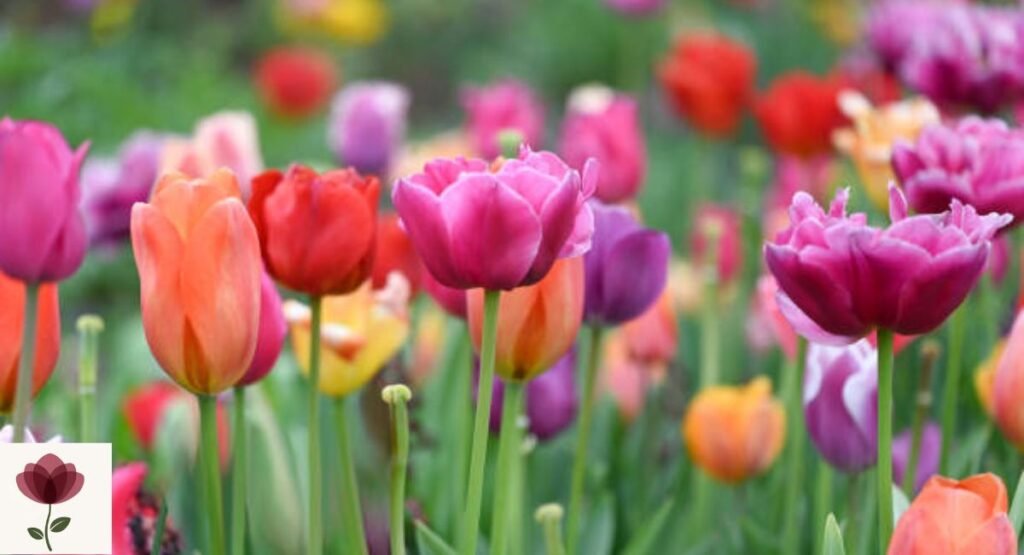
Tulips bring almost unlimited color choices to spring gardens. Red, pink, yellow, purple, white, and multicolored varieties can create bold displays in beds and containers. Different tulip groups bloom at different times, which can extend the seasonal show. They prefer sunny locations and well-drained soil.
Hyacinth

Hyacinths may be compact, but their fragrance is remarkably powerful. Dense flower spikes appear in purple, pink, blue, yellow, and white shades. These bulbs prefer sunlight and good drainage. Plant them near walkways, patios, or entrances where you can enjoy their scent while they bloom.
Lilac

Lilac produces clusters of small, highly fragrant flowers that can fill a garden with a sweet spring scent. Purple remains the classic shade, although white and pink varieties are also available. Lilacs prefer full sun and good airflow. Their shrub-like growth also provides structure beyond the flowering season.
Magnolia

Magnolia flowers have large, sculptural petals that make them stand out from smaller spring blooms. Depending on the species and region, flowers may appear before or alongside the leaves. Pink and white varieties are especially popular. Give magnolias enough space because mature trees can become substantial landscape features.
Cherry Blossom

Cherry blossoms create one of spring’s most memorable displays. Their branches become covered with delicate pink or white flowers for a relatively short period. Ornamental cherry trees prefer sunny locations and suitable drainage. Bloom timing differs by variety and region, so April isn’t the exact flowering month everywhere.
Pansy
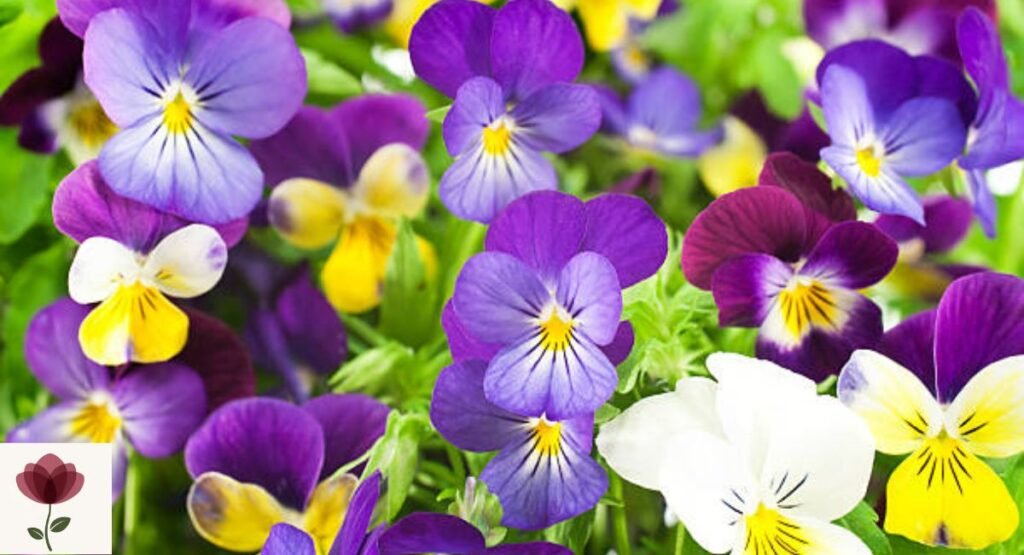
Pansies thrive in cool weather and provide color when many warm-season plants aren’t ready. Their flowers come in almost every shade, often with contrasting centers. Pansies work beautifully in containers, borders, and window boxes. They may struggle once temperatures become consistently hot, especially in warmer regions.
Primrose
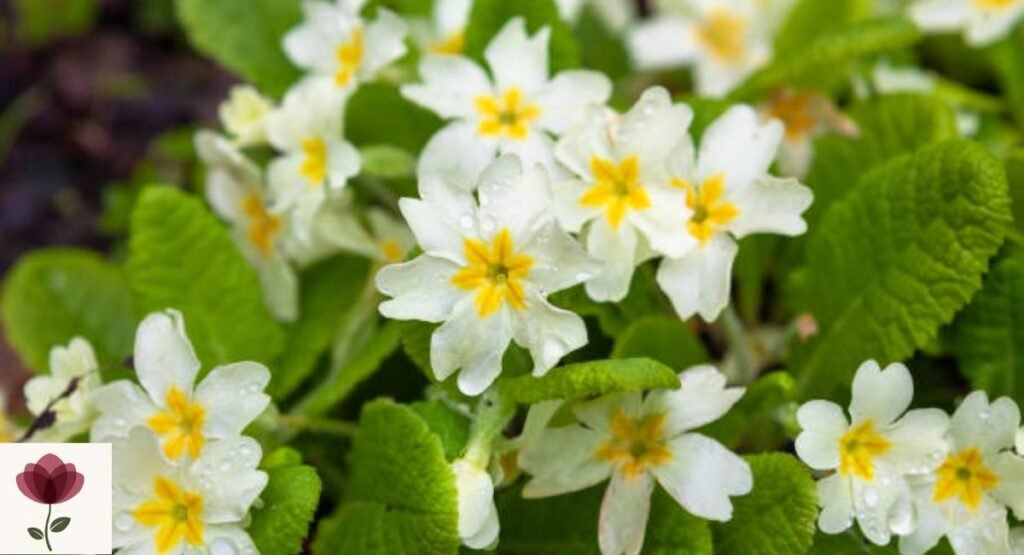
Primrose is a charming early spring flower that often performs best in cooler conditions. Many varieties prefer partial shade and evenly moist, well-drained soil. Their compact growth makes them useful for borders, woodland-style gardens, and containers. Yellow, pink, purple, and white flowers can brighten shady spaces.
Iris

Iris flowers have a distinctive structure that gives garden beds an elegant, almost architectural appearance. Purple and blue shades are especially common, while yellow and white varieties add more choices. Many irises prefer full sun and good drainage. Their sword-shaped foliage also provides texture after the flowers fade.
Ranunculus
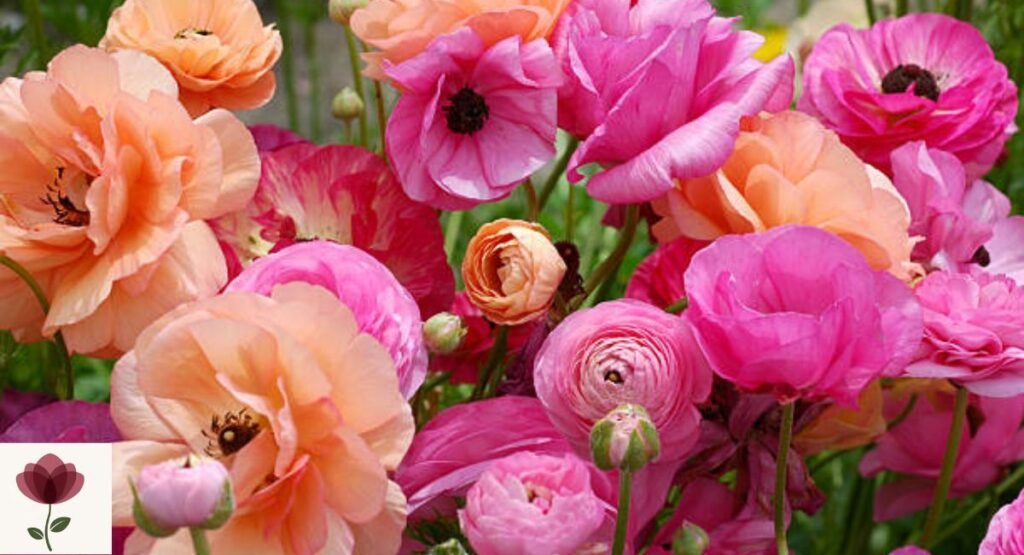
Ranunculus looks almost like a miniature rose because of its many overlapping petals. The flowers appear in pink, red, orange, yellow, and white. Gardeners and florists value them for their layered appearance. They prefer cool growing conditions, sunlight, and soil that drains efficiently.
Snapdragon
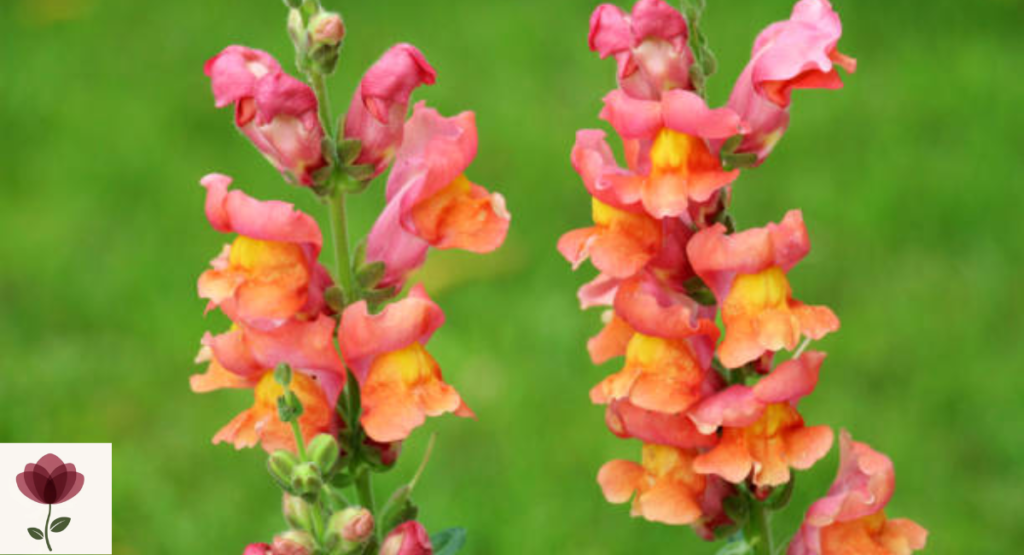
Snapdragons add vertical interest to spring beds because their flower spikes rise above the surrounding foliage. They come in numerous colors, including pink, red, yellow, orange, white, and purple. They prefer sunny locations and can perform especially well during the cooler parts of the growing season.
Daisy

Daisy offers a simple look that never feels outdated. White petals surrounding a yellow center create a classic spring appearance. The English Daisy, Bellis perennis, is traditionally associated with April and symbolizes innocence and purity. Daisies can work in lawns, containers, borders, and informal garden designs.
Sweet Pea
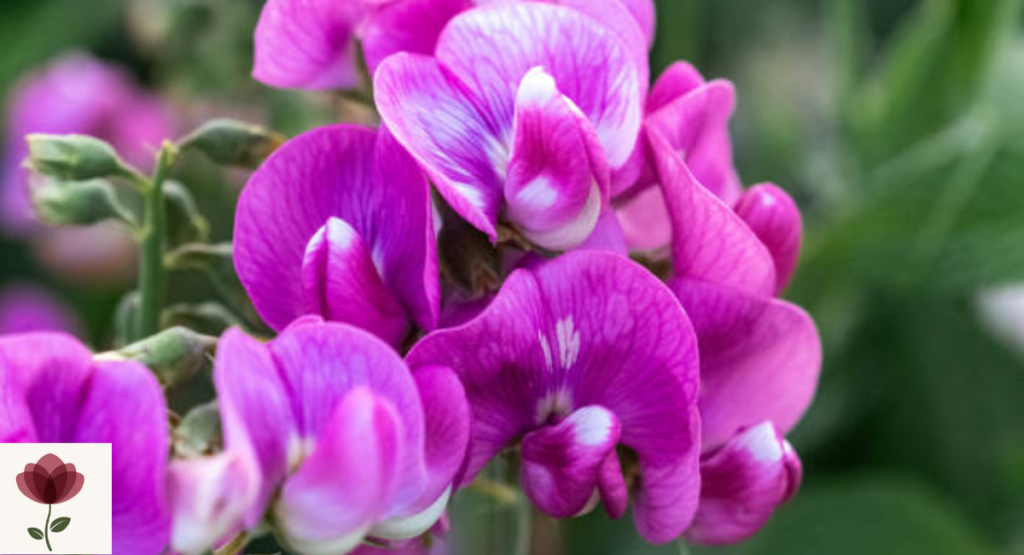
Sweet Pea combines delicate flowers with a memorable fragrance. Pink, purple, white, red, and bicolored varieties can climb trellises or other supports. It prefers cool conditions and full sun. Because heat can shorten its flowering period, gardeners in warmer areas often grow it earlier in spring.
Lily of the Valley

Lily of the Valley produces small, bell-shaped white flowers with a distinctive fragrance. It prefers partial shade and moist, well-drained soil. This woodland-style perennial works well beneath trees and in shaded borders. Its delicate appearance can be deceptive because the plant spreads readily once established.
Forget-Me-Not

Forget-Me-Not creates clouds of tiny flowers, most famously in shades of blue. It prefers cooler weather and can grow well in partial shade or areas with gentle morning sunlight. Its small scale makes it useful around larger spring plants. The flower is also associated with remembrance and lasting affection.
Best Flowers to Plant in April
Annual Flowers to Plant in April
Marigold, Zinnia, Cosmos, Petunia, and Sunflower can all become useful warm-season choices when conditions are suitable. They reward gardeners with long-lasting color and often work well in borders or containers. In colder regions, however, wait until frost danger has passed before planting tender annuals outdoors.
Perennial Flowers to Plant in April
Coneflower, Black-Eyed Susan, Daylily, Shasta Daisy, and Lavender can become valuable long-term additions. Unlike annuals, perennials can return for several seasons when their growing requirements match the site. Choose plants according to your USDA hardiness zone, soil, sunlight, and moisture conditions.
Easy Flowers to Grow in April
Beginners often succeed with Pansies, Marigolds, Zinnias, Sunflowers, and Petunias when they match planting time to local weather. These flowers are forgiving when given suitable light and drainage. Start small rather than filling an entire garden at once. A manageable bed is easier to water and monitor.
What Flowers Can You Plant in April?
Yes, you can plant many flowers in April. The best choices depend on USDA hardiness zones, local frost dates, soil temperature, and sunlight. Cool-season flowers usually handle early spring better, while warm-season varieties need warmer conditions before outdoor planting.
A simple rule helps: check your local last frost date first. Then compare that date with the plant’s temperature tolerance. Spring weather can shift quickly, and a single hard freeze may damage tender seedlings. Local extension services and weather forecasts can therefore be more useful than a generic planting calendar.
Flowers for Cool Climates
Pansies, Snapdragons, Sweet Peas, and Calendula are useful choices for cooler spring conditions. They can provide color while summer flowers wait. Sweet Peas particularly appreciate cool weather and generally struggle once intense heat arrives.
Flowers for Warmer Climates
Marigolds, Zinnias, Petunias, and Cosmos become practical choices as temperatures rise. Warm regions often offer a longer growing season, which gives gardeners more flexibility. Still, avoid planting solely because the calendar says April. Soil and overnight temperatures remain important for healthy establishment.
April Flowers by USDA Growing Zone
| USDA Zone | Recommended Flowers | Planting Notes |
| Zones 3–4 | Pansy, Primrose | Watch for frost |
| Zones 5–6 | Daisy, Sweet Pea, Snapdragon | Check local frost date |
| Zones 7–8 | Petunia, Marigold, Cosmos | More warm-season options |
| Zones 9–10 | Zinnia, Marigold, Sunflower | Longer growing season |
| Zones 11+ | Tropical and heat-loving flowers | Plant according to local climate |
The USDA map is most useful for understanding perennial winter survival rather than guaranteeing an exact flowering date. It uses average annual extreme minimum temperatures to define zones. That means two gardens in the same zone can still experience different spring conditions.
For that reason, combine your zone with local frost information. A sheltered urban garden may warm earlier than an exposed rural site. Elevation, nearby water, wind, and microclimates can all shift plant development. Smart gardeners use the zone as a guide, not a stopwatch.
Flowers That Grow in April by Garden Type
Different gardens create different challenges. A sunny backyard can support plants that struggle on a shaded balcony. Likewise, a container dries faster than garden soil. Choosing flowers according to your space makes April gardening simpler and usually produces better results.
Think beyond flower color. Consider mature height, root space, drainage, wind, sunlight, and watering needs. A beautiful plant in the wrong location becomes a constant chore. The right plant often looks good with surprisingly little effort.
Full-Sun April Flowers
Daisy, Daffodil, Tulip, Marigold, and Zinnia are strong choices for sunny locations when their other growing requirements are met. Most need several hours of direct light to flower well. Place taller varieties behind shorter ones so every plant receives enough sunlight.
Partial-Shade April Flowers
Pansy, Primrose, Lily of the Valley, and suitable Iris varieties can work in areas with less direct sunlight. Morning light followed by afternoon shade can be especially helpful in warmer regions. Avoid confusing shade with darkness, because flowering plants still need adequate light.
Container Flowers for April
Petunia, Pansy, Sweet Pea, and Ranunculus can create impressive displays in containers. Use pots with drainage holes and quality potting mix. Containers warm and dry quickly, so check moisture more often than you would in the ground. Trellises can also support climbing Sweet Peas.
Balcony-Friendly Spring Flowers
Pansies, Petunias, Snapdragons, and Sweet Peas can turn a small balcony into a spring display. Check wind exposure before choosing tall plants. Heavy containers provide greater stability. Grouping pots by similar watering needs also makes daily care much easier.
Cottage Garden Flowers
Daisy, Sweet Pea, Lavender, and Snapdragon create the relaxed character associated with cottage-style planting. Combine different heights instead of keeping everything uniform. Let flowers overlap slightly for a softer appearance. The result should feel abundant without becoming chaotic.
Pollinator-Friendly April Flowers
Daisy, Primrose, Lavender, Coneflower, and Marigold can contribute to a diverse garden when their bloom periods and growing conditions align. Native plants can be especially valuable for local wildlife. Avoid relying on one flower species. A varied planting plan creates a more resilient habitat.
Fragrant Flowers That Bloom in April
Some spring flowers attract attention before you even see them. Sweet Pea, Lilac, Hyacinth, Magnolia, and Lily of the Valley can contribute fragrance to gardens and arrangements. Place scented plants near doors, patios, pathways, or windows where you’ll actually notice their perfume.
Sweet Pea is particularly valued for fragrance and has a long history in ornamental gardening. Its scent has been described through comparisons with citrus, honey, and jasmine. A fragrant garden works best when scents appear at different heights and bloom periods.
Colorful April Flowers for Spring Gardens
Color planning can transform a random collection of plants into a coherent garden. Start with one dominant shade, then add two or three supporting colors. Colorful spring flowers such as tulips, ranunculus, pansies, and sweet peas offer plenty of combinations.
You can also use foliage as a quiet background. Green leaves make bright flowers stand out without competing for attention. For a softer garden, choose pastel pinks, whites, and purples. For stronger impact, combine yellow, orange, red, and deep purple.
Pink April Flowers
Sweet Pea, Cherry Blossom, Magnolia, and Ranunculus offer attractive pink options. Pale pink creates a delicate mood, while deeper shades feel richer. Pink flowers work especially well beside white blooms or silvery foliage. They’re also popular for romantic spring floral arrangements.
Yellow April Flowers
Daffodils, Daisies, Primrose, and some Iris varieties provide yellow tones. Yellow immediately brightens darker corners and creates a sunny impression. Pair it with white for a clean look or purple for stronger contrast. Daffodils are especially effective when planted in repeated groups.
Purple April Flowers
Sweet Pea, Lilac, Hyacinth, and Iris can introduce purple shades ranging from pale lavender to deep violet. Purple adds depth without overwhelming a garden. Combine it with white or soft pink for elegance. Yellow accents can create a more energetic contrast.
White April Flowers
Daisy, Magnolia, Cherry Blossom, and Lily of the Valley provide white blooms. White flowers remain visible in shaded areas and often look especially attractive during evening hours. Combine them with green foliage for a timeless garden or add pastel flowers for a softer spring palette.
Red and Orange April Flowers
Ranunculus, Snapdragon, Tulip, and Poppy can add warmer colors. Red creates drama, while orange feels lively and energetic. Use these shades as accents rather than covering every planting area. A few strong color groups often create more impact than dozens of scattered flowers.
April Flowers for Bees and Butterflies
Early spring can be an important transition period for pollinators. Flowering plants provide nectar and pollen when seasonal resources may still be developing. A garden with different bloom periods can therefore offer food for longer. Pollinator-friendly flowers also bring movement and life to an ordinary yard.
Choose flowers suited to your region and avoid unnecessary pesticide use. Daisy, Lavender, Primrose, Coneflower, Marigold, and Sweet Pea can contribute to a diverse planting scheme. Native plants deserve special attention because they evolved alongside local wildlife and often fit regional conditions well.
How to Care for April Flowers
Spring care is mostly about balance. Plants need enough water to establish roots but shouldn’t sit in soggy soil. They also need suitable light and protection from unexpected cold. Spring flower care becomes much easier when you understand each plant’s natural growing conditions.
Avoid treating every flower identically. A thirsty container plant may need water while a drought-tolerant perennial nearby remains fine. Check the soil, inspect the leaves, and watch the weather. Small adjustments often prevent bigger problems later.
Sunlight Requirements
Sunlight drives flowering, so location matters from day one. Full-sun plants generally need several hours of direct light. Partial-shade flowers prefer less intense exposure. Watch your garden across the day because a site that looks sunny at noon may receive very little morning light.
Watering
Water newly planted flowers consistently while their roots establish. However, don’t create permanently wet soil. Check the upper layer before watering again. Containers often need more frequent attention because they lose moisture faster than garden beds, especially during warm or windy weather.
Soil and Drainage
Healthy roots need oxygen as well as moisture. Use well-drained soil and improve heavy ground with suitable organic matter when appropriate. Containers should always have drainage holes. Poor drainage can cause root problems even when the plant receives excellent sunlight.
Fertilizing
Fertilizer can support growth when used correctly, but more isn’t always better. Follow the product label and consider the plant’s growth stage. Established plants may need different feeding than seedlings. Overfertilizing can encourage excessive foliage while reducing overall flower performance.
Deadheading
Removing faded flowers keeps beds looking tidy and can encourage continued flowering in some plants. Snip spent blooms before they become seed heads when the plant benefits from deadheading. However, don’t remove everything automatically. Some plants provide seeds or wildlife value after flowering.
Protecting Flowers From Late Frost
Late frost can surprise even experienced gardeners. Watch local forecasts when tender plants are newly planted. Move containers indoors or into sheltered spaces when practical. For garden plants, temporary frost protection can reduce damage. Always remove covers once temperatures rise again.
Pest and Disease Prevention
Inspect new growth regularly for aphids, slugs, chewing damage, or fungal symptoms. Good airflow reduces many moisture-related problems. Avoid excessive watering and overcrowding. Clean tools can also help limit disease spread. Early action is usually easier than trying to rescue a badly damaged plant.
April Flower Garden Ideas
A successful spring garden doesn’t need a huge budget or enormous space. Start with the conditions you already have. Then choose flowers that naturally fit them. April garden flowers can work in a tiny balcony container just as effectively as they can in a large suburban border.
Think in layers. Place low flowers near paths, medium plants in the center, and taller or climbing varieties behind them. Repeating colors can connect separate areas. Staggering bloom times can also keep your garden interesting after the first flush fades.
Small Backyard Garden
Use compact plants in front and taller varieties behind them. Pansies can fill lower spaces while Snapdragons add vertical height. Sweet Peas can climb a simple trellis. This arrangement creates depth without requiring a large planting area.
Container Flower Garden
Choose containers with good drainage and enough root space. Combine flowers with similar water and sunlight needs. Petunias can spill over edges, while upright Snapdragons create height. Moving containers also gives you more control when unexpected cold weather arrives.
Front-Yard Spring Display
Use repeated groups instead of planting every flower separately. Daffodils, Tulips, and Pansies can create a clear seasonal pattern. Add shrubs or flowering trees for structure. A simple color scheme often looks more polished than a collection of unrelated shades.
Cottage-Style Garden
Combine informal flowers with different heights and textures. Sweet Peas can climb while Daisies and Snapdragons fill nearby spaces. Lavender adds foliage and fragrance. The goal isn’t perfect symmetry. Instead, create a relaxed appearance that still feels intentionally designed.
Pollinator Garden
Choose several flower shapes and bloom periods. Include plants that provide resources during different parts of the season. Native flowers are useful additions where they suit local conditions. Skip unnecessary pesticides and leave some natural areas undisturbed for insects.
Color-Themed Flower Bed
Choose one main color and repeat it through the bed. Add one or two contrasting shades for visual interest. For example, purple flowers with yellow accents create strong contrast. White can soften almost any combination and help brighter colors stand apart.
April Wedding Flowers
Spring weddings benefit from flowers that feel fresh rather than overly tropical. April wedding flowers can include Tulips, Sweet Peas, Ranunculus, Lilacs, Daffodils, and other seasonal choices. Availability varies by region, florist, weather, and whether flowers come from local growers or commercial suppliers.
Budget also deserves attention. A flower may be technically available in April yet expensive because local supply is limited. Ask your florist which blooms are abundant in your area. Flexible couples can often save money by choosing flowers that naturally peak around their wedding date.
Best Flowers for an April Wedding
Sweet Peas bring fragrance, while Tulips create clean, elegant shapes. Ranunculus adds layered texture, and Lilac contributes a romantic scent. Daffodils provide cheerful yellow accents. Combining two or three strong flower types often creates a more sophisticated bouquet than using every available spring flower.
April Wedding Flowers in Season
Seasonality depends on location and growing conditions. A flower blooming naturally in one state may require greenhouse production or shipping elsewhere. Ask about local availability before finalizing the design. Flowers in season in April can provide freshness while helping you build a realistic floral budget.
April Wedding Bouquet Ideas
Try a pastel Sweet Pea and Ranunculus bouquet for a soft romantic look. A white Daisy arrangement feels relaxed and garden-inspired. Tulips suit modern weddings, while Lilac works beautifully in fragrant spring designs. Add seasonal greenery to connect the flowers and create natural movement.
April Birth Flower Gifts and Creative Ideas
Flowers don’t have to arrive in a vase. April Birth Flowers can become part of artwork, jewelry, stationery, tattoos, or personalized birthday gifts. Daisy and Sweet Pea both translate well into illustrations because their shapes are recognizable and visually distinct.
The best gift usually combines symbolism with something personal. Consider the recipient’s favorite color, style, hobbies, or home decor. A minimalist Daisy print may suit one person, while another might prefer a detailed Sweet Pea botanical illustration.
April Birth Flower Tattoo Ideas
A simple Daisy outline creates a clean minimalist design. Sweet Pea vines offer more movement and can wrap naturally around the wrist or forearm. You can also combine both flowers into one botanical composition. Adding a birth date creates another personal layer.
April Birth Flower Drawing Ideas
A botanical Daisy sketch is easy to recognize even with simple lines. Sweet Pea provides more opportunities for detailed stems, leaves, and curling tendrils. A combined floral wreath can include both April flowers. Watercolor-style shading can add softness without making the design overly complex.
April Birth Flower Cards
Use Daisy for a cheerful birthday card or Sweet Pea for a more sentimental message. White, yellow, pink, and purple palettes can reinforce the flower symbolism. Add a short handwritten note rather than filling the card with text. The personal message becomes the real centerpiece.
Personalized April Birth Flower Gifts
Consider botanical prints, custom stationery, jewelry, mugs, garden signs, or framed artwork. Personalization can include a name, birthday date, flower color, or short message. These gifts work particularly well when the recipient enjoys gardening or prefers meaningful objects over conventional birthday presents.
April Birthday Flower Arrangements
A Daisy-centered bouquet feels bright and friendly. Sweet Pea creates a softer and more fragrant arrangement. Mixed spring bouquets can combine Tulips, Ranunculus, and Daisies for extra texture. Match the arrangement to the recipient instead of choosing flowers solely because they bloom in April.
Conclusion
April brings a beautiful mix of meaning, color, fragrance, and fresh growth. The April Birth Flowers, Daisy and Sweet Pea, represent innocence, gratitude, happiness, and new beginnings. Beyond these traditional blooms, tulips, daffodils, pansies, lilacs, and other spring flowers can brighten gardens and bouquets.
Whether you’re choosing birthday flowers, planning an April wedding, or starting a spring garden, consider your local climate, sunlight, soil, and frost dates. With the right choices and simple care, April can turn any outdoor space into a cheerful celebration of spring.
FAQs
What are the birth flowers for April?
The traditional April Birth Flowers are Daisy and Sweet Pea. Daisy is associated with innocence, purity, and true love, while Sweet Pea represents gratitude, friendship, good wishes, and blissful pleasure.
What does the April birth flower symbolize?
Daisy commonly represents innocence, purity, cheerfulness, and new beginnings. Sweet Pea has associations with gratitude, friendship, good wishes, and goodbye. Their meanings make both flowers suitable for birthdays and sentimental gifts.
What flowers bloom in April?
Common flowers that bloom in April include Daffodils, Tulips, Hyacinths, Lilacs, Daisies, Pansies, Primroses, Irises, and flowering trees such as Magnolias and ornamental Cherries. Bloom timing varies considerably across the United States.
What flowers can you plant in April?
You can plant many flowers in April, but the best choices depend on your USDA zone, local frost date, soil temperature, and sunlight. Pansies and Snapdragons suit cooler conditions, while Marigolds and Zinnias prefer warmer weather.
What are the best flowers to plant in April?
For beginners, Pansies, Marigolds, Zinnias, Petunias, and Sunflowers can be useful choices when planted at the right time. Always match the plant to your local climate rather than following a nationwide calendar.
Are Daisy and Sweet Pea the same type of flower?
No. Daisy and Sweet Pea are completely different plants. Daisy belongs to the Asteraceae family, while Sweet Pea belongs to the Fabaceae family. They also differ greatly in growth habit, flower structure, and fragrance.

Welcome to PetalNexa! I’m Anam Sattar, an AI-powered SEO Specialist and Content Writer with over 4 years of experience in creating high-quality, search-optimized content. I help businesses improve their search engine rankings, increase organic traffic, and build beautiful, user-friendly websites. My mission is to make SEO, content creation, and web design simple, effective, and accessible for everyone. Let’s grow your online presence and achieve success together!