

March feels like nature’s opening act. Winter begins to loosen its grip while early blooms add color to quiet gardens. If you’re searching for March Flowers, you’ll find bulbs, perennials, shrubs, and trees with very different habits. Some bloom naturally now. Others need earlier planting to perform well. This guide explores March birth flowers, seasonal garden picks, early spring bloomers, and practical choices for planting.
You’ll also discover which plants suit sun, shade, containers, weddings, and indoor arrangements. Because the United States spans many climates, bloom dates can shift by several weeks. Your USDA zone, frost dates, soil, and local weather all matter.
What Are the March Birth Flowers?
March has two traditional birth blooms: the daffodil and jonquil. Both belong to the Narcissus group and carry cheerful symbolism. March birth flowers are often linked with renewal, hope, and fresh beginnings. That makes them especially fitting for birthdays held as winter gives way to spring.
For gifts, bouquets, or garden planting, these birth flowers for March offer more than pretty color. Their seasonal timing gives them a natural connection to March. Meanwhile, their bright forms can symbolize optimism after a darker season. Birth month flowers March traditions can vary by source, yet daffodils remain the most widely recognized choice.
Daffodil (The Classic March Birth Bloom)
Daffodils belong to the genus Narcissus. Their trumpet centers and bright petals make them unmistakable early spring blooms. Yellow remains the classic color, although white, cream, and orange-centered cultivars also exist. They usually flower from late winter into spring, depending on climate and cultivar. Daffodils prefer sunlight, reasonable drainage, and soil that doesn’t stay saturated. As a March symbol, the plant represents renewal and a cheerful beginning. After flowering, leave the foliage until it yellows naturally because the leaves help rebuild energy inside the bulb.
Jonquil (A Fragrant March Favorite)
Jonquils are also Narcissus, although the term specifically applies to certain types rather than every daffodil. Their narrow leaves and clustered blooms often carry a sweet fragrance. They can brighten gardens during the spring bloom period when many plants remain dormant. Gardeners use jonquils in borders, naturalized areas, containers, and cutting gardens. Their fragrance also makes them attractive for birthday bouquets. When choosing one, check the cultivar’s bloom time because not every jonquil opens at exactly the same point in March.
Comparison of the 15 March Flowers
The table below gives you a fast way to compare the main March Flowers by timing, color, light, and garden use. Remember that exact bloom dates can shift across the United States.
| No. | Plant | Bloom Time | Main Colors | Light | Best Use |
| 1 | Daffodil | Early–mid spring | Yellow, white | Sun–part shade | Borders |
| 2 | Crocus | Early spring | Purple, yellow, white | Sun–part shade | Lawns, rock gardens |
| 3 | Hellebore | Late winter–spring | White, pink, plum | Shade–part shade | Woodland beds |
| 4 | Primrose | Early spring | Yellow, pink, red, blue | Part shade | Containers |
| 5 | Early Tulip | Early spring | Many colors | Full sun | Beds, pots |
| 6 | Camellia | Late winter–spring | White, pink, red | Part shade | Shrub borders |
| 7 | Forsythia | Early spring | Yellow | Full sun | Hedges |
| 8 | Snowdrop | Late winter–early spring | White | Part shade | Woodland areas |
| 9 | Hyacinth | Early–mid spring | Purple, pink, white | Sun | Borders |
| 10 | Pansy | Cool season | Many colors | Sun–part shade | Containers |
| 11 | Viola | Cool season | Many colors | Sun–part shade | Edging |
| 12 | Magnolia | Early spring | White, pink, purple | Full sun | Specimen tree |
| 13 | Flowering Quince | Early spring | Red, pink, white | Full sun | Hedges |
| 14 | Star Magnolia | Early spring | White, pink | Sun–part shade | Small gardens |
| 15 | Flowering Cherry | Spring | Pink, white | Full sun | Landscape |
15 March Flowers to Know
March brings a fascinating mixture of seasonal blooms. Bulbs provide quick color close to the soil while shrubs and trees create larger displays above them. The following fifteen choices cover different garden conditions and uses. Some bloom during March itself. Others are useful plants to establish as spring begins.
Rather than choosing only by appearance, consider sunlight, drainage, mature size, and climate. A gorgeous plant can struggle when placed in the wrong spot. Fortunately, March offers options for sunny borders, shady beds, containers, lawns, woodland areas, and larger landscapes.
1. Daffodil

Daffodils are among the most dependable March blooming plants in many regions. Narcissus varieties range from tiny early cultivars to taller garden forms. Yellow and white dominate the palette, although unusual combinations add orange and cream. Most prefer sun to partial shade and well-drained soil. They work beautifully in borders, lawns, containers, and naturalized drifts. Plant bulbs in fall for spring displays. Once the petals fade, remove the spent bloom while allowing leaves to remain until they naturally yellow.
2. Crocus
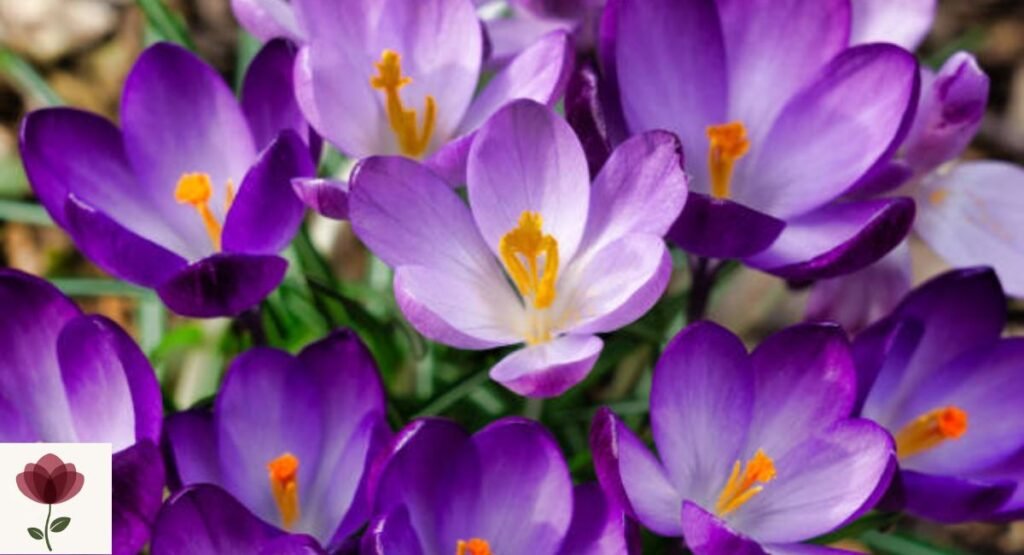
Crocus may look delicate, yet these small plants can handle surprisingly cold conditions. Purple, yellow, white, and striped blooms often appear among the first flowers that bloom in March. Early pollinators appreciate them because few nectar sources exist during the colder part of spring. Plant corms in fall about three to four inches deep. They suit rock gardens, path edges, lawns, and areas beneath deciduous trees. Snow crocus and Crocus tommasinianus can provide especially early displays.
3. Hellebore
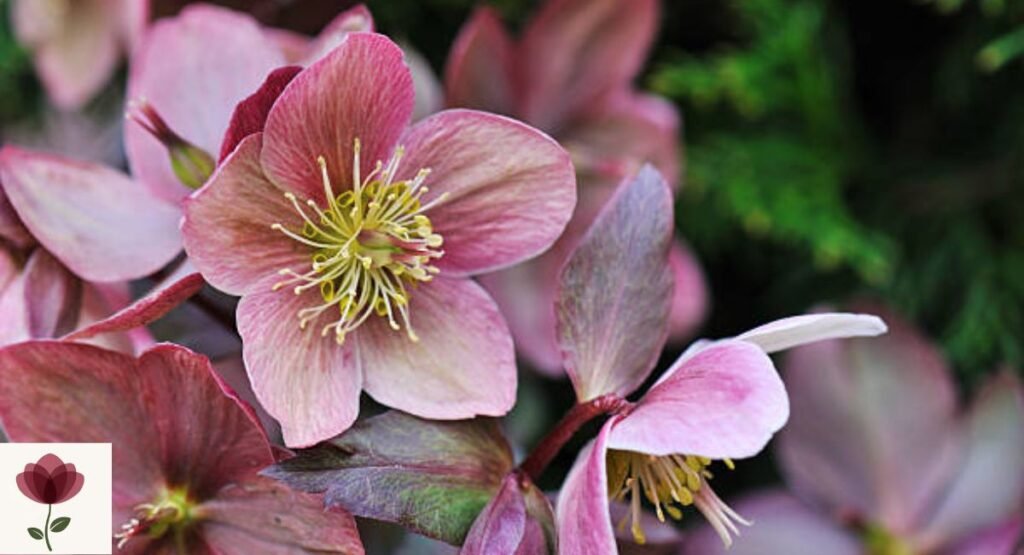
Hellebores bring understated beauty to shady gardens. Often called Lenten rose, these plants can flower while much of the landscape still looks dormant. Their colors range from creamy white and blush to plum, green, and almost black. Many types have attractive evergreen leaves that provide structure beyond the bloom season. Hellebores prefer rich, well-draining soil with part shade or shade. Their long bloom window makes them valuable when you want dependable color without full sun.
4. Primrose
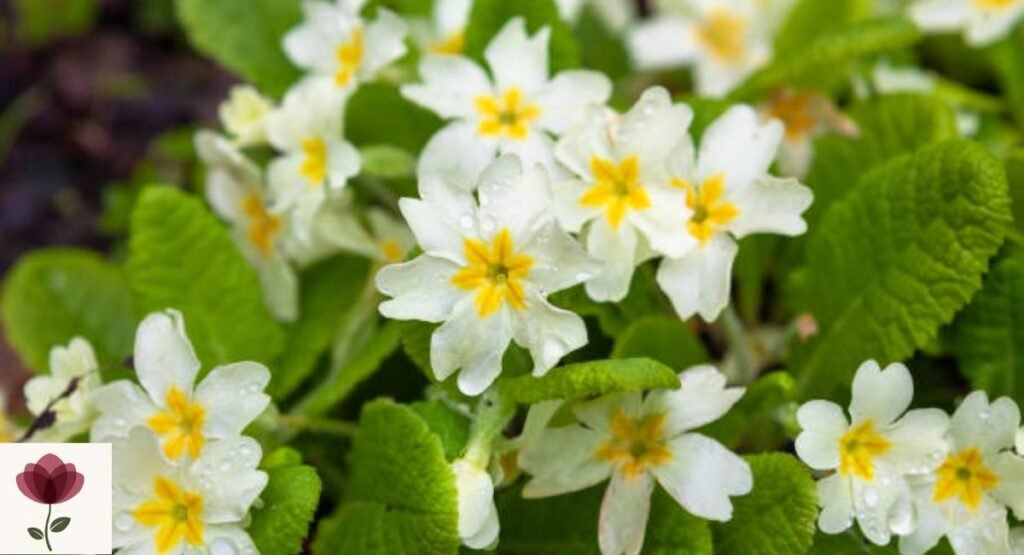
Primrose adds bright color close to the ground when cool weather still dominates. Primula varieties can produce magenta, violet, yellow, red, and blue blooms. Their low rosettes of textured foliage work well around paths and beneath taller plants. Primroses prefer rich soil that stays evenly moist without becoming waterlogged. They perform nicely in containers, woodland beds, and shaded borders. Deadheading spent blooms can keep the display tidy. In cooler climates, their spring performance can last for weeks.
5. Early-Blooming Tulips
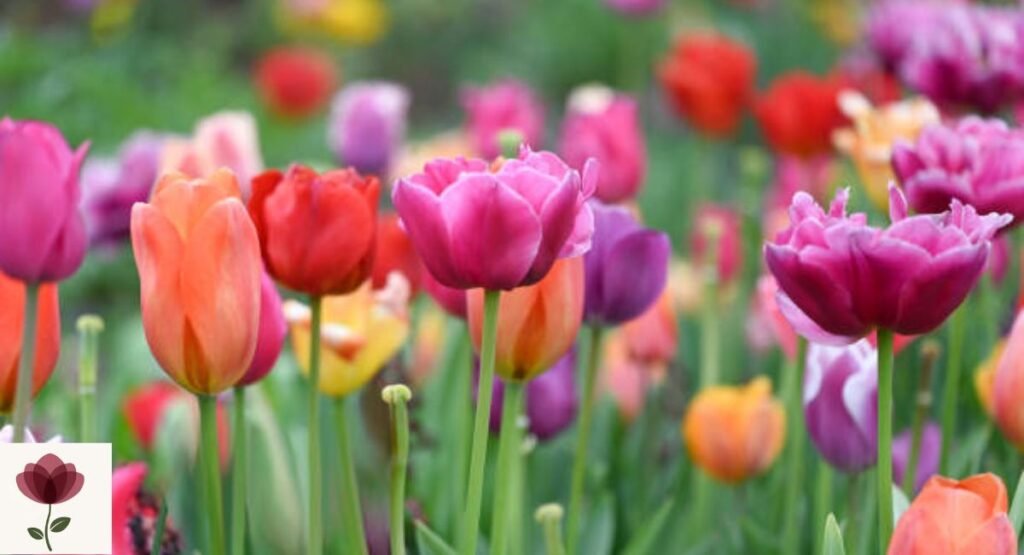
Tulips are strongly associated with mid-spring, yet several early types can open during March. Species tulips and early groups such as Kaufmanniana and Fosteriana offer some of the earliest displays. Their clean shapes make them excellent for beds, pots, and cut arrangements. They prefer full sun and well-draining soil. In warmer USDA zones, gardeners may need chilled bulbs for reliable flowering. Popular early choices include Tulipa kaufmanniana, T. greigii, and T. turkestanica.
6. Camellia

Camellias provide polished evergreen structure when many gardens still look bare. Their glossy leaves remain attractive year-round while rose-like blooms appear from late winter into spring. Colors include white, pink, and deep red. Many Camellia japonica cultivars perform well in mild climates. They prefer part shade, protection from intense afternoon heat, acidic soil, and consistent moisture. Avoid soggy conditions. Because camellias can become substantial shrubs, give them enough room before planting.
7. Forsythia

Forsythia creates one of the boldest yellow March blooms. Its flowers appear along bare branches before the leaves emerge, producing a striking golden effect. Unlike daffodils or crocus, forsythia is a shrub. It works as a hedge or specimen plant and performs best in full sun. Prune it immediately after flowering because next year’s buds develop on older wood. You can also cut branches indoors and place them in water. Buds may open within one to three weeks.
8. Snowdrop
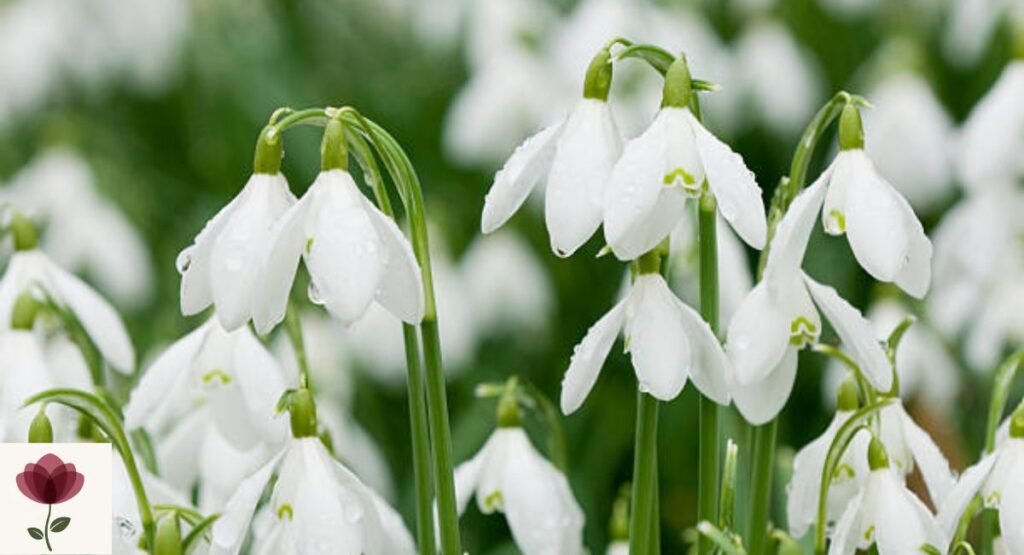
Snowdrops are tiny plants with excellent timing. Their white, nodding blooms can appear in late winter or very early spring. They tolerate cold weather and work especially well in woodland-style gardens. Plant them where soil drains reasonably well and moisture remains available during growth. Snowdrops can naturalize beneath deciduous trees and shrubs. Their understated appearance becomes more impressive when planted in groups. They’re particularly useful when you want color before larger spring plants awaken.
9. Hyacinth

Hyacinths combine vivid color with a powerful fragrance. Purple, pink, white, and blue forms can create dense spikes above narrow foliage. They grow from bulbs and generally prefer sun with good drainage. Hyacinths work in borders and containers and can also be forced indoors. Their fragrance makes them useful near entrances, patios, and seating areas. However, keep containers from staying excessively wet. Healthy bulbs reward you with a compact display that looks almost too neat to be natural.
10. Pansy
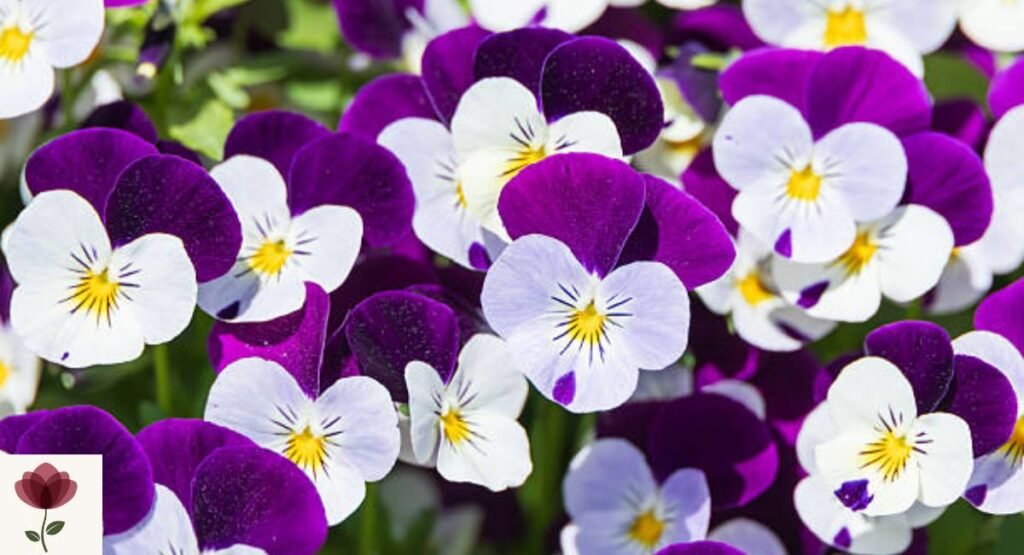
Pansies are dependable cool-season plants for many American gardens. Their colorful faces appear in combinations of yellow, purple, blue, white, red, and orange. They tolerate cool temperatures better than many tender annuals, which makes them useful for March planting in suitable regions. Pansies work beautifully in containers, window boxes, borders, and edging. Their performance declines as heat intensifies. For that reason, treat them as a seasonal bridge rather than expecting them to thrive through every summer.
11. Viola
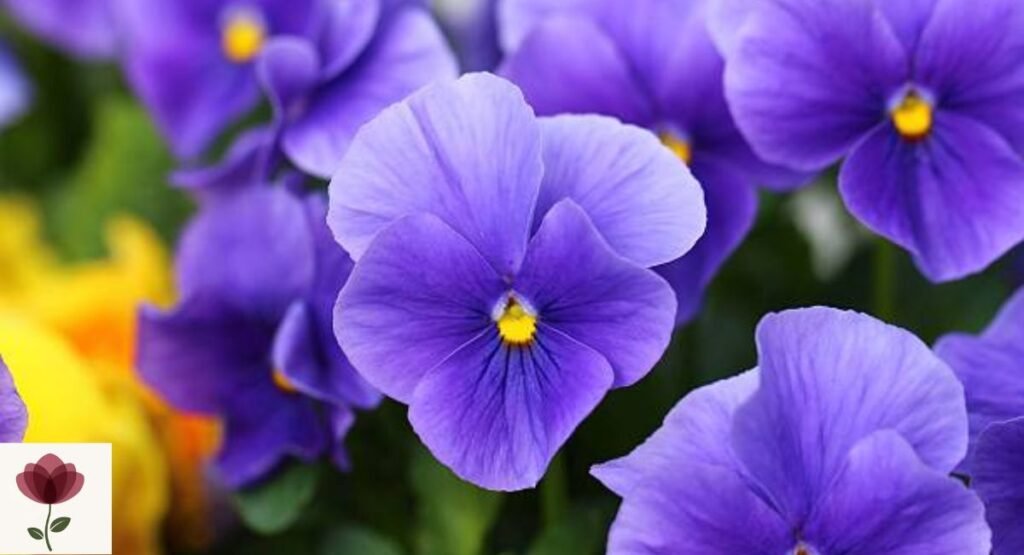
Violas resemble smaller pansies and offer excellent performance during cool weather. Their compact growth suits containers, borders, window boxes, and narrow garden edges. Many varieties provide rich purple, blue, yellow, white, or mixed colors. Their cold tolerance makes them useful in early spring landscapes. They can also attract early pollinators when conditions allow. Compared with larger pansies, violas often create a softer, more natural texture. Plant them where they receive suitable sunlight and avoid consistently soggy soil.
12. Magnolia

Magnolias can turn a quiet landscape into a dramatic spring scene. Depending on species, their blossoms may appear white, pink, purple, or soft pastel shades. They work primarily as specimen trees and need enough room for mature growth. Full sun generally encourages strong flowering, although specific species vary. One challenge comes from late freezes. Open magnolia blossoms can suffer damage when temperatures suddenly drop. Choose a suitable site and consider local climate before planting a young tree.
13. Flowering Quince
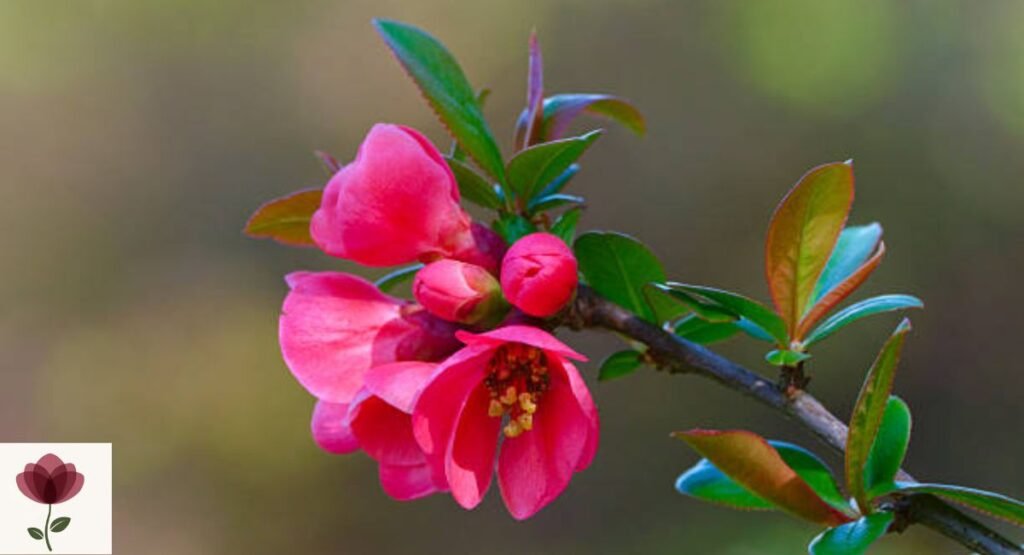
Flowering quince is an early spring shrub known for vivid red, pink, orange, or white blooms. It can serve as a hedge, specimen, or wildlife-friendly landscape plant. Full sun usually encourages heavier flowering. The branches can become thorny, so placement matters around walkways and play areas. Pruning should match the plant’s flowering habit rather than happen randomly. Its early display makes it valuable when many summer shrubs still remain dormant.
14. Star Magnolia
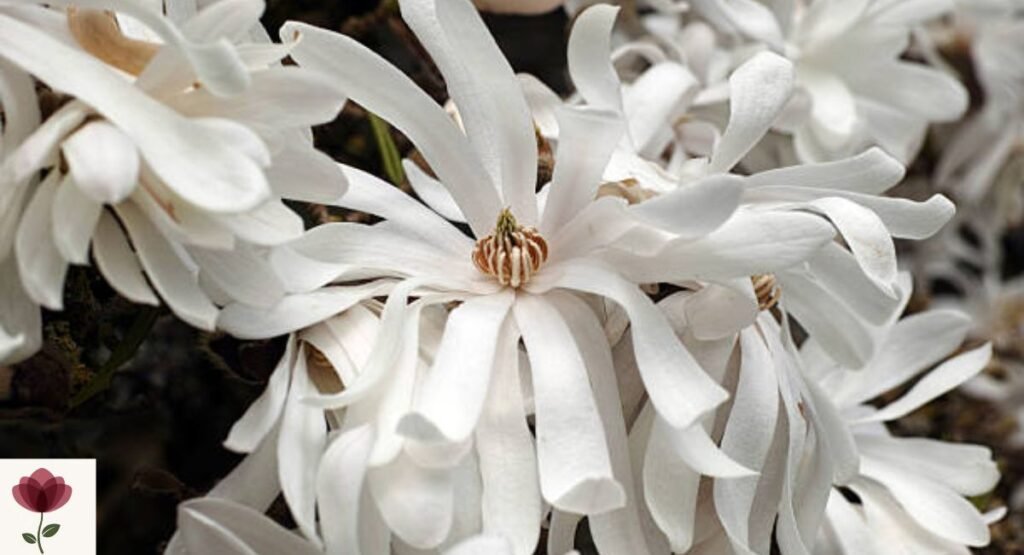
Star magnolia offers a smaller-scale alternative to many large magnolia trees. Its star-shaped flowers open in white or pale pink shades during early spring. The plant can grow as a large shrub or small tree, making it useful for compact landscapes. Sun to partial shade generally works well. However, early blossoms can face damage from late frosts. Planting it in a protected location can reduce exposure to harsh spring weather.
15. Flowering Cherry

Flowering cherries bring a memorable spring display with pink or white blossoms. These ornamental trees focus on beauty rather than edible fruit production. They need adequate sunlight and enough space for mature growth. Their flowering period depends heavily on species, cultivar, and local climate. In a landscape, one well-positioned tree can become a seasonal focal point. Their branches also create strong visual interest for spring photography, outdoor gatherings, and ornamental garden design.
What Flowers Bloom in March?
The answer depends on where you live. In warmer parts of the United States, several flowers that bloom in March may open earlier. Colder regions can see the same plants flowering weeks later. Snowdrops, crocus, hellebores, and early daffodils often lead the show.
As temperatures rise, primroses, early tulips, camellias, forsythia, and flowering trees add more color. Think of March as a relay race rather than one fixed bloom date. Each plant takes its turn as sunlight, soil temperature, and weather change.
Early March Bloomers
Snowdrops, crocus, hellebores, and early daffodils can provide some of the first visible color. These early spring blooms often tolerate cool conditions better than tender annuals. Their appearance can feel almost magical after a long winter. In colder zones, however, snow cover and frozen ground may delay the display.
Mid-to-Late March Bloomers
Primrose, early tulips, camellias, and forsythia can take over as March progresses. Flowering trees and shrubs may also begin opening in suitable climates. The exact timing depends on winter temperatures and spring warmth. Therefore, treat calendar dates as estimates rather than guarantees.
What Flowers Can You Plant in March?
March planting depends strongly on your local climate. If you’re wondering what flowers can I plant in March, begin with your average last frost date. Cool-season plants such as pansies and violas often tolerate chilly conditions. Tender plants need warmer soil and safer nighttime temperatures.
There’s another important distinction. A plant that blooms in March isn’t necessarily planted during March. Many spring bulbs need months underground before they flower. Daffodils, crocus, and tulips are classic examples. Planning ahead often matters more than planting immediately.
Flowers for Cool March Weather
Pansies, violas, and primroses can handle the cooler conditions common during early spring. They’re useful for containers and borders because you can establish them without waiting for summer temperatures. Hardy plants also give gardens immediate color. Before planting, check your local frost forecast and soil conditions.
Flowers for Warmer March Climates
Gardeners in warmer USDA zones often have a broader March planting window. Suitable annuals and spring containers can establish earlier there. Still, warmth alone doesn’t guarantee success. Sudden cold snaps can damage tender new growth. Check regional frost dates before moving heat-loving plants outdoors.
Bulbs to Plan Ahead For
Daffodils, crocus, tulips, and hyacinths generally perform best when gardeners plant bulbs ahead of spring. In many regions, that means planting during fall rather than March. This distinction helps prevent a common gardening mistake. Seeing a bulb bloom in March doesn’t mean you should plant that bulb immediately.
Flowers in Season in March
The phrase flowers in season in March can mean two things. It may describe plants naturally blooming outdoors. It can also refer to blooms commonly available for bouquets and events. Those categories overlap, yet they aren’t identical. A florist may source seasonal stems that don’t grow outdoors in every U.S. region.
For gardeners, local climate remains the deciding factor. For event planning, availability, growing region, greenhouse production, and shipping can also influence choices. This makes March a flexible month for both gardens and floral design.
Bulbs in Season
Daffodils, crocus, early tulips, hyacinths, and snowdrops can contribute strong seasonal interest. Their forms vary from tiny cups to tall spikes. Bulbs also create useful layers in a garden. Low crocus can appear first while taller daffodils and tulips follow.
Perennials in Season
Hellebores, primroses, pansies, and violas provide color without relying solely on woody plants. Many tolerate cooler temperatures and can fill gaps between larger spring displays. Hellebores suit shade especially well. Primroses and violas can brighten containers and garden edges.
Shrubs in Season
Camellia, forsythia, and flowering quince can provide a larger visual impact. Shrubs also add height and structure to beds. Forsythia creates a bright yellow display. Camellia offers evergreen foliage. Flowering quince brings early color with a more rugged form.
Flowering Trees in Season
Magnolia, star magnolia, and flowering cherry can dominate a landscape when they bloom. Their scale makes them ideal focal points rather than tiny border plants. Before planting, check mature dimensions. A small nursery tree can eventually occupy far more space than expected.
Best March Flowers for Different Garden Conditions
The best plant isn’t always the prettiest one. It’s the one that fits your site. March garden flowers need suitable light, drainage, moisture, and space. A shade-loving hellebore may struggle in intense afternoon sun. A sun-loving daffodil may flower poorly beneath dense evergreen cover.
Therefore, start with your garden conditions before choosing a cultivar. This simple approach saves time, reduces plant stress, and usually creates stronger blooms. Even a small patio can support attractive seasonal planting when you match plants carefully.
Best March Blooms for Full Sun
Daffodils, crocus, early tulips, forsythia, magnolia, and flowering quince generally suit brighter locations. Full sun can encourage stronger flowering in many of these choices. However, “full sun” still depends on local heat. In very hot regions, afternoon protection may benefit certain plants.
Best Choices for Partial Shade
Hellebores, primroses, camellias, violas, and snowdrops can perform well with filtered or partial light. Deciduous trees can create an especially useful spring setting. Their branches may provide shade later while allowing more sunlight early in the season.
Best March Blooms for Shade
Hellebores, snowdrops, and primroses are strong candidates for shadier areas. Deep shade remains different from partial shade. Even shade-tolerant plants need enough light to flower well. Watch the site throughout the day before deciding where to plant.
Best Choices for Containers
Pansies, violas, primroses, early tulips, and hyacinths work nicely in pots. Containers let you move plants when weather changes. They also make it easy to create small seasonal displays near doors, patios, or windows. Always provide drainage holes to prevent saturated roots.
Best Plants for Small Gardens
Crocus, primrose, hellebore, and star magnolia can work well when space is limited. Compact plants create seasonal interest without demanding a large footprint. Star magnolia deserves particular attention because it offers the visual drama of a flowering tree in a relatively smaller form.
Best Choices for Pollinators
Crocus provides an important early food source when few other blooms are available. Primroses and other early-season plants can also contribute to a pollinator-friendly garden. The goal isn’t simply to attract insects. It’s to provide useful resources when spring is still getting started.
March Flowers by Color
Color can change how a garden feels within minutes. Yellow blooms create energy while white flowers look crisp and calm. Pink adds softness. Purple and blue tones create cooler contrast. By mixing several colors, you can build a garden that changes character as March progresses.
When choosing a palette, remember that cultivars can vary significantly. A plant listed as “pink” may range from pale blush to deep rose. Always check the specific cultivar if color matters for a wedding, landscape plan, or themed garden.
Yellow March Blooms
Daffodils, forsythia, and yellow primroses provide cheerful yellow spring color. Daffodils create concentrated bulb displays while forsythia can cover entire branches. Together, they create a layered effect. Yellow also stands out particularly well against gray skies and dormant foliage.
White March Blooms
Snowdrops, hellebores, magnolias, and white camellias offer elegant options. White works especially well in shaded gardens because pale blooms can remain visible when light levels are lower. These choices also fit simple spring bouquets and understated wedding palettes.
Pink March Blooms
Camellias, primroses, flowering cherries, and star magnolias can provide pink tones. Their shades range from soft blush to stronger rose. Pink works beautifully with white and fresh green foliage. For weddings, pale pink can create a gentle transition between winter and spring.
Purple and Blue March Blooms
Crocus, hyacinths, primroses, and violas provide cooler shades. Purple can make bright yellow daffodils appear even more vivid by contrast. Hyacinths also bring fragrance into the mix. For containers, combining purple flowers with white or yellow accents creates a lively spring composition.
March Flowers for Weddings and Events
March wedding flowers can capture the fresh feeling of early spring. Seasonal choices often include tulips, daffodils, hyacinths, camellias, and flowering branches. However, availability varies by location and production method. Couples should confirm the exact varieties and colors with their florist before finalizing a design.
Seasonal planning also helps create a more believable spring atmosphere. Instead of forcing a midsummer palette into a March setting, use soft whites, blush tones, fresh greens, yellow accents, and early flowering branches. The result can feel natural rather than overly staged.
Best March Wedding Blooms
Daffodils, tulips, hyacinths, camellias, and flowering branches offer different textures and moods. Tulips provide clean silhouettes. Hyacinths add fragrance. Daffodils bring cheerful color. Camellias offer refined shapes. Flowering branches add height and movement. Combining several forms creates a fuller arrangement.
Best March Wedding Colors
Soft white, blush pink, yellow, purple, and fresh green create a natural early-spring palette. White can anchor the design while blush softens it. Yellow adds warmth. Purple supplies contrast. Green foliage ties everything together without overwhelming the flowers.
March Wedding Arrangement Ideas
Bridal bouquets can combine tulips with seasonal foliage and delicate branches. Centerpieces can use low arrangements so guests can talk across tables. Ceremony designs can incorporate taller flowering branches. For a more relaxed look, use mixed seasonal stems rather than arranging every bloom into perfect symmetry.
How to Care for March-Blooming Plants
Early spring plants still need thoughtful care. Cool weather can reduce evaporation, yet wet soil can remain a problem. Water according to rainfall and plant needs rather than following a rigid calendar. Good drainage matters just as much as watering.
Likewise, avoid rushing cleanup after blooms fade. Bulb foliage continues working after petals disappear. Pruning also needs timing. A little patience can make the difference between a strong display next year and a disappointing one.
Watering
Keep actively growing plants reasonably moist without creating soggy soil. Containers dry faster than garden beds, especially on sunny days. Check the soil before watering. During rainy March periods, you may need to water very little.
Soil and Drainage
Most spring bulbs dislike prolonged waterlogging. Well-draining soil helps protect roots and bulbs from rot. Camellias have different needs because they prefer acidic conditions. Before planting, understand the soil preferences of your chosen species rather than treating every March plant alike.
Sunlight
Match the plant with its preferred light level. Daffodils and forsythia generally appreciate bright conditions. Hellebores prefer more shade. Camellias can benefit from protection against harsh afternoon heat. Watch your garden across the day because morning light and afternoon exposure can differ greatly.
Deadheading
Removing spent blooms can improve appearance and prevent plants from putting energy into unnecessary seed production. However, don’t confuse flower removal with foliage removal. Bulbs such as daffodils need their leaves after flowering. Let the foliage yellow naturally before cutting it back.
Pruning
Pruning works best when you understand the plant’s flowering habit. Forsythia should generally be pruned soon after flowering because next year’s flower buds develop on older wood. Random pruning later can remove those future blooms.
Protecting New Growth From Cold Snaps
Late freezes can damage tender shoots and open blossoms. Watch local forecasts during sudden temperature drops. Container plants can sometimes move to protected areas. Larger landscape plants require more planning. Site selection remains your strongest long-term defense against weather extremes.
Feeding After Blooming
Fertilizer isn’t automatically necessary every spring. Soil conditions, plant type, and previous feeding all matter. Bulbs mainly need healthy foliage after flowering to replenish stored energy. For established shrubs, use a suitable fertilizer only when the plant or soil conditions indicate a need.
How to Bring March Blooms Indoors
Outdoor displays aren’t the only way to enjoy spring. A few stems can bring seasonal color into your home almost instantly. Clean tools, fresh water, and sensible placement help extend the display. Keep arrangements away from strong heat and direct sun.
Some plants also respond well to forcing. Forsythia is a classic example. Cut branches can open indoors before the outdoor landscape reaches full spring color. This simple technique turns dormant-looking wood into a bright indoor display.
Using Fresh-Cut Stems
Use clean, sharp tools when cutting stems. Remove foliage that would sit below the waterline. Place stems into clean water soon after cutting. Fresh water and a clean vase can make a noticeable difference in how long an arrangement looks attractive.
Forcing Forsythia Branches
Cut suitable forsythia branches before the buds fully open outdoors. Place them in water indoors and keep them in a bright location away from intense heat. Given suitable conditions, the dormant buds can swell and open. It’s an easy way to bring spring indoors early.
Creating a Simple Spring Bouquet
Start with one strong focal bloom and build around it. Tulips create clean lines while daffodils provide cheerful color. Add flowering branches for height and movement. White, purple, and yellow can work together beautifully without making the arrangement feel crowded.
Keeping Cut Blooms Fresh Longer
Use a clean vase and fresh water. Trim stems when necessary and remove leaves below the waterline. Keep arrangements away from radiators and intense sunlight. Daffodil stems also deserve special attention because their sap can reduce the vase life of other blooms when mixed too soon.
March Birth Blooms vs Seasonal Garden Picks
Not every seasonal choice is a traditional birth bloom. Daffodil and jonquil have a stronger birthday connection while crocus, hellebore, tulip, and forsythia are primarily seasonal garden choices. Keeping these categories separate makes your article clearer and helps readers choose according to their purpose.
| Purpose | Best Choices |
| March birthday | Daffodil, Jonquil |
| Early garden color | Crocus, Snowdrop |
| Shade | Hellebore, Primrose |
| Containers | Pansy, Viola, Primrose |
| Cut arrangements | Tulips, Daffodils |
| Shrub display | Camellia, Forsythia |
| Large landscape display | Magnolia, Flowering Cherry |
Conclusion
March gives gardeners a useful bridge between winter dormancy and spring abundance. Daffodils and jonquils carry strong birthday symbolism while crocus, hellebores, primroses, tulips, and other early bloomers add garden color. Shrubs and flowering trees can then raise the display to another level.
The smartest choice depends on your purpose. You might want a birthday gift, a shaded garden plant, a container display, or seasonal flowers for March wedding designs. Check your USDA zone, frost dates, sunlight, soil, and mature plant size before planting. With the right choices, even a small space can welcome spring with remarkable color.
FAQs
What are the birth flowers for March?
The traditional March birth blooms are daffodil and jonquil. They’re associated with renewal, optimism, and the fresh beginning of spring.
What flowers bloom in March?
Daffodils, crocus, hellebores, primroses, early tulips, camellias, and forsythia can bloom during March. Exact timing varies by USDA zone and weather.
What flowers can I plant in March?
Pansies, violas, and primroses can suit cool March conditions in many regions. Your local frost date should guide planting of tender plants.
What flowers are in season in March?
Seasonal choices can include daffodils, crocus, snowdrops, hellebores, tulips, camellias, and forsythia. Availability varies by climate and florist.
What are the best March flowers for a wedding?
Tulips, daffodils, hyacinths, camellias, and flowering branches are strong seasonal choices. Your florist can confirm local availability and specific colors.

Welcome to PetalNexa! I’m Anam Sattar, an AI-powered SEO Specialist and Content Writer with over 4 years of experience in creating high-quality, search-optimized content. I help businesses improve their search engine rankings, increase organic traffic, and build beautiful, user-friendly websites. My mission is to make SEO, content creation, and web design simple, effective, and accessible for everyone. Let’s grow your online presence and achieve success together!
1 thought on “15 March Flowers: Birth Blooms, Seasonal Picks & What to Plant”