

January may seem like a quiet month for gardens, yet January flowers bring surprising color, fragrance, and charm to the coldest part of the year. From delicate snowdrops and cheerful winter jasmine to elegant carnations and dramatic amaryllis, these blooms offer something for every occasion. Some are natural winter-blooming flowers, while others are popular seasonal blooms available through florists. January also has special birth flowers, making the month meaningful for birthday bouquets and thoughtful gifts.
If you’re planning a winter garden, decorating your home, or choosing wedding flowers, there are plenty of beautiful options to explore. In this guide, you’ll discover 25 stunning varieties, their meanings, colors, uses, care needs, and seasonal availability.
January Birth Flowers and Their Meanings
January has two traditional birth flowers: carnation and snowdrop. Carnations symbolize love, admiration, and affection, while snowdrops are commonly associated with hope and renewal. Their contrasting appearances make them fascinating choices for anyone exploring birth flower symbolism.
Carnations bring bold color and ruffled texture, whereas snowdrops offer quiet elegance. Together, they reflect the season beautifully. One feels cheerful and expressive; the other feels delicate and hopeful.
Carnation
Carnation is the classic choice for January birth flowers. Its fringed petals appear in red, pink, white, yellow, and other shades. Red carnations can express deep affection, while pink varieties often suggest admiration. Their excellent vase life also makes them practical birthday gifts.
Snowdrop
Snowdrops are small white flowers that can emerge while winter still holds the garden. Their ability to bloom through cold weather gives them a strong connection with hope and renewal. They look especially beautiful when planted in natural-looking groups beneath trees or along woodland-style borders.
January Birth Flower Colors and Meanings
Color gives carnations different emotional tones. Red feels passionate, pink feels affectionate, white appears pure, and yellow creates a cheerful impression. For a birthday bouquet, choose one shade that matches the recipient’s personality or combine several for a lively seasonal arrangement.
25 January Flowers at a Glance
Choosing among winter flowers becomes easier when you can compare them side by side. The table below highlights 25 beautiful choices, including their colors, typical use, and whether they naturally bloom outdoors or are more commonly enjoyed as cut or indoor flowers.
| # | Flower | Common Colors | Best Use | Winter Bloom/Availability |
| 1 | Carnation | Red, pink, white | Birthdays, bouquets | Florist favorite |
| 2 | Snowdrop | White | Gardens, symbolism | Natural winter bloomer |
| 3 | Christmas Rose | White, pink | Winter gardens | Winter bloomer |
| 4 | Winter Jasmine | Yellow | Gardens, borders | Winter bloomer |
| 5 | Winter Heather | Pink, white, purple | Borders, containers | Winter bloomer |
| 6 | Winter Honeysuckle | Cream, white | Fragrance, gardens | Winter bloomer |
| 7 | Fragrant Snowball | Pink, white | Gardens, cut stems | Winter bloomer |
| 8 | Cyclamen | Pink, white, red | Pots, indoor displays | Cool-season bloomer |
| 9 | Witch Hazel | Yellow, orange, red | Gardens | Winter bloomer |
| 10 | Daffodil | Yellow, white | Gardens, bouquets | Early seasonal bloom |
| 11 | Hyacinth | Purple, pink, white | Indoor displays | Seasonal availability |
| 12 | Tulip | Red, pink, yellow | Bouquets, weddings | Florist availability |
| 13 | Amaryllis | Red, white, pink | Indoor displays | Winter favorite |
| 14 | Orchid | White, purple, pink | Indoor displays | Florist availability |
| 15 | Lisianthus | White, pink, purple | Bouquets, weddings | Cut flower |
| 16 | Ranunculus | White, pink, red, yellow | Weddings, bouquets | Seasonal availability |
| 17 | Anemone | White, pink, purple, red | Weddings, bouquets | Seasonal availability |
| 18 | Hellebore | White, pink, purple | Winter gardens | Winter bloomer |
| 19 | Winter Aconite | Yellow | Garden borders | Early winter bloom |
| 20 | Pansy | Purple, yellow, blue | Containers, beds | Cool-season flower |
| 21 | Primrose | Yellow, pink, white | Pots, borders | Cool-season flower |
| 22 | Camellia | Pink, red, white | Gardens, bouquets | Winter bloomer |
| 23 | Mahonia | Yellow | Gardens, wildlife areas | Winter bloom |
| 24 | Sweet Box | White, cream | Fragrance, gardens | Winter bloomer |
| 25 | Iris Reticulata | Blue, purple, yellow | Rock gardens, borders | Early-season bloom |
These 25 choices cover several different purposes. Some are genuine winter-blooming plants, while others are popular florist flowers available during the season. For the best results, always check local climate and supplier availability before planting or ordering.
What Flowers Bloom in January?
Winter may look quiet, but many hardy plants can still brighten the garden with beautiful blooms. From delicate snowdrops to cheerful winter jasmine, these flowers can add color and fragrance during the colder season. Their exact blooming time depends on climate, location, and growing conditions.
1. Snowdrop
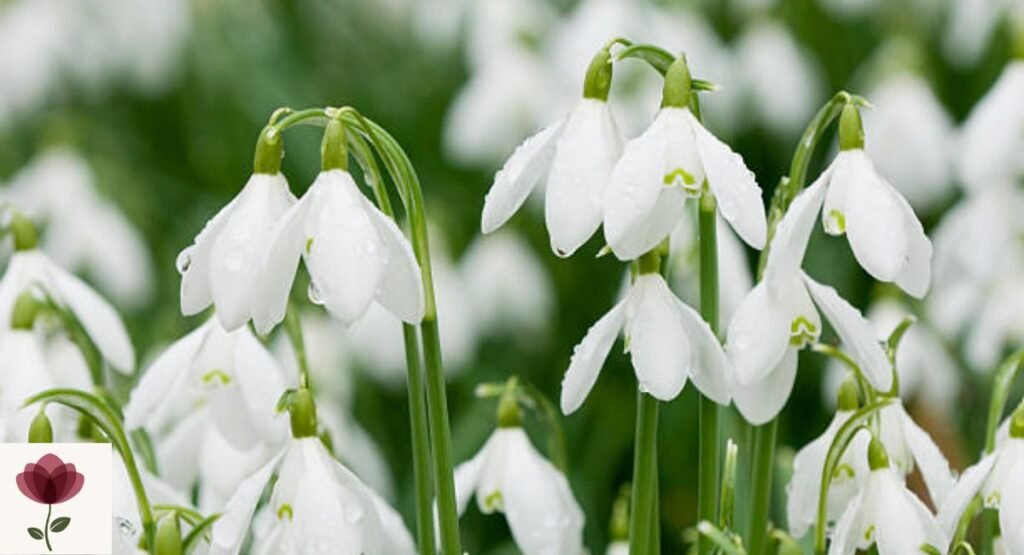
Snowdrops produce delicate white, bell-shaped flowers during the cold season. They often appear among bare trees and dormant plants, creating a beautiful early-season display. Their ability to bloom through chilly weather makes them a symbol of hope and renewal.
2. Christmas Rose
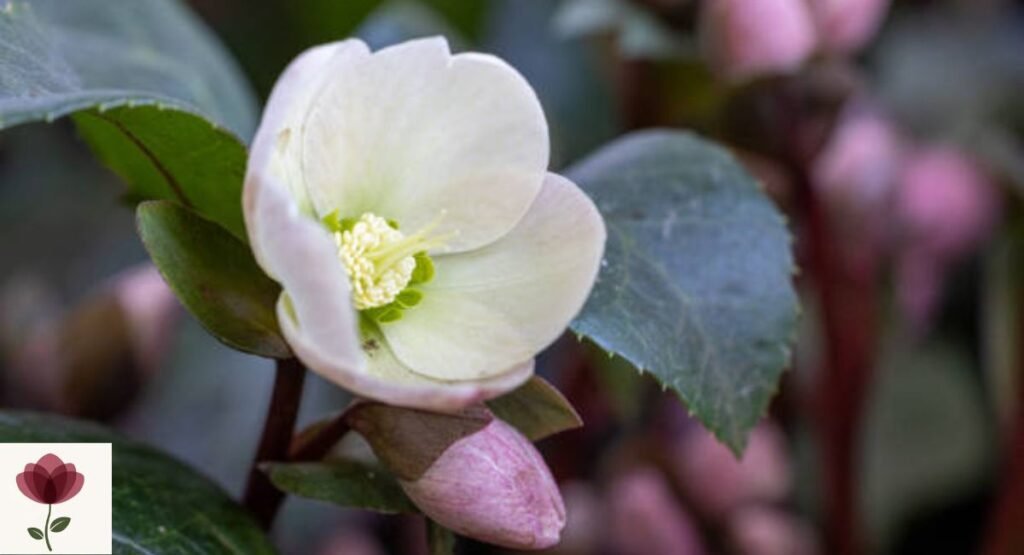
Christmas rose produces elegant white or pinkish flowers during winter. Despite its name, it may bloom at different times depending on local weather conditions. It prefers well-drained soil and partial shade, making it excellent for sheltered garden areas.
3. Winter Jasmine
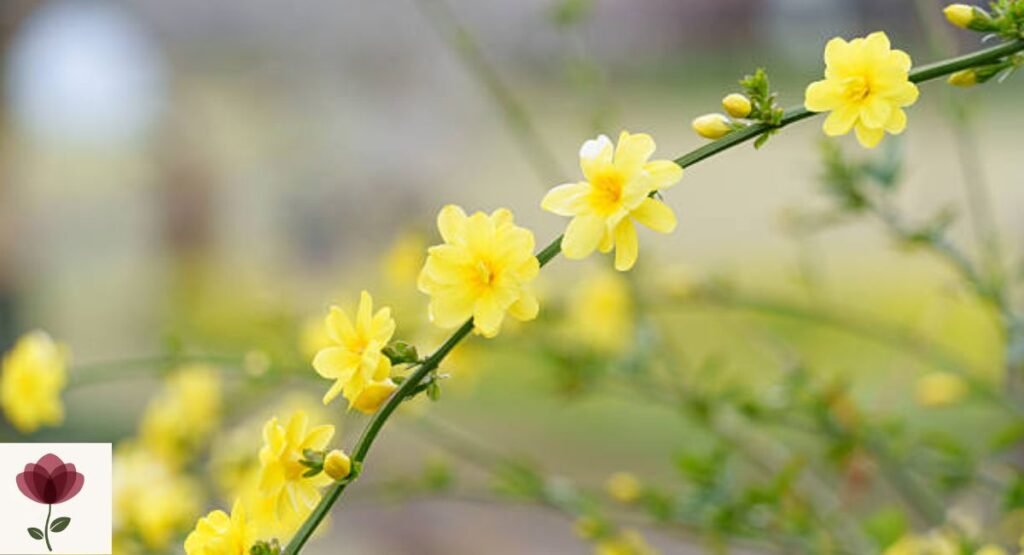
Winter jasmine brings cheerful yellow flowers to otherwise gray winter landscapes. Its arching branches can spread across walls, fences, and slopes with ease. Sunny or partly shaded locations help this hardy shrub produce its best seasonal display.
4. Winter Heather
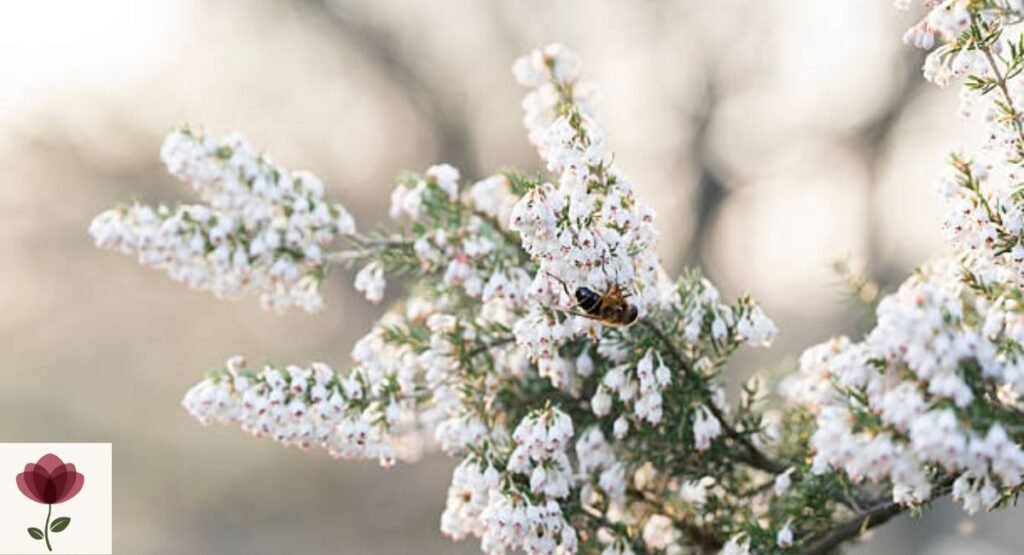
Winter heather stays relatively low while producing clusters of tiny pink, white, or purple flowers. It performs well in rock gardens, borders, and containers. Once established, it can provide reliable winter garden color with limited maintenance.
5. Winter Honeysuckle
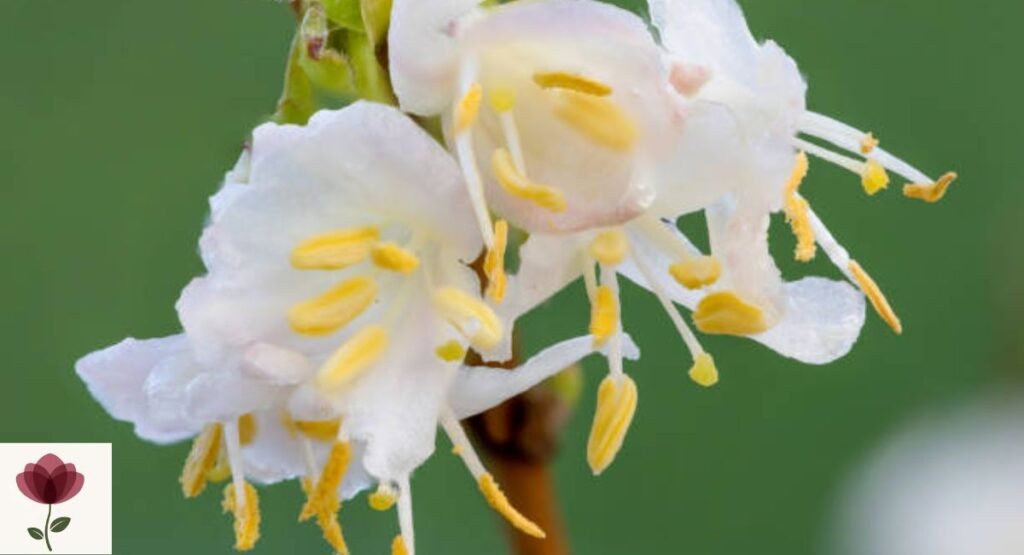
Winter honeysuckle produces small creamy flowers that may seem modest at first glance. Its real attraction comes from the sweet fragrance released during flowering. Plant it near pathways or entrances where you can easily appreciate its delicate winter perfume.
6. Fragrant Snowball
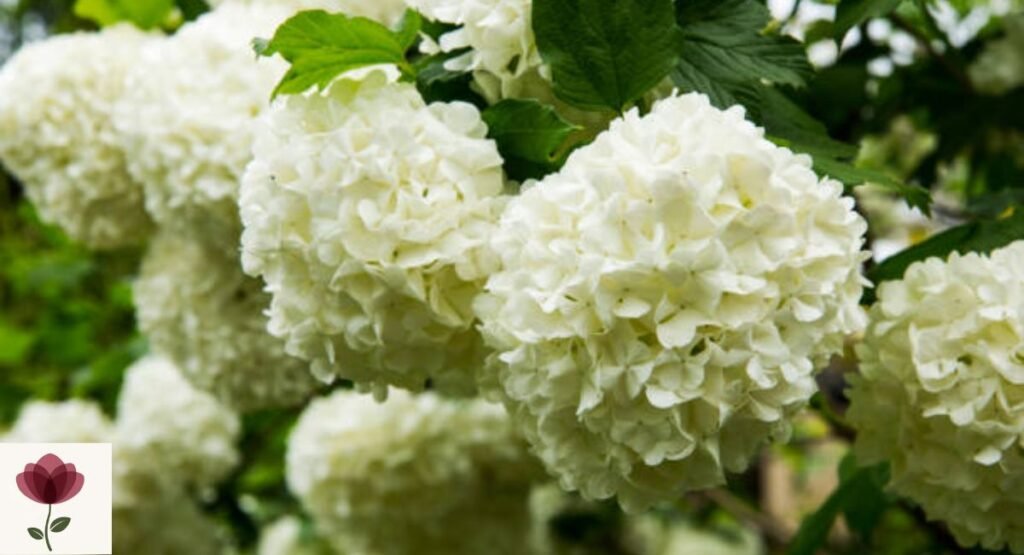
Fragrant snowball, including certain viburnum varieties, produces clusters of pale flowers on bare branches. The blooms can range from white to soft pink depending on the plant. Its sweet fragrance makes it particularly valuable for gardens designed around winter sensory appeal.
7. Witch Hazel
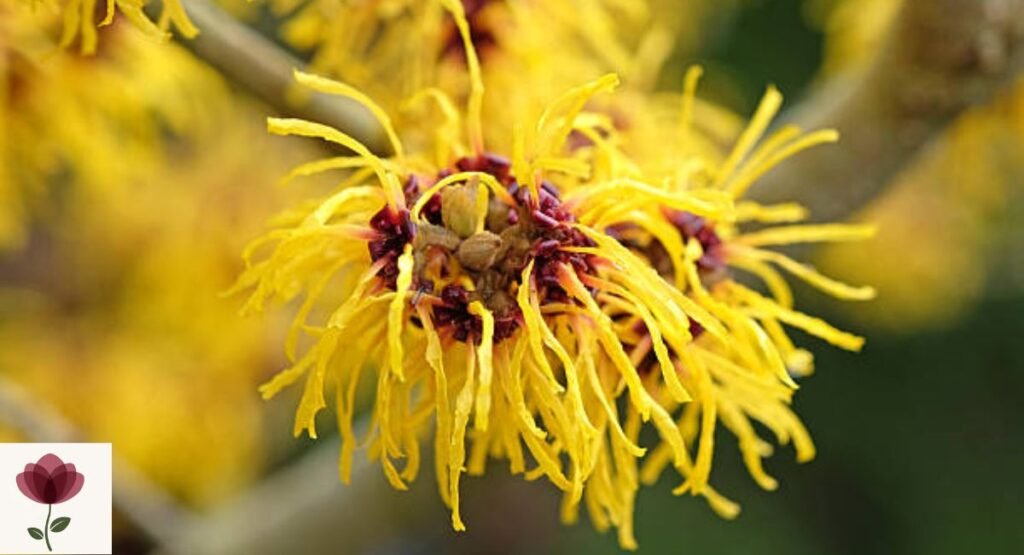
Witch hazel stands out because its flowers have unusual ribbon-like petals. Depending on the variety, blooms may appear yellow, orange, or reddish. The flowers emerge directly against bare branches, creating an eye-catching display when surrounding trees have lost their foliage.
8. Hellebore
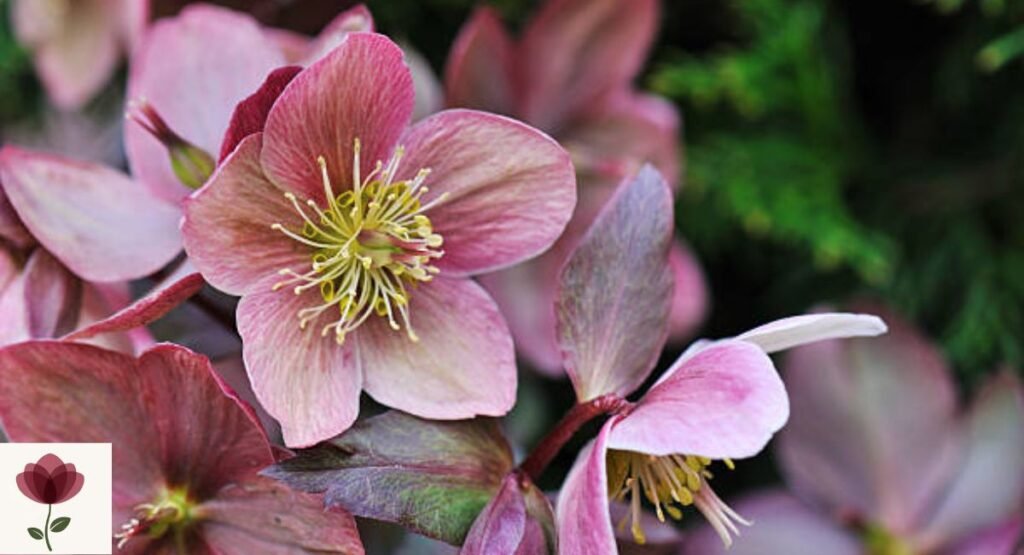
Hellebores are dependable winter-blooming flowers with excellent garden value. Their flowers can appear in white, pink, purple, greenish, and darker shades. They tolerate cool conditions well and often continue providing interest when many other flowering plants remain dormant.
9. Winter Aconite
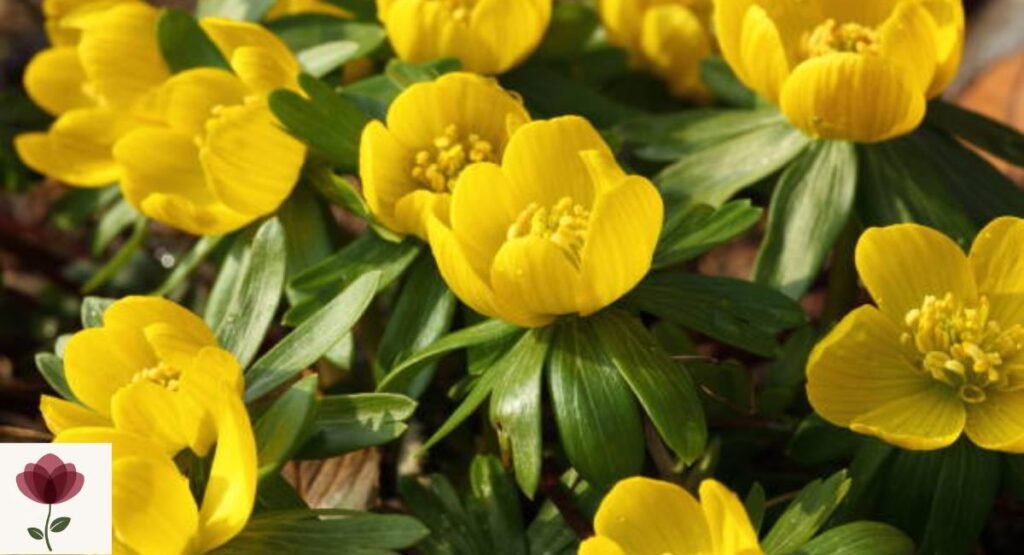
Winter aconite produces bright yellow, cup-shaped flowers close to the ground. It can create cheerful patches beneath trees and shrubs during the colder months. Well-drained soil and suitable moisture help these small bulbs establish attractive naturalized groups.
10. Cyclamen
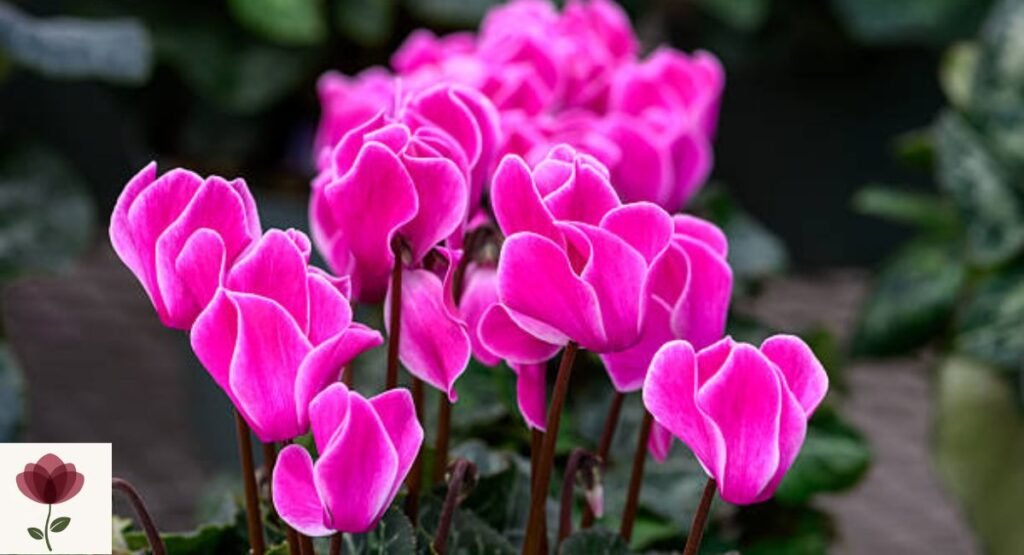
Cyclamen can bring vibrant pink, white, or red flowers to cool-season containers and sheltered gardens. Its attractive foliage adds another layer of visual interest. Good drainage is essential because constantly wet soil can damage the plant’s underground structures.
11. Primrose
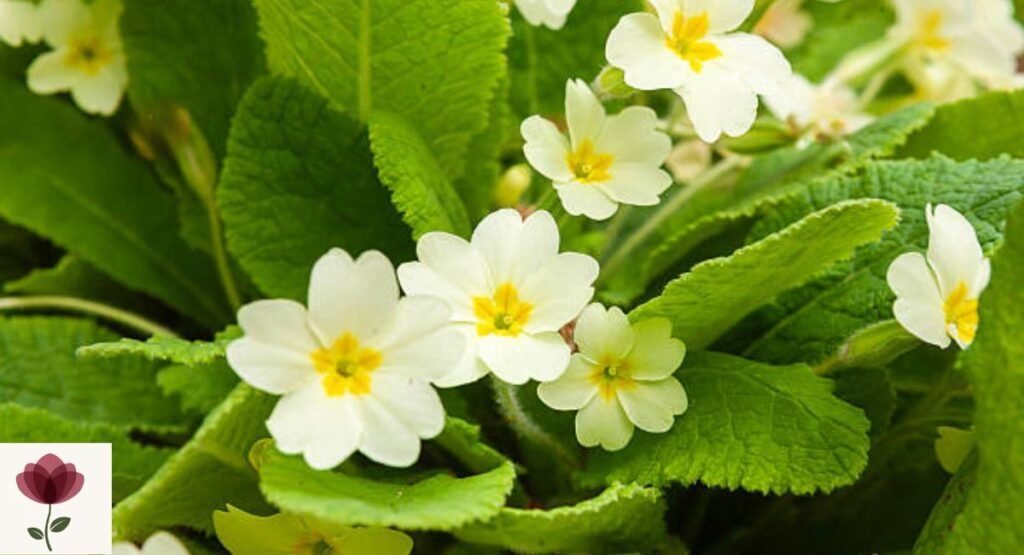
Primroses offer cheerful flowers in yellow, pink, white, and other shades. They can brighten containers, borders, and partially shaded spaces during cool weather. In suitable climates, their colorful blooms provide an early hint that spring is gradually approaching.
12. Pansy
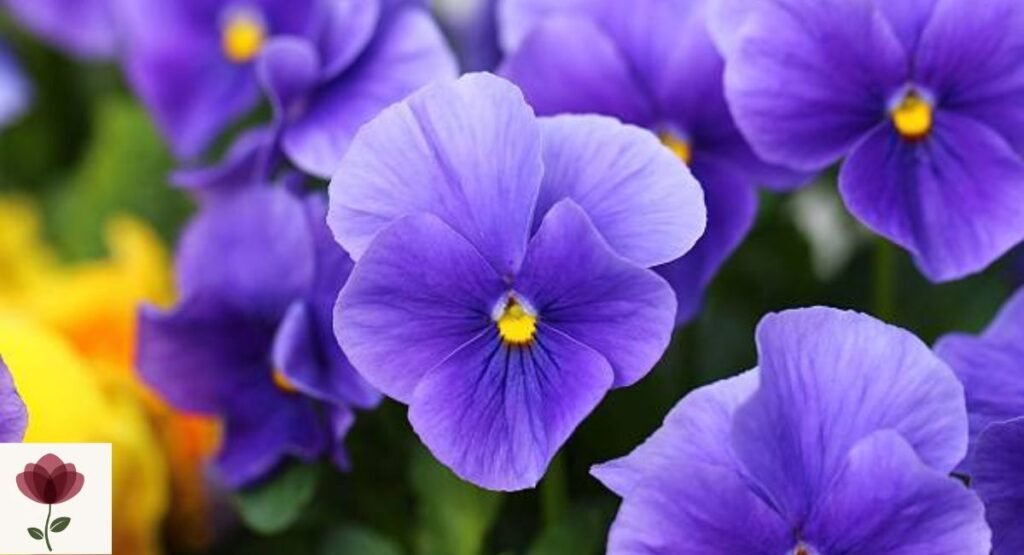
Pansies are popular cool-season flowers because they tolerate chilly conditions better than many tender annuals. Their colorful faces can include purple, yellow, blue, white, and mixed patterns. They work particularly well in containers, window boxes, and small garden beds.
13. Camellia
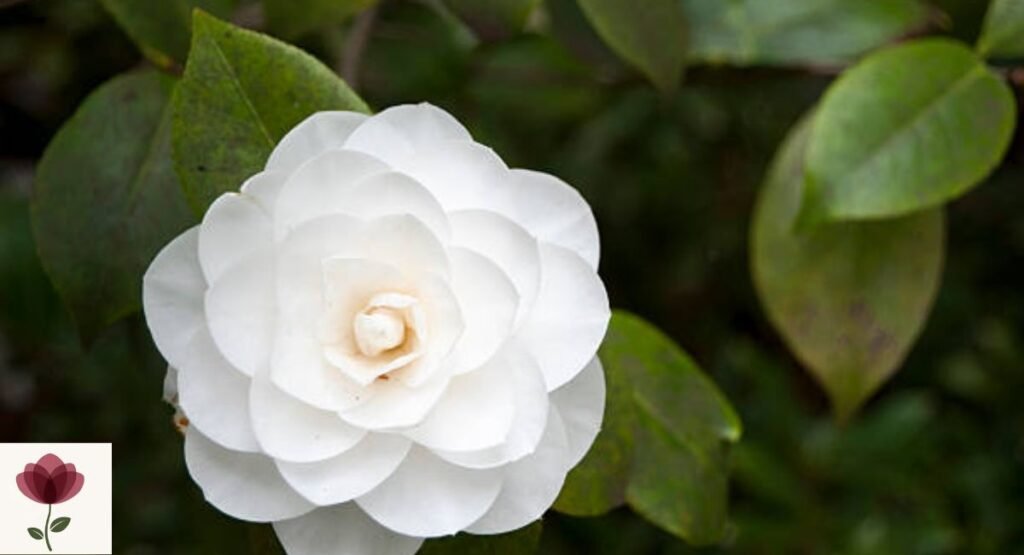
Camellias can produce elegant flowers during winter or early spring depending on the species and cultivar. Their blooms commonly appear in pink, red, and white shades. Evergreen foliage also gives the plant year-round structure even when flowers aren’t present.
14. Mahonia
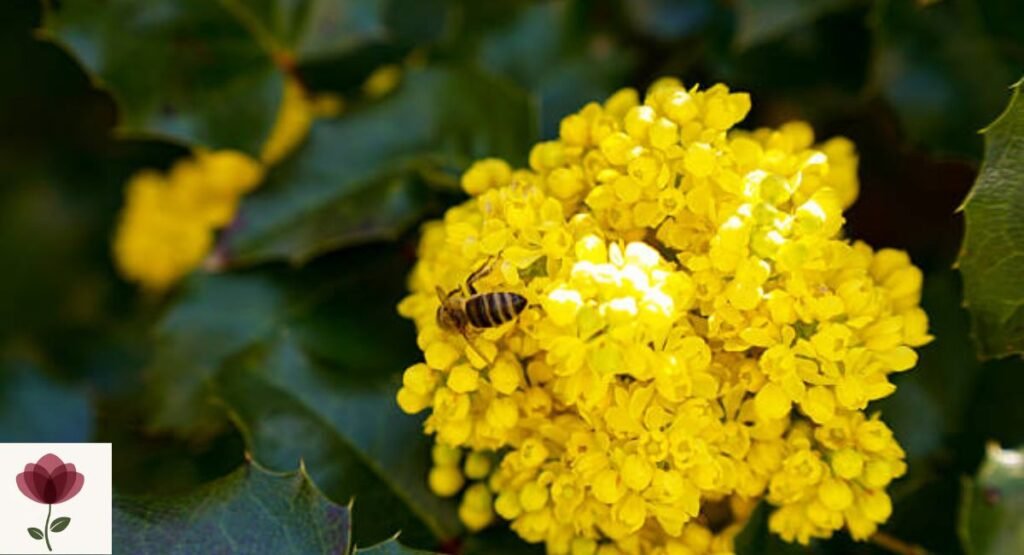
Mahonia combines evergreen foliage with clusters of bright yellow flowers. Some varieties can bloom during winter, creating valuable color in shaded gardens. The flowers may also attract pollinators when suitable weather allows insects to become active.
15. Sweet Box
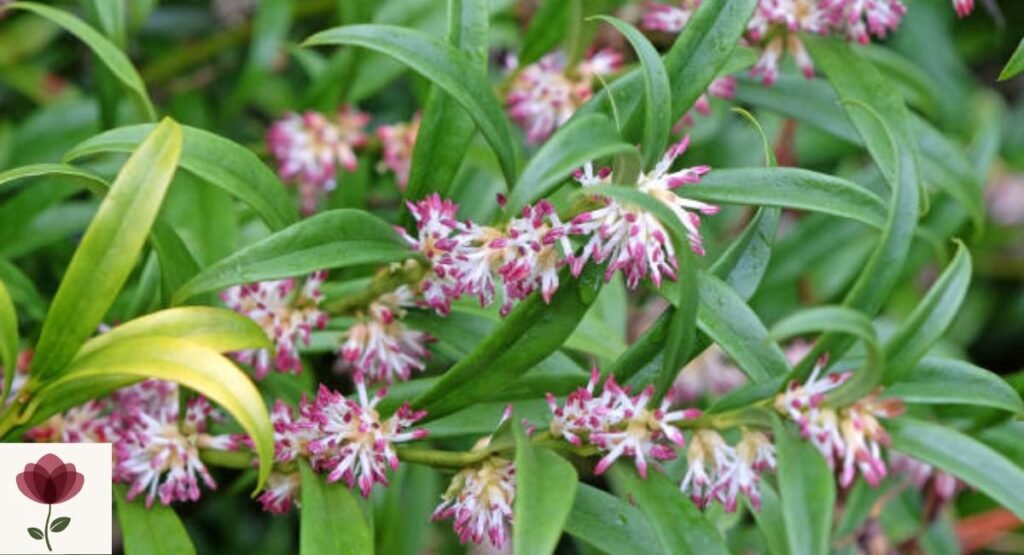
Sweet box produces small white flowers that may look understated against its dark foliage. However, their powerful fragrance makes them surprisingly noticeable. This evergreen shrub works especially well near entrances, paths, and seating areas where its scent can be enjoyed.
16.Iris Reticulata
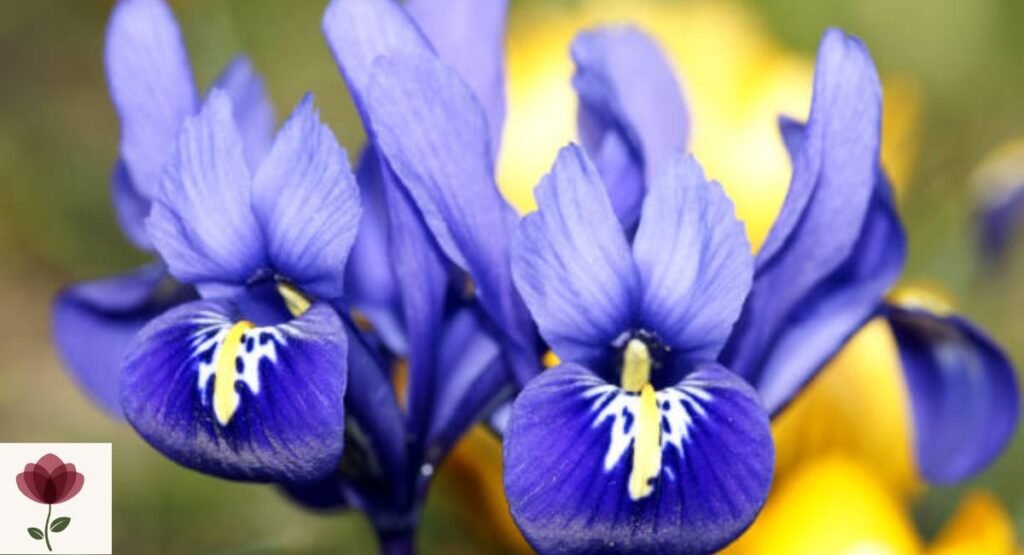
Iris reticulata produces striking blue, purple, and yellow flowers close to the ground. It is especially useful for rock gardens, borders, and containers. Its early flowering habit gives gardeners a welcome burst of color before many larger spring bulbs begin blooming.
17. Winter Cherry
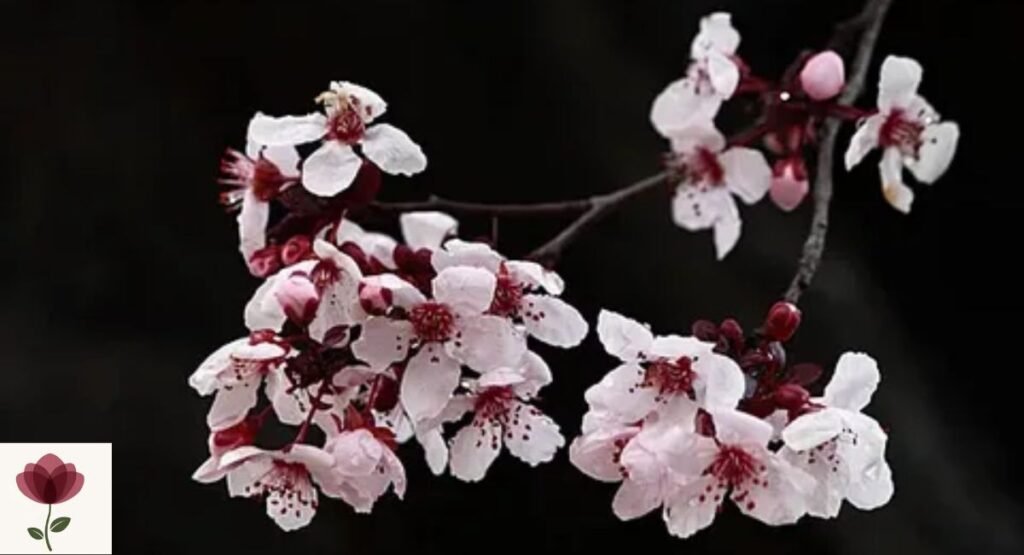
Winter cherry can provide colorful seasonal interest in suitable climates. Its attractive fruits and foliage can sometimes make it valuable even beyond its flowering period. Choose varieties carefully because growing conditions and winter temperatures strongly influence its performance.
18. Viburnum
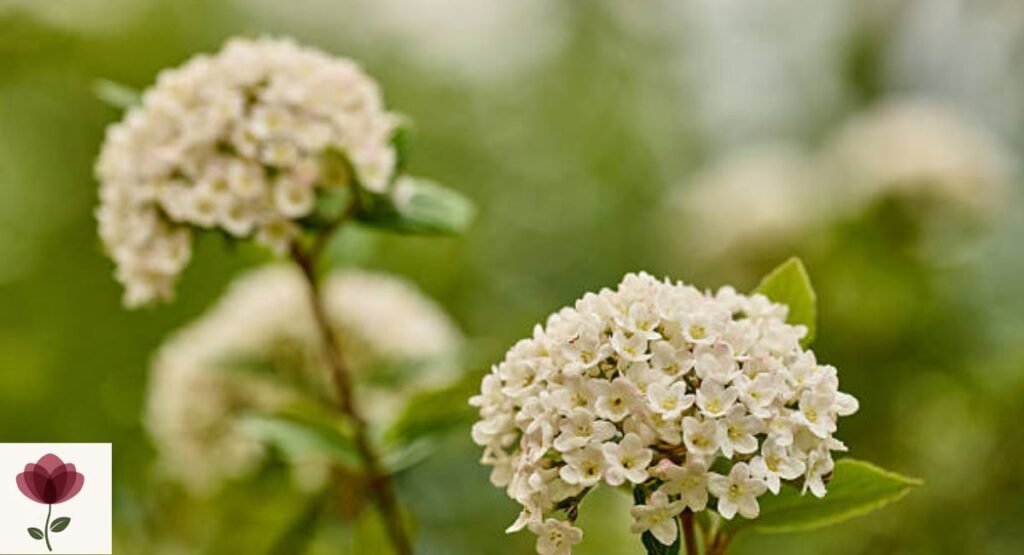
Several viburnum species can produce fragrant flowers during winter. Their pale pink or white clusters stand out against woody branches and evergreen surroundings. These shrubs also provide structure, making them useful for gardens that need interest beyond their flowering season.
19. Early Daffodil
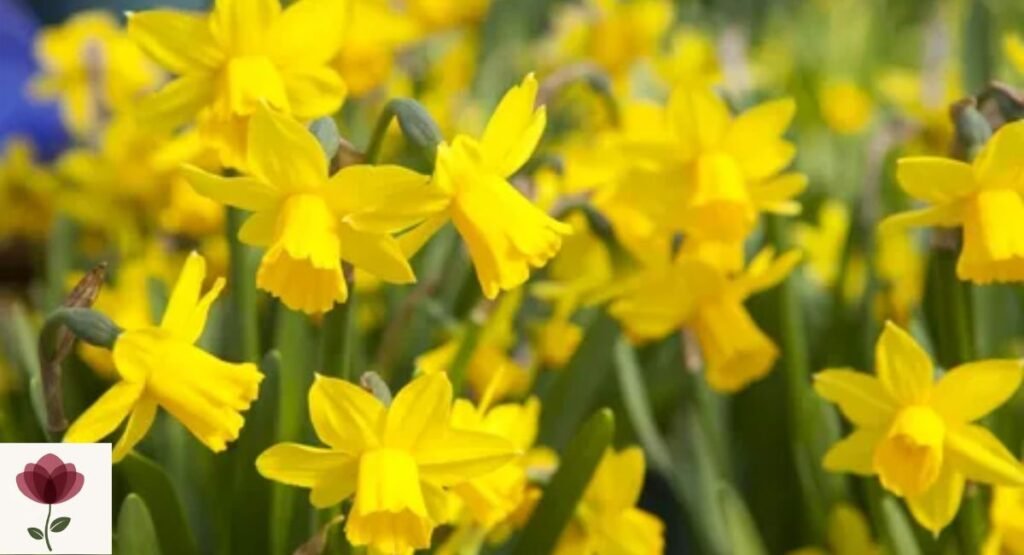
Early daffodils can produce cheerful yellow or white blooms before the main spring flowering period. Their trumpet-shaped flowers are instantly recognizable and brighten garden beds beautifully. Choose early-flowering cultivars if you want blooms sooner than traditional varieties.
20. Algerian Iris
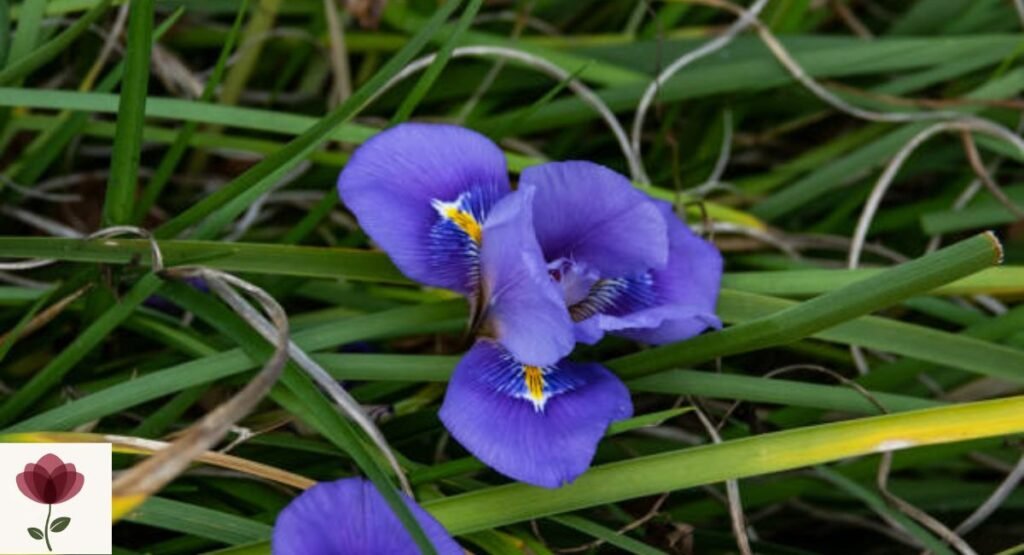
Algerian iris can provide attractive blue-purple flowers during the colder season in suitable climates. Its relatively low-growing habit makes it useful along paths and borders. Good drainage and a sunny or lightly shaded position can support healthy growth.
21. Flowering Quince
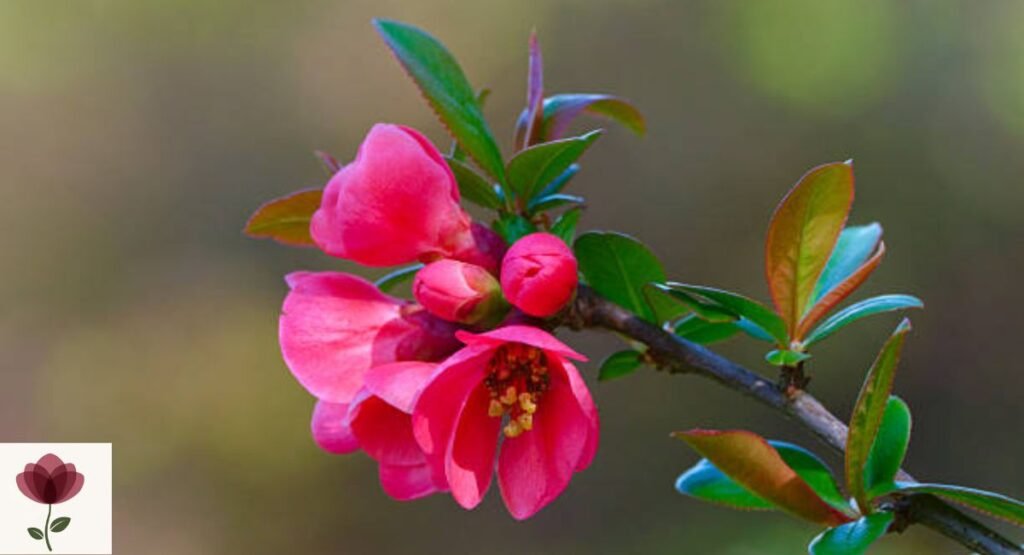
Flowering quince produces striking red, pink, or white flowers on woody branches. In mild conditions, flowering can begin surprisingly early. The shrub also provides attractive structure and can work well as a hedge, border plant, or standalone garden feature.
22. Daphne
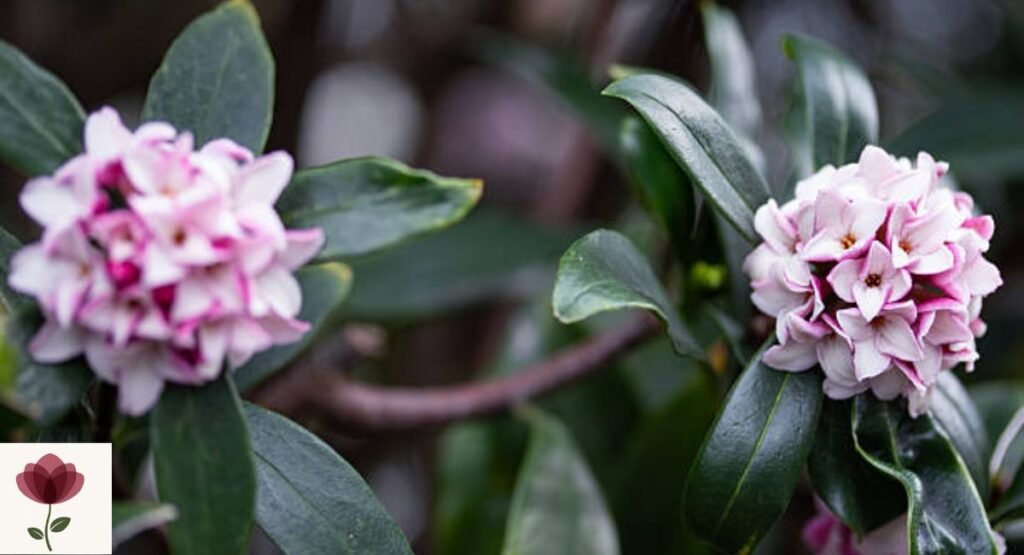
Daphne is prized for its beautiful fragrance as much as its flowers. Depending on the species, blooms can appear white, pink, or combinations of both. Place it somewhere sheltered where you can enjoy its scent without exposing the plant to harsh conditions.
23. Rosemary
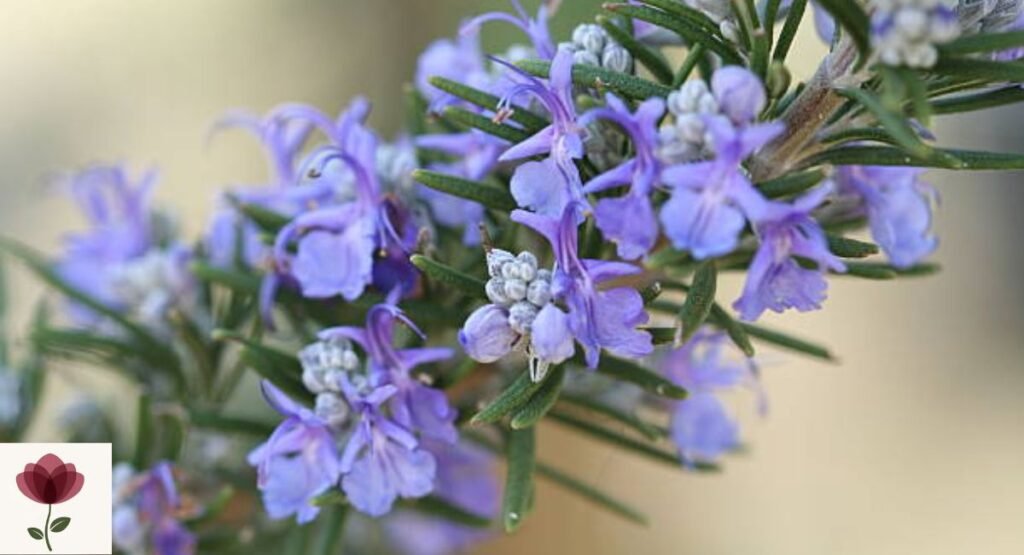
Rosemary can produce small blue or purple flowers during winter in mild climates. Its evergreen foliage provides year-round interest while its leaves remain useful in cooking. Give it plenty of sunlight and excellent drainage for healthier growth.
24. Calendula
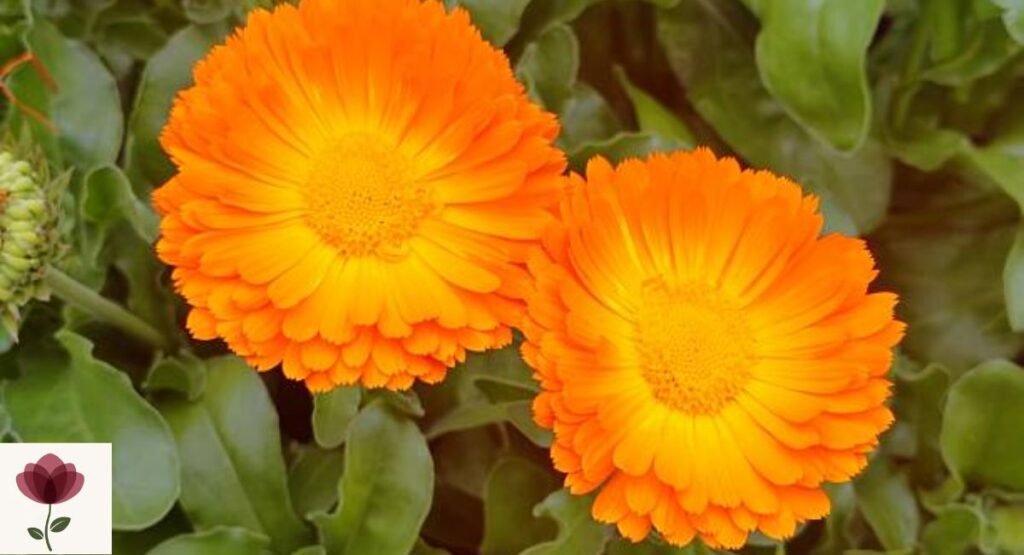
Calendula can flower during winter in regions with mild temperatures. Its cheerful yellow and orange blooms bring a warm appearance to cool-season gardens. It grows well in sunny locations and can work nicely in containers, borders, and informal garden beds.
25. Stock
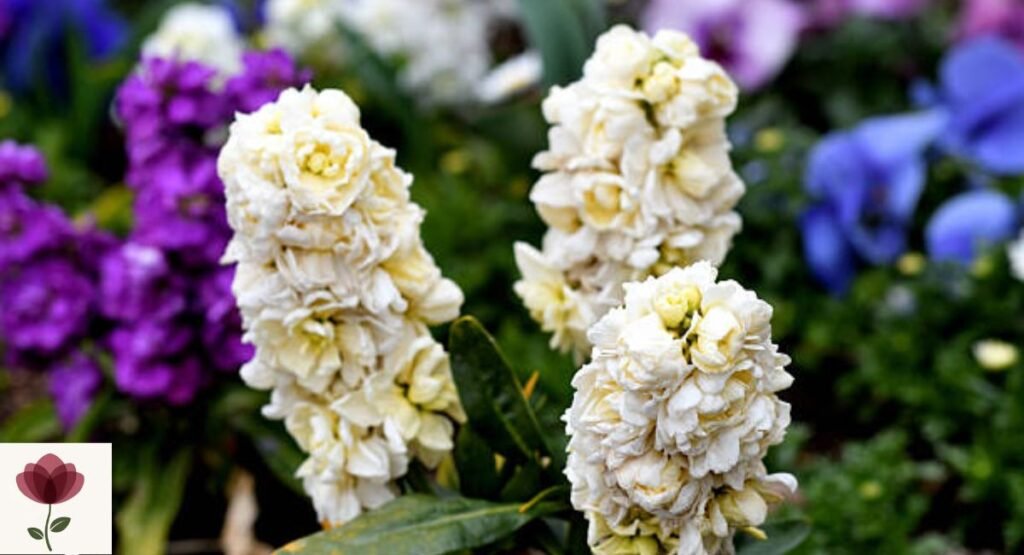
Stock produces fragrant flowers in white, pink, purple, and related shades. Its pleasant scent makes it valuable for both gardens and cut-flower arrangements. In mild winter climates, it can provide colorful blooms while many summer-loving annuals remain dormant.
Best Flowers in Season During January
Seasonal availability can mean something different for gardeners and florists. A flower might not naturally bloom outdoors in your region yet still appear in shops because commercial growers cultivate it under controlled conditions. This distinction makes winter flower shopping much more flexible.
For indoor displays, tulips, hyacinths, amaryllis, orchids, and lisianthus are popular choices. Outdoors, your options depend more strongly on climate and local conditions. Understanding this difference helps you choose flowers realistically.
| Flower | Main Appeal | Best Use |
| Daffodil | Bright yellow blooms | Garden and bouquets |
| Hyacinth | Strong fragrance | Indoor displays |
| Tulip | Elegant shape | Bouquets and weddings |
| Amaryllis | Large dramatic flowers | Home decoration |
| Orchid | Refined appearance | Indoor displays |
| Lisianthus | Rose-like blooms | Bouquets and weddings |
Daffodils
Early daffodils can bring bright yellow color to gardens and arrangements. Their trumpet-shaped flowers look especially cheerful against darker winter foliage. In suitable climates, early cultivars may bloom toward the end of winter and lead naturally into spring displays.
Hyacinths
Hyacinths are famous for their dense flower spikes and powerful fragrance. White, pink, purple, and blue varieties offer plenty of choices. Indoors, their perfume can quickly fill a room, creating a fresh springlike atmosphere during the colder season.
Tulips
Tulips remain among the most versatile seasonal flowers available through florists. Their clean silhouettes suit elegant, modern, rustic, and romantic designs. Although outdoor flowering usually comes later, commercial production can make tulips available much earlier.
Amaryllis
Amaryllis produces large trumpet-shaped flowers on tall stems, creating an instant focal point. Red, white, pink, and striped varieties work beautifully in winter interiors. With bright light and careful watering, a potted amaryllis can become a striking seasonal centerpiece.
Orchids
Orchids bring a sophisticated appearance to indoor spaces. Their sculptural blooms can last for a considerable period when the plant receives suitable care. Bright indirect light, good drainage, and controlled watering are more important than keeping the roots constantly moist.
Lisianthus
Lisianthus has delicate, layered petals that resemble roses without copying their exact form. White, pink, and purple varieties are especially useful in floral arrangements. Florists often use lisianthus to add softness, volume, and an elegant texture to bouquets.
Best Winter Flowers for the Garden
A beautiful winter garden doesn’t need dozens of flowering plants. A few hardy flowering plants can create strong focal points when combined with evergreen leaves, berries, branches, and ornamental grasses. This layered approach keeps the garden interesting even when flowering becomes sparse.
Before planting, examine your garden’s sunlight and drainage. Some plants tolerate shade, while others need several hours of direct light. Likewise, winter moisture can become a serious issue for plants that dislike waterlogged roots.
Flowers for Cold Climates
Cold regions need genuinely hardy plants that can tolerate freezing temperatures. Snowdrops and hellebores are valuable choices because they can provide blooms despite challenging conditions. Still, severe freezes and exposed winds can damage flowers, especially in containers.
Flowers for Mild Winter Regions
Mild winter areas offer a broader range of possibilities. Winter jasmine, cyclamen, early bulbs, hellebores, and flowering shrubs can create a layered display. Gardeners in these climates can often experiment with plants that struggle in colder regions.
Flowers for Containers and Balconies
Containers make winter gardening possible even without a traditional flower bed. Choose pots with drainage holes and enough root space. Combining different heights, textures, and colors can turn a balcony or patio into a compact winter flower garden.
Easy-Care Winter Flowers
Low-maintenance winter flowers are perfect when you don’t want constant garden chores. Hellebores, snowdrops, and winter heather can provide seasonal interest with relatively little intervention. Good soil preparation and suitable placement usually matter more than frequent maintenance.
January Flowers for Indoor Displays
When outdoor conditions become harsh for January Flower, indoor flowers provide an easy way to keep your surroundings colorful. Indoor flowering plants such as amaryllis, orchids, hyacinths, and cyclamen can brighten windowsills, tables, and entryways.
Light remains crucial for indoor success. Place flowering plants somewhere bright enough for their needs while protecting sensitive foliage from excessive heat. Water carefully too, since indoor containers can remain wet much longer than outdoor soil.
Best Potted Flowers
Amaryllis makes a dramatic statement, while hyacinths offer fragrance and structure. Orchids provide a refined appearance, and cyclamen can add vibrant color. Choose healthy plants with firm foliage and containers that allow excess water to escape.
Best Cut Flowers
Tulips, carnations, hyacinths, and lisianthus make excellent cut flowers for winter arrangements. Use a clean vase and fresh water to support vase life. Removing foliage below the waterline also helps keep the arrangement cleaner.
Fragrant Flowers for the Home
Fragrance can make winter interiors feel much more inviting. Hyacinths offer a strong sweet scent, while certain viburnums provide a gentler perfume outdoors. Place fragrant flowers near living areas so their scent becomes part of the room.
How to Keep Winter Flowers Fresh Longer
Fresh stems need clean water and a clean container. Trim stems with a sharp tool and remove leaves that would remain underwater. Keep arrangements away from radiators, fireplaces, and strong sunlight to reduce premature wilting.
January Wedding Flowers
A winter wedding creates an excellent setting for rich colors and elegant textures. January wedding flowers can include roses, tulips, carnations, ranunculus, anemones, orchids, and lisianthus. White blooms paired with greenery create a crisp look, while burgundy and red provide warmth.
Availability should always influence your final selection. Some flowers remain readily available through commercial growing, while specialty varieties may require advance ordering. Talk with your florist early to avoid unexpected substitutions or inflated costs.
Best Flowers for a January Wedding
Roses provide classic romance, tulips offer clean lines, and carnations add texture. Ranunculus and anemones bring intricate shapes, while orchids create a luxurious appearance. Lisianthus works beautifully as a soft filler and can bridge different flower colors.
Winter Wedding Bouquet Ideas
A white-and-green bouquet can create an elegant snowy effect. For something richer, combine burgundy flowers with cream blooms and dark foliage. Blush flowers mixed with white and soft greenery can produce a warm, romantic bouquet without looking overly seasonal.
Flowers for Wedding Centerpieces
Centerpieces should complement the table without obstructing conversation. Low arrangements work well for dining tables, while taller designs suit large venues. Add greenery, berries, branches, or candles to introduce texture and depth without overcrowding the design.
Seasonal Wedding Flower Colors
White creates a clean winter mood, while red adds warmth and passion. Blush pink feels romantic, burgundy appears luxurious, and purple introduces sophistication. Green foliage then ties these shades together and gives the arrangement a natural foundation.
How to Choose Flowers for a January Wedding
The smartest floral decisions begin with availability and venue conditions. Winter wedding flowers can look spectacular when you allow your florist some flexibility. Instead of demanding one exact variety, choose a preferred color, shape, or mood and let the florist build around it.
Consider the venue’s lighting as well. Dark spaces can handle richer flowers, while bright rooms often suit softer tones. Your dress, table linens, decorations, and overall wedding style should also influence the final floral palette.
Consider Seasonal Availability
Ask your florist which flowers are readily available and which require advance ordering. Commercial growers can supply many varieties outside their natural flowering period. Specialty or imported flowers may cost more, especially when transportation and availability become challenging.
Match Flowers With the Wedding Theme
Rustic weddings suit loose arrangements, branches, greenery, and natural textures. Formal celebrations often look better with roses, orchids, structured bouquets, and restrained color palettes. Matching flower style with the venue prevents the arrangements from feeling disconnected.
Choose Colors for a Winter Setting
Study the venue before choosing your colors. Pale flowers may disappear against bright surroundings, while deep burgundy can dominate a dark room. Testing colors against the actual venue lighting can help you avoid disappointing results.
Balance Fresh Flowers With Greenery
Greenery adds volume and structure while reducing the need for excessive flowers. Evergreen foliage, eucalyptus, branches, and textured leaves can frame focal blooms beautifully. A balanced arrangement feels abundant without appearing crowded or overly expensive.
January Flowers by Color
Color gives every bouquet a different emotional personality. White flowers feel fresh and calm, while red flowers create warmth. Pink brings softness, yellow adds cheer, and purple introduces sophistication. Green accents provide the visual connection that makes different shades feel harmonious.
The best color depends on the occasion. Birthday bouquets can embrace playful combinations, while wedding flowers often benefit from a more controlled palette. Gardeners can also use color to brighten darker corners during winter.
White Flowers
Snowdrops and hellebores provide elegant white winter blooms. Their pale appearance contrasts beautifully with dark soil, evergreen leaves, and woody stems. White flowers also work especially well for weddings because they create a clean, timeless appearance.
Pink Flowers
Pink flowers soften the cool atmosphere associated with winter. Pink carnations and certain viburnums can add warmth without overpowering other flowers. Blush tones also pair easily with cream, white, burgundy, and natural greenery.
Red Flowers
Red creates immediate visual impact. Red carnations, roses, and amaryllis can serve as strong focal flowers in bouquets and displays. Deeper red shades work particularly well with cream flowers and dark green foliage.
Yellow Flowers
Yellow flowers can brighten a winter landscape like tiny drops of sunshine. Winter jasmine and early daffodils provide cheerful accents when conditions allow. Their bright tones look especially attractive against evergreen backgrounds and neutral garden structures.
Purple Flowers
Purple adds depth and elegance to winter arrangements. Lisianthus can provide soft purple tones, while deeper shades create a richer mood. Pair purple flowers with white or blush blooms when you want contrast without excessive visual intensity.
Blue and Green Accents
Blue flowers are less common during winter, making them interesting additions to unusual arrangements. Greenery is easier to source and creates continuity between different colors. Together, blue and green can produce a cool, botanical winter aesthetic.
Flowers for January Birthdays
A birthday bouquet should feel personal rather than generic. January birthday flowers provide a meaningful starting point, but you can add other blooms based on the recipient’s favorite colors or style. Carnations offer versatility, while snowdrops provide delicate seasonal symbolism.
For someone who loves traditional flowers, use the recognized birth blooms. If the recipient prefers bold arrangements, add tulips or roses. Personal preference should always matter more than rigid floral rules.
Best Birthday Bouquets
Carnations make excellent birthday bouquets because they offer many colors and good vase life. Snowdrops suit someone who appreciates delicate seasonal beauty. Combining either with greenery and complementary flowers can create a fuller and more personalized arrangement.
Meaningful Flower Combinations
Carnations and snowdrops create a thoughtful pairing centered on affection, hope, and renewal. You can then add another flower representing a favorite color or personal memory. That small detail can make a simple bouquet feel genuinely special.
Birthday Flowers for Different Relationships
For a mother, pink or white flowers can feel warm and graceful. A partner may appreciate romantic red or blush tones. Friends often suit cheerful mixed colors, while other family members may enjoy traditional birth flowers paired with simple greenery.
January Flowers vs. Flowers That Bloom in January
These phrases may sound identical, yet they describe different ideas. Flowers in season can include commercially available stems grown under controlled conditions. Flowers naturally blooming outdoors depend on local temperature, sunlight, soil, and the plant’s natural flowering cycle.
For example, tulips may appear at a florist while outdoor tulip bulbs remain dormant. This distinction matters when planning gardens, buying bouquets, or researching seasonal availability. Always separate florist availability from natural outdoor flowering.
| Type | Meaning | Examples |
| Seasonal availability | Flowers sold during winter | Tulips, carnations |
| Natural winter bloom | Outdoor flowers blooming naturally | Snowdrops, hellebores |
| Birth flowers | Traditional monthly flowers | Carnation, snowdrop |
| Indoor flowers | Plants grown inside | Amaryllis, orchids |
| Wedding flowers | Event-focused blooms | Roses, tulips, orchids |
January Flower Care Tips
Winter care requires attention rather than constant work. January Flower care should focus on drainage, sunlight, watering, and temperature protection. Because plants often grow more slowly during cold weather, excessive watering can create more problems than occasional dryness.
Every flower has different needs. Hellebores can tolerate conditions that would trouble orchids, while container plants react differently from established garden specimens. Learn the plant’s basic requirements before changing its position or watering routine.
Protecting Flowers From Frost
Hardy flowers usually tolerate ordinary winter cold, yet severe frost can still damage delicate blooms. Container plants are particularly vulnerable because their roots lack the insulation provided by surrounding garden soil. Move vulnerable pots to sheltered positions when extreme cold approaches.
Choosing the Right Soil
Good drainage is essential during wet winter weather. Waterlogged soil can deprive roots of oxygen and increase disease risk. Improve soil structure when needed, but match amendments to the requirements of the particular flower.
Watering During Winter
Cold weather usually reduces water loss, so plants may need less frequent watering. Check the soil before adding moisture. Containers deserve extra attention because sunny days can dry them quickly while rainy periods can leave them saturated.
Providing Enough Sunlight
Short winter days can limit available light. Indoor flowers should receive suitable brightness without sitting too close to strong heat sources. Outdoor plants should remain in positions that match their normal sunlight requirements.
Growing Flowers in Containers
Containers make winter flowering plants accessible to gardeners with limited space. Select pots with drainage holes and enough room for healthy roots. Raising containers slightly can also improve drainage when heavy winter rain affects patios or balconies.
January Flowers by Climate
Climate determines which plants can realistically bloom during winter. A mild coastal garden may display flowers weeks earlier than a colder inland garden. Therefore, local conditions matter more than simply following a calendar when selecting winter garden plants.
USDA hardiness zones can help American gardeners understand cold tolerance. However, zones don’t guarantee exact flowering dates. Sunlight, rainfall, elevation, soil, and local microclimates can all influence when flowers appear.
Cold Winter Regions
Cold regions should prioritize genuinely hardy plants. Snowdrops, hellebores, and suitable winter bulbs can provide color while tender plants remain dormant. Container plants need extra protection because their roots experience colder temperatures more quickly.
Mild Winter Regions
Mild winter climates offer greater flexibility. Winter jasmine, cyclamen, hellebores, early bulbs, and flowering shrubs can create layered displays. Gardeners can also grow species that may struggle in regions with prolonged freezing weather.
Warm Regions
Warm climates can have a very different winter gardening pattern. Some plants continue growing actively while traditional cold-season species may behave differently. Consider heat tolerance, rainfall, and local growing conditions instead of relying only on seasonal labels.
California and Other Mild-Winter Areas
California contains many distinct microclimates. Coastal gardens can differ sharply from inland valleys and higher elevations. Before planting, consider your local temperatures, rainfall, sunlight, and soil because one recommendation cannot suit every part of the state.
Conclusion
Winter gardens don’t have to feel empty or lifeless. From symbolic birth blooms to fragrant indoor plants, colorful garden performers, and elegant wedding stems, January flowers offer plenty of possibilities. Your climate, purpose, available space, and personal taste should guide the final choice.
Whether you’re buying a birthday bouquet or designing a winter garden, start with flowers suited to the season. Then build around color, texture, fragrance, and meaning. With thoughtful combinations, even the coldest landscape can feel surprisingly warm and alive.
FAQs
What are the best flowers that bloom in January?
Snowdrops, hellebores, winter jasmine, cyclamen, witch hazel, and winter heather are excellent choices. Their availability depends on your local climate.
What is the January birth flower?
Carnation is the traditional January birth flower, while snowdrop is also widely recognized. Carnation represents love and admiration, while snowdrop symbolizes hope and renewal.
Can flowers grow outside in January?
Yes, many hardy varieties can grow and bloom outdoors during winter. Snowdrops, hellebores, winter jasmine, and pansies are good examples in suitable climates.
What flowers are best for a January wedding?
Roses, tulips, carnations, ranunculus, anemones, orchids, and lisianthus are popular choices. Your florist can recommend varieties based on availability and your wedding color scheme.
What color flowers are popular for winter?
White, red, blush pink, burgundy, purple, and green are popular winter choices. These shades create an elegant seasonal appearance for gardens, bouquets, and weddings.

Welcome to PetalNexa! I’m Anam Sattar, an AI-powered SEO Specialist and Content Writer with over 4 years of experience in creating high-quality, search-optimized content. I help businesses improve their search engine rankings, increase organic traffic, and build beautiful, user-friendly websites. My mission is to make SEO, content creation, and web design simple, effective, and accessible for everyone. Let’s grow your online presence and achieve success together!