

Flowers That Start With Z offer a fascinating mix of familiar garden favorites and unusual botanical treasures. From cheerful zinnias to elegant calla lilies, these plants bring striking colors, varied forms, and plenty of garden character. Some thrive under full sun, while others prefer filtered light, moist soil, or protected conditions.
You’ll also find Z flower names, flower varieties, and specialty species that suit containers, borders, pollinator gardens, and cutting beds. In this guide, you’ll discover beautiful Z flowers, their scientific names, colors, bloom seasons, growing habits, and practical care tips. Whether you’re a beginner or a seasoned gardener, there’s a Z flower worth discovering for your garden.
What Are Flowers That Start With Z?
Flowers That Start With Z include familiar choices such as zinnia, Zantedeschia, Zephyranthes, Zygopetalum, and Zizia aurea. The group also contains less familiar names such as Zaluzianskya, Zauschneria, Zenobia, and Zabelia. Together, they cover annual flowers, bulbs, orchids, shrubs, and native-style plants.
The letter Z is unusual because comparatively few everyday flower names begin with it. That makes some botanical names appear more often than common garden names. For example, Zephyranthes refers to a group of bulbous perennials with linear leaves and funnel-shaped or crocus-like flowers that can bloom in spring, summer, or autumn.
Best Flowers That Start With Z to Know First
Flowers That Start With Z become easier to understand when you start with the strongest garden choices. Zinnia offers dependable summer color. Zantedeschia brings sculptural blooms. Zephyranthes creates sudden rain-lily displays. Zygopetalum adds orchid character, while Zizia aurea suits native-style and pollinator gardens.
For a beginner, zinnia is usually the safest starting point because it combines bright color, simple cultivation, and long seasonal interest. RHS recommends growing zinnias in fertile, well-drained soil with full sun. Regular deadheading can also help prolong flowering.
At a Glance: 45 Flowers That Start With Z
Flowers That Start With Z cover several botanical categories, so this table uses both familiar names and species-level entries. Some names represent a genus rather than one exact flower. A few are common garden labels. That distinction keeps the list useful without disguising botanical differences.
The sizes below are approximate mature ranges and can vary by cultivar, climate, soil, and growing method. Bloom periods also shift across the United States. Treat the table as a comparison guide rather than a rigid calendar.
| # | Flower Name | Scientific Name | Main Color | Type | Bloom Season | Sunlight | Approx. Size |
| 1 | Zinnia | Zinnia spp. | Red, pink, orange, yellow, white | Annual/perennial group | Summer–fall | Full sun | 1–4 ft |
| 2 | Zinnia elegans | Zinnia elegans | Many colors | Annual | Summer–fall | Full sun | 1–4 ft |
| 3 | Zinnia angustifolia | Zinnia angustifolia | White, yellow, orange | Annual | Summer–fall | Full sun | 1–2 ft |
| 4 | Zinnia haageana | Zinnia haageana | Orange, red, yellow | Annual | Summer–fall | Full sun | 1–2 ft |
| 5 | Zinnia linearis | Zinnia linearis | White, yellow | Annual | Summer–fall | Full sun | 1–2 ft |
| 6 | Zinnia grandiflora | Zinnia grandiflora | Golden yellow | Perennial/subshrub | Summer–fall | Full sun | 1–2 ft |
| 7 | Zinnia acerosa | Zinnia acerosa | White | Perennial/subshrub | Summer–fall | Full sun | 1–2 ft |
| 8 | Zinnia marylandica | Zinnia marylandica | Red, orange, pink | Hybrid annual | Summer–fall | Full sun | 1–2 ft |
| 9 | Zinnia peruviana | Zinnia peruviana | Red, orange | Annual | Summer–fall | Full sun | 1–3 ft |
| 10 | Zephyranthes | Zephyranthes spp. | White, pink, yellow | Bulbous perennial | Spring–fall | Full sun | 6–18 in |
| 11 | Zephyranthes candida | Zephyranthes candida | White | Bulbous perennial | Summer–fall | Full sun | Up to 8 in |
| 12 | Zephyranthes grandiflora | Zephyranthes grandiflora | Bright pink | Bulbous perennial | Late summer–fall | Full sun | Up to 12 in |
| 13 | Zephyranthes carinata | Zephyranthes carinata | Pink | Bulbous perennial | Summer–fall | Full sun | 6–12 in |
| 14 | Zephyranthes citrina | Zephyranthes citrina | Yellow | Bulbous perennial | Summer–fall | Full sun | 6–12 in |
| 15 | Zephyranthes minuta | Zephyranthes minuta | Soft pink | Bulbous perennial | Summer–fall | Full sun | 6–12 in |
| 16 | Zephyranthes simpsonii | Zephyranthes simpsonii | White/pale tones | Bulbous perennial | Summer–fall | Full sun | 6–12 in |
| 17 | Zephyranthes treatiae | Zephyranthes treatiae | Pale pink/white | Bulbous perennial | Summer–fall | Full sun | 6–12 in |
| 18 | Zantedeschia | Zantedeschia spp. | White, yellow, orange, pink, purple | Perennial/tender perennial | Late spring–summer | Sun/part shade | 1–3 ft |
| 19 | Zantedeschia aethiopica | Zantedeschia aethiopica | White | Perennial | Late spring–summer | Sun/part shade | Up to 3 ft |
| 20 | Zantedeschia elliottiana | Zantedeschia elliottiana | Golden yellow | Tender perennial | Summer | Sun/part shade | 1–2.5 ft |
| 21 | Zantedeschia rehmannii | Zantedeschia rehmannii | Pink, rose | Tender perennial | Summer | Sun/part shade | 1–2.5 ft |
| 22 | Zantedeschia albomaculata | Zantedeschia albomaculata | White, cream | Tender perennial | Summer | Sun/part shade | 1–2.5 ft |
| 23 | Zygopetalum | Zygopetalum spp. | Green, purple, burgundy | Orchid | Seasonal | Bright indirect light | 1–2 ft |
| 24 | Zygopetalum maculatum | Zygopetalum maculatum | Green, purple | Orchid | Seasonal | Bright filtered light | 1–2 ft |
| 25 | Zygopetalum intermedium | Zygopetalum intermedium | Green, purple | Orchid | Seasonal | Bright filtered light | 1–2 ft |
| 26 | Zaluzianskya | Zaluzianskya spp. | White, pink, mauve | Annual/perennial group | Summer | Full sun | 6–18 in |
| 27 | Zaluzianskya capensis | Zaluzianskya capensis | White, mauve | Annual/perennial | Summer | Full sun | 1–2 ft |
| 28 | Zaluzianskya ovata | Zaluzianskya ovata | White, lilac | Perennial | Summer | Full sun | 1–2 ft |
| 29 | Zaluzianskya villosa | Zaluzianskya villosa | White, darker reverse | Specialty plant | Summer | Full sun | 1–2 ft |
| 30 | Zizia aurea | Zizia aurea | Yellow | Native perennial | Late spring–summer | Sun/part shade | 1–3 ft |
| 31 | Zizia aptera | Zizia aptera | Yellow | Native perennial | Late spring–summer | Sun/part shade | 1–2 ft |
| 32 | Zauschneria | Zauschneria spp. | Red, orange-red | Perennial | Summer–fall | Full sun | 1–3 ft |
| 33 | Zauschneria californica | Zauschneria californica | Red-orange | Perennial | Summer–fall | Full sun | 1–3 ft |
| 34 | Zenobia | Zenobia spp. | White | Flowering shrub | Spring | Sun/part shade | 3–10 ft |
| 35 | Zenobia pulverulenta | Zenobia pulverulenta | White | Shrub | Spring | Part shade/sun | 3–10 ft |
| 36 | Zabelia | Zabelia spp. | White, pale pink | Flowering shrub | Spring | Sun/part shade | 4–8 ft |
| 37 | Zexmenia | Zexmenia spp. | Yellow-orange | Shrub/perennial | Summer–fall | Full sun | 3–6 ft |
| 38 | Zoegea | Zoegea spp. | Purple, lavender | Specialty annual | Summer | Full sun | 1–2 ft |
| 39 | Zigadenus elegans | Zigadenus elegans | White, green-white | Wildflower perennial | Summer | Sun/part shade | 1–3 ft |
| 40 | Zeuxine strateumatica | Zeuxine strateumatica | White, cream | Ground orchid | Seasonal | Shade/filtered light | 4–12 in |
| 41 | Zingiber zerumbet | Zingiber zerumbet | Cream, red bracts | Ornamental ginger | Summer–fall | Part shade | 3–7 ft |
| 42 | Zingiber officinale | Zingiber officinale | Pale yellow/green | Ginger plant | Summer | Part shade | 2–4 ft |
| 43 | Zebra Iris | Common garden name | White, violet, blue | Iris-type garden plant | Spring–summer | Full sun | 1–3 ft |
| 44 | Zagreb Coreopsis | Cultivar/garden name | Bright yellow | Perennial cultivar | Summer–fall | Full sun | 1–2 ft |
| 45 | Zonal Geranium | Pelargonium group | Red, pink, white | Tender perennial | Spring–fall | Sun/part shade | 1–3 ft |
A useful accuracy note belongs here. Missouri Botanical Garden’s plant database confirms several entries in this wider Z group, including Zantedeschia aethiopica, Zantedeschia elliottiana, Zantedeschia rehmannii, Zauschneria selections, Zingiber species, and Zizia species.
20 Most Popular and Common Flowers That Start With Z
The most useful Z flower names aren’t necessarily the rarest ones. Gardeners usually want plants they can identify, buy, grow, or use in a landscape. Zinnia, Zantedeschia, Zephyranthes, and Zygopetalum therefore deserve the spotlight because they have clear ornamental identities.
The following flowers also cover very different gardening goals. Some bring quick summer color. Others return from bulbs or roots. A few are specialty plants for collectors. That variety makes the letter Z more interesting than it first appears.
Zinnia
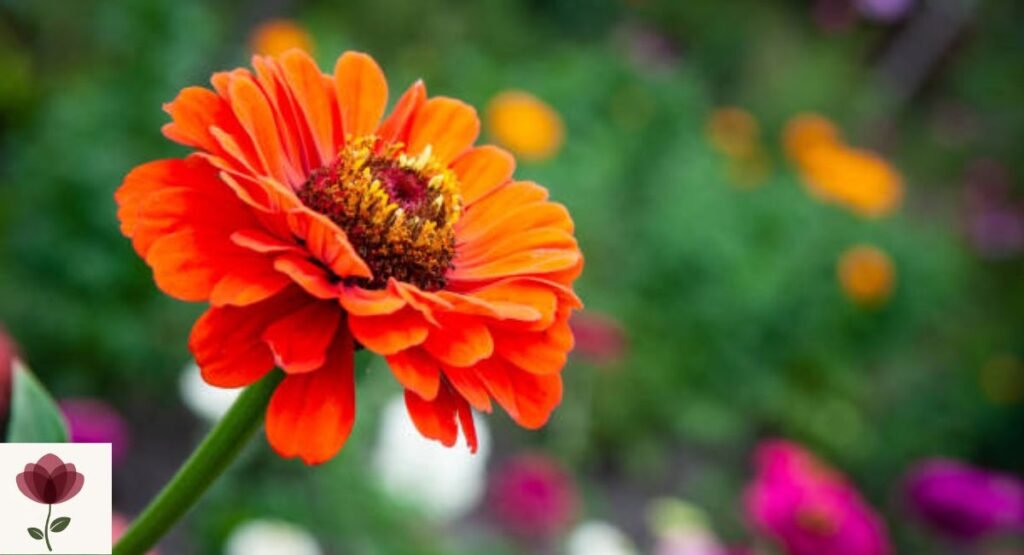
Zinnia is the undisputed workhorse among flowers beginning with Z. Its scientific genus is Zinnia, and garden forms produce red, pink, orange, yellow, white, and purple blooms from summer into fall. Plants may grow compactly or reach several feet. Their bright flower heads suit borders, beds, containers, and cutting gardens. Zinnias remain popular because they reward simple care with an abundant floral show. RHS describes the genus as including annuals, perennials, and subshrubs with branching stems and terminal flower heads.
Zinnia elegans
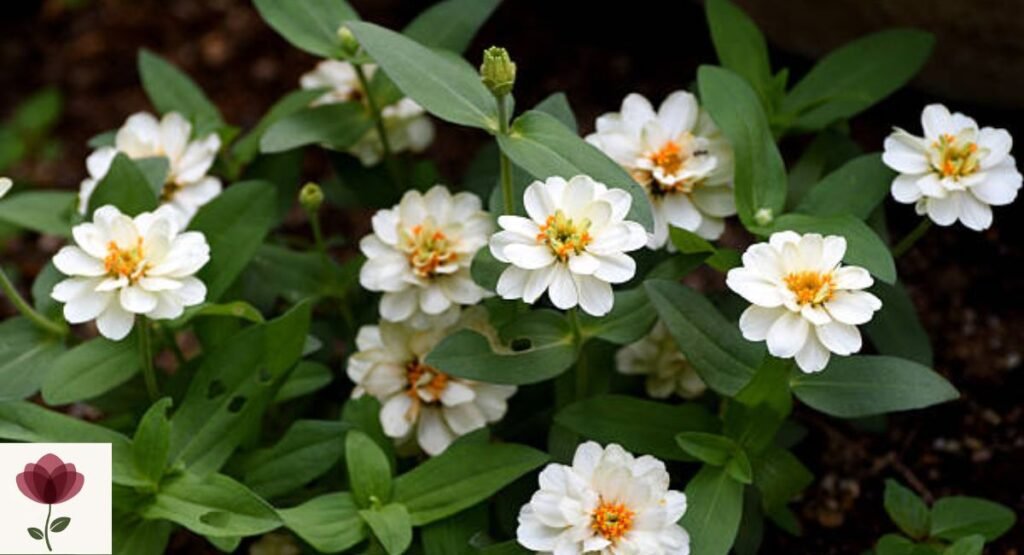
Zinnia elegans is the classic florist-style garden zinnia. Its large flowers can appear single, semidouble, or double, depending on cultivar. Colors range from soft white to saturated pink, orange, red, yellow, and purple. The plants generally flower through warm weather and develop upright stems that work beautifully in bouquets. Gardeners love this species because one planting can serve both landscape and cutting purposes.
Zinnia angustifolia
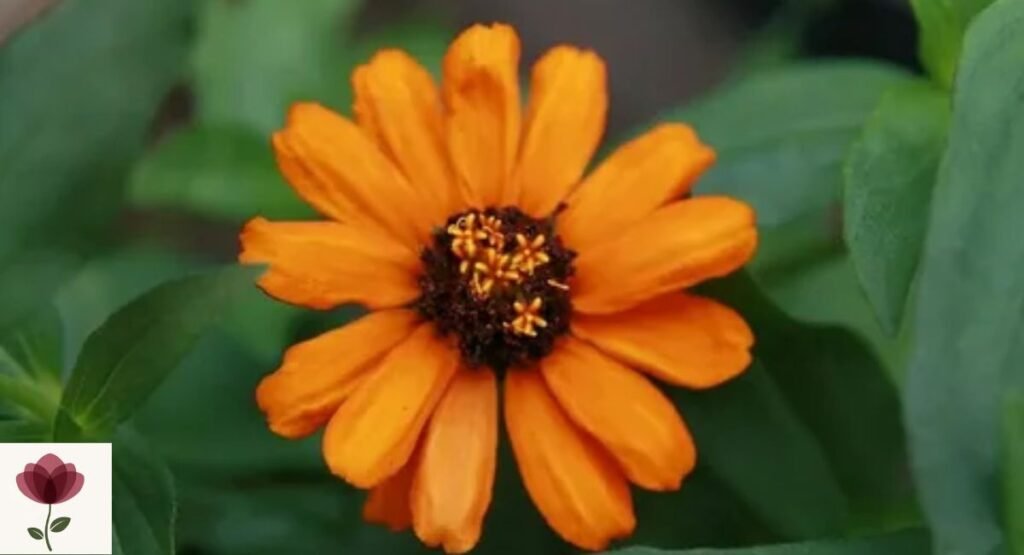
Zinnia angustifolia brings a finer texture to the zinnia family. Its smaller flowers usually appear in white, yellow, or orange, while narrow foliage gives the plant a less bulky appearance. It often forms a branching mound rather than a tall cutting-garden tower. This makes it especially useful for edging, containers, low borders, and hot summer spaces where compact growth matters.
Zinnia haageana
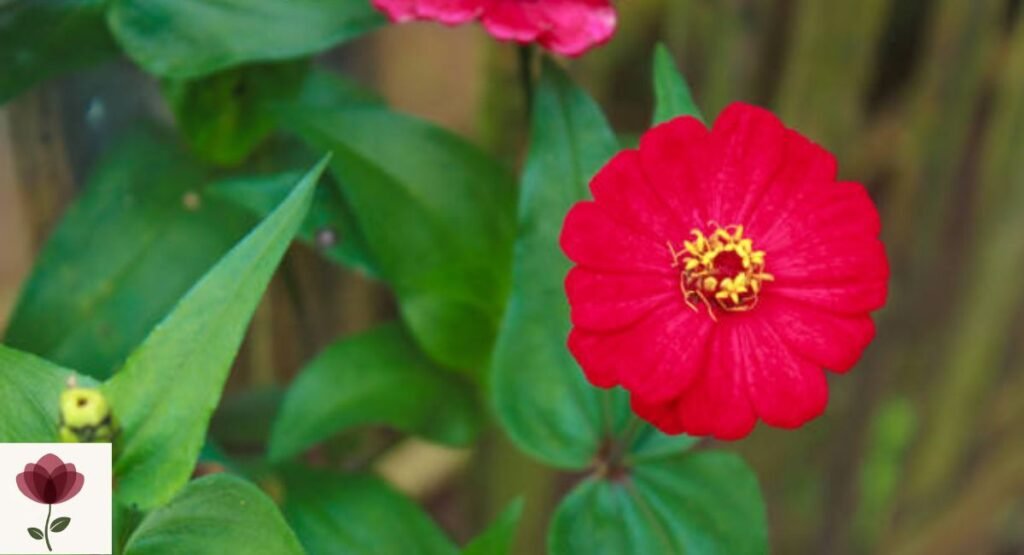
Zinnia haageana carries warm colors that seem almost painted onto the petals. Orange, red, yellow, and bicolored forms are especially attractive. The plant usually develops a bushy annual habit and flowers during the warm season. It appeals to gardeners who want something slightly more rustic than formal double zinnias. Some cultivars also tolerate dry conditions once established.
Zinnia linearis
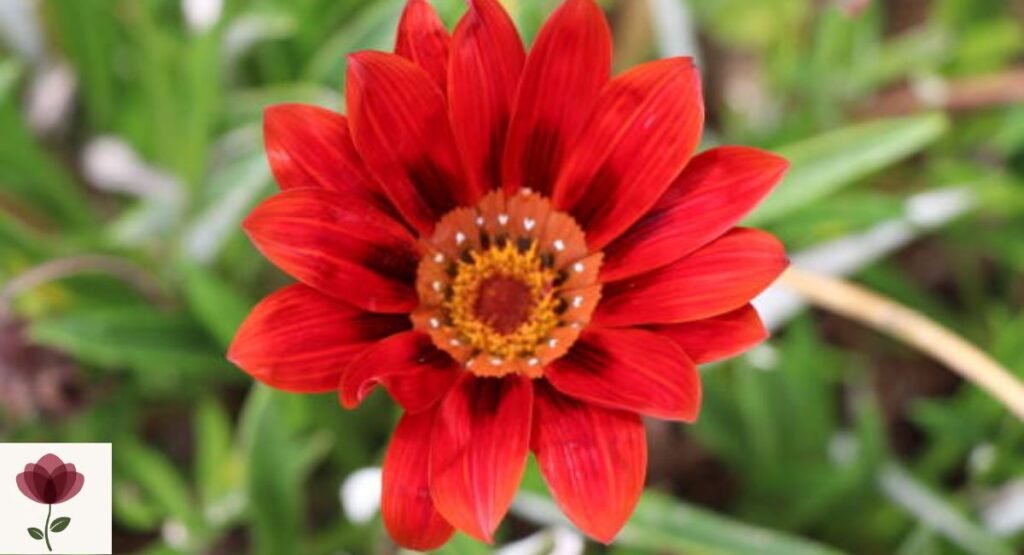
Zinnia linearis is a smaller, tidier member of the group. Its fine foliage and modest flower size give containers and narrow borders a lighter appearance. White and yellow flowers are especially useful when you want calm color rather than a riot of saturated tones. Its compact habit makes it practical for patios, window boxes, edging, and small urban gardens.
Zinnia grandiflora
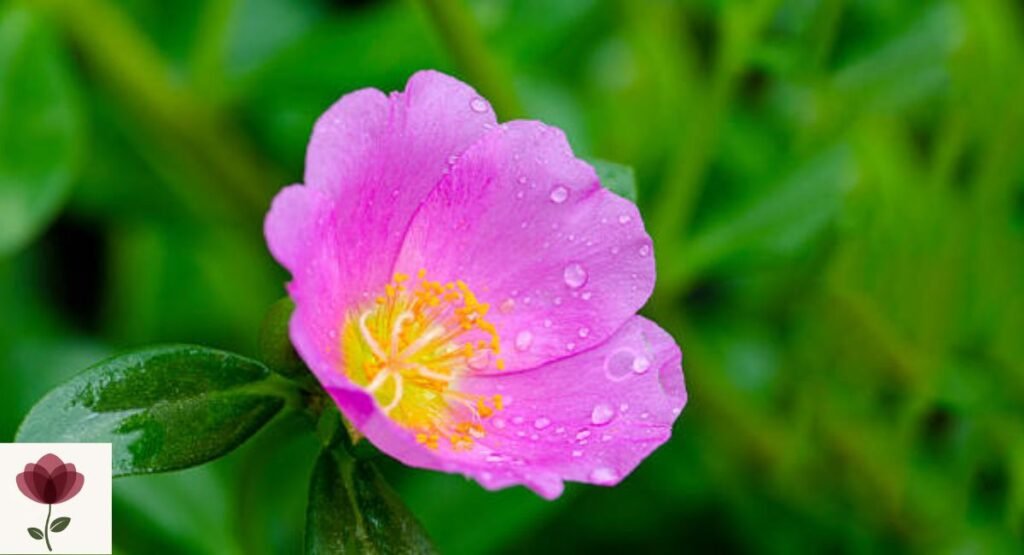
Zinnia grandiflora takes the zinnia idea in a different direction. Instead of large florist-style blooms, it produces smaller golden-yellow flowers on a lower, tougher plant. It suits dry, sunny areas where excellent drainage matters. The species is especially interesting for xeric landscapes and natural-looking borders. Its subdued scale also works well near rocks, gravel, and other drought-tolerant plants.
Zephyranthes
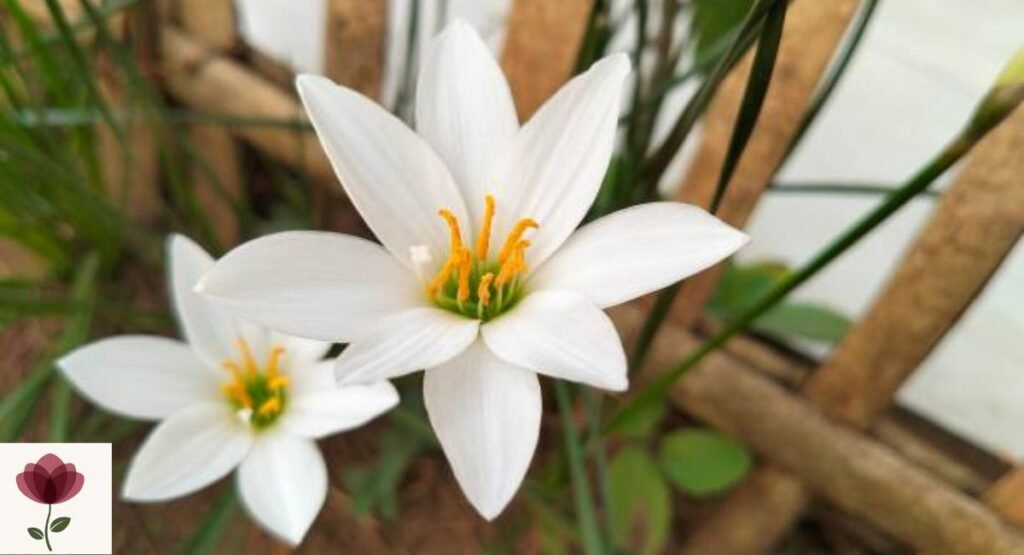
Zephyranthes is the botanical group behind many plants called rain lilies. These bulbous perennials have narrow leaves and funnel-shaped or crocus-like flowers. Blooming can occur after favorable rain or moisture, although flowering behavior varies by species and climate. RHS lists spring, summer, and autumn flowering across the genus.
Zephyranthes candida
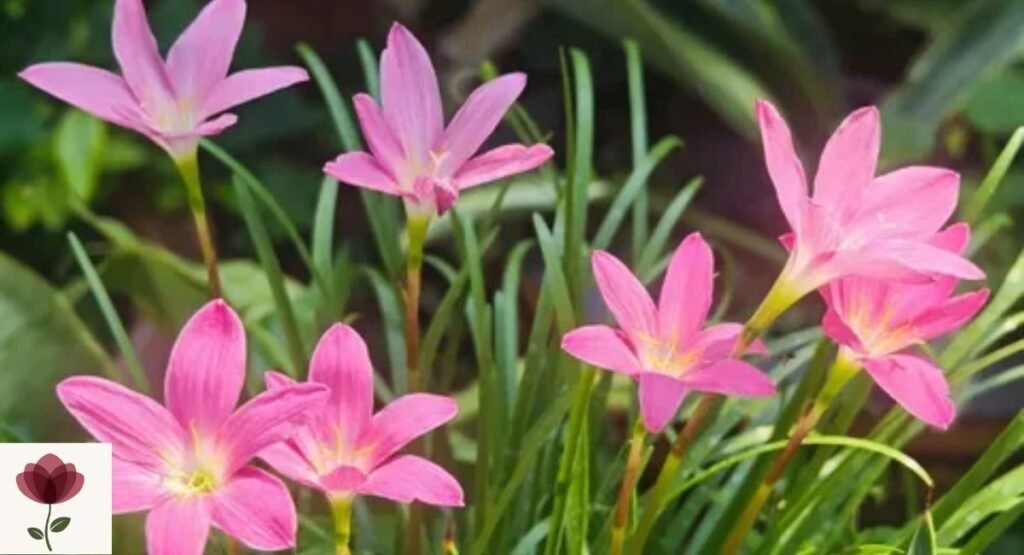
Zephyranthes candida produces clean white, goblet-shaped flowers above narrow basal leaves. It stays relatively small, making it useful around paths, containers, edging, and smaller beds. Flowers can appear in succession during summer and early fall. The plant is appealing because its modest foliage suddenly gives way to crisp white blooms. RHS lists it as a full-sun bulbous perennial reaching about 20 centimeters.
Zephyranthes grandiflora
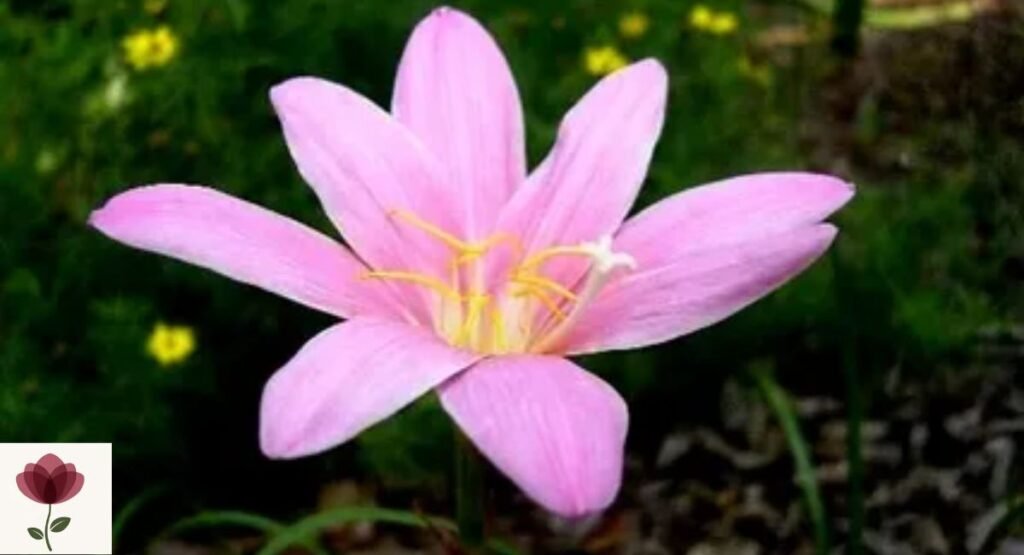
Zephyranthes grandiflora is a pink rain lily with flowers that can reach around seven centimeters long. It grows from bulbs and develops glossy linear foliage. Late summer and early fall can bring its strongest display. This species works well in containers and warm-climate gardens where the soil drains well. RHS records it as a full-sun plant reaching about 30 centimeters.
Zephyranthes carinata
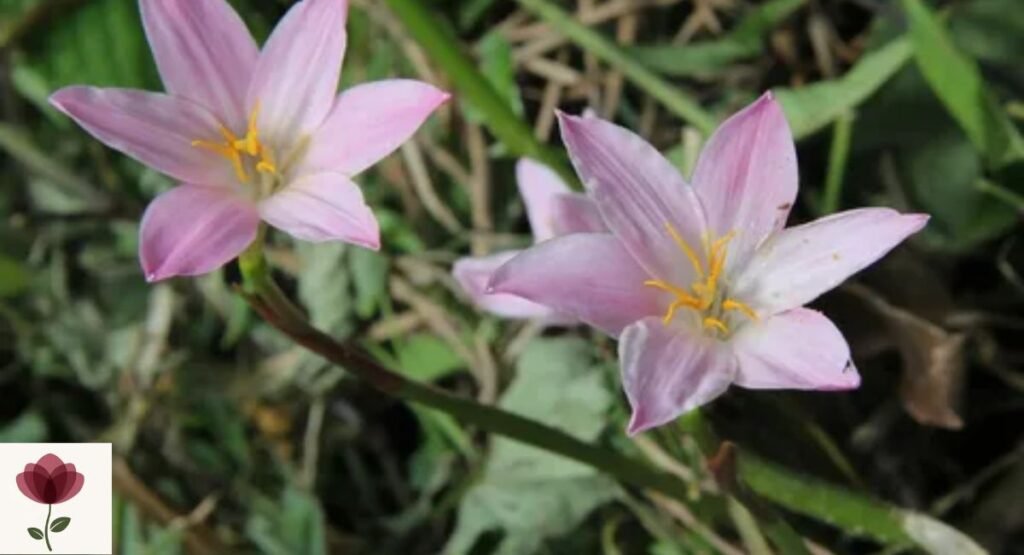
Zephyranthes carinata is prized for its pink flowers and compact form. Like other rain lilies, it develops from an underground bulb and can remain visually quiet between flowering periods. Then the plant suddenly produces fresh blooms when conditions become favorable. That surprise is part of its charm. It suits bulb beds, small borders, rock gardens, and patio containers.
Zantedeschia
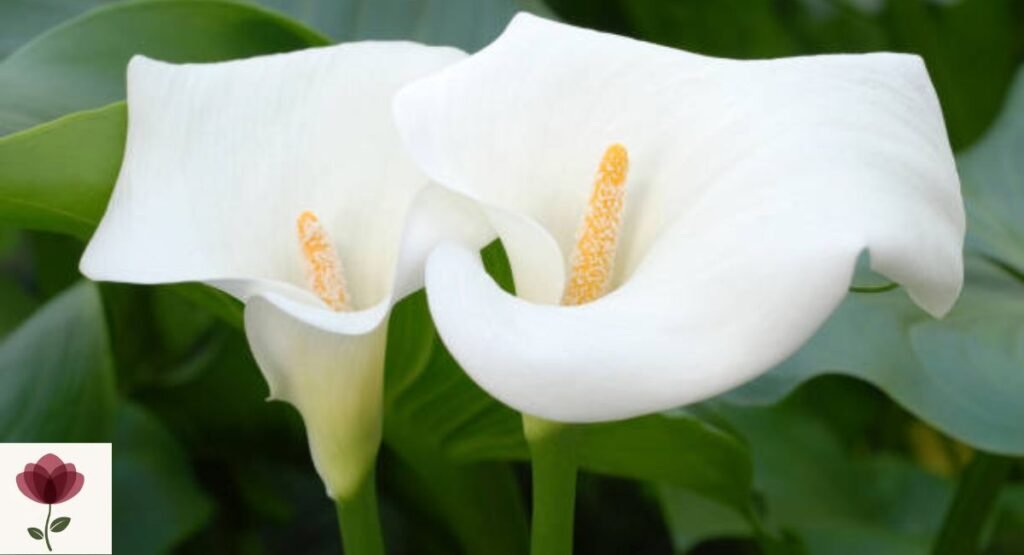
Zantedeschia contains the plants commonly called calla lilies or arum lilies. Their dramatic “flowers” are actually colorful spathes surrounding a central spadix. White, yellow, orange, pink, and purple shades occur across species and cultivars. The plants prefer warmth, moisture, and good light. Some types are hardy, while many tender forms require winter protection.
Zantedeschia aethiopica
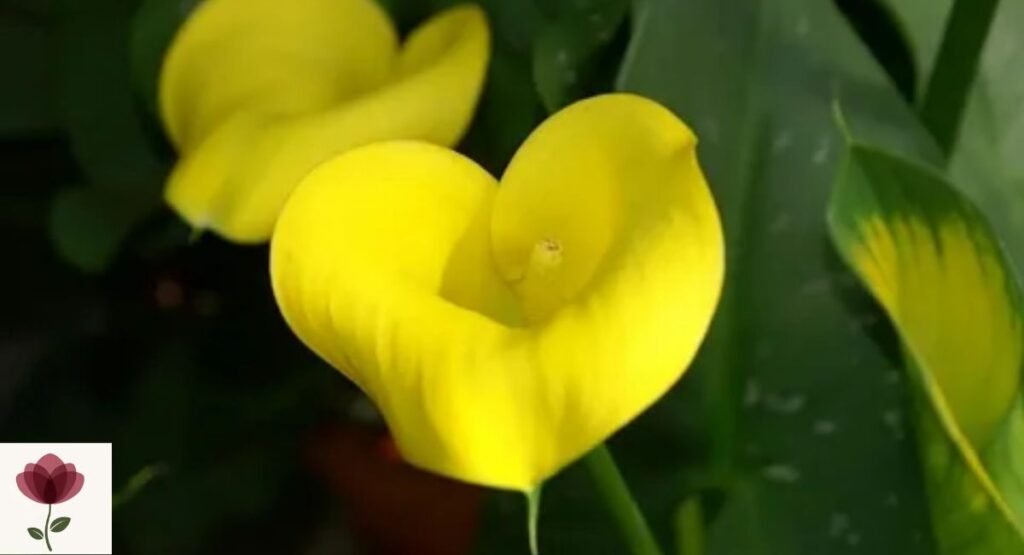
Zantedeschia aethiopica is the classic white calla or arum lily. Its large white spathes rise above broad, glossy, arrow-shaped leaves. The plant can form substantial clumps and appreciates moist soil. In suitable climates, it creates a bold perennial presence beside ponds, rain gardens, or sheltered borders. Its elegant shape also explains its long-standing popularity in formal floral displays.
Zantedeschia elliottiana
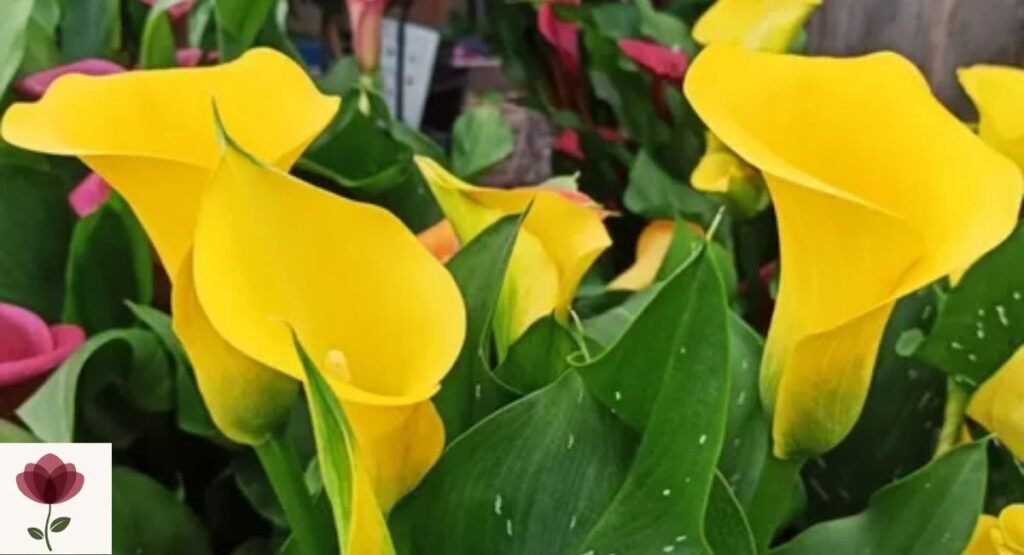
Zantedeschia elliottiana brings strong golden-yellow color to the calla group. Its upright flowers rise above lush foliage, creating a distinctly tropical appearance. It is usually treated as a tender plant in climates where winter temperatures threaten the rhizomes. Containers make management easier because you can move them before severe cold arrives. The species remains popular for dramatic summer displays.
Zantedeschia rehmannii
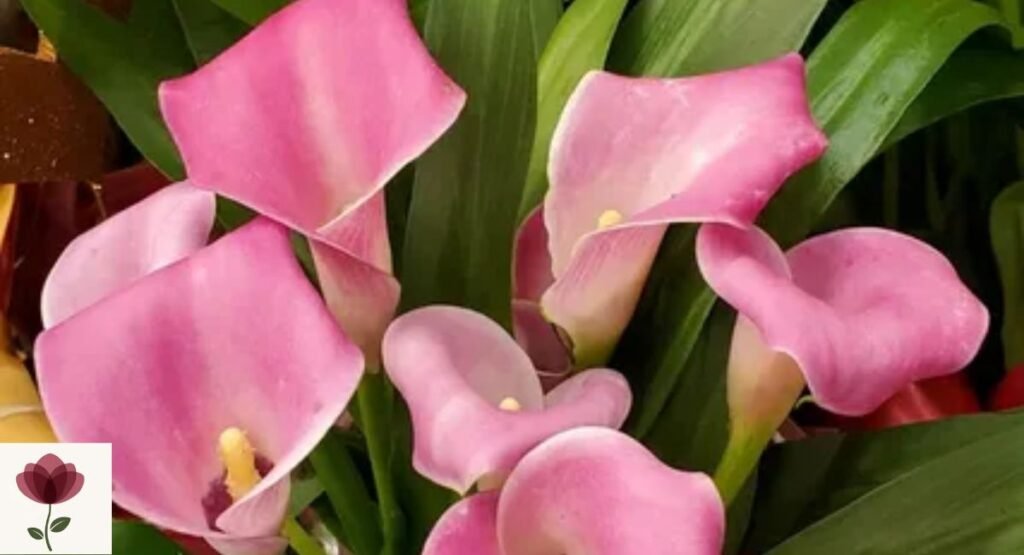
Zantedeschia rehmannii is recognized for pink to rose-colored spathes and a more compact character than some white arum lilies. Its flowers create an elegant vertical accent in pots and summer borders. Because tender calla forms can suffer in cold weather, gardeners often grow them as seasonal displays. Their polished appearance makes the extra care worthwhile.
Zygopetalum
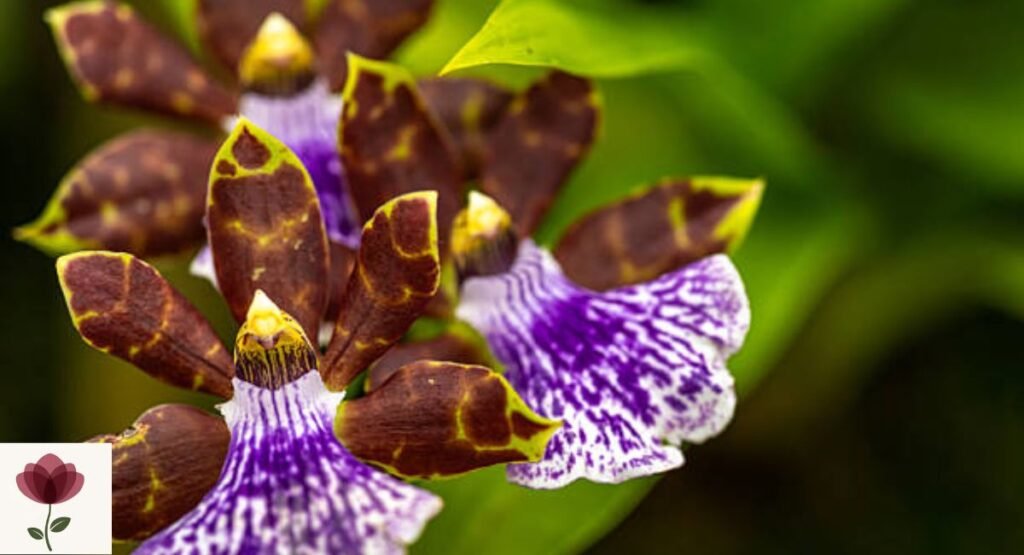
Zygopetalum is an orchid group with a distinctive personality. Flowers often combine green, purple, burgundy, and brownish markings, while fragrance can add another layer of interest. The plants prefer bright filtered light rather than harsh midday sun. Their unusual patterning attracts orchid collectors who want something beyond familiar moth orchids. They also reward attentive growers with striking floral displays.
Zaluzianskya
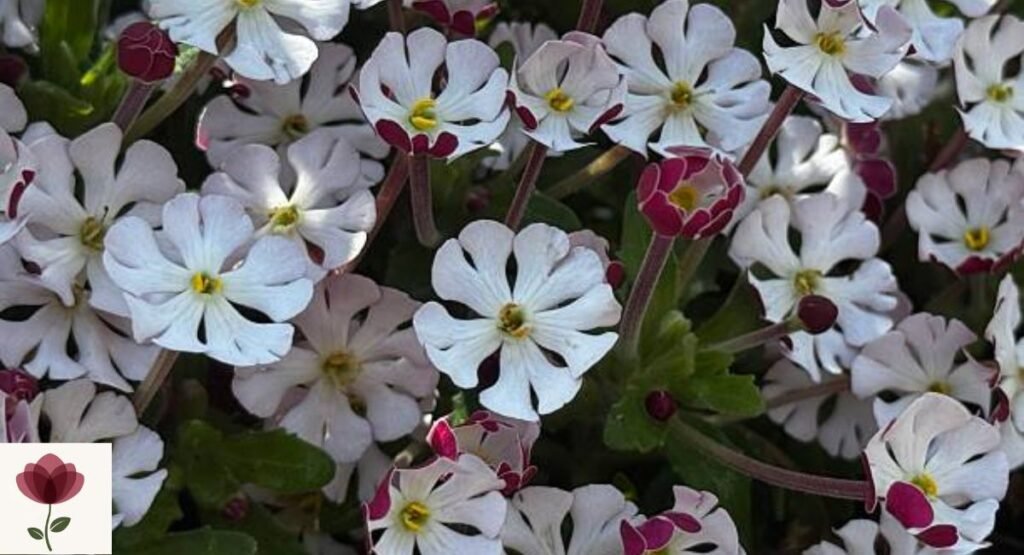
Zaluzianskya is less familiar but memorable because of its fragrance. Several species produce small pale flowers whose scent becomes especially noticeable later in the day. The flowers often look delicate rather than imposing. This makes the group valuable in sensory gardens, containers, and evening seating areas. Gardeners choose it less for mass color and more for atmosphere.
Zizia aurea
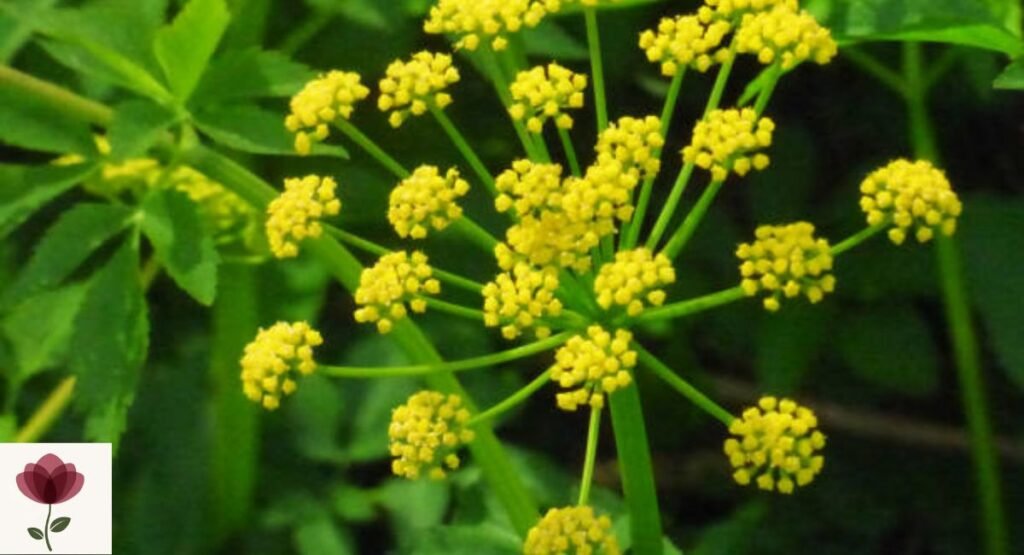
Zizia aurea, commonly called golden Alexander, is a North American native perennial with yellow flower clusters. Missouri Botanical Garden lists it alongside Zizia aptera in its plant database. Its upright growth and bright flower clusters fit native-style borders and wildlife plantings. It also offers a more naturalistic appearance than highly bred bedding flowers.
Zauschneria californica
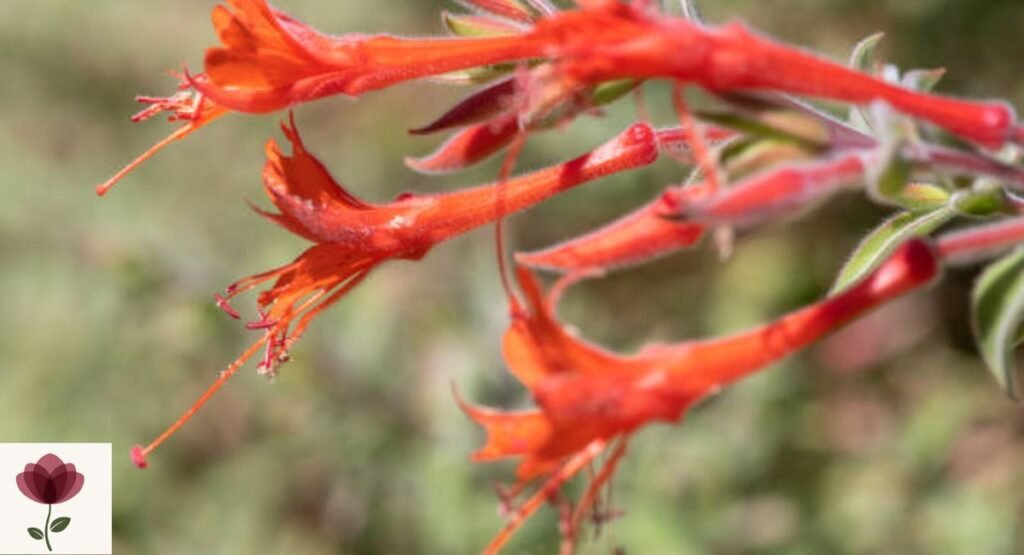
Zauschneria californica, widely associated with California fuchsia, produces narrow tubular flowers in vivid red-orange shades. Those flowers are especially attractive to hummingbirds. The plant suits sunny, dry landscapes where drainage is excellent. Its heat-loving character makes it valuable in water-wise gardens. In the right setting, it creates a fiery late-season accent when many spring flowers have already faded.
Zenobia
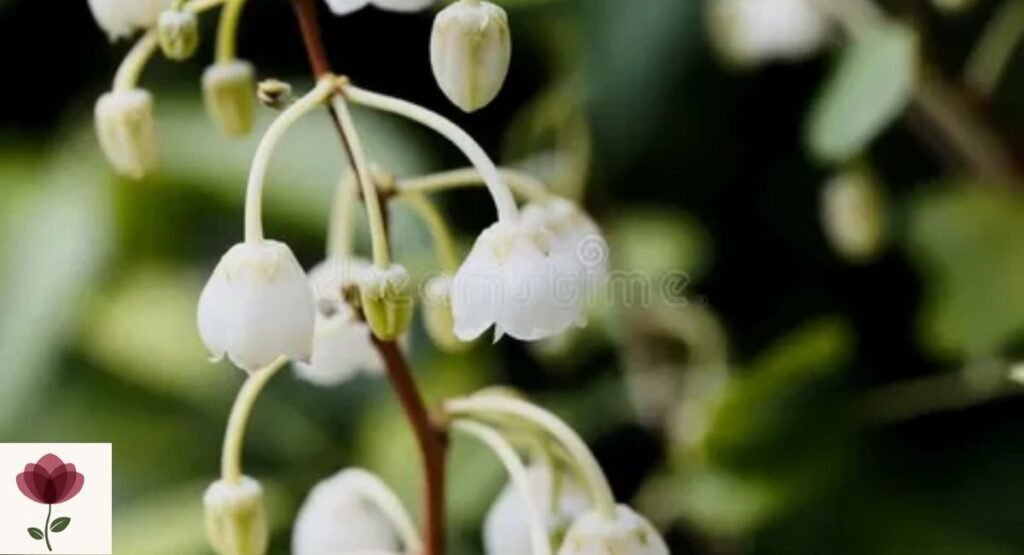
Zenobia is a flowering shrub rather than a typical bedding flower. It produces small bell-shaped white flowers against attractive blue-green foliage. Its shrub-like framework gives the garden structure even when it isn’t blooming. This makes it useful in mixed borders and woodland-style planting. Gardeners who enjoy foliage as much as flowers often appreciate its restrained beauty.
Zabelia
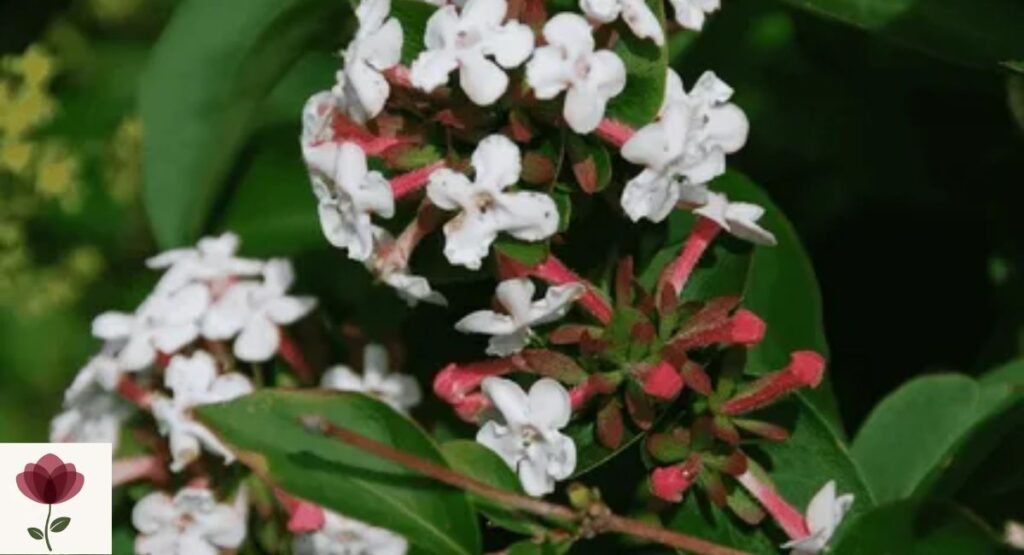
Zabelia represents another less familiar group of flowering shrubs. Its pale blooms can soften a border while the woody structure remains useful after flowering. It isn’t the first choice for someone seeking instant annual color. Instead, it suits gardeners who want permanent framework, seasonal flowers, and something a little different from standard nursery shrubs.
Why Are Flower Names Starting With Z So Rare?
Flowers that start with Z seem scarce partly because common names and botanical names follow different histories. A plant may have a perfectly familiar common name while its scientific genus begins with another letter. That means alphabetical flower lists can look very uneven from one letter to another.
Z lists also become messy when writers mix genera, species, cultivars, shrubs, and garden labels. The uploaded reference follows this broader approach by separating core Z flowers from related flowering plants and garden-use names. A trustworthy guide should make that distinction visible.
How to Identify a Z Flower by Its Features
Z flower identification becomes much easier when you study the whole plant instead of one bloom. Look at flower architecture first. Then check foliage, height, branching, growth habit, and flowering season. A white bloom alone won’t tell you whether you’re seeing a rain lily, calla, shrub, or orchid.
Think of identification like solving a small botanical puzzle. Each feature removes possibilities. A bulb with narrow leaves and funnel-shaped flowers points toward Zephyranthes. A plant with broad arrow-shaped leaves and a large spathe points toward Zantedeschia. A branching annual covered in bright daisy-like heads suggests zinnia.
Flower Shape and Petal Structure
Flower shape offers one of the quickest clues. Zinnias have daisy-like flower heads, while Zephyranthes produces funnel or crocus-like blooms. Zantedeschia uses a large spathe around a spadix, creating a sculptural chalice shape. Orchids such as Zygopetalum have much more intricate structures.
Leaf and Foliage Clues
Leaves can reveal a plant before flowers appear. Zinnias generally carry opposite leaves along branching stems. Zephyranthes develops narrow, linear foliage from bulbs. Zantedeschia produces lush arrow-shaped leaves, sometimes with decorative spotting. Shrubs such as Zenobia provide woody stems and persistent foliage that immediately separate them from annuals.
Growth Habit and Plant Height
A plant’s silhouette can narrow the search dramatically. Compact mounds suggest smaller zinnias or rain lilies. Tall branching stems point toward cutting zinnias. Clumping shrubs indicate Zenobia or Zabelia. Bulbous plants often have a quieter foliage stage before flowering. Size matters because mature height can differ sharply between related species.
Blooming Pattern and Season
Bloom timing adds another powerful clue. Zinnias usually dominate warm-season gardens. Zephyranthes can flower during several seasons depending on species and conditions. Zantedeschia often flowers from late spring into summer. RHS specifically describes Zantedeschia as flowering from late spring into summer.
Types of Flowers That Start With Z
The diversity among Z flower varieties becomes clearer when you organize plants by life cycle and botanical character. Some are quick annuals. Others return from bulbs, rhizomes, woody stems, or perennial roots. Orchids and specialty plants form another group with very different cultivation needs.
This classification also prevents a common mistake. A list containing 45 names doesn’t mean 45 equally common garden flowers exist. Several entries are species within larger genera. Others are garden-use names. Knowing that difference helps you choose plants more intelligently.
Annual Flowers
Annual Z flowers are dominated by zinnias. They germinate, grow, flower, produce seed, and finish their life cycle within one growing season in climates where they aren’t perennial. Their speed makes them valuable for new beds and seasonal color. Warm soil and full sun help them establish strongly.
Perennial Flowers
Perennial Z plants include Zephyranthes, Zizia, Zauschneria, Zenobia, and Zabelia. Their survival depends heavily on climate. A plant may behave as a true perennial in one region while gardeners in colder areas treat it as an annual or container specimen.
Orchid and Specialty Types
Zygopetalum and Zeuxine belong to a more specialized category. Their flower structures and growing needs differ sharply from garden annuals. They generally require careful light management, appropriate growing media, and controlled moisture. These plants appeal to gardeners who enjoy collecting unusual species rather than simply filling a sunny border.
Wildflower and Native Types
Zizia species and California fuchsia offer a more ecological style of planting. They can blend naturally into native borders, meadow-inspired beds, and wildlife gardens. Their less formal appearance works especially well when paired with grasses and other regionally suitable perennials.
Shrub and Structural Flowering Plants
Zenobia, Zabelia, and related woody plants provide architecture as well as flowers. Their branches and foliage remain useful after the blooms disappear. This makes them better suited to permanent landscape design than short-lived bedding plants. They can anchor mixed borders and create a backdrop for smaller flowers.
Z Flowers by Their Natural Habitat
Natural habitat provides a useful clue when choosing Z flowering plants for your yard. Plants evolved under particular combinations of moisture, temperature, sunlight, soil, and seasonal stress. Recreating those broad conditions often works better than trying to force a plant into an unsuitable location.
For example, a moisture-loving plant can struggle in dry gravel soil, while a dry-site perennial may decline in heavy wet ground. Habitat doesn’t dictate every gardening decision. It does provide a valuable starting map.
Woodland and Moist-Habitat Flowers
Moisture-loving Zantedeschia forms fit sheltered, fertile sites better than exposed dry beds. Some Zephyranthes also appreciate moisture during active growth. However, moist doesn’t mean permanently waterlogged. Even moisture-loving plants can suffer when roots remain oxygen-starved.
Grassland and Open-Ground Flowers
Zizia and many zinnias suit open spaces with good light. They perform best when competing vegetation doesn’t smother young growth. Air movement also matters. Dense planting can trap humidity around leaves and encourage fungal problems, particularly in susceptible zinnia cultivars.
Tropical and Warm-Climate Flowers
Tender Zantedeschia, Zingiber, and many specialty orchids reflect warmer origins. They generally perform best when temperatures remain favorable. In colder U.S. regions, containers can solve the problem by allowing gardeners to move plants indoors before damaging frost.
Mediterranean and Dry-Site Types
Zauschneria and drought-tolerant zinnia relatives suit sunny, sharply drained areas. These plants should not be treated like pond plants. Their strength comes from tolerating heat and periods of reduced moisture once established. Excess irrigation can undermine that advantage.
Best Z Flowers for Different Garden Conditions
The best Z flower names for your garden depend on conditions rather than alphabetical appeal. Start with the site. Measure sunlight. Check drainage. Notice whether the soil stays damp or dries quickly. Then choose a plant whose natural preferences resemble what your yard already provides.
This approach saves time and money. A beautiful plant in the wrong location becomes a constant struggle. A suitable plant often settles in with far less fuss. That’s the difference between merely growing a flower and actually designing a sustainable garden.
For Full Sun
Zinnias are excellent candidates for sunny beds, borders, containers, and cutting gardens. Zauschneria also benefits from strong light. Many Zephyranthes species prefer full sun as well. Give sun-loving plants enough space for airflow. Avoid crowding them against dense walls where heat and humidity can become excessive.
For Partial Shade
Zantedeschia can handle sun or partial shade, although flowering often improves with stronger light. Some Zizia species also tolerate partial shade. The key is quality rather than darkness. Bright filtered light can work beautifully, while deep shade may produce foliage without enough flowering.
For Moist Soil
Zantedeschia is one of the clearest choices for consistently moist conditions. Hardy forms can even suit pond margins. RHS notes that Zantedeschia aethiopica can grow in shallow water or pond margins when planted appropriately.
For Well-Drained Soil
Zinnias and several Zephyranthes species prefer soil that drains efficiently. This matters especially in containers because trapped water can damage roots and underground storage organs. Improve heavy ground with organic matter and structure rather than simply watering less.
For Hot and Dry Areas
Zauschneria is particularly useful for hot, dry landscapes. Some zinnia types also handle heat well when grown in full sun and suitable soil. In very dry regions, mulch can reduce evaporation around roots. Avoid turning drought-tolerant plants into waterlogged plants through excessive irrigation.
Growing Guide for the Most Important Z Flowers
Successful Z flower care starts with matching the plant to its natural preferences. Zinnias want warmth, sun, fertile drainage, and regular moisture without stagnant soil. Zephyranthes needs suitable bulb placement and drainage. Zantedeschia prefers more moisture during active growth but requires different winter treatment depending on type.
Feeding should remain moderate rather than excessive. Too much nitrogen can produce lush foliage at the expense of flowers. Deadheading often helps annual flowers continue blooming. For bulbs and rhizomes, correct planting depth and winter moisture can matter more than frequent feeding. Zantedeschia rhizomes are particularly vulnerable to rot when overwatered during dormancy.
| Growing Factor | Zinnias | Zephyranthes | Zantedeschia | Zygopetalum |
| Light | Full sun | Full sun | Sun/part shade | Bright filtered light |
| Soil | Fertile, well drained | Moist but drained | Rich and moist | Airy orchid medium |
| Water | Moderate | Moderate | Regular during growth | Even, careful moisture |
| Feeding | Moderate | Light | Moderate during growth | Orchid-specific feeding |
| Deadheading | Helpful | Usually unnecessary | Helpful | Remove spent blooms |
| Winter care | Usually seasonal | Climate dependent | Often critical | Protected culture |
| Main risk | Mildew | Wet winter soil | Rhizome rot | Poor airflow/overwatering |
Z Flower Care Mistakes That Can Cause Poor Growth
Poor results usually come from a mismatch rather than a difficult plant. The most common problems include overwatering, poor drainage, inadequate light, planting tender plants too early, and burying bulbs or rhizomes too deeply. Containers create another trap because roots experience temperature and moisture swings faster than plants in the ground.
A simple rule helps: change one major condition at a time. If a zinnia looks weak, check sunlight and drainage before adding fertilizer. If a calla rhizome rots, inspect winter watering before blaming the plant. RHS specifically warns that excessive winter moisture can cause Zantedeschia rhizomes to rot.
| Problem | Likely Cause | Better Approach |
| Few zinnia flowers | Too little sun | Move toward stronger light |
| Yellowing calla leaves | Water stress or seasonal dormancy | Adjust moisture to growth stage |
| Rotten rhizome | Excess winter moisture | Keep dormant rhizomes much drier |
| Leggy growth | Weak light | Increase usable light |
| Mildew on zinnias | Poor airflow | Space plants more openly |
| Bulb fails to emerge | Planting or temperature issue | Check depth and seasonal timing |
| Weak container growth | Root restriction or poor feeding | Refresh medium and feed appropriately |
How Long Do Z Flowers Usually Bloom?
Bloom length varies dramatically among Z flowers because annuals, bulbs, shrubs, and orchids follow different rhythms. Zinnias can provide an extended warm-season display when regularly deadheaded. Zephyranthes may flower in shorter bursts. Zantedeschia often produces a strong seasonal display. Shrubs may flower for a narrower window.
Temperature and sunlight play major roles. Warm conditions can accelerate growth, while heat stress can shorten individual flower life. Regular deadheading also matters for plants that readily produce replacement flowers. The garden’s climate ultimately decides how long the display lasts.
Best Z Flowers by Color
Color is one of the fastest ways to narrow a Z flower list. White options create calm contrast. Yellow flowers bring warmth. Red and orange forms command attention. Purple shades add depth. However, color can vary between species and cultivars, so don’t rely on shade alone for identification.
A useful design trick is to repeat one color through several plant layers. For example, yellow Zizia can echo golden companion plants while red-orange Zauschneria supplies a hotter focal note. That creates cohesion without making the planting look monotonous.
White Flowers That Begin With Z
White options include Zantedeschia aethiopica, Zephyranthes candida, Zenobia, Zabelia, and white zinnia cultivars. Their pale flowers work especially well against dark foliage. White also catches evening light, making these plants useful near patios, paths, entrances, and moon-garden-style designs.
Yellow Flowers That Begin With Z
Yellow choices include Zizia aurea, Zantedeschia elliottiana, Zinnia grandiflora, and yellow Zephyranthes species. Yellow flowers appear bright from a distance and can warm a garden that contains many cool greens or blue-gray leaves.
Pink and Red Z Flowers
Pink and red choices include pink Zephyranthes, rose Zantedeschia, red zinnias, and red-orange Zauschneria. These colors create energy and visual heat. Use them near seating areas or along garden paths when you want the flowers to pull attention forward.
Purple and Violet Z Flowers
Purple is strongest among Zygopetalum orchids and selected cultivated Zantedeschia forms. Some specialty Zaluzianskya plants may also provide mauve or lilac tones. These shades work well beside silver foliage, pale pink flowers, or warm yellow companions.
Best Z Flowers for Every Gardening Goal
Choosing by purpose makes Z flower varieties much easier to compare. A cutting garden needs strong stems. A pollinator bed needs accessible flowers. Containers need compact growth. Collectors may prefer rarity over simplicity. Once you identify the goal, the right plants usually become obvious.
The smartest garden rarely contains only one type. Combining annuals, perennials, shrubs, and bulbs creates staggered interest. One plant can provide early structure while another supplies summer color. A third can keep the garden interesting later in the season.
Best Z Flowers for Beginner Gardeners
Zinnia is the strongest beginner choice because it responds well to warmth, sunlight, and ordinary garden care. Suitable Zephyranthes species are another option for gardeners interested in bulbs. Start with one reliable plant rather than five demanding specimens. Early success builds confidence.
Best Z Flowers for Cut Flower Gardens
Tall Zinnia elegans forms are excellent cutting subjects. Their sturdy stems and wide color range make bouquet design easy. Cut stems in the cooler part of the day when flowers are well hydrated. Frequent harvesting can also encourage continued production.
Best Z Flowers for Pollinators
Zinnias attract butterflies and other flower visitors, while Zizia can fit native-style insect gardens. Zauschneria adds particular value where hummingbirds are part of the garden ecosystem. Avoid treating color as the only pollinator factor. Flower accessibility and bloom timing matter too.
Best Z Flowers for Containers
Compact zinnias, Zephyranthes, and tender Zantedeschia all adapt well to containers. Pots provide another advantage in colder climates because tender plants can be moved indoors. Always choose containers with drainage holes. A decorative pot without drainage can become a hidden root trap.
Best Z Flowers for Cottage Gardens
Zinnias fit naturally into informal cottage planting because their colors and forms feel cheerful rather than rigid. Zizia can add a looser native character. Mix different heights rather than arranging every flower at identical intervals. Controlled irregularity often looks more natural.
Best Z Flowers for Collectors
Collectors may gravitate toward Zygopetalum, Zaluzianskya, unusual Zephyranthes species, and specialty orchids. These plants offer different rewards. Some provide fragrance. Others offer strange flower architecture or unusual botanical history. The best collector plant is often the one that teaches you something new.
Z Flowers That Attract Bees, Butterflies, and Other Pollinators
Pollinator value depends on more than having a bright flower. Pollinator plants work best when flowers provide accessible nectar or pollen during periods when insects need food. Flower shape matters too. Open flower centers are generally easier for many insects to reach than highly modified forms.
Zinnias can provide repeated summer color. Zizia fits native-style plantings. Zauschneria adds tubular flowers that suit hummingbirds. A diverse garden creates a better buffet than one flowering species alone. Pair plants with different bloom periods to extend available resources.
Rare and Unusual Flowers That Start With Z
Some rare Z flowers appear mainly in botanical collections, specialty nurseries, or plant references. Zaluzianskya villosa, Zeuxine strateumatica, Zygopetalum species, Zoegea, and Zigadenus are examples of names that most casual gardeners won’t encounter every week.
Rarity doesn’t automatically mean superiority. A rare plant may have highly specific requirements, limited availability, or poor tolerance outside its native climate. Choose unusual species because their characteristics genuinely interest you. Don’t buy them merely because a label says “rare.”
From Seed to Bloom: How Z Flowers Develop
The journey from seed to flower differs among Z flowering plants, yet the basic sequence remains familiar. A seed germinates, roots establish, leaves expand, and the plant builds enough stored energy to reproduce. Flowering then begins when light, temperature, maturity, and internal signals align.
Annual zinnias move through this cycle quickly. Bulbous Zephyranthes stores energy underground between active periods. Zantedeschia uses rhizomes to survive unfavorable conditions. Orchids follow their own slower rhythms. Understanding these differences helps you avoid expecting every Z plant to flower on the same schedule.
| Growth Stage | What Happens |
| Germination | Roots emerge and the seedling begins active growth |
| Vegetative growth | Leaves and roots expand |
| Bud formation | The plant shifts energy toward reproduction |
| Flowering | Flowers open and attract pollinators |
| Seed production | Pollinated flowers develop reproductive structures |
| Dormancy | Some bulbs and perennials slow down to survive stress |
| Regrowth | Favorable conditions restart active growth |
Container Flowers That Begin With Z
Container gardening can make Z flowers accessible to gardeners who lack large beds. Pots also provide control over soil, drainage, sunlight, and winter movement. This is especially valuable with tender calla lilies. RHS notes that Zantedeschia can grow in containers or in the ground, while tender forms can be moved indoors for winter.
Choose the container based on mature size rather than the plant’s current appearance. A tiny nursery specimen may eventually develop a substantial root system. Good drainage remains essential. For dormant rhizomes, avoid keeping the growing medium excessively wet before shoots appear.
Best Z Flowers for Patio Pots
Compact zinnias, Zephyranthes, and Zantedeschia make strong patio choices. Zinnias provide cheerful seasonal color. Rain lilies create smaller surprise blooms. Calla lilies offer a more sculptural appearance. Use containers that can be moved easily if your region receives frost.
Best Z Flowers for Balcony Containers
Balconies need plants that tolerate restricted root space and changing wind exposure. Compact zinnias and rain lilies work well when drainage is reliable. Place taller pots where they won’t catch strong wind. A lightweight container may need additional stability once the plant becomes top-heavy.
Best Z Flowers for Decorative Entry Pots
Zantedeschia is the standout for formal entry containers. Its upright flowers create a clean architectural shape. White forms look refined beside dark foliage, while colored cultivars create stronger contrast. Keep companion plants restrained so the calla remains the visual centerpiece.
Can Z Flowers Grow Indoors?
Indoor growing works for some Z flower names, but the phrase “indoor plant” can be misleading. A plant may tolerate a bright room temporarily without thriving indoors year-round. Zygopetalum is better suited to protected culture, while tender Zantedeschia can serve as seasonal houseplants or overwintering specimens.
Light remains the biggest indoor challenge. A sunny window may still provide less usable light than outdoor conditions. Airflow matters too. Keep foliage from touching constantly wet surfaces, and avoid leaving containers in standing water. Indoor success depends on reproducing the plant’s basic environmental needs.
Bright-Room Options
Zygopetalum can suit bright rooms with filtered light and appropriate humidity. Some potted Zantedeschia can also provide seasonal displays. Place plants where they receive strong light without severe midday scorching. Rotate containers occasionally to keep growth more balanced.
Seasonal Indoor Display
Tender calla lilies can move indoors before frost. Their winter care differs from active summer growth because many forms need a dormancy period. RHS advises keeping dormant tender calla rhizomes much drier during winter to reduce rot risk.
Beginner-Friendly Choices
Zinnia is simple outdoors but less convenient as a long-term houseplant. A sunny seasonal container can work, yet outdoor conditions generally suit it better. Zephyranthes can also be grown in containers where climate allows. Start with plants whose natural requirements match your available light.
Z Flowers for Different U.S. Growing Conditions
The United States contains enormous climate variation, so a Z flower garden in Florida won’t follow the same rules as one in Minnesota. Frost dates, humidity, summer heat, winter lows, soil type, and rainfall all change the equation.
Use broad regional guidance as a starting point rather than a substitute for local information. USDA hardiness zones are particularly useful for perennials and tender plants. Annual zinnias are simpler because gardeners can treat them as seasonal plants in colder areas.
Warm Southern Gardens
Warm Southern gardens can support a wider range of tender Z plants. Zantedeschia, Zephyranthes, Zauschneria, and heat-tolerant zinnias can all become useful choices. Humidity changes the equation, however. Good airflow and drainage remain important even when temperatures stay favorable.
Mild Coastal Areas
Mild coastal areas may offer longer growing seasons and fewer severe freezes. Zantedeschia can benefit from sheltered moisture, while zinnias can enjoy extended flowering. Coastal wind and salt exposure still matter. Use protected planting where strong ocean winds can damage foliage.
Temperate Gardens
Temperate gardens provide an excellent setting for seasonal zinnias and suitable perennial Z plants. Plant tender species after the danger of frost has passed. Containers can extend the range further. Watch autumn temperatures closely when growing tender calla lilies.
Cooler Northern Areas
Northern gardeners can still enjoy many Z choices. Zinnias make excellent warm-season annuals. Tender Zantedeschia can grow in containers and move indoors before frost. Bulbous plants should be selected according to local hardiness and winter moisture conditions.
Plants vs. Flowers That Start With Z: What Counts?
Flowers that begin with Z can refer to an actual common flower name, a botanical genus, a species, or even a broader flowering plant. Zinnia is familiar as a flower name. Zantedeschia represents a genus. Zantedeschia aethiopica represents a species. A garden label can create another naming layer.
That explains why different websites report different totals. One list may count only familiar flower names. Another may count every species. A third may add cultivars and garden labels. The best approach is transparency. Tell readers what each entry represents instead of inflating the number.
Botanical Names vs. Common Names: Why Z Lists Can Be Confusing
Scientific names help gardeners identify plants precisely. Common names are friendlier but can vary between regions and sources. Zephyranthes, for instance, has several common names including rain lily, fairy lily, zephyr lily, and other regional terms.
Scientific naming also reveals relationships. Two plants may look different while belonging to the same genus. Conversely, two plants with similar common names may belong to unrelated groups. When buying unusual plants, check the scientific name before ordering. It can prevent an expensive botanical misunderstanding.
How to Choose a Z Flower for Your Garden
The right Z flower should fit your garden rather than force your garden to fit it. Start with sunlight. Then check moisture, drainage, mature size, climate, maintenance, and intended use. Color comes next. This simple order prevents many common planting mistakes.
Imagine two gardeners choosing the same calla lily. One has a moist sheltered bed. The other has a dry balcony exposed to winter frost. The plant could thrive for one and struggle for the other. The flower isn’t the problem. The site is.
| Garden Need | Strong Starting Choice |
| Easy sunny annual | Zinnia |
| Cutting garden | Zinnia elegans |
| Rain-lily effect | Zephyranthes |
| Moist sheltered border | Zantedeschia aethiopica |
| Dry hummingbird garden | Zauschneria californica |
| Native-style planting | Zizia aurea |
| Orchid collection | Zygopetalum |
| Evening fragrance | Zaluzianskya |
| Flowering shrub | Zenobia |
| Formal container | Zantedeschia |
Z Flower Shopping and Plant-Selection Checklist
Before buying flowers that start with Z check the scientific name first. Then confirm mature size, light requirements, soil preference, bloom season, and winter behavior. Seeds, bulbs, rhizomes, and nursery plants also require different purchasing checks. A healthy dormant rhizome should feel firm rather than mushy or visibly decayed.
Read the seller’s plant description carefully. Look for cultivar names when color matters. Confirm whether the plant is hardy in your region. If a marketplace listing uses only a vague common name, pause before buying. Botanical precision matters most when you’re dealing with rare or unfamiliar plants.
Conclusion
The world of Flowers That Start With Z is small compared with many alphabet groups, yet it isn’t boring. Zinnia offers easy summer color. Zephyranthes provides surprise rain-lily blooms. Zantedeschia brings dramatic calla-like form. Zygopetalum introduces orchid complexity. Zizia and Zauschneria add valuable options for wildlife-focused landscapes.
The smartest choice depends on your garden rather than the rarity of the name. If you want easy color, start with zinnia. If you have moist soil, explore suitable Zantedeschia. For dry sunny spaces, consider Zauschneria. For specialty growing, Zygopetalum can become a rewarding project. Choose the plant that fits your conditions, and the garden will do much of the talking.
FAQ
What is the most popular flower that starts with Z?
Zinnia is the most recognizable choice. It offers bright colors, warm-season flowering, and excellent uses in borders, containers, and cutting gardens.
What are some common flowers that start with Z?
Common examples include zinnia, Zephyranthes, Zantedeschia, Zygopetalum, and Zizia aurea. Availability varies by region and plant type.
Are there white flowers that start with Z?
Yes. White options include Zantedeschia aethiopica, Zephyranthes candida, Zenobia, Zabelia, and white zinnia cultivars.
Can Z flowers grow in the United States?
Yes. Many can grow successfully across the U.S., although climate suitability differs. Tender plants may need containers or winter protection in colder areas.
What is the easiest Z flower to grow?
Zinnia is usually the easiest starting point for beginners. It prefers warmth, full sun, fertile well-drained soil, and regular moisture without waterlogging.

Welcome to PetalNexa! I’m Anam Sattar, an AI-powered SEO Specialist and Content Writer with over 4 years of experience in creating high-quality, search-optimized content. I help businesses improve their search engine rankings, increase organic traffic, and build beautiful, user-friendly websites. My mission is to make SEO, content creation, and web design simple, effective, and accessible for everyone. Let’s grow your online presence and achieve success together!