
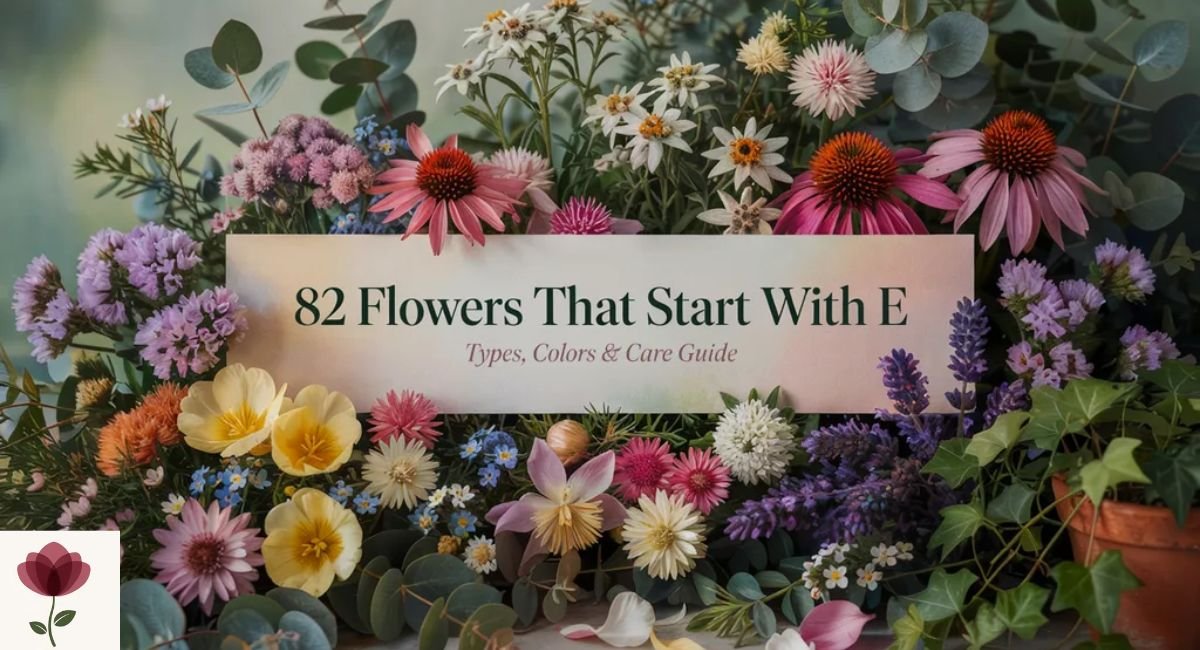
Flowers That Start With E bring elegance, color, and variety to every garden, making them a wonderful choice for beginners and experienced gardeners alike. From the fragrant Easter Lily to the vibrant English Lavender and the unique Edelweiss, these blooms thrive in different USDA zones and suit many landscapes. Some attract butterflies and hummingbirds, while others create stunning floral displays or beautiful cut bouquets.
In this complete guide, you’ll discover common flowers that start with E, learn their botanical names, explore their colors, bloom seasons, and care needs, and find the perfect flower to match your garden style. Whether you love perennial flowers, annual blooms, or rare varieties, this collection has something for everyone.
Discover the Beauty of Flowers That Start With E
The world of Flowers That Start With E is far more diverse than many people expect. These remarkable plants include fragrant cottage garden favorites, dramatic flowering shrubs, delicate alpine species, and striking tropical blooms. While some, such as English Lavender and Evening Primrose, appear in gardens across America, others remain hidden treasures waiting to be discovered. Their unique forms, rich history, and wide range of native habitats make them valuable additions to landscapes of every size.
One of the greatest strengths of Flowers That Start With E is their adaptability. Many species thrive in different USDA hardiness zones, allowing gardeners across the United States to enjoy colorful blooms from early spring through late fall. Some flowers attract butterflies, bees, and hummingbirds, while others provide outstanding cut flowers or fragrant borders. By learning about their growing conditions, sunlight requirements, and seasonal habits, you’ll find it much easier to create a healthy, vibrant, and beautiful garden.
Complete List of 82 Flowers That Start With E
The table below provides a quick reference to the most popular Flowers That Start With E. It includes each flower’s botanical name, flower type, color, bloom season, and recommended USDA zones, helping you compare different varieties before exploring their detailed profiles later in this guide.
| No. | Flower Name | Botanical Name | Flower Type | Color | Bloom Season | USDA Zones |
| 1 | Earleaf False Foxglove | Agalinis auriculata | Wildflower | Pink, Purple | Late Summer–Fall | 4–8 |
| 2 | Easter Cactus | Schlumbergera gaertneri | Succulent | Pink, Red, White | Spring | 10–11 |
| 3 | Easter Lily | Lilium longiflorum | Bulb | White | Spring–Early Summer | 4–8 |
| 4 | Eastern Blazing Star | Liatris scariosa | Perennial | Purple | Summer | 3–8 |
| 5 | Eastern Bluestar | Amsonia tabernaemontana | Perennial | Blue | Late Spring | 3–9 |
| 6 | Eastern Coneflower | Rudbeckia fulgida | Perennial | Yellow | Summer–Fall | 3–9 |
| 7 | Eastern Joe-Pye Weed | Eutrochium purpureum | Perennial | Pink | Summer | 4–9 |
| 8 | Eastern Red Columbine | Aquilegia canadensis | Perennial | Red, Yellow | Spring | 3–8 |
| 9 | Eastern Redbud | Cercis canadensis | Flowering Tree | Pink | Spring | 4–9 |
| 10 | Eastern Shooting Star | Primula meadia | Wildflower | Pink, White | Spring | 4–8 |
| 11 | Eastern Waterleaf | Hydrophyllum virginianum | Wildflower | White, Lavender | Spring | 3–8 |
| 12 | Edgeworthia | Edgeworthia chrysantha | Shrub | Yellow | Late Winter–Spring | 7–10 |
| 13 | Edelweiss | Leontopodium alpinum | Alpine Perennial | White | Summer | 4–7 |
| 14 | Egyptian Lotus | Nymphaea lotus | Aquatic Flower | White | Summer | 10–12 |
| 15 | Egyptian Starcluster | Pentas lanceolata | Perennial | Pink, Red, White | Summer–Fall | 10–11 |
| 16 | Elderflower | Sambucus nigra | Flowering Shrub | Cream White | Late Spring | 3–8 |
| 17 | Elegant Zinnia | Zinnia elegans | Annual | Mixed Colors | Summer–Fall | 2–11 |
| 18 | Elephant Ear | Colocasia esculenta | Tropical Plant | White | Summer | 8–11 |
| 19 | Elephant Head Lousewort | Pedicularis groenlandica | Wildflower | Pink | Summer | 3–8 |
| 20 | Emilia | Emilia coccinea | Annual | Orange, Red | Summer–Fall | 8–11 |
| 21 | Encelia | Encelia farinosa | Shrub | Yellow | Spring | 8–11 |
| 22 | Enkianthus | Enkianthus campanulatus | Shrub | Pink, Cream | Spring | 5–8 |
| 23 | English Bluebell | Hyacinthoides non-scripta | Bulb | Blue | Spring | 4–8 |
| 24 | English Daisy | Bellis perennis | Perennial | White, Pink, Red | Spring | 4–8 |
| 25 | English Iris | Iris latifolia | Bulb | Blue, Purple | Early Summer | 5–8 |
| 26 | English Lavender | Lavandula angustifolia | Perennial | Purple | Summer | 5–9 |
| 27 | English Marigold | Calendula officinalis | Annual | Orange, Yellow | Spring–Fall | 2–11 |
| 28 | English Rose | Rosa spp. | Shrub | Various Colors | Spring–Fall | 5–10 |
| 29 | Epimedium | Epimedium grandiflorum | Perennial | Pink, Yellow | Spring | 5–8 |
| 30 | Epidendrum | Epidendrum spp. | Orchid | Red, Orange, Pink | Year-Round | 10–11 |
| 31 | Epiphyllum (Orchid Cactus) | Epiphyllum oxypetalum | Cactus | White, Pink | Summer | 10–11 |
| 32 | Eranthemum | Pseuderanthemum laxiflorum | Shrub | Purple | Summer | 9–11 |
| 33 | Erica (Heather) | Erica carnea | Shrub | Pink, Purple | Winter–Spring | 5–7 |
| 34 | Erigeron (Fleabane) | Erigeron karvinskianus | Perennial | White, Pink | Spring–Fall | 5–9 |
| 35 | Erinus | Erinus alpinus | Alpine Perennial | Pink, Purple | Spring | 4–8 |
| 36 | Eriogonum | Eriogonum fasciculatum | Shrub | White, Pink | Spring–Summer | 7–10 |
| 37 | Eriophyllum | Eriophyllum lanatum | Wildflower | Yellow | Spring–Summer | 4–8 |
| 38 | Erodium | Erodium reichardii | Perennial | Pink | Spring–Summer | 5–9 |
| 39 | Escallonia | Escallonia rubra | Shrub | Pink, Red | Summer | 7–10 |
| 40 | Eschscholzia (California Poppy) | Eschscholzia californica | Annual | Orange, Yellow | Spring–Summer | 6–10 |
| 41 | Ensata Iris | Iris ensata | Perennial | Purple, Blue | Summer | 4–9 |
| 42 | Ethiopian Calla Lily | Zantedeschia aethiopica | Perennial | White | Spring–Summer | 8–10 |
| 43 | Ethiopian Daisy | Osteospermum ecklonis | Perennial | Purple, White | Spring–Fall | 9–11 |
| 44 | Eucomis | Eucomis bicolor | Bulb | Green, Cream | Summer | 6–9 |
| 45 | Eucryphia | Eucryphia lucida | Tree | White | Summer | 7–9 |
| 46 | Eulophia | Eulophia graminea | Orchid | Green, Purple | Spring | 9–11 |
| 47 | Eupatorium (Joe-Pye Weed) | Eupatorium perfoliatum | Perennial | White | Summer | 3–8 |
| 48 | Euphorbia (Spurge) | Euphorbia characias | Perennial | Green, Yellow | Spring | 7–10 |
| 49 | Eustoma | Eustoma grandiflorum | Annual/Perennial | Pink, Purple, White | Summer | 8–10 |
| 50 | Eutrochium | Eutrochium purpureum | Perennial | Pink | Summer | 4–9 |
| 51 | Euryops | Euryops pectinatus | Shrub | Yellow | Year-Round | 8–11 |
| 52 | Evolvulus | Evolvulus glomeratus | Groundcover | Blue | Summer | 8–11 |
| 53 | Exacum | Exacum affine | Annual | Purple | Spring–Summer | 10–11 |
| 54 | Exochorda (Pearlbush) | Exochorda × macrantha | Shrub | White | Spring | 5–8 |
| 55 | Eyebright | Euphrasia officinalis | Wildflower | White | Summer | 4–8 |
| 56 | Eccremocarpus | Eccremocarpus scaber | Climber | Orange | Summer–Fall | 8–10 |
| 57 | Echeveria | Echeveria elegans | Succulent | Pink, Orange | Summer | 9–11 |
| 58 | Echinacea | Echinacea purpurea | Perennial | Pink, Purple | Summer–Fall | 3–9 |
| 59 | Echinops | Echinops ritro | Perennial | Blue | Summer | 3–8 |
| 60 | Echium | Echium vulgare | Biennial | Blue | Summer | 3–8 |
| 61 | Eomecon | Eomecon chionantha | Perennial | White | Spring | 6–9 |
| 62 | Eranthis | Eranthis hyemalis | Bulb | Yellow | Late Winter | 4–7 |
| 63 | Eremophila | Eremophila nivea | Shrub | Purple | Spring | 8–11 |
| 64 | Eremurus (Foxtail Lily) | Eremurus robustus | Perennial | Pink, White | Late Spring | 5–8 |
| 65 | Eryngium (Sea Holly) | Eryngium planum | Perennial | Blue | Summer | 4–9 |
| 66 | Erysimum (Wallflower) | Erysimum cheiri | Perennial | Yellow, Orange | Spring | 6–9 |
| 67 | Erythrina | Erythrina crista-galli | Tree | Red | Summer | 8–11 |
| 68 | Erythronium (Fawn Lily) | Erythronium dens-canis | Bulb | Pink, White | Spring | 3–8 |
| 69 | Evening Primrose | Oenothera biennis | Biennial | Yellow | Summer–Fall | 4–9 |
| 70 | Evening Rain Lily | Zephyranthes drummondii | Bulb | White | Summer | 7–10 |
| 71 | Evening Stock | Matthiola longipetala | Annual | Purple, White | Spring | 2–10 |
| 72 | Evergreen Azalea | Rhododendron spp. | Shrub | Pink, White | Spring | 6–9 |
| 73 | Evergreen Candytuft | Iberis sempervirens | Perennial | White | Spring | 3–9 |
| 74 | Evergreen Clematis | Clematis armandii | Climber | White | Spring | 7–9 |
| 75 | Evergreen Magnolia | Magnolia grandiflora | Tree | White | Summer | 7–10 |
| 76 | Everlasting Daisy | Xerochrysum bracteatum | Annual | Mixed Colors | Summer–Fall | 2–11 |
| 77 | Everlasting Pea | Lathyrus latifolius | Climber | Pink, White | Summer | 5–9 |
| 78 | European Columbine | Aquilegia vulgaris | Perennial | Blue, Purple | Spring | 3–8 |
| 79 | European Globe Flower | Trollius europaeus | Perennial | Yellow | Late Spring | 3–7 |
| 80 | European Pasqueflower | Pulsatilla vulgaris | Perennial | Purple | Spring | 4–8 |
| 81 | Emu Bush | Eremophila maculata | Shrub | Red, Pink | Spring | 8–11 |
| 82 | Engelmann’s Daisy | Engelmannia peristenia | Wildflower | Yellow | Spring–Summer | 4–9 |
Flowers That Start With E (Complete Flower Profiles)
Easter Lily

The Easter Lily is one of the most elegant Flowers That Start With E, loved for its large white trumpet-shaped blooms and sweet fragrance. Native to Japan, it blooms in spring and symbolizes purity, hope, and renewal. It grows best in full sun with well-drained soil and rewards gardeners with stunning seasonal flowers.
Eastern Bluestar

Eastern Bluestar is a hardy perennial that produces clusters of soft blue, star-shaped flowers in late spring. Its fine green foliage turns golden in autumn, adding interest beyond the blooming season. This low-maintenance plant thrives in sunny borders and attracts butterflies with its nectar-rich blossoms.
Eastern Coneflower

The cheerful Eastern Coneflower brightens gardens with golden-yellow petals surrounding a dark central cone. It blooms for months during summer and supports bees, butterflies, and other pollinators. This resilient native perennial performs well in sunny locations and tolerates heat, drought, and poor soil once established.
Eastern Red Columbine

The graceful Eastern Red Columbine features unique red and yellow flowers that hang like tiny lanterns above delicate foliage. It is a favorite of hummingbirds and grows naturally in woodland gardens. Partial shade and moist, well-drained soil help this beautiful wildflower flourish each spring.
Edelweiss

Known for its fuzzy white blossoms, Edelweiss is an iconic alpine flower that naturally grows on rocky mountain slopes. It represents courage, devotion, and everlasting love in many cultures. This compact perennial prefers cool climates, excellent drainage, and plenty of sunlight throughout the growing season.
Egyptian Lotus

The beautiful Egyptian Lotus is an aquatic flower admired for its elegant white blooms that float above calm water. It has been celebrated in ancient Egyptian culture as a symbol of rebirth and spiritual awakening. Warm temperatures, full sun, and still water create ideal growing conditions.
Elderflower

Elderflower grows on deciduous shrubs and produces large clusters of fragrant creamy-white blossoms in late spring. These flowers attract bees and butterflies before developing into dark berries later in the season. Gardeners value this plant for its beauty, wildlife benefits, and traditional herbal uses.
Elephant Ear

Although mainly grown for its enormous tropical leaves, Elephant Ear also produces unusual flowers under ideal conditions. It creates a bold statement in gardens with its lush foliage and dramatic appearance. This moisture-loving plant thrives in rich soil, warm weather, and partial to full sunlight.
Elegant Zinnia

Elegant Zinnia is one of the easiest annual flowers to grow, producing vibrant blooms in nearly every color imaginable. It flowers continuously from summer until frost while attracting butterflies and beneficial insects. Regular deadheading encourages more blossoms and keeps the plants looking fresh for months.
English Bluebell

The charming English Bluebell creates carpets of nodding blue flowers that transform woodland gardens each spring. Its sweet fragrance and graceful stems make it a favorite among gardeners and pollinators alike. It grows best in cool climates with moist, fertile soil and partial shade.
English Daisy

The cheerful English Daisy produces small flowers with bright yellow centers surrounded by white, pink, or red petals. It blooms during cool weather and adds long-lasting color to lawns, borders, and containers. This compact perennial prefers rich soil and regular watering for healthy growth.
English Lavender

Famous for its soothing fragrance, English Lavender fills gardens with beautiful purple flower spikes throughout summer. It attracts bees, butterflies, and other pollinators while also providing aromatic foliage. Full sun, dry conditions, and well-drained soil help this Mediterranean favorite perform at its best.
Epiphyllum (Orchid Cactus)

The stunning Epiphyllum, also known as the Orchid Cactus, produces large exotic flowers that often bloom only at night. Its spectacular blossoms appear on flat, trailing stems and can fill the air with a delicate fragrance. Bright indirect light and moderate watering encourage healthy flowering.
Eremurus (Foxtail Lily)

The striking Eremurus, often called the Foxtail Lily, produces tall flower spikes covered with hundreds of tiny blooms. Its dramatic appearance makes it a favorite in cottage gardens and mixed borders. This sun-loving perennial prefers well-drained soil and rewards gardeners with spectacular late spring flowers.
Erica (Heather)

Erica, commonly known as Heather, is an evergreen shrub that brightens gardens with delicate pink, purple, or white flowers. It blooms when many other plants remain dormant, adding welcome winter and early spring color. This hardy plant thrives in acidic, well-drained soil and sunny locations.
Erigeron (Fleabane)

The charming Erigeron, also called Fleabane, features daisy-like flowers with slender petals that bloom continuously for months. It spreads gently across rock gardens, borders, and pathways while attracting bees and butterflies. This easy-care perennial grows happily in full sun with moderate watering.
Eryngium (Sea Holly)

Known for its unusual metallic-blue flowers, Eryngium adds texture and bold color to any landscape. Its spiky blooms are highly attractive to pollinators and remain beautiful even after drying. This drought-tolerant perennial performs best in sunny areas with sandy or well-drained soil.
Erysimum (Wallflower)

The colorful Erysimum, or Wallflower, produces clusters of fragrant flowers in shades of yellow, orange, red, and purple. It flowers generously from spring into early summer and attracts beneficial pollinators. Regular deadheading encourages fresh blooms and keeps plants looking healthy throughout the season.
Erythronium (Fawn Lily)

Erythronium, often called Fawn Lily, is a graceful woodland flower recognized for its nodding blossoms and beautifully mottled leaves. It blooms in early spring before trees fully leaf out, bringing fresh color to shaded gardens. Rich, moist soil helps this elegant perennial thrive.
Escallonia

The evergreen Escallonia is a flowering shrub prized for its glossy foliage and clusters of pink, red, or white blossoms. It blooms throughout summer and creates an excellent hedge or privacy screen. This hardy plant tolerates coastal conditions and grows well in full sun.
Eschscholzia (California Poppy)

The vibrant Eschscholzia, better known as the California Poppy, produces silky orange flowers that open in bright sunshine. It is California’s state flower and thrives in dry landscapes with very little maintenance. This cheerful annual reseeds easily and provides colorful displays year after year.
Eupatorium (Joe-Pye Weed)

Eupatorium, commonly called Joe-Pye Weed, grows tall with large clusters of soft pink or white flowers in late summer. Butterflies, bees, and other pollinators flock to its nectar-rich blooms. It prefers moist soil and makes an excellent choice for rain gardens and natural landscapes.
Euphorbia (Spurge)

The versatile Euphorbia offers unique greenish-yellow flower clusters surrounded by attractive foliage that lasts throughout the growing season. Many varieties are drought tolerant and require very little maintenance once established. This dependable perennial grows best in sunny locations with excellent soil drainage.
Evening Primrose

The beautiful Evening Primrose is famous for its bright yellow flowers that often open during the evening hours. Its fragrant blooms attract night pollinators such as moths while adding charm to cottage gardens. This adaptable plant grows well in sunny spots with average soil.
Everlasting Daisy

The colorful Everlasting Daisy is admired for its papery blooms that retain their shape and color long after drying. Gardeners often use these flowers in fresh bouquets and dried floral arrangements. Full sun and well-drained soil encourage abundant blooms from summer until autumn.
Everlasting Pea

The graceful Everlasting Pea is a climbing perennial that produces clusters of soft pink, white, or purple flowers throughout summer. Unlike edible peas, its seeds should not be eaten. It grows quickly on fences, trellises, and arbors, creating a colorful display with very little maintenance.
Flowers That Start With E by Type
Many Flowers That Start With E belong to different plant groups, making it easy to find the right flower for any landscape. Some bloom for a single season, while others return every year with fresh flowers. Knowing the plant type helps you choose varieties that match your garden style, maintenance level, and local climate.
Whether you’re creating a colorful flower bed, a wildlife-friendly border, or a container garden, these categories will help you compare flowering plants, garden flowers, and ornamental flowers that begin with the letter E.
Annual Flowers That Start With E
Annual flowers complete their life cycle in one growing season and reward you with continuous blooms. Elegant Zinnia, Emilia, English Marigold, Eustoma, and Eschscholzia (California Poppy) are excellent choices for gardeners who want bright seasonal displays with minimal effort.
Perennial Flowers That Start With E
Perennials return year after year, making them a smart long-term investment. Eastern Bluestar, Eastern Coneflower, English Lavender, Evening Primrose, Eryngium, Erigeron, and Edelweiss provide reliable color while attracting butterflies, bees, and other helpful pollinators.
Bulb Flowers That Start With E
Bulb flowers produce impressive blooms with very little maintenance once established. Easter Lily, English Bluebell, Erythronium (Fawn Lily), Eucomis, English Iris, and Eranthis brighten gardens during spring and early summer with bold, eye-catching flowers.
Shrubs and Woody Plants
Flowering shrubs add structure, privacy, and long-lasting beauty to the landscape. Escallonia, Erica (Heather), Enkianthus, Edgeworthia, English Rose, and Exochorda (Pearlbush) produce abundant flowers while creating attractive hedges and foundation plantings.
Wildflowers
Wildflowers support biodiversity and create natural-looking gardens filled with seasonal color. Eyebright, Eastern Red Columbine, Elephant Head Lousewort, Erigeron, Evening Primrose, and Earleaf False Foxglove attract pollinators while thriving in meadows and woodland settings.
Indoor Flowers
Several Flowers That Start With E grow beautifully indoors with proper care. Easter Cactus, Epiphyllum (Orchid Cactus), Exacum (Persian Violet), Epidendrum, and Eustoma add vibrant blooms to homes while requiring only bright indirect light and regular watering.
Climbing and Trailing Flowers
Climbing flowers transform fences, pergolas, and trellises into colorful living walls. Everlasting Pea, Evergreen Clematis, Eccremocarpus, and trailing Epiphyllum produce beautiful flowers while adding vertical interest to gardens of every size.
Flowers That Start With E by Color
Flower color plays a major role in garden design. Some gardeners prefer peaceful white blooms, while others enjoy bold shades that attract attention from across the yard. Fortunately, Flowers That Start With E offer almost every color imaginable, making it easy to create balanced and visually appealing landscapes.
Grouping flowers by color also makes planning borders, bouquets, and seasonal displays much easier. The following categories highlight some of the most beautiful flower varieties based on their natural bloom colors.
White E Flowers
White flowers create a fresh and elegant appearance in any garden. Easter Lily, Edelweiss, Exochorda (Pearlbush), Eyebright, Evergreen Candytuft, and Egyptian Lotus brighten landscapes while blending beautifully with flowers of every color.
Yellow E Flowers
Yellow flowers instantly add warmth and cheerful energy to outdoor spaces. Eastern Coneflower, Evening Primrose, Eranthis, European Globe Flower, Encelia, and Erysimum (Wallflower) bloom with sunny shades that attract bees and butterflies.
Pink E Flowers
Pink flowers create a soft and romantic atmosphere in borders and cottage gardens. English Daisy, Everlasting Pea, Escallonia, Eastern Shooting Star, Exacum, and Egyptian Starcluster offer charming blossoms throughout the growing season.
Purple E Flowers
Purple flowers bring richness and elegance to every landscape. English Lavender, Erica (Heather), Eryngium (Sea Holly), Eustoma, Epimedium, and Echinacea combine striking colors with long-lasting blooms and excellent pollinator value.
Blue E Flowers
Blue flowers are among the rarest in nature and add a calming touch to gardens. Eastern Bluestar, English Bluebell, Echinops, Evolvulus, Ensata Iris, and European Columbine create beautiful contrasts with white and yellow flowering plants.
Red E Flowers
Red flowers provide bold color and become natural focal points in flower beds. Eastern Red Columbine, English Rose, Erythrina, Emilia, Elephant Ear blooms, and Evergreen Azalea bring vibrant shades that stand out throughout the season.
Orange E Flowers
Orange flowers add warmth, excitement, and a tropical feel to gardens. Eschscholzia (California Poppy), Elegant Zinnia, Eccremocarpus, English Marigold, Emilia, and Erysimum produce brilliant blooms that keep landscapes colorful from spring through fall.
Best Flowers That Start With E for Every Garden
Every garden has different needs, so choosing the right Flowers That Start With E depends on your climate, available space, and gardening experience. Some flowers bloom for months with little attention, while others attract pollinators or fill the air with fragrance. By selecting plants that suit your landscape, you’ll enjoy healthier growth and a longer flowering season.
Whether you’re designing a cottage garden, decorating containers, or creating a wildlife-friendly landscape, there’s an E flower for every purpose. The following categories highlight some of the best choices based on ease of care, beauty, fragrance, and garden performance.
Best for Beginners
If you’re new to gardening, start with flowers that grow easily and require minimal care. English Daisy, Elegant Zinnia, Evening Primrose, California Poppy, and English Lavender are reliable choices that bloom generously while adapting well to different growing conditions.
Best Pollinator-Friendly Flowers
Pollinator-friendly flowers help support bees, butterflies, and hummingbirds throughout the growing season. Eastern Red Columbine, Echinacea, Joe-Pye Weed, Eryngium, English Lavender, and Egyptian Starcluster provide rich nectar that encourages beneficial wildlife to visit your garden.
Best Cut Flowers
Fresh-cut flowers bring natural beauty indoors and brighten every room. Easter Lily, Elegant Zinnia, English Rose, Eustoma, Eremurus, and Everlasting Daisy produce long-lasting blooms that work beautifully in bouquets and floral arrangements.
Best Fragrant Flowers
Fragrant flowers make outdoor spaces more relaxing and enjoyable. English Lavender, Easter Lily, English Rose, Evening Stock, Erica, and Edgeworthia release pleasant scents that become even stronger during warm afternoons and evenings.
Best Container Flowers
Container gardens are perfect for patios, balconies, and small outdoor spaces. Exacum, Easter Cactus, English Daisy, Eustoma, Epiphyllum, and Elegant Zinnia grow well in pots when provided with enough sunlight, moisture, and well-drained soil.
Best Low-Maintenance Choices
Some flowers thrive with very little care once established. Eryngium, Erigeron, Evening Primrose, Erica, California Poppy, and Eastern Bluestar tolerate drought, resist common pests, and continue blooming with only occasional maintenance.
Essential Growing and Care Tips for E Flowers
Growing healthy Flowers That Start With E becomes much easier when you understand their basic needs. Although each species has unique requirements, most flowering plants perform best when they receive proper sunlight, healthy soil, and consistent watering. Good gardening habits also reduce diseases and encourage stronger, longer-lasting blooms.
Regular observation is just as important as watering or fertilizing. Healthy plants show vibrant foliage, sturdy stems, and continuous flowering. By adjusting your care routine with the changing seasons, you can keep your garden colorful and productive throughout the year.
Choosing the Right Location
Choose a planting location that matches each flower’s natural habitat. Most flowering perennials and annuals prefer open spaces with good air circulation, while woodland species perform better in filtered sunlight beneath trees.
Sunlight Requirements
Most Flowers That Start With E need six to eight hours of sunlight every day. Shade-loving varieties such as Epimedium and Eastern Red Columbine perform better in partial shade, especially during hot summer afternoons.
Soil Preferences
Healthy plants begin with healthy soil. Rich, well-drained soil filled with organic matter supports strong root development, improves moisture retention, and supplies essential nutrients for vigorous flowering throughout the growing season.
Watering Schedule
Water deeply rather than frequently to encourage deeper root growth. Newly planted flowers need regular moisture, while established plants usually require watering only during extended dry periods.
Fertilizing
Apply a balanced fertilizer during spring when new growth begins. Feeding plants at the right time promotes greener foliage, stronger stems, and more abundant flowers without encouraging excessive leafy growth.
Pruning and Deadheading
Remove faded flowers regularly to encourage fresh blooms and improve the plant’s appearance. Light pruning also increases air circulation and helps prevent fungal problems during humid weather.
Common Pests and Diseases
Watch for aphids, spider mites, powdery mildew, and root rot throughout the growing season. Early detection and proper plant spacing help reduce most pest and disease problems naturally.
Seasonal Maintenance
Refresh mulch each spring, divide overcrowded perennials every few years, and protect tender plants during winter freezes. Simple seasonal care keeps your garden healthy and encourages reliable flowering year after year.
Flower Names That Start With E for Girls
Many flower-inspired names beginning with E sound graceful, timeless, and meaningful. Some come directly from flowers, while others are inspired by blossoms, nature, or floral traditions. These names are popular with parents who want something elegant yet connected to the beauty of nature.
Choosing a floral name can symbolize beauty, hope, kindness, or new beginnings. The names below combine lovely meanings with botanical inspiration, making them perfect for families who appreciate flowers and the outdoors.
| Name | Meaning | Origin |
| Edelweiss | Noble white flower | German |
| Erica | Heather flower | Norse |
| Erika | Variant of Erica | Scandinavian |
| Eglantine | Sweet briar rose | French |
| Eustoma | Beautiful mouth (Lisianthus flower) | Greek |
| Elowen | Elm tree, nature-inspired | Cornish |
| Evanthe | Fair flower | Greek |
| Eirlys | Snowdrop flower | Welsh |
Flower Names That Start With E for Boys
Although flower-inspired names for boys are less common, several nature-based names beginning with E have strong meanings and botanical connections. These names offer a unique alternative for parents who enjoy garden-inspired baby names without choosing traditional floral names.
Many of these names reflect strength, growth, nature, and resilience. Their uncommon style makes them memorable while maintaining a meaningful connection to plants and flowers.
| Name | Meaning | Origin |
| Elm | Elm tree | English |
| Elwood | Elder forest | English |
| Everest | Brave and strong like nature | English |
| Ewan | Born of the yew tree | Scottish |
| Evren | Nature, universe | Turkish |
| Eike | Oak tree | German |
| Eden | Delight, beautiful garden | Hebrew |
| Elder | Inspired by the Elder tree | English |
Interesting Facts About Flowers That Start With E
The fascinating world of Flowers That Start With E is filled with remarkable species that have shaped gardens, traditions, and cultures for centuries. From mountain peaks to tropical wetlands, these flowers thrive in diverse environments and support countless forms of wildlife. Their beauty goes far beyond appearance, as many also play important ecological and historical roles.
Many flowering plants beginning with E attract bees, butterflies, hummingbirds, and other pollinators that help maintain healthy ecosystems. Several species have also been valued for herbal remedies, perfumes, decorative gardens, and cultural celebrations throughout history, making them both beautiful and meaningful.
| Fact | Description |
| Highest Growing | Edelweiss naturally grows in the European Alps at high elevations. |
| Pollinator Favorite | English Lavender, Echinacea, and Joe-Pye Weed attract bees and butterflies. |
| Night Bloomer | Evening Primrose often opens its flowers at dusk. |
| Long-Lasting Blooms | Everlasting Daisy keeps its color even after drying. |
| Ancient Symbol | Egyptian Lotus represented rebirth in ancient Egypt. |
| Native to the USA | Eastern Bluestar, Eastern Red Columbine, and Echinacea are native American flowers. |
| Largest Leaves | Elephant Ear is famous for its giant tropical foliage. |
| Drought Tolerant | Sea Holly and California Poppy thrive in dry conditions. |
Conclusion
Flowers That Start With E offer an incredible mix of beauty, fragrance, and diversity for every type of garden. Whether you prefer elegant lilies, colorful wildflowers, fragrant lavender, or eye-catching tropical plants, these flowers provide endless inspiration for landscapes of every size. Their wide range of flower colors, plant types, and USDA zones makes it easy to find varieties that match your climate and gardening goals.
From beginner-friendly blooms to rare botanical treasures, this collection of 82 Flowers That Start With E gives you plenty of ideas for creating a vibrant outdoor space. By choosing the right flowers, providing proper care, and understanding their growing conditions, you’ll enjoy healthier plants, longer flowering seasons, and a garden filled with color and life year after year.
FAQs
What are the most popular Flowers That Start With E?
Some of the most popular choices include Easter Lily, English Lavender, English Daisy, Evening Primrose, Echinacea, Edelweiss, and Eastern Red Columbine. These flowers are widely grown because they are attractive, easy to maintain, and suitable for many garden styles.
Which Flowers That Start With E are perennial?
Many E flowers return every year, including Eastern Bluestar, English Lavender, Eryngium, Erigeron, Echinacea, Evening Primrose, and Erica. These flowering perennials provide dependable blooms with proper care.
Are there blue Flowers That Start With E?
Yes. Eastern Bluestar, English Bluebell, Echinops, Evolvulus, and Ensata Iris all produce beautiful blue flowers that add a calming touch to landscapes and flower beds.
Which Flowers That Start With E are easy for beginners?
English Daisy, Elegant Zinnia, California Poppy, Evening Primrose, and English Lavender are excellent beginner-friendly choices because they grow well in a wide range of growing zones and require only basic maintenance.
Which E flowers attract butterflies and bees?
English Lavender, Joe-Pye Weed, Echinacea, Egyptian Starcluster, Eastern Red Columbine, and Sea Holly produce nectar-rich flowers that attract pollinators throughout the blooming season.

Welcome to PetalNexa! I’m Anam Sattar, an AI-powered SEO Specialist and Content Writer with over 4 years of experience in creating high-quality, search-optimized content. I help businesses improve their search engine rankings, increase organic traffic, and build beautiful, user-friendly websites. My mission is to make SEO, content creation, and web design simple, effective, and accessible for everyone. Let’s grow your online presence and achieve success together!