

Flowers for native bees play an important role in keeping gardens and natural ecosystems healthy. These flowers provide essential nectar and pollen that help native bees survive and support plant pollination. Choosing the right native flowers for bees and butterflies can also attract other beneficial insects to your yard. However, not every flower grows well in every region. Climate, soil, sunlight, and rainfall all influence which plants will thrive.
From California poppies to purple coneflowers, the best bee-friendly native plants vary across the United States. By planting local wildflowers with different bloom times, you can create a pollinator-friendly garden that offers food throughout the growing season.
Why Choose Native Flowers for Bees?
Native plants have grown in a region over long periods and form part of its natural ecosystem. Local bees have evolved alongside many of these plants, creating relationships that help both survive. Some native bees collect pollen from a wide range of flowers, while others depend heavily on particular plant groups. Growing suitable native flowers can provide valuable food and help maintain these relationships. Native plants may also be better adapted to local rainfall, temperatures, and soil conditions than many imported ornamentals.
A native garden offers benefits beyond bees. It can attract butterflies, beneficial insects, and birds while adding seasonal color to your yard. Many native plants need less watering once established, although their needs vary by species and location. A garden with different flower shapes, colors, and bloom times can support more pollinators than one planted with a single flower type. The key is to select native pollinator plants that suit your area and provide nectar, pollen, and suitable habitat.
Best Flowers for Native Bees
The best flowers for a bee garden are not always the largest or most colorful ones. What matters is how easily bees can reach their pollen and nectar, how long the flowers bloom, and whether the plants suit local conditions. Open flowers can help many small bees reach their food, while tubular flowers may serve bees with longer tongues. A mixture of flower shapes can support different species. Choose plants that flower at different times so your garden provides food from spring through fall.
Before planting, check whether each species is native to your state or local area. A plant can be native to the United States without being native to every region. Local native plant societies, botanical gardens, and university extension services can help you find suitable choices. The following flowers are useful starting points for many gardens, but their growing needs and benefits depend on the species and local climate.
Purple Coneflower
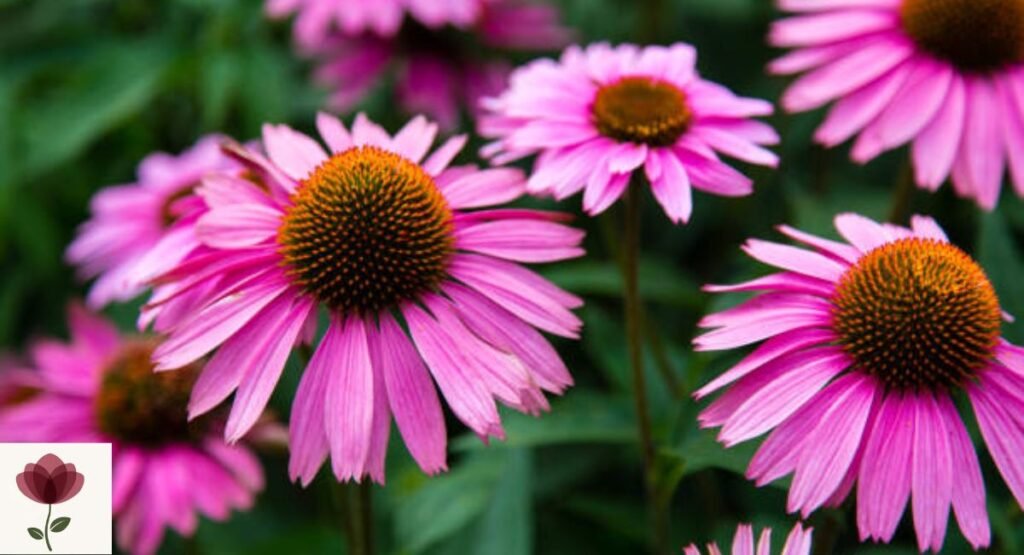
Purple coneflower (Echinacea purpurea) is a familiar native wildflower with pinkish-purple petals and a raised central cone. Its open flower structure allows many bees to land and collect pollen. The plant usually blooms in summer and can continue flowering into early fall when growing conditions are favorable. Butterflies may also visit its flowers for nectar. After blooming, the seed heads can provide food for birds, adding another benefit to a wildlife-friendly garden.
Purple coneflower grows well in sunny locations with reasonably well-drained soil. Once established, it can tolerate some dry periods, although young plants need regular watering while their roots develop. It works well in perennial borders, prairie-inspired gardens, and mixed native flower beds. Gardeners should confirm that the species is suitable for their region and avoid assuming that every coneflower sold in nurseries is a local native plant.
Black-Eyed Susan

Black-eyed Susan (Rudbeckia hirta) has bright yellow petals surrounding a dark central disk. The flower’s open shape gives bees access to pollen, while its cheerful appearance makes it popular in home gardens. It often blooms from summer into fall, depending on the climate and planting conditions. Several insects visit its flowers, so it can contribute to a garden that supports a variety of wildlife.
This adaptable wildflower generally prefers full sun and well-drained soil. It can grow in many garden settings, including informal borders and native flower patches. Black-eyed Susan may spread through seed, although its behavior varies with conditions. Combine it with asters and goldenrods to extend the flowering season. For the strongest ecological benefits, choose a species native to your area rather than relying only on its appearance or availability.
Wild Bergamot (Bee Balm)

Wild bergamot (Monarda fistulosa), commonly called bee balm, produces clusters of lavender or pinkish flowers. Its tubular blooms provide nectar for bumble bees, other native bees, and butterflies. It commonly flowers during summer, helping provide food when many pollinators are active. The plant also adds height and fragrance to native flower beds, making it a useful choice for gardeners who want both beauty and wildlife value.
Wild bergamot generally grows best in sunny to partly shaded locations with reasonably moist, well-drained soil. Established plants can tolerate some dry conditions, but prolonged drought may reduce flowering. Good air circulation can help limit powdery mildew, a common issue for some bee balm plants. Choose a locally suitable species and give it enough space to grow. Planting it with coneflowers and later-blooming asters can help maintain a steady supply of flowers.
Goldenrod

Goldenrod (Solidago species) is one of the most valuable late-season plants for many pollinator gardens. Its small yellow flowers grow in clusters and attract numerous bees and other insects. Many goldenrods bloom in late summer or fall, when some earlier flowers have faded. This timing makes them especially useful for pollinators that need food before winter. Goldenrod is also an important part of many native meadows and prairie communities.
Most goldenrod species prefer sunny sites, although their soil and moisture requirements differ. Some spread readily, so gardeners should select a species suited to the available space. Goldenrod is often blamed for hay fever, but its pollen is generally too heavy to travel far through the air. Ragweed is a more common cause of seasonal pollen allergies. In a native garden, goldenrod can provide both vivid fall color and valuable food for bees.
Asters

Native asters produce daisy-like flowers with yellow centers and petals that may be purple, blue, pink, or white. Many species bloom in late summer and fall, giving bees another food source near the end of the growing season. Their open flower heads are easy for many insects to visit. Asters can be especially useful when planted alongside goldenrod because the two often bloom during similar periods and attract a wide range of pollinators.
Growing requirements vary by species. Some asters prefer moist soil, while others tolerate drier conditions. Most benefit from suitable sunlight and enough room for healthy growth. Gardeners can use asters in borders, meadow plantings, and naturalized areas. Select species native to your region and consider their mature height before planting. By adding asters to a garden with spring and summer flowers, you can help reduce gaps in the supply of nectar and pollen.
Wild Lupine

Wild lupine (Lupinus perennis) produces upright flower spikes with blue, purple, or occasionally pinkish blooms. It flowers mainly in spring and early summer in many parts of its range. Its flowers can attract native bees, including certain specialist species that collect pollen from lupines. Wild lupine also has an important ecological relationship with the Karner blue butterfly, whose caterpillars depend on wild lupine in suitable habitats.
This plant generally prefers sunny locations and well-drained, often sandy soil. It may struggle in heavy, wet ground, so soil conditions matter when choosing a planting site. Wild lupine is not suitable for every state or garden. Select it only where it naturally belongs and where the growing conditions are appropriate. In the right location, it can support native wildlife while bringing early-season color to a pollinator garden.
Native Sunflowers
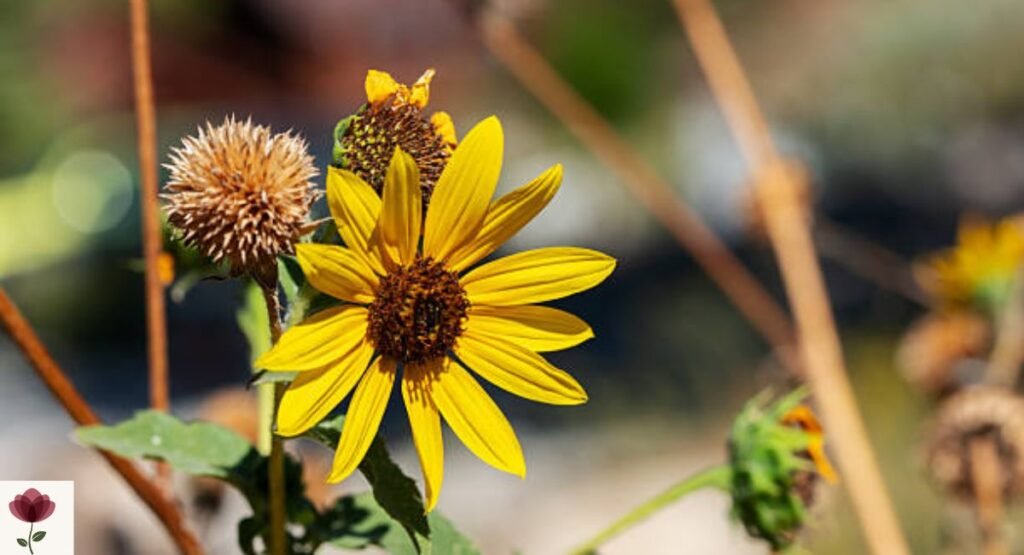
Native sunflowers belong to the genus Helianthus and include several species with different heights, flower sizes, and growing needs. Their flower heads contain many small florets that provide pollen and, depending on the species, nectar for visiting insects. Bees often gather around flowering sunflowers during summer and fall. Once the flowers mature, the seeds can also provide food for birds and other wildlife.
Most native sunflowers prefer full sun, although soil and moisture requirements differ by species. Some grow tall and spread through underground stems, while others remain more compact. Choose a species that suits your available space and local ecosystem. Native sunflowers work well in meadow-style gardens, larger borders, and sunny naturalized areas. Pairing them with lower-growing flowers can create a diverse planting with several layers of vegetation.
Milkweed

Milkweed (Asclepias species) produces clusters of flowers that can attract bees, butterflies, and other pollinators. Different species bloom at different times, with many flowering during spring or summer. Milkweed is particularly well known for its role in the monarch butterfly life cycle. Monarch caterpillars feed on milkweed leaves, so planting suitable species can provide both nectar for adult butterflies and host plants for their young.
Milkweed species differ greatly in their preferred conditions. Some grow in dry, sunny locations, while others need moist soil. Choose a species native to your region and plant it where it can grow naturally. Avoid assuming that one milkweed species is appropriate for every garden. When selecting plants, consider their mature size, spread, and moisture needs. A suitable milkweed planting can add ecological value while supporting several stages of a butterfly’s life cycle.
Blazing Star

Blazing star (Liatris species) produces upright flower spikes covered with small purple or pinkish flowers. Many species bloom in summer or early fall and attract bees, butterflies, and other flower-visiting insects. Their tall shape adds vertical interest to a garden, especially when combined with lower-growing native plants. Blazing star can also help extend the flowering season when paired with species that bloom earlier.
Many blazing stars prefer sunny sites and well-drained soil, although individual species have different moisture requirements. Some suit dry prairie gardens, while others grow in naturally moist habitats. Choose the right species for your location instead of treating all blazing stars as interchangeable. Once established in a suitable site, these plants can provide attractive flowers with relatively modest maintenance. They work particularly well in native meadow plantings and mixed pollinator borders.
Native Penstemon
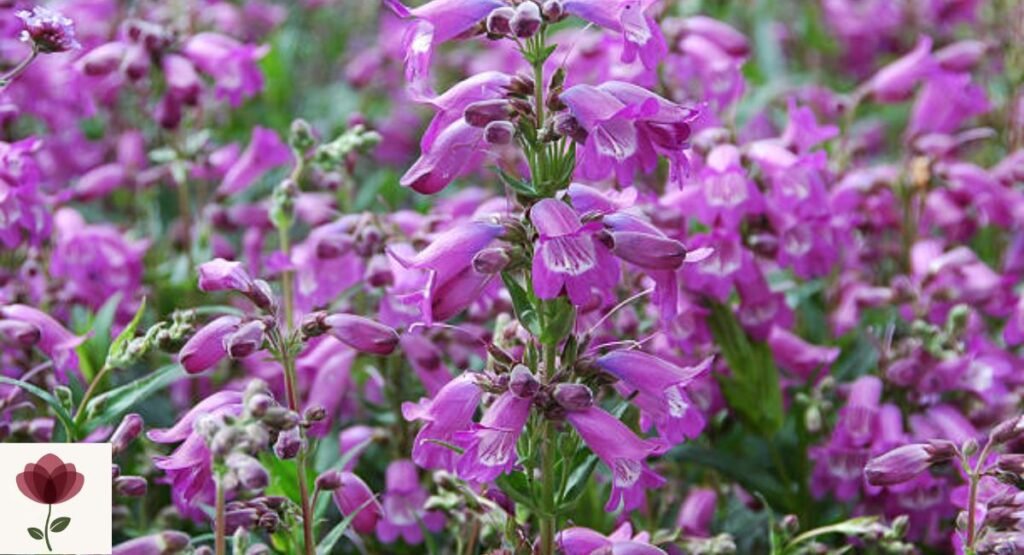
Penstemon species produce tubular flowers in shades of purple, pink, blue, or white. Their flower shapes provide nectar for a range of pollinators, including some native bees. Many species bloom in spring or summer, although flowering time depends on the species and local climate. Penstemons are especially useful in western gardens, where several native species are adapted to dry conditions and rocky or well-drained soils.
Choose a penstemon that naturally grows in your region and matches your garden’s moisture levels. Many prefer full sun and good drainage, while some tolerate partial shade or different soil types. Avoid overwatering species adapted to dry habitats. Native penstemons can be planted in rock gardens, sunny borders, and naturalized areas. When combined with later-blooming flowers, they help provide pollinator resources across more of the growing season.
Best Native Flowers for Bees and Butterflies
Many native plants support both bees and butterflies, but they do not all serve the same purpose. Bees often collect pollen to feed their developing young, while adult butterflies commonly visit flowers for nectar. Coneflowers, wild bergamot, asters, goldenrod, and blazing star can attract both groups when grown in suitable regions. Milkweed offers an additional benefit because it serves as a host plant for monarch caterpillars. A diverse garden can provide food and habitat for pollinators at different stages of their lives.
Flower shape, color, and bloom time all matter. Some bees can reach nectar inside tubular flowers, while others do better on open blooms. Planting flowers that bloom in spring, summer, and fall helps avoid long periods with little food available. The best native flowers for bees and butterflies are therefore not just a short list of popular species. They are a locally suitable mix of plants that bloom at different times and meet the needs of different pollinators.
| Native flower | Typical bloom period | Main garden benefit |
| Wild bergamot | Summer | Nectar for bees and butterflies |
| Purple coneflower | Summer to early fall | Open flowers for visiting pollinators |
| Goldenrod | Late summer to fall | Late-season pollen and nectar |
| Native asters | Late summer to fall | Food when many flowers have faded |
| Wild lupine | Spring to early summer | Early-season flowers and specialist bee support |
| Milkweed | Spring or summer, depending on species | Nectar for pollinators and monarch host habitat |
| Native sunflowers | Summer to fall, depending on species | Pollen, pollinator visits, and later seeds for birds |
Bloom periods in this table are general guides. Local weather, species, elevation, and planting conditions can shift flowering times.
California Native Flowers for Bees
California’s varied landscapes range from coastal areas and valleys to deserts and mountain habitats. This means a flower suited to a cool coastal garden may not thrive in a hot inland yard. California poppy is a well-known native wildflower that grows well in sunny locations with suitable drainage. California lilac (Ceanothus) can produce abundant flowers that attract bees, while common phacelia offers another useful seasonal food source. California buckwheat is valued in many dry gardens because it can tolerate drought once established.
Native sages are also important choices for many California landscapes. Their tubular flowers can provide nectar for bees and other pollinators, while many species tolerate sunny conditions and limited summer watering. Before planting, consider your local rainfall, soil type, and summer temperatures. Coastal, inland, and mountain gardens often need different species. For the best results, select California native flowers from a reputable local nursery and follow regional guidance for watering and maintenance.
Colorado Native Flowers for Bees
Colorado’s growing conditions vary with elevation, rainfall, temperature, and soil. Gardens on the Front Range may face dry summers and strong sunlight, while higher-elevation locations can have shorter growing seasons and colder nights. Rocky Mountain bee plant can provide flowers during warm months, and blanket flower can add bright color to sunny, well-drained sites. Native penstemons are also useful because several species suit dry western conditions. Purple coneflower may be appropriate in some gardens, but gardeners should check the species’ native range before planting.
Rocky Mountain columbine offers another option where its growing needs can be met. It generally flowers in late spring or summer, depending on elevation and conditions. To create a successful Colorado pollinator garden, choose plants adapted to the local environment instead of assuming that every mountain wildflower grows well statewide. Group flowers with similar water needs together. This approach helps reduce unnecessary watering and gives native bees access to flowers that thrive in their natural climate.
Illinois Native Flowers for Bees
Illinois has a rich prairie heritage, and many native prairie flowers are well suited to pollinator gardens. Purple coneflower, wild bergamot, and black-eyed Susan can provide summer flowers in appropriate locations. Prairie clovers add another type of flower structure and may attract a variety of insects. Native asters and goldenrods are especially valuable later in the season, when pollinators need additional food before winter. Together, these plants can create a garden with color and ecological value across several months.
A prairie-inspired garden does not need to cover a large area. Homeowners can plant native flowers along fences, in sunny borders, or in a small patch of lawn converted to flowers. Choose species suited to the soil moisture and sunlight in your yard. Some prairie plants prefer dry, open ground, while others grow better in more moisture. A mixture of locally native flowers can support bees while reducing the need for frequent replanting once the garden becomes established.
Michigan Native Flowers for Bees
Michigan’s cold winters, seasonal rainfall, and varied soils influence which native flowers grow best. Wild lupine can be useful in appropriate sandy habitats, while purple coneflower and wild bergamot provide summer flowers in suitable gardens. New England aster and goldenrod extend the flowering season into fall. These plants can help provide food at different times, but gardeners should choose species that naturally grow in their part of Michigan rather than relying on a statewide list alone.
Great Lakes shorelines, inland forests, wetlands, and open fields support different plant communities. A dry, sunny yard may suit one group of flowers, while a moist garden needs different choices. Select plants according to local conditions and give them enough space to reach their mature size. A mix of native flowers, shrubs, and suitable nesting areas can turn a residential yard into a useful habitat for local bees.
Minnesota Native Flowers for Bees
Minnesota’s long winters make cold-hardy native plants especially important for gardens that need to return each year. Purple coneflower, prairie clover, and wild bergamot can provide flowers during the warmer months when planted in suitable locations. New England aster and goldenrod are valuable late-season choices because their flowers can remain available into fall. Combining plants with different flowering periods can help support pollinators during Minnesota’s relatively short growing season.
Gardeners should consider sunlight, soil moisture, and the natural habitat of each plant. Some native prairie flowers thrive in sunny, well-drained ground, while other native species need more moisture. Choose plants adapted to your part of Minnesota and avoid overwatering species that prefer drier soil. A thoughtfully planned garden can support native bees while also adding color and texture to the landscape. Leaving some stems and natural plant material over winter can provide shelter for insects, too.
New England Native Flowers for Bees
New England includes a range of habitats, from coastal areas and wetlands to forests and open fields. Wild lupine can suit certain sandy habitats, while wild bergamot provides summer flowers in appropriate gardens. Mountain mint is another useful choice because its clusters of small flowers attract many kinds of pollinators. New England aster and goldenrod help extend the flowering season into fall, providing food when earlier blooms begin to fade.
These flowers can support regional bumble bees, including the rusty patched bumble bee in areas where suitable habitat and populations remain. However, planting flowers alone cannot solve every challenge facing threatened bee species. Gardeners can make a useful contribution by choosing local native plants, avoiding harmful pesticide use, and preserving nesting habitat. Consult regional plant resources to choose flowers that match your soil, moisture, and sunlight. A mixture of species can create a more dependable source of food than a garden with only one flowering plant.
New York Native Flowers for Bees
New York gardeners can choose from many native flowers suited to different landscapes. Wild bergamot and purple coneflower can provide summer blooms in suitable locations, while New England aster and goldenrod add late-season flowers. Mountain mint can attract a variety of pollinators through its dense flower clusters. Together, these plants can help create a garden that offers food over a longer period, provided each species matches the local growing conditions.
Native flowers can work in urban gardens, suburban yards, and rural landscapes. Even a small city garden can help if it includes several suitable flowering species and avoids unnecessary pesticide use. Containers and narrow borders can support compact native plants, while larger yards can accommodate meadow-style plantings. Choose species that naturally grow in your part of New York and consider their mature size before planting. Small, well-planned spaces can still provide useful habitat for native bees.
Florida Native Flowers for Bees
Florida’s warm climate supports a wide range of flowering plants, but heat, humidity, rainfall, and soil conditions vary across the state. Coral honeysuckle can provide tubular flowers that attract pollinators, while Walter’s viburnum produces clusters of small flowers. Native tickseed, including suitable Coreopsis species, can add bright color to sunny gardens. Regionally appropriate blazing stars can also provide useful flowers. The right choice depends on whether a garden is in North Florida, Central Florida, or South Florida.
Before planting, consider seasonal rainfall and how quickly the soil drains. Some native species thrive in dry, sandy locations, while others need more moisture. Plants that suit one Florida region may not perform well elsewhere. Choose species native to your local area and follow advice from regional native plant organizations. By combining flowers with different bloom times, Florida gardeners can support bees while creating landscapes suited to local conditions.
Texas Native Flowers for Bees
Texas includes grasslands, woodlands, deserts, and humid eastern regions, so native flower choices vary widely. Texas bluebonnets are famous for their spring blooms and can provide seasonal resources for pollinators. Indian blanket offers colorful flowers suited to many sunny, well-drained sites. Lemon beebalm and purple prairie clover can also be useful where they naturally grow. Native sunflowers add further variety and can provide pollen for visiting bees.
Drought-tolerant flowers can be especially valuable in parts of Texas where summer rainfall is limited. However, drought tolerance does not mean a plant never needs water, especially during establishment. Choose species suited to your region and soil, and group plants with similar watering needs together. East Texas gardens may need different plants from those in the drier western part of the state. A local selection of native flowers can help create a resilient garden that supports pollinators without demanding excessive care.
Australian Native Flowers for Native Bees
Although this article focuses mainly on the United States, Australian native flowers provide an interesting example of how plants support local pollinators. Bottlebrush produces distinctive flower spikes that can attract visiting insects. Grevillea includes many species with unusual flower forms, while tea tree (Leptospermum) and eucalyptus provide flowers used by different pollinators. Native paper daisies can also support insects in suitable Australian habitats.
Australia has its own diverse native bee species, including stingless bees in warmer regions. These bees interact with local plants in ways shaped by Australia’s climate and ecosystems. However, Australian plants should not be treated as substitutes for native American flowers in a US pollinator garden. Gardeners in the United States should focus on species suited to their local ecosystems. This comparison shows why regional plant selection matters wherever a garden is located.
How to Choose the Best Native Flowers for Your Region
Start by identifying which plants naturally grow in your area. Local native plant societies, botanical gardens, and university extension services can help you find reliable species lists. Next, consider the conditions in your yard. A sunny, dry border needs different plants from a shaded, moist garden. Soil type, drainage, rainfall, and seasonal temperatures all affect how well a plant grows. Choosing flowers that match these conditions can reduce maintenance and help plants establish strong roots.
Bloom time is equally important. A garden with only summer flowers may leave bees without enough food during spring or fall. Combine locally suitable early, middle, and late bloomers to provide more consistent resources. Consider different flower shapes and sizes so more bee species can find food. Buy from reputable nurseries that identify plants by species and origin. Avoid collecting plants from the wild, as removing them can damage natural habitats. A thoughtful mix of local plants is usually more useful than a large collection chosen only for appearance.
How to Plant a Bee-Friendly Native Flower Garden
Begin with a small selection of native species that suit your soil, sunlight, and available space. Planting groups of the same flower can make resources easier for bees to locate, while a mixture of species provides greater variety. Include plants that bloom during different parts of the growing season. Once established, many native plants need less extra watering than they did during their first growing season, although water requirements vary. Follow the care instructions for each species instead of applying the same routine to every plant.
A good pollinator garden also provides nesting and resting places. Many native bees nest in bare soil, while others use hollow stems, wood cavities, or similar spaces. Leaving a small patch of suitable bare ground can help ground-nesting species. Keep some pithy or hollow stems where appropriate, and avoid removing all natural garden debris before winter. If you add water, provide shallow areas or landing spots so insects can drink safely. Avoid pesticides whenever possible, especially when plants are flowering. These steps create habitat as well as a source of food.
Common Mistakes to Avoid When Growing Flowers for Native Bees
One common mistake is choosing a flower simply because it is native somewhere in the United States. A plant may be poorly suited to the local climate or may not belong in the region’s natural ecosystem. Another mistake is planting only one species. A single flower may bloom for a short period, leaving bees with fewer resources during the rest of the season. A varied selection of locally native plants is generally a stronger choice.
Gardeners can also reduce a garden’s value by using pesticides without considering their effects on pollinators. Some ornamental varieties may have flower structures that limit access to pollen or nectar, so check their usefulness before buying. Removing every stem, leaf, and patch of bare soil can also eliminate potential nesting and overwintering habitat. Instead, maintain the garden thoughtfully. Keep paths and planting beds tidy where needed, but leave suitable natural areas for wildlife. A healthy pollinator garden balances care with space for nature.
Conclusion
A native flower garden can provide valuable food and habitat for bees, butterflies, and other wildlife. The most effective planting is not necessarily the biggest or most colorful. It is a garden with flowers suited to the local region, different bloom times, and conditions that help plants thrive. Purple coneflower, wild bergamot, asters, goldenrod, and other native species can all play a role where they naturally belong.
When choosing flowers for native bees, start with your local environment and build a diverse garden around it. Plant flowers that bloom in different seasons, avoid harmful pesticide use, and leave suitable spaces for nesting. Even a small garden can offer useful resources when its plants and habitat meet local pollinators’ needs. With thoughtful choices, you can create a beautiful outdoor space that supports nature one flower at a time.
FAQs
What are the best flowers for native bees?
Purple coneflower, wild bergamot, native asters, goldenrod, and native sunflowers can support bees in suitable regions. Choose plants native to your area and combine different bloom times.
Which native flowers attract both bees and butterflies?
Wild bergamot, coneflowers, asters, goldenrod, and blazing star can attract both groups. Milkweed also supports butterflies and serves as a host plant for monarch caterpillars.
What are the best native flowers for bees in California?
California poppy, California lilac, California buckwheat, and native sages are useful options in suitable areas. Select plants based on your local climate, soil, and rainfall.
Which flowers are best for native bees in Texas and Florida?
Texas bluebonnet, Indian blanket, and suitable native beebalms can support bees in parts of Texas. In Florida, native tickseed, coral honeysuckle, and Walter’s viburnum may be suitable choices.
Do native bees prefer native flowers?
Many native bees benefit from native flowers, and some depend on particular plant groups for pollen. Others visit a wide range of flowers, so a diverse, locally suitable garden can support more species.

Welcome to PetalNexa! I’m Anam Sattar, an AI-powered SEO Specialist and Content Writer with over 4 years of experience in creating high-quality, search-optimized content. I help businesses improve their search engine rankings, increase organic traffic, and build beautiful, user-friendly websites. My mission is to make SEO, content creation, and web design simple, effective, and accessible for everyone. Let’s grow your online presence and achieve success together!